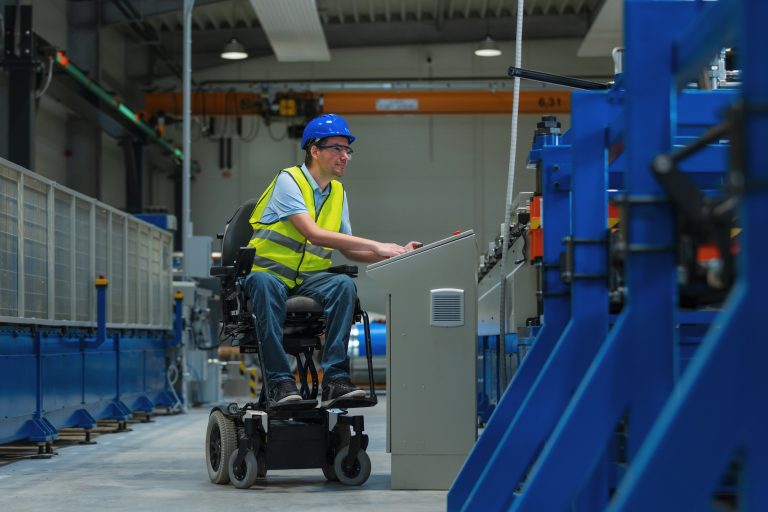
As the world marks the International Day of Disabled People on 3 December, the logistics sector is reminded of its responsibility and opportunity, to drive greater accessibility across global supply chains. As an industry that keeps economies running, logistics has a powerful platform to champion inclusion and ensure disabled people are not overlooked.
A Critical Workforce Opportunity
Labour shortages, rising skills demands and rapid digitalisation continue to shape the sector. Broadening access to disabled talent is not only the right thing to do, it supports resilience, innovation and long-term competitiveness.
Disabled people remain underrepresented in many areas of logistics, yet the industry’s breadth of roles means there is huge potential for greater participation.
Improving Accessibility on the Ground
Warehouses, transport hubs and distribution centres can become more inclusive through relatively straightforward adjustments. Wider walkways, adjustable workstations, clearer visual cues, improved lighting and accessible welfare facilities all contribute to safer, more efficient workplaces.
Such improvements don’t just benefit disabled workers, they enhance operations for all staff, including an ageing workforce.

Inclusive Recruitment for a Modern Sector
Today’s logistics industry includes far more than traditional warehouse or driving jobs. With the rise of automation, data-driven operations and remote monitoring, many roles – such as planning, analytics, customer support and IT can be adapted for flexible or hybrid working.
Inclusive recruitment practices, clearer job descriptions and fair workplace adjustments help open the door to skilled disabled professionals who can bring fresh perspectives to the sector.
Technology as an Accessibility Enabler
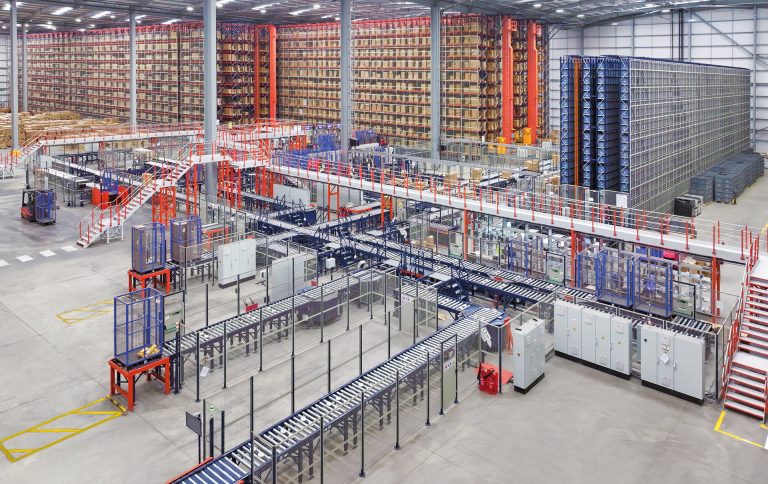
The ongoing technological shift in logistics offers major opportunities for inclusion. Automation reduces physical strain, wearable devices support workers with mobility or sensory needs, and AI-powered systems make communication easier. Remote-control operations and digital monitoring also allow for roles that can be performed off-site.
When implemented thoughtfully, technology becomes a powerful enabler of accessibility and not a barrier.
Driving Inclusion Across the Supply Chain
As a global industry employing millions, logistics can set a strong example by placing inclusion at the centre of long-term strategy. This means designing accessible workplaces, training staff on inclusive practices, ensuring disabled voices are represented and building accessibility into digital transformation plans.
A more inclusive logistics sector is not just fairer – it is more resilient, innovative and better equipped for the future.