For growing businesses, warehouse automation needs to solve today’s challenges while leaving room for tomorrow’s opportunities. Rainbow Dynamics and Dutch sorting specialist FarmaSort, through its Collo-X brand, bring together complementary technologies that allow customers to build capacity in manageable stages.
Founded in 2023, Rainbow Dynamics has deployments in Asia and the United States and is expanding across Europe under Jaap Vos, General Manager for the UK and Europe. Its market development strategy is exclusively focused on systems integrator partnerships. Partners lead customer relationships, project delivery and local support, backed by Rainbow Dynamics’ robotics and engineering expertise.
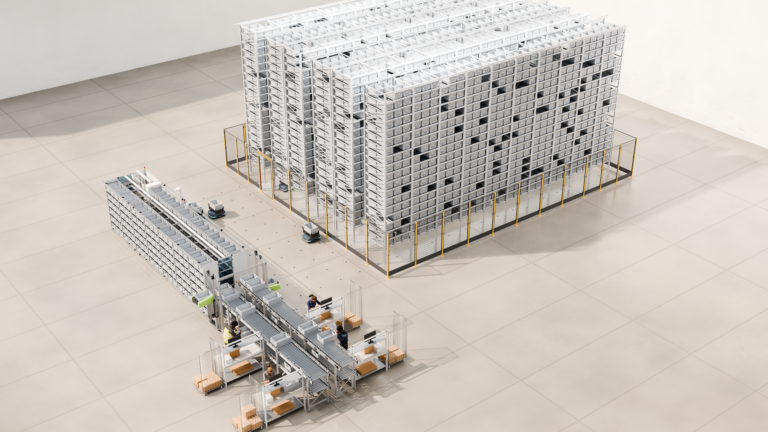
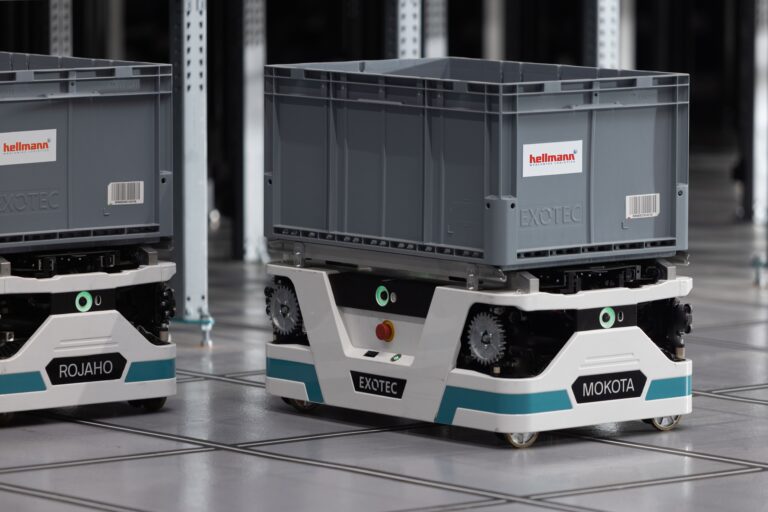
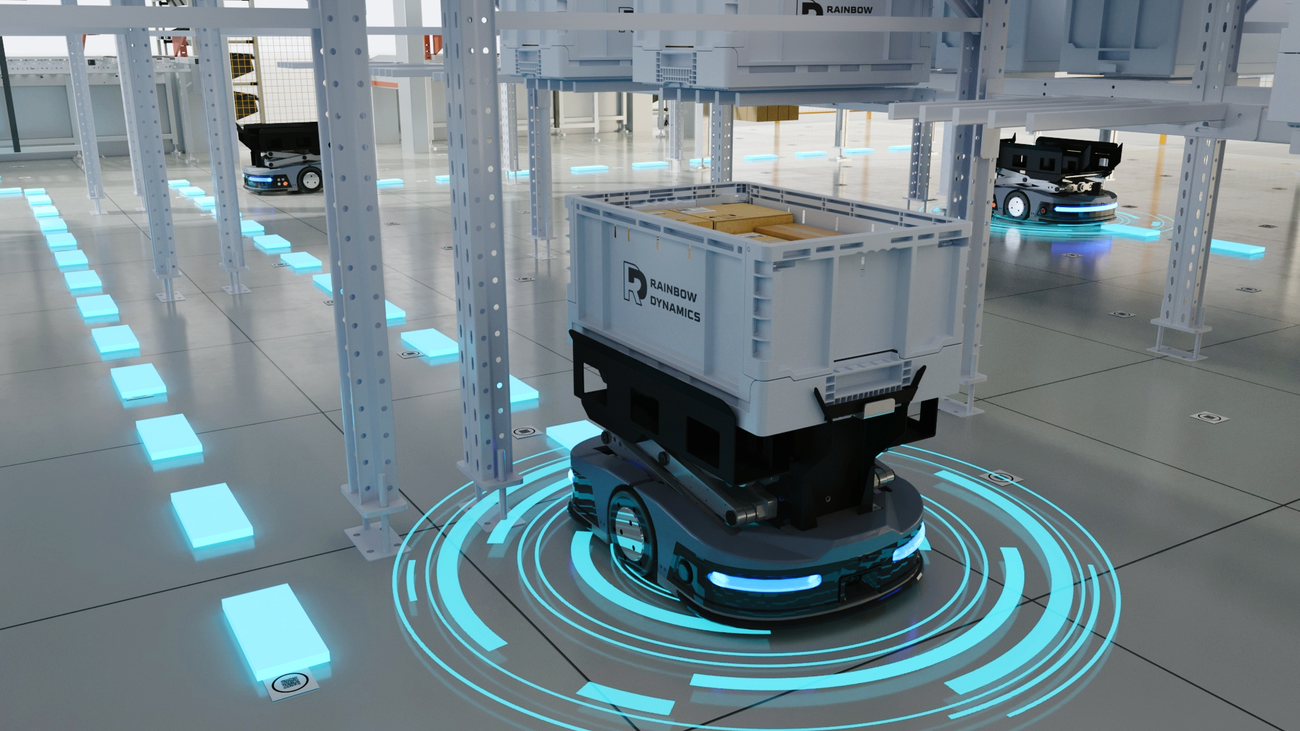
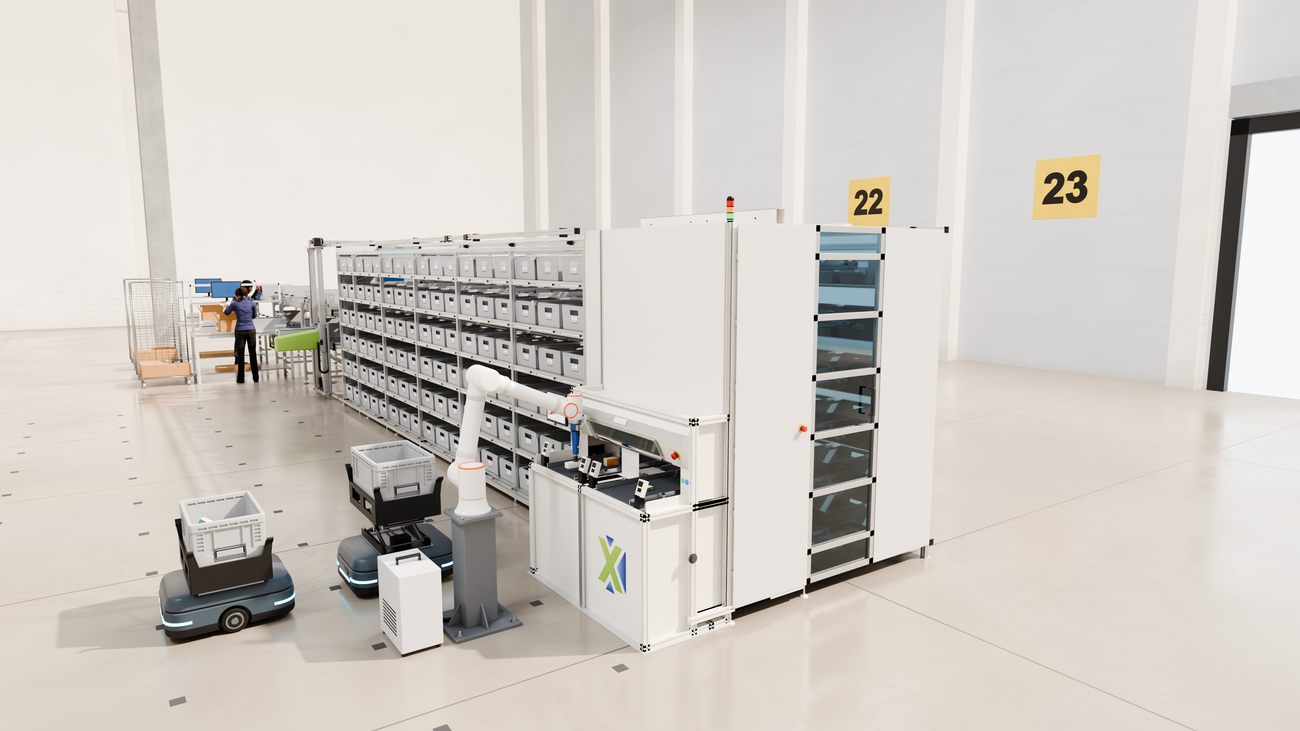
The company develops the 4D Pallet Shuttle for pallet storage and ‘RackBot’ for tote-based goods-to-person operations. RackBot retrieves inventory within a multilevel racking structure, while ‘GroundBot’ robots transport totes to workstations. Bringing products to operators reduces walking and manual handling, helping teams spend more time fulfilling orders.
Installations include a RackBot system in Taiwan for a leading German technology and engineering group, and a pallet shuttle system in the United States for a leading online retailer. These projects provide experience to support the next phase of European growth.
The company’s collaboration with FarmaSort and Collo-X extends that proposition from storage and picking into sortation. Based in the Netherlands, FarmaSort brings experience in pharmaceutical sorting, while Collo-X applies that expertise to ecommerce, fulfilment, third-party logistics and other distribution operations.
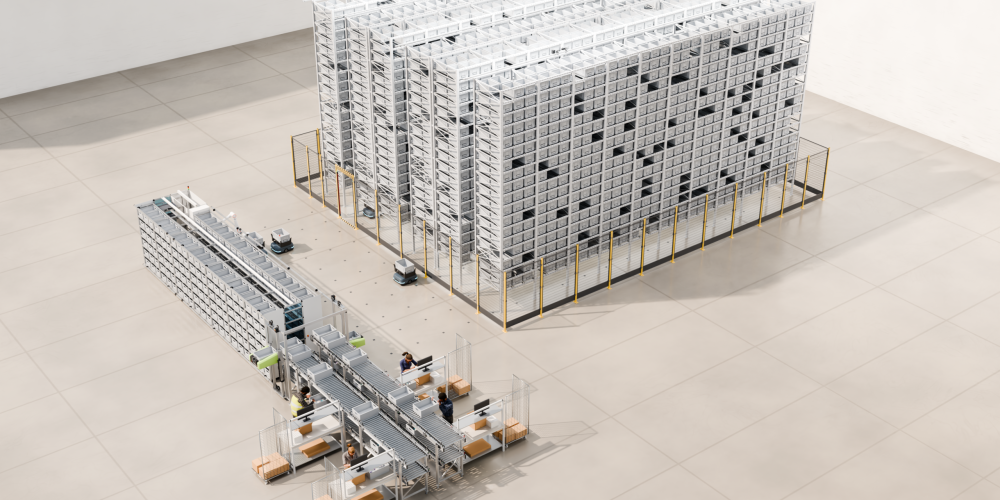
At the heart of the offering is the MicroSorter: a compact, modular machine that directs products to destinations such as bags, cartons, totes and roll containers. It can operate independently, with manual product induction and order removal, or become part of a wider automated installation.
Connecting the MicroSorter with RackBot creates opportunities to coordinate fulfilment stages. RackBot can supply inventory to picking stations for onward sorting and, in an integrated configuration, support automated removal and replenishment of order totes. Arranging additional sorting destinations vertically can also make better use of the footprint.
For customers, scalability is an attractive benefit. A business can begin with the storage resources and sorting destinations it needs, then expand as order volumes, product ranges or customer numbers increase. MicroSorter modules and additional levels provide routes to more destinations, while RackBot’s modular architecture allows robotic resources to increase alongside operational demand.
Essential Integration
This phased approach helps control the initial investment. Customers can target a specific bottleneck first and build on that investment as the business case develops. Existing warehouse space, standard shelving compatibility and compact sorting layouts can help contain infrastructure costs and make automation accessible to growing operations. That flexibility is especially valuable when future demand remains difficult to forecast.
Installation speed matters too. Standardised components, modular assembly and compatibility with existing facilities support straightforward implementation and commissioning. Delivery schedules depend on configuration, software integration and site readiness, allowing customers and integrators to plan realistic milestones around operational priorities.
The benefits extend beyond capacity. Reducing unnecessary travel and repetitive handling can improve working conditions, while automated sorting supports consistent order processing. For logistics providers managing several customers, adaptable destinations help accommodate new accounts; for online retailers, they support changing order profiles and seasonal demand.
Throughout, the integrator remains central: assessing the operation, connecting systems and providing local service. Rainbow Dynamics supplies the robotics, while FarmaSort and Collo-X contribute sorting expertise, creating a coordinated solution around the customer’s needs.
The result is an appealing proposition for businesses considering their next automation step: start at an appropriate scale, use space efficiently and invest further as demand grows. With complementary technology and expansion paths, automation becomes a capability that develops with the customer, supported by partners who understand both the equipment and the operation it serves.