

How is data-driven asset management redefining logistics? Petrina Austin (pictured), Partner & Head of Asset Management, Tritax Group, explains.
The age of globalisation may not be over, but companies have been reckoning with the growing impact of geopolitics on their supply chains in recent months. In this environment, warehousing has become central to the wider conversation about national resilience.
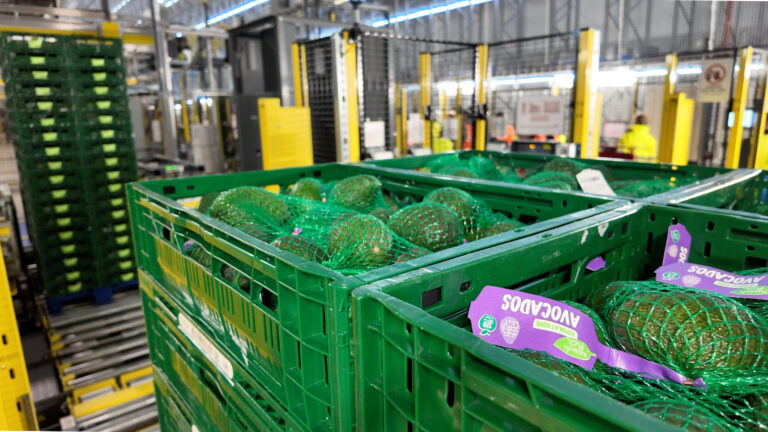
Modern warehousing underpins everything from e-commerce and domestic manufacturing to food security, defence and data infrastructure. The operational fallout of US tariffs and the closure of the Strait of Hormuz is a reminder of the risks inherent in long, complex trade routes – and the increasing benefits of on- or near-shoring.
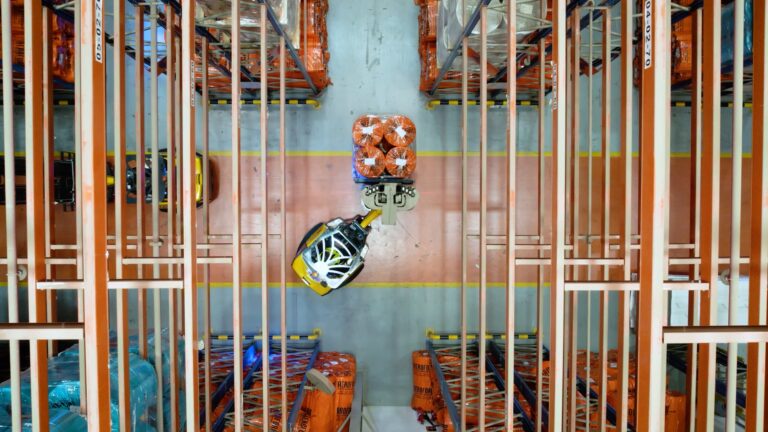
With warehouses increasingly recognised as critical infrastructure, there has been upwards pressure on demand for domestic space – not least because this has coincided with long-term trends including automation and AI, which have driven demand for new specifications and forced occupiers to reassess their operational footprints.
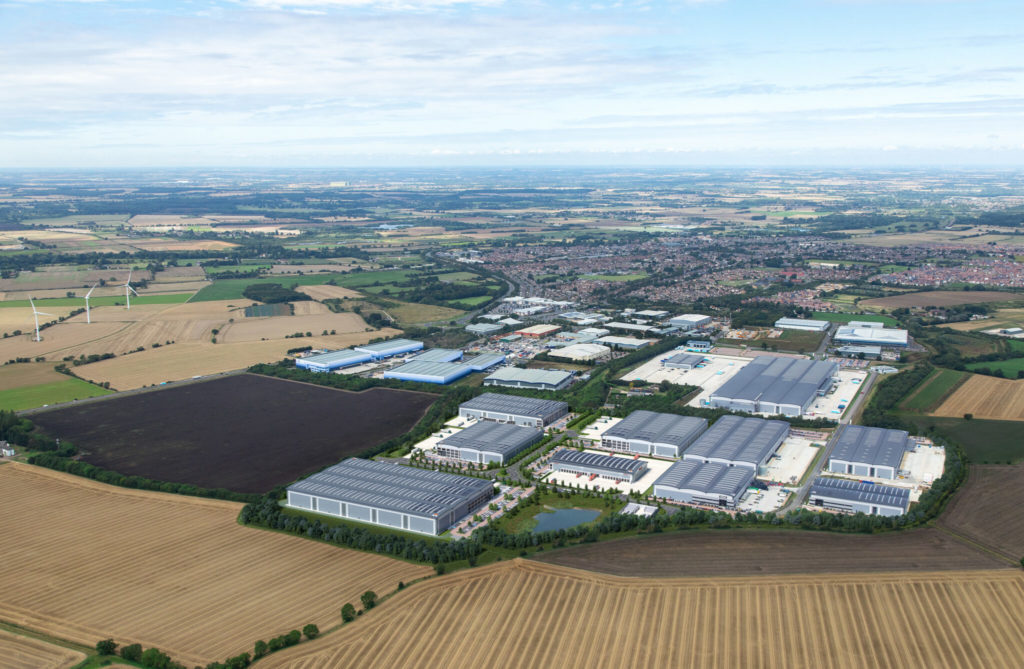
In the UK, nearly half of occupiers expect to increase their space requirements in 2026 according to the latest Future Space Report from Savills and Tritax Big Box, and big box take-up increased quarter on quarter in Q1 2026 according to Savills. Simultaneously, Tritax Big Box research indicates that 82% of occupiers expect their power requirements to increase over the next three years.
These pressures may have been intensified by an increasingly volatile global environment, but the greatest constraint arguably lies closer to home – particularly in the UK. Constraints on planning, land, and grid connectivity mean traditional, passive asset management is no longer sufficient to meet occupiers’ increasingly complex needs.
Successful asset management now requires a data-driven, strategic approach that combines on-the-ground engagement with analytics and portfolio-wide insights to understand how a customer operates, anticipate their future requirements, and address inefficiencies to deliver space that genuinely supports their long-term needs. Fortunately, rapid advances in technology mean asset managers can now understand a building’s performance, costs and unrealised potential better than ever before, particularly when data is combined with first-hand insight into how an occupier operates and how their needs may evolve.
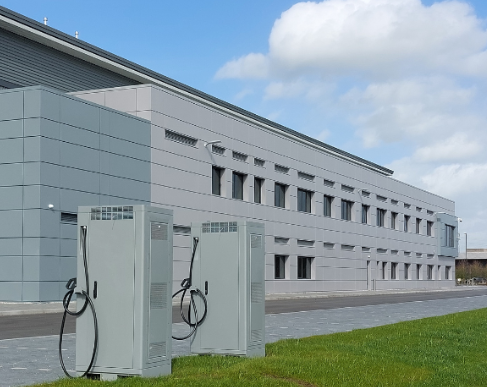
For example, AI-powered insights are enabling best-in-class asset managers to project occupiers’ space requirements and assess the power resilience of individual assets with greater precision than ever before, including anticipating additional power demand from automation and electric vehicle charging.
This approach is also important from an ES&G perspective, where the conversation has evolved significantly in recent years. While sustainability remains firmly on the agenda, it is increasingly connected to the need for energy efficiency and power resilience, as automation, electrification and the expansion of energy-intensive industries such as data centres put upwards pressure on demand. Additionally, data insights can generate decarbonisation plans to help occupiers to meet their net zero goals.
Scalable, efficient, and future-ready warehousing will underpin the UK’s resilience, competitiveness, and long-term growth, supporting everything from defence and data centres to manufacturing, food security, and e-commerce. Meeting that challenge will require asset managers to move beyond the traditional landlord model, using data and insight to strategically shape smarter developments, modernise existing assets, and create industrial space fit for the future.