C.H. Robinson is extending its artificial intelligence capabilities into ocean freight, air cargo and customs brokerage, deploying AI agents to automate tasks including price quotations, booking requests and customs documentation.
The logistics provider says its new tools have already generated more than 80,000 freight price quotes for over 3,600 customers. Tasks that previously took up to a day for air freight quotations and two to three days for ocean shipments can now be completed in two to three minutes.
The expansion builds on C.H. Robinson’s Lean AI programme, which uses multiple AI agents to handle complex logistics processes while retaining human oversight. The company says some freight forwarding tasks require more than a dozen agents working together to gather information, assess options and complete individual stages of a shipment.
Faster freight quotations
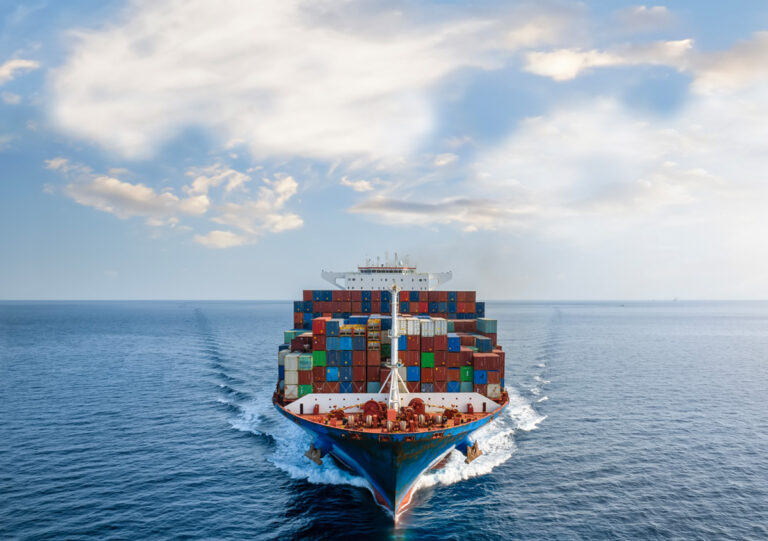
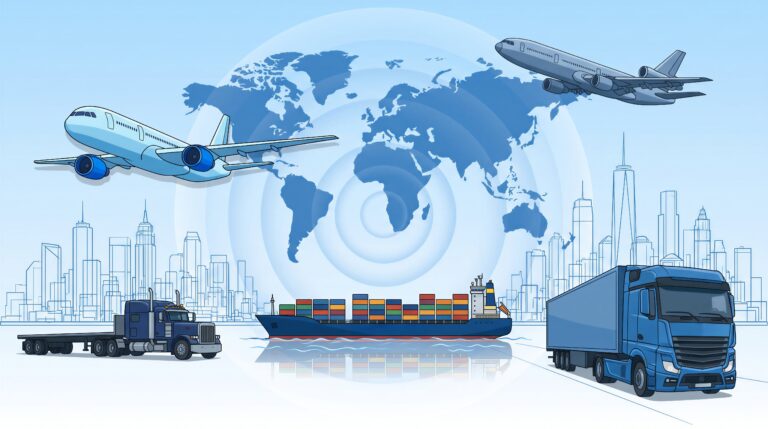
The price-quoting capability covers less-than-container-load (LCL) and full-container ocean freight, as well as air cargo. It was initially launched in 2025 for LCL shipments involving customers in the US and Canada and has since expanded to Mexico, Europe, Latin America and Oceania. Pilots are under way in China, with further roll-outs planned across Southeast Asia, India, the Middle East and Africa in the fourth quarter of 2026.
Ocean freight quotations can involve numerous variables, including port selection, terminal charges, inland transport and the availability of shipping services. C.H. Robinson says its agents can assess these factors and obtain information from external sources, including terminal websites and email notifications about changing fees.
For shipments where a customer has not specified a port, the system can also assess the origin and destination, sailing frequency and inland transport options to suggest possible routes.
Mike Short, President of Global Forwarding at C.H. Robinson, said the technology was helping customers receive information sooner and compare alternative routing, transport modes, schedules and prices when plans change.
Automating bookings and customs
A second group of AI agents is being introduced to manage ocean booking requests. The system launched in China in August 2026, with a wider Asian roll-out planned for the fourth quarter and global availability expected in the first quarter of 2027.
One agent adds customer-specific information to booking requests, allowing the wider system to account for individual requirements and procedures. The company says this is intended to reduce manual processing, particularly where a retailer or manufacturer has numerous suppliers making bookings on its behalf.
Mike Neill, Chief Technology Officer, said previous digital booking forms and data exchange arrangements had achieved only around 5% automation of ocean and air booking requests over approximately ten years.
“With our agentic AI, all those booking requests no longer need to be handled manually,” he said, while acknowledging that further work remains to automate the complete booking process.
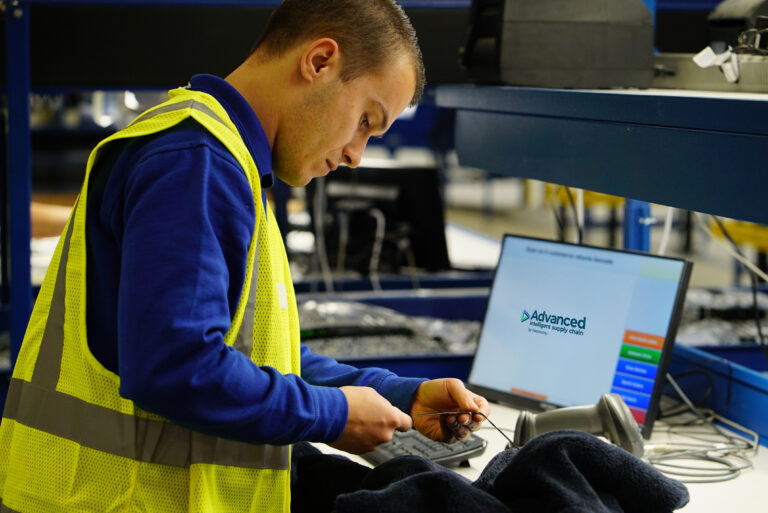
The customs application focuses on processing the documentation required for shipments entering the US. The system handles more than four dozen document types from shippers, carriers and government agencies. It classifies incoming documents, associates them with individual shipments, extracts relevant information and identifies missing paperwork so it can be requested.
C.H. Robinson reports that the system has reduced time spent on these processes by 23%, allowing customs brokers to concentrate on validation and compliance.
Extending AI across logistics operations
The new applications extend a programme that C.H. Robinson has been developing across its trucking and logistics operations. The company says its AI agents draw on 100 trillion data points alongside customer-specific information to support decisions and automate workflows.
Arun Rajan, Chief Strategy & Innovation Officer, said the company was continuing to develop applications where AI could improve operational processes, supported by its in-house software engineering and data science teams.
The expansion into freight forwarding illustrates how AI is being applied to administrative and information-intensive tasks across international logistics. For freight operators, the potential benefits include shorter quotation times, less manual booking administration and faster processing of customs documentation. The extent of those gains will depend on how effectively the technology is integrated into existing customer and operational workflows.