

New research from 3PL Paxon reveals the key trends affecting how consumers buy products such as smart glasses and drones and the impacts on retail supply chains and fulfilment.
Artificial Intelligence, wearable technology and drones are transforming shoppers’ buying habits and expectations, creating new challenges and opportunities for inventory planning, forecasting and management.
Online YouGov research of over 2,000 UK adults aged 18+ years was commissioned, as Bnode officially launches Paxon, its unified third-party logistics brand, bringing together leading logistics businesses Radial, Staci, Active Ants and Base Logistics. The unification marks Bnode’s transformation into a digital expert in international logistics and services.
Findings from the research suggest consumer adoption of AI-powered shopping tools remains in its infancy. Almost two thirds (62%) of online shoppers have never used AI product recommendations, while 21% had seen products suggested by AI tools, but never bought them.
Wayne Chapman (pictured, below), UK CEO of Paxon, commented: “AI shopping is still pretty new, but it’s not going away. If it makes it quicker and easier for people to buy, demand is going to become harder to predict. For retailers, it’s quite simple. You need to know what’s happening and have a fulfilment operation that can react quickly when things change.”

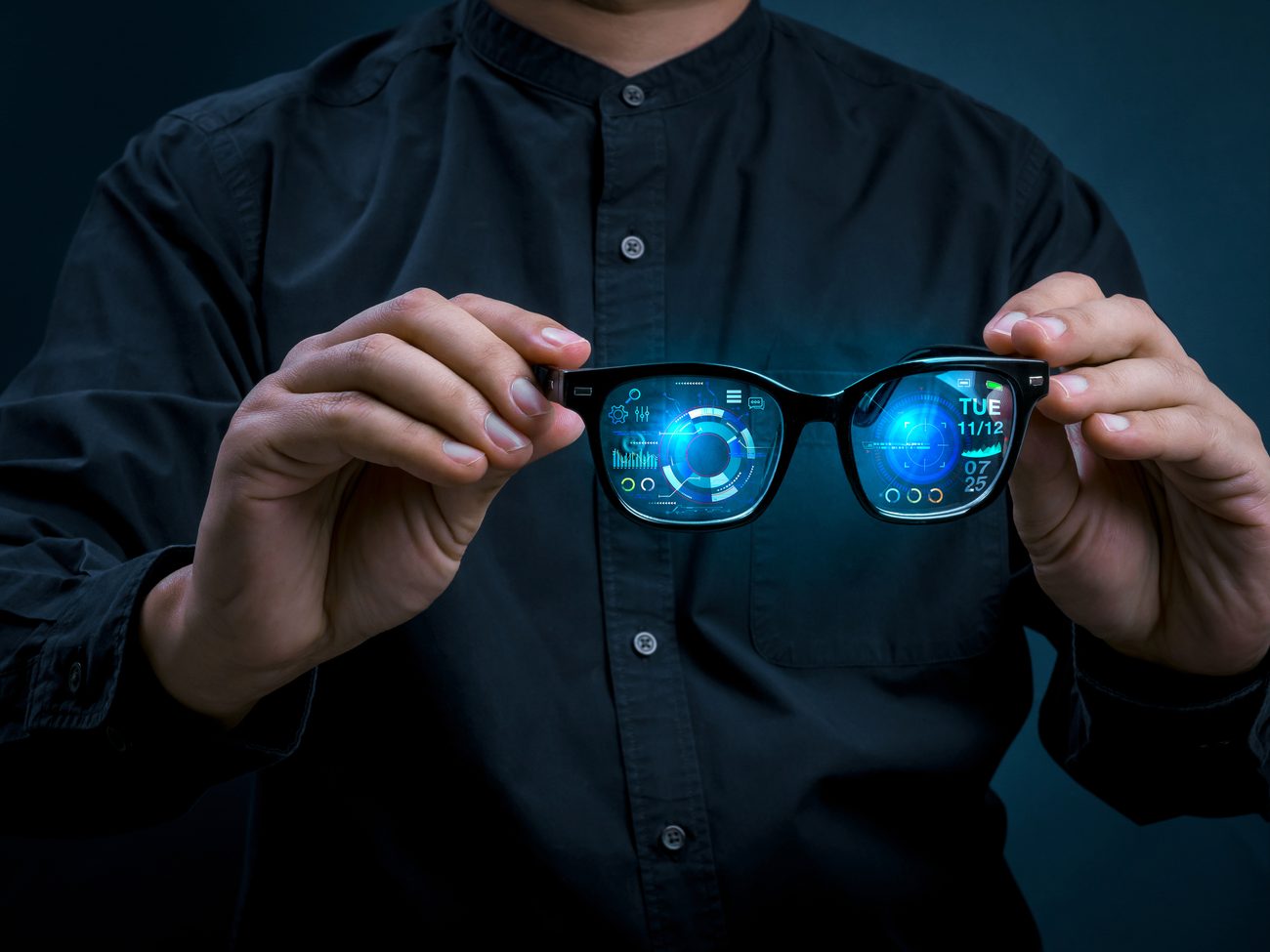
Wearable technology, such as smart glasses, also has vast potential to change the way people shop. In the future, AI-powered wearable tech could allow people to look at products they see in everyday life and purchase them instantly in their preferred size, colour and specification. Nearly two thirds of adults aged 18-34 years would be likely to shop using smart glasses.
Chapman added: “If someone sees something they like and can buy it there and then through their glasses, they might never visit a retailer’s website. That’s a big change. Brands then have fewer opportunities to build that relationship, so what happens after the sale really matters. Delivery, packaging, personalisation and returns all become part of the experience.”
Drone Delivery
The growing popularity of marketplaces is another shopping trend likely to impact the number of consumers buying directly from retailers. Shoppers favour the wide choice of products and convenience offered by marketplaces, with three in ten saying they are more likely to shop via marketplaces over the next 12 months, rather than buying through a retailer’s or a brand’s website.
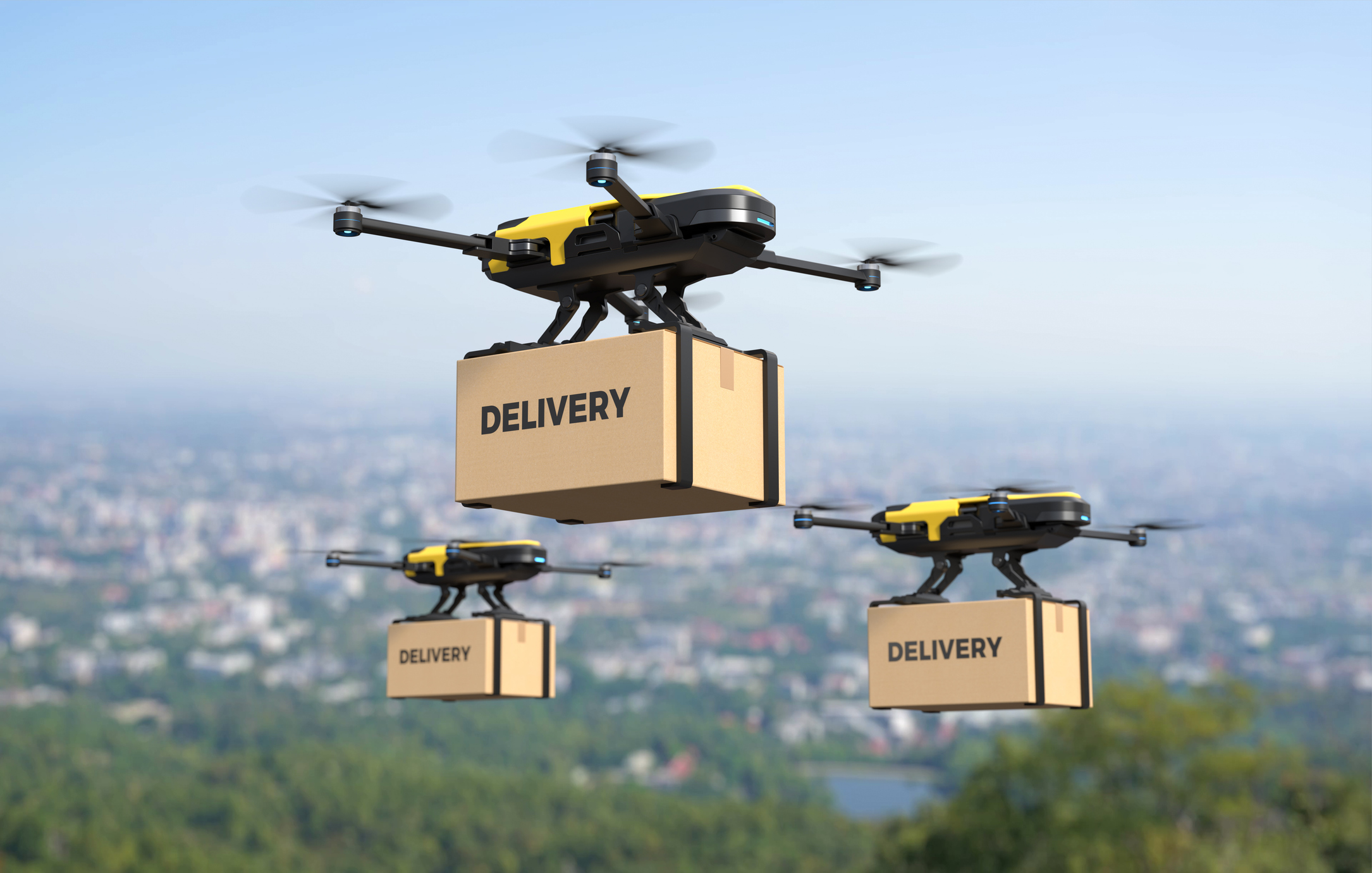
Drone delivery services are also beginning to shape consumer expectations around speed and convenience. Services such as Amazon Prime Air could see an emergence of the ‘same-day society’, where shoppers are less likely to wait for online orders. Three in ten adults believe drones will make it unacceptable to wait more than 24 hours for the delivery of an online order, rising to 45% of 18–24-year-olds and 40% of 25–34-year-olds.
Research data also reveals the untapped potential of live shopping. Despite platforms such as TikTok helping brands like P.Louise generate record-breaking sales, 64% of online consumers admitted they’d never watched a live shopping stream. The figure was only slightly lower among 18-24 year olds (52%) and 25-34 year olds (60%), suggesting significant room for growth. For 52% of people who shop via live streams, Fear Of Missing Out (FOMO) and time-limited offers are the biggest motivations to buy.
Chapman concluded: “Customers don’t really care what’s happening behind the scenes. Whether they buy through a website, an AI tool or smart glasses, they expect the product to be available and they expect it quickly. The challenge is delivering that without adding unnecessary cost and complexity. That’s where retailers need their supply chain to work much harder.”
