One-Touch Order Fulfilment at LogiMAT 2026

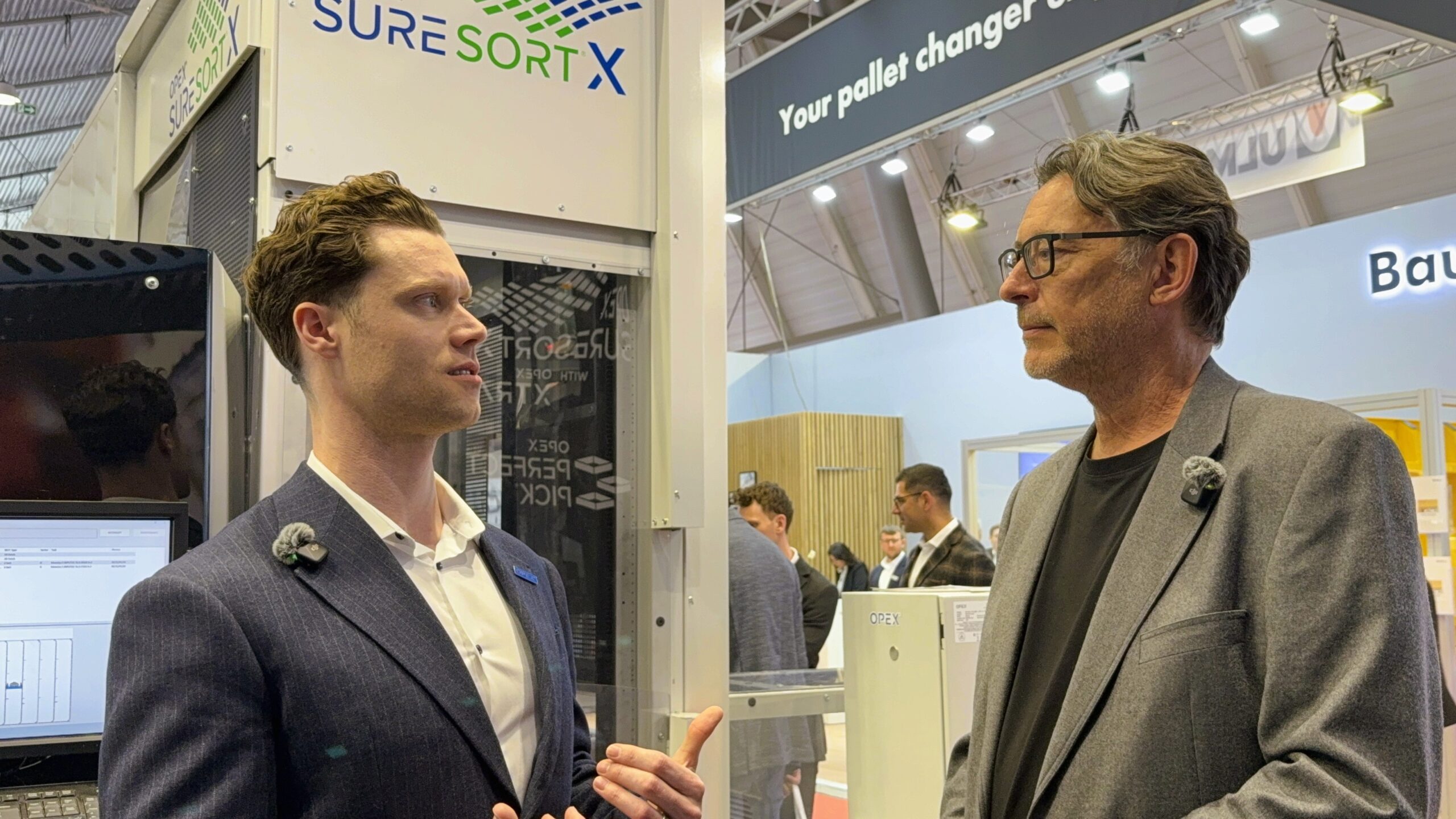
Stuttgart, Germany – Editor Peter MacLeod spoke with Mike Morgan from OPEX at LogiMAT 2026 about the company’s latest innovations in automated storage, retrieval, and sortation, highlighting technologies designed to streamline order fulfilment and reduce manual handling.

This year, OPEX introduced Xtract, a high-speed sortation and order consolidation solution, and actively controlled temperature zones integrated into its SRS system. Xtract automates the sorting of items, consolidating orders and delivering them directly into cartons, bags, or onto conveyors for downstream processing, eliminating extra touch points.

Mike Morgan explained that these solutions are significant improvements on existing technology, allowing warehouses to increase efficiency and manage high-volume order processing with minimal manual intervention. The combination of OPEX’s sortation and picking systems, including the Perfect Pick solution, supports both batch and individual item fulfilment, optimising the organisation of orders and improving throughput.

Software integration is a key strength, with the system designed to fit flexibly into customer operations. Warehouse automation projects often succeed or fail at the software layer rather than the machinery layer. The ability to exchange simple messages with warehouse control, order management, or host systems reduces implementation risk and allows customers to scale automation in phases. This approach enables customers to either manage the system themselves or have OPEX provide additional support.

The technology is applicable across a wide range of sectors, including e-commerce, returns processing, and store replenishment.

The wider intralogistics market continues to focus heavily on reducing touches, compressing order cycle times, and improving labour productivity as fulfilment operations face rising SKU counts and increasingly complex customer expectations. For readers less familiar with the sector, each additional ‘touch’ means another moment where labour cost, delay, or human error can enter the process, which is why one-touch and zero-touch workflows are now major design goals in modern distribution centres. Solutions that combine goods-to-person picking, intelligent sortation, and seamless software orchestration are becoming central to warehouse strategies aimed at increasing throughput without proportionally increasing headcount or floor space. High-speed order consolidation and the ability to manage hundreds of open orders simultaneously increase operator efficiency and the output from picking systems.

Morgan emphasised the value of trade shows like LogiMAT for building trust and demonstrating capabilities. The live demonstration of machines shows customers the reliability and performance of OPEX systems, reinforcing confidence in both the technology and the team behind it.

Major Charging Repair Partnership Unveiled

TVH has taken a further step in expanding its customer service offering through a new strategic agreement with SPE Elettronica Industriale, a designer and manufacturer of high-frequency battery chargers. As part of this agreement, TVH has been appointed the exclusive Authorised Repair Center for SPE in Europe.

This agreement focuses primarily on service and maintenance. As the region’s exclusive Authorised Service Center, TVH is the preferred partner for managing technical repairs of SPE battery chargers. This includes assessing and repairing chargers under warranty, as well as repairing defective units that are out of warranty. By centralising these services, the partnership ensures that European customers have a clear and reliable channel for maintaining essential equipment.

SPE will support TVH with original spare parts, dedicated training and technical documentation. This equips TVH’s technicians with the precise expertise required to identify faults and carry out repairs in strict accordance with the manufacturer’s quality standards. Furthermore, all operational management and tracking will be handled through SPE’s Technical Service portal, allowing both partners to guarantee efficient, consistent and transparent support for users.

TVH is well equipped to take on this role thanks to the Electronics Repair Department at its Waregem headquarters, where over 100 highly qualified technicians are dedicated to repairing electronic components. By combining this expertise with state-of-the-art equipment and an efficient logistics network, TVH offers fast turnaround times through a reliable support system.

Logistics Systems Centre of Competence

The explosive growth of e-commerce has fundamentally transformed logistics operations, creating unprecedented complexity in parcel handling, order fulfilment, and reverse logistics across the supply chain. Beumer Group’s Logistic Systems division serves Courier, Express and Parcel (CEP) operators as well as retail, e-commerce, and fashion companies navigating this evolving landscape.

CEP operations face challenges including high-speed processing requirements, mixed parcel sizes, automated sorting accuracy, and peak capacity management across inbound parcel streams, singulation, conveying, sortation, and outbound logistics. Meanwhile, warehouse and distribution operations must handle omnichannel order fulfilment, the complexity of reverse logistics, inventory buffering, and the consolidation and sequencing of orders across goods receiving, returns handling, conveying, sortation, packing, and shipping.

Integrated technology solutions

Beumer Group addresses these complex logistics challenges through integrated mechanical and software solutions that work seamlessly together. For parcel, e-commerce and retail logistics requiring high-speed, high-volume operations, the Beumer line of business Logistics Systems provides loop sorters including the BG Sorter CB cross-belt and BG Sorter ET tilt-tray systems, automated parcel singulators, and comprehensive conveyor systems. The modular BG Line Sorters offer space-efficient solutions for mid-volume parcel and material handling tasks and diverse product mixes, whilst the BG Pouch System serves as a multipurpose platform for buffering, sorting and sequencing, allowing for outbound shipments and reverse logistics with zero-touch.

Cutting-edge software platforms complement this equipment. The CEP Software Suite, for example, enables end-to-end process control to optimise operations incorporating the latest technologies like artificial intelligence, machine learning, neural networks, heat maps, and 3D visualisations. The Warehouse Control System allows users to maximise the potential of their automated material handling systems through a growing range of data-driven services. Drawing on extensive experience with data from live operations, Beumer Group extends analytics to the predictive and prescriptive levels.

Advanced engineering and support

The approach to overall system design is based on data and experience, incorporating comprehensive process analysis, simulation and emulation to ensure optimal performance before implementation. Built-in cybersecurity follows industry standards (ISO 27001, IEC 62443) with security considerations integrated from the earliest design stages to protect both operational systems and customer data.

Customer Support

Maintaining continuous system availability while optimising performance across increasingly complex material handling environments is a challenge for today’s intralogistics sector. Operations managers have to strike a balance between operational efficiency, intelligent maintenance, and the rapid resolution of issues. These challenges apply across diverse environments, from airport baggage systems processing millions of items annually to mining companies handling bulk materials in extreme conditions.

Transitioning from reactive to predictive and prescriptive maintenance strategies requires real-time system monitoring, data-driven decision-making and instant access to expert support, all of which are essential for minimising costly downtime and protecting business continuity.

A well-rounded ecosystem

Beumer Group addresses these critical challenges through three integrated support segments that work seamlessly together to ensure optimal system functionality throughout the equipment’s lifecycle.
On-site Support provides flexible programmes designed with specific business requirements in mind. Whether customers need troubleshooting, scheduled inspections and maintenance, expert advisory services, or a dedicated team permanently on site, Beumer Group’s professionals deliver the expertise required to ensure operational success. This encompasses Operations & Maintenance services, skilled Field Service technicians for repairs and preventive maintenance worldwide, seamless Installation & Commissioning, and rapid Emergency Support that minimises downtime to protect revenue, productivity, and brand reputation.

Diagnostic Support delivers digital solutions through Ensure, Prevent, Improve services designed to meet customers’ requirements – ensuring continuous machine operation, preventing unexpected downtime, and improving performance through data-driven insights. These include advanced Data Analytics creating 360-degree operational overviews, a 24/7, 365 Hotline providing immediate access to specially trained engineers with electrical, mechanical and software expertise, Remote Monitoring through a global monitoring centre that continuously observes systems in real-time, and Cybersecurity services covering areas like vulnerability monitoring, patch and firmware management.

Lifecycle Support ensures optimal operation and longevity from cradle to grave. Critical knowledge is transferred through customer-specific Training & Advice programmes. Parts Solutions provides best-in-class supply chains, offering strategic spare part storage, emergency handling, consignment stock and obsolescence management. Performance Upgrades enhance equipment with the latest technologies, while Software Solutions deliver significant value through intelligent software and smart solutions like video coding, 3D visualisation and business intelligence tools that optimise efficiency and availability.
As a trusted “Partner of Choice” across all industries, Beumer Group never walks away from customers, providing comprehensive, proactive support throughout the entire system lifetime to ensure maximum reliability and return on investment.

Sustainable Automation Drives Efficiency

Sustainability is no longer optional. Customers expect it, regulators demand it and leadership teams can no longer treat environmental responsibility as separate from business performance. Automation in warehousing and manufacturing has traditionally been about productivity and reducing labour costs, but today it’s under scrutiny for its environmental impact. Rising energy consumption, stricter regulations and stakeholder expectations are forcing organisations to think differently. By Dan Migliozzi, Sales Director for the UK, EU and North America, at AGITO Global.

In reality, the shift toward sustainable automation is rarely neat. Many organisations are caught between sustainability ambitions and operational pressure, especially when energy savings do not immediately appear on the balance sheet.

Some projects even see short-term increases in consumption as throughput grows or legacy constraints surface. These moments expose the real challenge: sustainability is not a marketing claim or a technology choice, but a management discipline that forces difficult decisions about performance, timing and risk.

Sustainable automation offers the solution. By combining advanced technologies with thoughtful design and environmental stewardship, companies can reduce waste, optimise energy use, and meet both regulatory and stakeholder expectations. However, it is not enough to install the latest machines or software and hope for results. Meaningful sustainability outcomes come from planning systems holistically, integrating people, processes and technology to work as one.

This white paper explores the drivers, principles, technologies and practical strategies of sustainable automation. It examines financial implications, market trends, regulatory considerations and the challenges organisations face. Drawing on real-world examples, it shows how operational decisions ripple outward, affecting both the bottom line and environmental performance. Organisations that embrace sustainable automation today stand to benefit from reduced costs, stronger compliance, improved stakeholder trust and a competitive position in a market increasingly shaped by sustainability.

Automation has transformed industries over the last few decades, delivering precision, speed, and scalability that were unimaginable just a generation ago. Across manufacturing, logistics, and energy-intensive operations, automation has enabled organisations to reduce human error, improve consistency and scale operations efficiently. However, these benefits often come with a hidden environmental cost. Factories and warehouses consume huge amounts of electricity, poorly optimised processes generate material waste and high-intensity operations increase carbon emissions. In sectors such as automotive manufacturing, electronics, and food processing, operations can consume millions of kilowatt-hours each year, resulting in both high energy costs and environmental impact.

“Automation has delivered enormous operational gains, but too often the environmental consequences of those gains have been treated as secondary”

Sustainable automation is an evolution. It’s not just about improving productivity, it’s about embedding sustainability into every decision, from design and procurement to operation, maintenance and end-of-life disposal. This shift requires organisations to consider the full lifecycle of every automated system, ensuring that energy efficiency, waste reduction and continuous optimisation are built into operations rather than added later.

Investors are paying close attention. Customers expect greener solutions. Employees want purpose-driven workplaces. Organisations that fail to respond to these pressures risk falling behind. The companies that succeed recognise that sustainability and efficiency are inseparable and that a well-designed system can deliver both simultaneously.

“Sustainability is not a feature that can be bolted onto automation. It has to be designed into the system from the outset, alongside performance, resilience, and long-term value.”

Industries today face a complex mix of pressures that make sustainable automation essential. Environmental responsibility is among the most visible. Industrial operations contribute significantly to global energy consumption and carbon emissions, and automation systems, particularly in manufacturing, assembly and logistics, are often energy-intensive. Material waste is another pressing concern. Scrap, defective products, and packaging inefficiencies increase costs and place additional strain on the environment. Sustainable automation addresses these challenges while delivering measurable economic benefits.

“Sustainability pressures are no longer abstract. Energy use, waste, and emissions are now operational issues that directly affect cost, risk and competitiveness.”

Rising energy costs and market volatility add urgency. Organisations that invest in energy-efficient equipment and process optimisation can achieve significant cost reductions. For example, a mid-sized automotive facility that replaced standard motors with high-efficiency variable-speed alternatives reduced electricity consumption by 20%, resulting in annual savings of more than £400,000. Process optimisation aimed at reducing material waste can have a substantial impact, particularly in industries where raw materials account for a large share of production costs.

Regulatory requirements further accelerate adoption. Across the UK and EU, carbon pricing mechanisms, mandatory energy reporting and emissions reduction targets establish clear expectations. Compliance with standards such as ISO 50001 provides a structured approach to improving energy performance, while transparent reporting strengthens stakeholder confidence. Organisations that address sustainability proactively can reduce regulatory risk, strengthen credibility and in some cases access financial incentives for early action.

“Regulation is often seen as a constraint, but for organisations that act early, it can become a framework for more disciplined, efficient operations.”

Social expectations are equally influential. Investors increasingly incorporate environmental, social, and governance metrics into decision-making. Consumers show a growing preference for responsible brands and employees are more engaged when organisations demonstrate a clear purpose. Embedding sustainability into automation strategies allows organisations to reduce environmental impact while strengthening reputation, improving engagement and building long-term operational resilience.

Sustainable automation rests on four key principles: energy efficiency, waste minimisation, lifecycle sustainability, and intelligent process management. These principles are not abstract concepts. They are practical levers that can materially improve operations and reduce environmental impact.

Energy efficiency is foundational. Automated systems should operate only when required, and equipment such as motors, drives, conveyors and robotics must be correctly sized and configured to minimise power consumption. AI-driven scheduling and regenerative technologies can further reduce energy demand. In one industrial automation project, the introduction of regenerative robotic arms, combined with AI-based scheduling, reduced energy use by more than 20%, delivering annual savings of £350,000 and significantly lowering carbon emissions. When applied at scale, decisions like these have a substantial cumulative effect.

“Energy efficiency is rarely about a single breakthrough. It comes from many small, well-informed decisions that compound across an operation.”

Waste minimisation focuses on preventing scrap, rework, and inefficient use of materials. Robotics and precision automation improve accuracy, while sensors and analytics detect inefficiencies before they escalate. Closed-loop recycling systems, where scrap materials are reintegrated into production, further reduce waste. In electronics manufacturing, precision robotic assembly reduced defective product rates by 30%, cutting material waste and lowering disposal costs.

Lifecycle sustainability requires organisations to consider environmental impact from system design through to end of life. Selecting recyclable materials, designing equipment for maintainability and planning responsible disposal ensures sustainability is addressed from the outset rather than added later. Predictive maintenance extends equipment lifespan and reduces unnecessary replacement, delivering both environmental and financial benefits.

Intelligent process management ensures continuous improvement. IoT sensors and digital twins enable real-time monitoring of energy use, material consumption, and machine performance. AI-driven analytics identify inefficiencies and recommend operational adjustments before issues emerge. In food processing environments, AI-based production scheduling reduced energy consumption during peak periods while lowering spoilage, demonstrating how intelligent management can improve efficiency and sustainability simultaneously.

“Sustainable automation is not a checklist exercise. It is a mindset that shapes how systems are designed, operated and improved over time.”

The conclusion is clear. Sustainable automation is a philosophy rather than a one-time initiative. Every system choice, operational decision and optimisation effort contributes to long-term performance, resilience, and environmental responsibility.

Several technologies enable sustainable automation, each contributing distinct capabilities. However, the greatest gains are achieved when these technologies operate as an integrated system rather than in isolation.

Robotics and smart manufacturing systems improve accuracy, reduce human error, and lower material waste. Energy-efficient drives, regenerative technologies, and intelligent scheduling reduce power consumption, while integrated control systems ensure different parts of the operation communicate effectively, limiting inefficiencies across production and logistics.

“Technology delivers the greatest sustainability impact when systems are designed to work together, not when individual solutions are deployed in isolation.”

Artificial intelligence and machine learning play a critical role in predictive maintenance, process optimisation and demand forecasting. Predictive maintenance reduces unplanned downtime and extends equipment life, while process optimisation supports more energy-efficient production. Accurate demand forecasting aligns output with actual market requirements, helping to reduce excess inventory and material waste. In a large packaging facility, AI-based scheduling reduced peak-hour energy consumption by 18% and lowered spoilage by 12%.

Industrial IoT provides the real-time data required for informed decision-making. Sensors monitor energy usage, machine performance and environmental conditions, generating actionable insights. By analysing this data, organisations can identify inefficiencies, prevent waste and continuously optimise production processes.

Renewable energy integration complements automation technologies by reducing reliance on grid electricity. Solar, wind and biomass systems can supplement or replace traditional energy sources, lowering carbon emissions. Smart energy management systems coordinate renewable energy supply with production schedules. This helps maintain operational continuity while maximising the use of low-carbon power. A UK beverage manufacturer that integrated solar energy into its automated bottling line achieved annual savings of £120,000 while reducing carbon emissions by 15%.

“Sustainable automation is ultimately about integration. Energy systems, production technologies and operational decisions must function as a single, coordinated ecosystem.”

The common thread across these technologies is integration. Robotics alone does not reduce energy consumption and renewable energy alone does not eliminate waste. Meaningful results come from connecting systems, processes and people so they operate as one.

Sustainable automation is no longer niche. Rising energy costs, tightening regulations and heightened stakeholder expectations are accelerating adoption across industries. Market analysts forecast that energy-efficient and waste-reducing automation solutions will grow by 12 to 15% annually over the next five years, with automotive, electronics, pharmaceuticals and food processing among the leading sectors.

Regulatory frameworks are a significant driver of this shift. Initiatives such as the European Union Green Deal, carbon pricing mechanisms, ISO 50001 energy management standards and mandatory emissions reporting establish both obligations and incentives for organisations. Companies that act proactively can strengthen their reputations, reduce exposure to regulatory penalties and access grants and funding designed to support energy efficiency and sustainability initiatives.

“Regulation is increasingly shaping how automation strategies are prioritised, but organisations that move early can turn compliance into a strategic advantage.”

Social expectations are reinforcing these pressures. Investors are placing greater emphasis on environmental, social and governance metrics when allocating capital. Customers choose brands that demonstrate environmental responsibility. Employees engage more deeply when their work contributes to purpose-driven operations. Organisations that integrate sustainability into automation gain not only environmental benefits but also operational resilience, employee engagement and market credibility.

“Sustainability has become a defining factor in how organisations are evaluated by investors, customers and employees alike.”

Implementation Strategies for Sustainable Automation

Moving from intention to execution requires deliberate action. Sustainable automation does not occur by accident. It depends on careful planning, clear structure and a willingness to examine how operations function in practice.

The most successful programmes start with a clear baseline. You cannot improve what you cannot measure. In many cases, this visibility reveals unexpected issues: equipment running outside production hours, conveyors operating without product flow or systems working against one another rather than in coordination. Once these inefficiencies are understood, targeted improvement becomes achievable.

“Visibility is the starting point. Until organisations can clearly see how energy and materials move through their operations, meaningful improvement remains out of reach.”

The next step is holistic system design. Automation should be planned around operational requirements rather than forcing operations to adapt to technology constraints. System sizing is critical. Bigger is not always better. Overspecification increases energy consumption, physical footprint, and maintenance burden, while under-specification leads to instability and waste. Effective design begins with a clear understanding of the genuinely required performance level, rather than assumed or aspirational targets.

Software plays a central role in enabling this alignment. Intelligent control systems coordinate machines, storage, robotics, people and material flows so that operations function in sync. This coordination reduces duplication, eliminates idle running and balances workloads across the system. Integrated software platforms create a single source of operational truth, providing the rhythm required for efficient, sustainable performance.

Retrofitting existing infrastructure is often overlooked but represents one of the most effective sustainability levers available. Replacing legacy drives with energy-efficient versions, upgrading controls, improving conveyors, or introducing intelligent scheduling can transform performance without tearing down the building. For many organisations, this approach delivers faster payback and avoids the environmental impact of new construction.

Predictive maintenance is another cornerstone. Well-maintained systems consume less energy, operate more smoothly and last longer. Condition monitoring, vibration analysis and thermal imaging identify problems before they escalate. Instead of reacting to failures, teams can plan interventions with minimal disruption and waste.

People remain central to sustainable automation strategies. The objective is not to replace human insight, but to strengthen it.

Training operators, maintenance teams, engineers and managers to understand sustainability objectives ensures alignment across the business. Sustainability becomes part of the culture, not just a project. When everyone understands why decisions are made, adoption improves and results follow.

“Sustainable automation succeeds when people understand not only what decisions are being made, but why they matter over the long term.”

In practice, sustainable automation rarely follows a straight line. In one project, energy models initially projected strong reductions, yet total consumption increased during the first six months as throughput grew faster than anticipated. While energy use per unit improved, the business expanded into the available capacity almost immediately. That forced uncomfortable conversations with finance and operations about what “success” actually meant and over what timeframe it should be measured. Those moments matter. They remind teams that sustainability is not a switch you flip, but a set of trade-offs you manage. When organisations plan for that reality, rather than assuming instant gains, projects are more resilient, more honest, and far more likely to deliver long-term value.

Sustainability comes from thousands of smart decisions made consistently over time. Automation provides the structure and scale required to support those decisions, but long-term value emerges only when organisations plan for complexity, growth and change.

Challenges and Barriers to Adoption

The transition to sustainable automation is not always straightforward. Organisations often encounter practical and structural barriers as they move from intent to implementation.

Upfront investment is one of the most common concerns. Energy-efficient motors, intelligent control systems, renewable energy integration and predictive analytics require capital expenditure. For leadership teams under pressure to deliver quarterly results, long-term sustainability projects can appear risky. This is where robust financial modelling becomes essential. When lifetime energy savings, maintenance reductions, carbon pricing exposure and resilience benefits are included, sustainable automation often delivers a stronger business case than traditional alternatives.

“The challenge is rarely whether sustainable automation delivers value. It is whether organisations are prepared to evaluate that value over the full life of the system.”

System complexity presents another significant barrier. Many facilities already run a mix of legacy systems sourced over several decades. Integrating these with modern control layers, robotics, or analytics tools can be difficult. This is why integration expertise is critical. Technology alone rarely solves the problem. It needs the right architecture, planning, governance and partnerships behind it.

There is also a skills gap. Sustainable automation requires people who understand both engineering and environmental performance. Demand currently exceeds supply in many markets. Organisations that invest in training, apprenticeships and professional development will be better positioned to succeed.

Cultural resistance can further slow adoption. Operational change often creates uncertainty, particularly around disruption, job security or unfamiliar technologies. Clear leadership communication is critical. Sustainable automation is not about removing people. It is about building resilient, efficient, safe operations that support long-term business stability.

“Technology change is rarely the hardest part. Gaining trust, clarity and alignment across teams is where most programmes succeed or fail.”

Measuring sustainability impact presents additional challenges. Carbon footprints span direct and indirect emissions, supply chains extend across borders, energy prices fluctuate and data quality varies. Businesses need robust reporting processes that consistently and meaningfully track metrics. When measurement becomes embedded, decision-making becomes clearer.

The good news? None of these barriers are insurmountable. They simply require a clear strategy and disciplined execution.

Strategic Recommendations for Organisations

For leaders considering investment in sustainable automation, the path forward can be summarised into a few key actions.

Start with insight, not technology: Organisations should begin by auditing energy use, waste and operational performance to build an accurate view of where improvement will deliver the greatest value. This clarity helps prevent misallocation of capital and ensures efforts are focused on areas with the strongest impact.

Design holistically: Automation should be approached as a connected ecosystem rather than a collection of isolated assets. Software, hardware, energy, maintenance and people must work together. Integration should be a design principle, not an afterthought.

“The most effective automation strategies are designed as systems from the outset, not assembled piece by piece over time.”

Prioritise lifecycle value: Decision-making should extend beyond initial purchase cost to consider total cost of ownership. Maintenance requirements, energy consumption, operational lifespan, recyclability and carbon impact all influence long-term value. In many cases, the most sustainable option is also the most financially resilient.

Invest in people: Sustainable automation depends on skills as much as technology. Developing capability in energy management, automation systems, data analytics and sustainability leadership strengthens execution. When teams understand the purpose behind the technology, adoption improves and outcomes become more consistent.

Build strong partnerships: No organisation delivers sustainability in isolation. Collaboration with technology providers, integrators, energy specialists, academic institutions and supply chain partners enables access to broader expertise and shared learning, leading to more effective outcomes.

“Sustainability progress accelerates when organisations move beyond silos and work collaboratively across ecosystems.”

Measure, review, improve: Sustainability performance is not static. Continuous measurement, review and adjustment are essential. Embedding sustainability metrics into day-to-day operations ensures progress is monitored consistently rather than treated as an annual reporting exercise.

Embed cultural ownership: Sustainability should form part of organisational identity. Recognising success, sharing results and encouraging innovation at all levels fosters shared ownership. When sustainability is embraced collectively, it becomes a sustained capability rather than a top-down directive.

When organisations follow these principles, sustainability moves beyond cost containment. It becomes a strategic capability that supports long-term resilience, performance and value creation.

Sustainable automation represents one of the most significant shifts currently underway across industries. What started as a conversation about regulatory compliance or corporate responsibility has evolved into a fundamental business strategy. Organisations are increasingly recognising that sustainability and operational excellence are not opposing forces, but deeply interconnected priorities.

A warehouse or production facility that runs efficiently uses less energy, creates less waste, experiences fewer failures and performs more reliably. A sustainable operation is, by definition, a well-run operation. In turn, well-run operations are more profitable, more resilient and better positioned to adapt to future demands.

The critical factor is mindset. Sustainable automation is not about installing the latest machine or chasing technological trends. It is about thoughtful design, disciplined execution, intelligent integration and continuous improvement. It is about understanding that every conveyor, every robot, every storage location, every software decision and every person plays a role in a larger system.

“Sustainable automation succeeds when organisations treat it as a system-wide discipline rather than a series of isolated technology choices.”

Experience across the industry shows a clear contrast. Operations that adopt technology without a coherent strategy often experience rising complexity alongside increased energy use and costs. By contrast, organisations that design holistically, integrate intelligently and embed sustainability into everyday decisions achieve stronger performance and more predictable outcomes.

The organisations best positioned to lead the future are those that treat sustainability not as a standalone initiative, but as an operating philosophy. They recognise that long-term success is not created by individual systems or teams working in isolation, but through coordinated effort across functions, partners and disciplines.

Those are the organisations shaping the next generation of industry. Cleaner. Smarter. More resilient. Better prepared for what comes next.

Shipments are Source of Actionable Insight

Shipments should be seen as a source of actionable insight, thanks to smart labels, argues Sharath Muddaiah, Head of Global Business Strategy and Customer Success for IoT Solutions at Giesecke+Devrient.

Supply chains are facing numerous challenges, from disruptions of safe transport of goods to mounting pressure to deliver items to end consumers faster, all in a more cost-effective and sustainable way. To meet these demands, real-time visibility is increasing in importance, allowing organisations to check the condition and location of goods in transit.

Smart labels offer the industry an opportunity to modernise, making any package a trackable IoT device. But such labels generate considerable amounts of data that must be utilised properly to improve operational efficiency, prevent stockouts and encourage proactive decision-making. Just one label can generate as much as 1.5MB over the course of its life. For the ecosystem of shareholders to benefit, data sharing will be essential.

Enabling real-time tracking

A smart label can be fixed to any item in transit, from small envelopes to larger parcels. They are thin and about the size of a credit card. This makes them ideal for applications where a larger tracking device isn’t suitable, and also ideal for close tracking of valuable or sensitive documents.

Smart labels are driven by low-power cellular, wifi and GPS technology, showing accurate visualisations of their location. They also monitor the surrounding temperature and can even detect instances of shock, helping businesses to protect sensitive goods. A tamper-proof design is also incorporated for security. If someone opens the package, an alert is sent for remedial action, and the label itself is fully reusable for sustainability purposes.

The significant creation of data is key to driving real-time visibility. Collectively, millions of labels can theoretically generate terabytes of data on a yearly basis. For that data to be interpreted properly, Business Intelligence (BI) systems are central to making it accessible.

AI and BI working together

BI platforms can show users exactly where goods are on their journey and their current status by making sense of patterns, trends and anomalies and playing them back in a consumable format. With this information to hand, businesses can make better decisions to support decision-making and operational efficiency.

Say that a phone manufacturer wants to know where its devices are as they are sent to different retailers. Smart labels show the exact location of each package. With the BI technology delivering data on real-time inventory levels being sent to each store, any potential shortages can be identified ahead of time. This gives rise to supply chain management that reduces any unnecessary delays, preventing lockouts and ensuring improved customer experiences.

The advances in AI mean that over the next few years, smart label data will inform automated actions, without human intervention. For example, AI could autonomously re-route lorries with information to faster or more fuel-efficient paths. It could also reallocate inventory in transit to better align with customer demand. As AI systems become increasingly accurate and proactive, they will be capable of fully streamlining logistics processes with minimal user input.

Bringing data to the wider ecosystem

Smart labels are highly advantageous to businesses, but they are often used just for internal purposes. However, supply chain operations depend on multiple stakeholders – warehousing partners, logistics providers, manufacturers and retailers – and when they do not share access to the same data, the value smart labels can deliver across the wider ecosystem is greatly constrained.

The solution is to share the data with multiple authorised users across the supply chain. This enables better coordination and more informed decision-making. For example, retailers can refine their sales forecasts by drawing on real-time delivery information from couriers.

Data visibility across the ecosystem does present a few hurdles. Cross-border connectivity, interoperability and the security of the data being transmitted are all major considerations. However, these challenges are steadily being overcome as smart label technologies become more sophisticated, enabling secure and reliable data sharing.

Actionable data from any shipment

Smart labels can transform any shipment into an actionable data source. Ever-expanding AI capabilities and BI platforms can enable organisations to proactively manage goods in their supply chain, rather than be forced into reactive action.

The true potential of smart labels, however, will only be truly realised when data is available to all stakeholders in the wider ecosystem. The creation of secure interoperable frameworks will provide a data source for logistics providers, warehouses, manufacturers and retailers to all access and utilise. This will empower them to avoid disruption, protect sensitive goods, optimise their inventories and make more sustainable decisions. With shared access to information, it’s an opportunity to transform how supply chains operate.

One eHGV Could Save 1000 Tonnes of Carbon

Hitachi ZeroCarbon and GRIDSERVE have today published the fourth report from the Electric Freightway project, revealing that a single electric heavy goods vehicle (eHGV) could cut approximately 1,000 tonnes of carbon emissions by 2034, when compared with a diesel equivalent – an amount that would take 50,000 trees a year to absorb. The findings highlight the significant role electric trucks can play in decarbonising road freight, drawing on insights gathered from real-world operations across the UK.

The Electric Freightway project is part of the Zero Emission HGV and Infrastructure Demonstrator (ZEHID) programme, funded by the Department for Transport and delivered in partnership with Innovate UK. The project brings together more than 30 industry partners, led by GRIDSERVE, to accelerate the adoption of electric HGVs and the development of supporting charging infrastructure.

Moving through the gears

The fourth report highlights the progress made during the programme, with eHGVs now deployed across 25 hauliers and operating on real-world logistics routes across the UK. Participating fleets have collectively tracked over two million zero-emission kilometres, generating valuable insights into how electric trucks perform in day-to-day freight operations.

The report also explores the evolving business case for electric freight, showing that eHGVs can achieve cost parity – and potentially cost savings – in certain operating conditions, particularly where fleets operate high annual mileage and optimise charging between depot and en-route infrastructure.

Alongside these operational insights, the report also highlights growing driver confidence, with many reporting positive feedback on vehicle performance and drivability once they gain hands-on experience with electric trucks.

Commenting on their experience as part of the programme, Nick Day, Director of Distribution, UK at ADM Milling said: “As a business, we are constantly seeking more sustainable solutions to service our customers’ needs and have been exploring ways to improve energy efficiency and reduce GHG emissions in our manufacturing processes for many years now.

“Using electric trucks was the natural next step in this process and so we started engaging with a third-party haulier to introduce electric trucks and charging solutions into our fleet and then expanded this capability through the ZEHID scheme. While we still have more work to do to fully embed eHGVs within our operation, we are encouraged by the progress we’ve made so far and the ZEHID project has been a great opportunity for us to gain hands-on experience operating them.”

Meanwhile, Leon Clarke, Head of Operations and Delivery at Hitachi ZeroCarbon commented: “Electric Freightway demonstrates what can be achieved when industry partners come together with a shared ambition to decarbonise road freight. The collaboration between hauliers, infrastructure providers and technology specialists has been key to getting electric trucks on the road and generating real-world insights that will help the industry achieve its long-term net zero goals.”

With the initial deployment phase now complete and electric vehicles operating across multiple fleets, the Electric Freightway project will focus on collecting long-term operational data, refining charging strategies and continuing to support the transition to zero-emission freight transport.

Mike Biddle, Executive Director Net Zero at Innovate UK said: “Electric Freightway, led by GRIDSERVE in collaboration with principal partner Hitachi ZeroCarbon, has been instrumental in supporting the early efforts towards UK road freight decarbonisation, facilitated through the UK government’s Zero Emission HGV & Infrastructure Demonstrator (ZEHID) programme, delivered in partnership with Innovate UK. This report reflects on the project’s extensive findings as it moves beyond the earlier deployment efforts into large scale data collection in real world operations for the next five years.”

Insights from the project will help fleet operators, policymakers and industry stakeholders better understand how to scale eHGV adoption across the UK and build the right infrastructure to help transport and logistics achieve sustainable objectives.

Fully Automated Truck Loading Solution

Has one of the last big warehouse automation frontiers, that of the outbound materials handling between dock and truck, been solved?

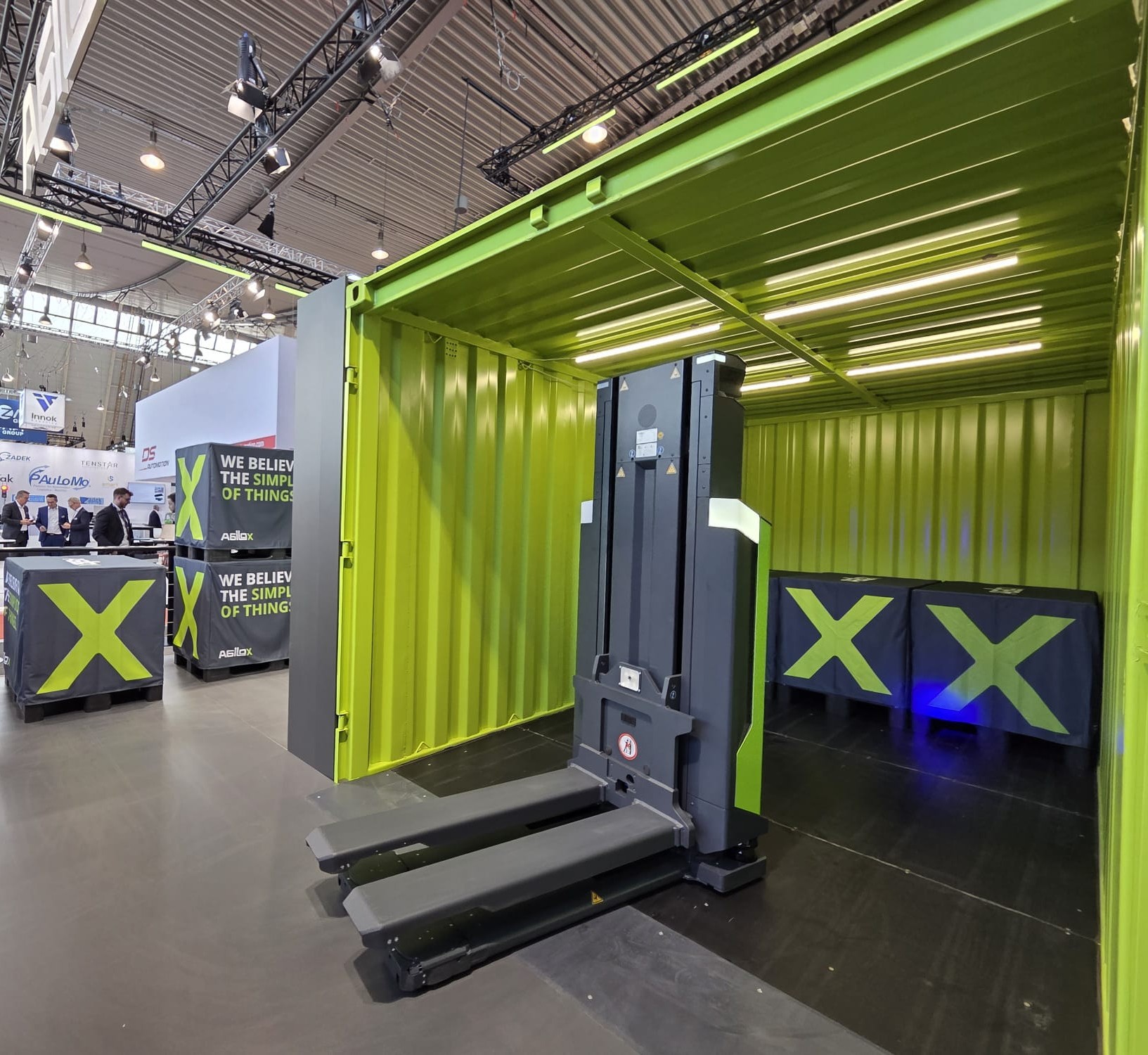
At LogiMAT Stuttgart last week Agilox unveiled an automated truck loading solution, aimed squarely at one of outbound logistics’ biggest challenges: moving large volumes of pallets inside trucks safely, efficiently and without reliance on manual labour.

Truck loading is a demanding application in which an autonomous mobile robot (AMR) can transport pallets from the warehouse directly into the trailer and positions them with high precision. In outbound logistics, where time pressure, tight schedules, and high throughput dominate daily operations, this final step is often a critical bottleneck. Agilox aims to addresses this challenge with a solution designed for efficiency, reliability, and industrial-grade safety.

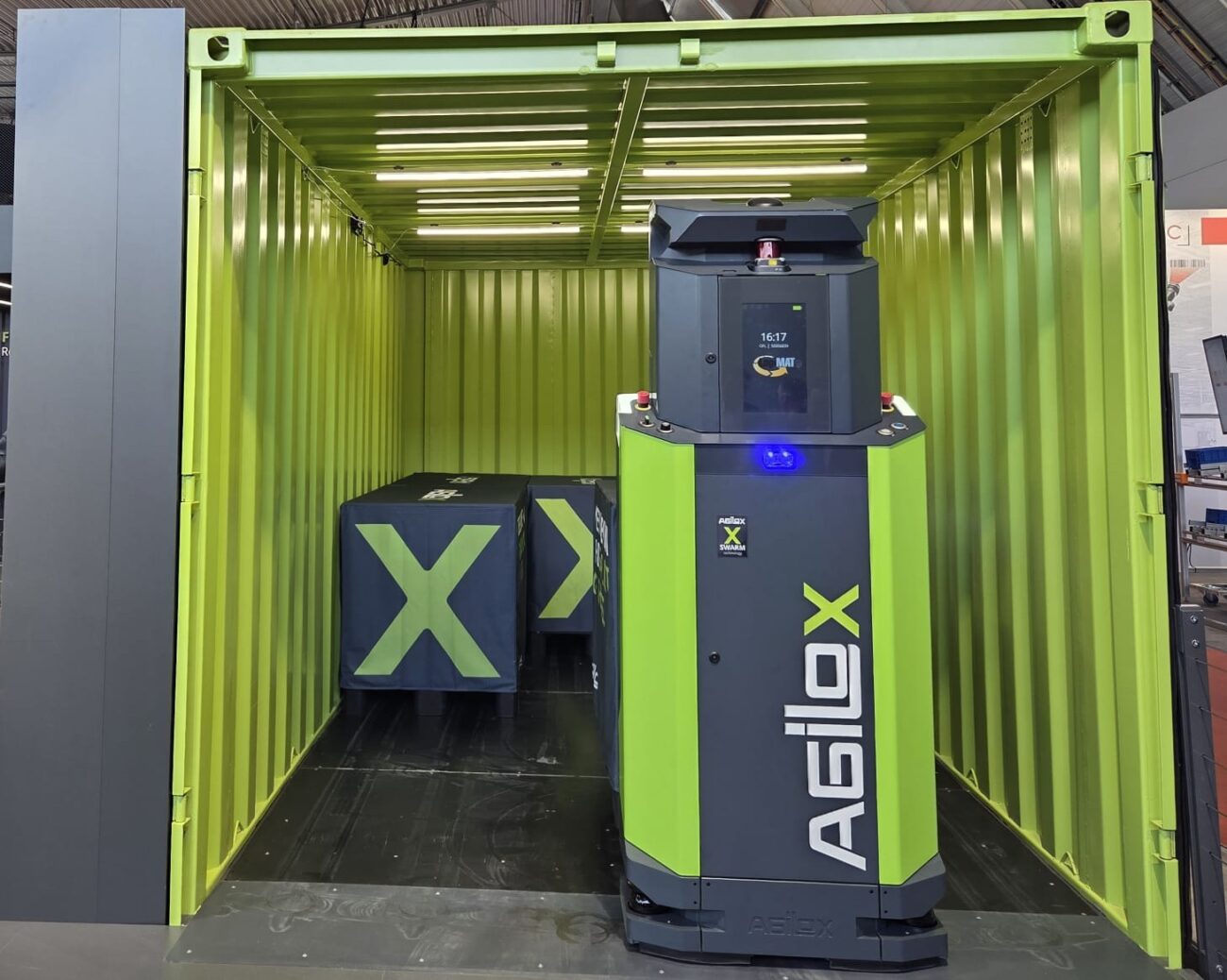
What sets this system apart is its unique technological approach: the solution operates using a standard Agilox autonomous mobile robot with no additional sensors mounted on the robot itself. Unlike competing systems that rely on heavily customized hardware or sensor-equipped vehicles, Agilox achieves precise, automated truck loading using a standard ‘OFL’ or ‘ONE’ robot, not a tailor-made platform developed exclusively for this application.

This approach significantly reduces system complexity while ensuring robustness, scalability, and ease of deployment, making automated truck loading more accessible and practical for real-world industrial environments.

A controlled and secure loading environment is the foundation of the system. The truck loading area is equipped with dedicated safe positioning sensors, which can be installed on the floor or mounted on the ceiling of the warehouse. These sensors ensure that the designated Agilox vehicle is correctly positioned and that no unauthorized objects or personnel are in the loading area, allowing the robot to temporarily deactivate its onboard safety systems when conditions are verified as safe. At the same time, the loading ramps adapt dynamically to the situation; they should be flat, lifted, extended, in other words, adjusted to create a stable and seamless transition between the warehouse floor and the truck interior.

Safety is fully integrated into the process. The system can compensate for small misalignments of both the truck and the ramp, ensuring precise and reliable loading. If a person or object enters the protected area, the robot immediately reactivates its onboard safety systems and stops all movement until the safety zone is clear. This approach guarantees consistent protection for personnel, goods, and equipment, even in high-throughput outbound operations.

A key element of the solution is the reliable exchange of safety-critical signals between Agilox and the customer’s safety infrastructure, ensuring that all movements comply with the highest functional safety standards. The OFL autonomously approaches the truck, verifies all safety conditions, and then drives into the vehicle to load pallets precisely and repeatably.

Built for Efficient Outbound Logistics

The truck loading solution is purpose-built for outbound logistics, where efficiency, process stability, and scalability are key performance drivers. By automating the loading process, companies can eliminate manual handling and improve planning reliability, especially in operations that run beyond regular daytime, for example, night shifts.

Thanks to its robust and flexible design, this revolutionary solution is suitable for a broad range of industries, including logistics service providers and 3PL companies, automotive manufacturers and suppliers, fast-moving consumer goods (FMCG), retailers and supermarkets, post and parcel operators and many more.


PODCAST: Safer Smarter Warehouses with LiDAR

In the latest episode of Logistics Business Conversations, we delve into the transformative power of LiDAR technology in industrial automation. Join us as we explore how Microvision is leading the charge in integrating advanced LiDAR systems into warehouses and industrial vehicles, promising a future of enhanced safety and efficiency.

Why You Should Listen

This episode features an insightful discussion with Glenn DeVos, CEO of Microvision, who sheds light on the pivotal role of LiDAR technology in revolutionizing warehouse operations. Traditionally used in automotive applications, LiDAR is now being adapted for industrial use, offering precise 3D perception that is crucial for collision avoidance and navigation.

Key Takeaways:

  • Safety First: Learn how LiDAR’s advanced perception capabilities can drastically reduce workplace accidents by detecting obstacles and pedestrians in real-time.
  • Cost-Effective Innovation: Discover how solid-state LiDAR technology is becoming more affordable, enabling widespread adoption across various industrial settings.
  • Efficiency Boost: Understand the benefits of onboard processing, which allows for immediate decision-making and improved operational workflows.

Tune In for a Glimpse into the Future

As the logistics industry moves towards greater automation, LiDAR technology is set to play a crucial role in shaping safer and smarter warehouses. This episode of Logistics Business Conversations offers valuable insights for industry professionals looking to stay ahead of the curve.

Don’t miss out on this opportunity to learn from the experts and discover how LiDAR is transforming the landscape of industrial automation.

eCMR Platform Issues for Non-EU Drivers

Managing electronic consignment notes can be done with an eCMR platform, which works perfectly until a non-EU driver shows up, write Gustav Poola, CEO, and Mairi Kutberg (pictured, below), Co-Founder of IdentiGate.

If you are evaluating eCMR platforms right now, you are probably asking the right questions: does it integrate with our TMS? Is it eFTI-ready? How fast is the rollout? These are important questions. But there is one question that most logistics companies forget to ask — and it is the one that determines whether their digital freight documents will actually work on their busiest corridors.

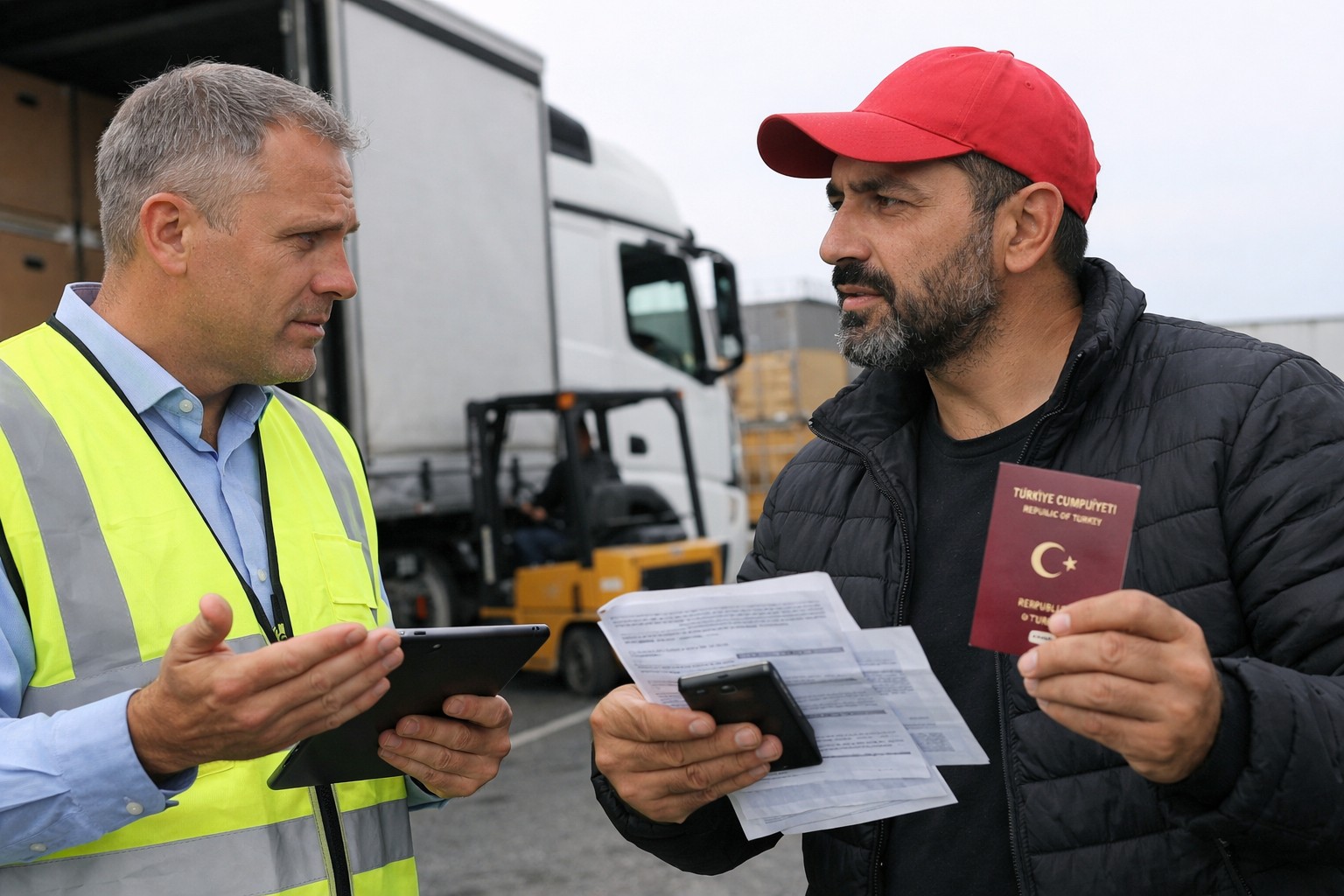
The question is simple: what happens when the driver is not an EU citizen? For most eCMR platforms on the market today, the honest answer is: nothing good. The workflow breaks. The driver cannot sign. And the shipment falls back to paper — or worse, to an unverified digital signature that carries no real identity assurance.

The cross-border reality check

European road freight is fundamentally a cross-border operation. Eurostat data shows that approximately 37% of international road freight within the EU is carried by vehicles registered outside the Union. On some of Europe’s busiest trade corridors — Turkey to Germany, Ukraine to Poland, Morocco to Spain — the share is even higher.

These are not niche routes. They are the arteries of European manufacturing and retail supply chains. Automotive components, fresh produce, textiles, industrial equipment — a substantial volume of goods entering the EU every day is carried by drivers who hold a Turkish, Ukrainian, Serbian, or Moroccan passport.

Every one of these drivers will need to sign eCMR documents once the eFTI regulation takes full effect in July 2027. And every one of them falls outside the scope of the European Digital Identity (EUDI) wallet, which will cover EU citizens only.

This creates a practical gap that no amount of platform sophistication can paper over. You can build the most elegant eCMR workflow in the world, but if the person standing at the loading dock cannot digitally prove who they are, the chain breaks.

Why the signature level matters more than most people think

Part of the confusion stems from a widespread misunderstanding about what kind of signature an eCMR actually requires. Many logistics professionals assume they need a qualified electronic signature (QES) — the highest tier under the eIDAS regulation, requiring a certificate from an EU-based qualified trust service provider.

They do not. The eCMR protocol requires a signature that reliably identifies the signatory and ensures the integrity of the document. An advanced electronic signature (AdES) meets this standard. This is not a loophole or a shortcut — it is what the regulation specifies.

The practical difference is enormous. A QES demands an EU-issued certificate, a process that is expensive and time-consuming, and effectively inaccessible for a small haulier in Ankara or Casablanca. An AdES can be created using any reliably verified identity — including a government-issued biometric passport.
Every modern biometric passport contains an NFC chip with cryptographically signed data: name, date of birth, nationality, photograph, and fingerprint hashes. These passports are issued by 179 countries under ICAO standards. The data on the chip is signed by the issuing government and cannot be forged without breaking national cryptographic keys. For an advanced electronic signature, this level of identity assurance is more than sufficient.

Five questions to ask your eCMR platform provider

If you are selecting or already using an eCMR platform, here are the questions that will reveal whether your provider has solved the cross-border identity problem — or is hoping you will not ask about it.

  1. Can a non-EU driver onboard and sign within minutes? If the answer involves mailing documents, visiting an office, or a multi-day verification process, your platform is not built for the reality of international freight. A Turkish driver at a dock in Rotterdam cannot wait three days for identity approval.
  2. What identity documents does the platform accept? If the answer is limited to EU national eIDs or EUDI wallet credentials, you have a solution that works for domestic freight but fails on cross-border corridors. Look for platforms that verify biometric passports from non-EU countries.
  3. What signature level does the platform produce? If the answer is “qualified electronic signature only,” you are paying for a level of assurance that eCMR does not require — and excluding every driver who cannot obtain an EU-issued certificate. An advanced electronic signature is legally sufficient and practically achievable for any driver with a biometric passport.
  4. What is the fallback when digital signing fails? If the fallback is paper, then your eCMR platform is a fair-weather solution. It works when conditions are ideal and fails precisely when you need it most — on complex, multi-party, cross-border shipments.
  5. How does the platform prevent identity fraud? Phantom carriers — fictitious companies impersonating legitimate hauliers — accounted for a significant share of the €930 million in cargo crime losses reported by TAPA EMEA in 2024. If your platform accepts a digital signature without verifying the signer’s identity against a government-issued document, it is not preventing fraud. It is digitising it.

The 2026 preparation window

The eFTI mandate takes effect in July 2027, but the companies that wait until then to address the identity gap will find themselves in a difficult position. Testing cross-border eCMR workflows takes time. Onboarding non-EU partners takes coordination. And discovering that your platform cannot handle your actual freight corridors is not something you want to learn under regulatory pressure.

The companies moving now are using 2026 as their testing ground. They are running pilots on their busiest cross-border routes, identifying where identity verification breaks down, and selecting solutions that work for their entire network — not just the EU-domestic portion.

The eCMR transition promises real operational benefits: faster invoicing, lower document handling costs, better shipment visibility, and an end to the paper trail that has burdened European freight for decades. But those benefits only materialise when every party in the chain can participate. Ensuring that your platform works for all your drivers — not just the ones with EU passports — is not an edge case to solve later. It is the first thing to get right.

Gustav Poola (pictured, above) is CEO and Mairi Kutberg is co-founder of IdentiGate, an Estonian startup building cross-border digital identity and electronic signature infrastructure for the logistics sector. The company verifies biometric passports from 179 countries via a single API and is currently piloting cross-border eCMR signing.

Libiao Robotics Demonstrates AirRob PRO

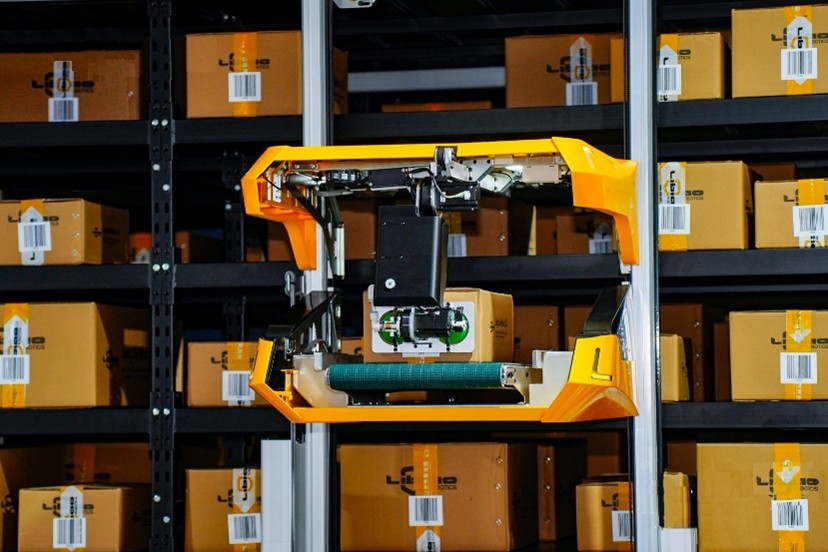
Libiao Robotics, a pioneer in the warehouse automation sector, demonstrated its cutting-edge technology at the LogiMAT trade fair in Stuttgart. Alongside its acclaimed AirRob system, it showed its new AirRob PRO goods-to-person automated warehouse system to visitors.

AirRob is a high-density, high-efficiency warehouse automation system that uses coordinated vertical-climbing pick robots and floorbots to deliver goods rapidly to workstations, without requiring major infrastructure changes. Designed for intensive logistics operations, AirRob significantly increases storage capacity and throughput while reducing labour and energy costs, setting a high benchmark for scalable goods-to-person automation.

Widely deployed across multiple sites in Asia, AirRob by Libiao Robotics is now being specified in Europe at warehouses where labour availability is challenging and where high per-square-metre warehouse costs favour a compact, flexible and highly-efficient solution.

Visitors to Libiao Robotics’ booth will also get a chance to see at close quarters the new AirRob PRO automated system in action. AirRob PRO has been developed to offer fast, efficient and accurate handling of both original ‘raw’ cartons as well as totes, avoiding the time- and resource-consuming decanting of incoming/outgoing goods. Uniquely, the picking arm mounted on the AirRob climbing platform at the heart of the system pivots so that cartons and totes can be picked or dropped on both sides of the warehouse aisle, thus reducing the required number of workstations and in some cases eliminating them altogether.

Libiao’s local sales and technical support personnel were joined by representatives from the company’s senior management team in Stuttgart to greet visitors and demonstrate how its innovative solutions can help warehouse owners and operators make significant efficiency gains to operations where accuracy, reliability and flexibility are among the leading requirements.

Libiao’s Global Head of Sales Ronan Shen said: “Now that AirRob is becoming firmly established in Europe, and customers are seeing the significant benefits it brings, it is a perfect time for us to be at LogiMAT to talk with visitors about the many ways we can help them become more competitive. I’m particularly excited about demonstrating AirRob PRO, which has been developed in close consultation with customers with high-throughput operations who need to efficiently and accurately pick a mix of cartons and totes.”

Established in 2016, and celebrating its 10th anniversary later this year, Libiao Robotics has grown to become a leading player in the global warehouse robotics sector, boasting household name customers across Asia, Europe, Australia and South America, and familiar U.S. brands such as Skechers, Procter & Gamble (P&G) and K-mart.

Subscribe

Get notified about New Episodes of our Podcast, New Magazine Issues and stay updated with our Weekly Newsletter.