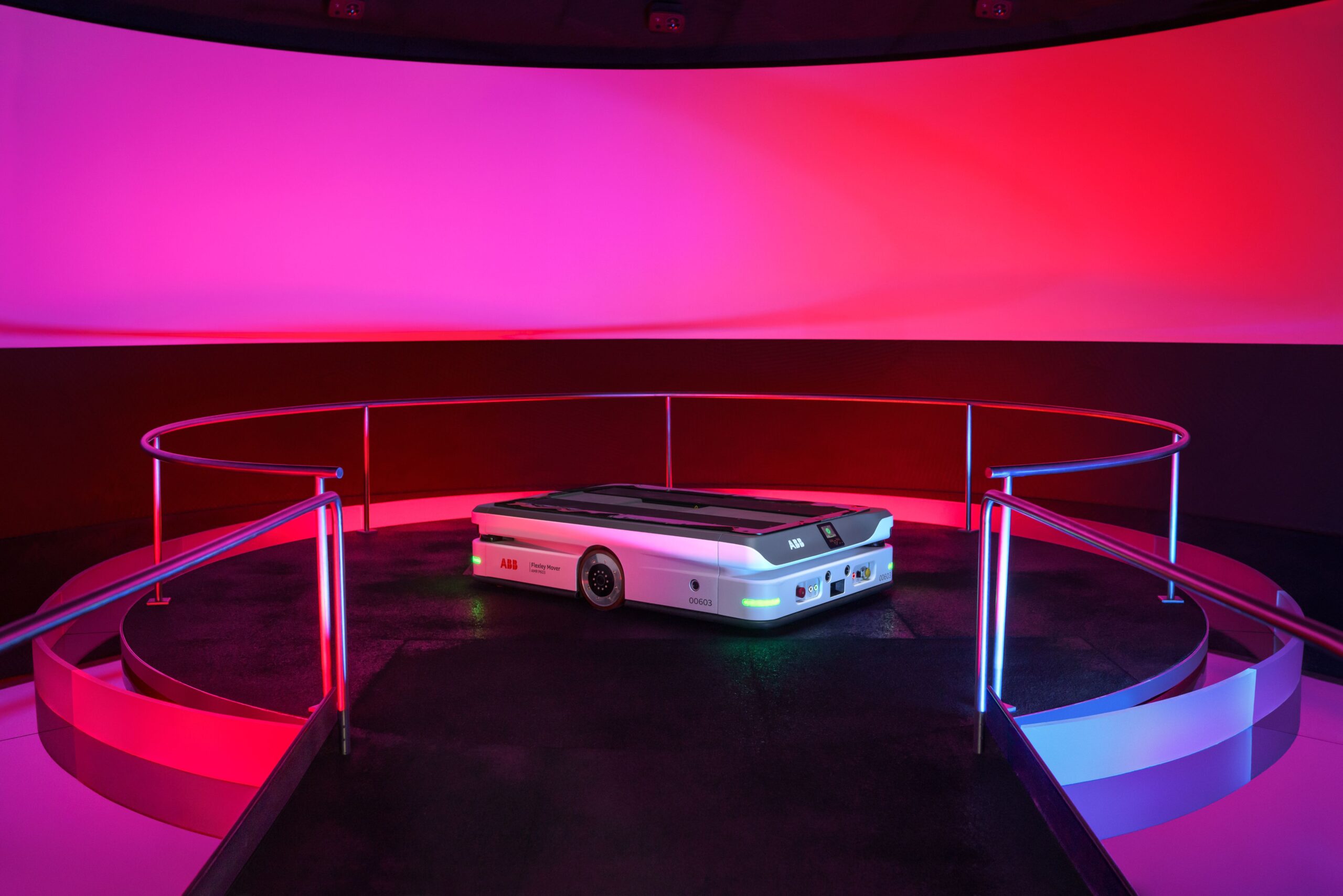
ABB Robotics’ Flexley® Mover P603 autonomous mobile robot (AMR) has won the iF Design Award 2026 in the Industry, Tools and Machinery Product Design category, based on its compact design, intelligent navigation and potential to transform performance in intralogistics applications.
“The Flexley® Mover P603 is the latest step in ABB Robotics’ approach to autonomous, software-driven intralogistics automation, where machines can operate independently while working seamlessly alongside people and other systems,” said Alfonso González, Global AMR Product Line Manager of ABB Robotics.
“This award recognizes not only the strength of the design, but also how we’re lowering the barriers to automation through more autonomous and versatile robotics (AVRTM) that can do more things, in more places, and do it faster, safer and smarter.”
The P603 was selected by judges for its combination of smart engineering, intelligent software and autonomous functionality in a single solution. Its navigation system, AI-powered by ABB Robotics’ Visual SLAM technology, enables precise movement without the need for fixed infrastructure, which speeds up commissioning by up 20%, compared to other navigation systems, and makes it less complex.
A compact footprint allows it to operate efficiently in space-constrained environments, while integrated load sensing ensures the safe handling of loads of up to 1500 kg. Together, these capabilities give manufacturers a versatile, future-ready solution that streamlines material flow and supports rapid adaptation to changing production needs.
Introduced in 2025, the Flexley® Mover P603 is designed to boost output and improve material flow while reducing setup time and infrastructure requirements. Its quick installation and ability to operate in dynamic environments make it well suited to facilities looking to modernize operations without disruption.
A structured approach is best for identifying risks, closing safety gaps, and achieving compliance across industrial environments.
What if your next site inspection were scheduled for tomorrow? Any system operators who feel nervous about this prospect should take a critical look at their internal processes. The good news is that, with the right approach, risks in industrial automation can be reliably identified and eliminated in good time before the next inspection date. Frank Bauder, Head of Safety Services at Leuze, explains how.
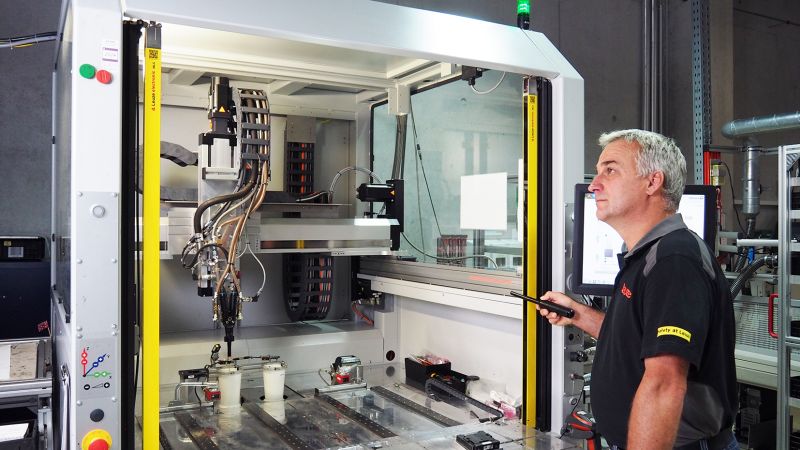
Seamless machine and system safety is the foundation of reliable and efficient operation in industrial automation. Regular risk assessments play a key role here by identifying weaknesses in the safe operation of machines. Experience shows that most problems arise long before an actual inspection – often due to negligence, time pressure, ignorance, or limited budgets. Leuze’s safety expertise and safety solutions help operators achieve safe and reliable operation. The support is divided into seven steps:
Step 1: Identify risks Safety begins with transparency: All relevant risks must be identified, including at least mechanical and electrical risks, while taking the machine’s limits into account. Furthermore, the condition of any protectiven devices (e.g., safety sensors and controls) must be documented to detect any tampering or wear. A safety check from Leuze provides the necessary clarity by summarizing the results in a report.
Step 2: Assessing risks (EN ISO 12100) The next step is to objectively assess the identified risks, classify them in accordance with standards, and derive risk-mitigating measures. The risk analysis thus forms the basis for all subsequent technical decisions and investments. The safety experts at Leuze prepare conclusive risk assessments, including the development of safety functions, recommended risk-mitigating measures, and a description of remaining residual risks.
Step 3: Create a safety concept The safety concept describes the implementation of all risk-mitigating measures. It is ideally suited for discussing and determining feasibility, practicality, and user-friendliness with all parties involved, thereby avoiding misunderstandings. Based on this jointly agreed safety concept, the safety specialists from Leuze develop the detailed implementation and plan the verification and validation. This is underpinned by comprehensive industry and application knowledge, enabling practical and sustainable implementation.
Step 4: Focus on safety solutions in the concept Traditionally, implementation is planned and developed according to the concept. All activities, from the idea to the selection of components, implementation, and verification of effectiveness, must be carried out completely for each machine or application. Traditional safety concepts often reach their limits in complex applications, for example, with changing formats (changing pallet loads) at muting stations. In these cases, more sophisticated safety solutions are required that are precisely tailored to the task at hand. Leuze offers solutions that are specifically geared to the application requirements – covering the entire process from task analysis and safety architecture to comprehensive documentation.
Step 5: Implement and commission the safety solution A detailed analysis of the given application’s system layout is crucial. Only on this basis can the appropriate safety components (e.g. safety sensors or switches) be selected for the application and the corresponding device parameters defined. Success is also ensured thanks to commissioning and training on site by safety experts and product specialists.
Step 6: Prove effectiveness During verification and validation (proof of concept), the correct design and effectiveness of all safety-related components and functions are proven through tests, measurements, and fully documented testing under real-world conditions.
Step 7: Document and inspect regularly All necessary documents, such as the risk assessment, measurement reports, and CE declaration of conformity, are provided and form the new actual status. A consistent level of safety is guaranteed through recurring inspections of protective devices and regular risk assessments to ensure compliance with the ‘state of the art’. This ensures both operators’ safety and the machine’s availability for production throughout its entire service life.
Seven steps and an experienced safety partner at your side: System operators who follow these guidelines can enjoy peace of mind, even if the next site inspection is scheduled for tomorrow.
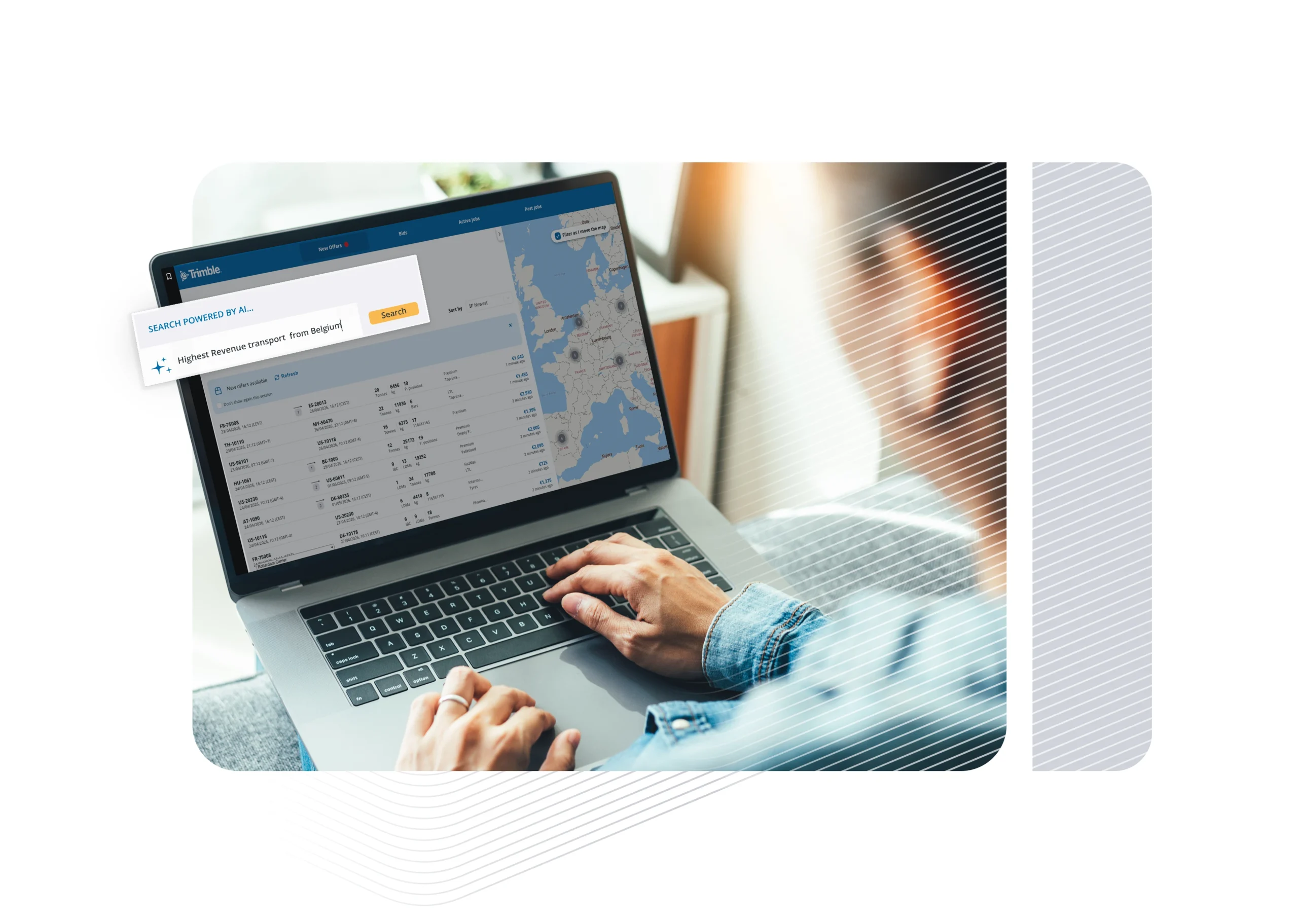
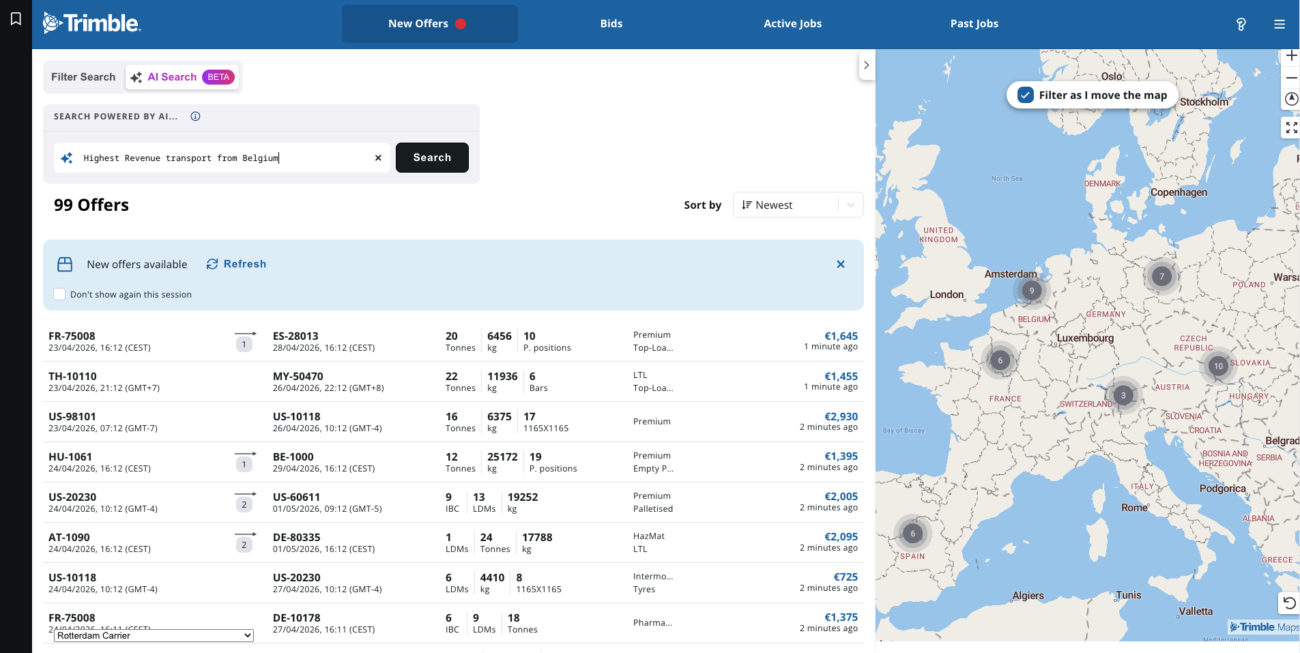
Transporeon, a Trimble company, has announced that it has launched Natural Language Search, a generative AI feature designed to simplify how carriers find freight in Transporeon Autonomous Procurement. The feature is now available to all Autonomous Procurement carrier users across Europe and North America.
The new capability allows users to type conversational queries like ‘reefer loads from Houston to Atlanta picking up in the next 48 hours’ and immediately receive matching results with AI-powered Buy-It-Now offers, turning what was once a multi-step filtering process into instant booking.
For carriers and dispatchers scanning hundreds of customised AI-powered offers in Autonomous Procurement, every minute spent navigating lists and toggling through filters is time not spent booking profitable freight. Carriers usually know what they’re looking for: a specific lane, equipment type or pickup window. Until now, they’ve had to translate that need into multiple clicks. Natural Language Search removes that friction entirely.
Based on pilot data, the tool interprets user intent with over 90% accuracy and rapidly returns results, allowing carriers to surface the most relevant loads.
“We started this project because we kept hearing the same thing from carriers: they think about loads naturally, but traditional search tools required them to translate that into filters and menu selections,” said Jonah McIntire, chief platform officer of transportation and logistics at Trimble.
That translation gap was slowing people down and Natural Language Search eliminates it. You just type what you need and the AI does the rest, delivering a faster, more intuitive experience that helps carriers act on the right opportunities more quickly.
The feature was piloted with a large US brokerage serving 790 active carriers, and is now available to all Autonomous Procurement users across Europe and North America. 79% of the carriers in the pilot used the AI tool to successfully complete at least one search. Usage was mostly desktop-based (72%), with 28% of searches coming from mobile devices, reflecting how carriers increasingly access freight marketplaces on the go. Early data also indicates the feature can increase query-to-booking conversion by as much as 25%.
“The new AI search is very quick and comfortable to use,” Alice Kostandova, senior logistics coordinator at West Motor Freight, said. “It saves me a lot of time and is much faster than setting regular filters.”
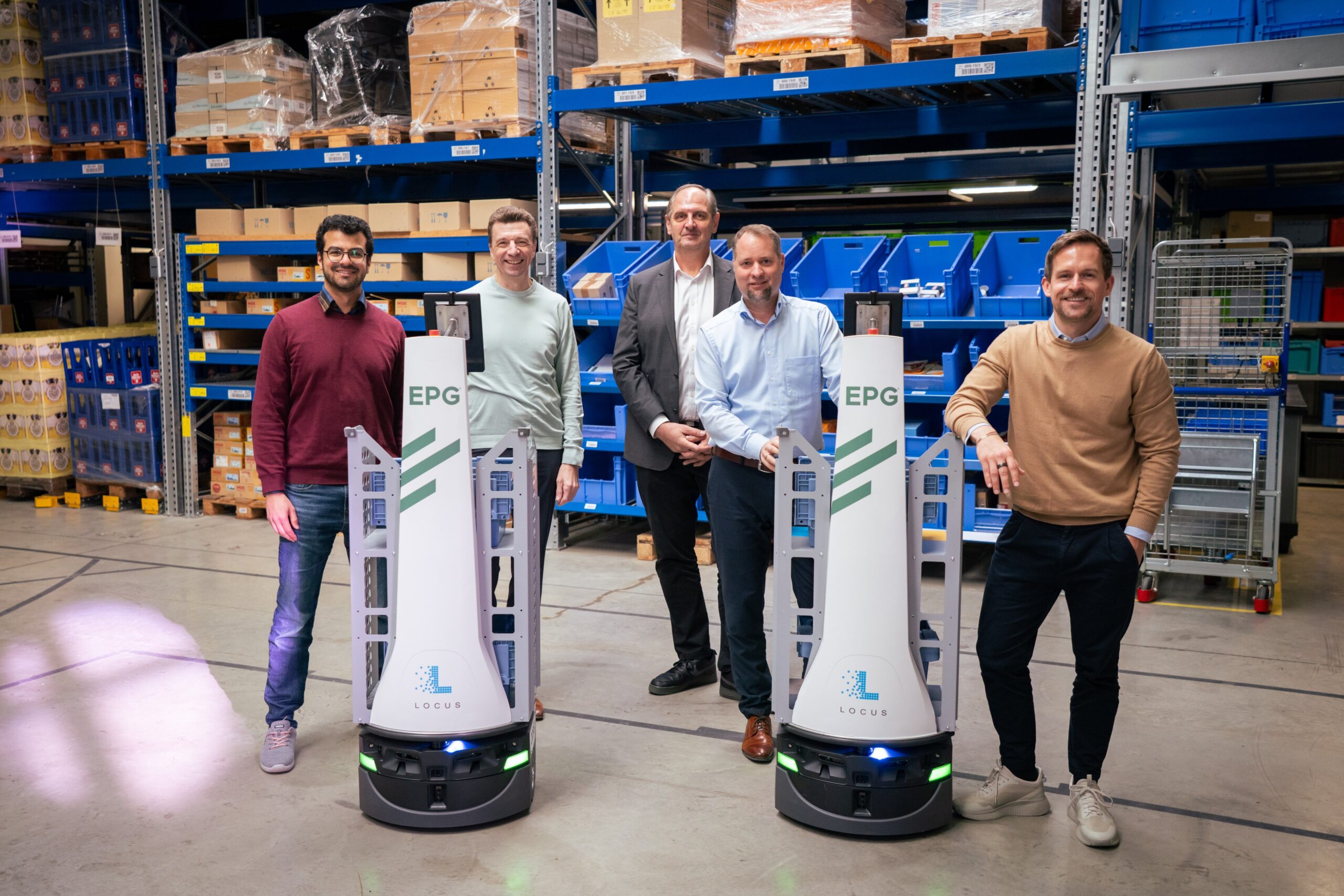
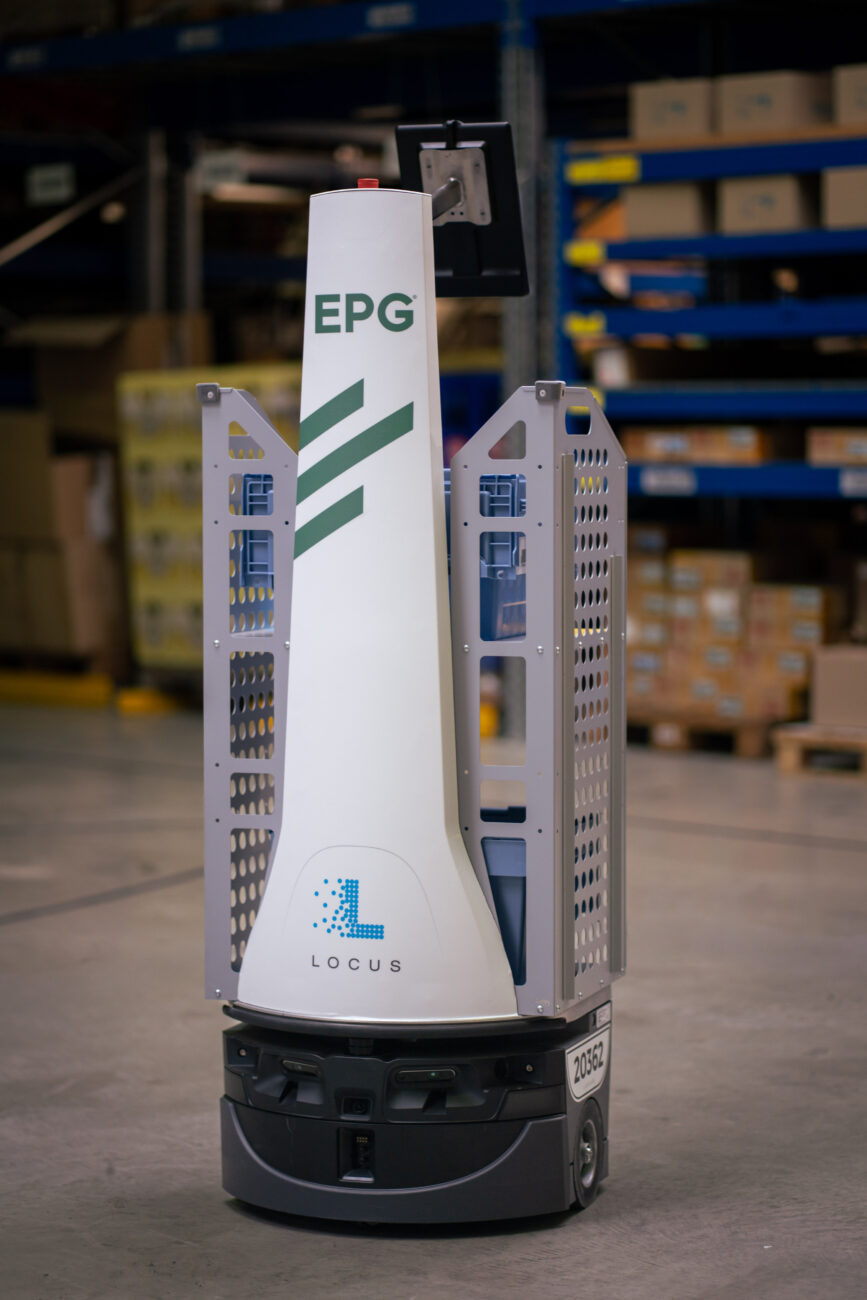
EPG (Ehrhardt Partner Group) is further expanding its technological network in warehouse automation through a strategic partnership with Locus Robotics. Based on the full integration of the Locus Robotics system solution into the LFS Warehouse Management System, EPG can now provide companies with a ready-to-use solution that sustainably accelerates picking processes and enables flexible scaling in warehouse operations. The Locus fulfillment solution is already in use at the Logistics Solution Center (LSC) in Boppard. With this collaboration, EPG is responding to a growing demand for solutions that can keep pace with dynamic market requirements and increasing order volumes.
Many companies are facing the challenge of stabilizing picking processes while simultaneously reducing the workload for employees. The combination of LFS and the software-driven fulfillment solution from Locus Robotics provides a robust foundation for this. As part of the Locus fulfillment solution, the mobile units take over travel-intensive transport routes, relieve employees, and enable structured process control, with all operations coor-dinated via LFS. The WMS manages the order backlog and distributes tasks to the auton-omous robots, which are orchestrated via the Locus software. These move safely through the warehouse, position themselves at the designated picking stations, and save time by reducing walking distances. This reduces pick times and increases picking performance. The close integration of LFS and the Locus Robotics system solution is a key quality feature.
“With Locus Robotics, we are gaining a strong partner whose technology ideally matches our goal of making automation quickly integrable and practical for everyday warehouse operations,” explains Jens Heinrich, Principal Strategic Product Manager at EPG. In his view, the live integration in the Logistics Solution Center provides decisive added value for companies that are facing an automation decision.
“Our visitors experience first-hand how flexibly LFS controls different robotics solutions and how quickly the systems adapt to changing conditions.”
Locus Robotics also views the new partnership as an important step forward. “EPG and Locus share the vision of more efficient, safer, and scalable warehouse logistics,” says Denis Niezgoda, Chief Commercial Officer at Locus Robotics.
“Integrating our software-driven fulfillment solution into EPG ONE LFS delivers clear added value for customers and demonstrates how powerful software-supported human–technology processes can be in the warehouse.”
The integration of AMRs into LFS shows how well modern robotics can be integrated into existing IT landscapes and the contribution they can make to ongoing operations.
Experiencing automation at the Logistics Solution Centre
For many years, the Logistics Solution Center at EPG’s headquarters in Boppard-Buchholz has provided a practical environment in which EPG demonstrates a wide range of hardware and software components working together in operational processes. With the integration of the Locus Robotics system solution, the company is expanding its existing showroom with another example of technology-open automation. Visitors can experience in real time how manual and robot-assisted process steps interact – for example hando-vers between systems – providing transparent insight into the control logic of LFS.
The direct comparability of different technologies is a decisive advantage. In addition to solutions from cube storage pioneer AutoStore and lift storage provider Kardex, EPG now also showcases the Locus Robotics fulfillment concept as a complementary, flexible sys-tem solution. This creates a comprehensive picture of how different levels of automation interact, how they can be scaled, and which configurations are suitable for different warehouse profiles. On this basis, companies can make well-founded decisions about entry scenarios or expansion stages.
Outlook on upcoming developments
The partnership with Locus Robotics is part of the expansion of EPG’s automation portfolio. Additional robotics solutions and further demonstrators for the Logistics Solution Center are already in preparation. The goal is to provide companies with a comprehensive platform that enables both entry-level projects and large-scale automation initi-atives to be implemented on a shared technological foundation.
Materials handling, asset management and engineering services provider Briggs Equipment UK has been acquired by pension capital firm, IFM Investors. IFM has invested more than £5 billion into UK infrastructure over the past 20 years, with investments including stakes in Anglian Water, M6Toll and Manchester Airports Group. Their global portfolio comprises some of the world’s largest infrastructure assets, including ports and freight terminals outside the UK. They bring a patient, growth-orientated investment approach.
Formerly owned by Sammons Enterprises, Inc. of Dallas, Texas, Briggs Group is one of the largest providers and service organisations for capital equipment across the UK and Ireland. The Group comprises a portfolio of materials handling businesses, most notably Briggs Equipment, alongside specialist rental, plant hire, powered access and specialist engineering services operations. Headquartered in Cannock, Staffordshire, Briggs Group has experienced significant growth in recent years and reported turnover of approximately £450m for 2025.
Peter Jones, Group Managing Director for Briggs Group commented,
“We are delighted to have exchanged on this transaction and to be commencing the next chapter of the Briggs Group as part of IFM Investors’ portfolio. Over recent years we have deliberately built a resilient and diversified platform, and this investment is a clear endorsement of both our strategy and the quality of our people. IFM’s patient, growth orientated approach aligns closely with our ambitions for the Group. Their understanding of infrastructure businesses makes them an excellent partner as we look to accelerate our growth and invest further in our capabilities. Most importantly, this transaction creates exciting opportunities for our colleagues, reinforces our ability to support our customers and our OEM partners over the long term, and positions the Group strongly for continued success.”
Deepa Bharadwaj, Head of Infrastructure Europe at IFM Investors said, “We are pleased to partner with Briggs as it enters the next stage of its development. As a well-established business operating within the infrastructure value chain, we believe Briggs is well positioned for success, and we see opportunity to support management’s growth strategy”.
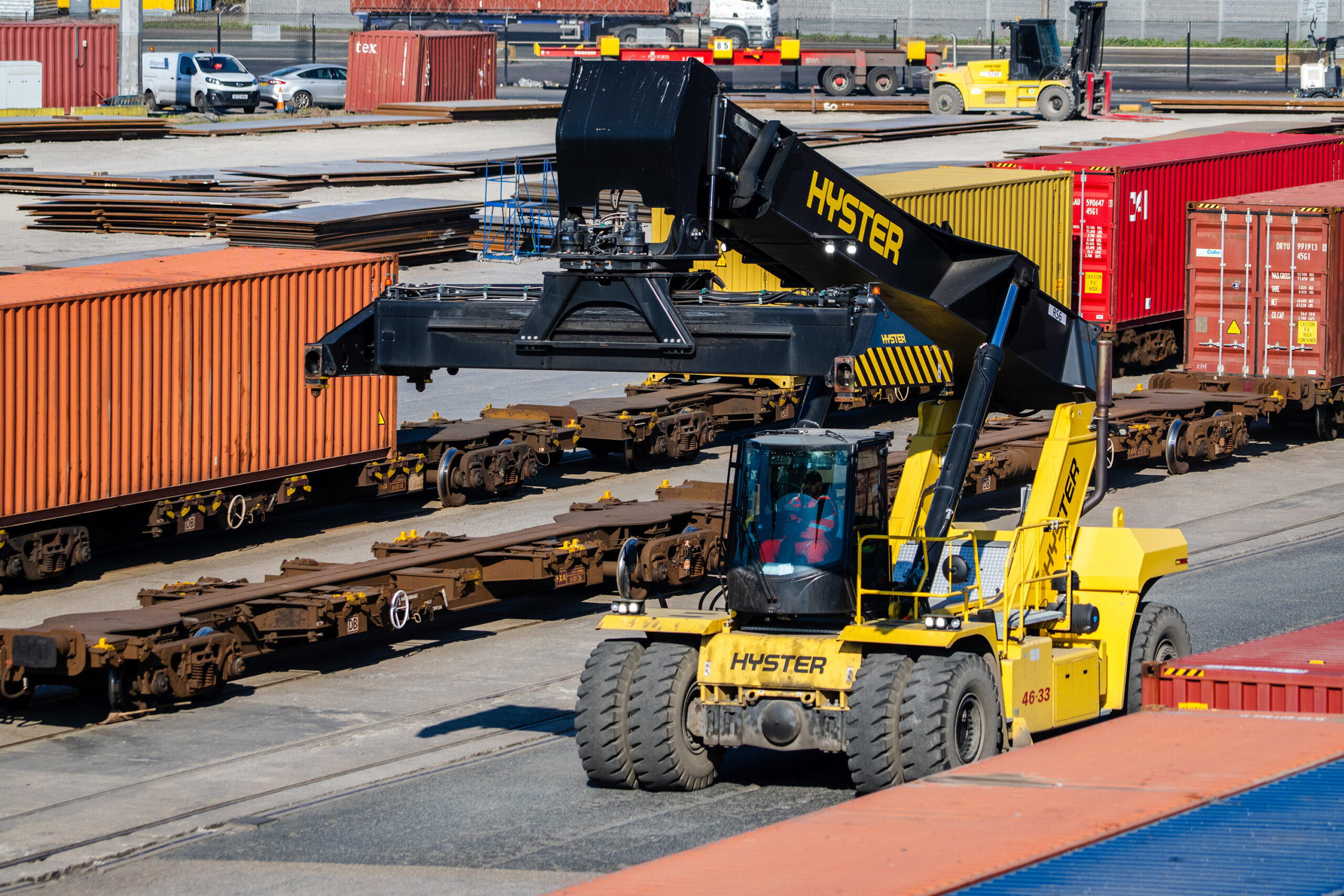
Briggs Group has strategic partnerships with, and represents brands such as Hyster-Yale Materials Handling, Combilift, JCB, JLG and Hako. It supports numerous blue-chip companies such as Travis Perkins, Peel Ports Group, Tarmac and Irish Rail. Completion of the transaction remains subject to customary regulatory clearances.
Sitma has launched PackHub, a compact Automated Bagging System designed to simplify and accelerate order fulfilment operations for UK e-commerce, retail distribution, and third-party logistics providers. In the UK, PackHub will be available through Engelmann & Buckham (E&B), Sitma’s appointed sales agents, providing local expertise, consultation, and support.
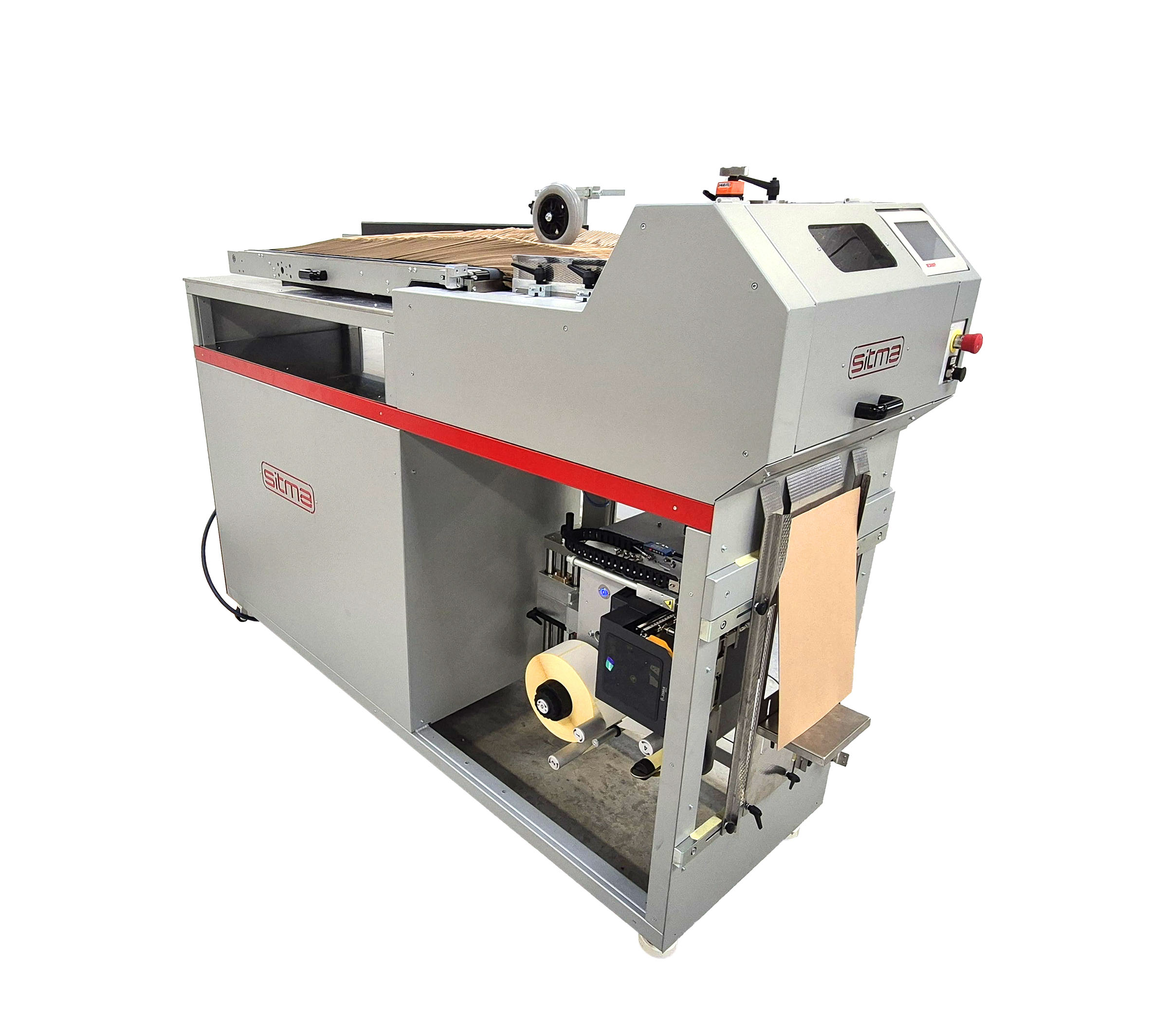
Developed to meet the demands of growing UK e-commerce and fulfilment environments, PackHub automates key steps of the bagging process, including bag feeding, orientation, and labelling. The system integrates easily into existing packing workflows, enabling operators to work more efficiently while maintaining a simple and intuitive process. By streamlining repetitive tasks, PackHub can reduce packaging time by up to 50% per order, increasing throughput without the need for a complete process redesign.
At the core of the system is a high-capacity hopper holding up to 500 bags, enabling continuous production and reducing operator intervention. Bags are singulated via a precision friction feeder and automatically rotated into the optimal position for ergonomic product insertion. A vacuum cup holding station stabilises the bag during packing, while an integrated labelling unit prints and applies address or carrier labels directly to the envelope, supporting common UK parcel workflows.
PackHub has been designed with flexibility and space efficiency in mind. Its compact footprint makes it well suited to UK warehouses where floor space is at a premium, while the wheeled frame allows the unit to be easily repositioned within a packing or despatch area.
“PackHub was developed to offer a practical automation step for operations looking to increase packaging productivity without completely redesigning their workflow,” said Stefano De Marco, Chief Executive Officer at Sitma. “By automating the most repetitive tasks while keeping operator interaction simple and intuitive, PackHub helps companies scale their fulfilment operations efficiently.”
“UK fulfilment operations are under constant pressure to improve speed, accuracy, and labour efficiency, often within very constrained warehouse environments,” said Richard MacLean, Sales Director at E&B.
“PackHub offers a highly practical automation solution that delivers immediate productivity gains without disrupting existing processes, making it an excellent fit for UK e-commerce and logistics operators.”
Through E&B, UK customers will have access to local sales support, system consultation, and guidance on integrating PackHub into new or existing packing lines.
Suardiaz Group, an international logistics operator and shipowner, will be attending Breakbulk Europe 2026 for the second consecutive year. The event will take place from June 16 to 18 at Rotterdam Ahoy, in the Netherlands. The company will have a 90 sqm stand, 1L25 M24, at this leading industry event, which brings together more than 11,500 professionals.
Following the success of its participation in 2025, where it strengthened its role as a strategic partner in large-scale logistics projects, Suardiaz returns with the aim of consolidating relationships, generating new business opportunities and showcasing the full scope of its services.
During the exhibition, all divisions of the group will be represented. As a global multidisciplinary operator, Suardiaz will present integrated solutions covering maritime transport, vessel management, project logistics, chartering, customs brokerage, warehousing, rail freight, industrial services and naval services. The company has more than 1,000 employees and over 30 offices in countries including Spain, France, the United Kingdom, Morocco, Mexico, Peru and the Dominican Republic, as well as an international network of agents. This global presence enables Suardiaz to provide flexible, tailored logistics solutions, even for complex operations involving oversized cargo or international shipments of any type of goods.
According to Arturo Fernández, Commercial Director at Suardiaz Group,
“the high level of participation and strong interest generated in the previous edition confirm the importance of this event for us as a meeting point with the industry and as a driver of new business development.”
In an increasingly competitive and unpredictable global environment, Suardiaz aims to stand out for its ability to adapt and for its focus on tailor-made solutions. Its participation at Breakbulk Europe reinforces its commitment to international growth and consolidates its position as a leading player in the logistics sector.
When the doors open at Interpack from 7th to 13th of May in Düsseldorf, Mosca GmbH will be presenting groundbreaking innovations in load securing under the theme of ‘connected efficiency’. The focus will be on integrated solutions that combine sustainability with Industry 4.0.
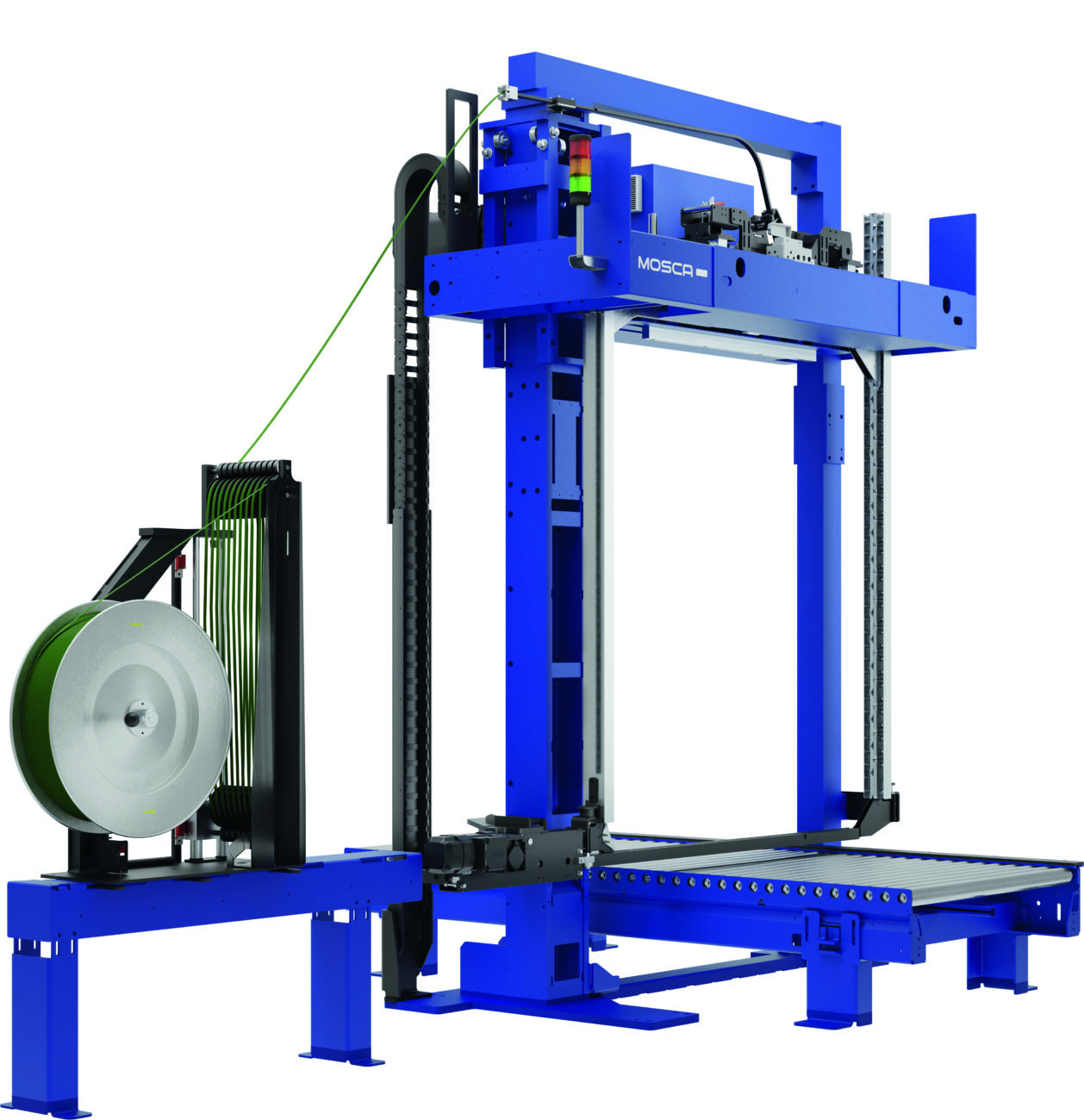
A highlight of this year’s exhibition in Hall 11, booth D56, is the highly efficient combination of the KZV-111 pallet strapping machine (below) and the Luna A3 rotary arm stretch wrapper. This combination demonstrates how seamless process transitions optimise throughput times. The KZV-111 provides the foundation for maximum stability, whilst the Luna A3 wrapper ensures final protection against external influences. Thanks to the intelligent control system, both machines communicate directly with one another, which minimises the need for manual intervention and enhances operational reliability. “The combination of strapping and wrapping reduces material consumption whilst ensuring maximum transport security,” explains Alex Jesser, Technical Product Marketing Specialist.
Automation for fresh produce
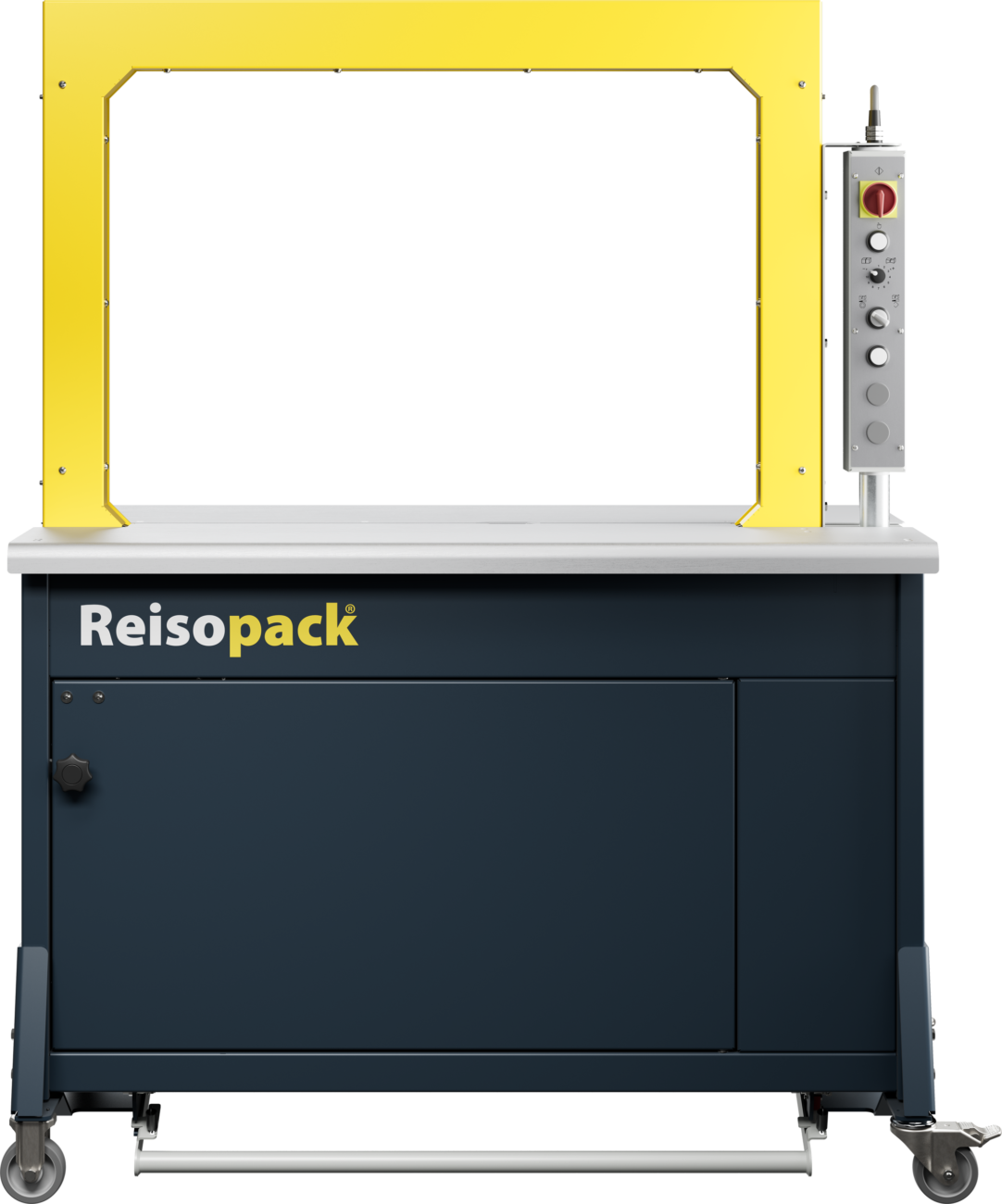
Through its strategic partnership with Reisopack, Mosca is expanding its portfolio for specialist sectors: the Reisopack 2905 horizontal strapping machine is specifically designed for the fruit and vegetable sector. With an integrated vertical edge protection feeder, it stabilises and protects sensitive goods during transport. These solutions are the result of close technical coordination to meet the high throughput rates in logistics centres for perishable goods. “Our aim is to find the right automated solution for every specific industry requirement,” says Jesser.
Mosca is premiering the new Reisopack Fusion series. With optimised colour schemes and four frame sizes, it expands the range of applications and enables optimal handling of various belt widths and pack dimensions. “The Reisopack Fusion offers our customers the flexibility they need to respond to changing packaging trends and different container sizes,” confirms Jesser.
Innovation in series production
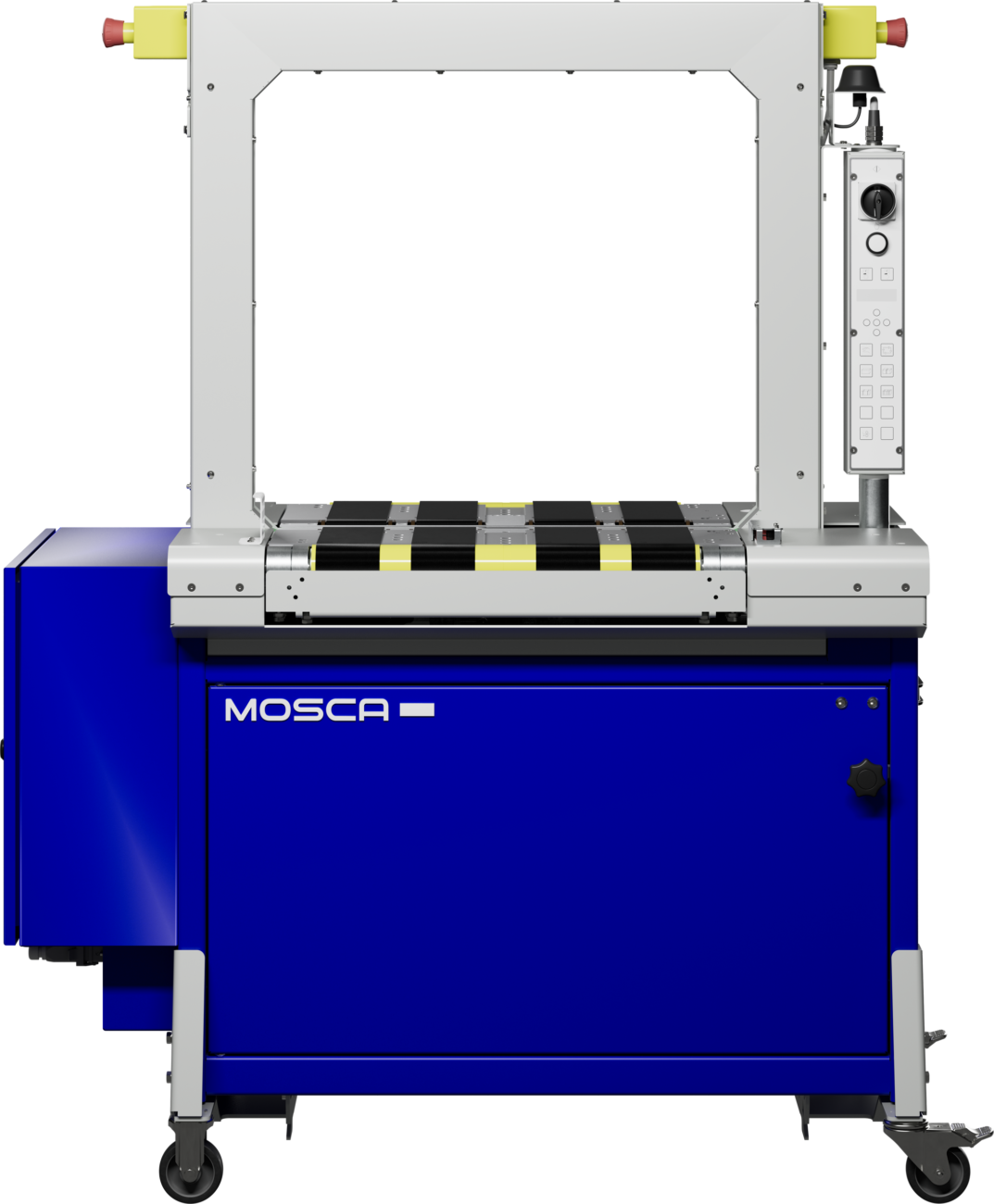
Visitors to the exhibition can also experience the SoniXs P7-Connect B in action. It marks the next step in fully digitalised applications. As the successor to the MP-6, it offers full connectivity thanks to the WebHMI interface. Performance data can be analysed in real time via the digital interface, forming the basis for optimised predictive maintenance. The integrated SoniXs ultrasonic sealing system enables the reliable processing of PP and paper straps. The proven ultrasonic sealing process operates without a heating phase and is therefore not only energy-efficient but also emission-free.
Sustainability with HUG and recyclable strapping
For manual tasks, Mosca presents the HUG hand strapping tool and the more powerful HUG+ version. Together with a shredder on display at the stand, the strapping experts will demonstrate how customers can immediately prepare strapping for the next recycling cycle – fully in line with the circular economy.
Speaking of strapping: At Interpack, Mosca is exclusively showcasing the prototype of a new grey PP strap, which will be ready for market launch this autumn. Designed for bundling and sealing, the strapping consists of at least 35% post-consumer recycled material (PCR-PP) – a proportion that is deliberately highlighted by the grey colour. The fully recyclable strap is free from critical substances and combines regulatory compliance with maximum functionality for shipping and industry.
With this recycled content, the strap is already future-proof today: on the one hand, it meets the future EU requirements for transport packaging under the PPWR (effective from August 2026). On the other hand, it exceeds the 30 per cent threshold required by the UK’s Plastic Packaging Tax (effective from April 2027). “The new grey PP strap is compatible with all Mosca strapping machines,” emphasises Jesser. “The grey colour scheme is deliberately used to provide a clear visual distinction from straps without a recycled content.”
Asda has begun introducing to its fleet an additional 55 temperature-controlled step-frame moving-deck double deck trailers manufactured by Tiger, following successful trials last year. The order is Tiger’s first for the dual-temperature variant of its refrigerated lifting deck trailer and will provide versatility for transporting chilled and frozen goods across the retailer’s network.
These new trailers deliver safer load stability, cargo capacity of up to 43 pallets or 72 cages, and reduced running costs and environmental impact through fewer journeys and streamlined maintenance.
We’re very pleased with these new dual-temperature moving double deck trailers from Tiger. This is Asda’s third year collaborating with the manufacturer and from our team having regularly visited Tiger’s factory it’s always been clear to see their ongoing innovation, flexibility, and attention to detail, along with impressive support.
Asda’s trailers have been designed with a lower deck height of 1940mm and an upper deck height of 1860mm, giving the supermarket optimal clearances and air flow for its operations. The three-quarter-length 10-tonne-rated lifting deck is powered by Tiger’s in-house four-ram hydraulic system. The deck is operated by buttons that are accessible from both ground level and bay height, as part of Tiger’s ‘operator first’ approach to safety. Carrier HE19 fridge units with MHS2200 single-discharge evaporators take care of the dual-temperature capabilities.
The bespoke specification delivered for these trailers includes deep-insulated floor slabs, alloy flooring to suit MHE use, a temperature-retaining shutter at the rear and a heavy-duty gate at the front of the moving deck, multi-purpose load securing, an LED fuel gauge, and reinforced rear bay protection buffers.
Asda is an integral part of Tiger’s customer base and it’s exciting to have worked closely with them on their latest refrigerated double deck trailers, which are the pinnacle of what we currently offer as a manufacturer. We’re proud that each generation of trailers we supply Asda with incrementally raise the bar when it comes to design, engineering, safety and sustainability.
Axscend TrailerMaster tyre pressure monitoring and electronic brake performance monitoring systems are fitted to the trailers, along with the Haldex TEM Safe Parking Valve, Nexus’ ground-level sliding coupling, and extra protection to safeguard the fridge and trailer against tree damage.
Tiger has been building refrigerated trailers and rigid bodywork since 2020 in partnership with Spanish manufacturer LeciTrailer. The innovative moving-deck double deck model was launched in 2024 and Tiger offers competitive lead times.
Asda’s latest trailers from Tiger are finished in the retailer’s bold ‘Delivery from a to brie’ cheese and ‘Packs a crunch’ carrot liveries, with ‘Not all jams are bad jams’ rear doors. They join the 485 existing trailers the Cheshire manufacturer has supplied to the supermarket to date which include ambient double decks and short-length ‘urban’ single-deck fridge trailers.
Co-packing and repacking are shifting from a last-resort cost into a strategic buffer for brands facing late-stage packaging disruption, writes Bartosz Grajewski (pictured, below), Sales Director at Transpak Copacking.
In an ideal supply chain, packaging decisions are locked months in advance, aligned with regulatory requirements, retailer expectations and production plans. In practice, manufacturers regularly face late regulatory changes, transport damage and last-minute promotional ideas that collide with the rigid realities of high-volume lines. When that happens, co-packing and repacking providers can act as a safety valve – absorbing packaging work outside the factory so core operations keep running. Three recent scenarios illustrate the pattern.
Local language, global line
A large personal care brand was preparing to enter the Baltic markets with an existing range. Retailer and regulatory requirements meant packs needed compliant local-language labelling before reaching shelf. But the volumes for three new markets were modest compared to the brand’s global runs. Stopping a high-speed filling and labelling line for a small, market-specific batch would have meant lost capacity and an unattractive cost per unit.
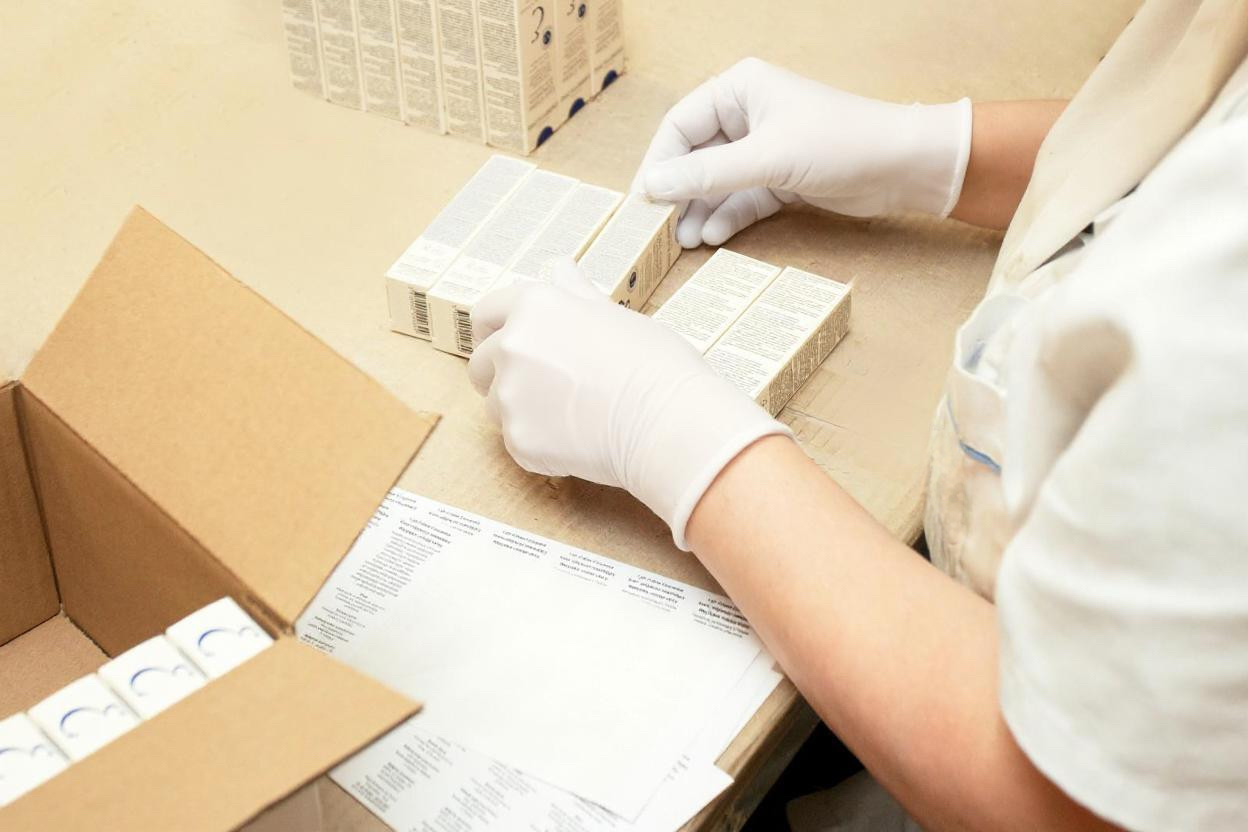
Instead, the company shipped a standard version of the product and outsourced relabelling to a specialist co-packer in Central Europe. Finished goods arrived, compliant labels were applied in the required languages, and products were prepared for local distribution. Decoupling production from market-specific packaging turned a regulatory bottleneck into a manageable adaptation step.
Marketing outpaces manufacturing
Another FMCG brand was preparing an in-store promotion for the peak holiday season – gift sets combining standard products with a limited-time bonus item in an unusual pack size. The concept resonated with retail partners, but the promotion had not been aligned early with manufacturing. By the time volumes and dates were confirmed, the production plan for the core range was locked.
Outsourcing the kitting turned out to be the fastest, least disruptive solution. The co-packer handled physical assembly, bonus-item placement, promotional labelling and shelf-ready preparation. The brand kept its core schedule intact while delivering the seasonal campaign on time. For the retailer, the only thing that mattered was that packs arrived ready to merchandise.
Damage in transit
A third scenario involved a North American metalworking-tools manufacturer shipping a mixed pallet load into Europe. The tools themselves were robust, but the journey was not kind to the outer packaging: a significant share of retail cartons arrived crushed or torn. Product quality met specification, but visibly damaged packaging risked returns and brand damage at point of sale. Sending stock back across the Atlantic would have been prohibitively expensive.
A local repacking partner received the shipment, separated intact packs from those needing attention, sourced new packaging, checked labelling and prepared the goods again as saleable stock. What could have been a costly write-off became a manageable recovery project that preserved both revenue and customer relationships.
A flexible buffer
None of these situations were part of the original plan, yet all are increasingly common in complex, international supply chains. Late regulatory changes, ambitious marketing ideas and transport incidents are difficult to eliminate – the real question is how quickly and efficiently manufacturers can respond.
Treating co-packing and repacking as a strategic buffer, rather than a last-resort fire-fighting cost, gives brands more options when reality diverges from the plan. The ability to adapt packaging after production, closer to the point of sale, can be the difference between delaying a launch and keeping products flowing to customers.
Subscribe
Get notified about New Episodes of our Podcast, New Magazine Issues and stay updated with our Weekly Newsletter.
Add Logistics Business MediaGet faster access to news, podcasts, magazines and your saved content.