Air Cargo Terminal Uses Closed-loop Plastic Sheets

Hong Kong Air Cargo Terminals Limited (Hactl) – a large independent cargo handler – is claiming a world first in its quest to introduce and adopt 100% closed-loop recycled plastic sheets for cargo operations.

Since 2022, Hactl began to adopt recycled plastic sheets composed of 30–50% recycled material, and since then has been driving toward a fully 100% recycled solution. In collaboration with the Nano and Advanced Materials Institute (NAMI), the two organisations have now successfully developed 100% closed-loop recycled plastic sheets using post-consumer plastic sheet wastes generated by Hactl — a potential scalable and applicable solution for the wider industry which are being rolled out immediately.

The successful implementation of this project will significantly reduce the use of virgin plastic and hopefully encourage other companies in the industry to follow Hactl’s lead. The aim is to foster a culture where eco-friendly practices are the norm rather than the exception.

Says Amy Lam, Chief Sustainability Officer of Hactl: “Our existing plastic sheets already contained 30-50% recycled material, but we wanted to accelerate our full transition to the circular economy and bring tangible benefits to industry and society at large, and the new 100% closed-loop recycled plastic sheets enable us to achieve that goal.”

As a major air cargo handler in Hong Kong, Lam says Hactl is in an ideal position to influence the type of material used in wrapping aircraft pallets, and so drive the achievement of far better recycling rates: “We believe there is huge scope to improve the air cargo industry’s performance in this area. By incorporating a higher proportion of recycled content into our plastic sheets, we can achieve closed-loop recycling, significantly reduce the carbon footprint of our industry and keep thousands of tonnes of non biodegradable plastic out of our landfills.”

Driver Coaching Tech Helps Fleets with Fuel

With fuel prices soaring once again, and supply pressures intensifying, Lightfoot has acted to streamline the self-installation process of its driver coaching devices, helping more businesses rapidly reduce fuel consumption and improve efficiency.

Following years of fuel price volatility, Lightfoot has engineered its driver coaching technology to now be ‘plug and play’, so it can be deployed by any fleet, at speed, without specialist installation support. This matters because speed of deployment is everything when fuel costs are rising week on week. The financial case for acting now is significant. Based on average commercial driver mileage of 13,500 miles per year and diesel reaching 180p per litre, the annual fuel cost per vehicle stands at £4,418. Fuel cards are also increasing by around 10p to 16p per litre.

Lightfoot’s calculated average fuel saving of up to 15% reduces that figure by approximately £662 per vehicle, per year. For a fleet of 200 vehicles, that represents a potential saving of more than £132,000 annually – a calculation based on today’s prices. If diesel approaches or exceeds £2 per litre, as analysts are projecting, the saving grows proportionally.

Fleets that have historically faced delays waiting for engineer scheduling can now prioritise their highest-consuming vehicles first, installing devices in whatever sequence best suits their operational needs. Lightfoot continues to manage system setup and connectivity, while the hardware side sits entirely in the hands of the fleet.

The coaching technology is designed to deliver immediate savings on fuel costs by monitoring how a vehicle is being driven in real time and guiding the driver to operate at the engine’s most efficient point.
Collecting data directly from the engine such as throttle input, engine load and speed, Lightfoot analyses driving behaviour continuously and provides instant feedback to the driver through audio and visual cues and alerts inside the cab.

The updated installation process eliminates the need to wire the device into the ignition cable – a step that previously required soldering. Instead, the Lightfoot unit can now be plugged directly into the vehicle’s OBD port, making installation significantly faster and more accessible.

Alongside the hardware, the Lightfoot ‘InsightHub’ platform gives fleet managers immediate visibility of performance data including fuel savings, driver efficiency scores and consumption patterns, from the moment devices are activated.

This allows businesses to identify at-risk drivers and vehicles quickly, and to track the tangible impact of the technology on their fuel bill in real time. ESG data can also be calculated within Insight Hub, which is also an ongoing pressure.

“Consumer panic buying at fuel stations is adding further strain to supply, making it even more critical for working fleets to maximise every litre of fuel,” said Lightfoot Chief Revenue Officer David Savage. “Fleet managers have lived through Covid supply shocks, the Ukraine crisis and now escalating conflict in the Middle East. Every one of those events has moved the dial on fuel prices. The question for fleets is no longer whether the next disruption is coming – it is whether they are prepared for it when it does. With faster installation, fleets can act tactically, identifying their most at risk vehicles and drivers based on fuel consumption and volume, with the process taking just a few simple steps.”

Once installed, the device provides real-time feedback to help drivers maintain their engine’s most efficient operating range, or ‘sweet spot’, improving fuel economy instantly.

“When forecourts are running dry and prices are climbing, working fleets cannot afford to waste a drop of fuel. Lightfoot was designed for exactly this kind of environment – a world where fuel price stability is the exception rather than the rule. Our technology gives drivers the real-time guidance they need to get the most from every litre, and our installation process means fleets can be up and running in days, not weeks.”

Climate-neutral Rail Freight Transport

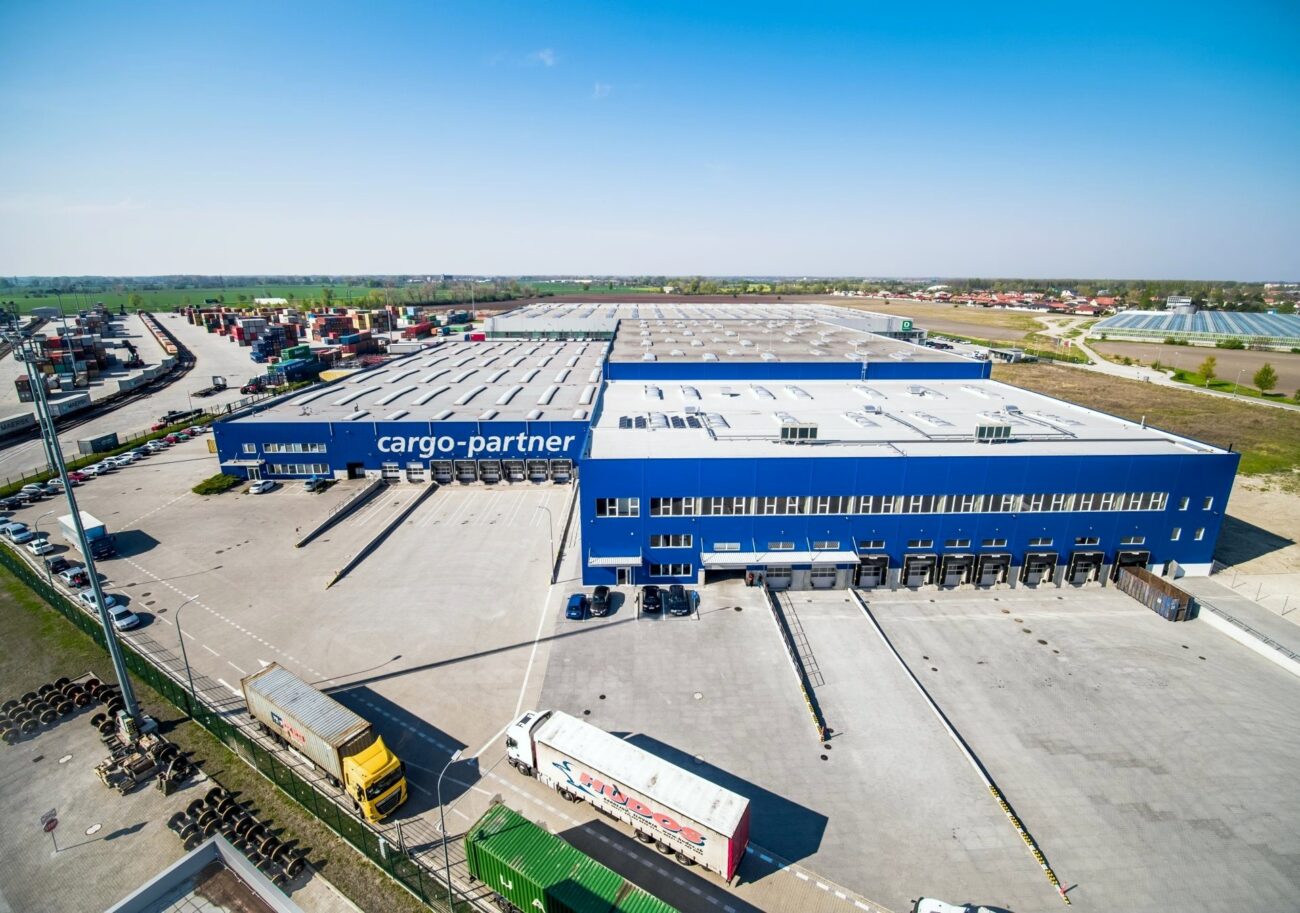
For the third consecutive year, cargo-partner continues its successful partnership with HHLA Pure. This sustained collaboration has significantly increased the volume of climate-neutral transports and resulted in total emissions savings equivalent to the carbon absorbed by over 24,500 trees, reaffirming the company’s commitment to environment-conscious logistics.

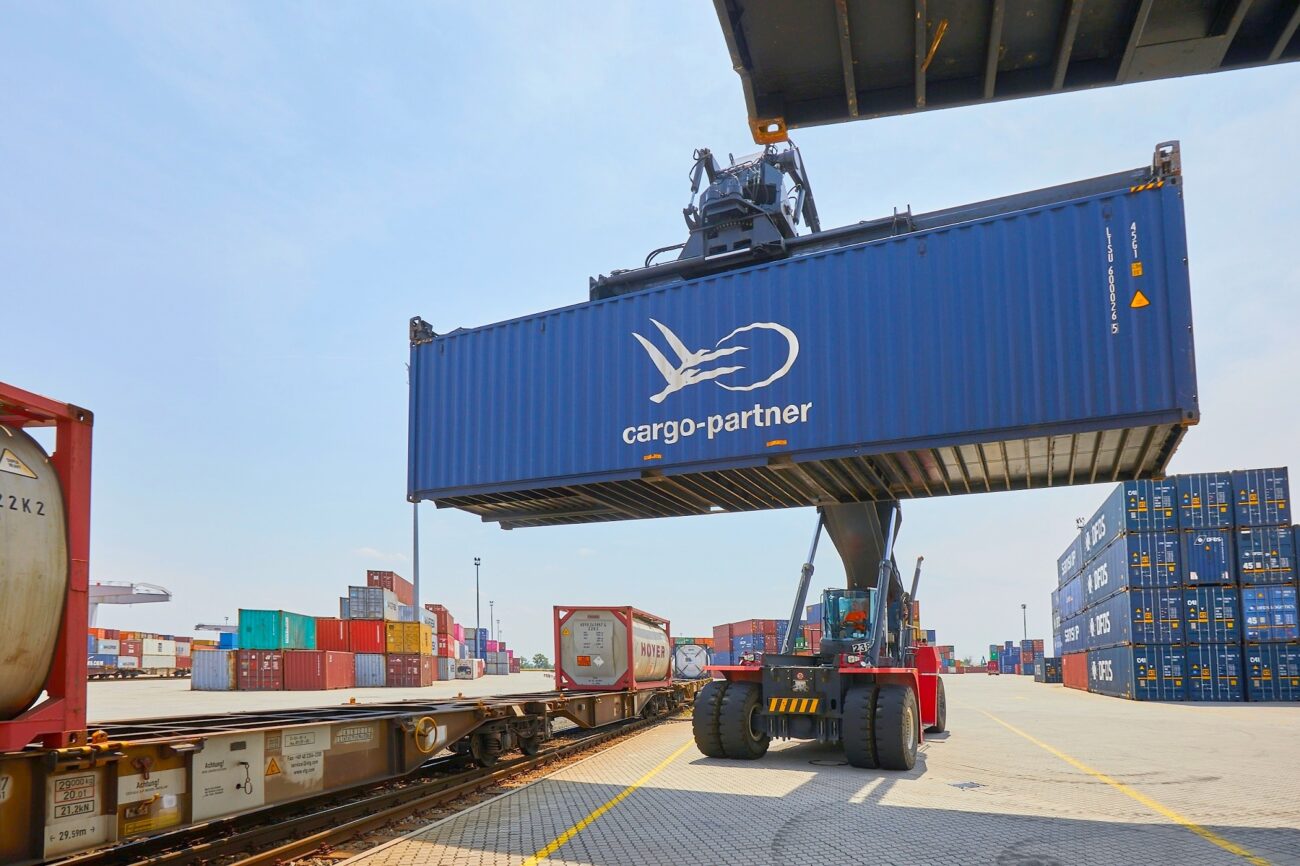
cargo-partner, a group company of Nippon Express Holdings, is advancing its sustainability agenda by renewing its cooperation with the HHLA Pure initiative. The program, developed by Hamburger Hafen und Logistik AG (HHLA) and METRANS, facilitates CO₂-free container transport by leveraging energy-efficient rail systems and electrified terminal operations, with any residual carbon emissions offset through Gold Standard-certified climate protection projects.

“To complement our ongoing environmental initiatives, we leverage our partnership with HHLA Pure to offer clients proactive, eco-conscious transport solutions that help mitigate the carbon footprint of their shipments,” stated Luca Ferrara, CEO of cargo-partner. “We are actively reducing transport emissions and compensating for unavoidable residual emissions through certified third-party projects.”

Sustained Growth in Key CEE Markets

In 2025, cargo-partner transported a total of 13,349 TEUs in a climate-neutral manner across the three participating countries, demonstrating the success of this long-term initiative.

  • Hungary: The Hungarian branch led the way by transporting 6,140 TEUs sustainably. This volume resulted in estimated emissions savings of 407.5 tons of CO₂, an amount equivalent to the carbon absorbed by over 18,300 mature trees in a single year.
  • Slovakia: The team in Slovakia managed 3,678 TEUs through the HHLA Pure program. This effort resulted in estimated emissions savings of approximately 71.6 tons of CO₂, an amount equivalent to the carbon that would be absorbed by over 3,200 mature trees in one year.
  • Czech Republic: In the Czech Republic, cargo-partner recorded a climate-neutral volume of 3,531 TEUs. This corresponds to estimated savings of 66.7 tons of CO₂, which is comparable to the emissions absorbed by 3,000 mature trees annually.

These results highlight the company’s successful implementation of low-emission transport corridors for the onward rail journey from major European hubs. Through strategic assets like the cargo-partner warehouse in Dunajská Streda, which is directly connected to the METRANS container terminal, the company creates tangible advantages for its customers while promoting environmentally sound solutions.

Comprehensive Approach to Environmental Responsibility

Beyond the HHLA Pure initiative, cargo-partner remains dedicated to a wide array of sustainability projects. The company is actively providing insetting solutions such as Sustainable Aviation Fuel (SAF), upgrading facility standards and optimizing resource consumption across the whole network, ensuring cargo-partner warehouses meet the latest environmental requirements for sustainable logistics. The renewed collaboration with HHLA Pure reinforces cargo-partner’s proactive stance on sustainability and its dedication to offering eco-conscious transport solutions.

Companies Want More EVs, but face Rising Costs

The electrification of corporate fleets across Europe is gaining momentum. More than half of companies intend to add additional fully electric vehicles over the next two years. At the same time, fleet managers are dealing with significant challenges – especially rising costs, increasing sustainability requirements and a public charging network that many still consider insufficient. These are the findings of the latest DKV Mobility E‑Mobility Study, based on a survey of 1,732 fleet and mobility managers across Europe.

“Our report clearly shows that electrification in European companies is accelerating. At the same time, it becomes evident that transforming corporate fleets remains a complex strategic task for many businesses,” says Sven Mehringer, Managing Director at DKV Mobility and responsible for Energy & Vehicle Services.

While the study was conducted across Europe, the findings are strongly reflected in the UK market, where fleet electrification is gaining momentum. The UK is one of Europe’s largest electric vehicle markets, with battery electric vehicles accounting for around 16% of new car registrations in 2024. “In the UK, we see strong momentum towards electrification, driven by regulation and corporate sustainability targets,” says Neil White, Country Manager UK at DKV Mobility. “At the same time, fleet managers are facing rising costs, increasing electricity prices and ongoing concerns about public charging infrastructure. As a result, companies are focusing more on controlling total cost of ownership and investing in their own charging infrastructure to ensure reliable operations.”

The study highlights that the transformation of corporate mobility is shaped by several structural factors. Three themes stand out as the biggest challenges for fleet management: rising cost pressure, increasing sustainability requirements, and the electrification of fleets. Larger companies and the transport sector in particular feel these pressures most strongly.

At the same time, many companies are planning significant changes to their fleet structures in the coming years. Around 56 percent of surveyed companies intend to purchase more fully electric vehicles, while only a small proportion expect a decline. Plug‑in hybrids also remain an important part of many companies’ fleet strategies. Traditional combustion engines, by contrast, are expected to play a diminishing role over time.

Companies identify three main barriers to further electrification: high purchase costs, rising electricity prices, and the perceived limited range of electric vehicles. Many respondents also point to a still insufficiently developed public charging infrastructure. “Many companies have clearly committed to electrifying their fleets. The decisive factor now will be whether key framework conditions, such as costs, energy prices and infrastructure can keep pace with this momentum,” says Mehringer.

At the same time, many companies are investing in their own charging solutions. Today, around nine out of ten companies with electric vehicles already operate charging infrastructure on their premises. A clear majority also plans to further expand this infrastructure over the next two years.

New Pallet Transport Service Launched

CtrlChain, a transportation management company specialised in road freight across Europe and the US, is strengthening its logistics services with a new pallet transport service. With the Netherlands as a central hub, businesses can now ship pallets across Europe and beyond or receive goods through the same reliable network.

Efficient and Scalable Shipping

The service is designed for businesses of all sizes. It offers clear and trustworthy options from any load, from standard euro pallets to industrial and half pallets. The service scales to meet specific needs, providing both Less than Truckload (LTL) and Full Truckload (FTL) capacity.

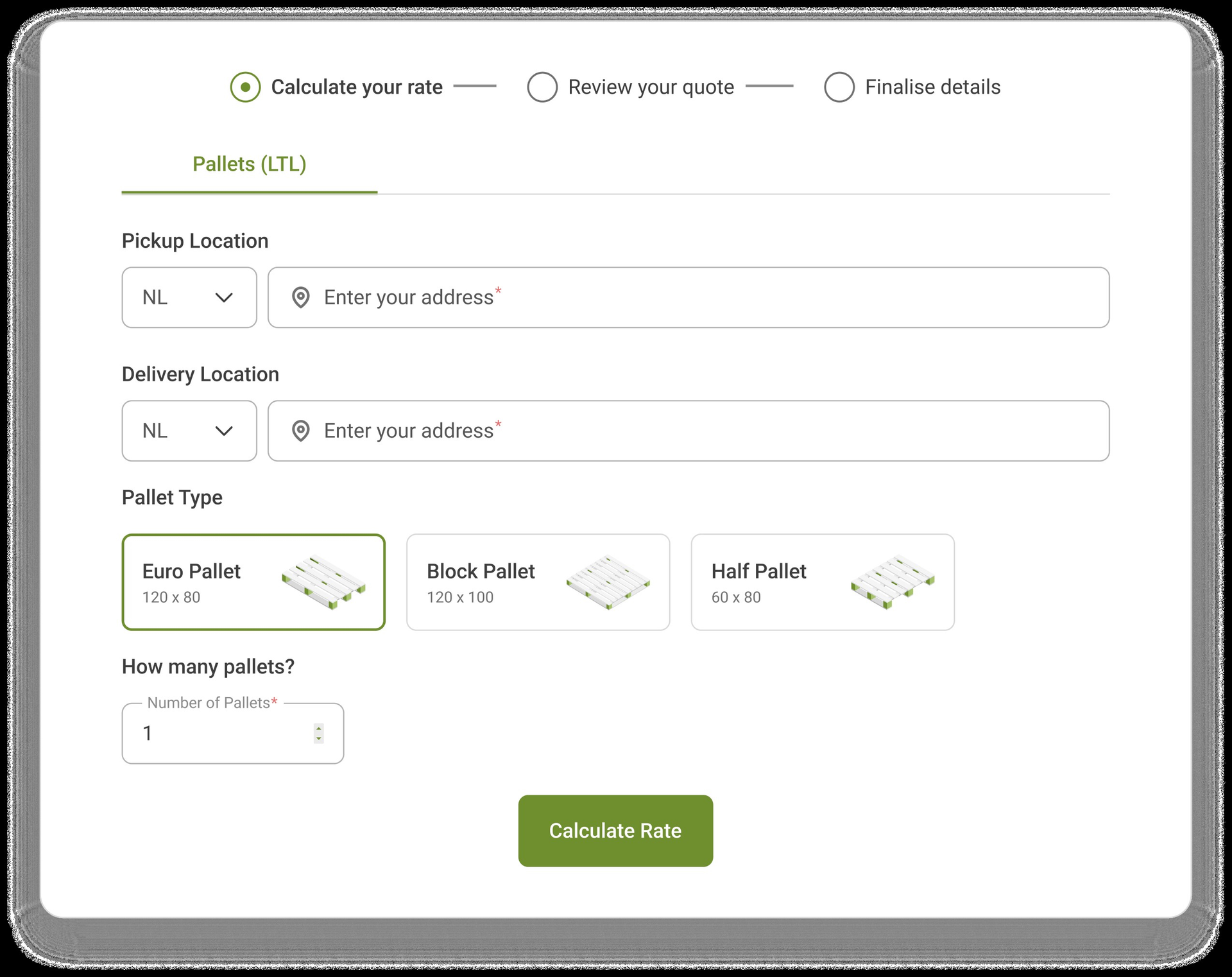
To ensure financial transparency, CtrlChain’s digital pallet calculator provides instant pricing by just entering pickup details, dimensions, and weight. Businesses receive an accurate quote before moving forward with the booking. see this pallet calculator here.

Oversight and Specialized Handling

Booking is fully integrated into the CtrlChain system. Customers can schedule shipments with complete oversight from start to finish, working with certified carriers and specialised transport options including:

• Timeslot deliveries: Precise scheduling to meet strict arrival windows.
• ADR shipments: Safe transport for hazardous materials in full compliance with regulations.
• High-care handling for sensitive goods: Enhanced protection for sensitive goods.

Although pallets are often less visible than other types of shipments, CtrlChain ensures they are monitored with the same reliability and attention as dedicated transport. This approach eliminates hidden fees and provides predictable, dependable delivery.

“Shipping a few pallets should not feel like a different job than shipping a full truckload. We integrated LTL and Pallet Service into CtrlChain system because our customers deserve the same ease and reliability regardless of what they are moving,” says Giovanni Gubbels, CEO at CtrlChain.

Ruud Broekhuizen, Senior Manager Transportation EMEA at Imgram Micro Netherlands, adds, “working with CtrlChain gives us peace of mind. Their pallet service is easy to use, transparent, and backed by their support team. It is exactly what businesses need for reliable transport.”

Hidden Launch Steals Spotlight at LogiMAT 2026

A planned product launch at LogiMAT 2026 has unexpectedly become one of the most talked-about moments of the show.

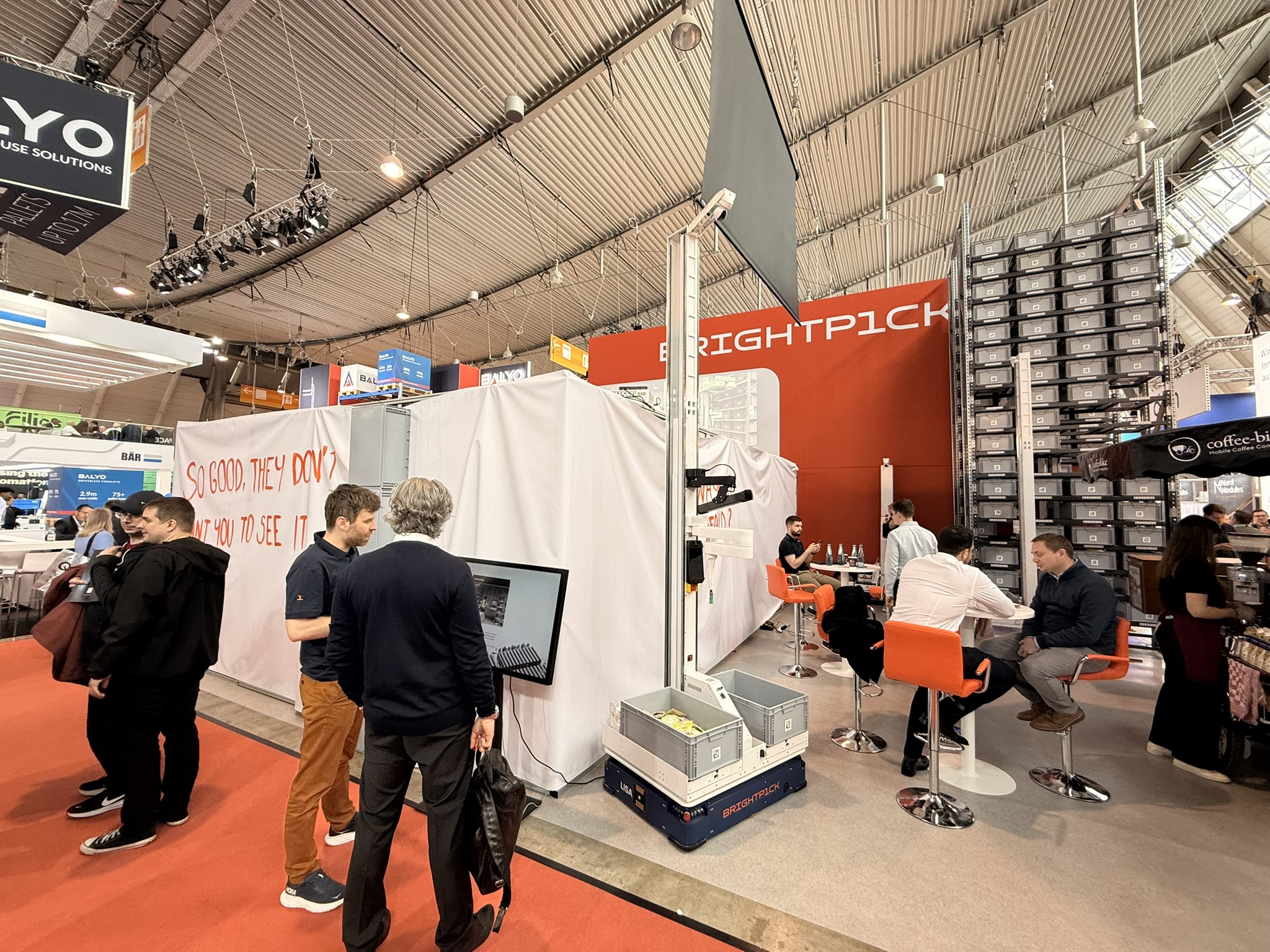
Warehouse automation specialist Brightpick arrived ready to unveil its latest grid picker system. However, proceedings took an abrupt turn when Ocado Intelligent Automation reportedly intervened with a legal challenge, preventing the official reveal from going ahead.

Instead of a live demonstration, attendees were met with a bold message displayed at the Brightpick stand: “So good, they don’t want you to see it.”

What could have been a setback has quickly turned into a powerful – if unintended – marketing moment. The combination of intrigue and controversy has driven significant attention, with visitors across the exhibition floor speculating about the technology behind the unseen system.

While details of the grid picker remain under wraps for now, the incident has ensured one thing: Brightpick has captured the industry’s attention without formally launching the product.

At LogiMAT this year, it seems the most effective awareness campaign may have been the one that never actually happened.

LogiMAT 2026: Practical automation & AI define first 2 days

As LogiMAT 2026 enters its final day at Messe Stuttgart, the first two days have highlighted a sector focused on making automation more practical, flexible and financially accessible.

Across the exhibition halls, the dominant theme has been a shift away from large, capital-heavy projects towards scalable solutions that can be deployed in stages. Exhibitors are responding to tighter budgets and economic uncertainty by prioritising faster return on investment, without slowing the pace of innovation.

More than 100 product launches have been showcased so far, with a clear emphasis on refinement rather than disruption. Many of the new systems focus on improving efficiency, usability and integration within existing operations, reflecting a maturing market where incremental gains are delivering measurable value.

Artificial intelligence is central to much of what is on display, particularly in combination with machine vision and advanced sensor technologies. From vision-guided robotics to real-time inspection tools, these systems are enabling higher levels of automation while reducing the need for manual intervention. The growing importance of data capture and interpretation is becoming as critical as the physical movement of goods.

Robotics continues to attract strong attention, but the focus has shifted towards flexible, mobile solutions that can be deployed quickly and adapted to different environments. This is opening the door to wider adoption, particularly among smaller operations looking for lower-risk entry points into automation.

Integration is another key trend, with suppliers demonstrating how forklifts, robots and warehouse software can operate within connected ecosystems. The ability to synchronise manual and automated processes in real time is becoming a defining feature of next-generation intralogistics.

Alongside technology, there is a continued emphasis on supporting the workforce. Ergonomic tools, wearables and assistive systems are designed to enhance productivity and safety, underlining the ongoing role of human operators in increasingly automated environments.

With one day remaining, the direction of travel is already clear. LogiMAT 2026 is showcasing an industry that is balancing innovation with realism, focusing on solutions that are not only advanced, but also adaptable, scalable and economically viable.

Come and visit us at stand 6A06 to discuss the latest trends shaping the intralogistics sector and share your insights with our editorial team. If you miss us at LogiMAT, you’ll also find us at MODEX Atlanta in a couple of weeks at stand BL2-27.

Swarm AGVs for Multiple Flows & Pallet Types

Designed to automate a wide range of warehouse operational flows, Swarm Automation Transport is a multifaceted automation solution that seamlessly integrates into mixed fleets, simplifying processes, reducing errors and protecting goods from damage. With its latest solution, Toyota Material Handling Europe offers a reliable and scalable automated warehouse transport system that can handle multiple pallet types and facilitates standard and turned pallet loading at low to mid-lift height.

Dynamic, scalable solution for modern warehouse automation

Toyota Material Handling Europe’s automated warehouse transport system combines the Toyota SAI125CB Automated Counterbalance Stacker with T-ONE Control System, intelligent automation software. Swarm Automation Transport easily fits into any major warehouse flow, supporting various warehouse activities and seamlessly integrates into any complex warehouse environment. This holistic solution is particularly valuable for businesses handling multiple pallet types, like euro pallets or bottom-deck pallets, or requiring specific handling procedures such as turned pallet loading.

In support of warehouse efficiency, this new dynamic solution can be deployed for fully automated performance, engineered to operate in sync with other AGVs including Toyota’s automated reach trucks. For businesses combining automation with manual handling, the system supports a hybrid, semi-automated functionality, optimising productivity through effortless coordination with conventional warehouse trucks.

This solution is perfectly suited to a wide range of industries, including warehouse logistics, industrial production and manufacturing, retail distribution and fast-moving consumer goods (FMCG), food retail, as well as other dynamic sectors such as parcel delivery, airport operations and e-commerce.

Transport and storage for conventional racking

Swarm Automation Transport offers a practical and cost-effective solution for businesses looking to start their automation journey. Ideal for stacking near conveyors or cells, this solution can also benefit existing automation users who aim to maximise their ROI, as it integrates easily with different fleet types. Pallet storage can be done up to 5 m in height, with a maximum of 12 m when paired with other Toyota automated reach trucks.

“Swarm Automation Transport marks a major step in our mission to make automation accessible to every warehouse,” says José Maria Gener, Vice President Sales & Marketing at Toyota Material Handling Europe, “By combining the strength of our automated counterbalanced stacker with the intelligence of our automation software T-ONE, we’re giving customers a scalable solution that elevates safety, efficiency and performance across their entire operation.”

Further reinforcing its commitment to responsible design, Toyota Material Handling equips its latest solution with high-efficiency lithium-ion batteries and automatic charging capabilities. The result is reduced overall energy consumption, smooth recharging and longer usage cycles. The 360° Personal Protection System integrates sensors, scanners and bumpers for an overall safer experience.

Automation at every level

Swarm Automation Transport is highly beneficial for generating streamlined fully automated and semi-automated workflows. It is also perfect for managing repetitive transport tasks, pallet handling in buffer areas and for optimising replenishment processes.

Their latest automated solution represents Toyota Material Handling Europe’s continued commitment to developing technologies that elevate safety, efficiency and scalability across every layer of the supply chain.

Automation is Transforming Logistics in India

India’s logistics sector is at a decisive inflection point, with automation rapidly reshaping the way goods are stored, handled, and transported, writes Khursheed Alam (pictured, below), Founder, Atmos Systems.

What was once a fragmented, labour-intensive ecosystem is now evolving into a more integrated, technology-driven network. This shift is being driven by rising demand for speed, precision, and scalability in a consumption-led economy. Automation is no longer a future ambition it is becoming central to operational strategy, enabling logistics players to enhance efficiency while responding to increasingly complex supply chain requirements.

A key manifestation of this transformation is the rise of automated warehousing. Advanced systems such as robotics, automated storage and retrieval systems (AS/RS), and AI-led inventory management are redefining warehouse operations. These technologies are significantly improving picking accuracy, reducing turn around times, and optimizing space utilization critical advantages in a market where real estate costs are steadily increasing. More importantly, automation is enabling consistent, high-volume throughput, allowing companies to scale operations without a proportional increase in manpower.

Beyond warehousing, intelligent automation is streamlining end-to-end logistics operations. Technologies such as Autonomous Mobile Robots (AMRs) and drone-enabled inventory tracking are minimizing human intervention, reducing errors, and enabling round-the-clock operations. This transition is not merely about cost efficiency; it is about building resilience, agility, and reliability into supply chains. As India positions itself as a global manufacturing and consumption hub, automation will play a defining role in creating a logistics ecosystem that is faster, smarter, and globally competitive.

E-commerce: Catalysing Tech Revolution of India’s Logistics

The explosive growth of e-commerce is perhaps the single largest driver of this technological pivot. As platforms like Amazon, Flipkart, and quick-commerce disruptors like Zepto and Blinkit redefine consumer expectations, the ‘need for speed’ has become absolute. The Indian warehouse automation market is witnessing a massive surge as players race to trim minutes off their delivery timelines.

To handle millions of stock-keeping units (SKUs) and ensure ‘same-day’ or ‘ten-minute’ deliveries, logistics providers are investing heavily in automated sortation systems and AI-driven demand forecasting. Automation allows these companies to handle seasonal spikes, such as during festive sales, without the logistical nightmare of massive, temporary manual hiring. In this hyper-competitive landscape, the efficiency of a company’s automated backend is directly linked to its customer retention rate.

Building Smart Infrastructure

The transformation is not limited to private enterprises; it is being etched into the very geography of the country. India is seeing the birth of ‘Smart Logistics Parks’, designed to be hubs of interconnected technology. A landmark example is the development of the country’s first smart logistics park in Nagpur by XSIO.

These parks integrate Internet of Things (IoT) sensors, GPS tracking, and automated gate management to create a seamless flow of goods. By situating these high-tech hubs at strategic multimodal locations, India is reducing the logistics cost as a percentage of GDP, which has erstwhile been higher than in developed nations. These smart clusters ensure that once a package is sent out from an automated warehouse, it stays within a digitally tracked, high-efficiency ecosystem until it reaches the end consumer.

A Future-Ready Supply Chain

The integration of robotics, AI, and smart infrastructure is doing more than just moving boxes faster; it is providing end-to-end supply chain visibility. For businesses, this means better data, fewer losses, and leaner operations. For the Indian economy, it signals a transition from a labour-intensive sector to a technology-driven powerhouse.

As automation continues to mature, the challenges of the ‘last mile’ will diminish, and the reliability of Indian exports will rise. By modernising its logistics domain through automation, India is not just catching up with global standards but is building a future-ready infrastructure capable of supporting the world’s fastest-growing economy. The shift from manual to mechanical is well underway, ensuring that the future of Indian logistics is fast, fluid, and flawlessly automated.

Contracts Manage Warehouse Construction Risk

Industrial and logistics development has proved one of the most resilient segments of the property market, write Mark Macaulay and Tasmyn Brittlebank, construction partners in the Projects practice at law firm Dentons.

Demand for warehouse and distribution space, driven by ecommerce growth, supply chain restructuring and the expansion of last-mile delivery networks, continues to support new logistics parks across the UK. Yet the construction environment behind these developments has become increasingly complicated.

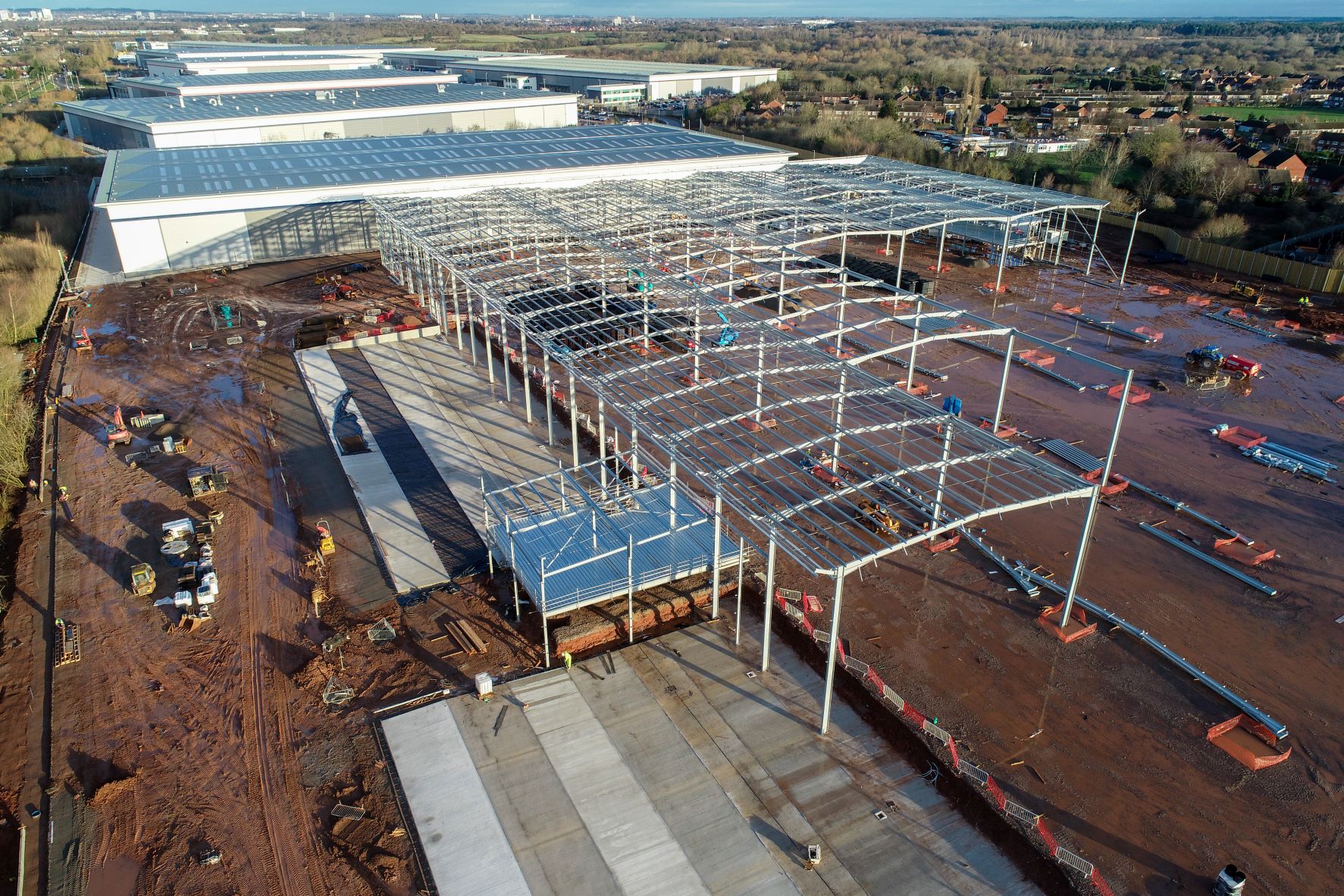
Logistics projects are frequently delivered on brownfield land, rely heavily on steel-intensive construction and often require substantial off-site infrastructure works.

As global supply chains remain volatile, with recent geopolitical tensions, including the conflict in Iran, affecting energy markets and shipping routes, these are contributing to renewed inflationary pressure on the cost of construction materials.

For developers and contractors, the challenge is no longer simply delivering warehouse space, but managing the legal risks associated with ground conditions, supply chain volatility and infrastructure obligations.

Ground risk and contaminated land

Many logistics developments are located on former industrial or manufacturing sites. While brownfield land can offer planning advantages, it often presents complex ground conditions and contamination risks that affect construction delivery.

Under the Environmental Protection Act 1990, local authorities have powers to require remediation of contaminated land where it presents a risk to human health or the environment. Where the original polluter cannot be identified, liability may ultimately fall on current landowners or occupiers.

From a construction law perspective, these risks frequently emerge during early site works. Even where Phase I and Phase II environmental investigations have been undertaken, unknown contamination or unstable ground conditions can still arise once excavation begins. The key legal question is how that risk is allocated under the construction contract.

Under some contracts ground risk generally remains with the employer unless expressly transferred. Alternative NEC Engineering and Construction Contracts address unexpected physical conditions through compensation event mechanisms that allow cost and programme adjustments where conditions differ materially from those anticipated.

English case law also underlines the importance of contractual risk allocation where site conditions are concerned, and the Court of Appeal has confirmed contractors cannot rely on unforeseen ground conditions where the contract places responsibility for investigating site conditions on them.

For large logistics schemes involving extensive earthworks or remediation works, the treatment of ground conditions within the building contract can therefore have a significant impact on both programme certainty and project cost.

Inflation, steel and supply chains

Modern distribution facilities depend heavily on structural steel frames, cladding systems and mechanical installations, meaning logistics developments are particularly sensitive to supply chain volatility.

Recent geopolitical instability has reinforced that exposure. The Iran conflict has raised concerns about disruption to global shipping routes and energy markets, increasing freight costs and placed upward pressure on construction materials such as steel.

winter-proofing warehouses

For developers procuring logistics schemes, the question quickly becomes one of contractual risk allocation, particularly who carries the risk of inflation. Traditional procurement models rely on fixed-price construction contracts that place cost escalation risk on contractors. However, sustained material price volatility has made contractors increasingly reluctant to absorb open-ended price exposure.

Standard form contracts offer different responses. JCT contracts include optional fluctuation provisions, although these are frequently excluded in commercial developments, while NEC contracts, particularly under target cost arrangements, allow greater flexibility in managing cost change.

Supply chain disruption can also translate directly into programme delay. Shortages of structural components, façade systems or mechanical plant may trigger extension of time claims and threaten completion dates — particularly problematic where logistics developments are pre-let to tenants with fixed operational timelines.

Again, English case law also illustrates the importance of clear contractual drafting in allocating delay risk, and the Court of Appeal has confirmed parties are free to allocate responsibility for delay through their contract, even where doing so alters the traditional operation of the prevention principle (the rule that a party cannot insist on contractual completion dates where its own actions have caused delay).

Highways and infrastructure interfaces

The high traffic volumes generated by distribution facilities, particularly heavy goods vehicle movements, often require mitigation works to surrounding transport infrastructure. These works are commonly delivered through Section 278 agreements under the Highways Act 1980, allowing developers to fund and construct works to the public highway.

Under Section 278 agreements, highway authorities must approve detailed designs and supervise works carried out within the highway network. Where access roads or junction improvements are linked to project completion, delays in highway approvals or construction can affect programme certainty and practical completion.

For large logistics parks, where vehicle access is central to operational viability, misalignment between highways obligations and construction programmes can create significant delivery risk.

Subscribe

Get notified about New Episodes of our Podcast, New Magazine Issues and stay updated with our Weekly Newsletter.