

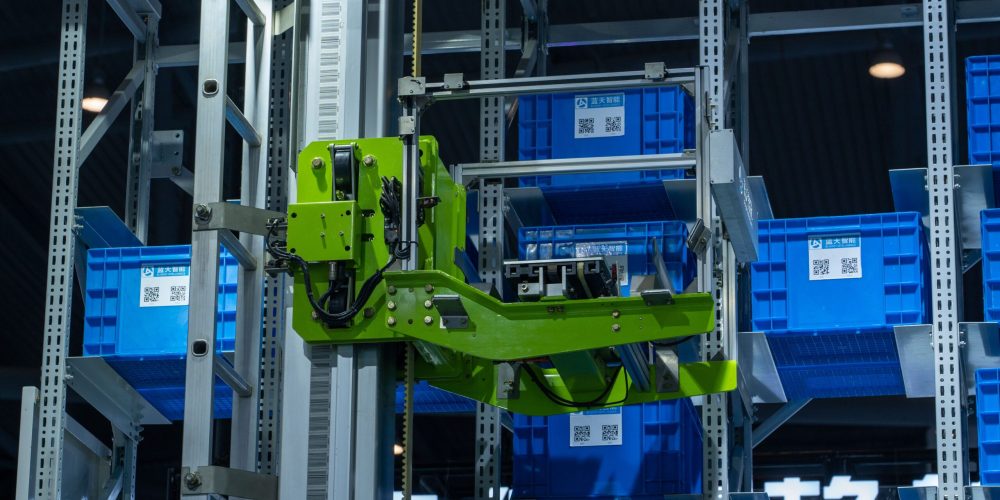
The robotics industry is paying increasing attention to what happens after machines have been installed, as robot field service emerges as a potential bottleneck for wider adoption.
The issue is straightforward: a robot can be successfully built, sold and deployed, but still create operational problems if a sensor, actuator or control system fails far from the manufacturer’s engineering team. A fault occurring early in the morning at a customer site may require rapid diagnosis, replacement parts and a trained technician, rather than a remote software update.
The challenge is particularly visible in environments such as commercial kitchens, where robots are expected to operate continuously and downtime can affect the customer’s ability to deliver services. The same principle applies to other sectors using increasingly complex automation, including warehouses, distribution centres and manufacturing sites.
Service capability must develop alongside deployment
For logistics operators, the lesson is that purchasing and installation are only the beginning of a robot’s operational life. Maintenance coverage, spare-parts availability, technician training, remote monitoring and clear escalation procedures all need to be considered when evaluating an automation project.
This could influence how warehouse robotics contracts are structured. Service-level agreements may need to define response times, parts availability and responsibilities for software, electrical and mechanical faults. Operators may also need to assess whether suppliers can support equipment across multiple sites and regions, rather than relying on a small number of specialist engineers.
A stronger field-service model could help reduce unplanned downtime and give operators greater confidence when deploying automation beyond a single facility. It may also create demand for third-party service networks capable of supporting robots from multiple manufacturers.
The wider point is that robotics success will depend not only on performance during normal operation, but also on how quickly and effectively problems are resolved. As deployments grow, the ability to maintain machines in the field is likely to become a central part of the business case for automation.
Source: roboticstomorrow.com.