

When considering humanoid robots in the warehouse users need to weight readiness against a five-year total ownership cost, says Jonathan Sp, co-founder, RobixOne.
Warehouse and 3PL operators are hearing more about humanoids on the docks than ever. Demos are polished. Press releases promise labour relief. The harder question is not whether a bipedal robot can pick a tote — it is what that robot costs to own for five years, and whether the unit economics beat the alternatives you already run.
Sticker price is not the decision
Industrial and near-industrial humanoid platforms marketed into logistics still carry list prices that look like CapEx events, not gadgets. Treat the purchase price as the deposit, not the total. Across consumer and light commercial humanoids we have modelled independently at RobixOne, five-year ownership routinely lands near 1.6× list at the mid tier — once you add multi-year service, extended coverage, a spare battery or pack, out-of-warranty actuators, insurance, and energy. Entry hardware looks cheap on the P.O. and expensive in the model, because repair and service floors do not scale down with the sticker.
For a DC, that same pattern matters more, not less. Downtime is not an inconvenience; it is a throughput line. An actuator failure on a supervised humanoid is labour plus lost picks. If your vendor will not put five-year service, renewal pricing, and out-of-warranty part lists in writing before you pilot, you do not have a cost model — you have a demo.
Readiness is still supervised
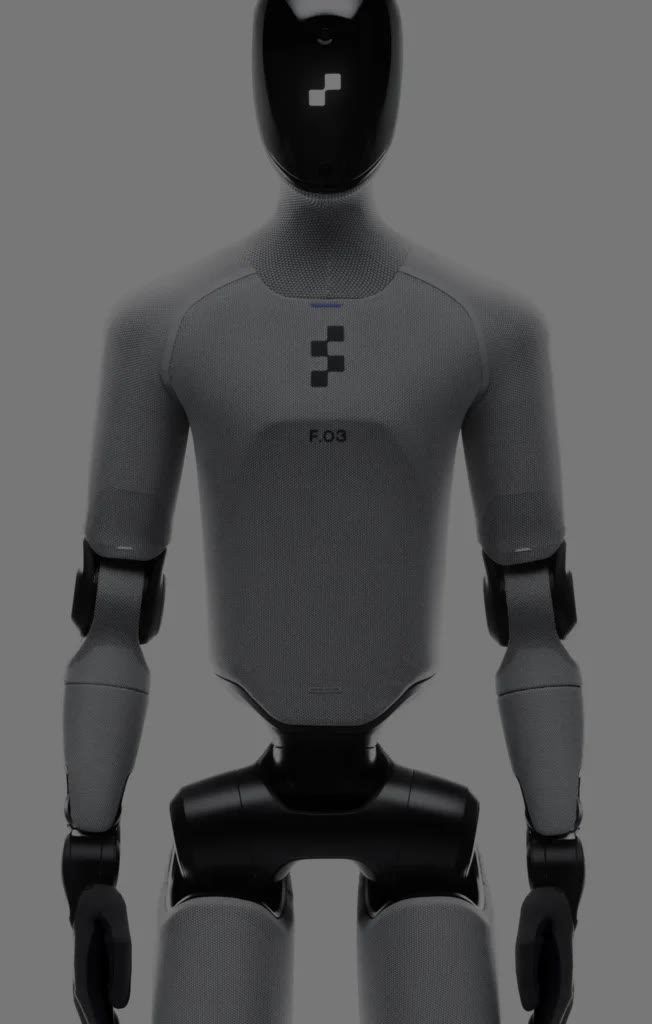
The useful frame for logistics leaders is readiness, not hype. Most humanoids shipping into real environments in 2026 remain supervised assistants: they need mapping, task scoping, charging discipline, and clear failure modes. That is closer to a new class of mobile automation with a training curve than to a drop-in associate. If your business case assumes day-one autonomy across mixed SKUs and changing layouts, the spreadsheet will fail before the robot does.

Where humanoids can earn a place is narrow, repeatable work with stable geometry — and only when you price the full stack: robot, docking, spare power, authorized labour, software support, and the people who keep the cell running. Breadth of tasks is the long-term bet. Quality on a single task still usually favours purpose-built AMRs, cobots, or human labour.
Unit economics vs labour and fleets
Compare honestly. A mid-tier ownership number in the low tens of thousands of dollars over five years can look competitive against weekly labour on a narrow job — until you add supervision, changeovers, and the fact that a specialist machine often does that one job better. Humanoids win when presence and task flexibility matter more than peak performance on one motion. They lose when you needed a conveyor, an AMR, or another associate and bought a generalist instead.
Ask three questions before CapEx: What is the five-year all-in including service renewal after any launch promo? What does a critical joint or hand replacement cost out of warranty? What is the measured pick or cycle rate on your SKUs, not the booth demo? If those answers are soft, the pilot should stay a pilot.
Bottom line
Humanoids are entering the warehousing conversation for real reasons — labour tightness, Physical AI, and vendor momentum. Treat them like any other plant asset: model five-year cost, demand part and service transparency, and judge readiness by supervised throughput on your floor, not by the press cycle. The shiny demo is optional. The ownership math is not.