

HGV driver shortages pose a consistent challenge for the UK road haulage industry, as research has forecasted the need for 400,000 new drivers per year to match economic demand.
Furthermore, fewer than 2% of UK HGV drivers are under the age of 24, with more than 55% aged between 50 and 65, highlighting that low levels of young people entering the profession could further add to recruitment challenges as retirement rates increase in coming years.
Jolawn Victor, Divisional Chief Executive Officer of Telematics at Radius, has highlighted the following cost challenges and their potential impact on HGV driver shortages:
- The cost of getting drivers qualified has doubled in the last decade
Research from Dojo’s UK Inflation Index has revealed that training costs in the road haulage industry have increased by 100% in the last 10 years, highlighting that the cost of getting new drivers qualified and on the road is increasing at a significant rate.
- Insurance costs have surged 57% in the last 10 years
Research has also shown that insurance costs for the UK haulage industry have increased by 57% in the last decade[2]. As insurance costs for less experienced drivers are often higher, this cost challenge may grow in coming years as the industry aims to recruit younger staff to replace retired drivers.
- Staffing costs have also experienced a significant increase
Staffing costs in the UK haulage industry have also increased by 44% in the last year[2], driven by factors like increased contributions to National Insurance in 2025. With competition for recruiting drivers pushing wages upwards, even small increases to staffing costs can have significant implications for labour-intensive haulage firms.
What practical steps can haulage firms take to tackle increasing cost challenges?
Jolawn Victor comments:
As rising training, insurance and staffing costs continue to increase, UK haulage firms face a growing financial barrier to recruiting and retaining the drivers they need to match demand. This makes it increasingly important for businesses to find efficiencies elsewhere.
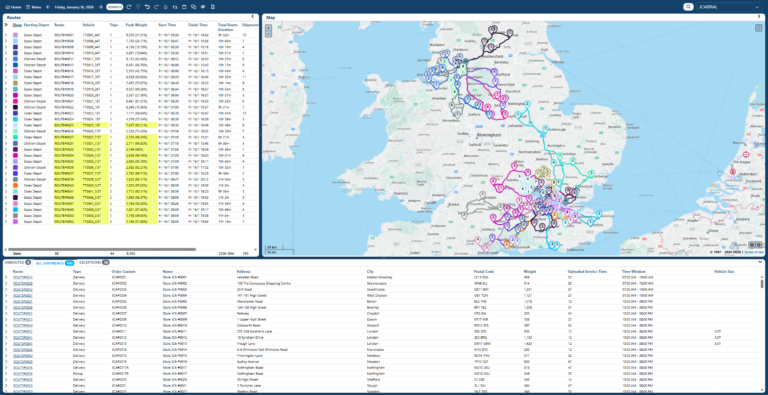
Investing in technology such as telematics can help firms to streamline their operations by giving them the data they need to make informed cost-saving decisions. For example, real-time insights into vehicle location can reveal opportunities to optimise routes and reduce fuel consumption, while monitoring driver behaviour can highlight inefficient habits like idling, harsh braking and acceleration among individual staff members.