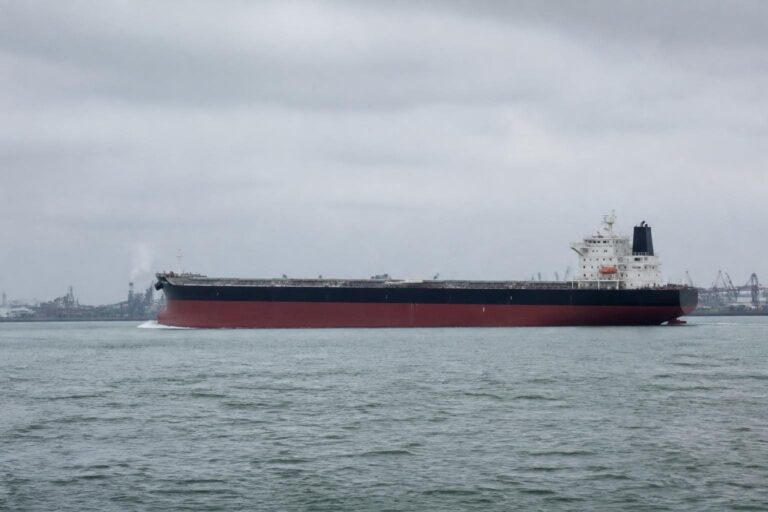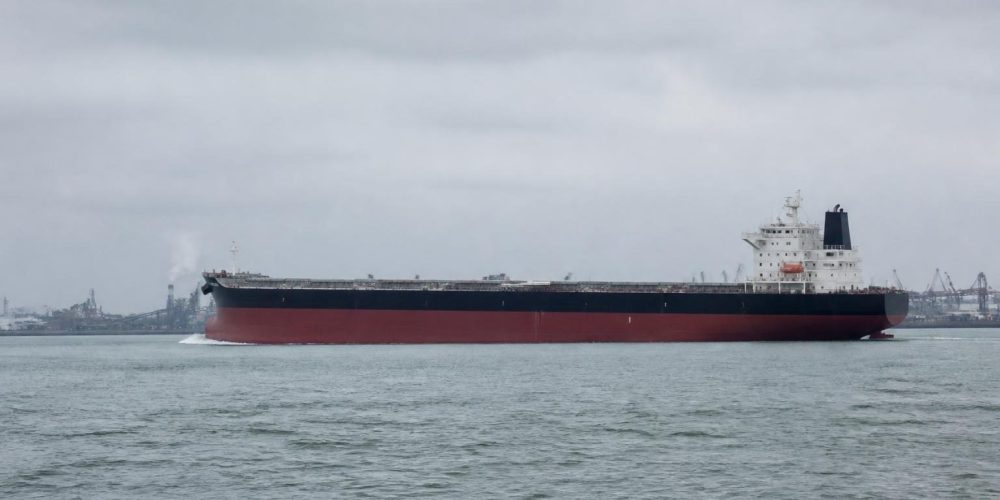
A 210,000-deadweight-tonne ammonia-powered bulk carrier has begun its maiden voyage to Australia, marking a significant development in the use of alternative fuels for deep-sea shipping.
The vessel, Mineral Europa, is described as the world’s first ammonia-powered dry bulk carrier. Built in 2026, it is the first of 21 ammonia-powered vessels planned for delivery to CMB.TECH‘s fleet by 2029, including 18 dry bulk carriers, one container ship and two chemical tankers.
Why it matters for logistics
The voyage provides an early operational test for ammonia as a marine fuel on a large oceangoing vessel. Dry bulk ships transport major industrial commodities and raw materials, making their fuel choices relevant to global supply chains, port operations and cargo owners seeking to reduce transport emissions.
Ammonia does not produce carbon dioxide during combustion, but its overall environmental performance depends on how the fuel is manufactured, transported and used. The fuel also brings new requirements for vessel design, crew training, safety management, storage and bunkering.
Those requirements are particularly relevant to European maritime logistics. The vessel’s owner is headquartered in Antwerp and is investing in ammonia storage infrastructure and bunkering barges alongside its fleet expansion. Such facilities could help determine how quickly ammonia-fuelled shipping can move from individual demonstration vessels to wider commercial deployment.
For freight forwarders, cargo owners and port operators, the development highlights the need to monitor alternative-fuel availability and handling standards across key trade routes. It also adds ammonia to the growing range of options being assessed alongside methanol, biofuels, batteries and other pathways for reducing maritime emissions.