
Peter MacLeod hears how Bobcat used LogiMAT to underline both its move into electric material handling and its doubling down on high-capacity diesel where the application still demands it.
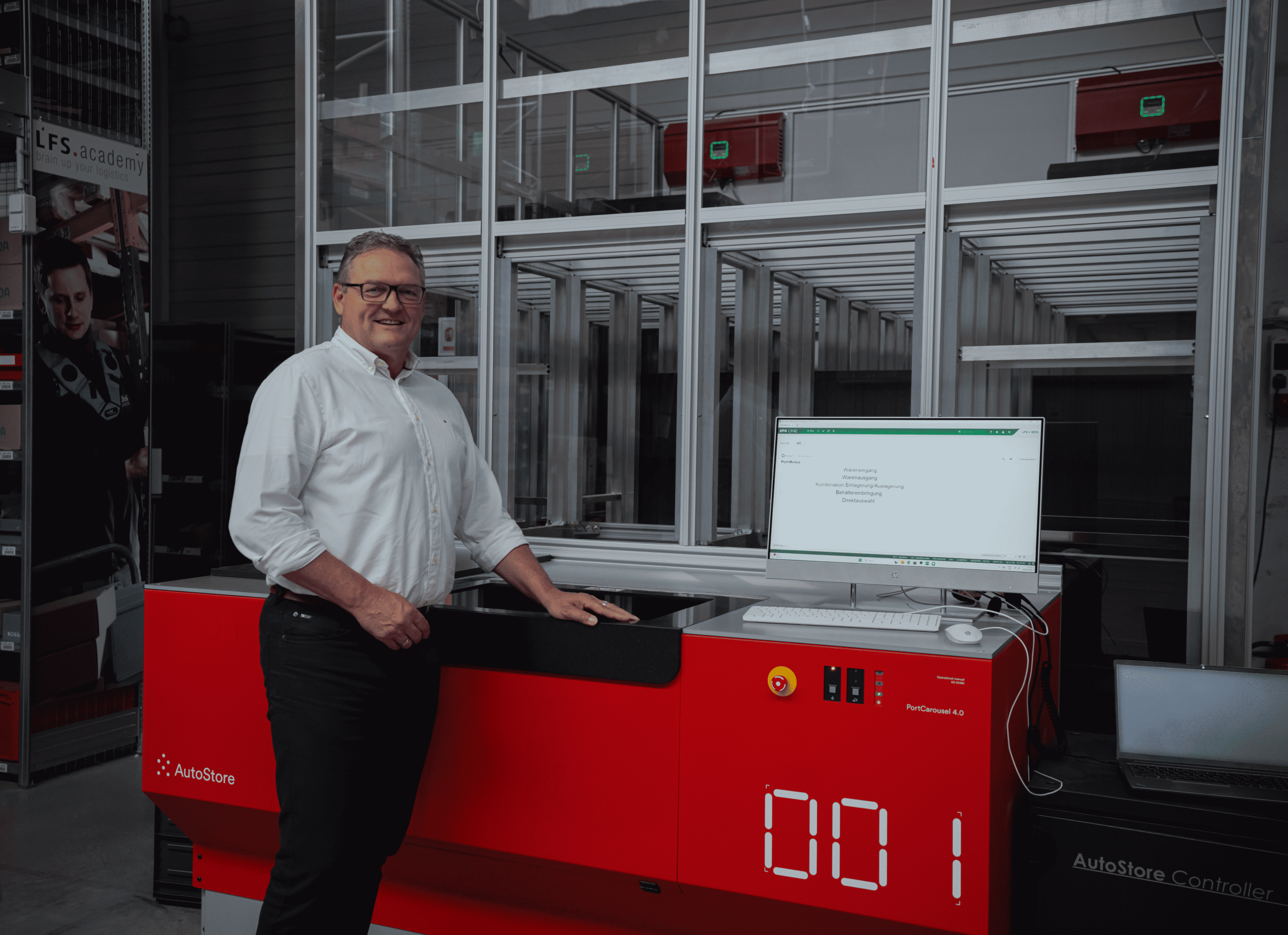
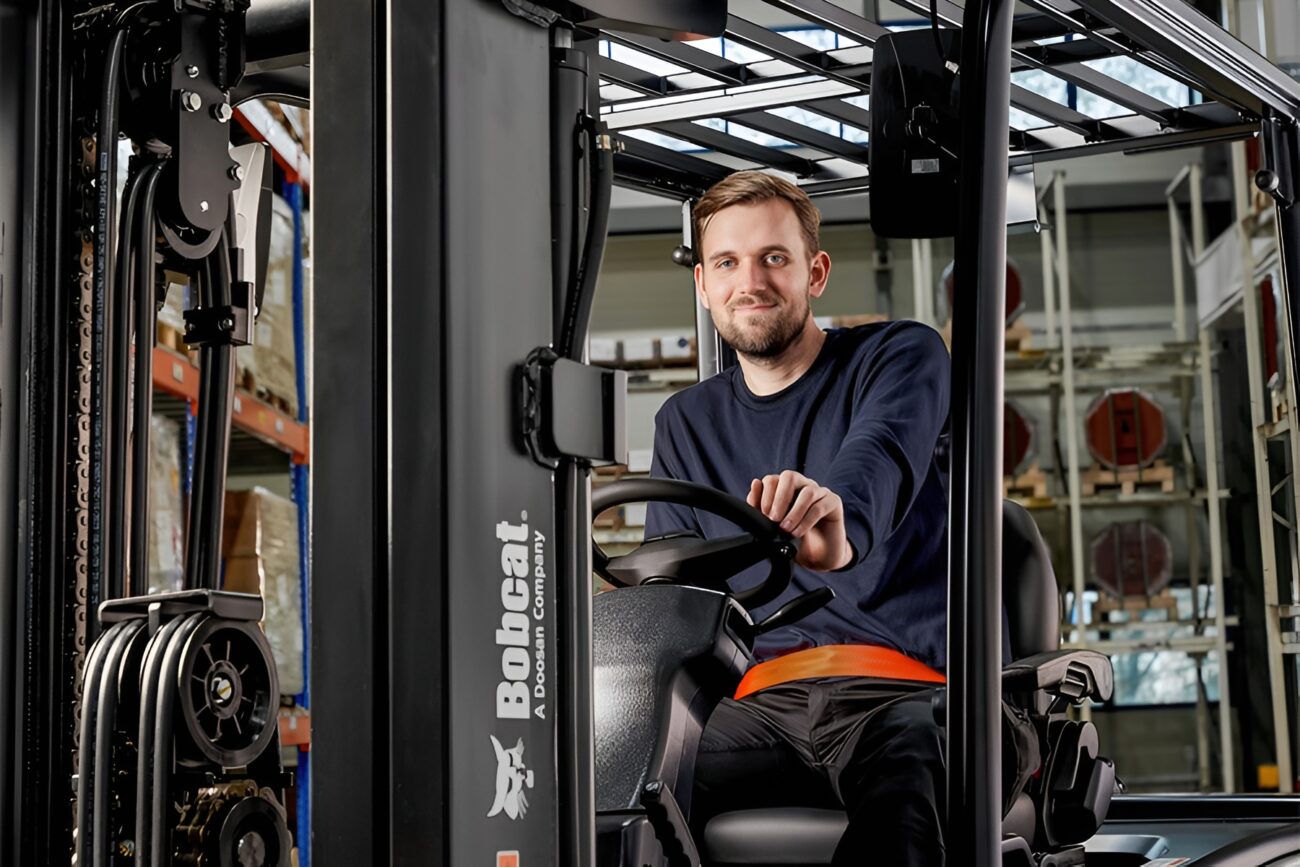
Greeting me on the busy Bobcat stand a year on from when we last spoke, Jan Droogendijk (pictured, below), Product Manager Material Handling at Bobcat EMEA, pointed to 12 months of transition from ‘coming soon’ to fully commercialised product lines.
“So, what has changed now is that they are officially launched. Officially. They’re ready to order,” he said, referring to the company’s new generation of three-wheel electric forklifts and lithium-ion battery offering.
Electric Core
At the centre of that push is the BNT series – Bobcat’s first lithium-ion three-wheel electric forklifts – aimed squarely at the high-volume core of the market. “That’s the biggest segment,” Droogendijk noted. “I think every OEM has this as their number one.”
Designed primarily for SMEs, the trucks are deliberately positioned as practical, application-led machines rather than feature-heavy flagships. “Simple, reliable trucks that do the job,” is how he described them, with operating profiles typically in the two-to-five-hour range per shift rather than intensive, multi-shift environments.
A key element is flexibility in battery configuration. Customers can choose between different lithium iron phosphate battery capacities depending on runtime requirements, a decision guided more by usage patterns than by technical specification.
“Typically, you talk about runtime – how long do you need to run the truck during the day,” Droogendijk explained. “That’s how you define the solution.”
This reflects a broader shift in the market, with electrification continuing to gain momentum. “Every year we see the electric market growing,” he said. “LPG is shifting strongly to electric, especially for indoor use where in some countries it’s becoming mandatory.”
Diesel Matters
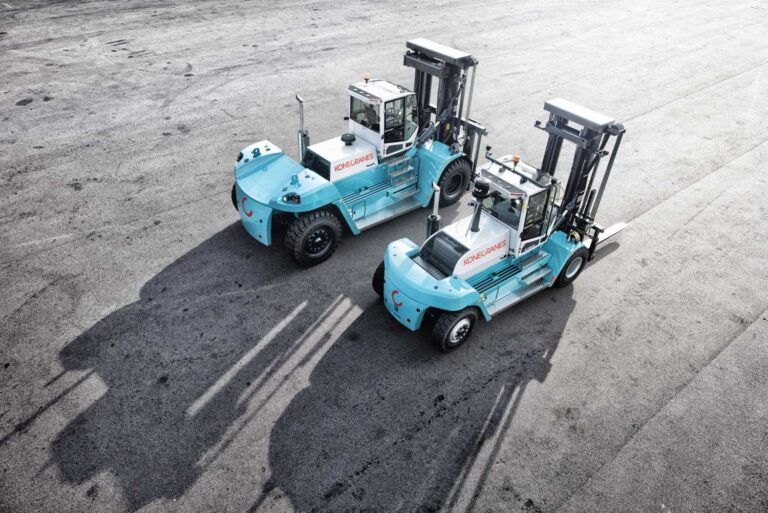
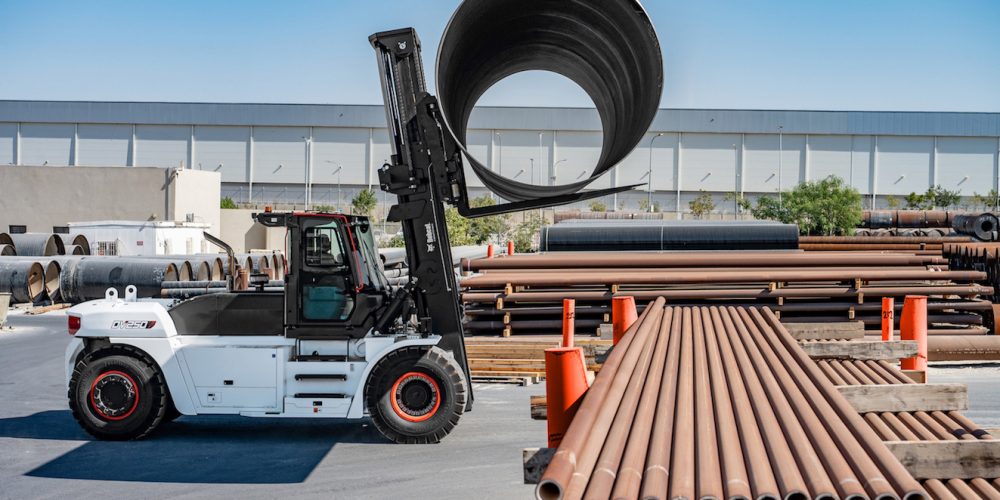
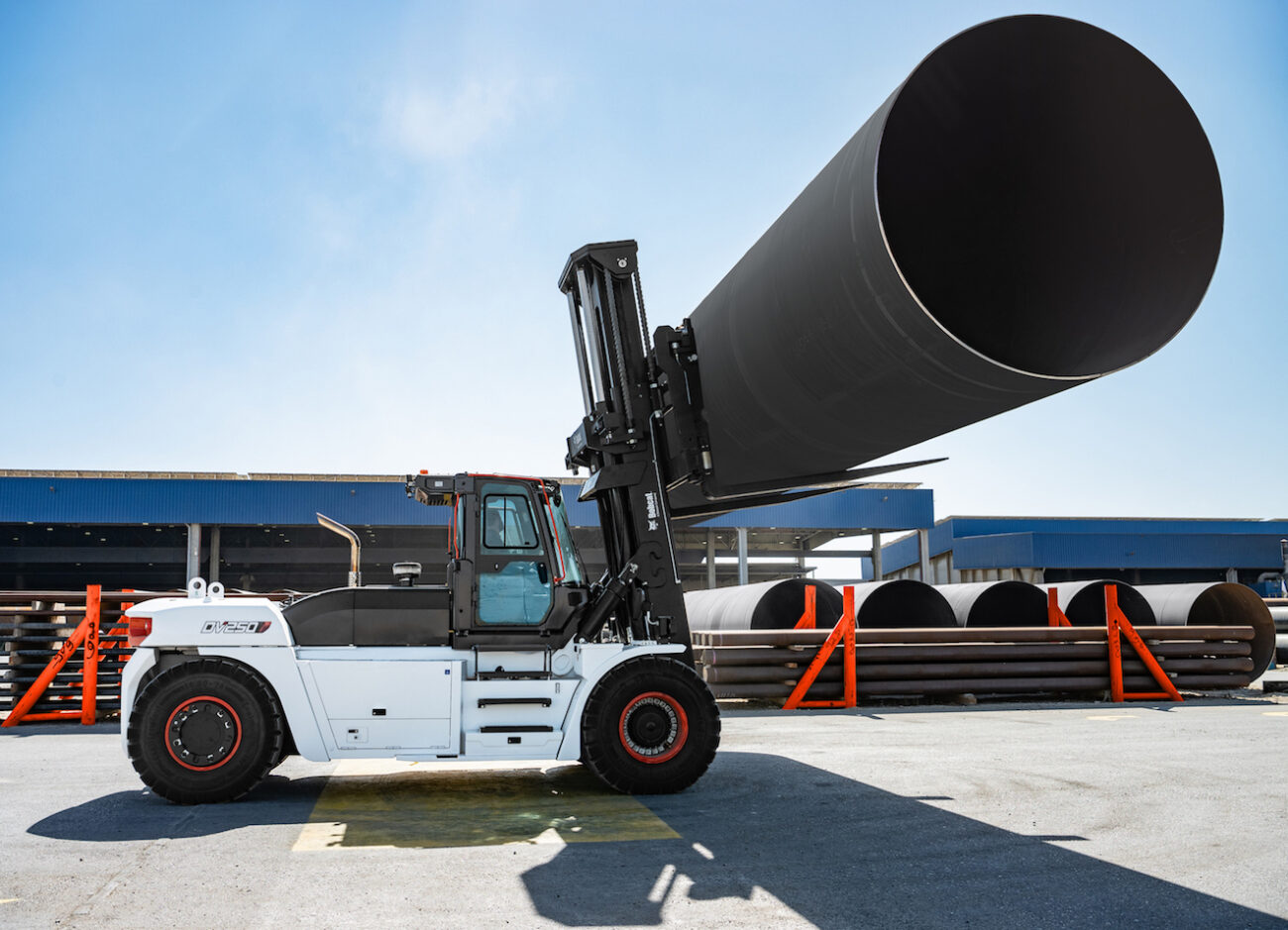
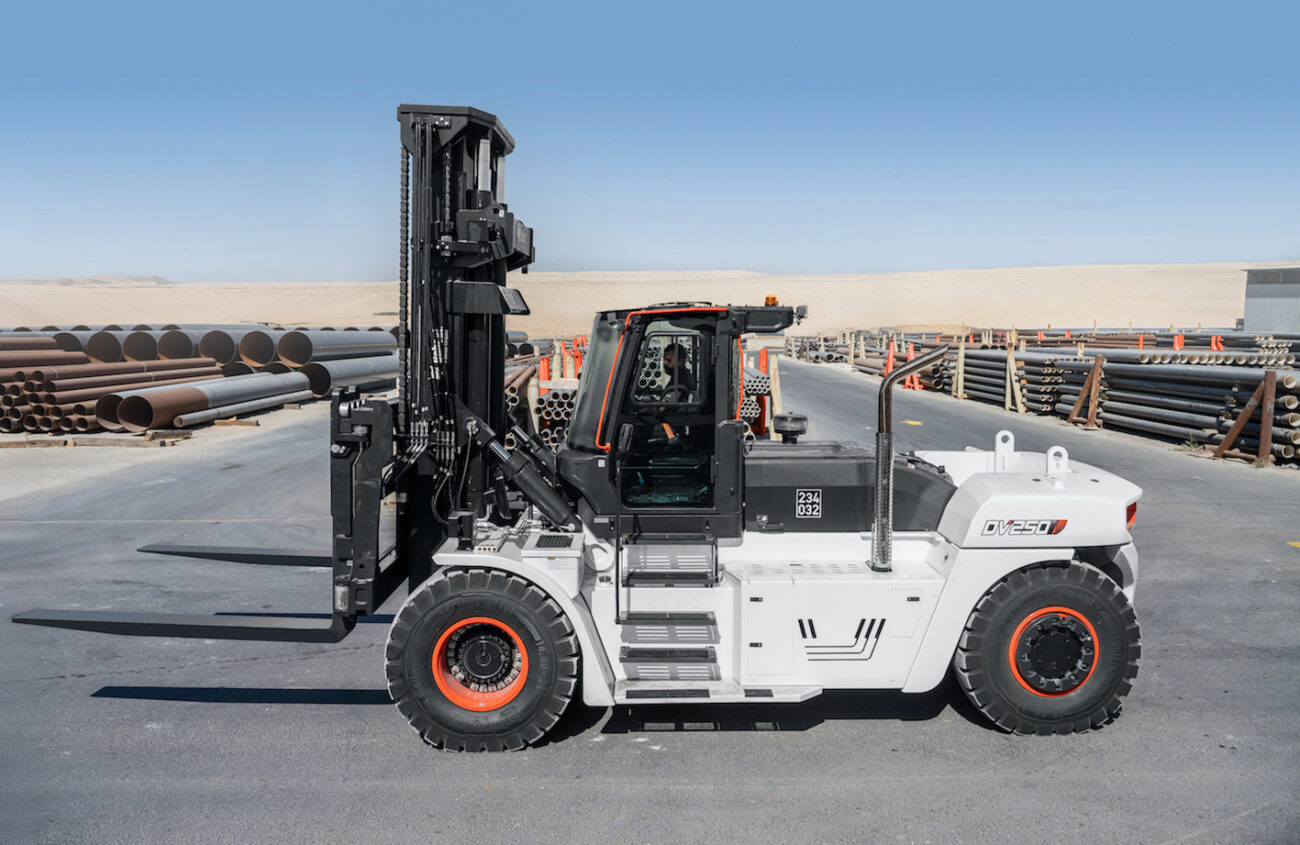
However, the company is equally clear that diesel retains a critical role, particularly at the heavy end of the market. At LogiMAT, Bobcat confirmed the launch of its largest diesel forklifts to date, the DV180S-9 and DV250S-9 models, extending its range into the 18- and 25-tonne segment.
“These are for timber, metal, concrete, ports – heavy outdoor applications,” Droogendijk said. “You don’t always have charging infrastructure, and the battery size required would be enormous. Diesel still has its place.”
This dual-track approach – electrification for warehouse and SME use, diesel for high-capacity outdoor operations – reflects the realities of a highly fragmented EMEA market. Regulatory pressures also play a role. In Europe, Stage V emissions rules have driven the development of new diesel models, while in other regions, legacy platforms remain viable. “Temperature, regulation, infrastructure – it all varies,” Droogendijk smiles. “You have to design products that can work in Norway, but also in the Middle East.”
Digital Layer
Alongside new hardware, Bobcat is also beginning to layer-in digital capability. A telematics system is now being introduced, initially bundled with lithium-ion batteries. The platform provides battery health data alongside machine-level insights such as operating hours, idle time, error codes and shock events.
“It’s like a soft launch,” he said. “We start with the battery, where monitoring is expected, and then we will roll it out further across the range.”
Underpinning all of this is a focus on durability, a core Bobcat brand attribute it shares with its construction equipment stablemates. “Bobcat is a tough animal,” Droogendijk said. “We try to bring that toughness into the trucks.”
In practice, that translates into design features such as additional protection for key components, without over-engineering machines for environments where such robustness may not always be required.
Beyond product, Bobcat continues to expand its dealer network across Europe, the Middle East and Africa, targeting both established markets such as Germany, France and Italy, and emerging opportunities in regions where coverage is still developing.
Looking ahead, the direction is clear. Investment in electrification is accelerating, supported by the opening of a dedicated battery R&D facility in Korea. “That shows the way forward,” Droogendijk said. “More electric trucks, more battery development – that’s where we are heading.”