Three European Markets Unite in Major Logistics Move

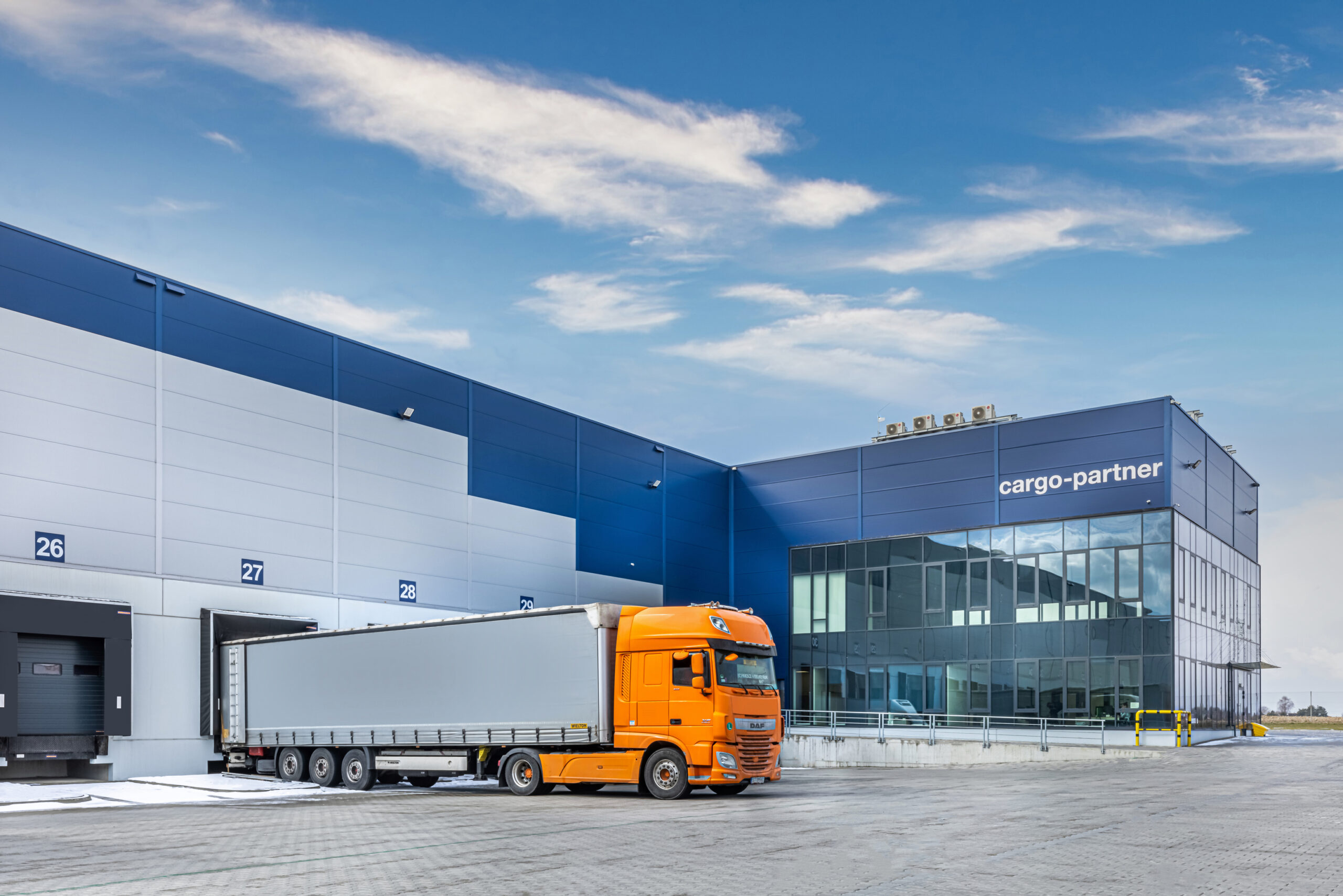
Following successful integration steps across multiple markets since joining NX Group in January 2024, cargo-partner has now advanced key integration measures in Slovakia, Poland, and Austria, further strengthening regional cooperation and expanding the combined network’s capabilities for customers.

Luca Ferrara, CEO of cargo-partner, said:

Our integration into NX Group continues to progress with a clear focus on creating value for our customers, our people, and our partners. The latest milestones in Austria, Poland and Slovakia demonstrate how we are bringing together local expertise, stronger teams, and a broader network in a practical and customer-oriented way. At the same time, we are ensuring continuity in day-to-day operations and building an even stronger platform for future growth in Central and Eastern Europe.

Slovakia and Poland: NX operations integrated into cargo-partner

In Slovakia, the integration has taken a significant step forward with the official renaming of cargo-partner SR, s.r.o. to NX Cargo-Partner Slovakia, s.r.o., effective July 1, 2026. In parallel, the existing Nippon Express branch in Slovakia will be dissolved, and as of August 1, 2026, the local NX team members will officially join the cargo-partner organization.

cargo-partner has a robust and well-established presence in Slovakia, where it has been operating since 1993. In 2025, the branch handled over 45,000 shipments, generating a substantial turnover with its team of 210 employees. The company’s strength is founded on a comprehensive service portfolio covering air, sea, road, and rail transport, complemented by extensive warehousing and contract logistics solutions. With 26,400 m² of warehouse space, including a strategic iLogistics Center in Dunajská Streda directly connected to the METRANS rail terminal, cargo-partner offers significant transit time advantages.

In Poland, the integration of the two companies became effective on July 1, 2026, including the transfer of the Nippon Express Poland team into cargo-partner Poland. As a further step, the company will adopt the new name NX Cargo-Partner Poland Sp. z o.o. effective August 1, 2026. These structural changes establish unified teams under the respective NX Cargo-Partner entities in both countries, giving customers access to the combined infrastructure and expertise of the consolidated group. 

With over 25 years of experience in the Polish market, cargo-partner manages over 96,000 shipments per year and ranks fourth in air imports nationwide. The company utilizes nine offices and three iLogistics Centers in Warsaw, Zory, and Poznan to serve as a strategic gateway between Eastern and Western Europe. Its service range is further supported by direct LCL sea freight connections from Asia and extensive rail solutions along the Iron Silk Road. 

In Austria, cargo-partner GmbH and Nippon Express’ Austrian organization – “Nippon Express (Deutschland) GmbH & Co. KG. Vienna Branch” – were consolidated into a single legal entity under the name cargo-partner GmbH, effective July 1, 2026. For cargo-partner employees and customers, this step brings no operational changes. The physical integration was previously completed when the NX team moved to cargo-partner’s Vienna Airport office at the end of 2025. The legal consolidation now marks the next logical step in bringing both organizations even closer together in the Austrian market.

As the original home of cargo-partner since its founding in 1983, the Austrian branch is a key pillar of the company’s European network and a top-five logistics provider in the country. The team of over 500 employees manages around 228,000 shipments per year. Beyond its leading position in air cargo – ranking among the top three for both imports and exports at Vienna Airport – the company also offers comprehensive sea and road transport solutions. These operations are supported by specialized infrastructure, including a GDP-compliant Pharma Center and the timber-based iLogistics Center near Vienna. This flagship facility offers advanced warehousing capabilities, such as an AutoStore system for automated small parts storage and handling to serve the high-tech, automotive, and other demanding industries.

Combining global reach with local expertise

The integration steps in Slovakia, Poland, and Austria follow the successful transition of NX operations in Hungary and Romania into the cargo-partner network earlier this year. These developments are part of a broader roadmap to streamline regional structures and expand the group’s capacity for cross-border collaboration.

By unifying these markets, cargo-partner and Nippon Express continue to provide customers with the combined advantages of long-standing local expertise and a powerful global network. Following the merger, the combined forces of cargo-partner and Nippon Express now rank fifth worldwide in air cargo and sixth in sea cargo, offering a significantly enhanced service portfolio to customers across the globe.

DP World’s Next Big Move in the GCC

As the Gulf continues to strengthen its position as a global trade and logistics hub, demand for integrated freight and transport services is accelerating. Driven by economic diversification, major infrastructure investment and growing cross-border trade, countries across the GCC are expanding ports, logistics parks and transport networks to support increasing cargo volumes. At the same time, businesses are looking for greater supply chain resilience and end-to-end logistics solutions that can move goods seamlessly across the region. To meet these evolving requirements, logistics providers are investing heavily in fleet capacity and multimodal connectivity, with the latest example coming from DP World, which has significantly expanded its road transport capabilities across the GCC.

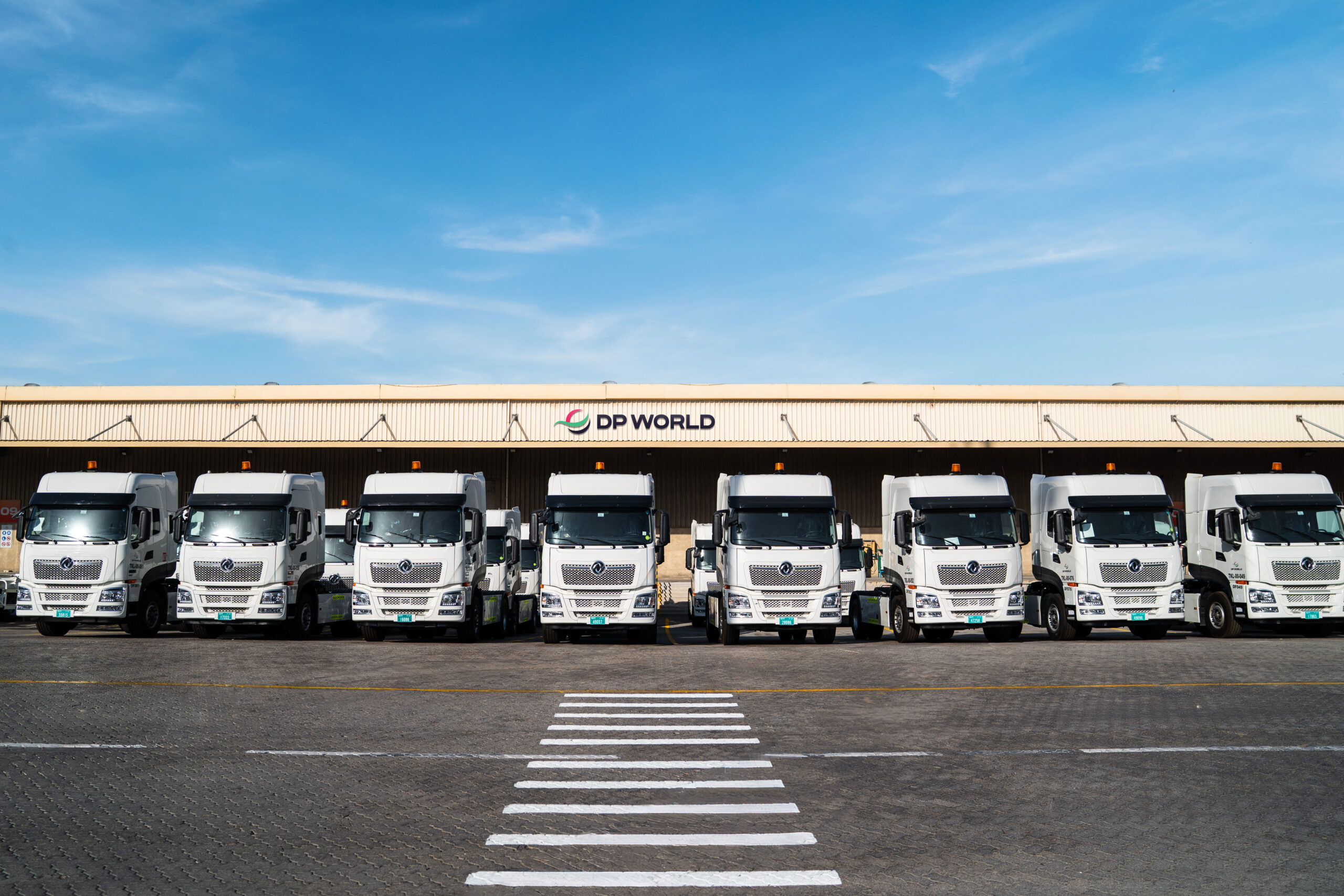
DP World has acquired 700 trucks to expand its road freight network in the GCC, providing customers greater certainty, reliability and efficiency when moving cargo across the region.

The investment is part of the company’s long-term strategy to build an integrated logistics network that connects ports and terminals, economic zones and digital platforms to give customers end-to-end solutions across the supply chain.

Ahmad Yousef Al-Hassan, CEO and Managing Director, DP World GCC, said:

This is a long-term investment in our multimodal network and the customers that trade in the GCC. As regional demand grows, we are scaling our capabilities to provide customers with an integrated network they can depend on at every stage.

The fleet will add up to 35,000 truck trips a month, supporting both domestic and cross-border trucking for DP World’s customer base in the GCC. The fleet will cater to first, middle and last mile requirements across the region and support the efficient movement of containerised and non-containerised cargo.

Raveen Guliani, COO – Logistics, DP World GCC, said: 

Our customers want certainty, reliability, efficiency and more sustainable supply chain solutions. The capability to move goods, containers, vehicles and perishables across our connected network of warehouses and ports provides exactly that. These new trucks are fuel-efficient and meet the Euro V emissions standard and we will explore green-energy vehicles in the future.

The new trucks are being deployed progressively across the operation. They complement DP World’s current network fleet capacity, which has scaled to around 3,000 truck movements per day across the region.

In recent months, DP World has opened fast-track bonded corridors connecting east coast gateways directly into Jebel Ali Port, established a bonded corridor from Sohar in Oman and leveraged Red Sea routing options through Jeddah Islamic Port’s South Container Terminal, routing more than 350,000 twenty-foot equivalent units (TEUs) overland following maritime disruption.

The latest investment gives customers a larger, faster and more flexible land freight network while extending port-to-door and time-critical capability, strengthening the resilience of logistics in the GCC.

Logistics Business Expands its Multimedia Services

As Logistics Business approaches its 30th anniversary year, the company is continuing to evolve by expanding its multimedia capabilities, reinforcing its commitment to delivering innovative content and marketing solutions for the logistics and supply chain industry.

Since its launch almost three decades ago, Logistics Business has grown from a leading B2B publication into a trusted multimedia platform, connecting manufacturers, suppliers and logistics professionals across print, digital and social channels. Whilst continuing to provide its established publishing and advertising services, the company is now investing further in content creation to meet the changing needs of today’s marketing landscape.

The expanded multimedia offering includes podcast production, PR writing, professional videography, and the production of panel discussions, available either pre-recorded or live streamed. These new services complement the company’s existing editorial, publishing and advertising expertise, providing customers and partners with more opportunities to share their stories and engage with audiences through high-quality content.

The future of marketing is digital, accessible and content-driven. By expanding our multimedia services, we’re giving our customers more ways to create engaging content, reach new audiences and make the most of every story they have to tell.

Will Priestman, Digital Production Director

The expansion reflects Logistics Business’ ongoing commitment to innovation and its vision for the future, ensuring the business continues to evolve alongside the industries it serves as it looks ahead to its next 30 years.

To find out more about our new multimedia services:

Standardised Automation Integration

Automation has become one of the defining technologies shaping the future of logistics. Shorter delivery expectations, expanding product assortments, and rising warehouse space costs are driving demand for highly compact and dynamic fulfillment systems. Among these, AutoStore has emerged as one of the most widely adopted cube storage solutions, known for maximizing storage density while enabling high-performance order fulfillment. Demand continues to grow across industries, particularly in e-commerce, fashion, and spare parts logistics. Early on, EPG (Ehrhardt Partner Group) recognized this potential and invested in developing a standardized interface between AutoStore and its Warehouse Management System (WMS), LFS. Today, that foresight benefits customers worldwide. The integration has been proven across numerous live installations and provides the foundation for efficient, scalable, and future-ready warehouse operations.

From the very first implementations, the standardized LFS interface proved to be the key to seamless orchestration between warehouse management and automation. With every project, EPG gained additional experience, continuously refining and enhancing the solution.

We invested early in creating a solution that tightly integrates AutoStore into LFS… This ensures that our customers benefit from a stable and scalable architecture from day one. The combination of standardization and flexibility is essential for protecting long-term investments.

explains Axel Mücke, Senior Sales Manager at EPG.

From Pioneer Project to Industry Standard

As one of the first providers to integrate AutoStore into its solution architecture, EPG steadily evolved the module through successive customer implementations until it became a standard component of the EPG ONE Suite. Today, it reliably supports numerous live environments around the world. The versatility of the solution is reflected in projects from very different logistics environments.

For B2B wholesaler AXRO, the primary challenge is managing operational complexity and speed. A broad product portfolio, highly variable order structures, and international supply chains demand maximum flexibility in fulfillment operations.

Our product portfolio is extremely diverse, and many customer orders are highly time-sensitive, with same-day shipping requirements… Thanks to the close collaboration with EPG, we were able to integrate AutoStore seamlessly into our operations. Today, we benefit from greater transparency, increased storage density, shorter processing times, and a scalable foundation for future growth.

says Mike Jonescheit, Managing Director at AXRO.

Global zipper manufacturer YKK, on the other hand, relies on the solution with a strong focus on process reliability. Its AutoStore system is directly integrated into production supply processes. Through the standardized interface, LFS processes inventory changes without requiring additional middleware or custom integrations, enabling rapid response times and complete operational visibility.

For us, it was crucial that the AutoStore solution could be integrated directly into our logistics processes… With the standardized LFS interface, inventory changes are processed in real time. This provides the transparency and reliability we need to respond flexibly to the requirements of both manufacturing and logistics.

says Alexander Sann, Deputy Factory Manager at YKK.

The AXRO and YKK projects demonstrate how versatile AutoStore can be across very different operational environments… Combined with the standardized LFS interface, customers gain a solution that delivers stability, scalability, and long-term reliability across industries.

says Michael Bolz, Consulting Alliance Director at AutoStore.

End-to-End Processes in Real Time

The standardized AutoStore integration within LFS enables end-to-end control of all core processes required to synchronize warehouse management and automation. This includes goods receipt and storage, replenishment management, order picking, and order consolidation. LFS acts as the central control platform, orchestrating all processes in real time. Inventory updates, order prioritization, and bin movements are captured and processed immediately within the WMS environment.

For AutoStore, close integration with powerful warehouse management systems such as LFS is essential… The combination of hardware and intelligent software ensures that customers can operate their facilities with stability, transparency, and scalability.

Bolz adds.

The benefits become particularly evident in highly dynamic warehouse environments, where changing order priorities and replenishment requirements are part of daily operations. Orders can be reprioritized instantly, inventory can be adjusted in real time, and replenishment strategies can be adapted as conditions change. The result is complete operational transparency, greater process reliability, and a system that scales alongside the business.

Experiencing the Technology in Practice

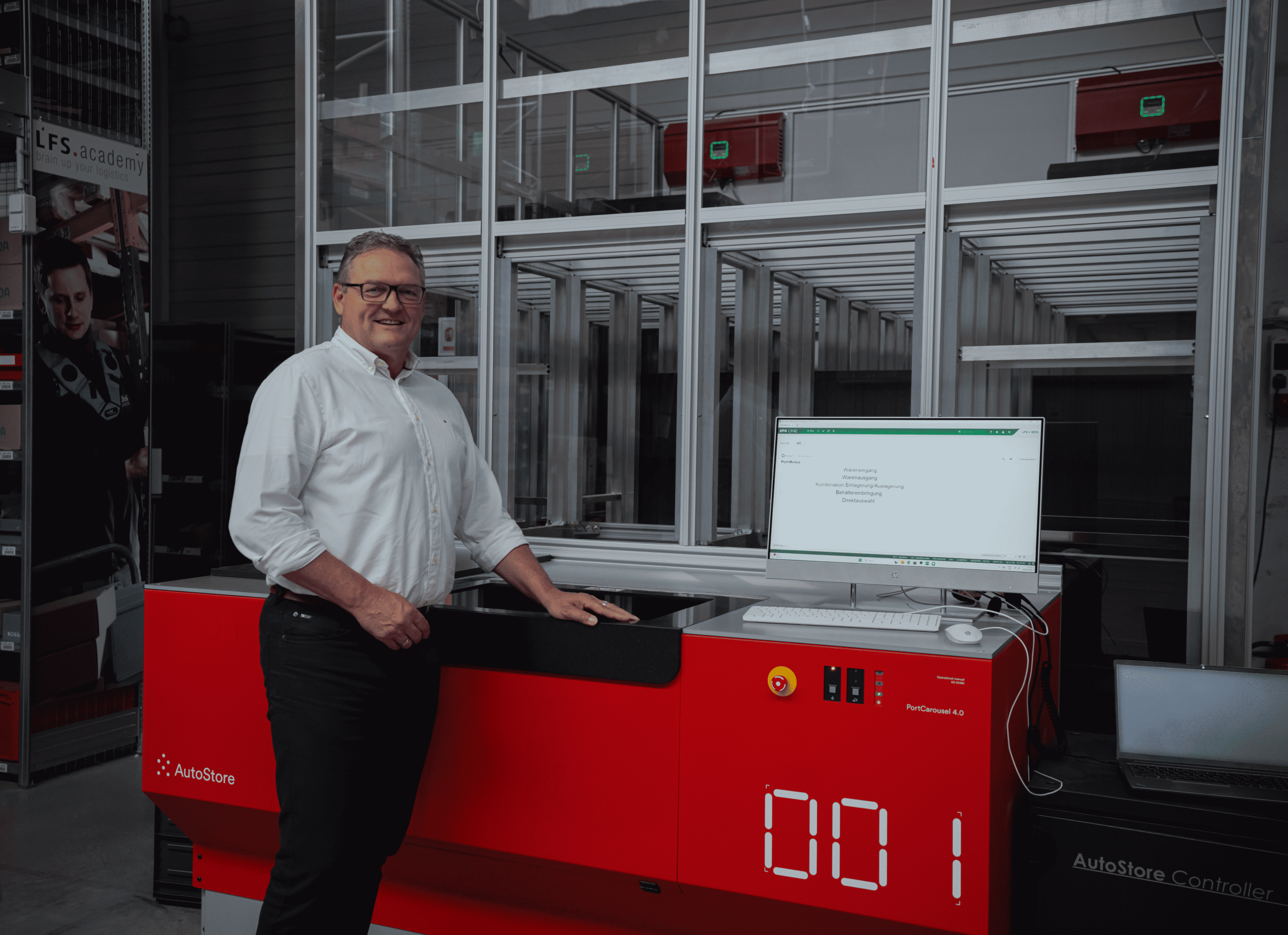
EPG has also extended its pioneering work at its headquarters in Boppard-Buchholz, Germany. In a dedicated demonstration environment featuring a fully operational AutoStore installation with bins, robots, a CarouselPort 4.0 workstation, and a mini-grid, visitors can experience firsthand how AutoStore and LFS work together across the entire process chain, from automated storage and replenishment to picking and order consolidation.

The installation provides customers and partners with a realistic view of how the standardized interface performs in daily operations and the efficiency gains it can unlock. At the same time, the environment serves as a development and training platform. New features are tested under real-world conditions before becoming part of the standard solution, while project teams can familiarize themselves with processes and workflows long before go-live.

Subscribe

Get notified about New Episodes of our Podcast, New Magazine Issues and stay updated with our Weekly Newsletter.