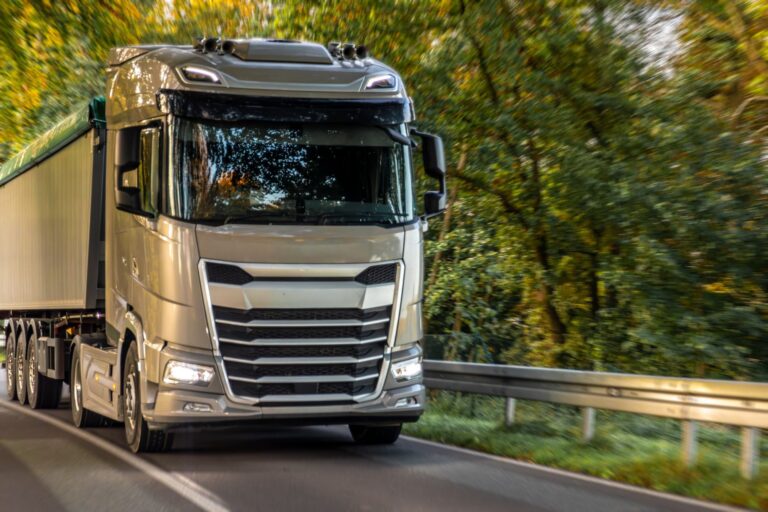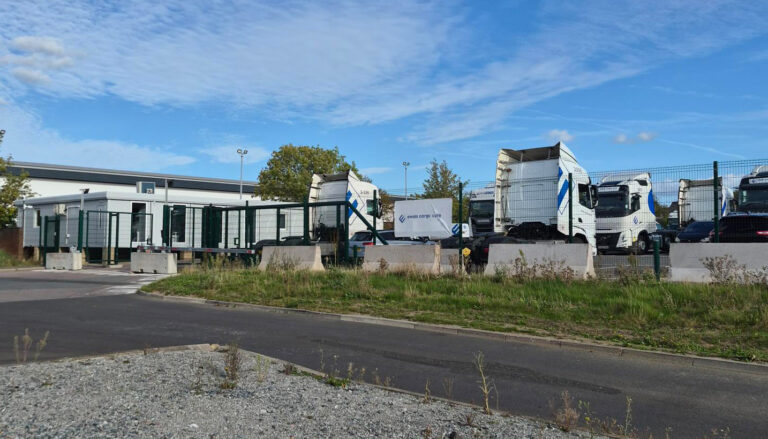


ADM has expanded its electric HGV fleet to five vehicles across three UK sites, following a pilot with Voltloader that demonstrates how charging infrastructure can be integrated into demanding, multi-shift logistics operations.
Electrifying heavy transport is about more than replacing diesel trucks with electric alternatives. For ADM, the transition involved integrating vehicle technology, charging infrastructure, route planning and vehicle utilisation without disrupting the movement of around 800,000 tonnes of wheat through its UK milling operation each year.
Single-vehicle pilot
The food and agricultural products company began working with electric transport specialist Voltloader with a pilot involving a single electric HGV at ADM’s Corby facility. The vehicle was initially supported by a mobile charging solution, allowing the companies to assess how electric HGVs could operate within ADM’s logistics network.
Following the trial, Voltloader installed an ultra-rapid charger at Corby. The charger was designed to support double-shift operations while reducing vehicle downtime, and is also available to third-party commercial vehicle operators.
The successful pilot subsequently led ADM to invest in additional electric HGVs and extend the programme to its facilities at Knottingley and Avonmouth. The resulting network of charging infrastructure now supports five electric HGVs across ADM’s UK operations.
375 tonnes of CO2 savings
According to ADM’s emissions calculations, the programme is estimated to reduce transport-related CO2 emissions by approximately 375 tonnes a year compared with the previous diesel fleet configuration.
Importantly, the transition was completed without disruption to customer deliveries or day-to-day operations. The charging infrastructure also supports vehicle utilisation and double-shift operations, while drivers have reported a more comfortable working environment because of reduced noise and vibration.
Ashley Fuller, Managing Director of ADM Milling, said the original objective of the partnership was to establish whether an electric HGV could operate effectively within the fleet.
“However, the team quickly proved that this was not just possible, but a significant opportunity.”
Fuller added that ADM had worked with Voltloader over the past two years, combining operational experience and shared insight to introduce electric trucks into the fleet.
Measurable operational benefits
The result, he said, is an electric fleet delivering measurable operational benefits while helping prepare ADM’s transport network for future requirements.
For Voltloader CEO Dave Rose, the project demonstrates the importance of combining electric vehicles with the supporting infrastructure and operational expertise required to run them effectively.
He said the two companies had created an operational model that could be replicated across ADM’s wider operations, drawing on Voltloader’s experience in electric haulage, charging network services and site infrastructure.
From pilot to wider fleet strategy
The companies are now looking at applying the model beyond the initial outbound operations, with potential applications in inbound agricultural transport and downstream food distribution.
The experience gained at Corby, Knottingley and Avonmouth gives ADM an operational framework for expanding electric transport while maintaining the service levels expected across its food supply chain.
The project illustrates that the vehicle itself is only one part of the transition, and that charging capacity, vehicle utilisation, shift patterns and operational continuity all need to be considered together if fleet electrification is to work at scale.