

This summer’s heatwaves have been impossible to ignore, writes Tim Moylan, Chief Growth Officer, Infios. Across Europe, soaring temperatures have disrupted travel, strained public infrastructure and changed daily life. They have also exposed something less visible: the growing pressure extreme weather places on supply chains.
Businesses may also need to prepare for more than rising temperatures alone. Scientists broadly agree that the Atlantic Meridional Overturning Circulation – the system of ocean currents that helps shape Britain and north-west Europe’s climate – will weaken as the planet warms, although there is continued debate about how quickly and severely. Even a weaker circulation could contribute to more volatile weather, combining extreme summer heat with greater exposure to cold winters and changing rainfall patterns.
Many shoppers will have noticed the immediate effects. Refrigerated cabinets in stores are occasionally taken out of service as cooling systems struggle with prolonged high temperatures. Bottled water, soft drinks and ice cream disappear from shelves faster than retailers can replenish them, while deliveries arrive later as transport networks contend with disruption.
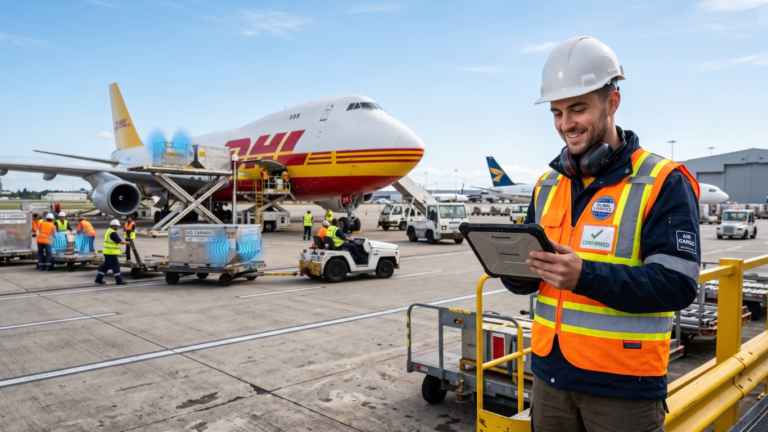
Behind every empty shelf or delayed delivery lies a chain of operational decisions. Warehouse managers may adjust shifts or introduce additional breaks to protect employees, while transport operators reroute deliveries or work around affected infrastructure, including rail speed restrictions and increased road congestion.
These are sensible responses to increasingly common conditions. The question is no longer whether supply chains will face weather-related disruption, but how quickly they can adapt, including when conditions shift in less predictable ways.
Heat creates operational challenges at every stage
Extreme heat creates knock-on effects across warehousing, transportation, inventory management and fulfilment. Heatwaves can reshape consumer demand almost overnight. Sales of bottled water, ice cream, fans and air-conditioning units can surge while demand for other seasonal products falls. Retailers must replenish fast-moving inventory and reposition stock as buying patterns shift.
At the same time, delayed inbound deliveries, lower picking productivity and transport disruption can create bottlenecks. A problem at one stage can quickly affect inventory availability, warehouse capacity and customer delivery expectations elsewhere.
The challenge is not anticipating a heatwave. Weather forecasting is increasingly accurate. It is translating that forecast into timely decisions across procurement, inventory, warehousing, transport and fulfilment before disruption takes hold.

Greater weather volatility makes this more complex. Supply chains designed around familiar seasonal patterns may increasingly need to prepare for sharp changes in temperature, rainfall and transport conditions rather than assuming the past will remain a reliable guide.
Warehouses under pressure
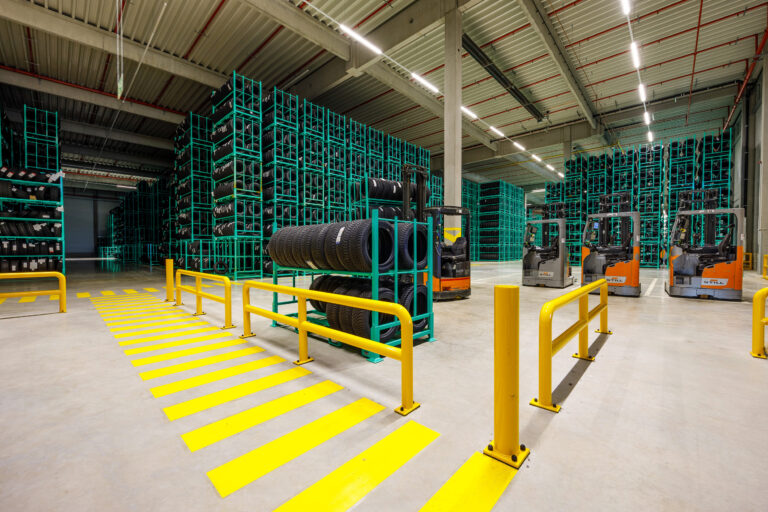
Distribution centres are particularly exposed during heatwaves. Heat generated by equipment, automation, vehicles and densely stored inventory can push internal warehouse temperatures significantly above those outside. Protecting employee wellbeing may require additional breaks, task rotation, altered shifts or reduced physical workloads during the hottest parts of the day.
These are the right decisions, but each affects capacity. According to the World Health Organisation and World Meteorological Organisation, worker productivity decreases by 2% to 3% for every degree increase beyond 20°C in Wet-Bulb Globe Temperature – a measure of heat stress accounting for temperature, humidity, wind speed and sunlight. Even modest reductions in picking rates across multiple shifts can therefore create backlogs during demand peaks.
High temperatures can also affect equipment. Battery-powered vehicles and automated systems may require additional management, while teams must balance productivity with safe operating conditions.
Resilient warehouse operations therefore depend on flexibility. As labour availability, productivity and priorities change, operations must rebalance work without compromising employee safety.
Transport networks feel the strain
High temperatures can increase vehicle breakdown risks, place additional demands on refrigerated transport and contribute to delays across road and rail infrastructure. Refrigerated fleets must work harder to maintain controlled conditions, increasing energy consumption, while drivers may need more frequent breaks and infrastructure operators may impose rail speed restrictions.
For businesses operating just-in-time supply chains or offering narrow delivery windows, even small delays can have significant downstream consequences. When plans change, organisations must quickly reassess priorities, allocate available capacity and give customers realistic delivery expectations.
Preparing for greater weather volatility also means avoiding a narrow focus on heat. Colder winters, altered rainfall and sharper swings between conditions could each affect transport infrastructure differently, requiring plans that can adapt to multiple scenarios.
Cold chain operations face even greater risks
For organisations handling food, pharmaceuticals, healthcare products, cosmetics or chemicals, the stakes are higher. Maintaining temperature-controlled conditions throughout storage and transportation is critical to product quality, regulatory compliance and customer safety.

During extreme heat, refrigeration systems work harder, transportation becomes more complex and the margin for error narrows. Products may need to move faster through distribution centres, while businesses must identify and respond to disruption before it compromises product integrity or creates waste.
The risks can extend beyond temperature-sensitive goods. Adhesives, protective films and corrugated packaging may also become more vulnerable during storage and transport.
Visibility is only the starting point
Organisations have far greater visibility into their operations than they did a few years ago. They can identify delayed shipments, monitor warehouse activity and track inventory levels in near real time. But visibility alone does not solve disruption. Knowing that productivity has slowed only becomes valuable if an organisation can adjust labour, reprioritise orders, redirect inventory or revise transport plans accordingly.
This is where ‘Intelligent Supply Chain Execution’ becomes important. Traditional supply chains were designed around predictable conditions and optimised primarily for efficiency. In a world where disruption is constant, organisations need supply chains that can sense what is happening, determine the best response, act quickly and learn from each event.
Artificial Intelligence can support this shift by analysing operational data alongside demand patterns, inventory positions, transport constraints and weather forecasts. This can help organisations identify disruption earlier and make faster, better-informed decisions, while leaving human teams in control.
During a heatwave, this could mean anticipating demand increases, repositioning inventory, adjusting warehouse priorities as productivity changes or recommending alternative transport options when routes are affected. The same capabilities can support responses to other weather extremes. As conditions become more volatile, organisations must understand how different scenarios could affect demand, labour, inventory and transport, then coordinate their response across the operation.
The goal is to help teams make better decisions faster. The organisations that perform best during disruption are not necessarily those with the most information, but those that can turn it into coordinated action.
Preparing for a hotter future
Climate-related disruption is becoming another operating reality alongside geopolitical uncertainty, labour shortages and shifting consumer demand. The debate around the future of the Atlantic circulation illustrates why businesses cannot plan around a single, predictable climate scenario. While the precise effects remain uncertain, organisations need to prepare for a wider range of operating conditions.
Rather than treating each heatwave, cold spell or period of extreme rainfall as an isolated event, organisations should view them as tests of operational resilience. This means building supply chains that can adapt as conditions change, whether disruption stems from extreme weather, transport delays, unexpected demand or workforce constraints.
The businesses that thrive will not be those with contingency plans sitting on a shelf. They will be capable of sensing disruption early, making informed decisions quickly and acting with precision. Organisations cannot control the weather. They can, however, control how quickly and effectively they respond.