

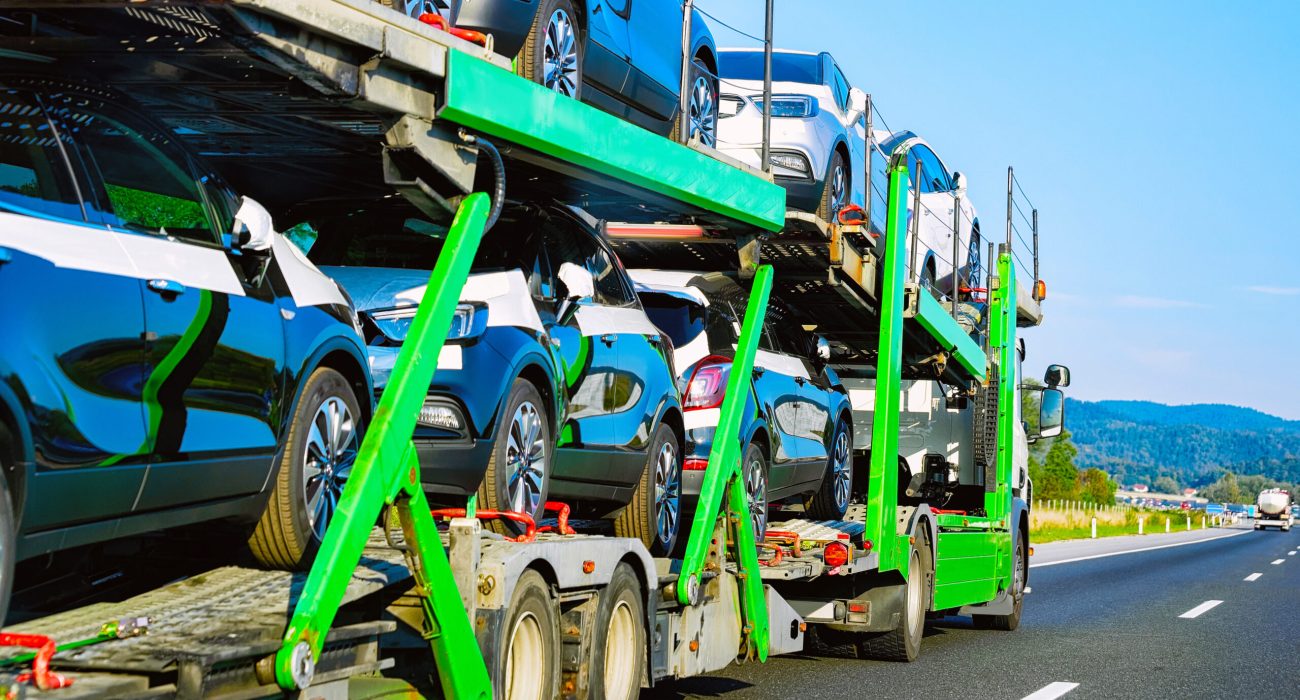
Logistics and supply chain operators face a lot of pressure to keep specialised trailers moving while capital budgets stay tight. At the same time, trailers sit at the centre of safety, compliance and uptime strategies. More than interchangeable assets, they work as engineered platforms for very specific loads and operating environments.
Deciding whether to repair or replace a specialised trailer no longer hinges on age only. It requires a lifecycle view that weighs operating hours, route severity, corrosion exposure and evolving cargo profiles.
The decision also intersects with broader fleet strategy, including:
- Whether the operation needs standardised specifications across locations
- How quickly regulations and customer requirements change
- What level of redundancy the network can tolerate
When logistics professionals treat maintenance data, downtime metrics and structural inspection results as core planning inputs, they turn the decision to replace or repair from a reactive debate into a predictable component of asset strategy.
Understanding Specialised Trailer Lifecycles
Specialised trailers typically move through three broad lifecycle phases:
- Early Use: Focuses on inspections, lubrication and tightening critical fasteners, which sets a baseline for predictive maintenance and helps catch manufacturing or spec issues before they turn into chronic failures.
- Mid-Life Wear: Usually years four through seven for high-utilisation assets. This period brings visible component fatigue, such as recurring brake replacements, alignment issues and door or ramp problems that begin to influence uptime.
- Long-Term Structural Risk: Attention shifts to the core structure, including floors, frame rails, suspension hangers and electrical systems. This type of wear directly affects the integrity and safety of the trailer.
Maintenance Intervals and Uptime
Most fleets treat structured inspection intervals as non-negotiable and often combine pre-trip checks, monthly or quarterly inspections and yearly deep structural inspections. Regular service every three to six months, adjusted for mileage and duty cycle, allows technicians to detect corrosion, cracks and suspension or brake degradation before they trigger read failures or roadside inspections.
Documented schedules that track what technicians inspect at each interval also help asset managers correlate certain duty patterns or lanes with accelerated wear and refine replacement forecasts over time.
When Repair Makes Strategic Sense
Repair delivers the greatest value when a specialised trailer still aligns with current and near-term operational requirements and retains sound structural bones. Component-level work, such as brake system refreshes, suspension rebuilds, landing gear replacement or targeted electrical reharnessing, often restores reliable performance at a fraction of the replacement cost.
In corrosion-heavy environments, targeted steel replacement, seal replacement and anti-corrosion treatments can stop deterioration and push the useful life of the trailer for several more years, especially when the original specification fits the cargo mix.
Refurbishment also plays a role in sustainability and standardisation initiatives. Planned mid-life refurbishment programs that include structural reinforcement, floor replacement, lighting upgrades and updated conspicuity markings allow fleets to modernise safety performance while avoiding the full embodied cost of a new trailer. Skilled welding and fabrication shops can reconstruct damaged subframes, coupler structures or custom mounting points to original or improved specifications, which often matters for highly specialised equipment carriers or tank applications.
Indicators That Replacement Creates More Value
Certain indicators consistently suggest that replacement, not further repair, will better serve uptime and total cost goals. When a trailer spends more time in the shops than on the road, with one failure after another in unrelated systems, repair bills and lost utilisation usually outstrip the asset’s remaining economic value. Frequent structural work, such as repeated crack repairs, patching rusted frame sections or addressing sagging decks, signals that the asset has likely reached the end of its safe structural life.
Misalignment between trailer capabilities and current freight also pushes replacement to the forefront. If operators routinely overload a trailer, lack tie-down points for present cargo or struggle with outdated interior configurations, no amount of repair will resolve the underlying mismatch between asset design and operational reality.
Finally, trailers without modern safety technologies or current regulatory features, such as adequate conspicuity, appropriate brake performance or compatible load securement geometry, may expose fleets to compliance risk that new designs mitigate more efficiently.
Balancing Lifecycle Cost, Safety and Fleet Strategy
Effective repair-versus-replacement decisions combine engineering judgment with asset-level economics. Many fleets use a threshold, such as when projected repairs over the next 12 to 24 months approach a fixed percentage of replacement cost, while also factoring in expected downtime, resale value and the strategic value of newer specifications.
Newer trailer designs may bring lower tare weights, better aerodynamics, improved corrosion resistance and standardised components that simplify parts inventory and technician training, all of which influence total cost per loaded mile.
The most resilient logistics operations integrate trailer decisions into broader network planning. That planning extends beyond individual assets to include standardised specs across terminals, alignment with tractor technology and planned refresh cycles that avoid large one-time capital shocks.
When maintenance teams, safety leaders and fleet planners share data and align on risk tolerance, they extend the lifecycle of specialised trailers where it makes sense and replace them where modern designs, safety gains and compliance advantages will deliver measurable returns.