

Matthew Sterner of Honeywell tells Peter MacLeod that reliable data, clear decision-making and thoughtful process design matter more than deploying AI for its own sake.
As regular readers of Logistics Business will know, artificial intelligence is gaining traction across the logistics and supply chain sector. But enthusiasm for the technology alone does not make an operation more effective. For Matthew Sterner (pictured, below), Global Customer Marketing Leader for Transportation, Logistics and Warehousing at Honeywell, the first questions are practical: Is the underlying data reliable? Where does work get stuck? Which decisions need a person, and which tasks can be automated?
AI can process information at extraordinary speed, but its recommendations are only as useful as the information and rules behind them. “It goes back to the old adage: garbage in, garbage out,” he says. That principle may be familiar from earlier generations of warehouse management and planning systems, but Sterner believes it applies just as strongly to AI. The technology can draw on structured information, such as business system records, as well as unstructured and contextual data. The challenge is ensuring those sources are accurate when decisions need to be made.
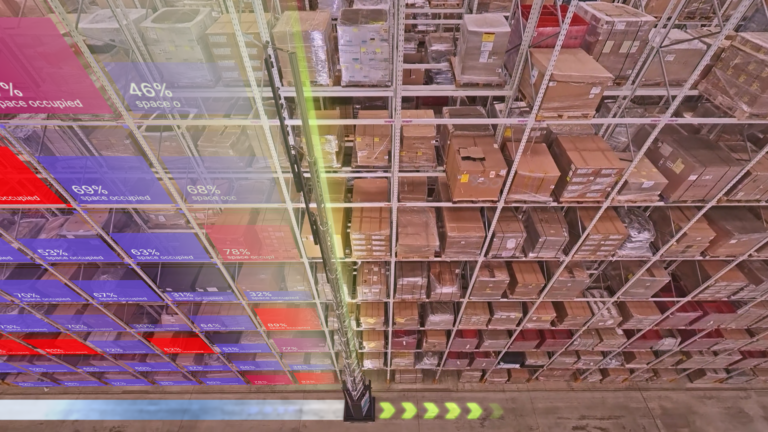
That foundation matters because visibility remains a persistent operational problem. Data is collected as goods move across transport modes and through warehouses, but managers may still struggle to see where work is delayed, information has been duplicated or an exception is passing through the process without being flagged.
Speed & Agility
Sterner believes companies need to understand where to focus their efforts and give teams useful information quickly enough to act. Speed and agility are increasingly important because demand, capacity and operating conditions can change before a plan is fully executed. AI may help organisations respond, but it does not automatically create a clear picture of an operation. Businesses still need reliable information, connected processes and people who know what to do when circumstances change.

Sterner cites an example of why process design should come before automation. One organisation examined a shipping workflow involving around 30 steps and found repeated manual work, including information being entered more than once. A shipment could continue even when details did not match or a special requirement had been missed. A Friday shipment requiring Saturday handling, for example, could proceed without the appropriate option being selected.
By mapping the process, the team identified which steps added value, where a person needed to be involved and where automated checks could prevent errors. Sterner says the time a person spent on the task fell from about six minutes to 30 or 45 seconds. The redesigned process was faster, reduced the opportunity for mistakes and made it easier to validate information as the shipment moved forward.
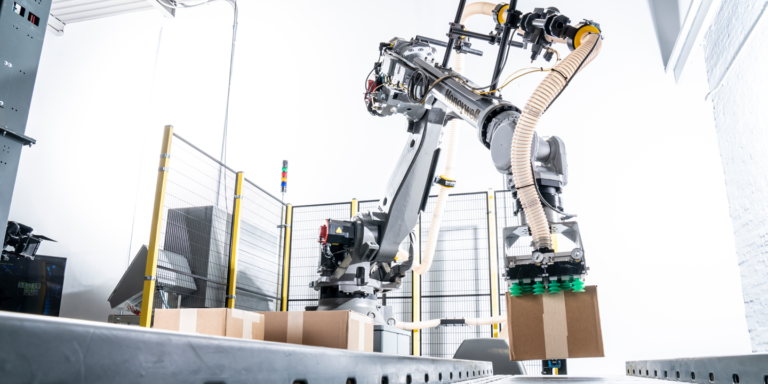
This kind of redesign changes how people contribute. If employees monitor every routine step, they have less time for work that requires judgement, experience or communication. A system that handles appropriate repeatable tasks and flags exceptions for review lets workers focus on situations that need attention. However, Sterner stresses that organisations must decide in advance where the boundaries sit. They need rules for the technology, clarity about who can act on a recommendation and agreement on when a decision should be escalated. An option that looks efficient based on one set of data could conflict with company policy or supplier requirements, so human responsibility and suitable checks must be clear.

Demand Anticipation
AI could help companies respond to sudden changes in demand, which can throw an otherwise smooth-running warehouse into chaos. Sterner describes how systems might detect new signals, such as a product gaining attention after being featured by an online influencer, and help a business consider where to position inventory before orders arrive. Better anticipation gives warehouses and distribution networks more time to prepare, but only if the signal is accurate and the organisation can act on it. A forecast alone does not solve the operational challenge.
The same is true in transport, where some businesses still rely on highly manual processes. Moving from paper documents to electronic records, capturing signatures digitally and improving route planning can reduce friction. AI may help match loads with carriers or adjust routes as conditions change, but logistics teams still need to balance service, cost, safety and available capacity.
Weather-related disruption offers one example. A system could combine a vehicle’s location and route with current weather information, identify a likely delay and suggest an alternative. It could also update the estimated arrival time so a customer or receiving warehouse has earlier notice. That may help a manufacturing site prepare for a late delivery or allow a warehouse to adjust its plan. The value is the opportunity to respond before a delay creates a larger problem. Sterner says greater visibility can reduce the need for a driver or dispatcher to handle every update manually. Companies still need to decide what actions a system can take, what requires human review and how customers are informed when plans change.
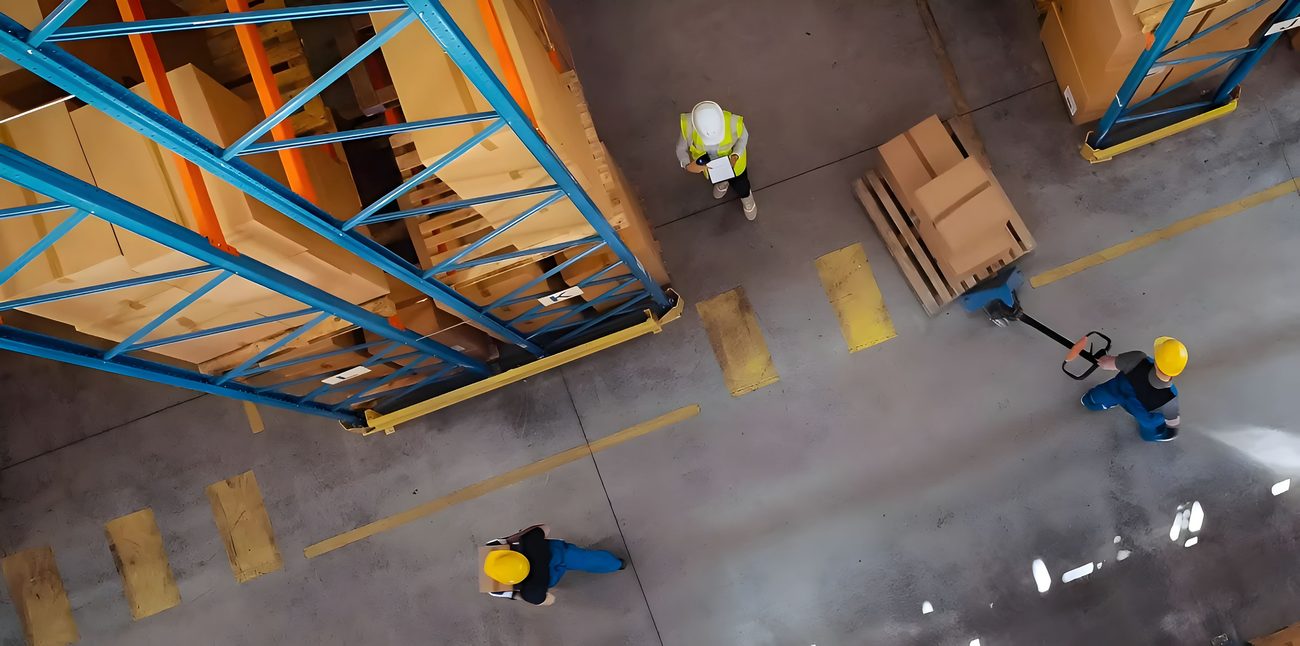
The human side of adoption is just as important inside the warehouse. Sterner says technology should help people do their jobs more effectively, while recognising that workers have different levels of experience and operate in different environments. A clean, climate-controlled facility presents different demands from a hot or dusty workplace. Some workflows may benefit from hands-free guidance or from reducing the number of decisions workers have to make while completing a task. Other teams may need tools and training suited to their experience.
There is no single design that works for every person or application. Successful adoption means understanding how people work, selecting technology that fits the task and making sure employees know how the process is changing. The goal is to improve the working experience and the operation, not to deploy AI simply because competitors have it or in a way that threatens existing staff.
For companies that have not yet made significant use of AI, Sterner does not believe the ship has sailed. He recommends starting with a manageable problem where a team can test whether the technology makes a measurable difference. A small project can establish trust, reveal weaknesses in the data and show what process changes are needed before a broader rollout. It also gives the organisation a chance to learn from employees who use the system day to day.
Sterner cautions against buying AI simply to demonstrate that a company is doing something with the technology. Leaders should be able to explain what problem they are addressing, what success will look like and how they intend to build on a successful trial. Once an initial use case proves its value, the lessons can inform a larger project.
Crystal Ball Time
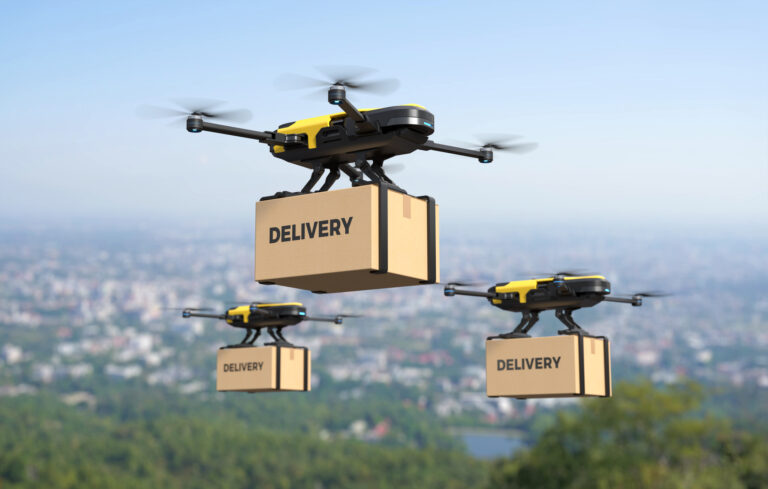
Over the next few years, Sterner expects AI to become more common in planning, forecasting and last-mile operations. Some companies will adapt quickly and build on early successes, while others may find that purchasing tools without a clear plan produces little value. Logistics professionals will need to keep learning, understand how to use new technologies and ask better questions about the information they receive. Asked what qualities future logisticians will need, Sterner points to curiosity. Employees who want to understand why a process works in a certain way are better placed to identify where it could improve.
AI begins with understanding the work, improving the information that supports it and deciding how people and systems should share responsibility. When those foundations are in place, it can help logistics teams respond faster and make better-informed decisions.