

Cloud outages, AI security concerns and increasingly sophisticated warehouse automation are raising a fundamental question: is relying entirely on the cloud still the best approach to warehouse management?
As warehouses become more automated and dependent on real-time data, the consequences of system downtime are growing. A few minutes of lost connectivity can disrupt picking, delay orders and create costly operational headaches.
But what if a warehouse could continue operating even when its cloud connection failed?
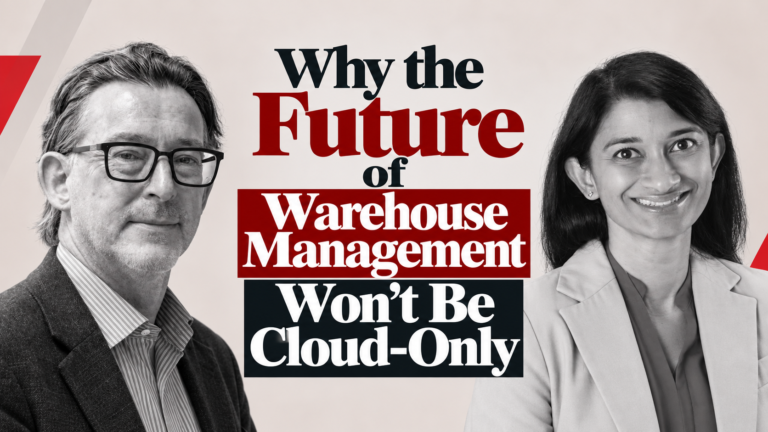
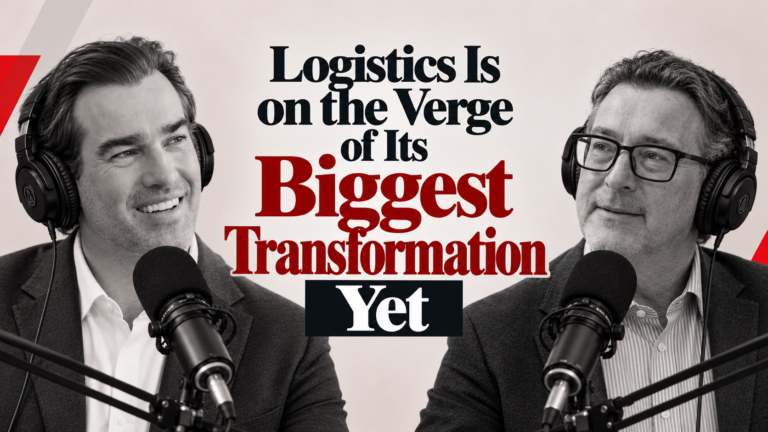
In the latest episode of Logistics Business Conversations, Peter MacLeod welcomes back Smitha Raphael, Chief Product and Delivery Officer at SnapFulfill, to discuss why hybrid warehouse management systems (WMS) could represent the next major evolution in warehouse technology.
The Best of Both Worlds?
Rather than relying entirely on cloud infrastructure, hybrid WMS combines locally hosted warehouse applications with cloud-based data replication, reporting and recovery.
The result is an approach designed to deliver faster response times, greater resilience and improved visibility across multiple warehouse sites.
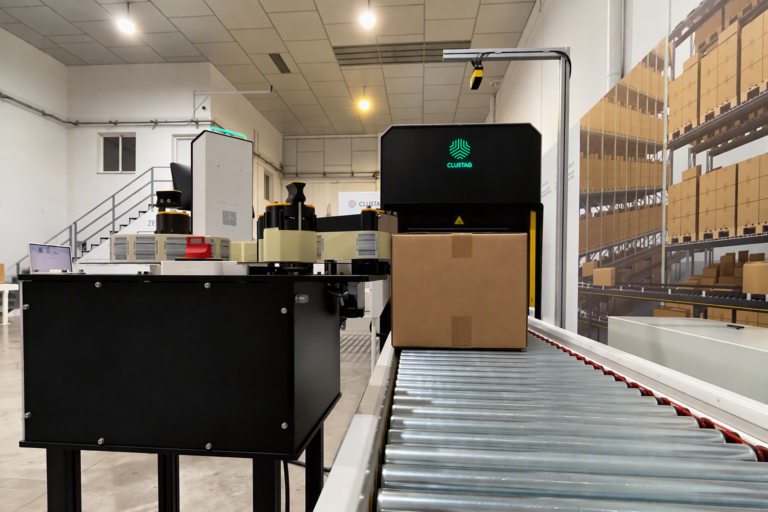
Smitha explains why this is particularly important for highly automated operations, where robotics, scanning systems and other technologies depend on rapid communication with the WMS.
However, resilience is only part of the story.
Could AI Start Running Your Warehouse?
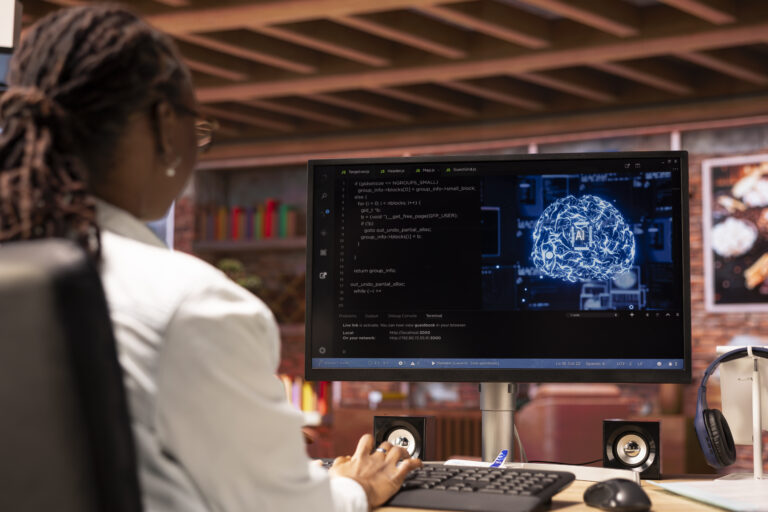
Perhaps the most intriguing development is the arrival of locally deployed AI agents capable of monitoring warehouse activity and recommending operational changes.
Imagine a system that recognises an impending stockout, identifies orders at risk of missing a carrier deadline or recommends moving staff to a different picking operation — before a warehouse manager even notices the problem.
Smitha believes these capabilities could fundamentally change the role of warehouse management, reducing everyday firefighting and allowing managers to focus on strategic decisions.
Crucially, she also explains how running AI locally can help businesses protect sensitive operational and customer data.
Is This the Future of Warehouse Management?
With compact computing hardware becoming increasingly powerful and AI capabilities advancing rapidly, Smitha predicts that hybrid WMS will become a significant industry trend.
But does every warehouse need this technology? And could the industry be in danger of implementing AI simply for the sake of it?
In this episode, Peter and Smitha explore the practical benefits, costs and limitations of hybrid WMS, alongside what the next generation of intelligent warehouses might actually look like.
Listen to the full conversation below to discover why the future of warehouse management might not be entirely in the cloud.