Warehouse teams that count stock, inspect racking or service lights at height often start with the wrong question: how high do we need to go? Working height matters, but aisle width, floor loading, reach, charging and training usually decide which machine is safe and productive.
This guide, by Coman Lifting, compares three common choices for indoor logistics work: electric scissor lifts, vertical mast lifts, and order pickers. It is for warehouse and facilities managers, not a product pitch.
Start with the job, not the brochure
Before you hire or buy, walk the bay with a tape measure. Note the highest task, the narrowest aisle the machine must enter, door and mezzanine limits, floor type and any published floor-load limit, what people will carry on the platform, and how long the machine must last between charges. Those numbers filter out most unsuitable kit quickly.
Electric scissor lifts
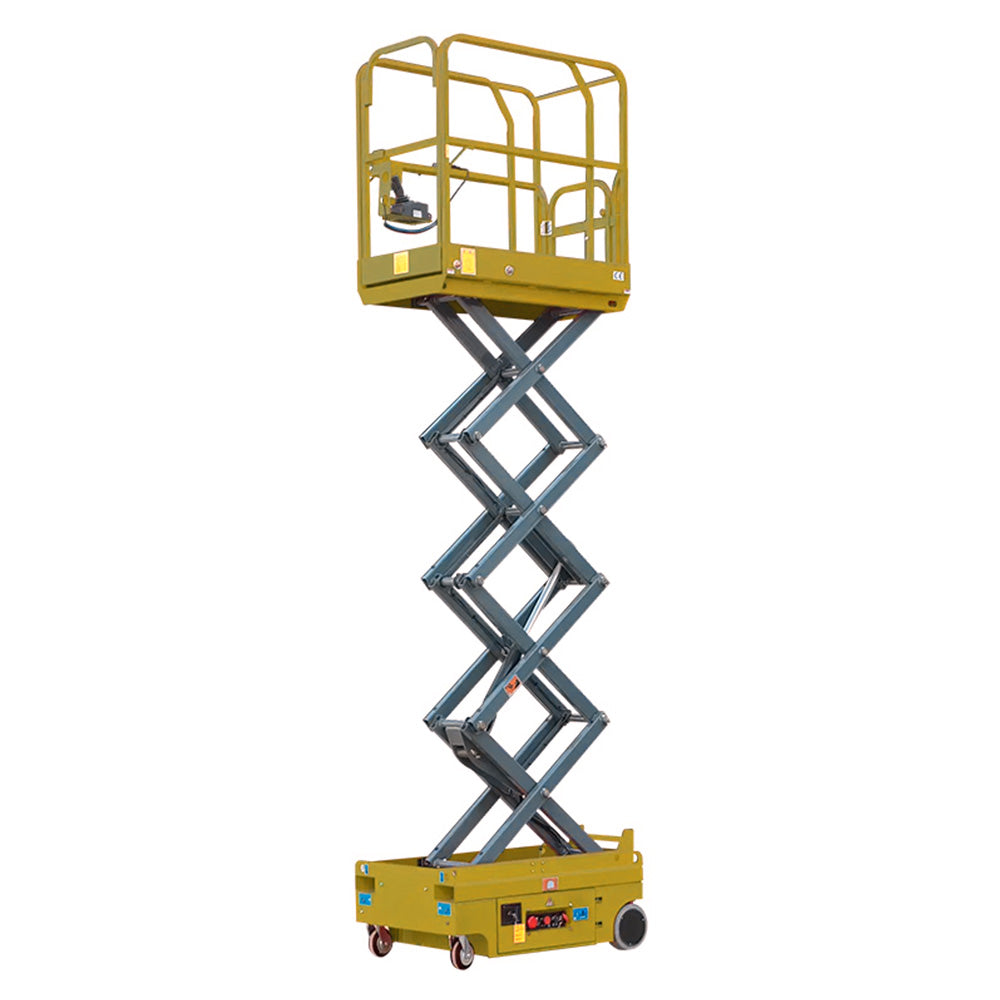
Electric scissors suit stock counts and racking inspection when the work is mainly straight up and the aisle is wide enough for the platform. The deck is usually larger than a mast or picker basket, which helps when two people share a count or when tools ride along.
Watch floor loading: even a compact machine can put a high point load through its wheels. On suspended floors or over basements, compare the manufacturer’s wheel loads with the building limit before you commit. Indoors, non-marking tyres and a clean approach route protect finished floors. Confirm battery duty cycle with the supplier rather than a single brochure figure.
Vertical mast lifts
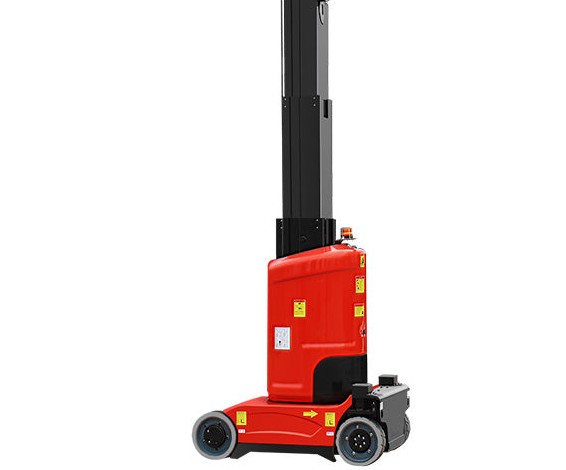
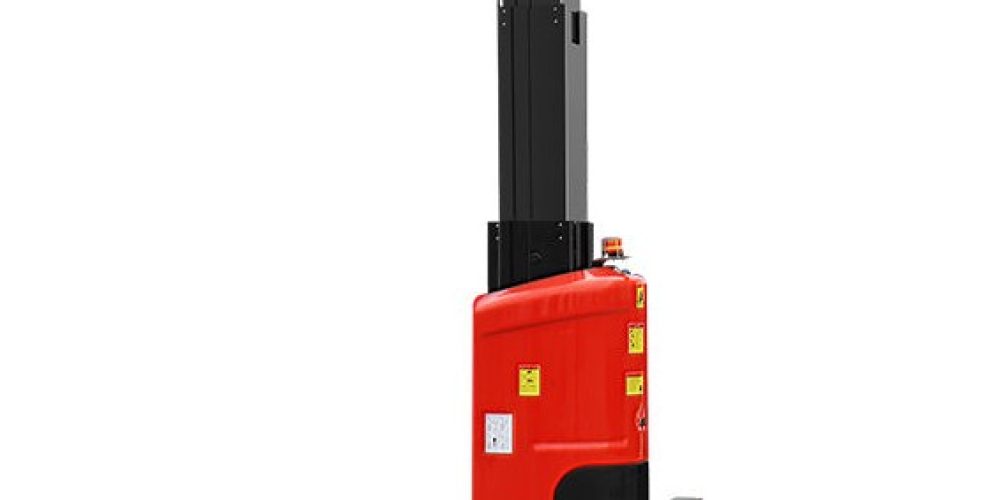
Mast lifts, including models with a short jib, fill the gap where a scissor cannot get close enough and a full boom is too large or too heavy. The base stays in the aisle while the mast rises, and a jib can reach up and over racking or a conveyor.
They are typically lighter and narrower than scissors of similar height, which helps on upper floors and through tight doors. Platform capacity is often lower, so add up people, tools and parts before every lift. Check jib clearance and outreach against your real measurements, not catalogue maxima alone.
Order pickers
Order pickers are built for picking along racking faces. For cycle counts and face-level checks they can be faster than bringing a larger access platform into every aisle, especially where operators already hold the right training.
They are usually a poor fit for high-bay maintenance that needs side reach, two people on a larger deck, or bulky parts. If the task leaves the picking face, such as replacing a light over an aisle junction, a scissor or mast is often the safer match.
Training, inspection and crush risk
Operators need familiarisation on the specific model, including emergency lowering. Do a pre-use inspection every shift. Keep people out from under the platform, and plan for overhead beams, sprinklers and cable trays. Crush and shear hazards at height are a known warehouse risk; many fleets now specify sensing or guarded designs for stock-taking.
A simple decision path
If the work is vertical in a clear aisle and you need deck space, start with an electric scissor. If you need a narrow aisle and reach up and over, look at a mast lift with a jib if required. If the work is mostly picking-face counts by trained operators, an order picker may already cover it. If you need outreach past racking or outdoor soft ground, you are outside this short comparison and into boom or tracked machines.
Send suppliers your measurements and photos of the aisle. You will get clearer recommendations, and fewer machines will arrive that cannot enter the bay.