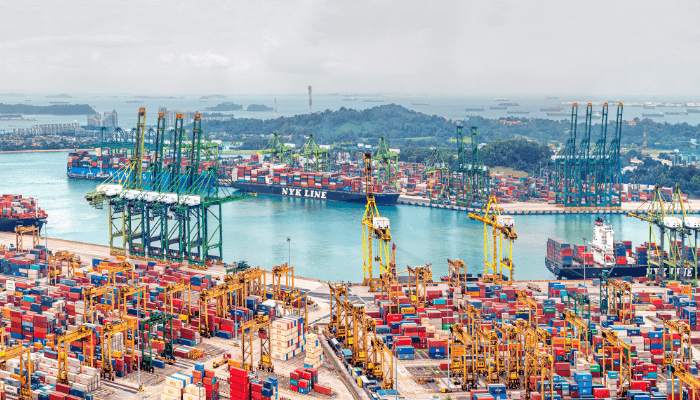

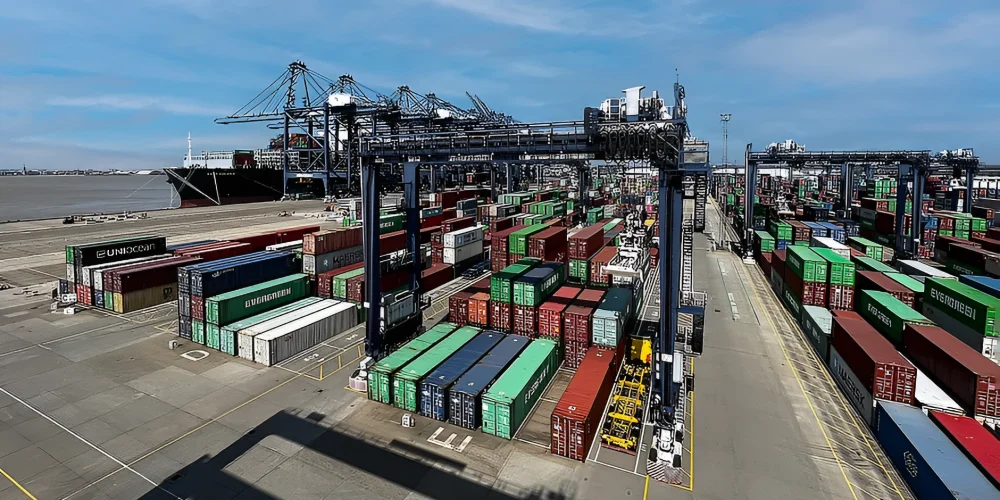
Under the motto ‘from diesel to digital’, Vahle is powering the next generation of container ports. Peter MacLeod spoke to its Director Business Unit Port, Jarosław Warzecha.
With container terminals expected to increase throughput, reduce emissions, improve safety, and attract a new generation of skilled workers, the pressure they are under has never been greater. And they have to achieve all this while maintaining operational resilience. According to Jarosław Warzecha of Vahle, whom I interviewed at the TOC Europe event in Hamburg, the answer lies in treating electrification, automation and digitalisation as parts of the same journey rather than separate initiatives.
Warzecha explained to me how the German family-owned company has evolved beyond its traditional role as a supplier of power systems to become an enabler of intelligent port operations. “We are manufacturing all the elements you need to automate your processes,” he explained.
Modular Approach
Rather than offering a single solution, Vahle’s approach is modular. Terminals can begin by replacing diesel-powered equipment with electrified systems before progressively introducing positioning technology, data communications and remote operation. This staged investment allows operators to realise returns at each stage while preparing for increasing levels of automation.
“For example, in a container terminal, first of all, you want to decarbonise your equipment,” said Warzecha. “Then later on, after the first return on investment, you can continue to add positioning… and we also provide data communication so that you can even allow operators to work remotely.”
Remote operation offers benefits beyond productivity. Moving crane operators from the equipment itself into office-based control rooms creates a safer and more attractive working environment, helping ports address one of their biggest long-term challenges – recruiting and retaining skilled personnel.
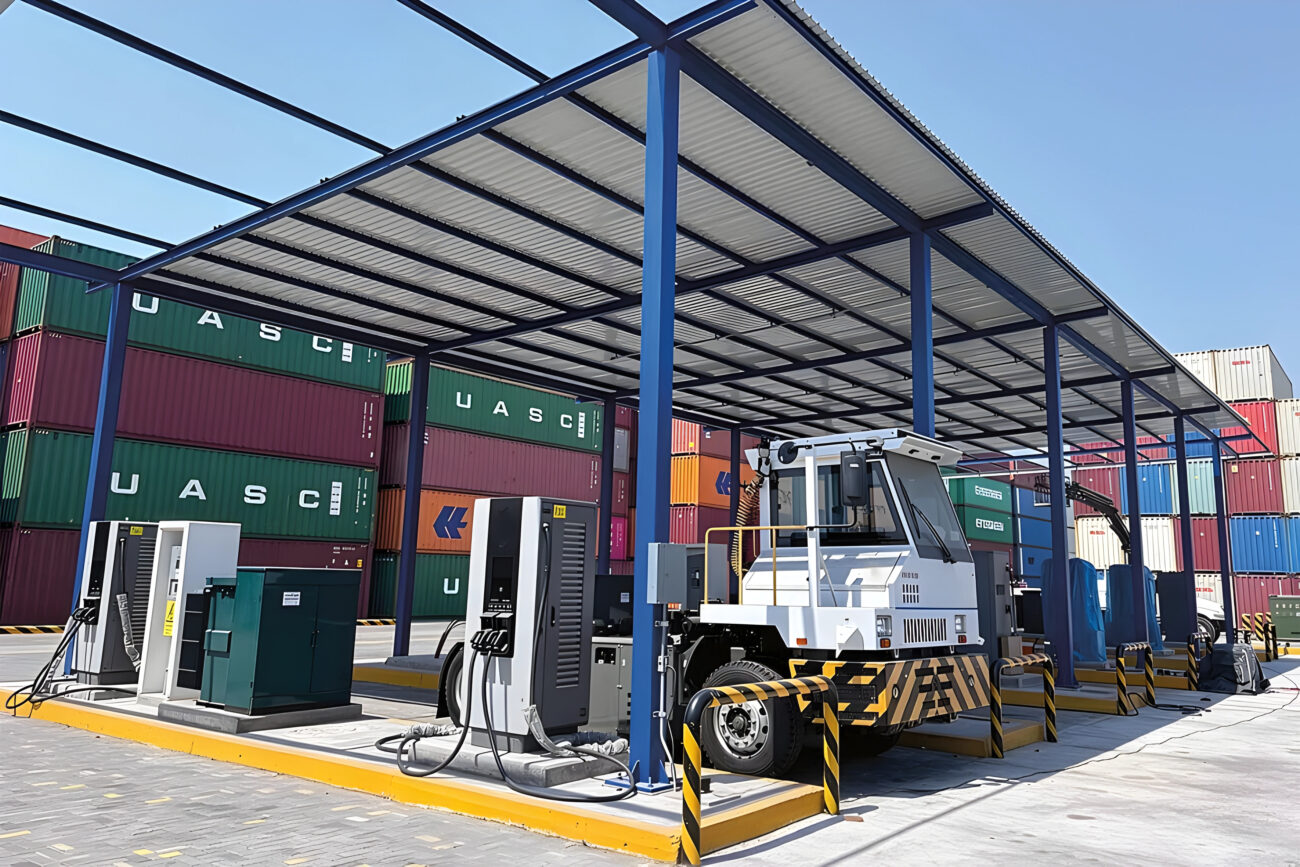
The ideal terminal, however, is not simply one with the highest level of automation. Warzecha believes successful greenfield developments should be designed holistically from the outset, combining electrified rubber-tyred equipment, battery technology and intelligent energy management to minimise infrastructure requirements while maintaining operational flexibility.
“We can have a full zero-emission terminal,” he said. “It can be automated or semi-automated… you can be very flexible.”
AI is becoming an increasingly important part of that evolution. Rather than replacing operational expertise, Vahle is applying AI to improve maintenance planning by analysing equipment data that would previously have required manual interpretation. “We took all these messages out of the PLC,” explained Warzecha. “Now we put some artificial intelligence behind it so that it doesn’t need to be looked into manually.”
The result is predictive maintenance rather than reactive servicing. Instead of waiting for failures or relying on routine inspections, the system identifies developing issues and alerts maintenance teams before breakdowns occur. “The crane will tell you, ‘In three weeks you need to do this job’,” he said. “Then you can combine more activities, prepare maintenance and reduce downtime.”
Energy Security
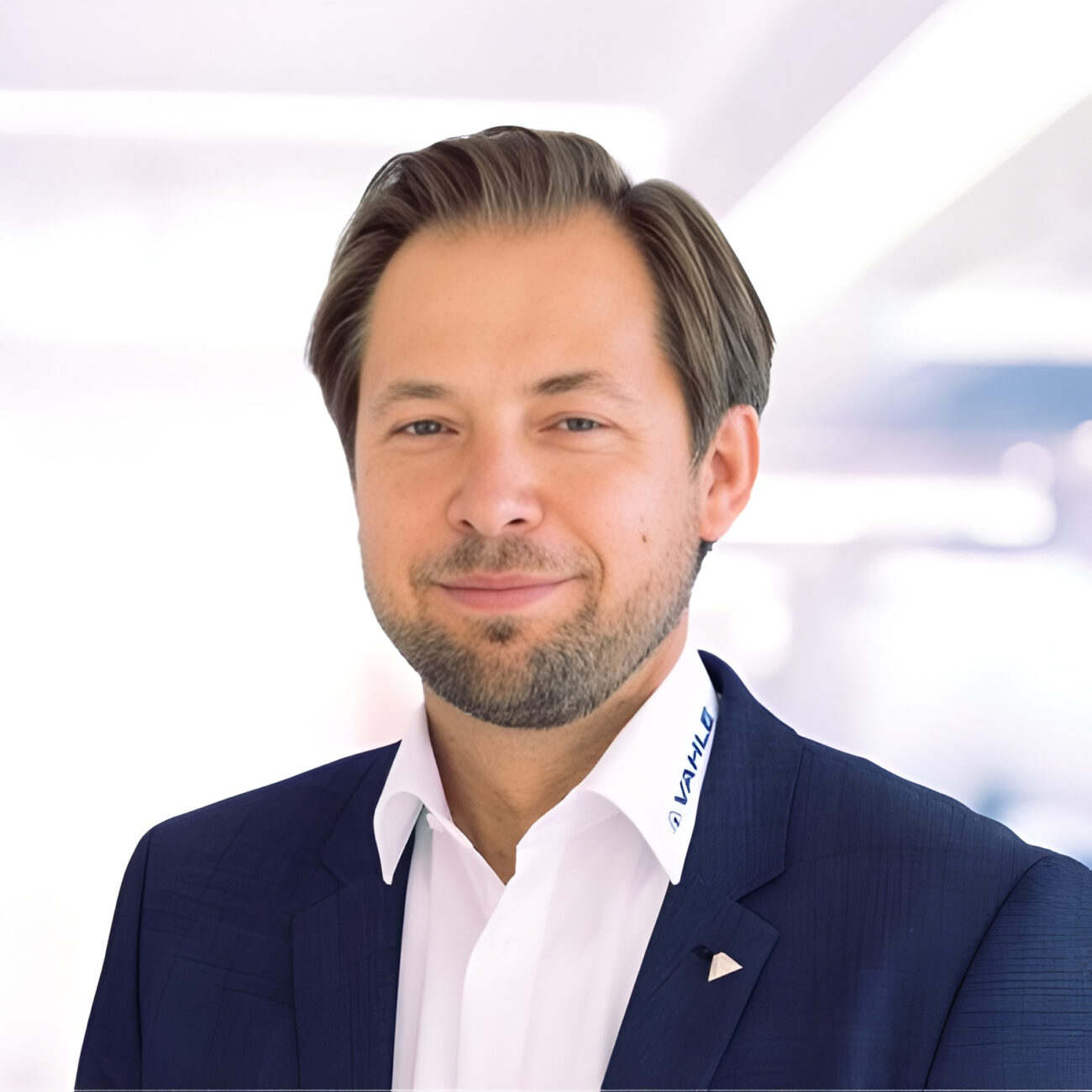
Energy security has also become a growing concern for port operators, extending beyond simple fuel costs. “Our motto here is ‘from diesel to digital’ – not only from diesel to electric,” Warzecha (pictured, below) explained. Electrification reduces dependence on diesel supplies while enabling terminals to incorporate battery storage and renewable energy into their operations. In some markets, he noted, the ability to continue operating during power interruptions is becoming just as important as reducing emissions.
Safety remains another key driver behind automation. Vahle’s charging systems are designed to eliminate accidental contact, while automated steering systems assist operators by keeping rubber-tyred gantry cranes accurately aligned, reducing the risk of structural damage and operational incidents. “It’s about protecting personnel as well as equipment,” said Warzecha.
Despite the increasing role of automation, he does not foresee fully autonomous ports operating without human oversight. “I think the port of the future will be completely green. It will also be automated, but… you still should be able to supervise and maybe bypass if it’s required.”
As an active member of FEMA, Vahle also sees industry collaboration as essential to accelerating innovation. Working alongside equipment manufacturers, technology suppliers and terminal operators helps identify emerging requirements while ensuring that new solutions address genuine operational challenges.