As international trade accelerates, transparent pricing and automated compliance are becoming essential to maintaining customer trust, writes Peter MacLeod.
Digital marketplaces have removed many of the traditional barriers to trading across borders, enabling sellers to reach customers in dozens of markets with comparatively little effort. But according to global trade compliance software company Avalara, the rapid expansion of international commerce has created a widening gap between the ease of selling globally and the complexity of remaining compliant with constantly evolving customs and tax regulations.
Businesses are entering new markets faster than their compliance infrastructure can keep pace, leaving them exposed to changing customs duties, import taxes, and VAT obligations. The consequence is growing operational complexity at a time when the notoriously high-expectation customer expects cross-border purchases to be as seamless as domestic ones.
Changing Regulatory Landscape
Nowhere is this more evident than in Europe. The EU has introduced sweeping reforms designed to modernise customs procedures and improve the quality of customs data. One of the most significant changes is the removal of the long-standing €150 customs duty exemption for low-value imports. From July 2026, qualifying goods imported into the EU have become subject to a temporary €3 customs duty per item, alongside new electronic data requirements and stricter expectations around product classification and customs declarations.
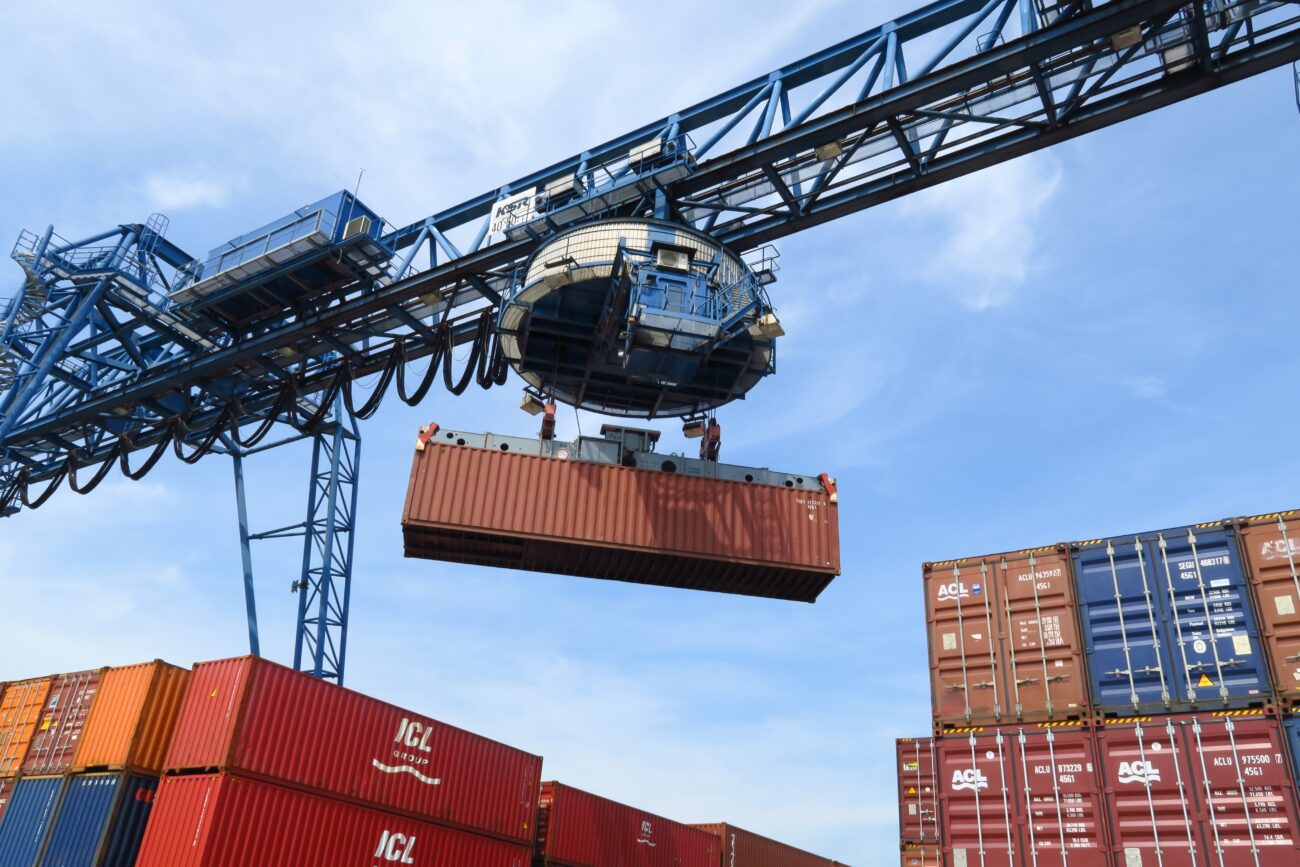
For logistics providers and their customers, these developments have operational as well as financial consequences. Incorrect classifications, incomplete shipment data or inaccurate landed cost calculations can lead to customs delays, unexpected charges and dissatisfied customers. What was once largely an administrative exercise has now become an important component of customer experience, arguably one where competitive advantage could be won or lost.
Customer Experience
Consumers increasingly expect complete transparency before placing an order, and unexpected duties or handling charges at the point of delivery may result in refused shipments, increased returns and potential damage to brand reputation. Businesses are therefore under pressure to present accurate landed costs at checkout, so customers understand the full cost before committing.
Avalara’s cross-border research suggests that demand for international shopping remains strong, but unclear pricing continues to undermine customer confidence. The company revealed that three-quarters of consumers would think twice about buying from a retailer again after being surprised by customs duties or taxes, while almost half would simply refuse delivery if unexpected charges arose. For businesses already operating on tight margins, the financial impact of returned shipments and lost repeat business can be considerable.
Competitive Advantage
Against this backdrop, compliance is becoming a competitive differentiator rather than simply a regulatory requirement. Maintaining customs classifications, tariff schedules, VAT rules, and country-specific regulations manually is increasingly difficult, particularly for organisations selling into multiple jurisdictions. Tariff and tax rates are changing at an unprecedented pace. Customs rules continue to evolve and trade agreements are regularly updated, making manual compliance both resource-intensive and vulnerable to error.
Avalara argues that modern compliance platforms need to extend well beyond simple tax calculation. Automated tariff classification, real-time duty and VAT calculations, customs documentation, and Delivered Duty Paid (DDP) capabilities enable businesses to calculate the true landed cost before goods leave the warehouse. This reduces surprises at the border, creates a smoother purchasing experience and helps logistics providers and retailers maintain compliance as regulations evolve.
According to Avalara, almost half of businesses surveyed expect cross-border commerce to become even more challenging over the coming years. More than 80% are already reviewing their supply chains in response to changing trade policies, while many are investing in technology to improve visibility, automate compliance and reduce the burden of manual processes.
For logistics providers, this represents as much an opportunity to seize as a challenge to overcome. Customers expect partners to help navigate customs requirements, provide accurate landed costs, and minimise border delays, meaning compliance is now as important to the overall service offering as efficient transport and reliable delivery.
Whilst international trade has become remarkably accessible, the real path to competitive advantage lies in making every transaction transparent, predictable, and compliant. Businesses that combine efficient logistics with accurate digital compliance will be better placed to build customer trust, protect margins and continue expanding into international markets with confidence.