

A New Approach to Cross-Border Compliance

As international trade accelerates, transparent pricing and automated compliance are becoming essential to maintaining customer trust, writes Peter MacLeod.

Digital marketplaces have removed many of the traditional barriers to trading across borders, enabling sellers to reach customers in dozens of markets with comparatively little effort. But according to global trade compliance software company Avalara, the rapid expansion of international commerce has created a widening gap between the ease of selling globally and the complexity of remaining compliant with constantly evolving customs and tax regulations.

Businesses are entering new markets faster than their compliance infrastructure can keep pace, leaving them exposed to changing customs duties, import taxes, and VAT obligations. The consequence is growing operational complexity at a time when the notoriously high-expectation customer expects cross-border purchases to be as seamless as domestic ones.

Changing Regulatory Landscape

Nowhere is this more evident than in Europe. The EU has introduced sweeping reforms designed to modernise customs procedures and improve the quality of customs data. One of the most significant changes is the removal of the long-standing €150 customs duty exemption for low-value imports. From July 2026, qualifying goods imported into the EU have become subject to a temporary €3 customs duty per item, alongside new electronic data requirements and stricter expectations around product classification and customs declarations.
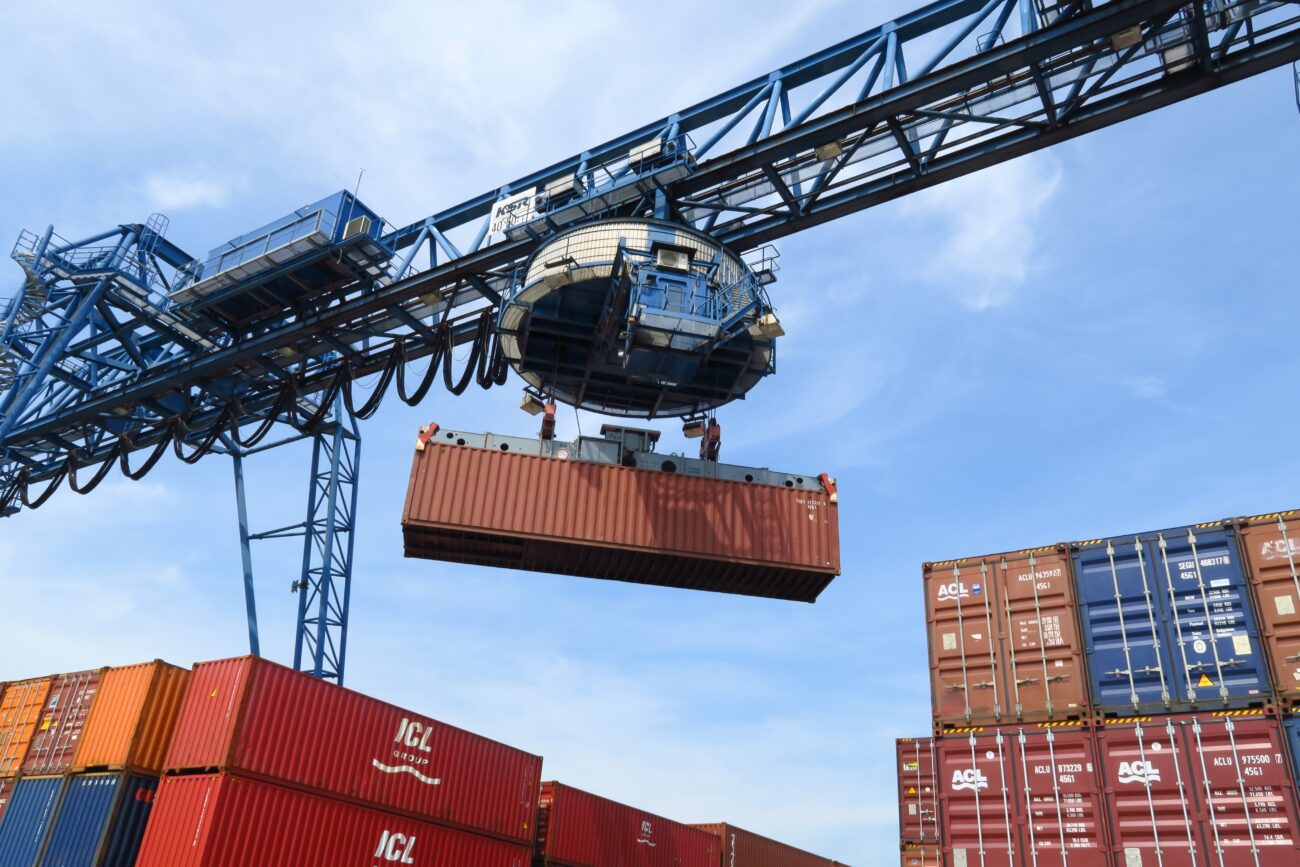
For logistics providers and their customers, these developments have operational as well as financial consequences. Incorrect classifications, incomplete shipment data or inaccurate landed cost calculations can lead to customs delays, unexpected charges and dissatisfied customers. What was once largely an administrative exercise has now become an important component of customer experience, arguably one where competitive advantage could be won or lost.

Customer Experience

Consumers increasingly expect complete transparency before placing an order, and unexpected duties or handling charges at the point of delivery may result in refused shipments, increased returns and potential damage to brand reputation. Businesses are therefore under pressure to present accurate landed costs at checkout, so customers understand the full cost before committing.
Avalara’s cross-border research suggests that demand for international shopping remains strong, but unclear pricing continues to undermine customer confidence. The company revealed that three-quarters of consumers would think twice about buying from a retailer again after being surprised by customs duties or taxes, while almost half would simply refuse delivery if unexpected charges arose. For businesses already operating on tight margins, the financial impact of returned shipments and lost repeat business can be considerable.
Competitive Advantage

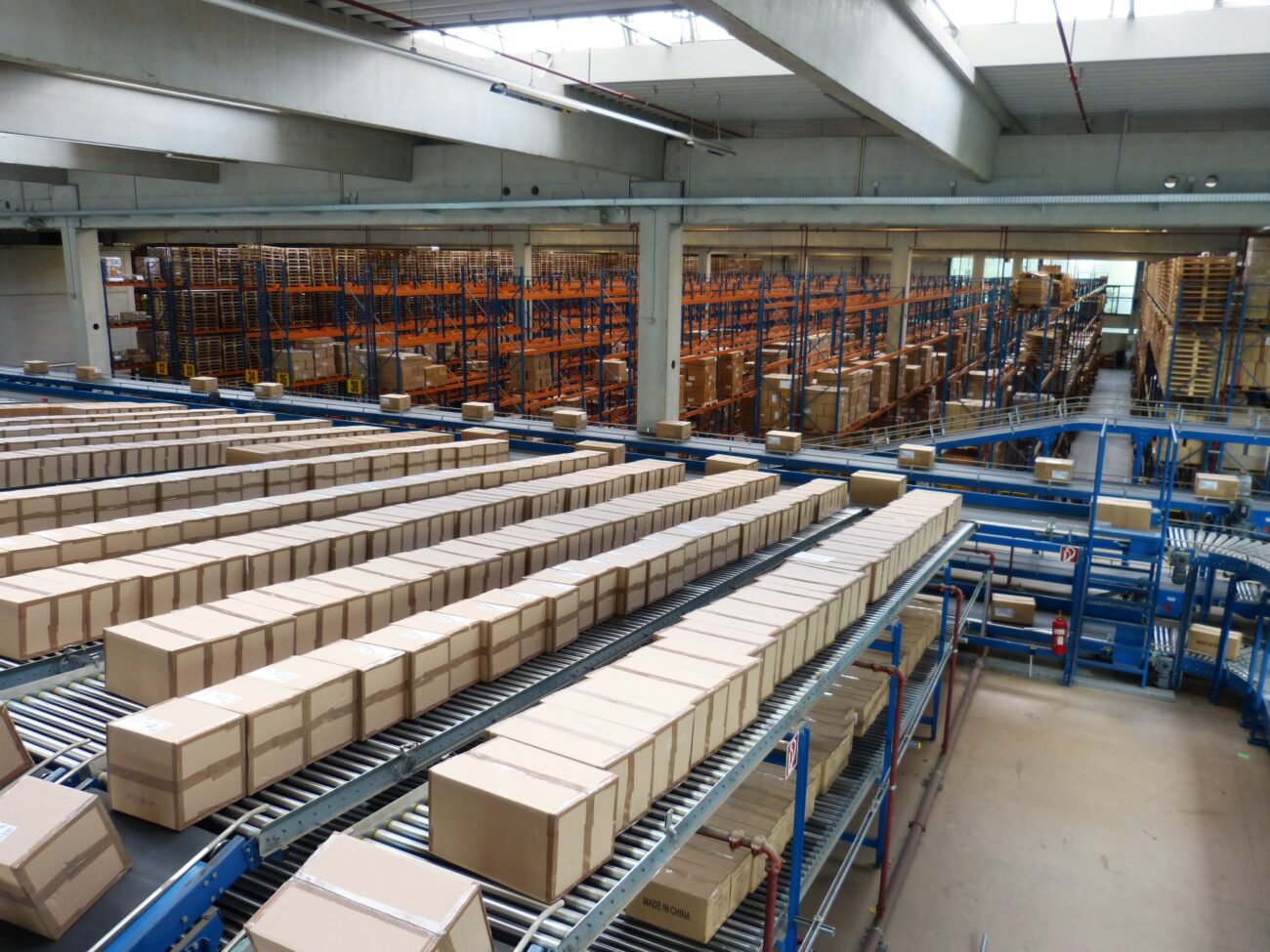
Against this backdrop, compliance is becoming a competitive differentiator rather than simply a regulatory requirement. Maintaining customs classifications, tariff schedules, VAT rules, and country-specific regulations manually is increasingly difficult, particularly for organisations selling into multiple jurisdictions. Tariff and tax rates are changing at an unprecedented pace. Customs rules continue to evolve and trade agreements are regularly updated, making manual compliance both resource-intensive and vulnerable to error.

Avalara argues that modern compliance platforms need to extend well beyond simple tax calculation. Automated tariff classification, real-time duty and VAT calculations, customs documentation, and Delivered Duty Paid (DDP) capabilities enable businesses to calculate the true landed cost before goods leave the warehouse. This reduces surprises at the border, creates a smoother purchasing experience and helps logistics providers and retailers maintain compliance as regulations evolve.

According to Avalara, almost half of businesses surveyed expect cross-border commerce to become even more challenging over the coming years. More than 80% are already reviewing their supply chains in response to changing trade policies, while many are investing in technology to improve visibility, automate compliance and reduce the burden of manual processes.

For logistics providers, this represents as much an opportunity to seize as a challenge to overcome. Customers expect partners to help navigate customs requirements, provide accurate landed costs, and minimise border delays, meaning compliance is now as important to the overall service offering as efficient transport and reliable delivery.

Whilst international trade has become remarkably accessible, the real path to competitive advantage lies in making every transaction transparent, predictable, and compliant. Businesses that combine efficient logistics with accurate digital compliance will be better placed to build customer trust, protect margins and continue expanding into international markets with confidence.

Driven by Intelligence

Peter MacLeod reports from the Motive Vision 26 event in Nashville, where he saw how AI is being harnessed to drive up safety levels in commercial transport.

Attending tech-heavy conferences, I sometimes feel like I’m looking tantalisingly through a window into a future that remains several years away. New products are unveiled with great fanfare, ambitious roadmaps are presented, jargon is fired at you at breakneck frequency, and AI is often discussed in terms of what it might one day achieve rather than what it can deliver today. But Motive’s Vision 26 conference, which I recently attended in the… er… ‘interesting’ city of Nashville, struck a somewhat different chord.

Across two days of keynotes, customer case studies and technical sessions, the conversation showcased AI not as an emerging technology, but one that has significant practical applications today. The emphasis remained on solving operational problems, whether the subject was fleet safety, driver coaching, compliance, or administration.

Pinnacle Launch

While the launch of AI Dashcam Plus to the 1,000-odd delegates was a keystone of the event, of more significance was the confirmation that AI is moving firmly beyond simply reporting and more towards actively helping fleet operators make better real-time decisions. That represents an important development for Motive’s customer base of logistics operators, many or all of whom face rising insurance premiums, across-the-board driver shortages, increasing compliance demands, and that relentless pressure to always drive-up efficiency levels. They need help, and they need it right now.

Starting Point: Safety

Those challenges resonate just as strongly across Europe as they do in North America. “We have become quite well established in the US,” Nyana Joof, Regional Vice President for UK Markets at Motive, told me. “But what we found was actually a lot of the problems are universal. Fleet operators are concerned about how do I keep my people safe? How do I do more with fewer resources? How do I stay compliant? How do I keep costs low?”

Joof pointed to an increase in fuel and insurance costs, growing regulatory pressure, and a projected shortage of HGV drivers in the UK over the coming years as evidence that operators are under pressure from every direction. Safety, however, remains the starting point.

“I think accuracy is our obsession,” she said. “We believe that precision AI is able to detect risk faster than even the driver is able. The AI is alerting the driver to stop whatever risky behaviour they’re doing, they can self-correct and prevent an accident before it turns into something catastrophic.”

That philosophy underpins AI Dashcam Plus. Rather than representing another incremental improvement in video recording, Motive’s new platform combines stereo vision with edge AI processing to interpret events around the vehicle as they are happening. Strategically, processing takes place on the device itself, reducing the latency associated with cloud-based analysis and allowing warnings to be delivered when fractions of a second matter. That distinction was explored during an evening rooftop ‘fireside discussion’ (there was no fire to be beside – it was already rather hot!) between Motive Chief Product Officer Hemant Banavar and Qualcomm’s Senior Director of Product Management, William Xu, whose company’s processors power the new hardware.

Drawing a comparison with modern smartphones, Xu explained that the same advances in sensing and on-device AI are now finding their way into commercial vehicles, but with a crucial difference. “In the real world, physical reactions cannot tolerate latency,” he said. “A cyclist will pull up right alongside. All of these have to happen in real time.”

Banavar (pictured, below) agreed that every second matters. “Latency is extremely critical in every single thing that we do in these devices,” he said. “It could make the difference between life and death on the road.”

Reduced Admin

Just as interesting as the hardware itself was the wider strategy that emerged from the conference. Motive’s range of solutions such as AI Dashcam Plus, Atlas, AI Coach, document automation, and workflow intelligence all point towards the same objective: reducing the administrative burden on transport operations while improving decision-making.

Speaking exclusively to Logistics Business, Michael Benisch, Vice President of AI at Motive, distilled the company’s priorities into three simple objectives: “The number one thing is safety, and that trumps all else,” he said. “Making these vehicles safer, making the road safer, making people able to go home at the end of their shift, is the number one goal.”

Beyond safety came time. “I’ve talked to tons of customers here this week, and what I hear is that they do a lot of things manually, still a lot more than I expected. There’s a lot of paperwork, there’s a lot of spreadsheets, there’s a lot of clicking buttons and connecting dots.”

Finally came cost. “We have the ability to give actual fuel savings to our customers… through preventing theft and other bad things that happen on the road.”

Benisch acknowledged that AI is being viewed less as a replacement for people (that expression now sounds so 2024, doesn’t it?) and more as a means of removing repetitive work that distracts or prevents managers from concentrating on higher-value activities.

“Our customers are data rich and time poor. We’re trying to unlock the data and the power of that for these logistics companies.”

Customer Experience

While product launches inevitably attract the headlines, it’s customer experience that provides the real test of any technology. Morgan Bedford, Country Business and Fleet Manager at UK operator Chyone Logistics, described how the company had begun rolling out Motive across its fleet after initially trialling the platform on five vehicles. The immediate availability of incident footage changed the way the business handled collisions.

“Before the driver or the manager had even finished on the phone, I’d received a notification from Motive to say your vehicle has been involved in an incident,” he explained. The system automatically generated an incident report containing the driver’s details, location and speed before supplying the accompanying video footage almost immediately. “It makes my life so much easier dealing with the incident.”

Importantly, Bedford viewed safety rather than return on investment as the primary justification for the deployment. “Safety first,” he said simply. Any financial return follows naturally through reduced claims, lower administration and more efficient operations.

Trust the System

Driver acceptance is another area where technology suppliers have often struggled. Cameras inside vehicle cabs have traditionally attracted scepticism from drivers concerned about surveillance, the oft-quoted “spy-in-the-cab” suspicion. Joof believes transparency is essential. “If the driver’s not bought in, it’s going to be really difficult to have a successful rollout,” she said, and described the importance of demonstrating privacy controls and showing drivers how recorded footage frequently protects rather than penalises them. “In more cases than not, our device actually exonerates them.”

Bedford’s experience suggests exactly that. Once drivers saw the technology proving they were not at fault following an incident, attitudes changed quickly. That emphasis on trust may ultimately prove just as important as the underlying technology itself. AI only delivers value if the people expected to use it have confidence and trust in both its accuracy and its purpose.

Leaving Nashville, the strongest impression – apart from my ears ringing from 24/7 live music and my stomach wall bulging from US-size portions – was not of another AI product launch, but of a technology sector entering a more mature phase. Today, the discussion has shifted to how AI delivers measurable operational improvements by reducing collisions, eliminating paperwork, improving coaching, helping drivers, and giving managers better information with which to make decisions.

For an industry that has spent years collecting data but using barely any of it, this feels like a significant development.

Karl Lagerfeld’s Dual-hub Fulfilment Strategy

The global fashion and lifestyle business founded by the creative director, Karl Lagerfeld has expanded its partnership with Bleckmann, specialists in supply chain management for fashion and lifestyle brands. The brand is now operating with a second European fulfilment operation at one of Bleckmann’s Spanish distribution centres, in the fashion logistics hub of Zaragoza.

The operation, which went live in April, is dedicated to serving Karl Lagerfeld’s European outlet channel, handling warehousing, pick-and-pack services and B2B delivery to outlet stores. This is in addition to the brand’s existing European fulfilment hub, operated by Bleckmann in Almelo, the Netherlands. Bleckmann has supported Karl Lagerfeld with end-to-end warehousing and fulfilment across Europe since 2021.

The Zaragoza advantage: An established fashion logistics hub

Spain’s leading position in the European logistics network is well established and increasingly hard to overlook for brands, with Zaragoza as a central node within Bleckmann’s Spanish logistics network. A truck leaving Zaragoza can reach many of Europe’s major cities in one to two days, making it an ideal base for both serving Karl Lagerfeld’s strong presence in southern Europe and pan-European distribution. The area is home to Spain’s second-largest cargo airport and has good sea freight connections via Barcelona, Valencia and Bilbao. In addition, most of Spain’s key commercial centres, accounting for a high proportion of the country’s GDP, are within a 350 km radius of the city. Combined with an established network of fashion and lifestyle logistics expertise, this provides key operational advantages and has made Zaragoza home to global brands.

A dual-hub solution: Optimal operations for differentiated channels

The move, which went from green light to go-live in just three months, reflects the brand’s strategy of tailoring its logistics infrastructure to meet ongoing business needs. Bleckmann’s integrated inventory management system ensures that stock is expertly coordinated across both warehouses, meaning the move did not add further operational complexity.

This type of dual-hub fulfilment model is something we’re very used to doing… We have the systems set up, we have the integrations ready and we’re connected with the rest of the activity for Karl Lagerfeld. Now that the operation is up and running, we’re already looking at what we can improve to be more efficient

says Fernando Sainz Martinez-Vara de Rey, Business Development Director at Bleckmann in Spain.

Driving enhanced agility for scalable operational efficiency

The short timeline of the go-live – incorporating systems integrations, warehouse fit-out, process design and testing – demonstrates that, with the right partner and a dedicated warehousing footprint, complexity can be managed more efficiently than most expect. It also illustrates the strength of the collaboration throughout the five-year logistics partnership. Together with Karl Lagerfeld, Bleckmann has worked to drive greater efficiency and operational resilience through a range of targeted measures.

Our ongoing relationship with Bleckmann has enabled us to deliver high service standards that our global consumers expect while simultaneously achieving meaningful operational efficiency gains… The recent expansion in Spain is the latest step on that shared journey

concludes Timothy Dreijer, Senior Vice President Retail, Supply Chain & Operations and Legal Affairs at Karl Lagerfeld.

How Port Incentives Are Accelerating Decarbonisation

The logistics industry faces one of its biggest challenges yet: reducing carbon emissions without compromising the speed, reliability and efficiency that global supply chains depend on.

While much of the conversation has focused on electric trucks, alternative fuels and greener vessels, one part of the supply chain is quietly emerging as a powerful driver of change—the port.

Ports sit at the heart of international trade, connecting shipping, road and rail networks. That unique position gives them the ability to influence how freight moves long before it reaches its final destination. But can the right incentives encourage businesses to make more sustainable choices? And could ports become one of the most effective tools in reducing supply chain emissions?

That’s exactly what we explore in the latest episode of Logistics Business Conversations.

Joining us is John Trenchard, Vice President of Sustainable International Supply Chains Europe at DP World, who explains how practical initiatives—not just ambitious targets—are already delivering measurable reductions in carbon emissions across logistics networks.

During the conversation, John reveals how financial incentives are encouraging greater use of rail over road, how carbon inset programmes are helping businesses tackle Scope 3 emissions, and why ports are becoming testbeds for cleaner transport technologies including HVO-powered fleets and electric trucks.
Rather than focusing on distant net-zero ambitions, the discussion centres on practical actions that organisations can implement today—and why collaboration across ports, hauliers, shippers and cargo owners will be essential if the industry is to make meaningful progress.

Whether you’re responsible for sustainability strategy, transport operations, supply chain design or simply want to understand where logistics is heading next, this episode offers valuable insights into how environmental incentives are reshaping the movement of goods.

Listen to the full conversation using the podcast player below.

Subscribe

Get notified about New Episodes of our Podcast, New Magazine Issues and stay updated with our Weekly Newsletter.