

As sustainability pressures continue to reshape global logistics, air cargo operators are under increasing pressure to help shippers reduce emissions, improve carbon reporting and offer greener transport solutions across international supply chains.
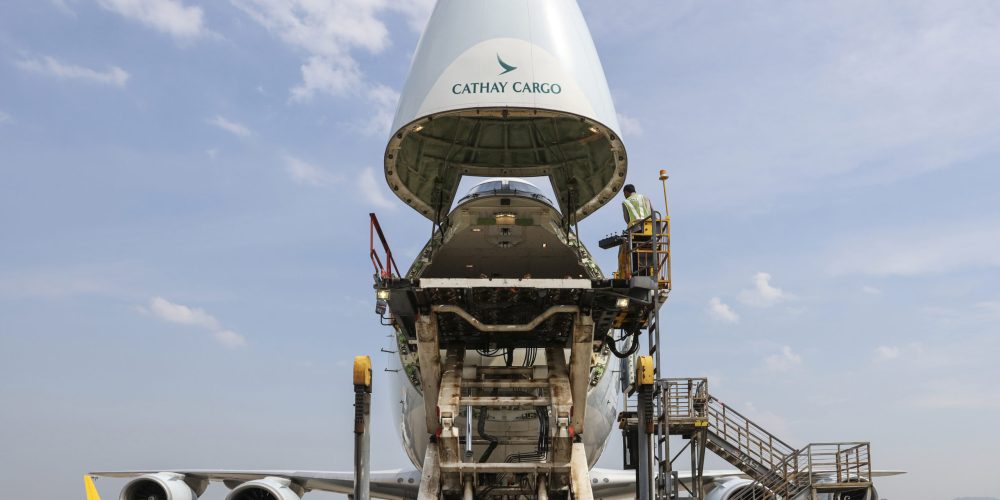
Against this backdrop, Cathay has published its Sustainability Report 2025, outlining progress in sustainable aviation fuel (SAF), waste reduction and operational efficiency as it looks to strengthen its role in lower-carbon freight transportation.
Ronald Lam, Chief Executive Officer of Cathay, said:
This year marks a meaningful milestone for Cathay as we celebrate ‘80 Years Together’ with Hong Kong. At the heart of this journey is our drive for sustainability leadership.
SAF Expansion to Support Greener Air Freight
A major focus of the report is Cathay’s continued investment in sustainable aviation fuel, regarded as one of the most practical near-term solutions for reducing emissions in long-haul aviation and air freight. Cathay states SAF can reduce lifecycle carbon emissions by more than 80% compared with conventional jet fuel, depending on feedstock and production method.
During 2025, Cathay became a launch investor in the US$150 million oneworld BEV Fund and committed to a co-investment agreement with Airbus worth up to US$70 million to accelerate SAF technology development.
Its Corporate SAF Programme also expanded to 17 global partners, with committed SAF usage increasing by nearly 180% year-on-year.
The initiative enables freight and corporate customers to contribute towards SAF use on Cathay and Cathay Cargo flights while receiving verified emissions reduction documentation to support Scope 3 carbon reporting.
Benefits for Logistics Customers
For logistics providers and cargo shippers, increased SAF adoption offers several benefits as environmental regulations and ESG reporting demands continue to rise.
By improving access to SAF-backed freight services, carriers such as Cathay can help freight forwarders and shippers reduce the reported carbon footprint of air cargo shipments, supporting wider sustainability targets and customer reporting requirements. Cathay notes its programme is specifically designed to help customers reduce Scope 3 emissions linked to cargo transportation.
The airline added that Cathay Cargo has been proactively working with cargo partners since 2022 to expand SAF adoption across its network.
For many global manufacturers and retailers, this creates greater opportunity to decarbonise premium and time-sensitive freight movements that would otherwise be among the most carbon-intensive parts of their logistics operation.
Operational Sustainability Improvements
Beyond fuel, Cathay also reported further progress in reducing waste and improving circularity across operations.
Passenger-facing single-use plastics were reduced to an average of 1.7 pieces per passenger during 2025, with more than 50% of remaining in-scope items now sourced from recycled plastics.
The airline has also expanded its inflight water bottle recycling programme across Hong Kong and eight additional airports, helping improve recycling rates across its wider network.
Ronald Lam added:
Decarbonising aviation is a critical yet complex mission. Despite the challenges ahead, we are supporting the development of a robust SAF value chain through strategic investments and collaborations. Together with like‑minded organisations, we are channelling the necessary support and capital to help scale SAF innovation over the long term