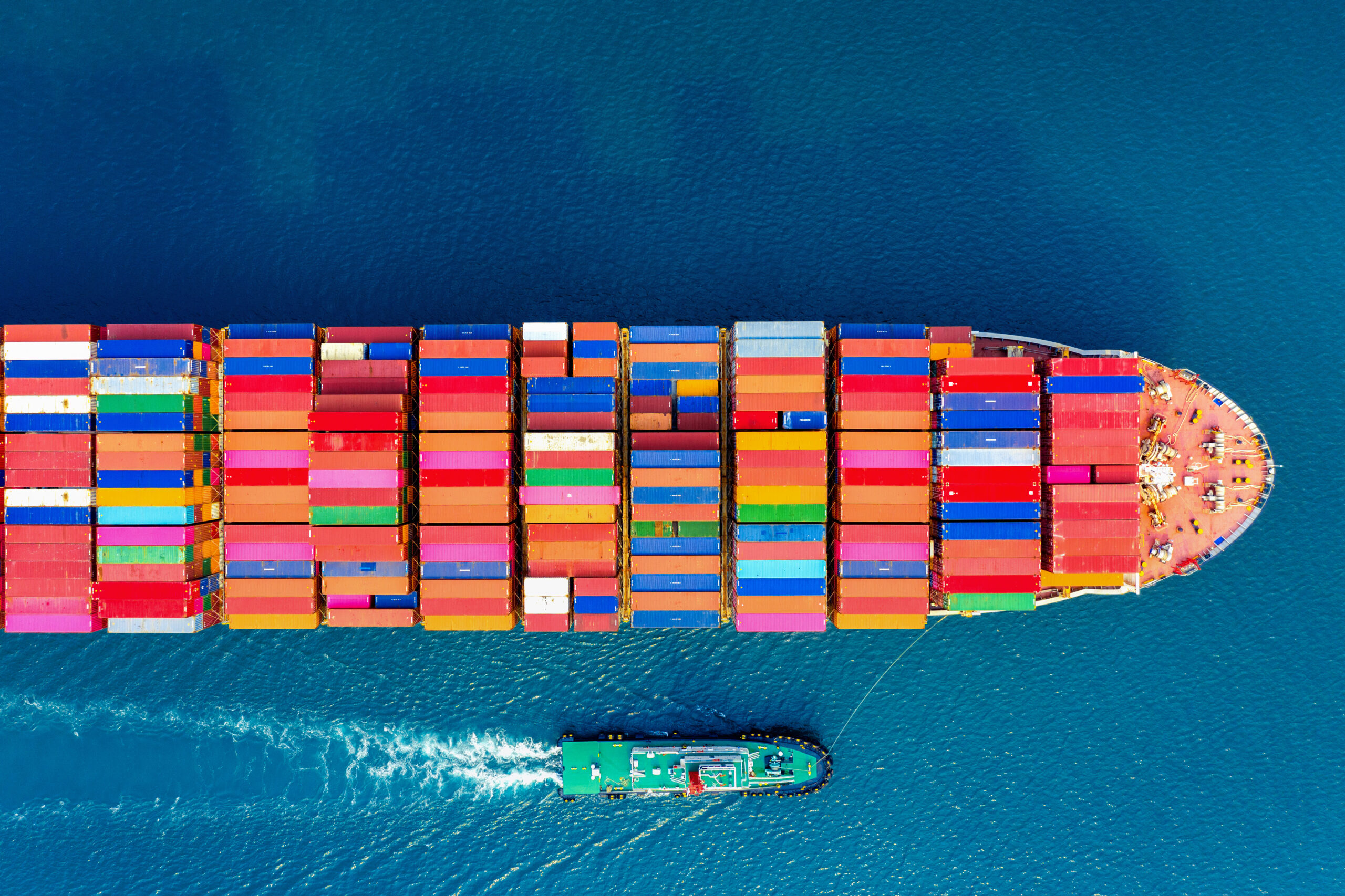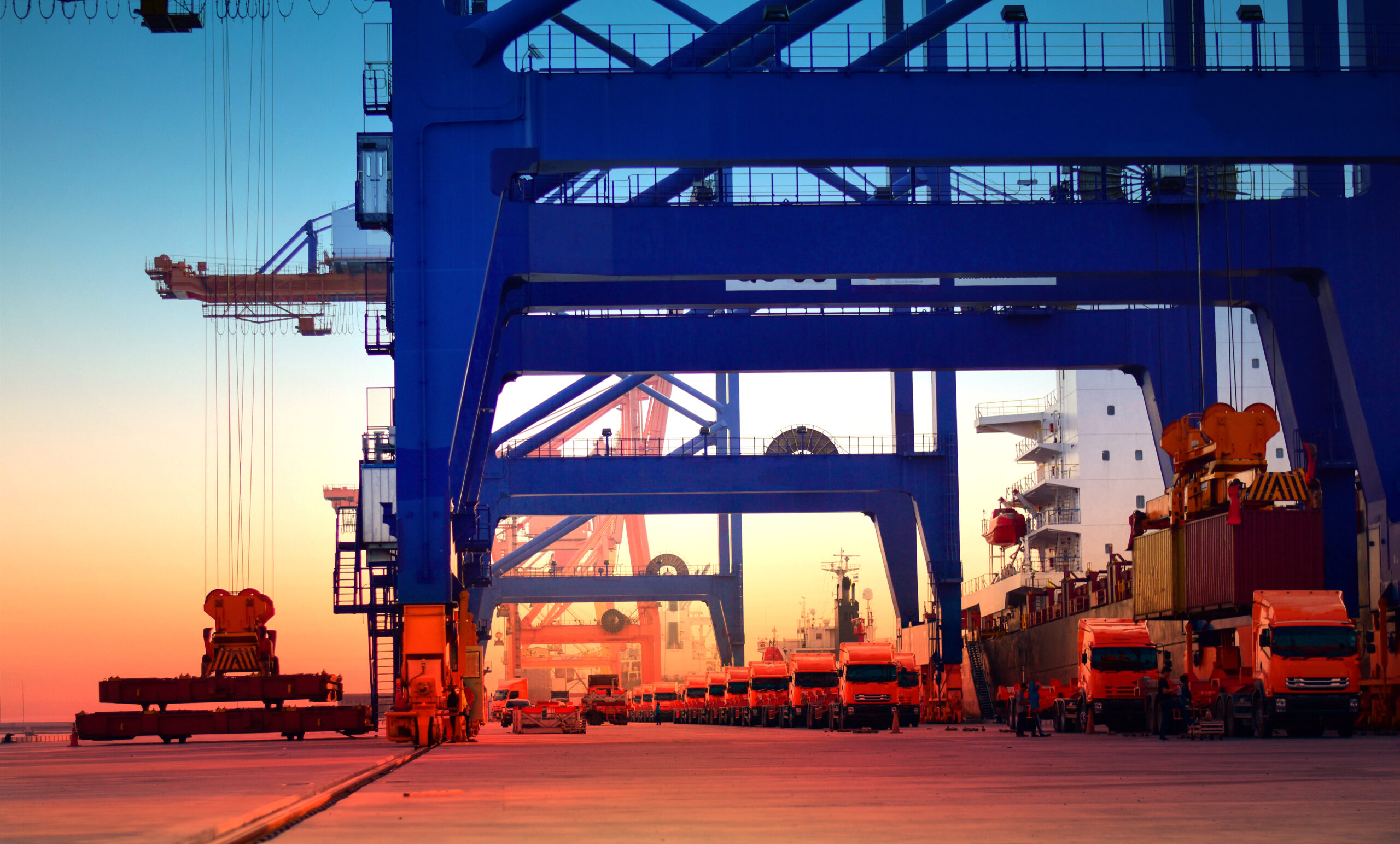
An expanding container terminal in the Republic of the Congo has ordered a package of Konecranes equipment to support continued growth in container volumes. The order was booked in Q1 2026, with delivery scheduled for H2 2026.
Located on the country’s west coast, the terminal supports regional container flows across Central Africa. Previous deliveries of Konecranes reach stackers and empty container handlers between 2021 and 2025 have established a reliable handling fleet at the site. This latest investment will support further business growth.
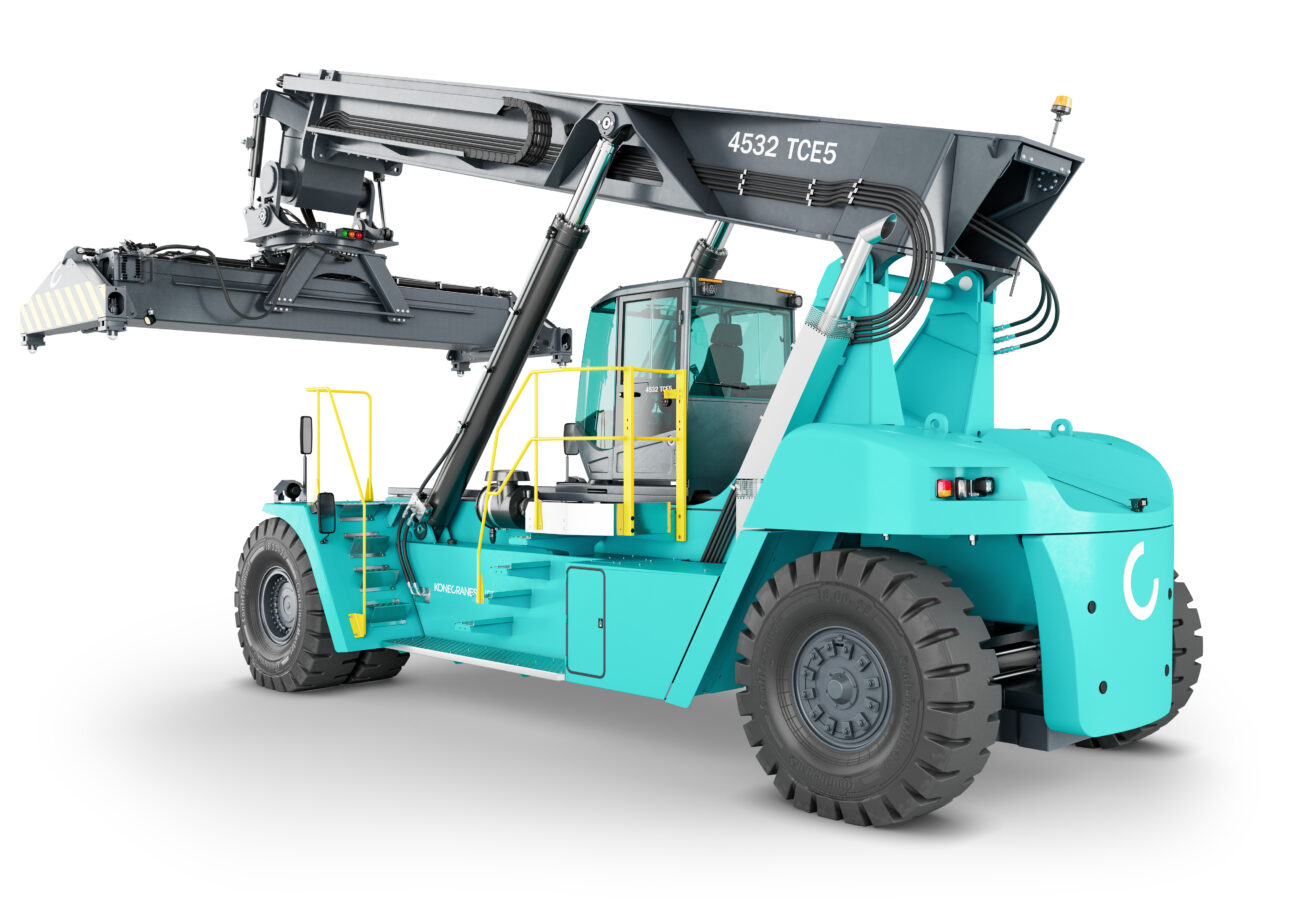
The five Konecranes Liftace 4532 TCE5 reach stackers are designed to support efficient container movement across the yard, while the six Konecranes Liftace E 6/7 ECC9 empty container handlers deliver dedicated capacity for stacking and repositioning empty containers. All these lift trucks combine high performance with strong safety and ergonomic standards, ensuring a comfortable and efficient operator environment. Local delivery and lifecycle support for the lift trucks will be provided through Konecranes distributor Paterson Simons. The distributor’s technical team will maintain an on-site presence for eight months, supporting commissioning and initial operations.
Our long-standing cooperation with the terminal group, together with Paterson Simons’ local presence, creates the conditions for smooth commissioning and dependable lifecycle support. The result is a fleet designed to improve operational efficiency and sustain performance,
says Patrik Lundbäck, VP, Sales & Distribution, Lift Trucks, Konecranes.
Complementing the quay fleet, the Konecranes Gottwald ESP.7 mobile harbor crane will support efficient loading and unloading of container and general cargo at the terminal. With a lifting capacity of up to 125 tons and an outreach of up to 51 meters, the crane is engineered to provide reliable performance across a wide range of handling tasks, as well as on vessels up to the post Panamax class.
All 11 lift trucks and the mobile harbor crane are equipped with TRUCONNECT Premium Remote Monitoring, providing real-time insights to support preventive maintenance and maximize equipment uptime.
When customers choose Konecranes for both yard and quay equipment, they benefit from a consistent approach across the terminal. With our digital services delivering performance insights for the full fleet, operators gain the visibility to support efficiency over the longer term,
says Antoine Bosquet, VP Sales, Quay, Konecranes.
A strong focus on customers and commitment to business growth and continuous improvement make Konecranes a material handling industry leader. This is underpinned by investments in digitalization and technology, plus our work to make material flows more efficient with solutions that support the decarbonization of the economy and advance circularity and safety.