Don’t Go Blind in the Yard

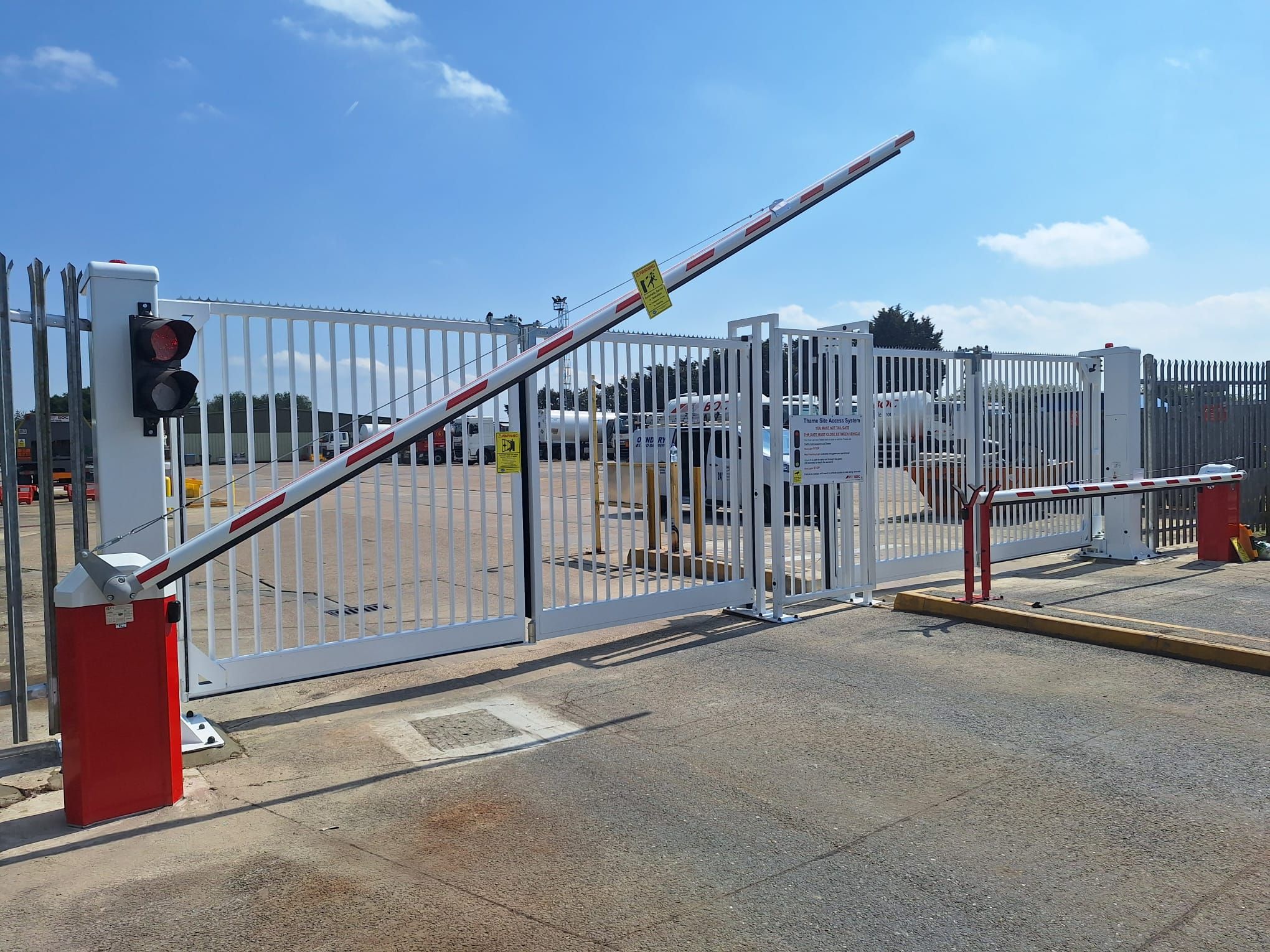
Transport and warehouse operations are increasingly connected through TMS, WMS and real-time visibility. Yet between these two environments sits a critical gap: the yard. The yard is still logistics’ biggest blind spot, writes Gerry Daalhuisen (pictured, below), Senior Director of Dock & Yard / Fleet Products at Trimble.

Despite being the point where road and warehouse operations meet, the yard remains one of the least digitised parts of the supply chain. In many operations, it still runs on phone calls, spreadsheets and paper-based processes. The result is a disconnect between disparate systems that otherwise perform at a high level, and a steady accumulation of inefficiencies that are often underestimated.

In other words: while both transport and warehousing operations become increasingly data-driven, the yard still behaves like an information black hole, where plans turn into guesswork. ⁠Better visibility and coordination can unlock significant operational gains for operators.

Gap between systems

The challenge is not simply that yard processes are manual. It is that they sit outside the digital flow of information. Transport teams know when a truck is dispatched. Warehouse teams know what needs to be loaded or unloaded. But without a connected yard, that information doesn’t travel with the vehicle – so decisions are still made with incomplete or outdated data.

However, the real issue isn’t only manual work. It’s the lack of a shared, real-time operational picture across transport, the gate, and the dock.

This disconnect is widely recognised in practice. Even in highly developed logistics markets, fewer than 12% of companies use advanced data analytics for processing satellite or location data from vehicles and portable devices. The result is uncertainty the moment a truck approaches a site: What is arriving? When exactly will it get there? Which dock is available? In many cases, the answers only become clear once the vehicle is already at the gate. By then, the opportunity to optimise has already passed.
Cost of poor visibility

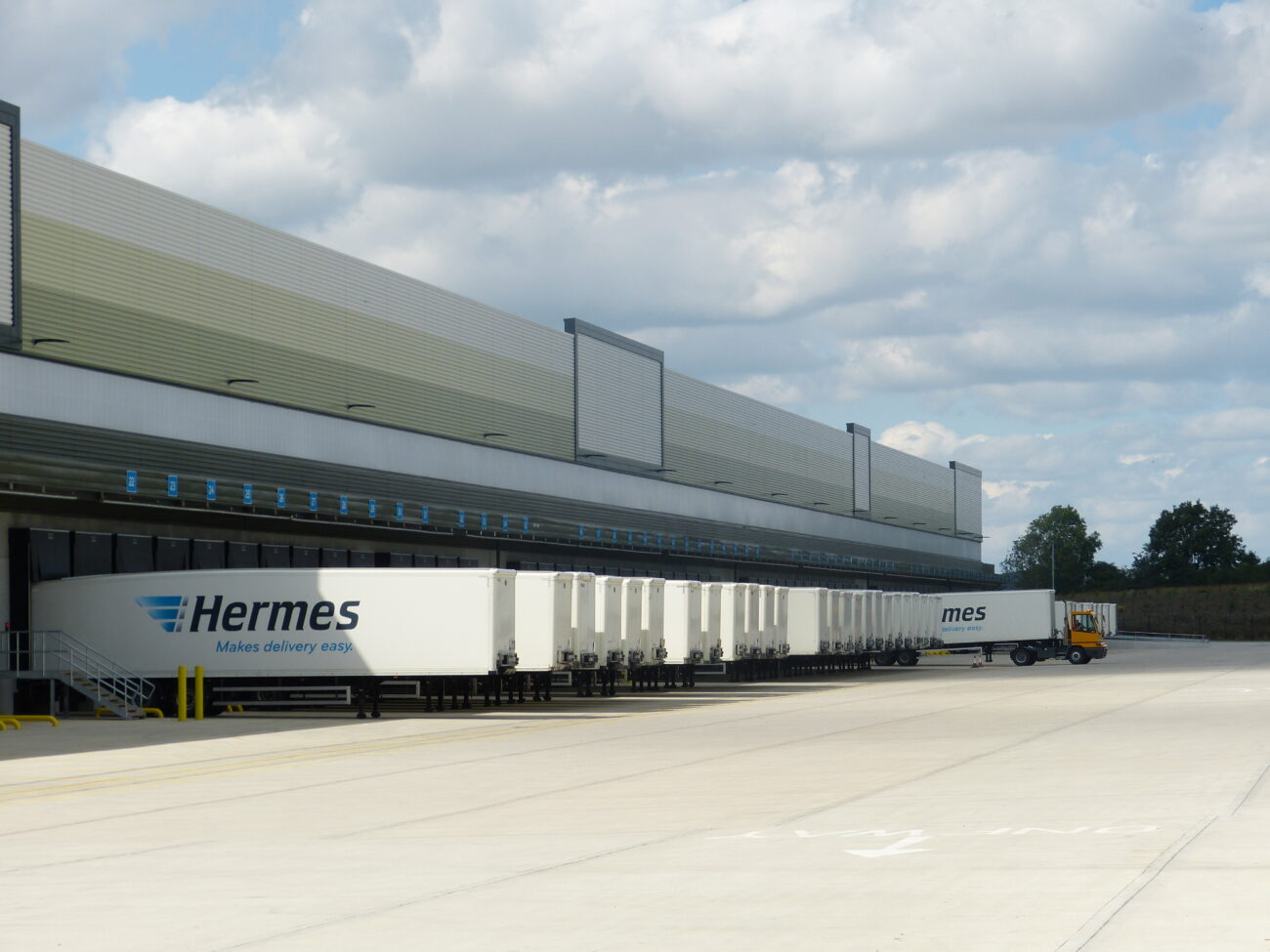
What happens next is familiar to most operators. Trucks arrive early, late, or in clusters. Time slots are missed. Queues build at the gate. Yard teams react as best they can. The impact is measurable. Around 11% of loading and unloading activities are rescheduled every day due to missed or misaligned slots. Waiting times of 60 to 120 minutes are common in nearly half of warehouse operations, with a proportion exceeding two hours.

These delays do not stay within the yard. They ripple across the entire supply chain, and in a UK market where road freight carries vast amounts of domestic cargo every day, these inefficiencies scale quickly. Even small delays at the site level can have a disproportionate impact on network performance. These are not isolated incidents. They are repeated daily across sites and networks.

Control point, not a bottleneck

Addressing this does not require a complete overhaul of operations. Instead, it requires extending visibility and coordination into the yard itself. The starting point is earlier engagement. For example, instead of managing trucks only once they arrive, operations can begin hours or even days in advance.

Time slot booking is a key part of this. Giving carriers the ability to reserve slots creates a more predictable flow of arrivals. However, booking alone is not enough. The real value comes when slot management is combined with real-time visibility. With accurate ETAs, teams can see early/late/on-time arrivals before they reach the gate — and proactively reassign docks, prioritise urgent loads, and fill gaps when delays occur.

It also changes how warehouses and carriers work together as decisions become faster and more consistent. Carriers can plan their next jobs based on expected departure times rather than estimates, improving utilisation across the network.
Friction at the gate

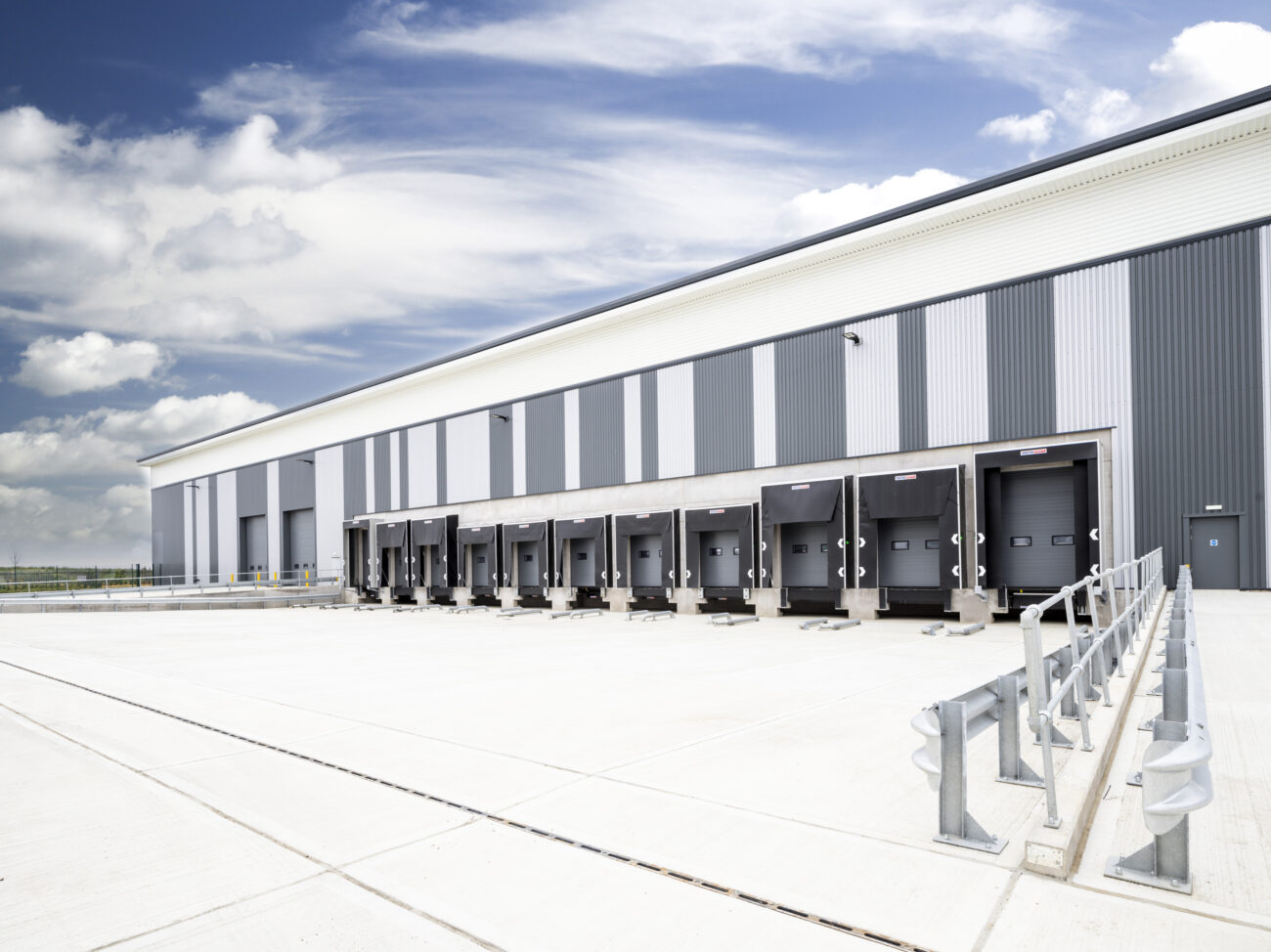
A site’s point of entry is often done manually and can be very time-consuming and prone to miscommunication. This is particularly true for the likes of international operations where language barriers are common. This is where digitalisation comes into its own as a practical solution. By connecting with drivers via mobile devices, registrations and safety checklists can be completed in advance.

Pre-registration allows drivers to submit details before arrival, including shipment data and compliance checks. On-site, automated licence plate recognition can validate entry and based on appointment and shipment details, direct drivers straight to the correct dock. The result is a faster and more predictable flow through the yard, with less congestion and reduced administrative workload — even when exceptions occur, such as unscheduled arrivals.

Paperless processes reinforce this further. Digital transport documents provide instant confirmation of what has been loaded or delivered which helps to reduce delays in invoicing and dispute resolution while improving transparency for all parties involved. But digitising the gate is only the start. The bigger win comes when every step in the yard is tracked through real-time milestones — from arrival and check-in, to dock assignment, loading start/end, and departure. This enables proactive decisions before delays cascade across the network.

For many organisations, the yard represents one of the quickest opportunities to improve operational performance. Digital check-in can reduce waiting times significantly. Time slot management lowers detention costs. Better coordination improves labour efficiency and asset utilisation.

Beyond cost savings, there is a broader operational benefit. A well-managed yard strengthens reliability across the entire supply chain, improving service levels and reducing the need for last-minute interventions. Those who act now not only improve efficiency and reduce costs, but also build a future-proof, transparent and competitive logistics operation – transforming the yard from a bottleneck into a connected control point that links warehouse ‘walls’ to trucks ‘on wheels.’

Explaining the AI Advantage

Why are transparency, integration and trust becoming decisive in logistics technology? Peter MacLeod speaks to an expert.

At this year’s LogiMAT, if there was a theme that cut through the noise more clearly than most, it would be speed. Not just speed of operations, but speed of deployment, speed of innovation, and ultimately The Big One: speed of return on investment. For Inform Software, that discussion increasingly leads to a broader question: how can logistics organisations adopt more intelligent systems without losing transparency, control or trust?

Speaking to me on the busy show floor in Stuttgart, Inform’s SVP Inventory & Supply Chain, Dr. Bernd Heinrichs outlined how the company sees artificial intelligence developing in supply chain and intralogistics environments.

Extending the Optimisation Layer

Inform has long been associated with optimisation in complex, data-driven environments. But as markets become more volatile, optimisation systems are being asked to react faster, incorporate more signals and support more dynamic decision-making.

That shift is particularly relevant in environments where decisions are interdependent. A change in demand planning may affect inventory, transport capacity, labour allocation or service levels. A recommendation made in one part of the operation can create consequences elsewhere, which makes transparency essential for day-to-day use.

For Heinrichs, this is where AI in logistics must prove its practical value. “I don’t talk about AI. I talk about explainable AI,” he says. “Everything we do, everything we propose, has an explanation. Otherwise, people don’t trust it.”

Trust as a Practical Requirement

In conversations with customers across different industries, he says the same question comes up repeatedly: “Why did the system pick that option and not another one?”

The question matters because logistics decisions are rarely made by technology alone. They involve planners, managers, operations teams and, in many cases, customers or external partners. If these stakeholders cannot follow the reasoning behind an AI-supported recommendation, they are less likely to act on it.

For Heinrichs, this could become a meaningful point of differentiation for European technology providers. “We can build AI as good as anyone, but we can add something different,” he says. “It should not be a black box.”

As companies look to embed AI applications into established business processes, that difference becomes increasingly important. Systems need to be technically strong, but they also need to be understandable enough for users to challenge, validate and improve them over time.

Managing Less Predictable Environments

Operational environments are becoming harder to plan with historical data alone. Demand patterns shift, external factors intervene and market conditions can change quickly, often before those changes are clearly visible in the numbers. “You need to gather real-time data and not rely on historical data alone,” he says. “You have to react to volatility and integrate signals from different sources into your decisions.”

This marks a shift from more static optimisation models towards responsive systems that continuously take new information into account. “It is getting more dynamic,” he adds. “The next step is making it more agentic – reacting on its own to changes in the environment.”

From News to Forecast

One example Inform presented for the first time at LogiMAT is a new AI-based approach designed to bring external events directly into forecasting and scenario planning. The starting point, Heinrichs says, was a simple question: why do forecast models so often ignore what is happening in the world around them?

“If you run a classical forecast today, it is based on historical figures,” he explains. “But in reality, demand is constantly influenced by events such as geopolitical conflicts, supply chain disruption, new regulation or market trends. This information exists, but usually as news, not as numbers.”

The new solution is designed to close that gap. Users provide a time series, such as sales figures or a market indicator, and briefly describe the context. The AI then researches relevant news events, analyses historical relationships and generates several possible future scenarios. The result is a forecast accompanied by an evidence-based explanation of why a market may develop in different directions.

Human in the Loop

For Heinrichs (pictured, below), the discussion about AI also leads directly to the role of human expertise. AI can identify patterns, process large volumes of information and produce scenarios at speed. But its value increases when people can add the experience, context and judgement that data alone cannot provide.

“AI is only as good as the data it works with and the people who are able to give that data meaning,” he says. “That is why the human remains an essential part of the loop.”

In practice, that means planners and decision-makers are not removed from the process. They remain central to it. Their role is to validate scenarios, question assumptions and refine outputs based on operational knowledge or market intuition.

“If people understand why the system recommends something, they can decide whether to trust it, question it or improve it,” Heinrichs explains. “That is where collaboration between human judgement and machine intelligence becomes really powerful.”

Integration and Interoperability

Another consistent theme in customer discussions is integration. As logistics operations become more interconnected, the ability to link AI-driven applications with existing systems is becoming essential. “We always get the question: how do I integrate with my ERP system, my other solutions?” Heinrichs tells me. Inform’s response has been to standardise connectors and align with major platforms such as SAP and Microsoft. The result is a more straightforward integration path, reducing both cost and implementation time.

“It makes a big difference,” he adds. “And it also makes it easier for us to expand internationally.”
This is a crucial point in the adoption of AI. Even the most advanced application will struggle to create value if it sits apart from the systems where business processes are actually managed. Logistics companies already operate with established IT landscapes, and new solutions must fit into those environments without creating additional complexity.

Data Responsibility

With increased connectivity and data usage comes heightened scrutiny around security. Heinrichs’ background in cybersecurity informs a strong stance on this issue. “Every product has to have a security stamp before it goes out,” he says. “It is mandatory.”

As AI models draw on wider data sources – including external feeds such as news and market information – the complexity of managing and securing that data grows. “The amount of data we are tapping into creates a huge demand in terms of data security,” Heinrichs notes. “You have to stay on top of it.”

A Market Ready to Move

Perhaps most striking is Heinrichs’ assessment of market sentiment. Rather than caution, he sees a growing appetite for experimentation and rapid progress.

“Customers are asking us to come with ideas,” he says. “They are willing to win fast, fail fast.” That openness creates fertile ground for intelligent solutions that can deliver tangible improvements without the inertia of large-scale transformation projects.

For many companies, the next phase of digitalisation will not be defined by AI alone. It will be defined by AI that explains itself, connects cleanly with existing systems and supports decisions that people can trust.

The Rise of Hybrid WMS: Rethinking Warehouse Technology

Join Peter MacLeod in an engaging conversation with Smitha Raphael from Synergy as they delve into the often-overlooked vulnerabilities of relying solely on cloud-based Warehouse Management Systems (WMS). This episode reveals how hybrid WMS architectures, which blend on-site edge devices with cloud replication, provide a crucial safety net against outages and cyberattacks.

Smitha shares compelling real-world stories and practical insights on minimizing downtime costs, which can soar beyond $25,000 per hour. As warehouse automation accelerates, resilience is no longer optional—it’s essential. Discover how hybrid solutions can safeguard your operations and ensure continuity in the face of disruptions.

Explore the future of warehouse technology with us and learn how to keep your operations robust and future-proof. This episode is packed with valuable information for anyone looking to enhance their logistics strategy.

Listen to the episode below

Subscribe

Get notified about New Episodes of our Podcast, New Magazine Issues and stay updated with our Weekly Newsletter.