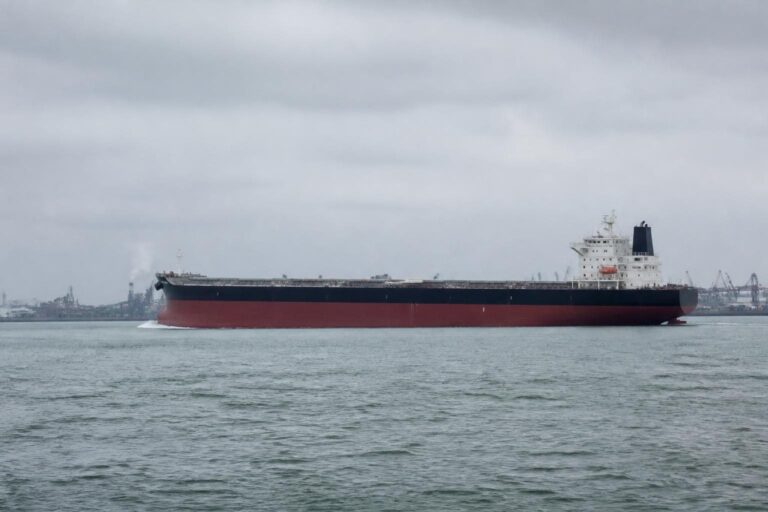
Visible LNG tanker transits through the Strait of Hormuz have increased over the past week, with several Qatar-linked vessels emerging from the waterway despite the continuing US-Iran conflict.
No visible transits by Qatar-linked LNG carriers, or vessels carrying cargoes from Qatar’s Ras Laffan terminal, were recorded in August. Movements have since resumed, although some vessels may have made undetected passages after switching off their Automatic Identification System (AIS) transponders.
GasLog Skagen was reported outside the strait off Sri Lanka on 27 September with a Ras Laffan cargo, after operating inside the Gulf on voyages from Qatar to the United Arab Emirates and Kuwait. Al Shamal also reappeared outside the waterway after carrying a Qatar-origin cargo, while Mesaimeer and Al Ghashamiya were reported to have left the Gulf with Ras Laffan cargoes.
Other vessels, including Al Samriya, Al Daayen and Shandong Redwood, have also been observed outside the strait or completing voyages to destinations in Asia. At least one Qatar-linked LNG carrier, Al Mafyar, was reported to have re-entered the waterway in ballast last week.
Supply-chain implications
The movements do not indicate that the route has returned to normal. Vessel tracking remains incomplete because of dark transits, while operators continue to face the risk of attack and disruption in one of the world’s most important energy corridors.
For European energy buyers, shipping lines, terminal operators and freight planners, the situation adds uncertainty to LNG availability, voyage timing, insurance and contingency planning. Any sustained reduction in traffic could lengthen supply routes, increase freight and security costs, and intensify competition for alternative cargoes.
The latest activity suggests that some LNG shipments are moving again, but the reliability of the corridor remains difficult to assess while conflict continues and AIS visibility is inconsistent.
Source: marinelink.com.