Transport and warehouse operations are increasingly connected through TMS, WMS and real-time visibility. Yet between these two environments sits a critical gap: the yard. The yard is still logistics’ biggest blind spot, writes Gerry Daalhuisen (pictured, below), Senior Director of Dock & Yard / Fleet Products at Trimble.
Despite being the point where road and warehouse operations meet, the yard remains one of the least digitised parts of the supply chain. In many operations, it still runs on phone calls, spreadsheets and paper-based processes. The result is a disconnect between disparate systems that otherwise perform at a high level, and a steady accumulation of inefficiencies that are often underestimated.
In other words: while both transport and warehousing operations become increasingly data-driven, the yard still behaves like an information black hole, where plans turn into guesswork. Better visibility and coordination can unlock significant operational gains for operators.

Gap between systems
The challenge is not simply that yard processes are manual. It is that they sit outside the digital flow of information. Transport teams know when a truck is dispatched. Warehouse teams know what needs to be loaded or unloaded. But without a connected yard, that information doesn’t travel with the vehicle – so decisions are still made with incomplete or outdated data.
However, the real issue isn’t only manual work. It’s the lack of a shared, real-time operational picture across transport, the gate, and the dock.
This disconnect is widely recognised in practice. Even in highly developed logistics markets, fewer than 12% of companies use advanced data analytics for processing satellite or location data from vehicles and portable devices. The result is uncertainty the moment a truck approaches a site: What is arriving? When exactly will it get there? Which dock is available? In many cases, the answers only become clear once the vehicle is already at the gate. By then, the opportunity to optimise has already passed.
Cost of poor visibility
What happens next is familiar to most operators. Trucks arrive early, late, or in clusters. Time slots are missed. Queues build at the gate. Yard teams react as best they can. The impact is measurable. Around 11% of loading and unloading activities are rescheduled every day due to missed or misaligned slots. Waiting times of 60 to 120 minutes are common in nearly half of warehouse operations, with a proportion exceeding two hours.
These delays do not stay within the yard. They ripple across the entire supply chain, and in a UK market where road freight carries vast amounts of domestic cargo every day, these inefficiencies scale quickly. Even small delays at the site level can have a disproportionate impact on network performance. These are not isolated incidents. They are repeated daily across sites and networks.
Control point, not a bottleneck
Addressing this does not require a complete overhaul of operations. Instead, it requires extending visibility and coordination into the yard itself. The starting point is earlier engagement. For example, instead of managing trucks only once they arrive, operations can begin hours or even days in advance.
Time slot booking is a key part of this. Giving carriers the ability to reserve slots creates a more predictable flow of arrivals. However, booking alone is not enough. The real value comes when slot management is combined with real-time visibility. With accurate ETAs, teams can see early/late/on-time arrivals before they reach the gate — and proactively reassign docks, prioritise urgent loads, and fill gaps when delays occur.
It also changes how warehouses and carriers work together as decisions become faster and more consistent. Carriers can plan their next jobs based on expected departure times rather than estimates, improving utilisation across the network.
Friction at the gate
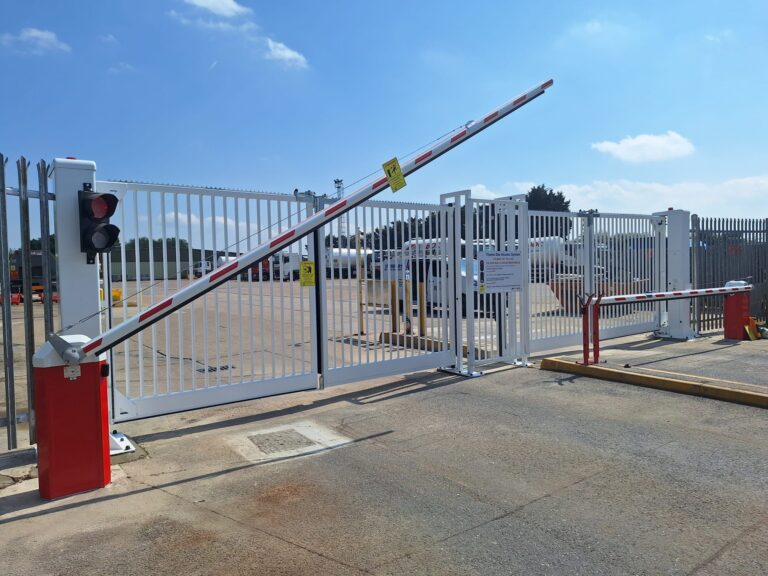
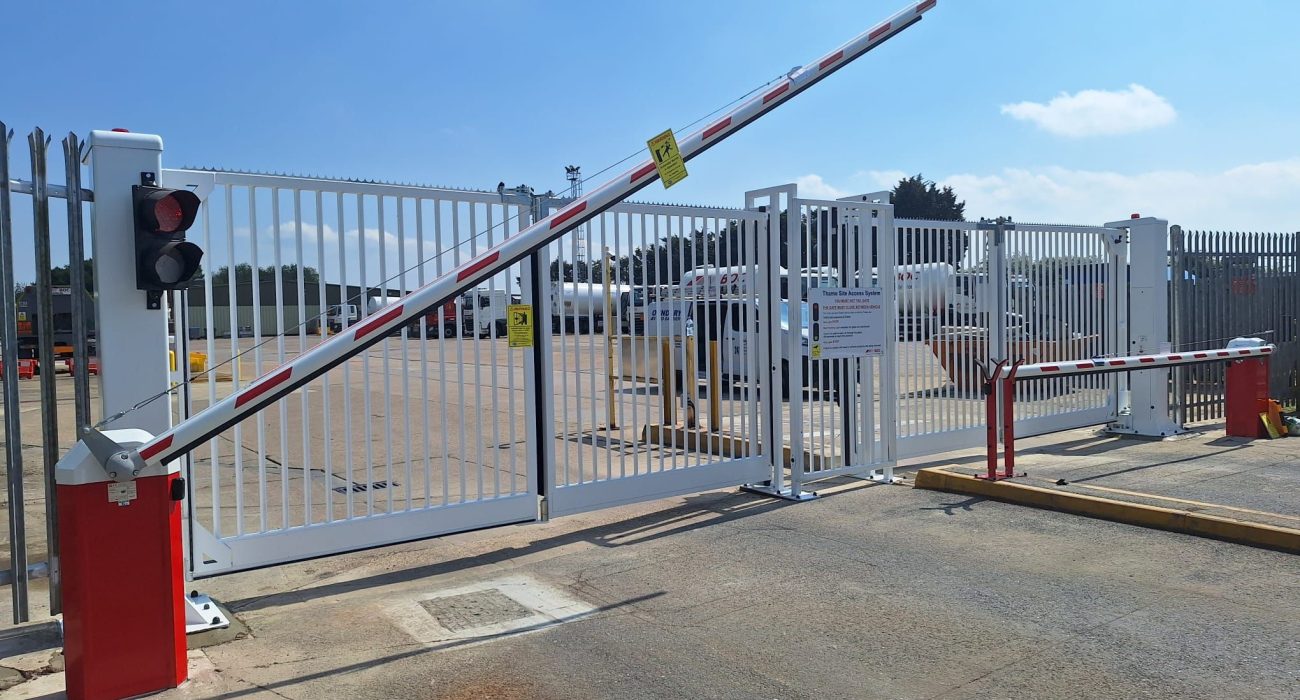
A site’s point of entry is often done manually and can be very time-consuming and prone to miscommunication. This is particularly true for the likes of international operations where language barriers are common. This is where digitalisation comes into its own as a practical solution. By connecting with drivers via mobile devices, registrations and safety checklists can be completed in advance.
Pre-registration allows drivers to submit details before arrival, including shipment data and compliance checks. On-site, automated licence plate recognition can validate entry and based on appointment and shipment details, direct drivers straight to the correct dock. The result is a faster and more predictable flow through the yard, with less congestion and reduced administrative workload — even when exceptions occur, such as unscheduled arrivals.
Paperless processes reinforce this further. Digital transport documents provide instant confirmation of what has been loaded or delivered which helps to reduce delays in invoicing and dispute resolution while improving transparency for all parties involved. But digitising the gate is only the start. The bigger win comes when every step in the yard is tracked through real-time milestones — from arrival and check-in, to dock assignment, loading start/end, and departure. This enables proactive decisions before delays cascade across the network.
For many organisations, the yard represents one of the quickest opportunities to improve operational performance. Digital check-in can reduce waiting times significantly. Time slot management lowers detention costs. Better coordination improves labour efficiency and asset utilisation.
Beyond cost savings, there is a broader operational benefit. A well-managed yard strengthens reliability across the entire supply chain, improving service levels and reducing the need for last-minute interventions. Those who act now not only improve efficiency and reduce costs, but also build a future-proof, transparent and competitive logistics operation – transforming the yard from a bottleneck into a connected control point that links warehouse ‘walls’ to trucks ‘on wheels.’