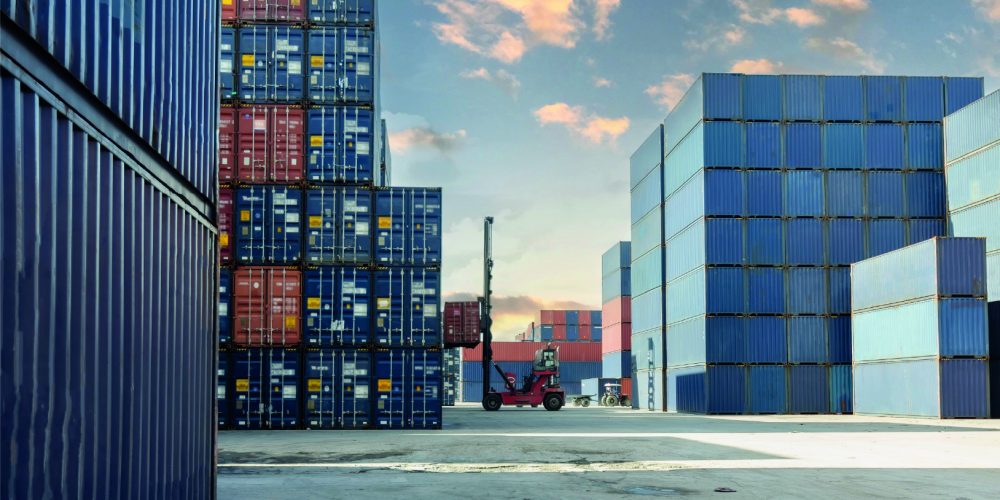
Customs is shifting from back-office function to commercial weapon for freight forwarders across Europe. Logistics Business spoke to one expert, about what’s driving the change.
The customs conversation among European freight forwarders and logistics service providers has changed. Björn Höglund, Sales Director at Gaston Schul, sees it across the company’s European footprint every week.
“The forwarders I speak with are split into two groups,” he tells me. “One group is focused on managing customs better – consolidating brokers, improving consistency, reducing errors. The other group is asking a different question altogether: what can customs actually deliver for our business?”
Customs Is No Longer Just Declarations
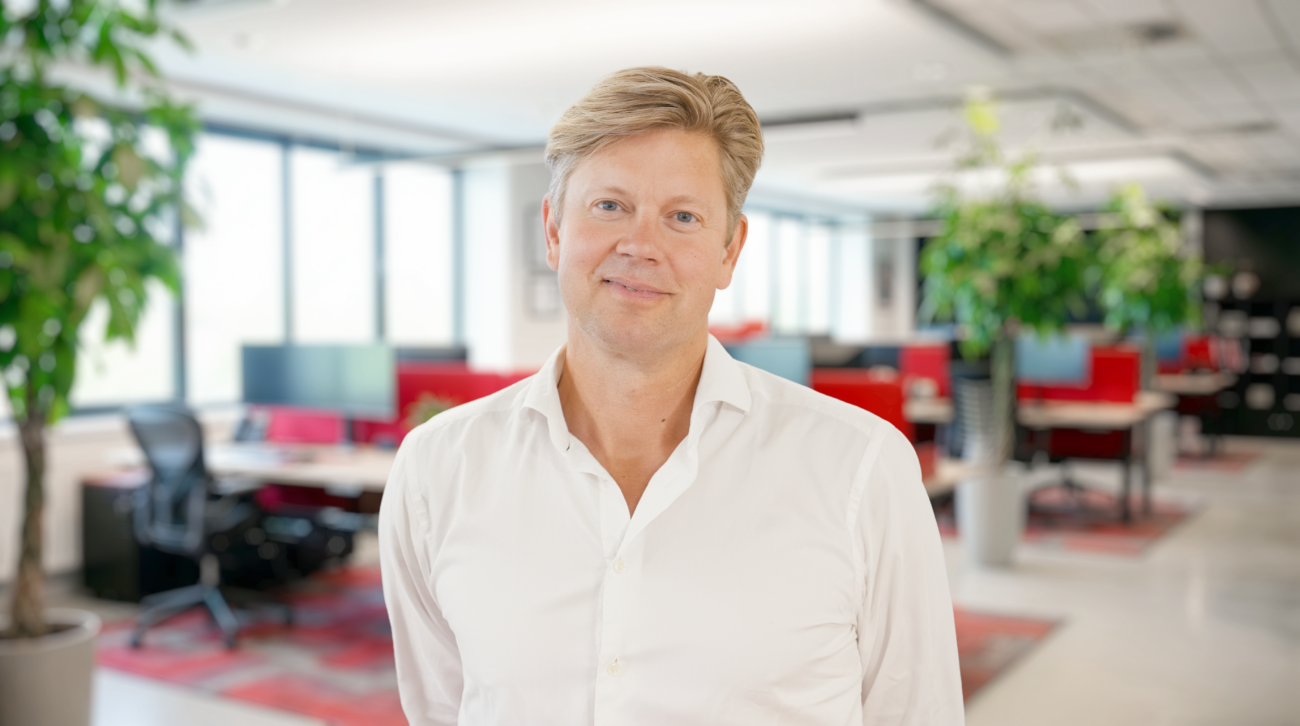
For Höglund (pictured, below), the answer is straightforward. Duty and VAT savings, trade insights, compliance advisory – these are services a forwarder can monetise. Not as a side project, but as a structured part of their commercial offering.
“The forwarders we work with who are doing this well aren’t just winning on service,” he says. “They’re building new income from capabilities they didn’t previously offer. They walk into tenders with a clear compliance picture for the customer’s specific trade lanes, flag regulatory gaps their customers didn’t know existed, and show data insights their customers can report internally. It sets them apart from the competition – and makes them far harder to replace at renewal.”
For the forwarders ready to go further, Höglund points to performance-based arrangements. “Outcomes tied to agreed targets – measurable savings, measurable results. Not just activity. That changes the conversation from ‘what do you charge for customs?’ to ‘what value does your customs arrangement deliver?'”
Who You Partner With Changes Everything
The question that follows is how forwarders access that capability. Building in-house has appeal, but Höglund is candid: customs expertise across multiple European jurisdictions takes years to develop and cannot be hired quickly or trained from a manual.
He draws a sharp line between a supplier and a partner. “A supplier processes your declarations. A partner sits alongside your business, shares your targets, and invests in understanding your customers as well as you do. A sustainable model that evolves with you – not one that resets with every contract renewal.”
But who that partner is matters as much as what they do. The customs brokerage market has consolidated significantly. Brokers are being absorbed into logistics groups. Operations are being centralised offshore.
“We’re going the other direction,” Höglund says. “Privately owned. Not positioning for a sale. Not optimising for a private equity exit. Every investment we make goes into local expertise and enhanced technologies to remain the leading-edge partner in customs and trade. When something doesn’t go as planned at the border, you’re speaking to someone in-country who knows the local authority and can act. That’s a very different model from a shared service centre.”

For Höglund, choosing the right partner is the decision that determines whether any of the value he describes is actually achievable. “Can you trust your broker with your reputation? What can they actually deliver? Can their performance be measured? Can you show your customers identified savings they can report upwards? If not, that’s the gap. And that level of trust and partnership is exactly what we’ve built within Gaston Schul to deliver.”
How the Value Is Actually Delivered
When asked how the savings and insights described are delivered, Höglund points to a combination that he sees too many forwarders underestimating.
“Standardised customs processes create clean, consistent and auditable data across Europe,” he explains. “Integrated technology and AI enrich that data – spotting errors, identifying duty and VAT savings, flagging FTA opportunities, helping optimise spend and reduce risk. But it still takes genuine customs expertise to interpret it and turn it into something a forwarder can take to their customer.”
At Gaston Schul, this thinking is formalised into what the company calls its lean customs principles – standardise processes, digitalise workflows, create visibility, generate intelligence. Höglund sees the elements as inseparable.
“Standardisation without technology is slow. Technology without clean data is unreliable. Both, without expertise is just noise. The forwarders connecting all three are the ones delivering savings, compliance insight and trade intelligence that their customers can actually see and measure.”
Where This Is Heading
The forwarders choosing Gaston Schul today are not simply buying customs services. They are building partnerships that create measurable value, strengthen their position in tenders, and deliver a level of commercial advantage that is increasingly difficult to replicate.
As Höglund puts it: “The forwarders who still see customs as a back-office cost are exposing themselves to growing risk. They are making it easier for competitors to move ahead. This market is evolving, and expectations are changing. Customers want more than declarations. The forwarders who recognise that shift are already having stronger, more strategic conversations with their customers and with us. Those who do not will see the gap widen, quarter after quarter.”
In a market defined by complexity, regulation, and constant change, standing still is not a neutral position. It is a decision to fall behind. The opportunity now is to rethink customs not as a cost to manage, but as a lever for growth, control, and long-term partnership.