Origin Risk Resurfaces as Supply Chains Shift

Oritain, experts in forensic origin verification, has announced the release of its inaugural Global Supply Chain Intelligence Report. Drawing on multiple global datasets, the report reflects a critical inflection point for global trade: as regulatory scrutiny, economic pressure and consumer scepticism intensify, visibility alone is no longer enough to operate with confidence.

The findings point not to a single-issue risk spike, but to a wider structural gap between supply chain documentation and supply chain truth, with implications for markets, consumers, investors and regulators alike. Using cotton as a spotlight commodity to examine how one of the world’s most traded materials moves under overlapping regulatory, trade and cost pressures, the report shows that after three years of steady progress, exposure to cotton prohibited by legislation has surged back to pre 2021 levels.

The report draws on a multi-year forensic sampling programme analysing approximately 1,000 garments across 40 brands annually, alongside large-scale consumer research, industry professional and supplier intelligence spanning key global manufacturing hubs. While nearly 94% of UK companies and 87% of US companies surveyed now trace their cotton supply chains, Oritain’s Market Insights data shows that 90% of brands analysed in 2025 recorded at least one risk consistent result, up sharply from 64% the previous year. The data suggests that while transparency initiatives have scaled, assurance has not kept pace.

The “Verification Gap”

Oritain’s Global Supply Chain Intelligence Report highlights a fundamental shift facing corporate leadership: while traceability demonstrates intent and process, only verification provides a defensible source of truth in an increasingly enforcement-led environment. As supply chains evolve and sourcing strategies adjust under economic and geopolitical pressure, periodic assurance models are proving insufficient.

“The data tells a clear story: risk isn’t disappearing, it is re-emerging,” said Alyn Franklin, CEO at Oritain.
“As brands pivot manufacturing regions they’re finding that upstream material exposure hasn’t gone away – it is increasingly appearing in other key manufacturing hubs. Without independent verification, that risk travels quietly through complex trade routes and only surfaces at the end of the supply chain, when goods are stopped, costs escalate and production timelines are already missed.”

Key Insights from the 2026 Global Supply Chain Intelligence Report:

• Risk Re-emergence: As sourcing patterns shift under tariff, trade and policy pressure, global manufacturing capacity is expanding faster than internal controls and traditional compliance models can adapt.
• Systemic Exposure: With 90% of brands analysed impacted by exposure to prohibited cotton, exposure is no longer an isolated issue. It reflects a system wide challenge requiring a programmatic, scientific approach rather than ad hoc checks or reliance purely on paper trails
• The Trust Deficit: Consumer scepticism is at record levels. 60% of consumers actively avoid products linked to untrustworthy origins, while only 3% trust marketing claims. Instead, trust is anchored in credible, independent evidence, with government regulation (27%) and scientific traceability to origin (23%) sitting at the top of the hierarchy of consumer trust.
• Transparency expectations are rising across materials: focussing on leather alone, 69% of consumers support mandatory ethical sourcing proof, reinforcing the need for the inclusion of leather within the EUDR scope.
• The Cost of Failure: The consequences are no longer theoretical. 80% of UK brands and 37% of US brands surveyed have already experienced material impact, including border delays, financial penalties, disrupted production cycles and lost commercial relationships.

Standard for Global Intelligence

The report demonstrates that reliance on declarations alone is no longer sufficient to support market access, investor confidence or brand resilience. The future of resilient supply chains lies in programmatic forensic verification: a continuous, independent and repeatable model that enables proactive management rather than late-stage remediation. By operating as a connected network, spanning brands, suppliers and regulators, this approach allows businesses to detect issues earlier, substantiate claims credibly and navigate complexity with confidence.

“As regulatory and economic pressures intensify, visibility without verification no longer holds,” said Alyn.
“What matters now is evidence that stands up. Oritain’s role is to provide the science, intelligence and networked approach that allows organisations to move from reactive compliance to proactive supply chain management – building trust that is measurable, defensible and scalable over time.”
Condition Monitoring for Project Cargo

Tight schedules, extreme conditions, and geopolitical conflicts make global heavyweight transport a major challenge. If damage is only detected upon arrival or during commissioning of the components, it can lead to significant delays and costs when it comes to expensive project cargo.

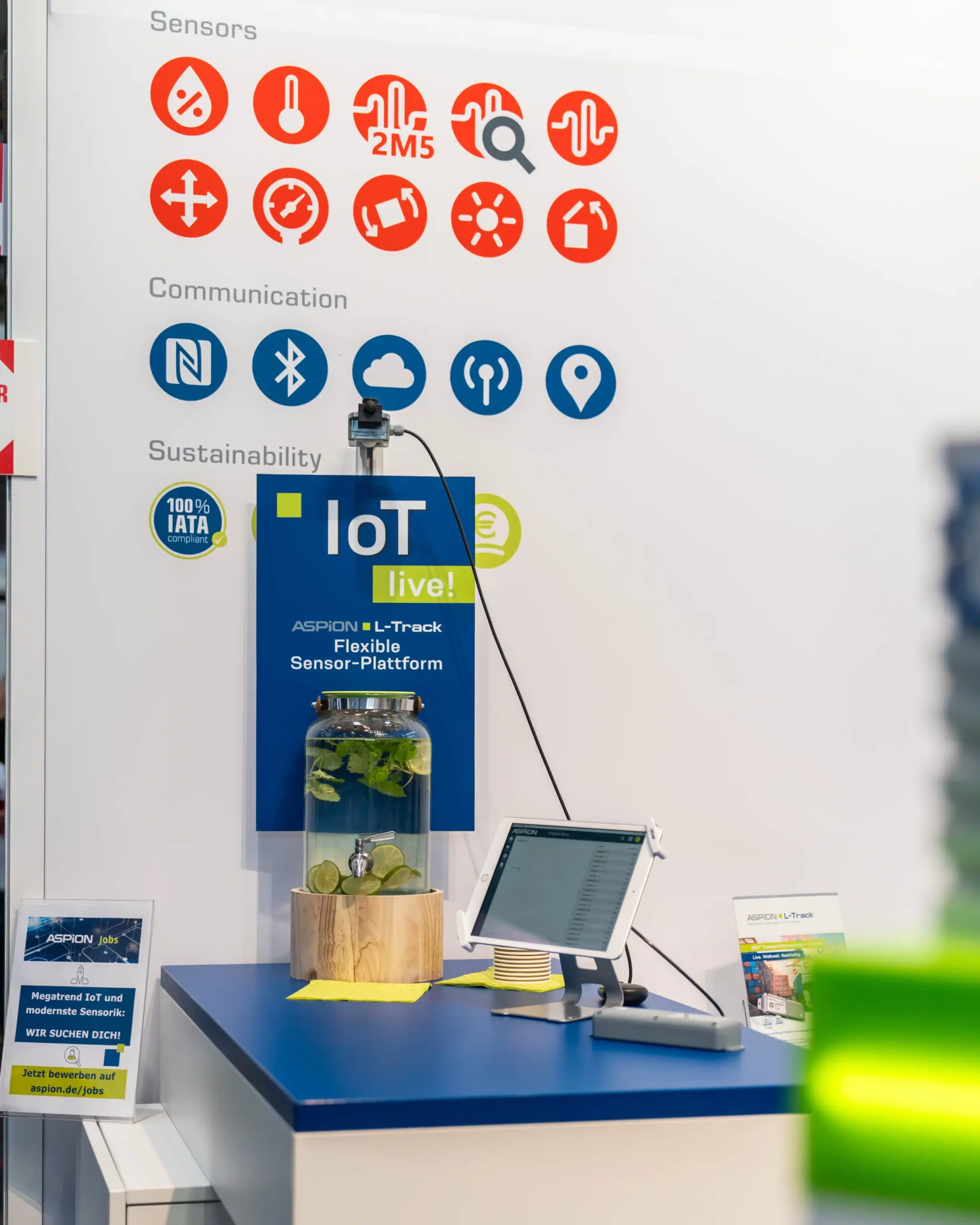
At Breakbulk Europe from June 16–18, 2026, in Hall 1, Booth 1J51, ASPION will demonstrate how innovative solutions enable companies to proactively ensure transparency and security in the global transport of critical freight. At the world’s largest trade fair for project cargo, the sensor specialist will demonstrate how seamless transport monitoring with 360° live tracking works reliably and will present all the new features of the innovative all-in-one solution ASPION L-Track.

Real-time monitoring for proactive risk management

The flexible ASPION L-Track adapts to a wide range of industrial requirements. The innovative, multi-award-winning complete solution – comprising a multi-sensor data logger and an IoT cloud platform – can monitor numerous environmental conditions and be customized to specific needs. With sensors for shock and vibration, climate, tilt, and light, the L-Track is particularly well-suited for monitoring high-value capital goods such as machinery, transformers, or turbines. Using live data, the current location and condition of the cargo can be tracked at any time and worldwide in approximately 160 countries. Thanks to comprehensive alert functions, the system notifies users if unforeseen events occur, enabling immediate intervention in the supply chain even during transport.

Precise data recording and conclusive proof of damage

All digital ASPION data loggers, such as the ASPION L-Track or the ASPION G-Log series, record shocks and impacts with date and time stamps and with millisecond resolution. In the event of damage, this detailed data allows for determining the cause and the party responsible and serves as conclusive evidence – not only for insurance purposes. For particularly heavy cargo, the measurement range of the ASPION L-Track can be individually adjusted for even higher levels of detail. During transport in accordance with standards, the ASPION G-Log 2 checks for impacts and vibrations in accordance with IEC 60721-3-2. This makes verifying compliance with transport conditions as easy as the simple and intuitive operation of the devices and software.

New features and attractive terms for getting started

The ASPION L-Track all-in-one system has been significantly expanded in its new Version 2, with enhancements in delivery management, reporting, and data visualization. Trade show visitors can experience all the new features live at Breakbulk in June in Hall 1 at Booth 1J51. Attractive starter packages are available directly from the manufacturer and through qualified ASPION partners, offering a cost-effective way to get started with digital transport monitoring.

Eastern Europe Logistics Firm Celebrates 30 Years

Whittle Eastern Europe Logistics Ltd is proud to celebrate its 30th anniversary this year, marking three decades of growth, resilience, and unwavering dedication to its core region: Eastern Europe.

Since its founding in 1996, paper atlases and fax machines have given way to advanced digital technologies, trade routes have shifted, and new international alliances have emerged. Through it all, the company has remained true to its identity as a specialist in Eastern European logistics.

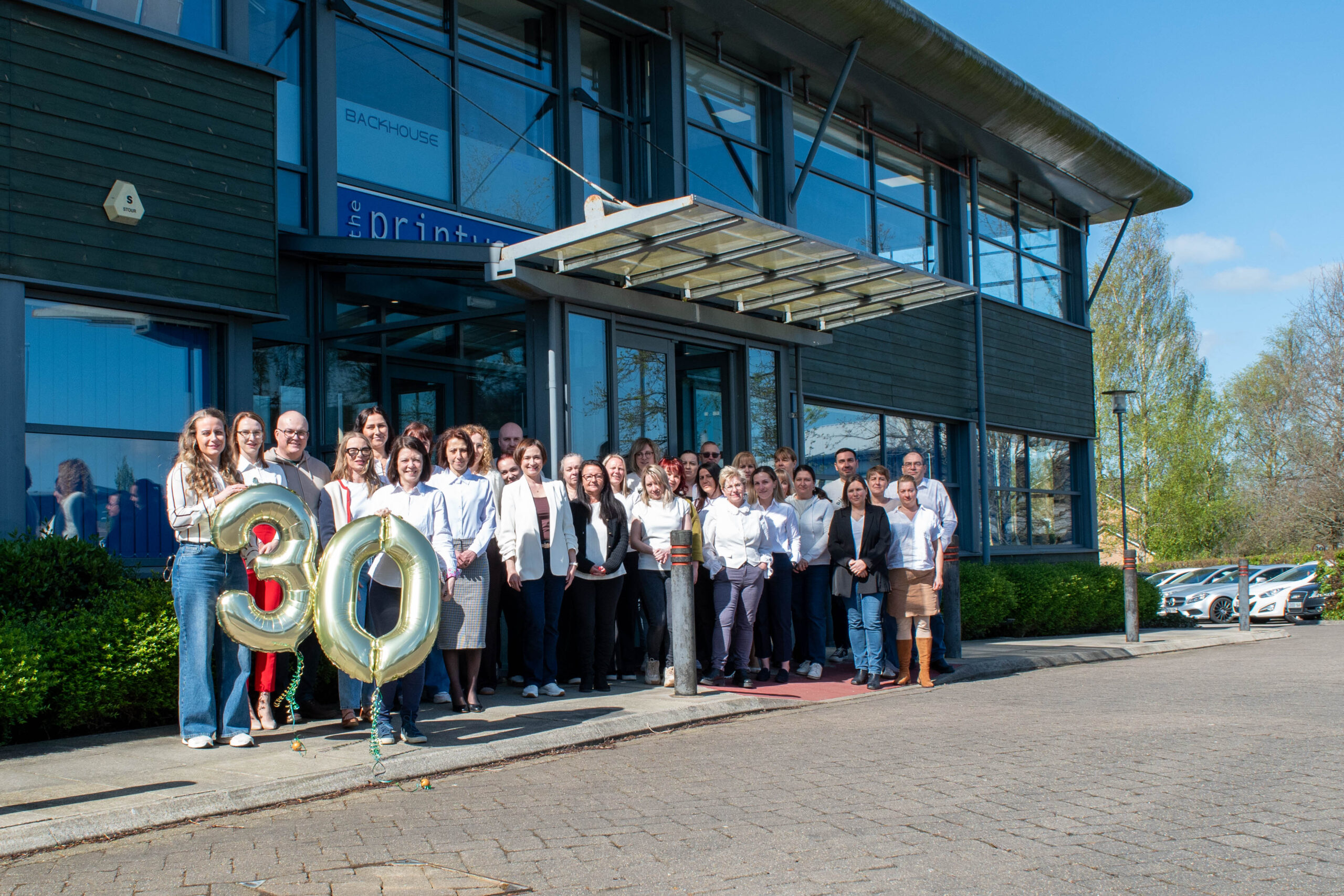
Managing Director Natasha Sabanovic (pictured with her team, above) told us:

“What began as a small team of five has grown into a thriving workforce of 40 professionals, the majority of whom have been with the company for over a decade. Today, we are a multilingual team speaking 24 languages, reflecting both our diversity and our deep connection to the region we serve.”

“Over time, the Whittles has become associated with reliable service to Eastern Europe and a trusted long-term partner for both local and multinational businesses across the UK and Europe. This 30-year milestone marks not only an achievement, but also an ongoing journey. We would like to thank everyone — our staff, customers and partners—who have been part of our story so far.”

Partnership for Vision-Language-Action Systems

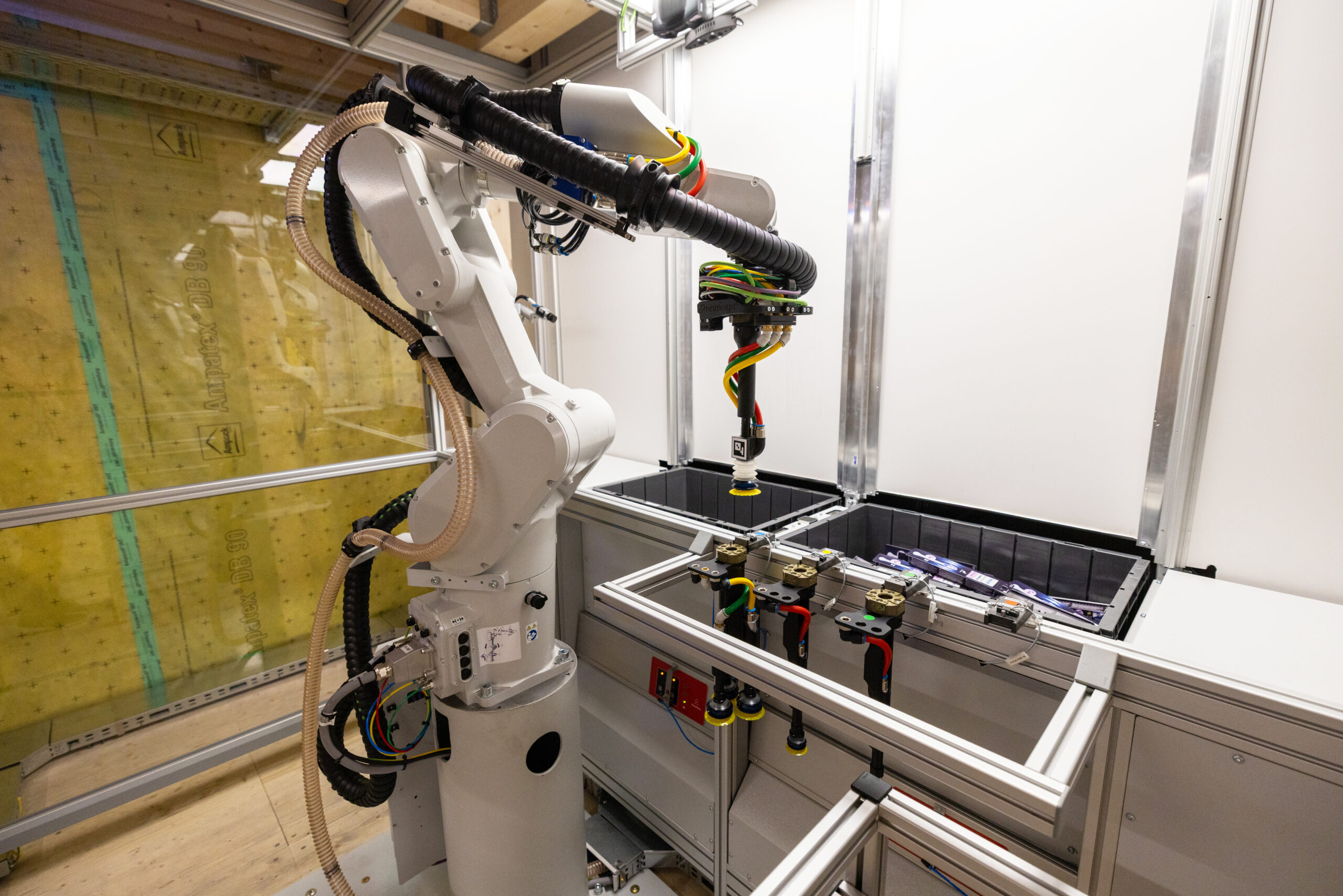
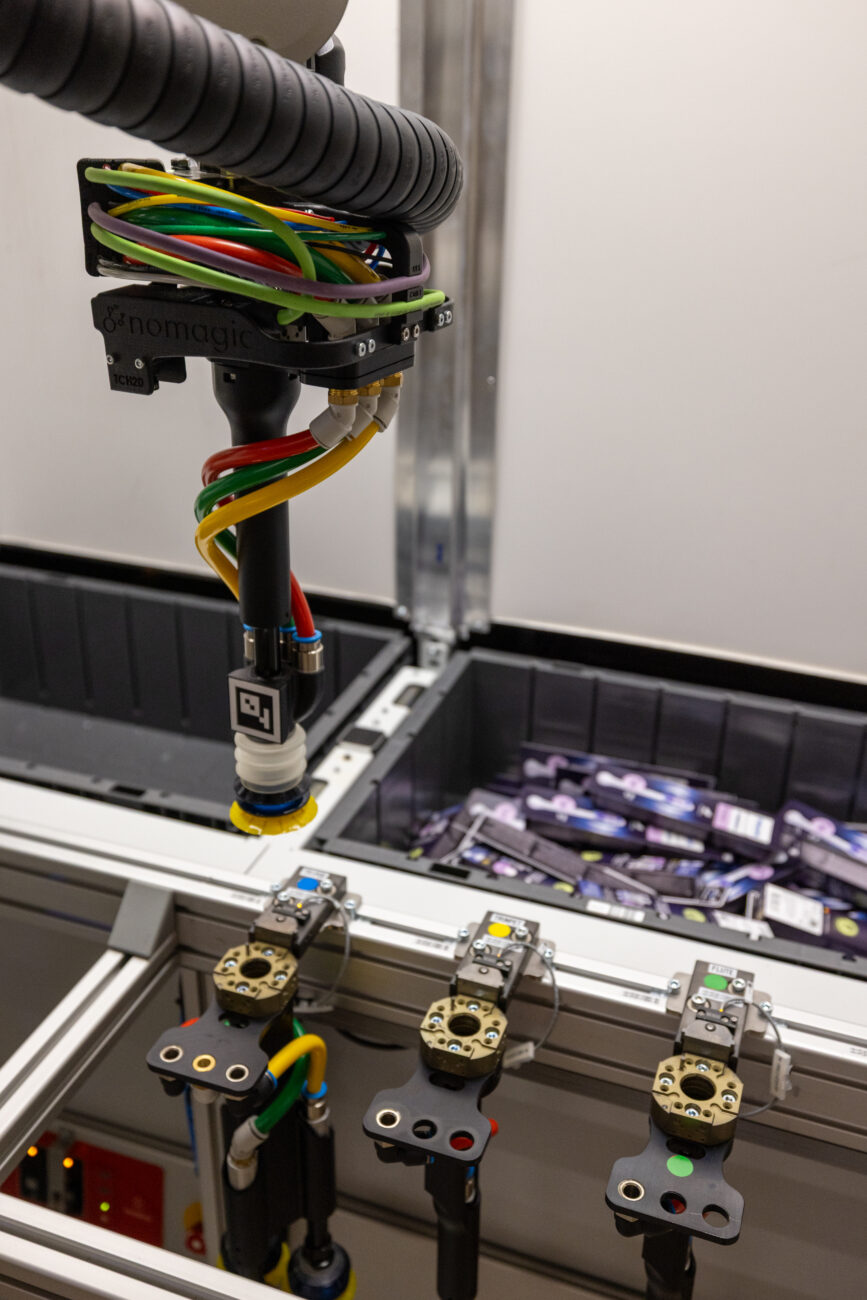
Nomagic, specialisits in applying advanced physical AI to warehouse automation, has announced a partnership expansion with Swiss online retailer, Brack.Alltron, to include Vision-Language-Action (VLA) systems in live warehouse operations, highlighting the growing need for this industry-transforming innovation.

Brack, the second-largest ecommerce platform in Switzerland, has been increasingly adopting Nomagic’s robotic solutions to automate key fulfillment processes, including order picking and packing. Expanding on its first deployments, the company is now scaling the use of advanced VLA capabilities to enable robots to better understand complex environments, adapt to changing inventory, and execute tasks with greater autonomy.

A defining feature of this collaboration has been the ability to extend operations beyond traditional working hours. Nomagic systems support autonomous warehouse activity during nights and weekends, including Sunday shifts, helping Brack reduce peak pressure and increase overall throughput.

“We have built a real partnership with Nomagic to integrate robotic picking into our operations, but the addition of VLA systems takes this to a new level,” said Roland Brack, Founder and Owner of Brack.Alltron.

“In the past, our goal was simply to minimize manual intervention. Today, we are seeing robots that truly understand their environment. This intelligence allows us to run autonomous shifts through nights and Sundays, ensuring we stay ahead of peak demand without increasing the pressure on our human workforce.”

“Brack is a strong example of how AI-driven robotics can deliver real, measurable impact in production,” said Kacper Nowicki, CEO of Nomagic. “By expanding the use of VLA models across a range of use cases, we are setting the stage for a new generation of automation technology in warehouses worldwide.”

The collaboration reflects Nomagic’s broader strategic focus on Switzerland as a hub for innovation and deployment. Close collaborations with partners like Brack, combined with ongoing research and development efforts in the region, including the company’s recent Chief Scientist hire from Google DeepMind, is accelerating the advancement of VLA systems and their adoption in real-world logistics environments.

Nomagic’s technology is built on a Physical AI platform that continuously learns from live operations, enabling robots to adapt to dynamic warehouse conditions and handle millions of product variations with minimal human intervention. As global supply chains face increasing complexity and labor challenges, the expansion of Nomagic’s systems at Brack signals a broader industry shift toward intelligent, always-on automation powered by advanced AI.

Subscribe

Get notified about New Episodes of our Podcast, New Magazine Issues and stay updated with our Weekly Newsletter.