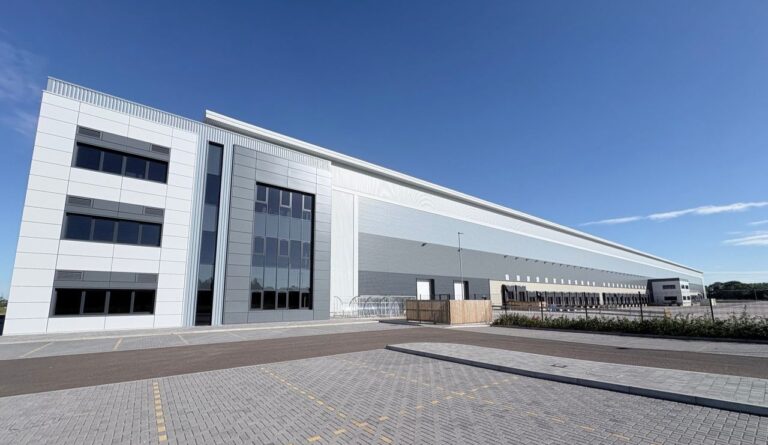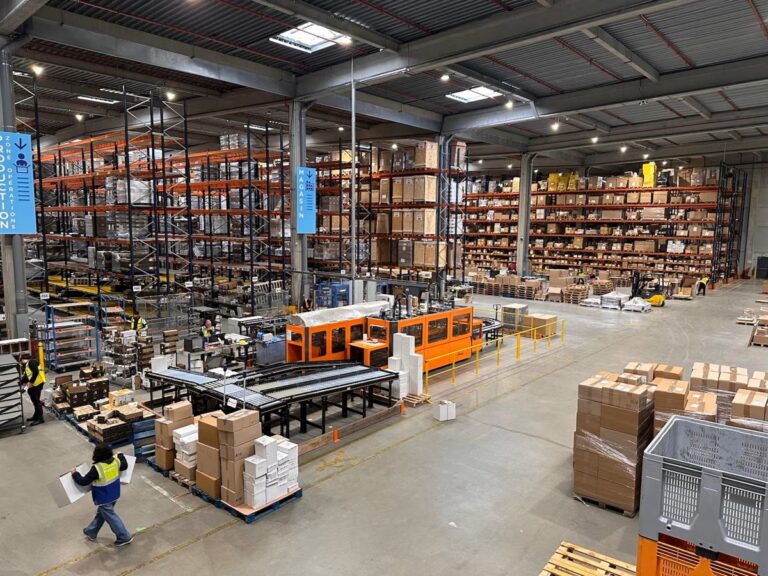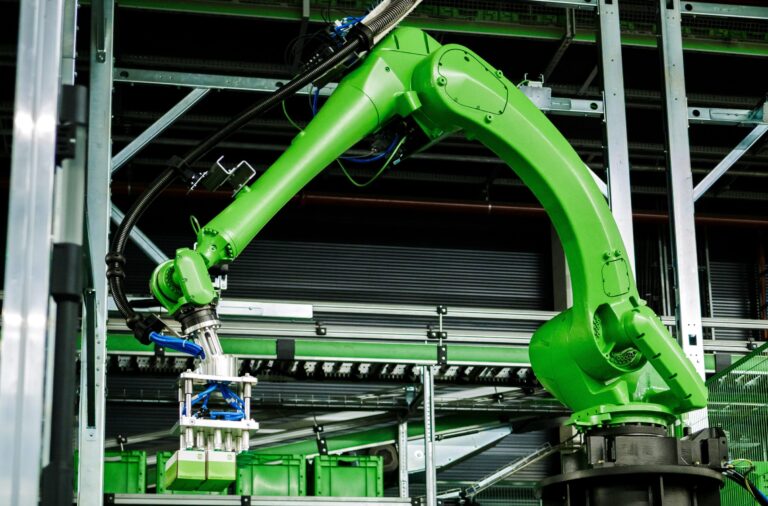

Industrial and logistics assets continue to anchor investor strategies across EMEA, with capital flowing into both established and emerging markets, according to Colliers’ 2026 Global Investor Outlook. The report shows that the sector remains one of the most sought-after asset classes, supported by resilient demand, infrastructure investment, and the ongoing evolution of supply chains.
Core markets such as Germany, the Netherlands, and the UK remain active, though high valuations and limited prime supply are prompting investors to look further afield. Central and Eastern Europe is gaining traction, with portfolio activity in Slovakia and Poland driven by favourable risk–return profiles and access to land.
“Frustrated capital in Western Europe is increasingly looking to Central and Eastern Europe,” said Edward Plumley, Director EMEA Capital Markets and Co-head of the Industrial & Logistics Practice Group. “Lower labour costs, cheaper rents and higher yields make these markets more attractive than previously thought for income driven investors.”
Faustino Musicco, Head of Logistics, Last Mile & Data Centres, Italy, and Co-head of the Industrial & Logistics Practice Group EMEA at Colliers, added:
We’re increasingly seeing investors deploy capital into logistics platforms and operating businesses, not just focusing on acquiring assets. This reflects a more strategic approach to achieving operational scale and long-term growth. In an evolving market, where supply chain resilience and infrastructure investment are critical, these strategies position investors to unlock value across both established and evolving markets.
E-commerce and infrastructure underpin demand
The sector continues to benefit from structural drivers, including the expansion of e-commerce, reshoring of manufacturing, and increased defence and infrastructure spending – NATO’s planned €50 billion annual investment could transform supply chains. These trends are supporting demand for both big-box warehousing and last-mile logistics, with cold storage and urban infill assets also gaining ground.
In markets such as the UK and Germany, supply constraints are driving yield compression and encouraging refurbishment and repositioning strategies. Meanwhile, investor appetite for platform joint ventures and M&A activity is growing, as capital seeks operational scale and flexibility.
Bespoke solutions emerge
Supply constraints in core European markets are tipping the balance in favour of landlords, with prime logistics space becoming increasingly scarce. In response, investors and developers are focusing on bespoke solutions and value-add strategies to meet evolving occupier requirements. These market dynamics are encouraging greater engagement in new developments and strategic partnerships, as businesses seek to secure operational resilience and long-term growth in a tightening market.
Challenges and considerations
Despite strong fundamentals, the sector is not without its pressures. Construction and operating costs remain elevated, and planning frameworks in some markets continue to slow development. Investors are responding by targeting existing assets and exploring conversions, particularly in urban areas where land is scarce.
Looking ahead
As 2026 begins, industrial and logistics is expected to remain a key pillar of EMEA real estate portfolios. Investors are adapting to market realities with more tactical, hands-on strategies, and are increasingly willing to explore new geographies and sub-sectors to unlock value.