
The September 2026 issue of Logistics Business is out now, bringing together our latest coverage of artificial intelligence, automation, supply chain resilience, sustainability and the technologies reshaping logistics operations. In this edition, we explore how these once-separate priorities are increasingly converging as businesses look for practical ways to improve efficiency, resilience and performance.
Artificial intelligence is a major theme throughout the issue, but we put the emphasis firmly on real-world applications rather than future promises. We examine AI in commercial transport, warehouse intelligence, compliance and decision-making, including our exclusive report from Motive’s Vision 26 conference in Nashville looking at how AI is already being used to improve fleet safety and reduce administrative workloads.
Against an increasingly unpredictable global backdrop, we also tackle supply chain resilience and disruption. We look at the impact of extreme weather on logistics operations, the changing demands of cross-border compliance, emerging fraud risks and the technologies helping businesses respond faster when disruption strikes.
In materials handling and intralogistics, we ask where warehouse automation goes next. From humanoid robotics and Physical AI to robotic sorting, AGVs and real-time operational data, we explore why the next competitive advantage may come not simply from adding more robots, but from making better decisions and creating more connected automation ecosystems.
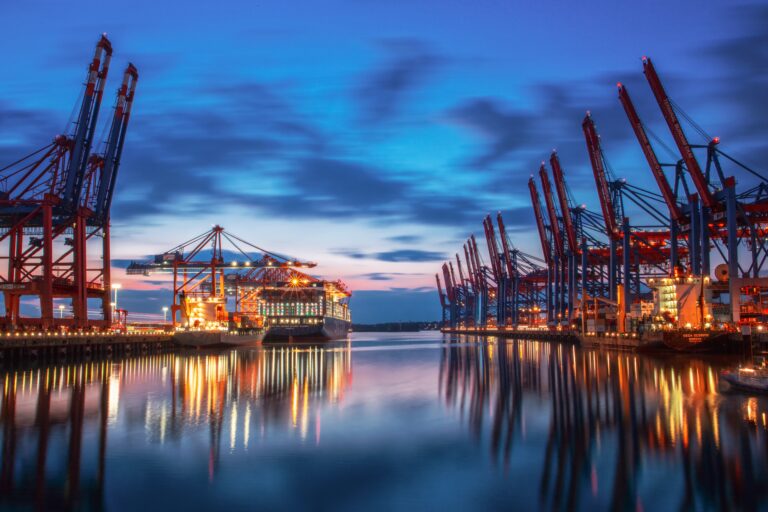
Sustainability runs throughout the edition too. We look at the transition beyond diesel at container ports and how environmental performance is becoming increasingly intertwined with operational efficiency. In our dedicated packaging section, we explore sustainable packaging ecosystems, PCR strapping, right-sized packaging and the often-overlooked role of pallets in closed-loop supply chains.
Across 68 pages of exclusive features, interviews, case studies and industry insight, we take a closer look at a logistics sector in transition – with a particular focus on what businesses can do today rather than simply what might be possible tomorrow.