
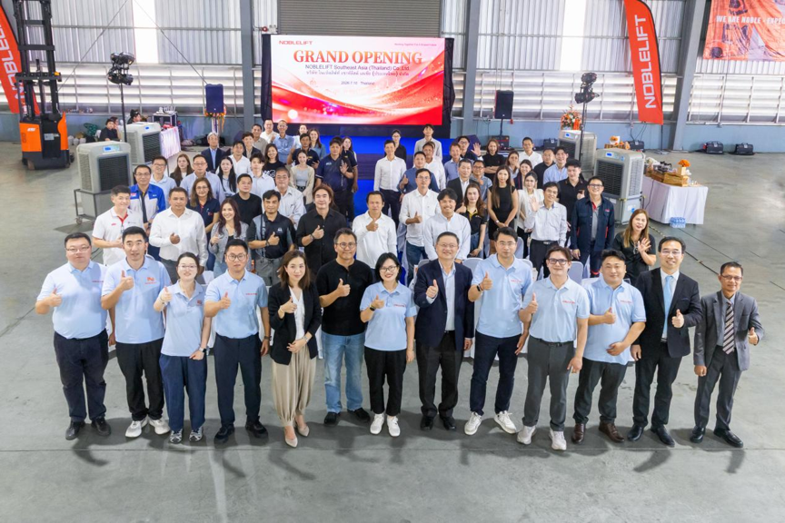
Thailand Forklift Subsidiary Opens

On July 10th the Noblelift Thailand subsidiary officially opened in Samut Prakan. Located at the center of Southeast Asia’s manufacturing, logistics, and trade network, Thailand continues to see strong growth in e-commerce, warehousing, manufacturing, infrastructure, and cold chain logistics, driving new demands for material handling solutions.

During the opening ceremony, Amy Liang (pictured, below), Director of International Sales at Noblelift, shared the company’s global vision. She highlighted that Southeast Asia is becoming a key growth region for the global material handling market, and that Thailand’s rapid development makes localized service capabilities increasingly important.

Following this, Pathawee Phanthang, Country Manager of Noblelift Thailand, shared insights into local market needs, team development, and future service plans. He explained that the Thailand Subsidiary will leverage Noblelift’s complete product range, lithium battery technology, local inventory, spare parts support, AI Agent, and local service team to provide faster and more localized support for customers in Thailand.
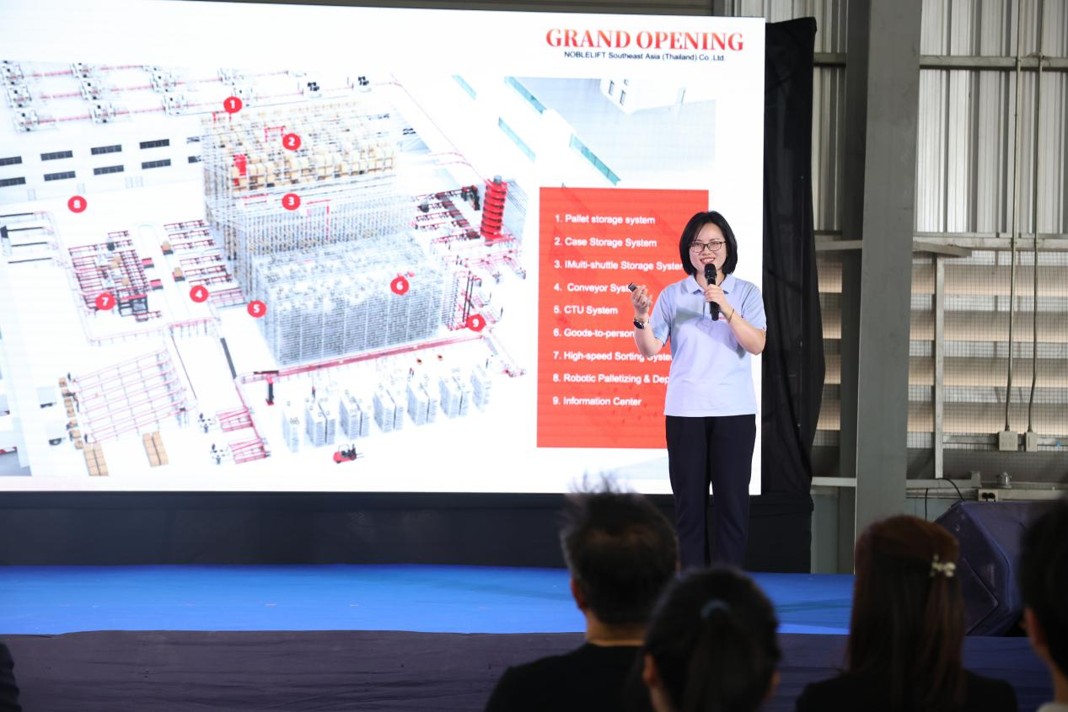
Daniel Shen, Southeast Asia Regional Manager at Noblelift, introduced Noblelift’s product portfolio, service capabilities, and after-sales support system. He highlighted the company’s expertise in warehouse equipment, forklifts, and other material handling solutions, as well as the support provided for customers’ daily operations.

During the event, Noblelift also established partnerships with three new authorized dealers. By building closer cooperation with local partners, Noblelift will further strengthen its service network across Southeast Asia and provide faster product support and after-sales services to more customers.
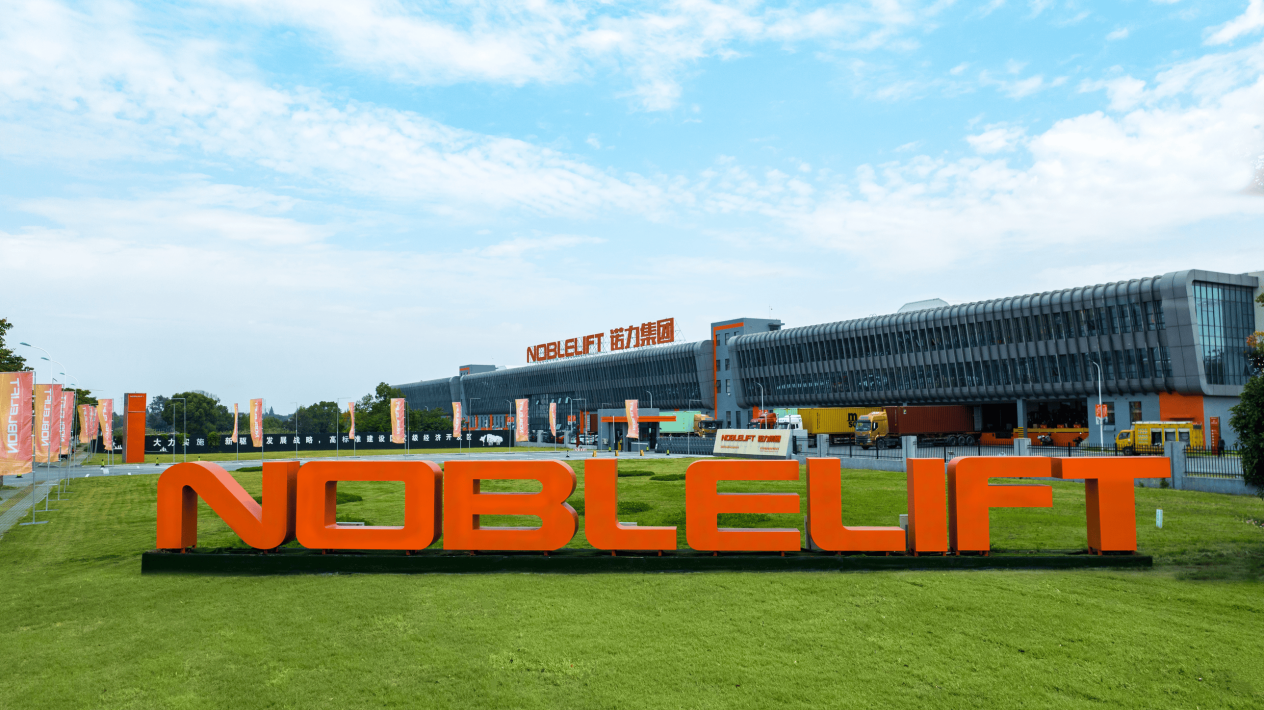
Customers also had the opportunity to explore Noblelift’s warehouse equipment, forklifts, and material handling solutions up close. Through hands-on test drives, they experienced the equipment’s operational stability, steering performance, driving comfort, and efficiency. Many customers gave positive feedback on the performance and quality of Noblelift warehouse equipment, recognizing its ability to support daily warehousing, loading and unloading, and factory logistics applications.

The establishment of the Noblelift Thailand marks a remarkable milestone for Noblelift’s expansion in Southeast Asia.
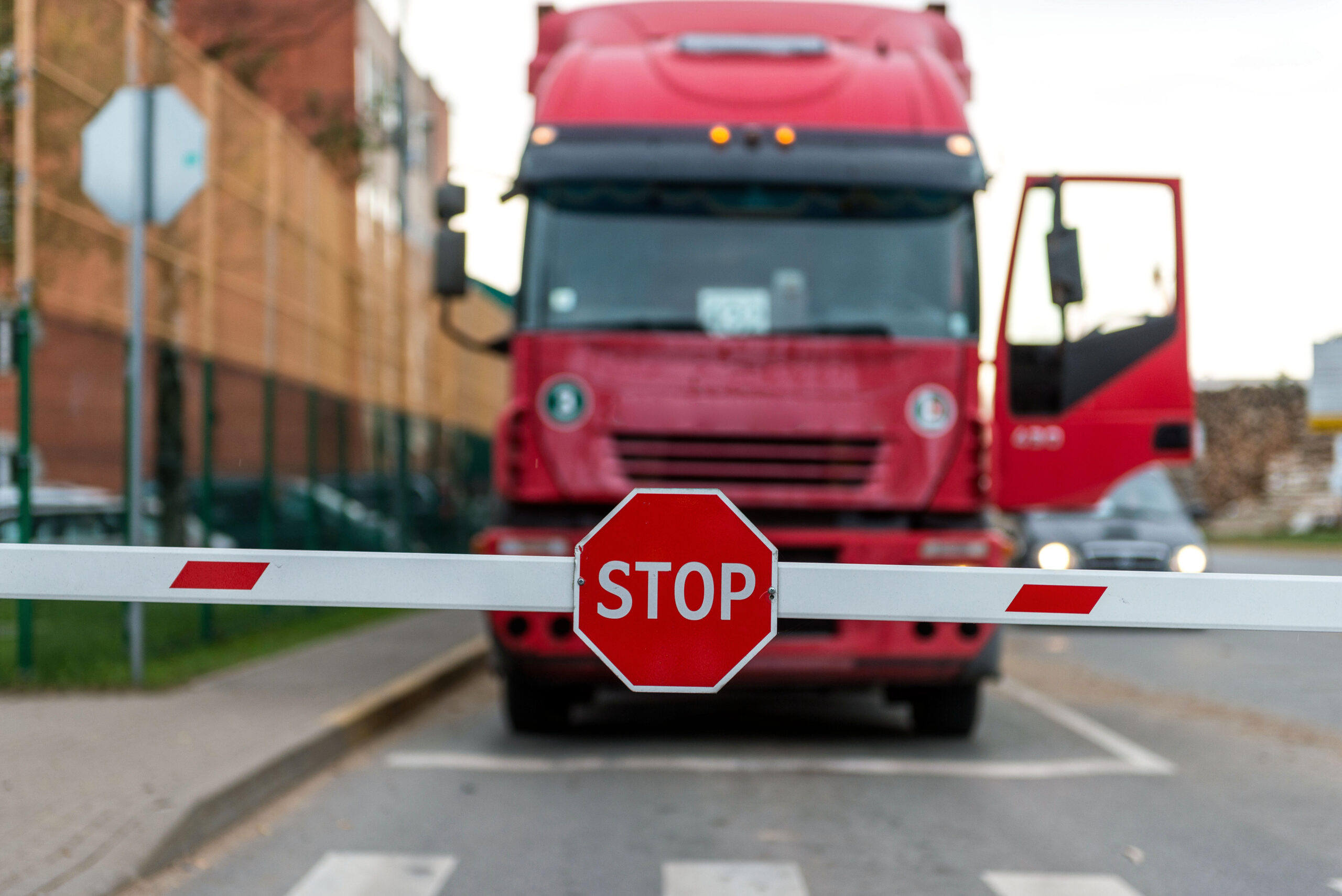
Crossing Borders Just Got Harder

There was a time when international trade was largely the preserve of multinational corporations with specialist customs teams and deep pockets. Today, almost any business can sell to customers on the other side of the world, heralding the democratisation of cross-border commerce thanks to digital marketplaces, sophisticated logistics networks, and a proliferation of global fulfilment providers.
But the irony is that while selling internationally has become easier on the surface, understanding what happens at the border has become far more complicated.

Almost every week brings another change affecting global trade. Tariffs are introduced, suspended or revised, customs procedures evolve, VAT rules change, new product regulations emerge, trade agreements are renegotiated, and security requirements tighten. At any given time, somewhere in the world, another government alters the rules.

None of these changes happens in isolation, with each creating a ripple effect throughout global supply chains.

A shipment leaving a warehouse in Europe for a customer overseas may require accurate customs classifications, rules of origin, VAT calculations, import duties, security declarations and an ever-growing list of digital documentation. But if you happen to get just one element wrong the shipment could be delayed, incur unexpected costs, or even be rejected altogether. I have experienced this personally, when a shipment of zero nominal value was sent to me from the US with an error in the address. Six weeks later, it’s still in the system and the closest I’ve come to learning of its continued existence is an invoice for import duty from the already well-remunerated – but utterly hapless – cross border courier.
Logistics providers face customers like me who expect next-day delivery (or in my case, any kind of delivery at all), end-to-end visibility, and transparent pricing.

That means the challenge now is not just moving and delivering goods efficiently, but actually understanding an increasingly complex web of regulations, taxes, and compliance obligations that feels like taking part in a decathlon without knowing which events it comprises. Success now depends as much on information as infrastructure.

No business can realistically keep pace with every customs regulation, tax change and trade policy in every market while also focusing on its core operations. That’s why specialist partners have become indispensable. Customs brokers, freight forwarders, tax advisers, software providers, and logistics experts each bring knowledge that few businesses can maintain in-house.

Technology is making compliance easier through innovations such as automated duty calculations, digital customs documentation, and real-time regulatory updates. But software alone isn’t enough, as experience, expertise and trusted partnerships trump all, if you’ll pardon the pun.

The biggest lesson for businesses trading internationally today is to appreciate that compliance is a strategic capability, where success can depend on knowing who you can partner with to help you navigate the complexity.

Subscribe

Get notified about New Episodes of our Podcast, New Magazine Issues and stay updated with our Weekly Newsletter.