Trailer Manufacturing Investment

Don-Bur is investing £4 million in new plant, software and training to mass-produce a range of standard product types including curtainsider and box van trailers, together with a pallet-network design double deck. The strategic move from the ‘custom’ trailer and bodywork heavyweight supports a targeted increase in turnover of £10 million per annum and recognises a growing demand for short-contract, standard design equipment at highly competitive rates.

Although Don-Bur already designs and manufactures the complete range of commercial vehicle bodywork, they are perhaps best known for their fuel-saving aerodynamic solutions and their Double Deck trailer range which now dominate the major fleets. The heavy investment in the latest cutting-edge equipment was focussed on standardisation, speed, efficiency and volume and the results are impressive.

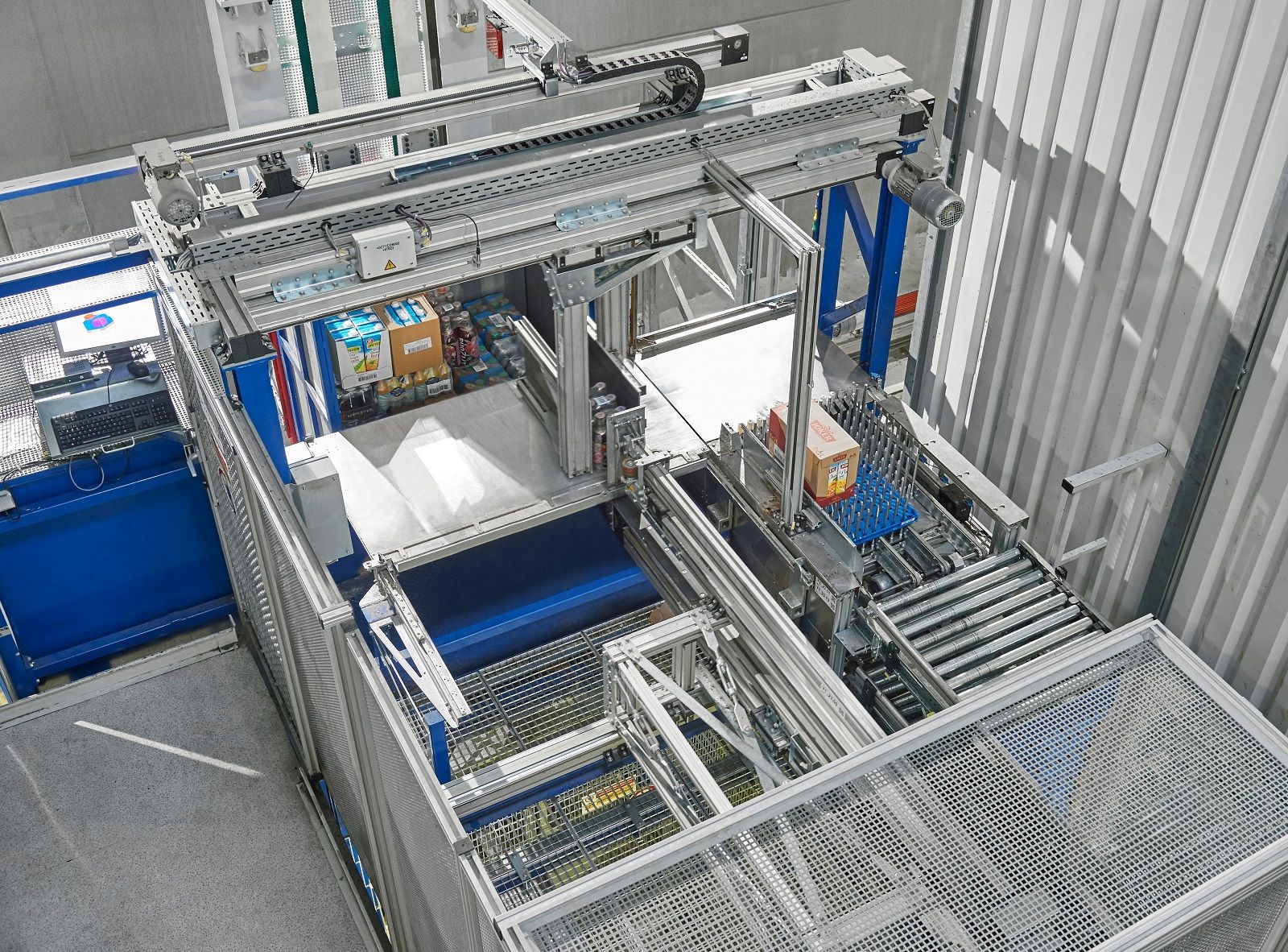
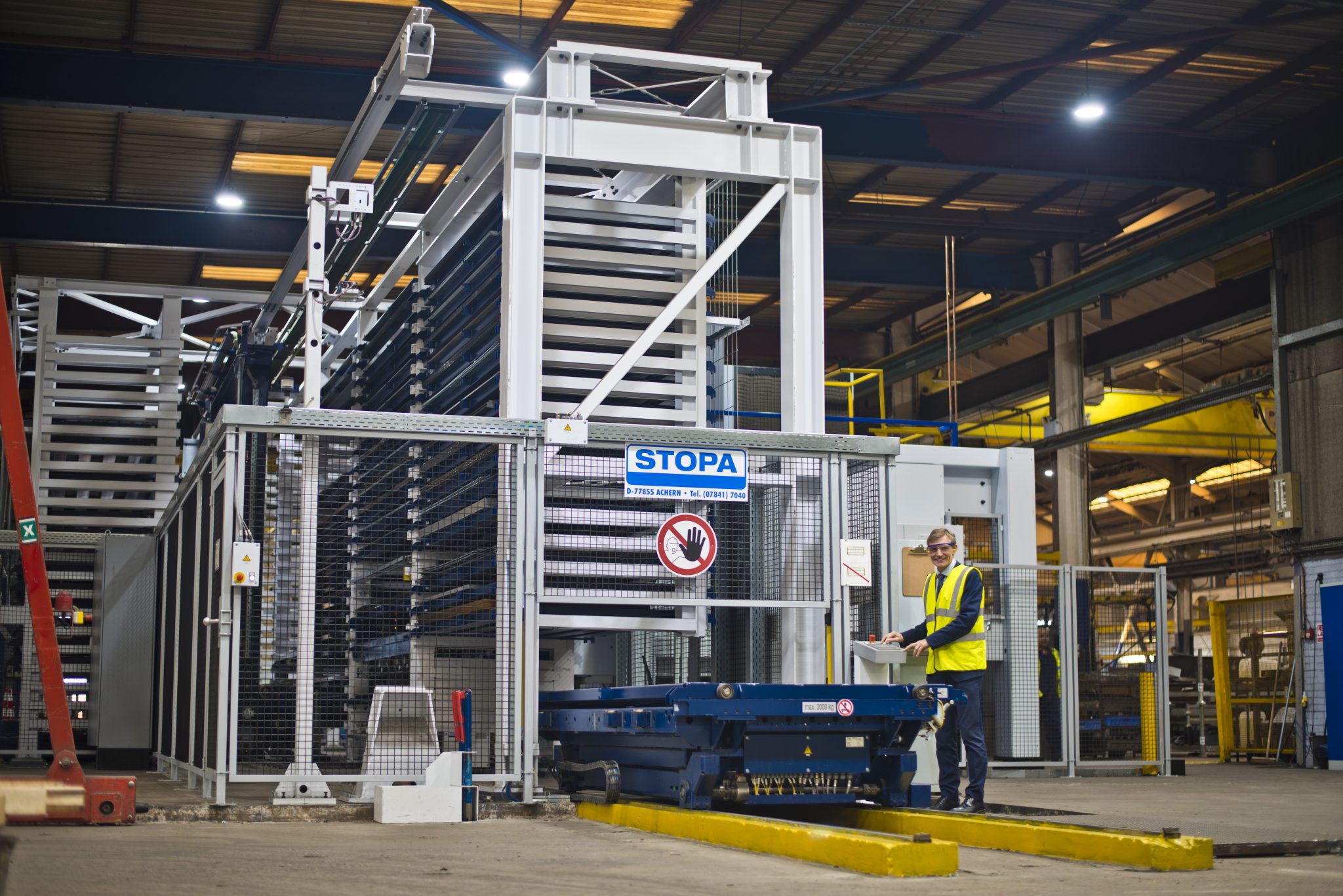
At the core of the new development is a cutting-edge £1M autonomous raw material and parts management hub; a large pallet racking space with room to store 15,795 m2 (4 acres) of sheet steel. Measuring 25m long by 7m wide and 5m tall, the STOPA stock handling modules are tied in to a new ERP software suite which automatically dissolves 3D engineering models into full ‘bill of material’ components. It recognises whether each individual component needs to be cut and pressed or, if not, exports the remainder as an internal order for miscellaneous parts. It also anticipates production schedule requirements for laser cut sheeting, pressings, drilling, and shotblast and issues orders for raw material when it believes stocks are running low. Ingeniously, it also manages ‘scrap’ material; cleverly storing away and re-using remnants of material wherever it can to maximise yield. The only manual intervention is to feed it with raw material and collect prepared job-specific assembly kits.
European Ecommerce Expansion

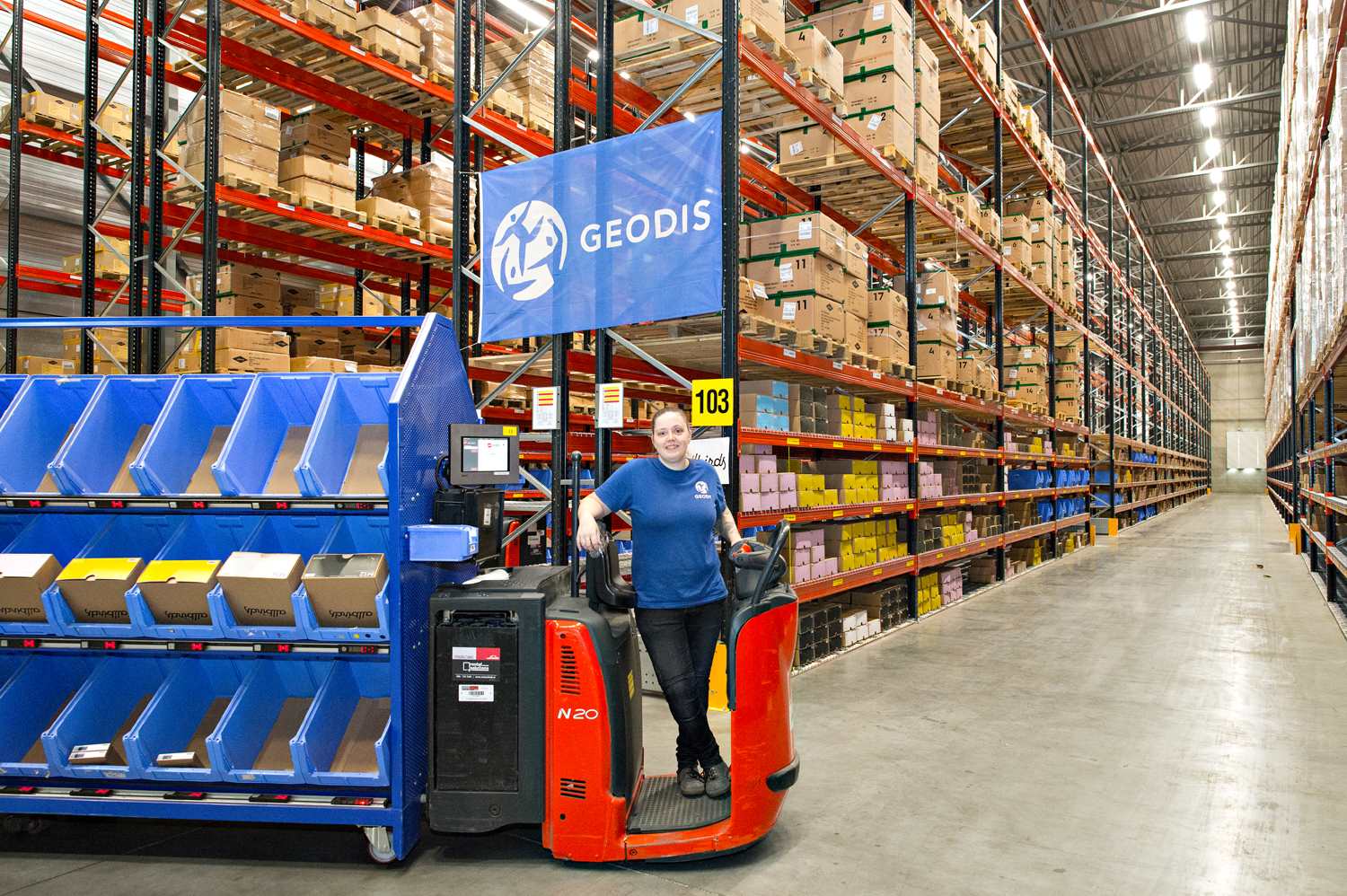
Global supply chain operator Geodis has been chosen by Allbirds to service sales through its newly launched e-commerce website which caters to 12 European markets, including Germany, France, the Netherlands, Italy, Spain and Scandinavia. Geodis Netherlands will manage all of Allbirds’s warehouse activities for these new markets from its central e-fulfillment hub in Venlo. San Francisco-based Allbirds, known for their sustainable trainers made from natural materials, have also announced the opening of a physical retail store in Berlin, coming later in the year. With the partnership Geodis will significantly support Allbirds’s European expansion and strengthen its position in fulfillment of retail e-commerce.

The e-commerce business will partly consist of single product orders. Aligning with Allbirds’s mission to tread lightly on the planet, Geodis aims for maximum efficiency and minimal warehouse movements. It has introduced a new efficient order-picking process for single-piece flow, which means that in just one pick run, all single piece orders will be selected in bulk. The products will then be labelled customer specific at the packing stations. Geodis will also control inbound quality and is implementing an innovative new app that uses images of the shoes to identify faults and which allows the auditor to send pictures of products that don’t meet Allbirds’s high standard.

Mark van den Assem, Managing Director of Geodis Netherlands, said: “We are very proud that Allbirds has chosen us as its warehouse partner. We believe that our knowledge of e-fulfillment and innovative warehouse solutions will contribute significantly to Allbirds’s success in the European market.”

Automation Systems at IMHX

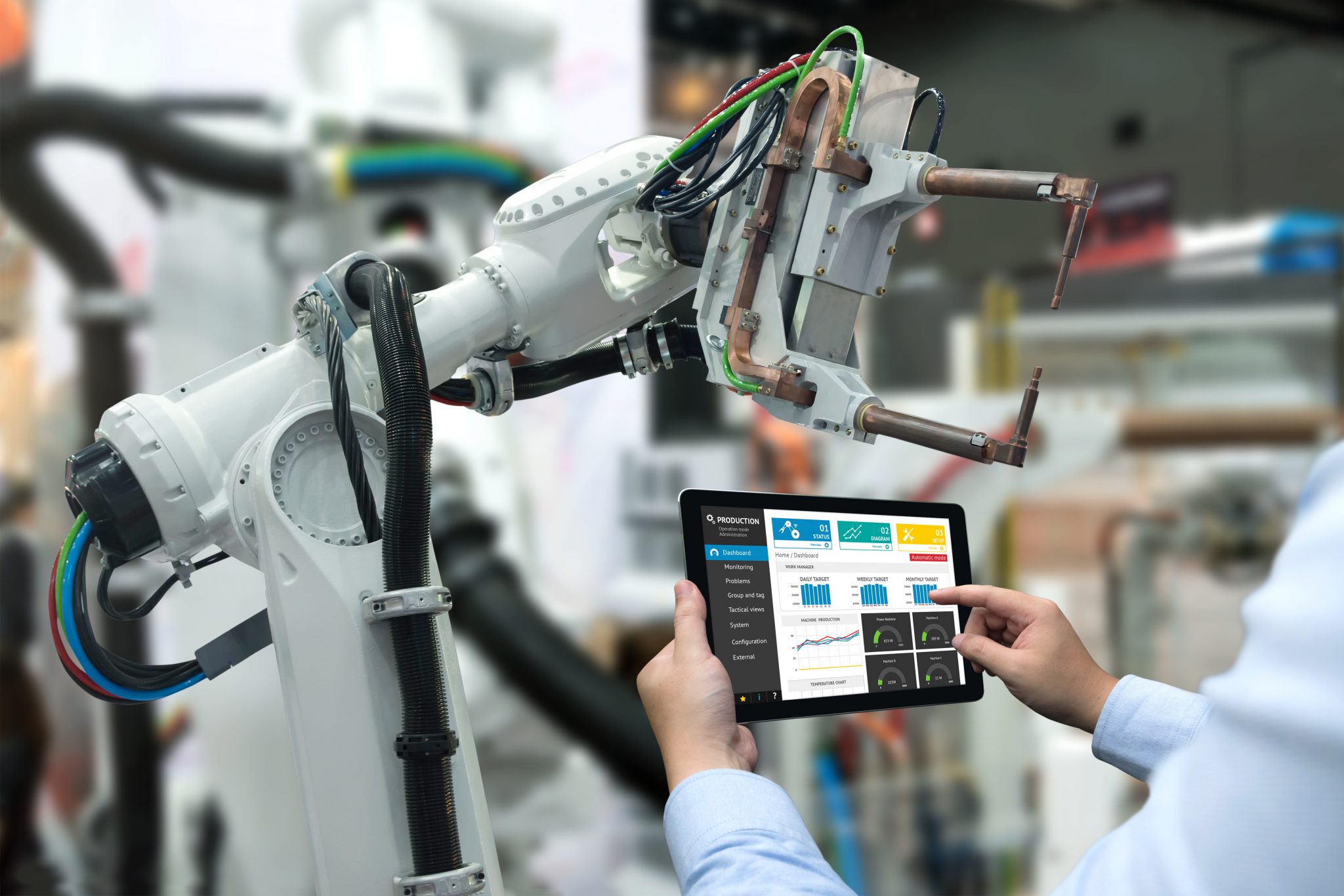
Software application and engineering specialist Red Ledge is joining forces at IMHX 2019 with the company’s new majority shareholder Böwe Systec to launch the latest range of Red Ledge manufacturing and logistics (M&L) automation systems. In combination with Böwe Systec’s advanced sortation technology they are designed to support and integrate the entire supply chain, controlling M&L processes and tracking inventory from production line to warehousing and distribution. The Red Ledge CORE development technology enables faster systems implementation and delivers more affordable automation, say Red Ledge.

Red Ledge systems on show at IMHX 2019 (24-27 September) include RFID goods tracking, robotics, autonomous guided vehicles, automatic pallet movers, speed labelling and Böwe Systec’s advanced sortation system. Also on show, the latest Red Ledge warehouse management and control system drives light and voice warehouse applications, while its automated goods routing and ASRS (automatic storage and retrieval) provide a fully lights-out warehouse environment.

Teletruks Contribute to Power Generation

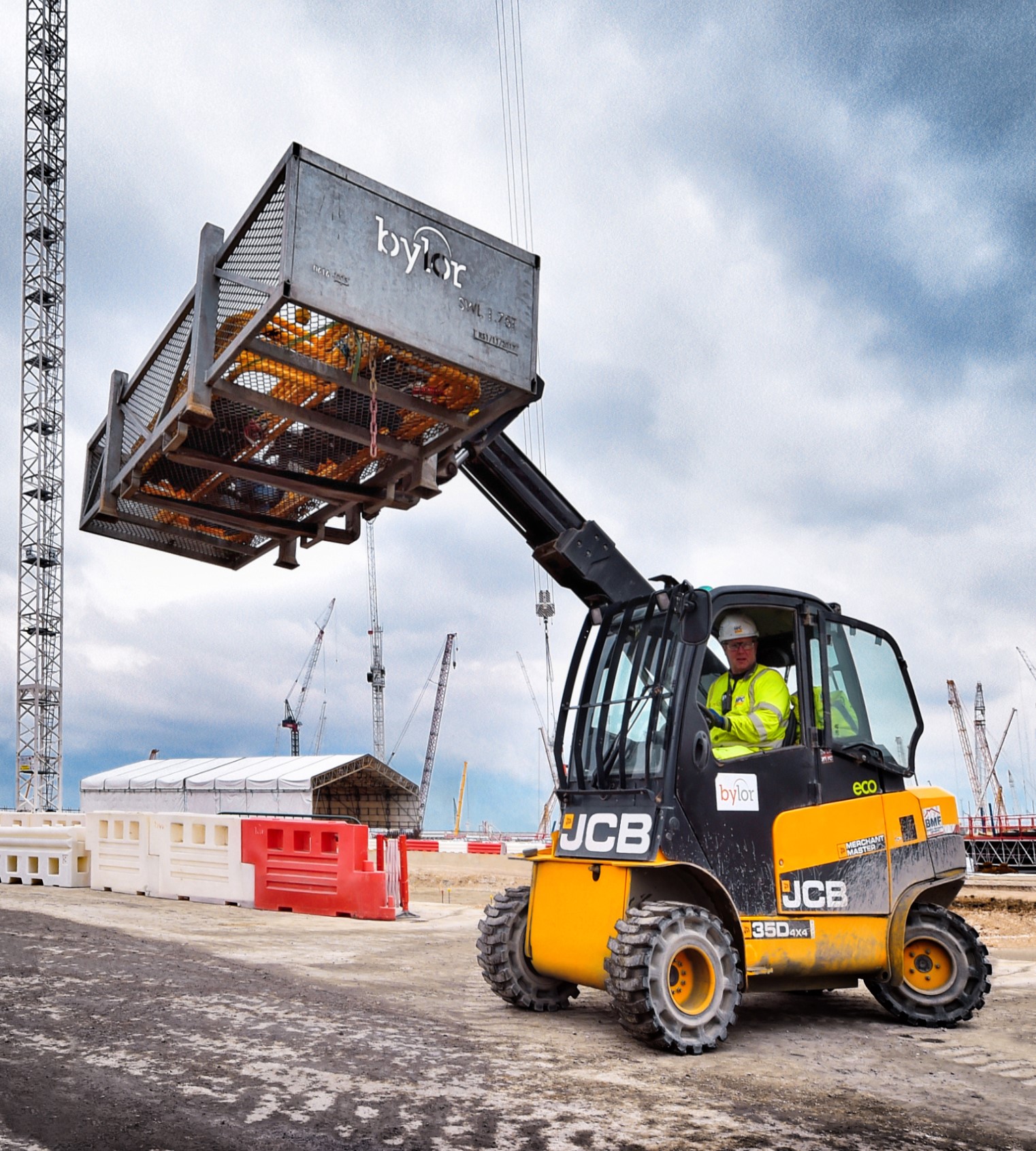
Two JCB Teletruk 35D 4×4 telescopic industrial forklifts are providing an essential material handling solution at the UK’s largest infrastructure project. Operated by Bylor, a joint venture between French construction company Bouygues Travaux Publics and the UK construction giant Laing O’Rourke, the machines are part of a massive 2,000-strong fleet of equipment working on the Hinkley Point C construction project in Somerset.

Hinkley Point C (HPC) is the first new nuclear power station to be built in the UK for more than 20 years. When the first reactor is commissioned in 2025, the £19.6bn facility will provide secure, low-carbon electricity for 6m homes. As part of a drive towards cleaner energy, the electricity generated by HPC’s two nuclear reactors will offset almost 600m tonnes of carbon emissions, during its 60-year lifespan.

Bylor’s civil engineering contract calls for the construction of up to 60 major structures on the 40ha site. The project will require a diverse range of machines, including 50 tower cranes and 20 giant crawler cranes. This includes one of the world’s largest cranes, a Sarens SGC-250, capable of lifting up to 5,000 tonnes. While the JCB Teletruks boast a fraction of that lift capacity, they are equally vital to the everyday running of the project. The forklifts are used within the reinforcing steel preparation and fabrication section of the project, where more than 230,000 tonnes of rebar will be received, cut, formed into structures and delivered to various areas of the site over the 10-year project. Further duties include the handling of timber, concrete blocks and site waste using an array of attachments including forks, buckets and a sweeper.

Bylor’s general plant manager John McCoppin said: “I have used JCB Teletruks for over ten years – on projects in Asia and now here – and they are a fantastic piece of kit. They have always performed well, have superb power to weight ratio and the forwards reach is an added advantage over traditional counterbalance forklifts.” The Teletruks were supplied by local dealer Holt JCB, as part of a growing fleet of JCB equipment that is working on the contract. This includes a 457 wheeled loader for batching plant work, a 1CX-T tracked compact backhoe loader for confined access, two 714 articulated dump trucks to haul spoil and a number of swivel-tip JCB site dumpers.

Can WMS help Future Proof your Business?

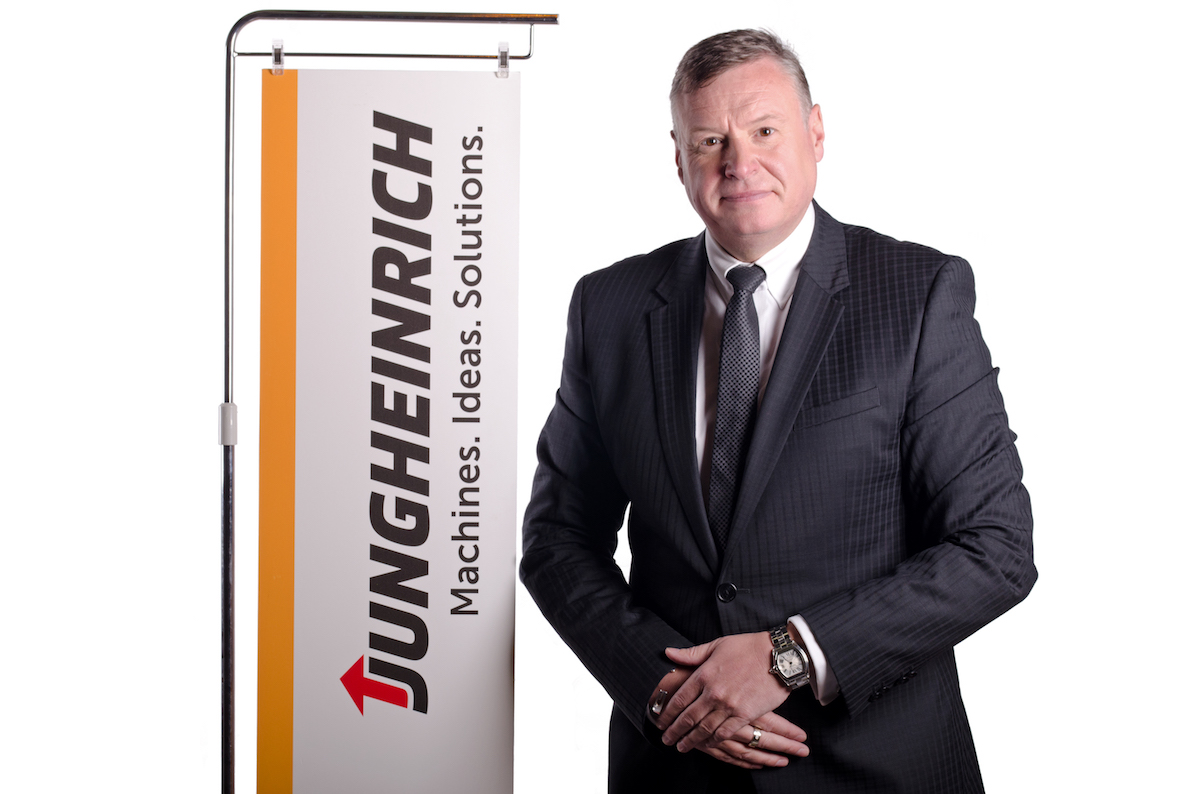
As organisations embrace 24×7 warehousing in response to customer led demands for unprecedented levels of immediacy and visibility, intralogistics operations are increasingly taking centre stage. In a bid to drive productivity, increase efficiency, improve accuracy and reduce costs, automation is now a key consideration for many businesses. Steve Richmond, Director – Logistics Systems, at Jungheinrich UK (pictured), looks at the role of the Warehouse Management System (WMS) in today’s supply chain and why it has to be able to adapt to the evolving needs of a business.

For those planning to implement automation, semi-automation, or indeed optimise their manual processes, one of the most important products to have in place is a robust WMS. Why? Because businesses need to be able to manage existing core logistics processes, along with future proofing business software platforms so that as the company expands, it can respond to change and add automation such as Automated Guided Vehicles, other types of automation or more complex customer-driven picking strategies.

Additionally, recent innovations within the warehouse have seen an increased demand for voice technology and wearable devices. To ensure that businesses are able to introduce the latest technology they must be able to expand the capabilities of their legacy WMS. The initial design and specification of the WMS will determine how flexible a facility will be going forward. For example, if you currently operate a manual warehouse and employ conventional order picking technology, could your WMS adapt if you were suddenly faced with an upsurge of online orders, which brought about a dramatic shift in your typical order profile, such as during peak sales periods?

Order processing profiles and picking requirements may change significantly. For example, a facility may suddenly be required to shift from a bulk or unit load-based operation by a customer-driven need to fulfil single item picks at a much higher frequency. But what if the WMS couldn’t accommodate this change? Within a temperature controlled facility the job of the WMS is, arguably, even more crucial. If, for instance, personnel time within the storage unit is restricted because of the temperature, it is doubly important to make sure workers are as productive as possible. And, with many temperature controlled sites using multi-depth storage systems, it is essential to choose a WMS that has the functionality to recognise and support such methods.

5 Key Points to Consider:

* Recognise where the system’s boundaries are – and ensure that they are flexible enough to move with your demands. If you do not have flexibility in your WMS, your ability to adapt your business model is very limited and your chances of moving with the changing demands of your business will be greatly diminished.
* Select robust software that has an established track record – rather than a system that has been developed uniquely for your use.
* Try to choose a suite that is feature rich – you may not need many of the built-in functions now but it is reassuring to know that they are there and can be switched on in the future should you require them.
* Investigate fully Enterprise Resource Planning systems that boast extensive WMS functionality – in some cases, the WMS can be limited.
* Ensure that your WMS allows for semi- or fully-automated materials handling systems to be introduced in the future.

More and more businesses are optimising their processes and looking at more flexible solutions so that they can remain competitive. What Jungheinrich is seeing is pre-existing WMS systems working hard to ensure that the functions they provide are scalable and able to work with the latest technology. Jungheinrich’s WMS is designed in such a way that it is highly configurable to the needs of each user. In its standard form, the WMS supports an extensive variety of functions as well as centralised master data management. It controls and optimises a range of processes such as incoming and outgoing goods management and order picking.

The software supports the complete transparency of all processes through its extensive reporting features and analysis options. It can be linked to numerous system environments using standard interfaces and can be redesigned to fit with existing systems. The system also offers a series of special functions and extensions for complex logistics processes or automated warehouse facilities. For instance, route management, hazardous substance storage, multi-client capability and material flow modules can be simply added as required.


Who Defines the Robot?

Martin Stich, CEO of Witron Logistik + Informatik GmbH blogs:

We have been experiencing a robotics hype in intralogistics for several years – at least according to the many magazines and trade show appearances of some companies. At every trade show, companies present classic six-axis multi-link robots that are supposed to make their way from the manufacturing to the logistics sector. Small parts picking is the plan.

Please do not misunderstand, I am a friend of automation and robotics – and every bit of ergonomics improvement supports people in the supply chain – but I ask myself: how broad is the range of parts that can be covered with a classic robot? What should the all-rounder multi-link robot achieve in logistics and particularly in retail logistics and food retail – depalletizing, stacking, and picking? Economically and technologically, this is still difficult to achieve with the classic industrial robot.

From my point of view, it is decisive to find topics to discuss in this context. The focus is on questions such as should the robot grip the goods, use suction, or work with vacuum technology – or a combination of everything? I think this thought-process is missing the point because for users and operators it is all about the process as a whole – end-to-end – and not just about a single step in the entire chain.

The same applies to the topic of whether 50%, 60%, or 70% of the product range can be picked with a robot. The decisive factor is not the percentage itself – in this case it is to have two parallel material flows – and that complexities arise in terms of flows, inventory, synchronization and consolidation, family groups, etc. Even a simple referral to Cobots does not solve this issue – the whole business case has to make sense – the individual consideration of the specific pick process is just a partial aspect. Ultimately, it is crucial for our customers to implement cost-efficient solutions – with the necessary products, performance, availability, and service life.

We need specialists for processes in retail intra-logistics. Yes, Witron also builds robots. Our COM palletizing machine, for example, is one of these specialists. Developed for food retail logistics, completely integrated into the entire material flow through the logistics center, and interacting with semi-automated and manual sub-systems. When looking at the topic in this way, we have been working with robots since 2003, because a robot is a handling device that supports people and is controlled by a computer. This means that the COM from the OPM system also belongs to the robot category – even if the classic robotics suppliers won’t like to hear this.

For me, a robot is not just the classic six-axis multi-link robot”, explains Prof. Dr.-Ing. Birgit Vogel-Heuser from the Technical University of Munich at the ZVEI (German Electrical and Electronic Manufacturers Assocation) annual congress in Berlin. There are many robotic applications, for example in the packaging industry, says the scientist from the Chair of Automation and Information Systems. She talks about “specific robots” as a competitive advantage of German companies. That’s exactly what it’s all about: finding a solution for a problem. Unfortunately, this does not always work with standard components that are already on the market.

And against the hype: A robot alone – however it looks optically – does not make the user ‘happy’. I am firmly convinced that it takes more to replace a human being at a workstation with a machine – this is again missing the point. If it is going to be automated – then it should be done properly – only then it’s ground breaking and can count as rethinking and interpreting the whole process – technically, economically, and ecologically!

KION Group Establishes new Factory in Poland

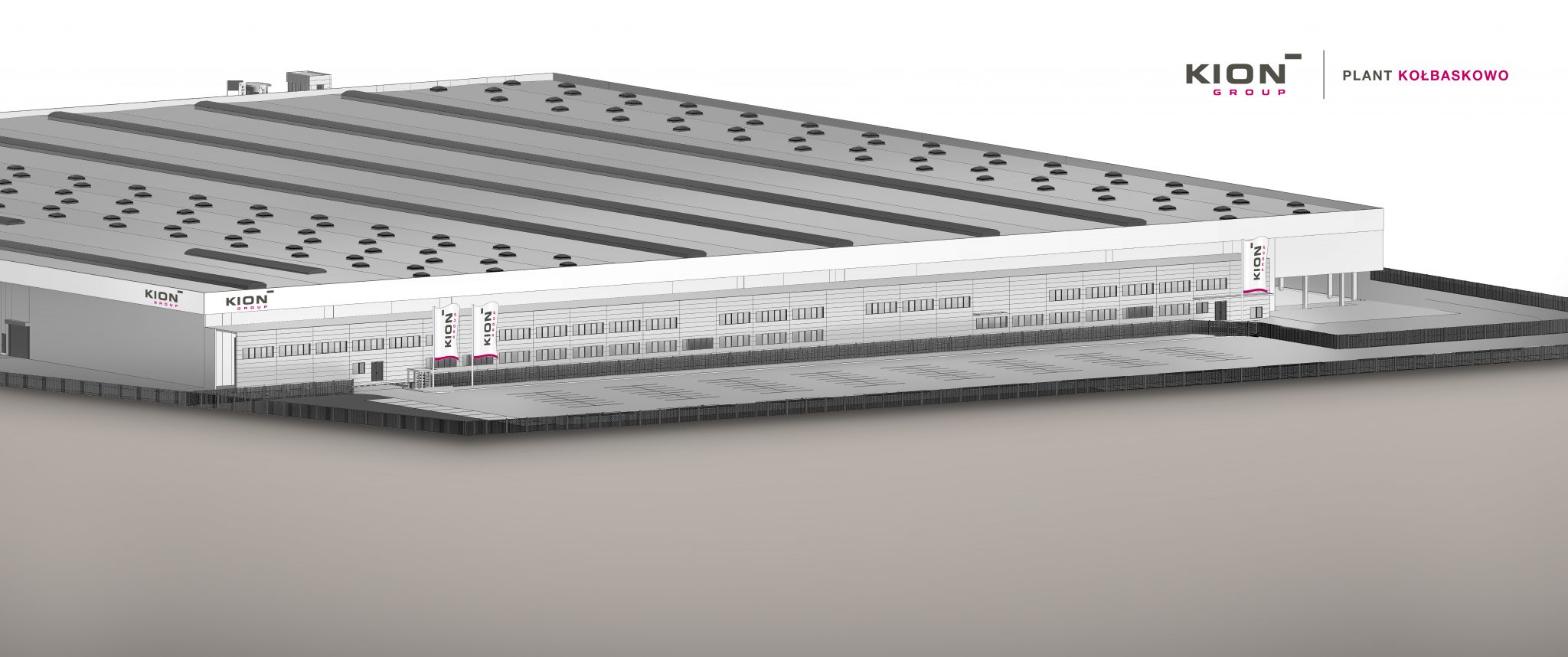
KION Group AG is pursuing its growth strategy with the construction of a new industrial truck plant in Kołbaskowo, near Szczecin in Poland. Capital expenditure on this project will amount to over €60 million, and KION, a global leader in logistics, will be creating more than 150 jobs at the site by 2023. Construction on the plant will commence this year, with the site set to come on stream in early 2021. The 18-hectare (approximately 44.5 acres) site will incorporate a cutting-edge production facility, a research and development center, and an administrative center covering almost 44,000 sq. meters.

The additional plant in Poland will complement KION Group’s existing production facilities across Europe and cater to customers with less intensive utilization in the EMEA region. “The new site in the heart of Europe will allow us to make further inroads into this fast-moving, high-potential market,” says Gordon Riske, Chief Executive Officer of KION GROUP AG. “The location near the German-Polish border has the additional benefit of easy access to an excellent network of suppliers,” he adds, highlighting the advantages of the new site. The plant in Kołbaskowo will produce Linde counterbalance trucks for loads up to 3.5 tonnes, including model series which are currently manufactured in Aschaffenburg (Germany) and Xiamen (China).

The KION Group aims to take even more advantage of growth in the intralogistics sector in the EMEA region through its Linde brand company. “The site in Kołbaskowo will provide us with the perfect springboard. The more than 150 new employees will benefit from a state-of-the-art working environment and the new research and development center will open up further opportunities,” says Riske.

Shoe Sortation Solution

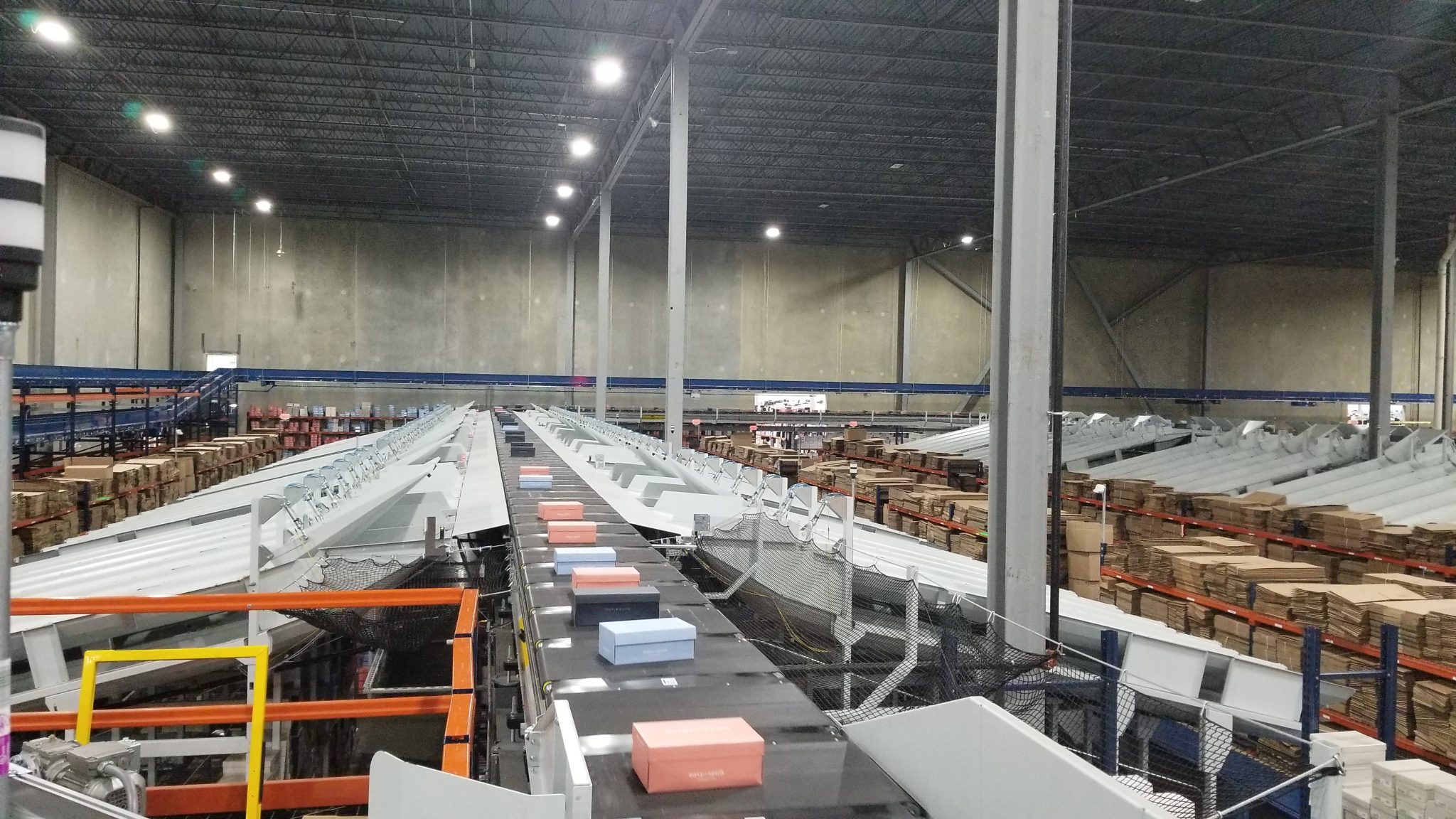
A modular material handling system for a new distribution facility in Cranberry, New Jersey for the end user Distribution Management Group Inc. (DMG) has been realized by Conveyor Handling Company (CHC). At the heart of this solution is the state-of-the-art crossbelt sorter technology from Interroll which reduces electricity costs, simplifies maintenance and makes product packing and distribution more efficient.

Since 1975, Baltimore, Maryland-based CHC has sold, serviced, and designed an impressive array of solutions for manufacturing companies, e-commerce and retail distributors, health care and clothing producers, and more. Past projects include crossbelt sortation systems, turnkey conveyor and racking installations, automated storage and retrieval systems, multi-tiered staging lanes, and even modular offices and mezzanines.

Despite this deep expertise, CHC recently faced an interesting challenge. One of its longtime customers, Distribution Management Group Inc. (DMG), was opening a new facility in Cranberry, New Jersey. The third-party logistics company (3PL) would be responsible for sorting, packing, and shipping products for its clients in the footwear industry and needed material handling equipment able to reliably process and ship 100 shoe boxes per minute.

“They originally wanted us to design a distribution center modeled after their existing facilities,” explains Rich Rittermann, Vice President of Operations at CHC. “In this instance, an employee would push a cart up and down each aisle, picking shoes as they went; when the cart was full, they’d move it to a central sorting area, where other workers would start pulling boxes off the different carts and packing them until each order was filled. There was nothing wrong with their process, except that I knew it would be too labor intensive and eventually become unmanageable at the volumes they were anticipating. They needed an automatic sortation system, and it was my job to convince them of that.”

Rittermann had previous experience with such systems, but the combination of high product volumes and the need to sort color, size, and style combinations by the hundreds led him to consult with the Interroll team, who told Rittermann that they were working on a shoe distribution center in Mexico, and agreed that Interroll’s horizontal crossbelt sorter would be an ideal solution.

Unlike traditional crossbelt sorters, Interroll’s solution uses a pneumatically actuated plate and drive wheel mechanism rather than a motor on each carrier to transfer goods to the appropriate chute. This reduces electricity costs and simplifies maintenance to increase reliability and the gentle motion means the sorter can be used with delicate products like eggs and yogurt and it still being powerful enough to move heavy sacks of grain or animal feed.

The system is both smart and accurate, with automatic recirculation of “no-reads” and overflow products. This is especially important in e-tail, where system demands are unpredictable, and customer return rates are much higher. The horizontal crossbelt sorter is also smart about floor space. Its modular design is compact yet easy to reconfigure based on changing needs. In this particular application, CHC “double-stacked” the conveyor, maximizing the system’s throughput without increasing its footprint.

Service Parts Inventory Management

Syncron, a provider of cloud-based after-sales service solutions has announced that Mitsubishi Heavy Industries Machinery Systems, Ltd. (MHI MS) has selected Syncron Inventory to optimise service parts inventory management for its industrial printing and paper converting machinery.

MHI MS’ lineup of printing machines includes both newspaper printing presses and commercial printers for flyers and magazines, while the company’s paper machinery consists of corrugators and box makers. An optimised service parts supply chain will become a key differentiator for manufacturers and an important prerequisite for maximising product uptime. Manufacturers across industries and verticals will need to quickly and efficiently resolve issues, and this will become increasingly dependent on having the right parts to service equipment within complex networks.

MHI MS identified that a sophisticated service parts inventory management solution could help achieve just this, while also greatly improving fill rates. Additional benefits MHI MS identified include:

· Increased service levels and optimised global inventory to
improve customer satisfaction

· Reducing excess and obsolete stock

· Using one central solution that integrates with systems around
the world and provides global visibility at a corporate level

· A user-friendly user interface (UI) that can be easily
introduced across global locations

· Syncron’s hands-on, customer-first approach to product
development

· Access to the latest in Syncron’s product innovation with
twice-yearly product updates

“At MHI MS, as our business grows, our after-sales service needs are becoming more advanced and manual efforts will no longer suffice,” said Mr. Toshihiko Nakatani, General Manager, Service Department, Printing & Packaging Machinery Headquarters at MHI MS. “With Syncron, we will be able to take a more sophisticated approach, not only gaining increased visibility into our global service needs, but also improving forecast accuracy based on historical results. We believe the Syncron team will be a great partner in our efforts to maximise product uptime.”

In the near-term, MHI MS will focus on optimising service parts inventory levels for its current inventory, while more long-term plans include working with suppliers based on demand forecasts and incorporating machine operation performance data to optimise inventory levels in an effort to maximise product uptime. “The foundation of any successful uptime-centred service organisation is optimised, efficient service parts management. We are thrilled to work with MHI MS to further optimise their service parts supply chain and support the company’s journey to maximised product uptime,” said Katsuto Ochiai, Managing Director, Japan at Syncron.

Truck Parking Cooler

Driving long range requires some breaks for drivers to rest and recover in order to stay alert. In warmer climates, parking coolers are a prerequisite to make such stops comfortable so that the drivers can rest properly.

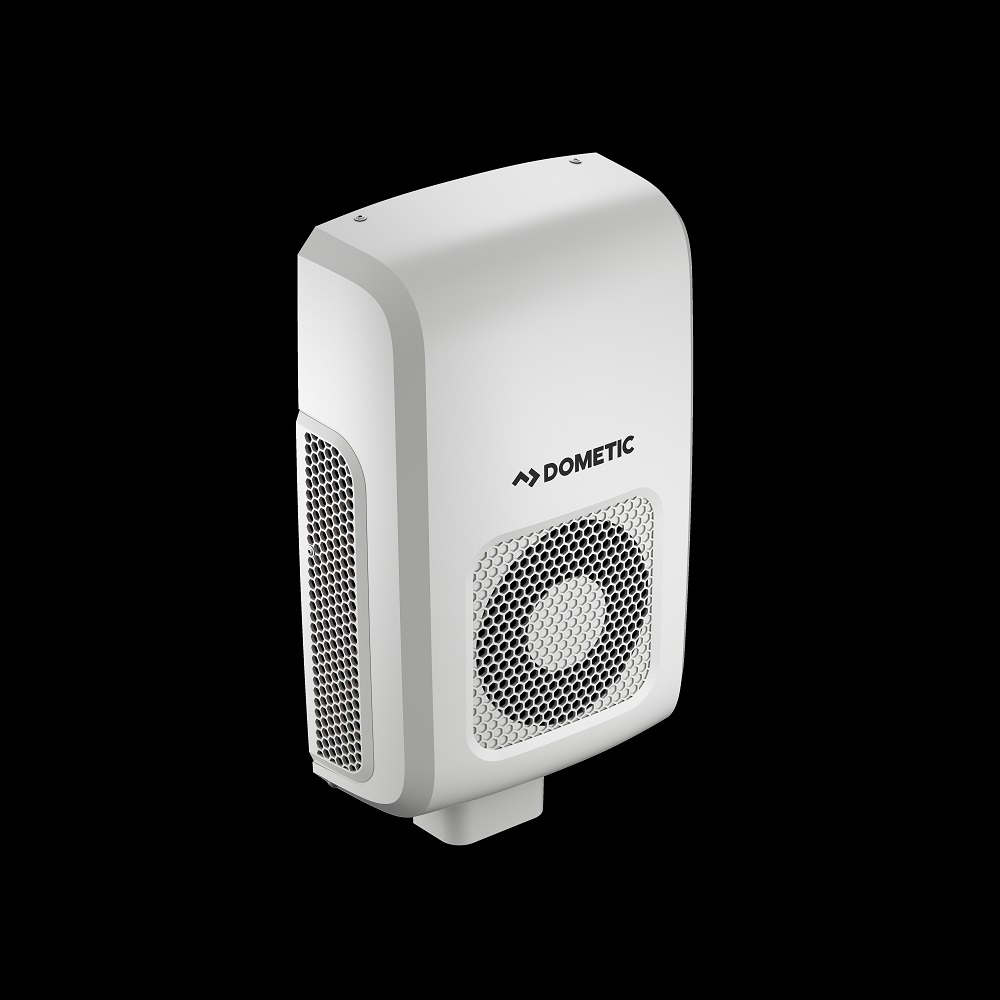
To cut the cost and energy consumption, Dometic introduced variable speed compressor inverter technology to the new generation of parking coolers. This creates a boost in cooling capacity while current consumption kept low and ensured smooth operation up to 12h depending on outside and inside condition.

Peter Kruk, President EMEA, Dometic says, “the new Dometic CoolAir SPX is the slimmest product on the market. It is specially designed for trucks that have no possibility to install a classic roof parking cooler because the cabin is too tall or already fitted with a roof-mounted structure. We hope to make travel life more comfortable and easy for drivers with important assignments. With good rest, drivers are more efficient and this helps fleet owners’ businesses stay healthy, as well.”

The new generation SPX split system is structured to install the compressor unit separate from the evaporator to ensure flexible installation in almost every truck available in the market. The evaporator unit is available in two different versions: SPX1200T with a slim structure for roof top installation and SPX1200I for in-cabin installation to improve the interior design.

KEY FEATURES:

* Very low running noise
* Boost mode for quick cooling
* Pre-filled with refrigerant for quick installation
* High cooling capacity: 1200 W after ISO 5151
* Only 5A power consumption in Eco mode
* ADR-compliant for all class except EX/II, EX/III
* Vehicle specific installation kits for smooth integration
* Paintable shell casings
* Undervoltage protection
* Dakar tested in extreme conditions

Subscribe

Get notified about New Episodes of our Podcast, New Magazine Issues and stay updated with our Weekly Newsletter.