Post-pandemic delivery experience vital for differentiation

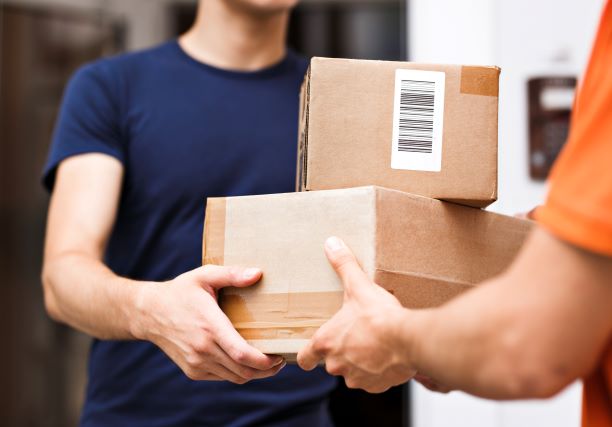
The pandemic changed consumer shopping behaviour for good. With physical stores forced to close, many had to adjust to shopping online with speed and convenience key to the experience. Whilst necessity drove this rapid change, retailers had to fight to keep up. Many invested heavily in improving their websites and optimising the online experience, however failed to invest properly into the delivery experience. Perhaps it seemed of lesser importance…

Yet, with the world opening up again and a well-publicised shortage of HGV drivers leading to escalating delivery costs, will this neglect backfire on retailers’ online investment? And do customers perceive the online and home delivery experience as good enough to retain their loyalty now the options are not so limited?

Andrew Tavener, Head of Marketing at Descartes, argues that retailers should not undervalue the importance of the delivery experience. When it comes to customer expectations, the delivery service leaves a lasting impression and can make or break brand loyalty. With spiralling costs and the risk of losing customers to better performing competitors, retailers simply cannot afford not taking ownership of the full, end-to-end experience.

Growth in online sales

Descartes commissioned independent research in July 2021 to assess changes in online buying habits. It was found that 43% of all purchases are now made online, with 51% of European consumers buying online once a week (a huge increase from the 28% pre-pandemic). The growth in online purchasing is stronger in the UK and, looking to the future, UK consumers expect 50% of all purchases to be delivered to their homes in 12 months’ time.

Convenience is key and 50% stated this was the primary driver for its increase and expected continuation. However, whilst 41% believe the ease of buying online has improved, retailers cannot afford to become complacent. Problems with the overall online experience are less likely to be tolerated as economies open back up. Almost half (48%) stated that delivery concerns would affect online buying decisions, including worries that deliveries are not environmentally friendly (19%), can be unreliable (18%), bad delivery experiences (16%) and dissatisfaction with the delivery process (14%).

Retailer perception damaged by the delivery experience

Clearly, the delivery experience is vital to the overall online shopping experience and continued consumer loyalty. Over two thirds (68%) of consumers had an issue with a delivery in the last three months, which led to 24% losing trust in a delivery company and 24% losing trust in the retailer. As over a third share their perception with friends and family, this creates a ripple effect and can dramatically impact repeat purchases and brand perception.

The efficiency of the last mile model is more vital than ever as consumer demand grows at the same time as the well-publicised HGV and van driver shortage. Businesses are finding this a challenge as costs increase with pay rises for drivers, large sign-on incentives and rising fuel prices, whilst customer expectations for their delivery service increase. An inefficient and traditional reliance on managing orders in batches has damaged reputations and left the delivery process wanting. Excessive contingency has also often left drivers waiting in a lay-by to avoid arriving too early or items being left in unsecure locations (18% of UK consumers have experienced this), with neighbours or missed entirely. These lead to an increase in experiences of damaged packages (17%) and a spike in customer service calls, further increasing cost and time expenditure.

As people have become more familiar with online purchasing and the end-to-end experience, their expectations have increased to want what they want, where and when they want it. Any issues that affect this will inevitably drive them to competitors.

In order to maintain the benefits from access to a new marketplace due to the pandemic, retailers need to improve the consistency and quality of the delivery experience. Taking ownership of the delivery process and understanding the demand and delivery capacity is vital to vastly improving the entire end-to-end experience. Through continuous, real-time optimisation of all orders, delivery commitments and available delivery capacity, delivery efficiency and performance can be transformed.

Technology will help retailers make the most of their existing resources by managing drivers’ time effectively and retaining them with an improved working experience. The retailer can use this technology to monitor delivery capacity and existing commitments with new orders to enhance and update the delivery options that are passed to the customer at the point of sales in real-time, gaining the confidence of customers that promises will be met.

Competitive differentiation and environmental gains

Finding a way to make an improved delivery experience a selling point is challenging. However, when done well, retailers will increase sales, improve customer perception and gain new customers. 60% of UK adults consider the environment whilst ordering online, which rises to 88% of those aged under 25 making it an important consideration that will sway consumers, particularly the younger generation.

27% of UK consumers would be interested in bulking orders into a single weekly delivery and 26% are happy for their orders to be delivered when there are multiple deliveries in their area. An option already available to larger marketplaces, this is not so easy to implement in smaller organisations. There is an opportunity, however, for retailers to work together through fulfilment collaboration to optimise delivery models and third parties could leverage real-time capacity optimisation solutions to provide this option in the future.

Electric Vehicles are being used more by delivery companies in a bid to improve environmental credentials but the solution should go beyond the purchase of these. Intelligent route management is essential to ensure the right vehicles are deployed to reflect environmental goals and address the growing costs associated with the UK’s Clear Air Zones. Additionally, continuous background optimisation can match capacity with demand and allocate the correct vehicles to suitable routes for them.

Also, by using real-time information about the fleet, capacity and demand, a retailer has the power to influence buyer behaviour by offering differential pricing to incentivise delivery slots that would be greener or maximise density. This presents many benefits to the retailer, including aiding sustainability, as well as producing a more efficient delivery for both consumer and driver.

Conclusion

Online purchasing is not slowing down and consumers’ confidence in the end-to-end experience of shopping online has increased significantly since the pandemic began. With an increase in the frequency of online orders and deliveries received, consumers’ expectations over the past 18 months have risen as they become more familiar with the service and the quality that can be achieved. As this research shows – with only 16% of UK consumers completely satisfied with the delivery service – retailers must act fast to prevent lost sales or a negative impact on perception.

The lasting impression a customer has of a retailer is the delivery service. Online retailers have enjoyed the benefits from the COVID-19 bounce in building a larger customer base but now need to look to the future. In order to retain and satisfy these new customers, it is key for businesses to ensure a robust end-to-end experience is in place that is both efficient and considerate of the environment.


GEFCO UK appoints FVL director

GEFCO UK has announced the appointment of Youssef Bajddi as its new Finished Vehicle Logistics Director.

Bajddi has 14 years of experience working in international supply chain operations and strategy. He has been part of the GEFCO Group for the past 10 years, having joined the business in 2011 as a supply chain analyst.

During his time at GEFCO he has managed FVL control towers for key automotive clients’ worldwide flows, as well as being part of project teams charged with preparing operational transitions to new client FVL processes.

In his new role he will be responsible for strengthening GEFCO FVL’s position in the UK, helping the business manage and overcome future challenges, and improving the accommodation for EVs and new mobility solutions in GEFCO services.

Bajddi holds a master degree in Supply chain management, a FVL manager certificate from ECG Academy and executive Master of Business Administration from the ESSEC Business school in both France and Singapore.

Bajddi commented: “The automotive sector is currently going through some of the most significant shifts – in technology and consumer attitudes towards personal mobility – in living memory. It’s no doubt an exciting time to be working in this area, with many challenges and opportunities that we must be able to meet head-on in the coming years. I’m immensely proud to be entrusted with leading the GEFCO UK FVL team as the company looks to innovate its product offering, respond to emerging trends and deliver for customers.”

Cedric Chacon, Managing Director at GEFCO UK, added: “Throughout times of significant market change, strong leadership is vital. I’m confident that Youssef, with his years of industry expertise and knowledge of the wider GEFCO Group, is well-placed to deliver the excellent customer experience that we’ve come to be known for.”

Pharma company quadruples tenders via Transporeon

Boehringer Ingelheim was the first pharmaceutical company to fully outsource its operative tender management process to Transporeon in 2020. One year later, the benefits of this step have become clearly visible.

In the current volatile market situation characterised by fluctuating prices, Boehringer Ingelheim was able to quadruple its logistics tenders and ensure the robustness of its logistics processes. At the same time, Boehringer Ingelheim retains full control of all strategic decisions: the schedule, the scope of the tender, and the pool of service providers are managed by the pharmaceutical company itself.

By working with Transporeon, Boehringer Ingelheim receives better service at a lower cost. Even in times of reduced transport capacity, the pharmaceutical company obtains attractive offers via Transporeon’s active tender management. In parallel, costs and effort for the internal coordination of the tendering process decrease.

In addition, the logistics experts from Ulm regularly supply market insights to Boehringer Ingelheim to facilitate navigating the current volatile market situation, as part of their procurement excellence programme. These analyses by Transporeon have proven essential for making long-term strategic decisions.

Sören Brodowy, Head of Global Sourcing Logistics at Boehringer Ingelheim, said: “Working closely with the Transporeon employees is of paramount importance for us. They are the logistics experts for the execution of the tendering process, as well as data processing, validation and analyses.”

Expanding this partnership in the future is highly likely. Boehringer Ingelheim successfully introduced Transporeon’s spot tendering tool at a site in Belgium to bridge the shortage of air freight capacity during the pandemic. Due to this success, the pharmaceutical company is considering deploying the spot tool developed for air and ship freight across the entire company in the medium-term.

Boehringer Ingelheim and Transporeon have been working together as trusted partners in the field of contract tendering since 2010.

Rushlift wins lucrative global GSE contract

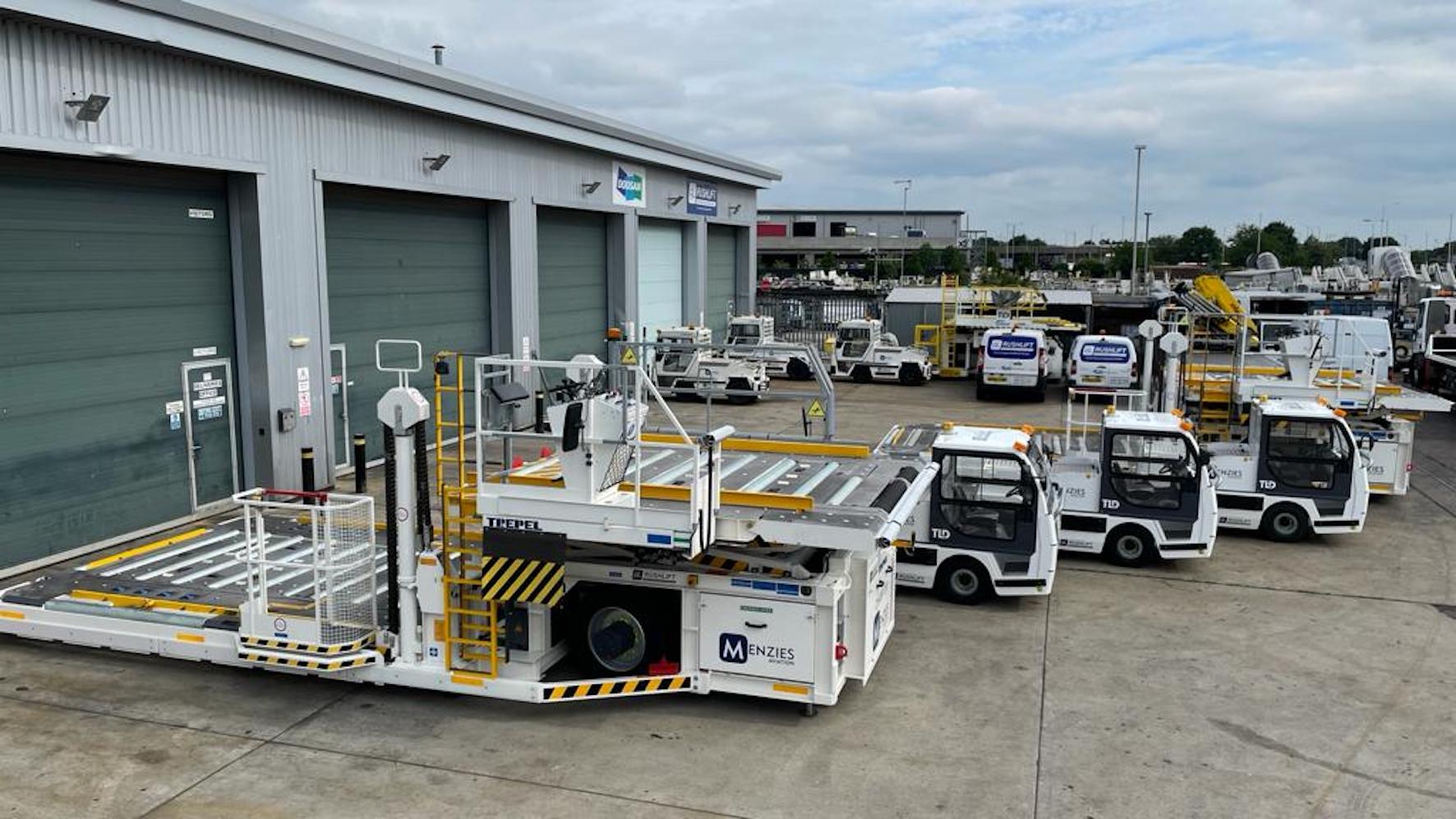
Rushlift GSE, the specialist airport ground support equipment subsidiary of Doosan Industrial Vehicles UK, has entered into a six-year global framework agreement with airport ground services company, Menzies Aviation, to supply GSE equipment.

Under the arrangement, Rushlift GSE will initially lease 650 brand-new vehicles to Menzies Aviation’s ground handling operations at Heathrow and Gatwick airports. The multi-million-pound contract will include the provision of a fleet of pushback tugs and HI loaders from Trepel, mobile conveyor belts and electric baggage and pushback tugs from TLD, and trailers from UK manufacturer TBD. The staged rollout, which is already underway, will continue through to Q2 2022 and is timed to align with the expected resurgence in passenger air travel.

Tim Willett, Operations Director at Rushlift GSE, said: “We’re delighted to be working with Menzies Aviation in supporting their operations at Heathrow and Gatwick airports, and for the opportunity to expand our cooperation internationally.

“This contract further underscores Rushlift GSE’s capability to support large corporations. Rushlift are experts in large start-ups, as demonstrated by previous programmes, such as a recent major rollout for easyJet at Gatwick.

“In line with Menzies’ environmental objectives, we will be introducing a number of electric GSE vehicles over the six-year term of the contract. We are also exploring alternative fuel options, including Biofuels and Hydrogen. One of the huge advantages of being a subsidiary of Doosan – a global engineering enterprise – is that we have access to a world-leading team of specialists dedicated to researching sustainable, alternative fuels.”

Stephen Gallagher, SVP GSE and Equipment for Menzies Aviation, said: “The reliability and uptime of our ground handling equipment is absolutely imperative to the service we provide – our reputation depends upon it. We’re confident that Rushlift GSE will provide the GSE and support we’re looking for, both here in the UK and overseas.”


GEODIS commits to Geek+ AMR fleet

GEODIS has announced the deployment of Autonomous Mobile Robots (AMRs) from Geek+, a global technology company specialised in smart logistics through advanced robotics and artificial intelligence (AI), at its Yuen Long Warehouse Distribution Centre (YLDC) in Hong Kong, SAR China.

The YLDC will be provided with an exclusive AMR operating area with QR coding to guide automated operations. The smart facility underlines GEODIS’ digital-first outlook to future operations.

Onno Boots, Regional President & CEO, Asia Pacific, said: “Our investments in this AI-driven automation system brings substantial value to GEODIS’ eCommerce and retail customers by addressing some of the key challenges they face today. These solutions not only bring long-term cost-savings, operational efficiencies, and safety, but also enable us to maintain high-quality control standards while providing customers greater speed and flexibility of movement of goods.”

GEODIS’ initial project AMR deployment features customised storage racks and shelves that do not require aisles in between while parked. This high-density storage buffer allows GEODIS to maximise its storage capacity for improved customer fulfilment processes. Furthermore, the Geek+ robots will be used for locating, tracking, and moving inventory through “Goods-to-Person Picking” solutions. This method allows orders to be delivered directly to pick and pack stations, eliminating any movement time needed by operators to search for items.

In addition to improved real estate utilisation, AMR adoption minimises manual labour and reduces the risk of human error—improving picking accuracy and reducing inventory count errors. The use of AMR will also mitigate some of the challenges brought on by COVID-19, such as social distancing protocols in warehouses.

“Today’s announcement demonstrates GEODIS’ continued commitment to innovation and its momentum in addressing the increasingly complex production and challenges in the Hong Kong Contract Logistics (HKCL) landscape in the last two years,” Chris Cahill, Managing Director, North Asia Sub-Region said. “In the long run, digital solutions and technologies like robotics and AI give us more data and insights so we can continue to finesse our operations to fulfil the needs of our customers.”

“The announcement reveals Geek+‘s determination to support companies worldwide with technologies that can streamline operations, transforming the global supply chain to address increasingly complex logistics challenges,” added Lit Fung, VP and Managing Director of Geek+ APAC, UK and Americas. “We will continue help GEODIS better manage changes in demand, quickly scale in line with business growth, and provide customers with better products and service capabilities.”

The Geek+ solution advances GEODIS‘ goal of boosting its smart logistics portfolio and provides a competitive edge to meet the rising demands for agility and accuracy amidst soaring demand in the eCommerce, retail and FMCG segments. GEODIS has around 250 autonomous mobile robots worldwide.

STILL UK appoints new managing director

Intralogistics systems provider STILL Material Handling UK has appointed Gillian Reed as Managing Director with effect from 1st January 2022.

Reed was formerly Service and Operations Director at STILL UK, where she has been responsible for leading the development of the service team under STILL’s sales and service network.

Speaking about her new role, Reed said: “Like many businesses, the last 12 months has been challenging for STILL UK. However, despite navigating our way through COVID with the support of our excellent team we have strengthened our business model with the formation of our new hybrid sales and service network consisting of direct sales and service, Exclusive Distributors and Regional Partners.

“As I look to the future, the needs and satisfaction of our customers are the foundation of our business and I have been proud to set high standards in our service business with our consistent Net Promotor Score which will remain front and centre for all that we do.”

Reed added. “I am very much looking forward to leading the UK business and it’s fantastic colleagues as we forge ahead with our exciting agenda.”

Reed replaces Torsten Wiecker, who has taken up a new role as Vice President Brand Management STILL EMEA.

Prologis report lays bare supply chain crisis

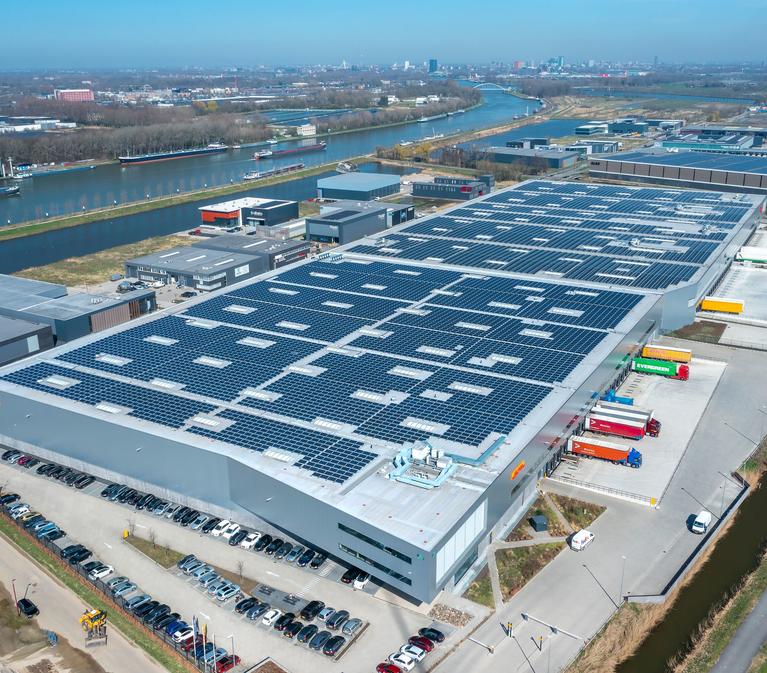
New research by Prologis, a global leader in logistics real estate, has highlighted the global supply chain crisis, with logistics space at an all-time low, a slowdown in the flow of goods and rising construction costs.

Prologis‘ Research team’s new paper, Persistent Disruption,  explores the shift logistics customers are making from “just in time” to “just in case” – or a permanent shift toward resilience. This shift will create powerful demand tailwinds in logistics real estate and could prolong or worsen the current shortage of space.

Highlights include:

  • Robust inventory-to-sales ratios are key to the future supply chain. Disruptions in the flow of goods will persist beyond the pandemic, driven by structural forces in climate, geopolitics and labour.
  • Higher inventories will require 800 million sq ft (74.3 million sq m) of logistics real estate or more to fix the shortage and build in resilience. Logistics real estate leasing is not yet reflecting this demand because companies need to first focus on immediate inventory challenges.
  • Gateway locations are poised to benefit as the first step on the consumption end of supply chains. Because these locations generally have high barriers to new logistics development, demand is expected to outstrip supply.

Eva van der Pluijm-Kok, Director, Research & Strategy at Prologis, commented: “During Q3, we saw a record low of 3.0% in vacancies in Europe. This trend already pointed towards increasing demand for space and for inventory stock up early on.

“In the UK, due to Brexit, the urgency to build supply chain resilience has been somewhat expected but we also saw that the disruption was more severe than predicted In Europe, demand to build inventory has been traditionally low. This is now slowly changing and leading to shortages.

“Both across Europe and the UK, findings show that the demand for logistics space and to increase inventories will continue as part of customers’ aim to build resilience.”

Furthermore, Prologis’ current Industrial Business Indicator (IBI), the company’s proprietary quarterly survey of customer activity and sentiment, reveal that strong retail sales and supply chain challenges are driving urgency in leasing. US net absorption reached a record high of 115 million sq ft (10.7 million sq m) in Q3 2021 and 280 million sq ft (26 million sq m) year-to-date – more than double the same period last year, pushing vacancy to a new low of 3.9%.

CLICK HERE to download the Persistent Disruption report by Prologis.


Baoli appoints new MD

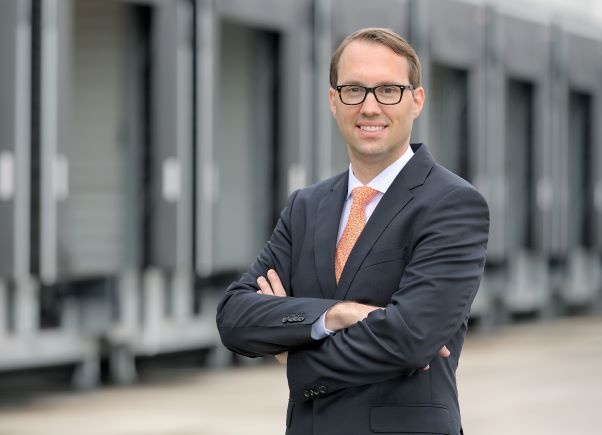
Christian Bischof (pictured) has been appointed to run KION Group’s Baoli brand in the EMEA region with effect from 1st October, 2021. As Managing Director Baoli EMEA S.p.A. he succeeds Francesco Pampuri, who led the organisation on an interim basis since January 1, 2021, and will now focus on brand positioning and marketing activities of the Baoli brand in the EMEA region as Director Brand Management.

“We have a great chance to further explore the market potential in the region with Baoli. especially for the entry-level segment of the material handling market I am seeing very solid growth opportunities in the years to come,” Bischof predicts.

According to him, there are many customers who are looking for entry-level forklift trucks without a wide range of technical options. “Baoli develops and builds industrial trucks that meet precisely these customer requirements.”

To do this, the company makes use of its cost-efficient production base in China and combines this with European development and engineering expertise. “With our competence as well as our experienced international team, we want to contribute to the profitable growth of the traditional and at the same time future-oriented Baoli brand in the EMEA region.”

Christian Bischof, 42, graduated in business administration in Germany and obtained a Master of Business Administration (MBA) in the United States. Since 2009, he has worked for various companies in the KION Group on different continents. Bischof’s previous positions include Director of Marketing and Corporate Communications at Linde Hydraulics, Director of Strategy, Business Development and Dealer Network at KION North America and, most recently, Senior Director of Market Intelligence and Corporate Strategy at KION’s headquarters in Frankfurt am Main.

Baoli is a major manufacturer of industrial trucks from Asia with a solid and well-organised structure in Europe, the Middle East and Africa that is not only able to tap into the market but also guarantees a high quality of service. To this end, the subsidiary of the global intralogistics company KION Group has consistently expanded its range of after-sales services in recent years.

The central product and spare parts warehouse in Milan, Italy, covers an area of around 14,000 sq m with an availability of more than 300 trucks ready for delivery and a dedicated spare parts area of 11,000 sq m. The northern Italian city is also home to the Baoli EMEA headquarters.

The Baoli brand targets entry-level customer groups and offers affordable solutions for daily material handling with reliable and easy-to-use equipment. The company offers a comprehensive range of counterbalance trucks, including 3- and 4-wheel electric forklift trucks with load capacities from 1.5 to 3.5t, IC engine-powered forklift trucks from 1.5 to 10.0t, as well as a variety of warehouse equipment such as low lift and high lift pallet trucks.

In Europe, the Middle East and Africa, the international player is currently active in more than 50 countries with a network of over 350 dealers and intends to greatly expand the dealer network.

Subscribe

Get notified about New Episodes of our Podcast, New Magazine Issues and stay updated with our Weekly Newsletter.