New Dachser Facility in Neumunster

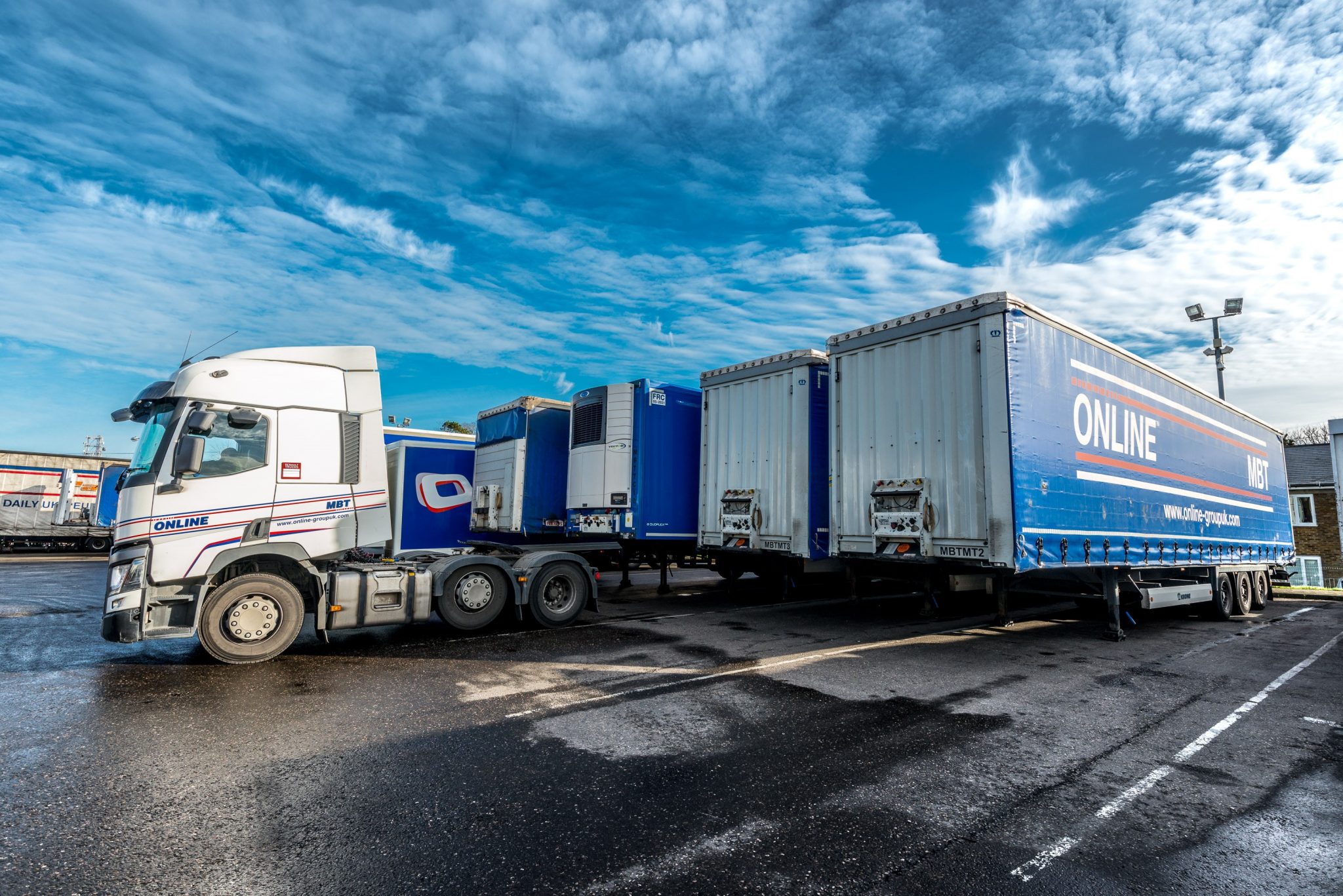
The logistics provider Dachser is starting the construction of a new branch in Neumünster in the far north of Germany. Dachser is building a transit terminal for industrial goods and food at Isarstrasse on the industrial estate south of Neumünster. This investment is worth some EUR 17.4 million. Construction is expected to be completed by the third quarter of 2020. Around 30 employees will work in the new logistics center.

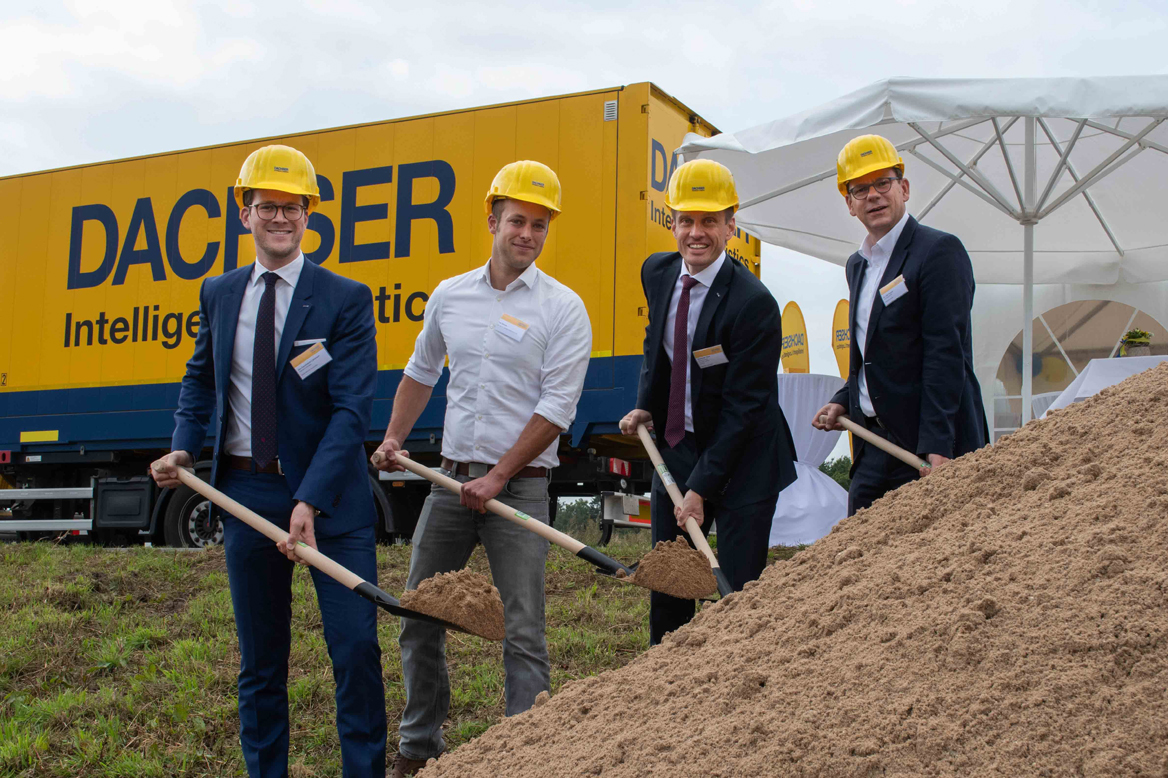
The groundbreaking ceremony was held on the grounds at Isarstrasse and attended by Dr. Olaf Tauras, Mayor of Neumünster, and Alexander Tonn, Managing Director European Logistics Germany, on August 7, 2019. Tonn is responsible for the German branches of the European Logistics business line (overland transport and contract logistics for industrial goods).

Construction work on the 57,000-square-meter plot of land will start at the beginning of September. The total area of the terminal is 6,700 square meters. Of this floor space, 5,000 square meters will handle industrial goods, with the remaining 1,700 square meters cooled and devoted to food transit. The facility will have 76 docking bays for the loading and unloading of trucks. An office building of 1,000 square meters will complement the terminal.

“Neumünster will become another key terminal for Dachser in the far north of Germany. This new location will connect directly into our extensive European overland transport network,” Tonn says, adding that “the new construction complies with the latest standards and offers secure and sustainable jobs in logistics within the region.”

Dachser’s new terminal in Neumünster will replace its long-standing partner, 17111 Transit Transport & Logistik. In the future, this site will serve almost the whole of Schleswig-Holstein, but for now the collaboration will continue until the Dachser branch has been completed. The new location has good transport connections, situated directly on the B205 highway with direct access to the A7 highway.

Exoskeletons Tested in Warehouses

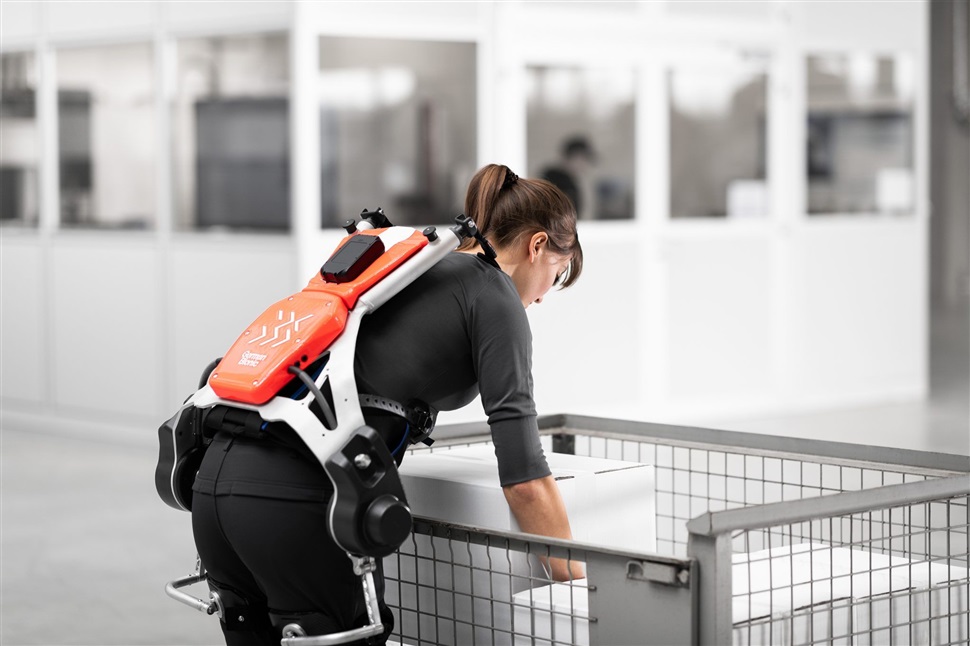
DB Schenker has intensively and successfully tested the use of exoskeletons at several logistics locations. The logistics service provider is thus continuing its efforts to relieve warehouse staff of physically-demanding tasks.

Exoskeletons, also known as outer skeletons or support robots, are electro-mechanical support structures carried on the body. In addition to ergonomically-designed workstations, they are designed to support the warehouse employees during lifting and rotating movements of the body. In particular, this protects the lumbar vertebrae and the back muscles. The strain on these parts of the body is often the cause of illness and inability to work.

“Here at DB Schenker, our employees are our most important and valuable asset. I am therefore very pleased that we are taking another important step towards testing better and, above all, healthier working conditions for our employees,” says Thomas Schulz, CHRO at Schenker AG. “This brings us closer to our strategic target of being the employer of choice as an innovative and leading logistics service provider.”

The focus of the pilot project was the order picking and sequencing of packages weighing up to 15 kilograms. Employees equipped with an exoskeleton removed the packages from storage racks and then placed them on pallets. The exoskeleton supported the movement sequences. As part of the Graduate Summer School at the University of Dortmund, DB Schenker invited around 20 doctoral students from various faculties to Cologne. Here, they took part in the practical test for the exoskeletons at the supplier park of a renowned automobile manufacturer.

Gerald Mueller, Head of Process and Efficiency Management at Schenker Deutschland AG, says: “The feedback from the doctoral students and DB Schenker employees after the test was very positive and once again confirmed that the long-term use, in conjunction with ergonomically optimally-designed logistics processes, can improve the health of the employees. In the coming months, we will now be analyzing the results in detail and checking whether the exoskeletons will then be included in the area of process optimization at DB Schenker.”

Even in highly-automated warehouses, employees are still indispensable for many activities, such as lifting loads from their packaging. While general lifting operations are performed by machines such as forklifts or robots, lifting out is still too complex for the control technology of the machines. Here, an exoskeleton combines the power of the machine with the human motor competence, providing the perfect solution.

Logistics Portfolio in Spain Acquired

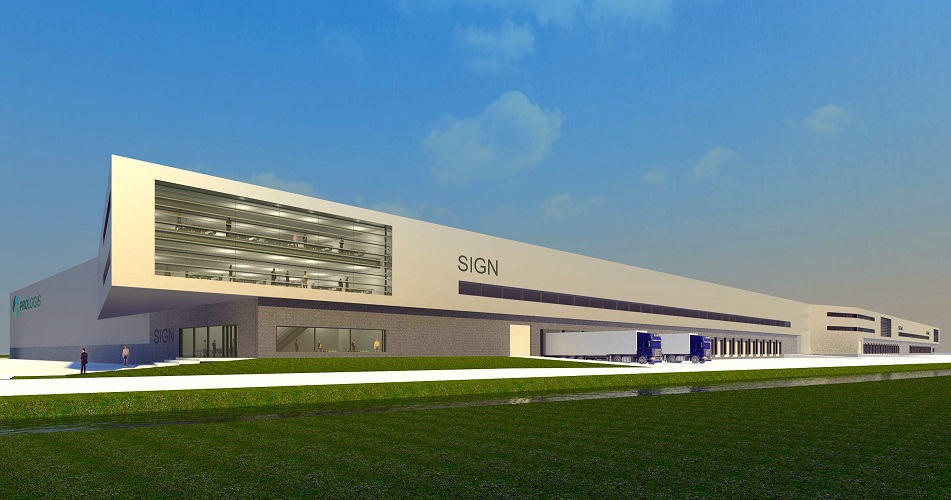
Prologis, Inc., a global leader in logistics real estate, has announced that it had signed an agreement with Spanish REIT Colonial to acquire 18 logistics buildings totalling 473,000 square metres. The buildings are in some of Spain’s core logistics markets, including Madrid, Barcelona and Guadalajara.

”As an active buyer in the market, we purchase highly complementary land tracts and logistics facilities that are in line with our strategic investment approach,” said Joseph Ghazal, chief investment officer, Prologis Europe. “This transaction, signed on behalf of our European logistics fund PELF, more evenly distributes our resource allocations between our European regions. Further, this accretive acquisition brings considerable value-added upside as markets strengthen further in Southern Europe and rental growth drives investor returns.”

The agreement includes the immediate purchase of 11 facilities, totalling 314,000 square meters. In addition, Prologis has a call option for 7 developments, totalling 159,000 square meters, over the next three quarters. “This portfolio significantly bolsters our presence in the Spanish market, notably in the Henares corridor between San Fernando de Henares and Guadalajara and along the A2 motorway that connects Madrid and Barcelona, the Iberian’s Peninsula’s main logistics corridor,” said Gustavo Cardozo, country manager, Prologis Iberia.

Pere Viñolas, CEO of Colonial, explained that “we thought that the opportunity to sell our logistic assets was excellent. Therefore, we set up a competitive process, and received many offers and interest from the market. Finally, we are very satisfied with the final outcome”. “This transaction allows Colonial to focus on its core business and as a leader in office real estate sector in Madrid, Barcelona and Paris and demonstrates our ability to maximize shareholder profitability based on active portfolio management.”

Uplift for Busy Shift Operations

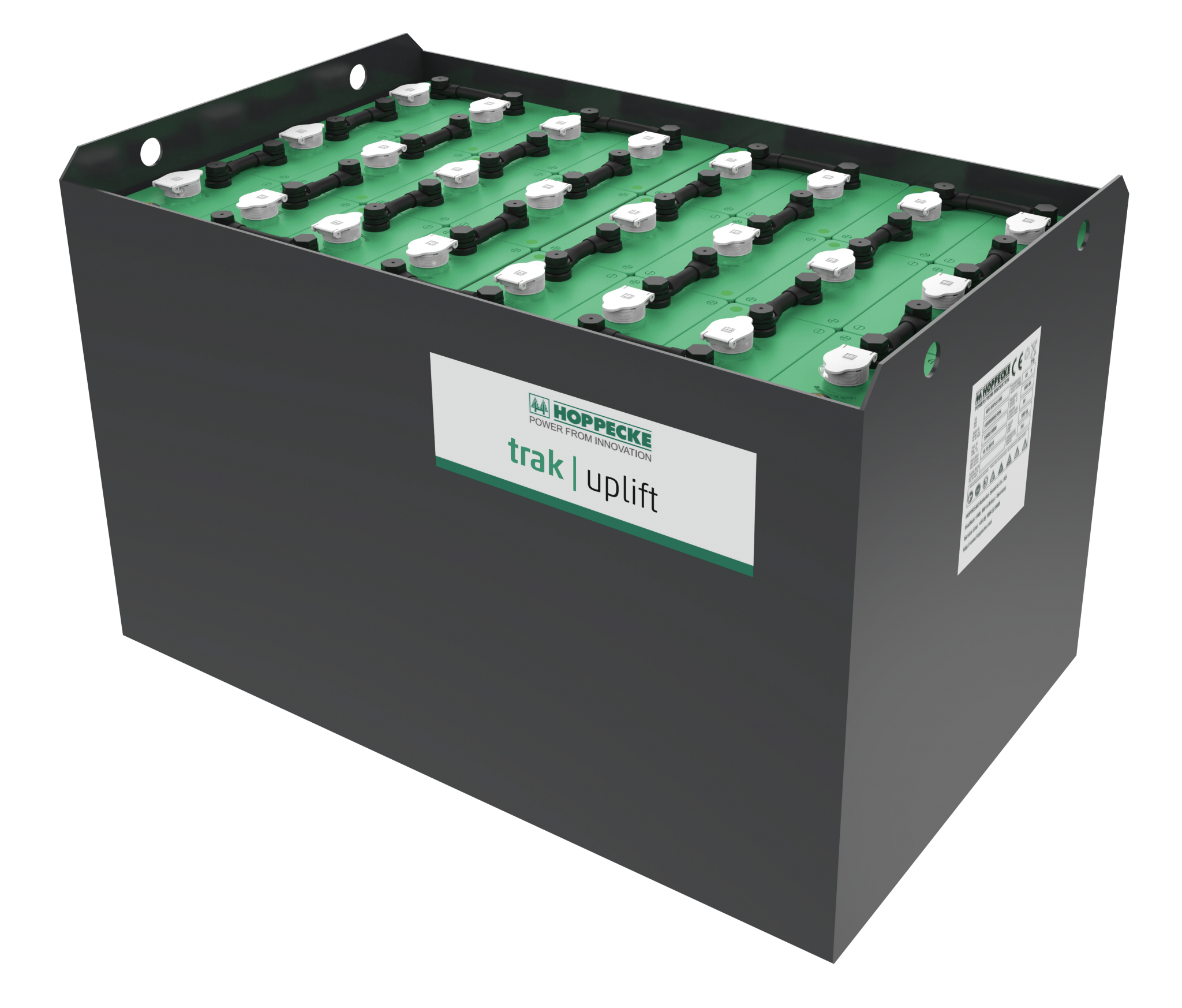
Hoppecke Industrial Batteries has launched trak | uplift, the latest in vented lead-acid technology. Combining quality, durability and economy, the new battery range provides the ideal solution for busy single shift operations.

At the heart of all Hoppecke trak | uplift products is active carbon. In conjunction with other innovative developments this specially matched active material promotes higher current discharge characteristics, improved fast charging capabilities and increased service life for cyclic applications.

New innovations include a 3D enhanced electrode design plus a protective shell separator, which prevents deposits of free active materials accumulating on the negative electrode, known as mossing – a major cause of short circuits. A pole feed-through, with a labyrinth system specially developed to cope with the demands of industrial forklifts in daily use, means that trak | uplift products are robust enough to withstand the highest mechanical stresses and strains. The result is reliable operation with reduced maintenance requirements. By comparison with conventional lead-acid batteries trak | uplift products have considerably longer top-up intervals, which translates into longer maintenance intervals and lower operating costs.

As logistics operations contend with the challenges of boosting productivity whilst maximising resources to keep costs low, Hoppecke’s aim is to make their budgets work harder with energy-efficient motive power batteries that deliver day in, day out. Stuart Browne, Operations Director – Sales and Service at Hoppecke UK, said: “The new trak | uplift range represents the cutting edge of our vented lead-acid technology and is a universal, high quality, low-cost solution designed to keep a wide range of equipment operating at peak performance. Our extensive analysis shows that trak | uplift is one of the most dependable batteries on the market, since competitor systems cannot match its longevity and deteriorate more rapidly over five years.”

Suitable for industrial trucks, utility vehicles, agricultural and construction machinery, lifting platforms, cleaning machines and cold storage equipment, Hoppecke’s trak| uplift is a cost-optimised basic solution with the capability to retrofit extra components at any time. By upgrading with trak | air components, for example, operators can enjoy lower energy and water top-up costs plus enhanced availability due to reduced charging times.

The trak | uplift save battery reduces maintenance costs with the aid of innovative technology, whilst the trak | uplift save+ provides optimal protection against external influences and is therefore ideal for use in especially dirty environments. The top of the range is the trak | uplift iQ system, which incorporates an intelligent controller unit. All trak | uplift batteries can be used in conjunction with Hoppecke’s monitoring and measuring systems. The ultimate service life is achieved when trak| uplift batteries are used in combination with Hoppecke chargers.

Container Handling Equipment Boost

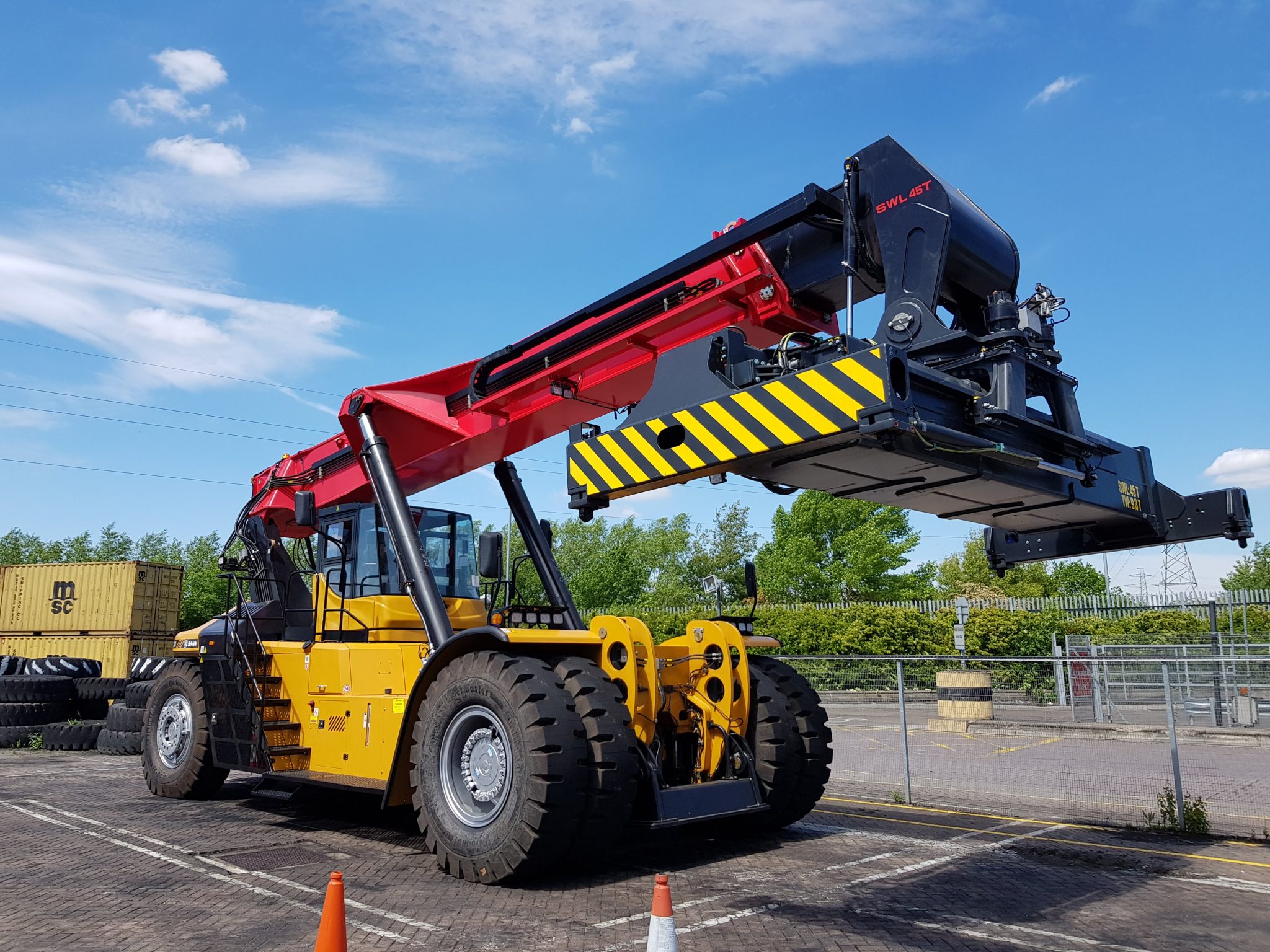
Two Sany 4540 intermodal reach stackers have entered service at the ABP Hams Hall Rail Freight Terminal located just 8 miles from the centre of Birmingham in the heart of the Midlands, ABP Hams Hall is a key UK intermodal hub. The new 4540 is the 7000mm wheelbase equivalent to the increasing popular 4531 general yard reach stacker.

The 4540 is equipped with the newly developed jacking system, that with the unique sliding rear ballast, gives the operator enhanced capacity without slowing operations down. The jacks and
residual capacity arrangements brought a specific comment from David Cooper, Executive Director of Cooper Handling, who said: “In reach stacker intermodal operations, operators jacking operations slow driver’s down and they only use jacks as an absolute last resort. The sliding ballast helps here and could be the difference between lifting and not lifting without jacks, but its deployment is immediate. Delays in deploying jacks, whilst only matter of seconds down and seconds upwards, accumulate over a working week so time saving in jack deployment increases productivity.”

The 7000mm wheelbase machine, together with the sliding ballast and the jacks, will provide ABP Hams Hall with their highest rating capacity machines to lift-off the second rail lines. Mark Thompson, Head of Asset Management for ABP said: “ABP Hams Hall is a strategic site where we depend upon high performance, reliability and machine availability. We look forward to seeing how the Sanys perform alongside the established brands”.

Other features on the machines include a hydraulic sliding cabin, head-up display as well as an Elme 817 toplift spreader which represents a first for Sany in the UK complete with Elme’s ‘Soft-
Landing’ system that softens the last 150mm of twistlock engagement.

Jann Rene Hansen, Sales Director for Sany Europe said: “We are very extremely pleased with this order from ABP done by Cooper. It shows me that we are beginning to gain market shares, also with the major operators in Europe, not only based on our strong presence in the UK, but also on the range of machines which we are able to supply to the market now.”

Port of Rotterdam Authority launches new company

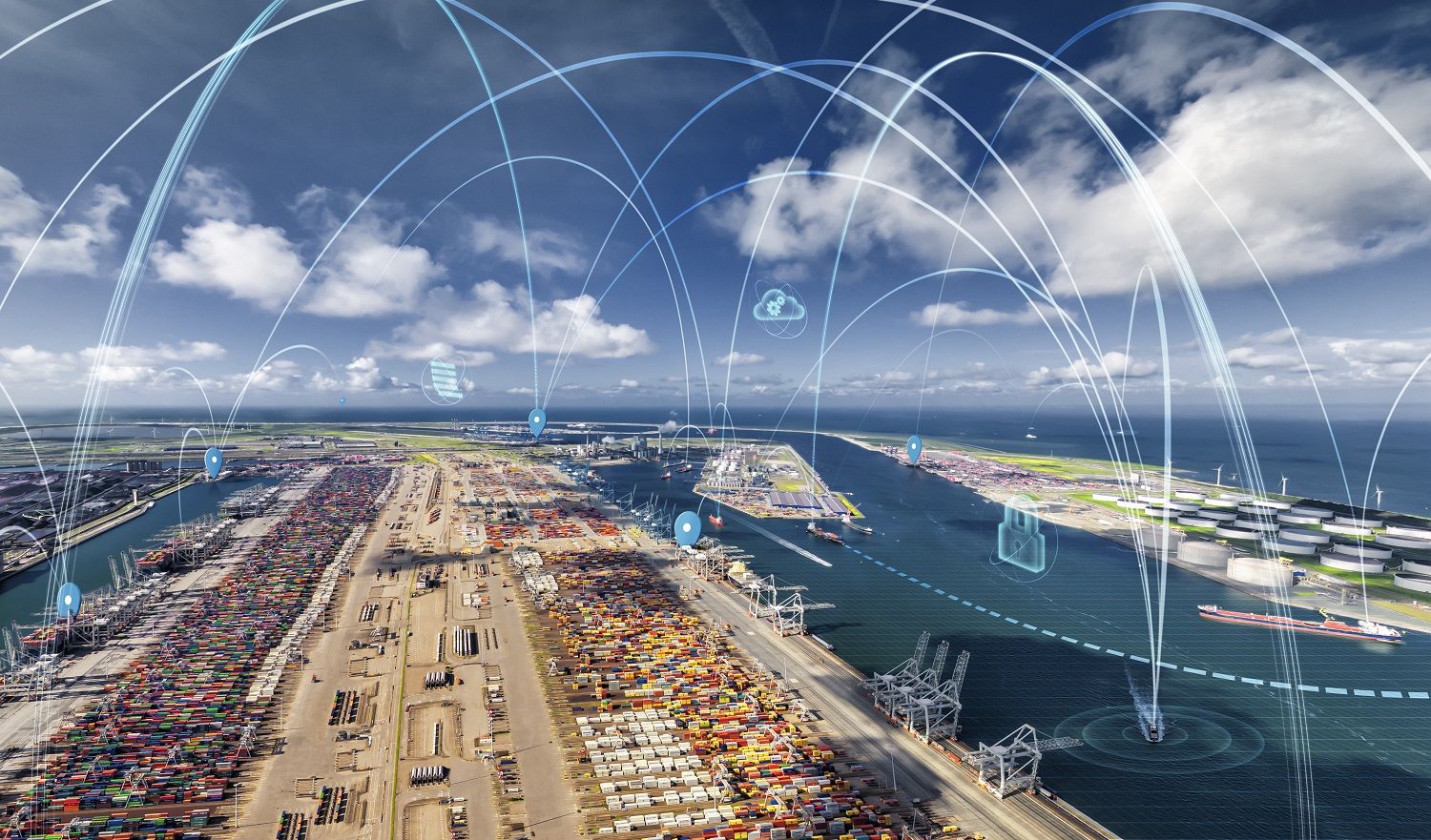
The Port of Rotterdam Authority has launched its new company PortXchange Products BV. This entity is set up to offer the Pronto platform and application to ports around the world over the next few years. The establishment of a separate company will enable partnerships with a variety of global players. Together with strategic partners Shell International Trading and Shipping Company Limited and A.P. Moller – Maersk, PortXchange will initially offer Pronto to several ports outside the Netherlands.

The launch of PortXchange provides a platform to create new strategic partnerships with ports, shipping companies and terminals, geared towards implementing smart digital solutions like Pronto in ports worldwide. This in turn contributes to the ambition of Port of Rotterdam to become the world’s smartest port. Trust between parties for the free exchange of data is vital to the successful introduction of Pronto in other ports. The establishment of a separate company enables the solution’s neutrality and independence, and improves cooperation between all parties.

PortXchange aims to improve the efficiency of port calls and help clients reduce their emissions – both in the port as well as between ports. To this end, the company provides Pronto: a joint platform that can be used by shipping companies, agents, terminals, port authorities and other (nautical) service providers, which enables them to optimally plan, execute and monitor all activities during a port call based on the exchange of standardised data. In addition, Pronto enables just-in-time sailing, which helps reduce carbon emissions.

Taking the lead in digital transformation enables the Port of Rotterdam to become more efficient, reliable and, as result, more competitive. “By making our application available to ports across the world we can optimise the potential of digital solutions. The more ports use smart solutions, the more valuable these become. The establishment of a separate company for Pronto’s global roll out is an excellent example of this approach,” stated Allard Castelein, CEO Port of Rotterdam Authority.

Contract Logistics Market Growth Nears Decade High

New research from Transport Intelligence (Ti) reveals that the global contract logistics market grew 4.9% in real terms in 2018, one of the fastest growth rates seen in recent years. It paints a picture of a healthy market, with 2018’s expansion well above annual growth rates seen over much of the last decade.

Growth is expected to remain at such levels over the forecast horizon too, suggesting ongoing strength in core manufacturing and retail markets at a global level. Ti forecasts a slight slowdown in 2019, while looking ahead to 2023, Ti’s 5-year CAGR forecast for the global contract logistics market suggests an expansion rate of 4.7%.

The latest round of contract logistics market sizing reveals a mixed picture in major economies, however. In China, one of 95 markets for which contract logistics market sizing is available, the contract logistics market shows remarkable vigour with a 2018 growth rate of more than double the global rate powered by an expanding consumer market and the growth of advanced manufacturing fields such as robotics, IoT and 3D printing. In the US, the story in 2018 was reasonably positive, but while the contract logistics market grew, the rate of expansion was more modest and well below the global rate. The 5-year CAGR to 2023 for the US is muted at 2.0%.

“2018 was a strong year for contract logistics providers in many respects,” said Nick Bailey, Ti’s Head of Research. “While the fundamentals remain positive, players in the market need to take advantage and react to some significant changes in the market. Across key verticals like retail, pharmaceuticals, automotive and beyond, demands are changing and shippers are expecting higher levels of service, digital offers and greater end-to-end value. The pressure is on contract logistics providers to make sure their offer stays relevant.”
Analysis in the 2019 edition of Global Contract Logistics also places DHL Supply Chain well ahead of its nearest competitors XPO and Kuehne + Nagel as the largest contract logistics provider globally, with a 6.2% market share.

Andy Ralls, Quantitative Analyst at Ti, said, “The global market for contract logistics grew at a strong pace in 2018, down only slightly on what was an excellent year in 2017. There are some stark contrasts between the significant bright spots in China, India and South East Asia, when compared with developed markets in Europe, but even these are showing a reasonable level of expansion. This means that 3PLs across the world have had significant opportunities to grow their businesses.”

Drone Operator Wanted: apply within?

blog by Tom Viggers, Global Account Director, pymetrics.

According to DHL, “Supply chain managers across the globe are struggling with a critical supply-and-demand imbalance. But it’s not for a specific product, commodity, or even for transportation capacity. It’s for people.” Driving the demand are a number of trends that will bring with them other problems. “Autonomous trucks and drones are the 800-pound gorilla in logistics technology trends,” according to Adam Robinson from logistics company, Cerasis. “They are the in-all solution to the concerns over the driver shortage and they can save big bucks for logistics service providers.” This future is already here. Companies like Einride, for example, provide fully-autonomous electric vehicles which are already starting to be installed and commercially operational. This is just one of 28 trends highlighted in DHL’s Trend Radar, all of which could have a profound effect on the way logistics happens, half of them within the next five years.

Less headline-worthy, but no less impactful, are a myriad of other technologies already changing the industry today. Shipping company, Shapiro, describes how Shipment Tracking Systems benefit customers whilst also saving costs, and the Internet of Things and Radio Frequency Identification can help with the seamless tracking of inventories more quickly and accurately than has been possible in the past. And of course, the skills and know-how associated with supporting and operating these technologies are new too.

Meanwhile external threats are rising, driving the stakes even higher. As Accenture notes: “by cherry-picking the most profitable parts of the freight and logistics value chain, agile new entrants touting digital, customer-centric business models are steadily fragmenting it.” So, can scale and heritage continue to be a source of value? How can logistics enterprises compete? Technology moves forward in giant leaps; vast human workforces aren’t so easily upgraded.

According to a Deloitte report looking at the ‘no-collar’ workforce, organisations who will succeed are the ones who recognise the unique capabilities that people have that machines do not and deeply integrate the two sets of abilities. That is why, in 2019, it is the so-called ‘soft skills’ that dominate hiring managers’ wish lists. They understand that they can’t rely on hiring individuals who they think could have succeeded in the past; they need to find people today who will be capable of thriving in markets and dealing with concepts that are still in the early stages of being developed.

The trouble is, human capabilities are extremely difficult to define accurately and traditional methods of record – CVs, IQ tests and the like – woefully inadequate tools for doing so. Technical skills and knowledge can be measured somewhat robustly but are more applicable to the past than the future and often rendered obsolete as technology advances. What is more, due to historical inequalities, hiring practices aligned to these facets tend to perpetuate gender and ethnic bias.

Ironically enough, it is technology that could present the solution. pymetrics, a Future of Work platform, collects vast unbiased datasets about employees’ cognitive, social and emotional traits – the building blocks of natural aptitudes and potential – using a suite of gamified behavioural exercises, then allows organisations to understand the human behaviours driving success in their teams. This can be extrapolated not only to model out what the workforce looks like today and radically improve the hiring process, but to start to build a picture of the behaviours that will drive value in the future. Just maybe, today’s forklift truck drivers, with their natural diligence and predisposition towards safety, will be a great source of talent for the drone operators of tomorrow.

When it comes to delivering people, just as in delivering goods, the future has already landed.

Strapping Machine Evolution

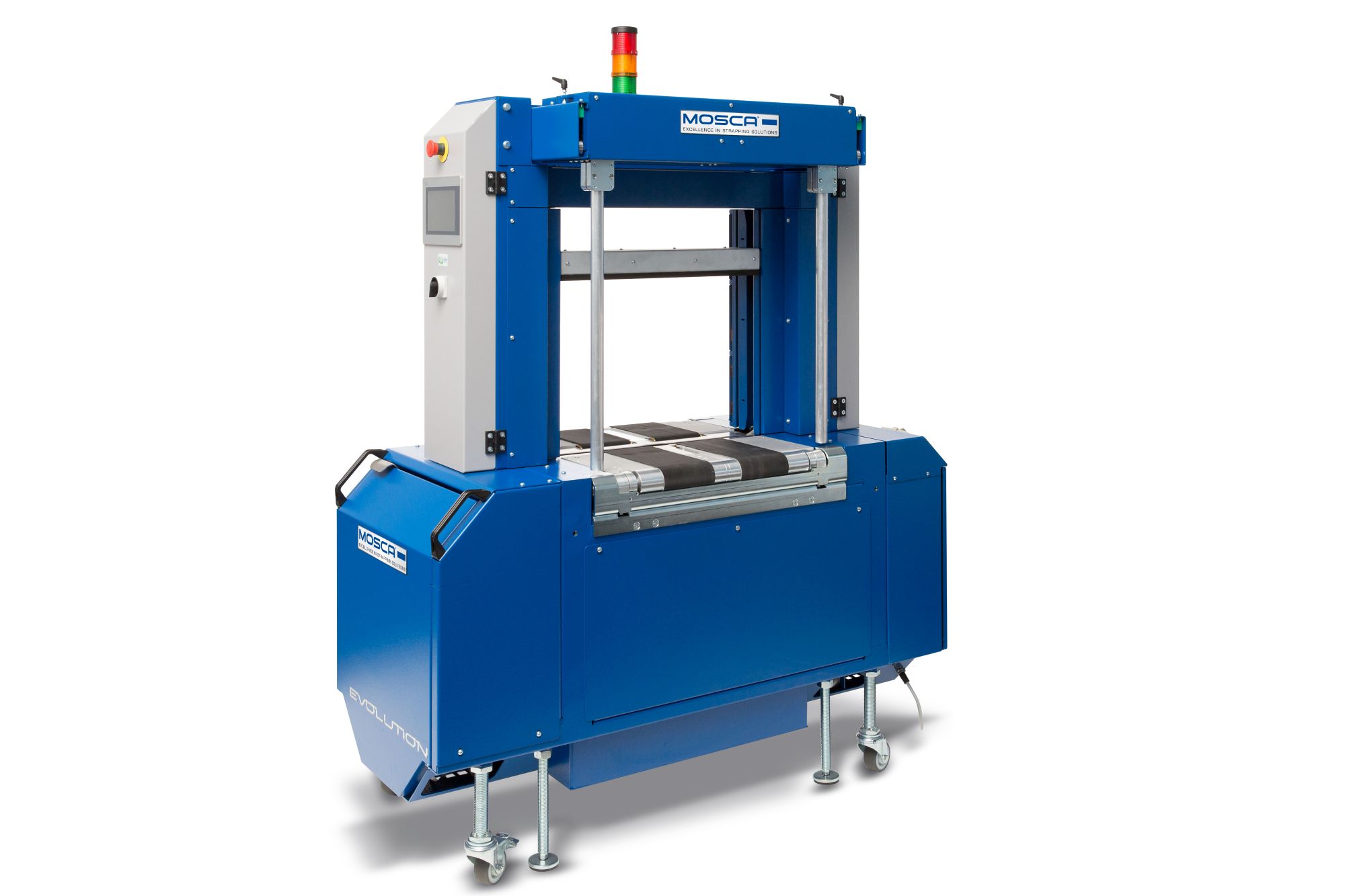
FachPack 2019 is where Mosca GmbH will show how its well-proven machines are constantly evolving. The strapping machine specialists will be presenting selected models, including the EVOLUTION SoniXs MS-6-H. Already established as a high-speed performer for bulky goods, this machine now comes with a new feature. Equipped with a vertical feeder, it now secures products with solid cardboard edge protectors. Mosca is also exhibiting the EVOLUTION SoniXs MS-6 KR-ZV launched at the trade show last year along with the EVOLUTION SoniXs TR-6 Pro model designed for Industry 4.0 applications.

From palletized boxes to fruit crates and plastic containers – Mosca has equipped its EVOLUTION SoniXs MS-6-H strapping machine with a vertical edge protection feeder to reliably secure horizontally stacked layers. This device positions solid cardboard protection elements on the four outer edges of the product to be packaged before the machine straps them horizontally. “The application is especially practical for securing fruit and vegetable containers in the food industry. But it can also be used in other logistics operations,” explains Mosca CEO Timo Mosca. So far, the high-speed machine has primarily been used to meet the demands of furniture and home appliance manufacturers.

The standard EVOLUTION SoniXs MS-6-H magazine can be loaded with edge protectors in three different sizes. Along with the length of the entire element, the wing width and material thickness are variable. This ensures the ideal protection for each application. The edge protectors are made from solid recyclable cardboard, which offers an eco-friendly alternative to stretch wrapping or other methods that use plastic film to hold stacked layers in place. When the supply of edge protectors is used up, the empty magazine can be quickly removed from the machine and replaced with a full one. This saves time, material and production costs.

Edge protectors are positioned on the stack precisely and efficiently – without manual intervention. Laser beams detect the four corners of the stack as soon as it is placed on the machine. The edge protectors are then simultaneously brought into place on the product and carefully attached. Product height is also automatically detected by the machine and the process is usually completed with two to five straps applied horizontally.

The EVOLUTION SoniXs MS-6-H equipped with edge protection remains true to its original features. Strapping performance is only minimally affected by the additional step of applying edge protectors. Thanks to intelligent product recognition, the machine can be used with a variety of product groups. Mosca’s patented SoniXs ultrasonic technology is used to securely seal the strap ends. Both PET and PP straps are reliably sealed without a warm-up phase.

While the EVOLUTION SoniXs MS-6-H provides optimum stabilization for products stacked on a pallet, the EVOLUTION SoniXs MS-6 KR-ZV offers a tailor-made, cost-effective strapping solution for securing products to a substructure. This machine was introduced at FachPack 2018 and is specially designed for lightweight products on pallets, dollies or pallet cages. It operates with a reduced strap tension of up to 450 newtons, which eliminates the need for a safety enclosure or safety zone during operation. This lowers procurement costs and makes operation less complicated. The EVOLUTION SoniXs MS-6-H is an ideal supplement in complex logistics chains.

Higher half-year Results for Hapag-Lloyd

Hapag-Lloyd has concluded the first half of the year 2019 with a significantly higher operating result than in the same period of the previous year. Earnings before interest and taxes (EBIT) increased to EUR 389 million (H1 2018: EUR 91 million). The Group net result rose to EUR 146 million (H1 2018: EUR -101 million). Earnings before interest, taxes, depreciation and amortisation (EBITDA) climbed to EUR 956 million (H1 2018: EUR 427 million). The EBITDA increase of EUR 529 million includes a positive effect of EUR 217 million caused by the new reporting standards IFRS 16.

“Thanks to higher transport volumes in our core trades, good cost control and slightly better freight rates, we can look back on a good first half year. This also allowed us to redeem additional debt through the early repayment of a senior note,” said Rolf Habben Jansen, Chief Executive Officer of Hapag-Lloyd.

Revenues increased in the first half year to EUR 6.2 billion (H1 2018: EUR 5.4 billion), the transport volume rose by 2 percent to 5,966 TTEU (H1 2018: 5,848 TTEU), and the average freight rate climbed by 5 percent to 1,071 USD/TEU (H1 2018: 1,020 USD/TEU). In contrast, higher bunker prices of USD 429 per tonne had a negative impact on the result (H1 2018: USD 385 per tonne).

Habben Jansen added, “after a solid first half of 2019, our outlook remains unchanged, even if we have to deal with more trade restrictions and see increasing geopolitical risk, which of course could impact growth. In the second half of the year, we will continue implementing our Strategy 2023 in our efforts to become the number one for quality.”

Subscribe

Get notified about New Episodes of our Podcast, New Magazine Issues and stay updated with our Weekly Newsletter.