Rail Freight Backbone

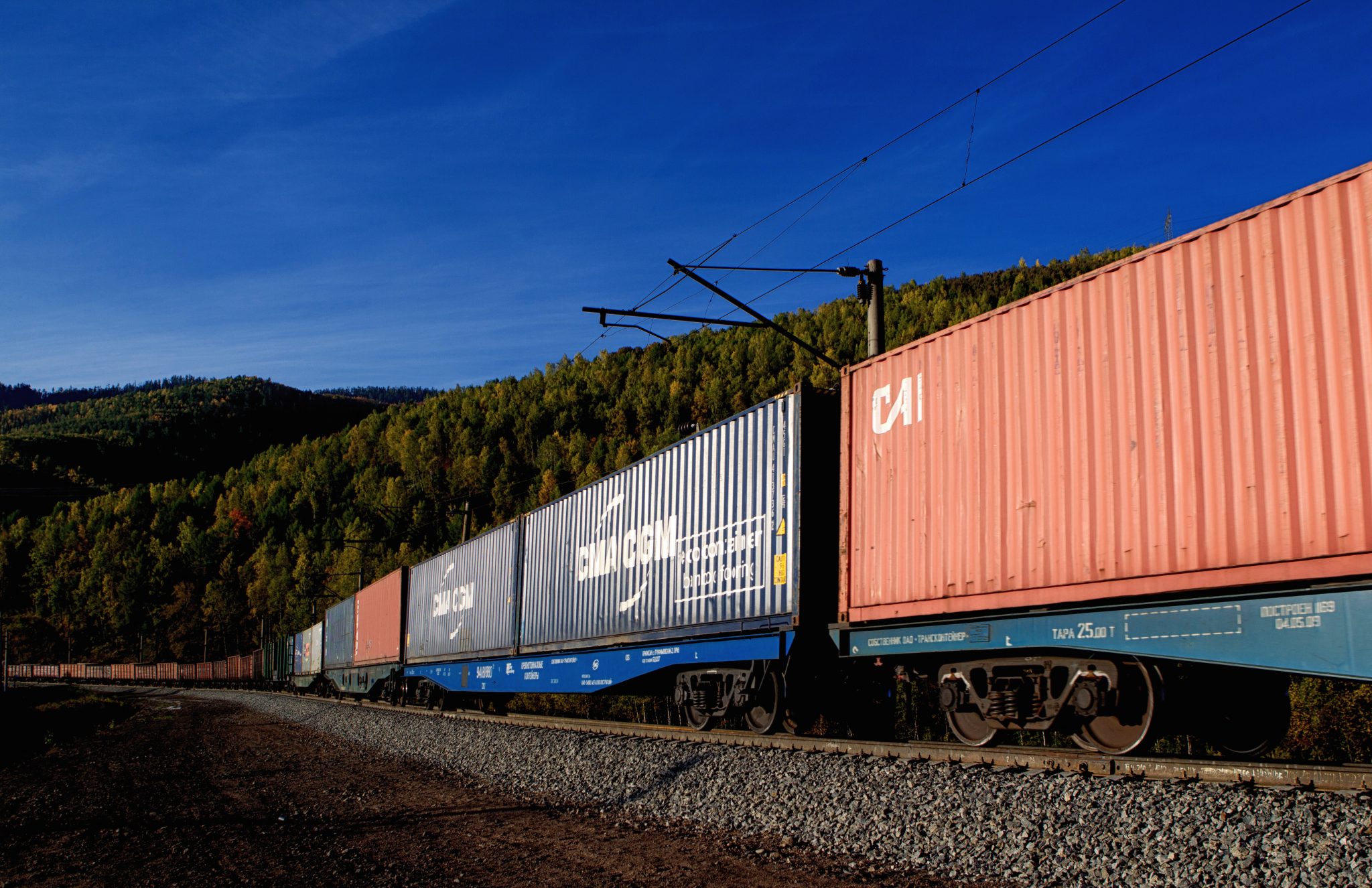
Rail freight should form the backbone of UK logistics in the post-pandemic landscape, argues Phil Oakley of Prologis.

There is no doubt that the UK economy has felt the full force of the pandemic and the logistics sector has been on the frontline since the very beginning. As non-essential shops closed their doors due to lockdown, supermarkets and online retailers faced sudden increased demand from consumers, with many experiencing peak levels on a daily basis. As the industry adjusted to the huge
challenges brought by the global shock, many increased their use of rail freight to help keep essential goods moving the length and breadth of the country. Now, as recovery gets under way, what needs to be done to ensure rail continues to be prioritised going forward?

For the first time ever, Network Rail gave freight traffic priority over passenger services during the pandemic. In the early stages of lockdown, this shift was essential in order to move large amounts of goods – often perishables and consumer products – to re-stock supermarket shelves. Indeed, throughout the crisis, Midlands’ hubs at the centre of the country, such as Daventry International Rail Freight Terminal (Prologis RFI DIRFT), have been key in keeping the North-South rail freight route moving. It’s not hard to see why.

Being in the logistics golden triangle in the Midlands, DIRFT’s location enables occupiers to reach 90 percent of the country in under four hours by road. Its proximity to the West Coast Main Line, the UK’s busiest rail freight route, means that much of the country is easily accessible by rail, too. Many companies with distribution facilities at DIRFT upped their rail freight operations during lockdown, moving more goods to help meet increased demand, and taking advantage of the less-crowded tracks.

Read the whole article, from our September issue, here:

https://flickread.com/edition/html/index.php?pdf=5f3d1fcf3160d#18

http://www.prologis.co.uk

similar news

Maritime Starts Rail Freight Service for East Midlands Gateway


Marshalls Expands its Fleet of Trucks

Manufacturer of hard landscaping products, Marshalls has expanded its fleet of trucks. Ryder, an independent provider of commercial vehicle rental is supplying 100 new DAF XF480 Euro-6 tractor units with Space cabs.

The fleet of trucks s will be used within Marshalls’ nationwide distribution operation. They will be used to deliver its products to builder’s merchants and other customers.

The new vehicle order takes Ryder’s share of Marshalls’ fleet to more than 240 vehicles and trailers, around two-thirds of the company’s fleet.

John Robinson, Ryder Director, Fleet Sales, who has been involved in the Marshalls relationship since the beginning, said: “We’ve worked really hard to understand the demands of Marshalls’ transport operation, which is complex and involves a significant number, and wide range, of vehicle types. I believe Ryder’s size and strength as a business give us a real advantage in supporting a transport operation as large and diverse as Marshalls.”

David Grogut, Asset Engineering Manager at Ryder, commented: “Maximising fuel efficiency and reducing CO2 emissions are key priorities for Marshalls. The vehicles tend to carry very heavy loads so, in addition to ensuring the correct powertrain and differential ratios are specified, we looked at all options for reducing vehicle weight. Our engineers also carried out a detailed fleet review to ensure that all new equipment going into the fleet was compatible with Marshalls’ existing fleet of trucks. For example, reviewing the specification of the tractor units against the types of trailers they are being matched with.”

In introducing the new Euro-6 vehicles to the Marshalls fleet, a ‘train the trainer’ programme was run by DAF and Ryder that focussed on how to get the best out of the new technology.

At the heart of Marshalls’ operations is the company’s three-day delivery promise, with all activities designed and aligned to deliver on this promise. Vehicle uptime is key to maintaining the Marshalls’ delivery promise. Robinson comments: “Marshalls runs a demanding fleet operation throughout Scotland, England and Wales. Their trunking fleet is based on a five-day operation with some vehicles away from the home location on ‘tramping’ runs for six straight days and nights. Ryder’s approach to supporting the operation is two-pronged. First, Marshalls can take advantage of Ryder’s significant rental fleet, especially during the summer peak demand months, but also for breakdown cover. Second, we have a dedicated Ryder Account Management function to support their transport operations on a day-to-day basis, backed by a range of critical KPIs to monitor compliance performance in order to drive improved efficiency and continuous improvement.”

Jonathan Galvin, Category Manager in Marshalls’ Procurement department, commented: “In ultimately selecting Ryder to provide such a large proportion of our transport fleet, we know that Ryder is a longstanding and stable business. We also value highly the fact that Ryder uses its own funds and has the financial backing of a major US corporation. With more than 20,000 vehicles themselves, we also benefited from Ryder’s buying power in the market to secure the financial terms that meet our business needs.”

“It is a fantastic achievement to now be a major supplier of commercial vehicles to Marshalls, and testimony to the progressive working relationships that have developed at many levels throughout both our organisations over the last 10 years,” concluded Robinson

Switch to Electric Vehicles made Simpler with new Tool

Fleet operators who want to switch to electric vehicles can use a new web-based automated AI tool- the Teletrac EV Readiness tool. It has been developed by telematics solutions, company Teletrac.

In the UK the government mandates the production of new petrol and diesel engines will cease by 2035. OEMs and operators need to therefore find effective ways to transition fleets into the world of electric.

Teletrac’s EV Readiness Tool integrates with their fleet management and tracking platforms. It analyses all telematics data to provide operators with detailed recommendations of where electric vehicles could be adopted into their operation. The tool can analyse the feasibility of switching. It can also calculate the total cost of ownership of an EV switch versus the existing fleet (purchase price, residual value, taxes, insurance, maintenance, electricity costs). It also calculates the total CO2 and fuel savings the business would make.

The EV Readiness Tool will even recommend the ideal EV vehicles to switch to. It can advise on how many and what type of chargers are required to run the recommended vehicles. It calculates the cost of the chargers, as well as where they should be located to ensure no loss of battery based on the trips being undertaken.

The tool uses AI and historical telematics data to provide evaluations for fleet operators. The platform analyses everything, from the average number of trips overall and per vehicle, the distance, regularity, usage times, usage patterns, and time spent moving versus idle.

Nicholas Wilson, Environmental Project Co-Ordinator at Stockport Homes trialled the tool. He commented: “As the ALMO managing the housing stock for Stockport Council, we have targets to have at least 60% of our fleet fully electric by 2025. We need to reduce CO2 emissions and become carbon neutral by 2038, in line with Greater Manchester. So, the opportunity to put the EV Readiness Tool to the test was such a valuable exercise, and the results are strong. It shows we’re able to electrify a large proportion of our fleet. This will help prevent CO2 emissions, improve fuel consumption, and make significant cost of ownership savings over five years. It also advised us on how many chargers to install and where. What’s more, the ease of the evaluation was really impressive – it took no time at all.”

Barney Goffer, UK Product Manager at Teletrac Navman, added: “We all know a major EV transition is coming soon but it’s still an unknown space for a lot of operators. However, in the long-term it’s best practice to start considering which vehicles are already viable for that switch. Where financially feasible we can begin the changeover.

“The EV Readiness Tool’s AI functionality takes the headache away for operators. It uses the power of AI to help our customers go from data to decisions. It very easily sees where they can electrify, making it a quicker, easier, and more informed discussion with internal stakeholders and financial decision makers within the business as to the best road to take towards their future electric fleet.”

Inventory Allocation with Omnichannel-Centric Solution

Manhattan Associates Inc., a leader in supply chain and omnichannel commerce, today introduced Manhattan Active® Allocation, the first allocation solution specifically engineered for today’s omnichannel marketplace, with a fresh approach to managing short lifecycle inventory. A leader in inventory optimisation, Manhattan is the first to apply this expertise to softlines retail, with a new solution that also improves allocator agility and responsiveness.

Traditional allocation solutions lack the ability to sense and respond to today’s complex retail environment and evolving shopping habits. Manhattan Active Allocation offers a more nimble and modern approach to inventory allocation of short-lifecycle products for apparel, footwear and other fast-fashion retailers. It offers allocators a better understanding of real demand by giving them direct insight into today’s omni-fulfillment strategies, like BOPIS and curbside pickup. The solution also has the unique ability to shape allocation decisions based on the distinct types of fulfillment experiences offered for each product at both the store and distribution centre level.

“Manhattan has reimagined the entire allocation process with the notion that today’s retailers must better align inventory deployment decisions with how the brand intends to engage its customers,” said Scott Fenwick, senior director of product strategy, Manhattan Associates. “For the first time, allocators will have the ability to make allocation decisions pre-season, before inventory hits the stores, and in real time during the selling season, leveraging granular omni-fulfillment insights. This will give them the ability to align their short-lifecycle inventory plans with their omnichannel fulfillment strategies, resulting in fewer fulfillment redirects and end-of-season markdowns.”

Read more about WMS from Manhattan here https://flickread.com/edition/html/index.php?pdf=5f3d1fcf3160d#26

Built on industry-leading Manhattan Active application architecture, Manhattan Active Allocation is always current, continuously adapting and automatically scaling and flexing to accommodate changing needs as a business grows. The microservices-based, cloud native solution never needs to be upgraded, yet is still fully extensible. The new solution delivers real-time performance monitoring and updates to inventory and sales, network wide. Inventory performance is automatically captured by channel and fulfillment type, and configurable allocations help users define, preserve, learn and reuse high-performing fulfillment strategies year over year.

Manhattan Active Allocation’s embedded analytics and data visualisations give retailers the agility to instantly respond to changing business conditions and dynamically evolve their allocation strategies to maximise sales and margins. The solution gives allocators the agility to create adaptable allocation plans, which result in less stranded inventory and less financial risk for the business. http://www.manh.com

similar news

Fulfillment Experience Insights Dashboard


Modern Floors and Robotics

As technologies in warehouse automation advance, so too do the flooring standards required for cost-effective and safe operations. Warehouse flooring expert Kevin Dare tells us why it’s vital to get the floor right first time, every time.

As a consortium of flooring specialists, the CoGri Group’s services provide design, testing, construction and upgrading of warehouse and fulfilment floors around the globe, ready for the robotics revolution. “We had anticipated the early adoption of automated warehouse operations for ecommerce as soon as the first viable and affordable robotics were introduced,” says Kevin Dare, MD of the CoGri Group. “But the wide-reaching effects of Covid-19 have changed the ballpark from one of ‘should-have’ to ‘must-have’ for eeommerce businesses internationally.”

He says that social distancing in day-to-day working practices is key to the new mix. “Until an effective coronavirus vaccine is introduced, human contact must be controlled, both in manufacturing and fulfilment. Not only that, but consumer demand has changed, with the ‘Amazon effect’ becoming an accepted norm for many. This makes next-day delivery for internet purchases a real necessity.”

Automated warehouses are where the incredible, ever-advancing world of robotics appears to have met its true purpose, he says. “These are really exciting times we are living in. There are now technological advancements such as swarm robots, where robots make their own decisions yet work together as a team to prevent gridlock and collisions. They do this by using sensors to communicate with their neighbours, to determine whether nearby spaces within the warehouses are vacant or occupied. These are game changers for both manufacturing and warehousing as they adopt even more technologically advanced robotics. It has, and will, reduce human workers’ idle time considerably as they work alongside each other,” he predicts.

He is a fan of the increasingly prevalent human-machine collaboration model. “Companies such as Amazon, one of our customers, are already ahead in the collaboration between robots and
humans. They have recognised that the two can work together, as opposed to one replacing the other, to produce a slick, economical process which picks, sorts, transports and stores packages.
It will be so interesting to see how this will develop in the very near future.”

Read the whole article from our September issue here:

https://flickread.com/edition/html/index.php?pdf=5f3d1fcf3160d#20

similar news

Safety from the Factory Floor to the Shop Floor


Specialist Range of Conveyors to meet Packaging Demands

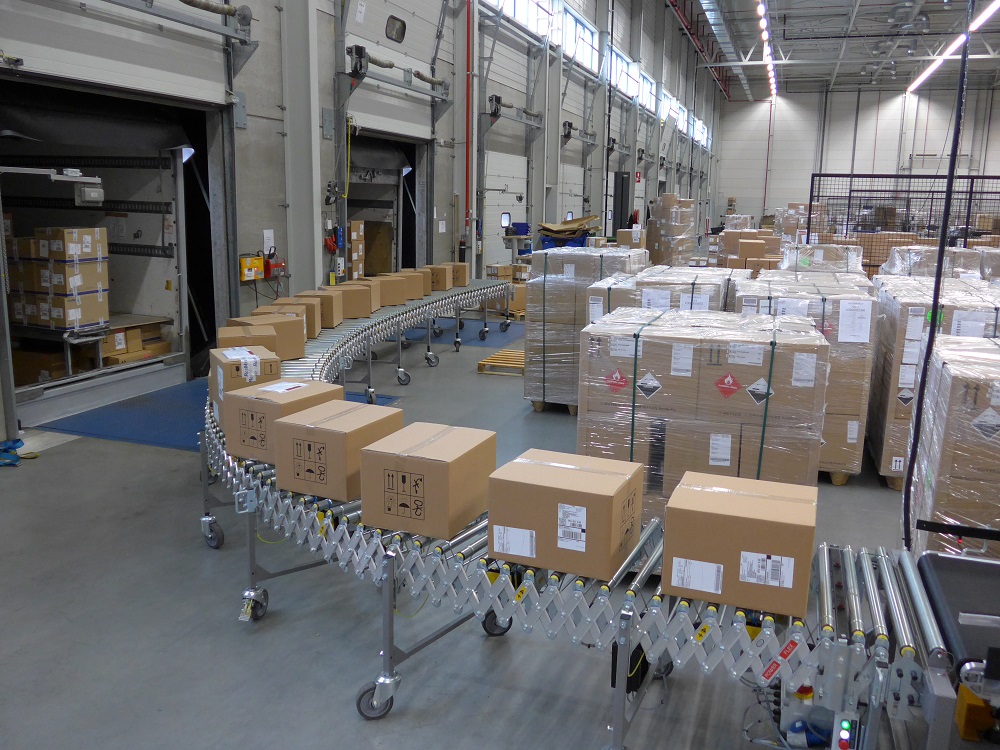
Conveyor supplier, Conveya has recently added another product to its portfolio – the Flexible Expandable Roller (pictured). With increased demand on the e-commerce sector around Christmas period, the Flexible Expandable Roller is able to efficiently move cardboard and oher materials. It is available for hire and purchase.

As well as the Flexible Expandable Roller, Coveya has launched various conveyor products recently for the packaging, manufacturing and distribution sector. These include the Telescopic Gravity conveyor, High-Rise Telescopic Unloading conveyor and the LineShaft Powered Roller conveyor. They all offer a versatile, modular, and economical solution for transporting light to medium products as well as loading and unloading containers.

Earlier this year the company also launched Mist-Safe, an over conveyor sanitisation tunnel that has been designed in direct response to COVID-19. It enables the sanitisation of boxes, cartons, tech, and online returns by releasing a disinfectant mist.

Winston Herbert, the manufacturing & logistics sector specialist at Coveya said; “With years of experience in manufacturing and supplying conveyors for a range of UK industries including construction, recycling and water treatment, we’ve seen an increase in the need for quality, modular conveyors for the packaging and manufacturing sectors and alongside our well established Easibelt conveyor, we have now introduced a range of new products that will support customers when they need a flexible conveyor solution to meet increases in demand.

He continued; “Whether it be supporting new processing and picking lines for contract packaging, dealing with increase in online sales or simply moving stock to and from large containers, we have the perfect conveyor and with a free onsite visit and short-lead in times for hire and purchase conveyors, we are committed to ensuring our customers have a conveyor that is fit for purpose”.

Dutch Logistics Scheme Sells for 65m Euro

Patrizia AG, a leading partner for global real assets, has acquired a two-asset logistics scheme in Veghel, The Netherlands, on behalf of its institutional clients for around EUR 65 million from Next Level Development; a renowned logistics developer in the Netherlands.

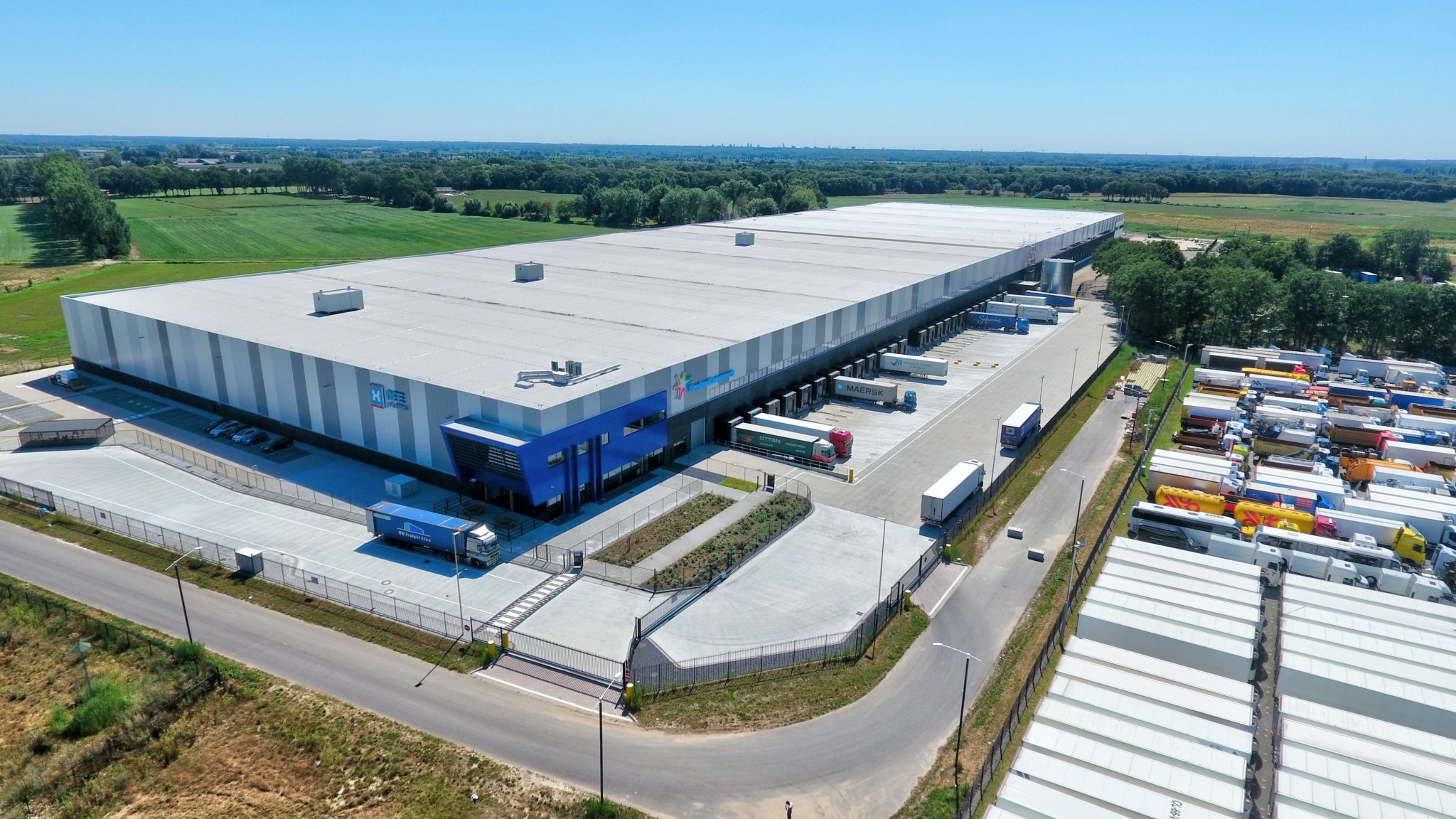
The first unit, measuring 25,929 sq m, which was completed in April 2020, is let on a ten-year lease to Friesland Campina, the largest dairy co-operative in the world. The second unit of 28,211 sq m is scheduled to be completed by early 2021. The building is equipped with 52 loading docks and four level access doors. The asset is located in the Food Park Veghel, a logistics park, 20 kilometres north of Eindhoven, with a specific focus on agriculturally produced food and related sectors. The location benefits from excellent transport links due to its close proximity to the A50 and N79 motorways and the inland river barge terminal.

Alexander van Gastel of the Patrizia transactions team in The Netherlands, commented: “This is an exciting, brand new asset that meets the growing demand for high quality logistics space in the region. Logistics has recently proven to be one of the most resilient real estate sectors. Covid-19 has accelerated existing e-commerce trends and so we are confident this asset will deliver long term secure income to our investors.”

similar news

Patrizia expands logistics footprint in Spain


Rail Logistics Game Changer

An innovative high-speed logistics service has hosted an event to showcase its first unit and the potentially game-changing capabilities of rail logistics in the UK.

Orion, a subsidiary of Rail Operations UK, has introduced a new logistics concept into the UK market: it is described as a green, fast and flexible solution, with rail freight generating about 76% less carbon emissions in comparison to road and therefore, it is claimed, a perfect solution for companies aiming to reduce their environmental impact. Orion will also help to get vehicles off the road and reduce congestion in city centres and on main highways, say supporters, because its new bi-mode ‘flex’ units are able to enter both passenger stations and freight sites. Orion is also
faster than traditional rail freight and road transport and can run at speeds of up to 100mph.

Rail logistics

The quoted journey-time figures are certainly impressive. Glasgow to Daventry and London by road is a 12-hour trip. Orion will do it in five, it is promised. Or try Glasgow-London via Newcastle and Doncaster – the road journey will take you 14 hours, while Orion is scheduled to do it in six. Even Thames Gateway, on the edge of the capital, is a guaranteed hour’s run, whereas traffic difficulties can extend the road journey to anything up to two hours.

For the customer, it is a digital process. The Orion platform suggests a suitable delivery plan. The customer browses to select a suitable service based on the urgency of the job. Space is then
booked on the Orion train and the customer receives confirmation and realtime tracking information. Read the whole article from our September issue here:

https://flickread.com/edition/html/index.php?pdf=5f3d1fcf3160d#16

similar news

project44 launches ‘gamechanging’ platform


Subscribe

Get notified about New Episodes of our Podcast, New Magazine Issues and stay updated with our Weekly Newsletter.