New Rugged Tablet for Workers on the Move

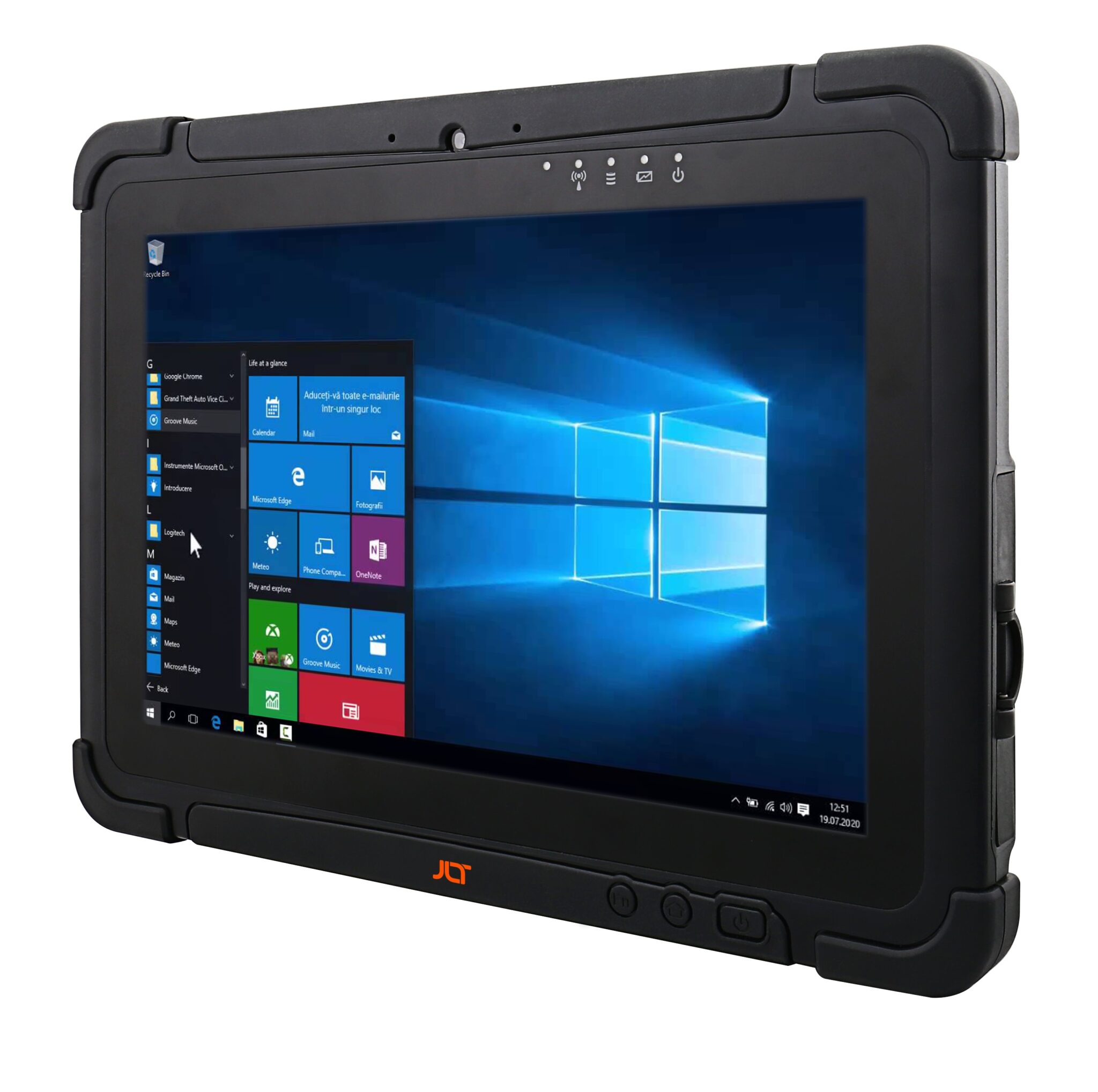
JLT Mobile Computers, a leading supplier of reliable computers for demanding environments, continues to expand into the rugged tablet PC market and today launches an upgraded version of its popular 10” Windows tablet. The new JLT MT2010P™ tablet offers better performance, improved connectivity, great screen resolution, and a longer-lasting battery, all in a slim and light yet fully-rugged form factor. With such an impressive feature set, the JLT MT2010P is the perfect choice for harsh application environments where access to the full Windows operating system is required on the move.

Against a backdrop of an ever-growing need for data management and real-time visibility across entire operations, the use of mobile technology is continuing to increase in all types of industrial sectors. In its 2020 supply chain industry report, the MHI for instance predicts mobile technology adoption to more than double over the next five years[1]. At the same time, demand for higher performance, improved features, and better mobile device support is also steadily rising.

“With its enhanced performance and functionality, the slender and lightweight JLT MT2010P tablet is perfectly designed to meet the growing mobility needs of the rugged sector,” says Per Holmberg, CEO, JLT Mobile Computers Group. “And our continuously enhanced service offering which provides customers with support throughout the entire product lifetime and even encompasses optional mobile device management, gives customers peace of mind that expert help is at hand should they need it. Last but certainly not least, I expect the continued expansion of our tablet offering to strengthen JLT’s business success, enabling us to leverage the growing market demand in rugged mobile technology.”

Running the full Windows 10 IoT Enterprise operating system, featuring a power-efficient Intel® Apollo Lake Pentium N4200 processor with turbo boost technology, and a hot-swappable battery with an extended full-shift battery life, the new JLT MT2010P rugged tablet meets the performance requirements of today’s and tomorrow’s applications within warehousing, transportation, ports, yard logistics and many other challenging use cases.

The JLT MT2010P further impresses with a wide range of wireless connectivity options, including 802.11 a/b/g/n/ac, Bluetooth 5.0 and optional 4G LTE next to two USB3.0 ports, sound and various optional expansions such as micro-HDMI. A full range of sensors, comprising an ambient light sensor, G-sensor, gyrometer, and e-Compass, is also provided. Vibration, shock and drop tested to MIL-STD-810G, the deceivingly slender JLT MT2010P tablet is designed to take a punch and can even withstand a four-foot drop onto concrete. It is dust proof and water resistant to IP65 standard and has an operating temperature range of -20 to +50°C/-4 to +122°F, making it suitable for working in most outdoor and indoor conditions. The same goes for the 10” projected capacitive 800 nits multitouch display, which features direct optical bonding and anti-glare protection for enhanced sunlight readability.

The MT2010P rugged tablet is available for order now. Like all JLT products, it can be tailored to individual customer requirements, including additional storage or operating system modifications for improved security.

Data Collection from Weighing Systems on your Mobile

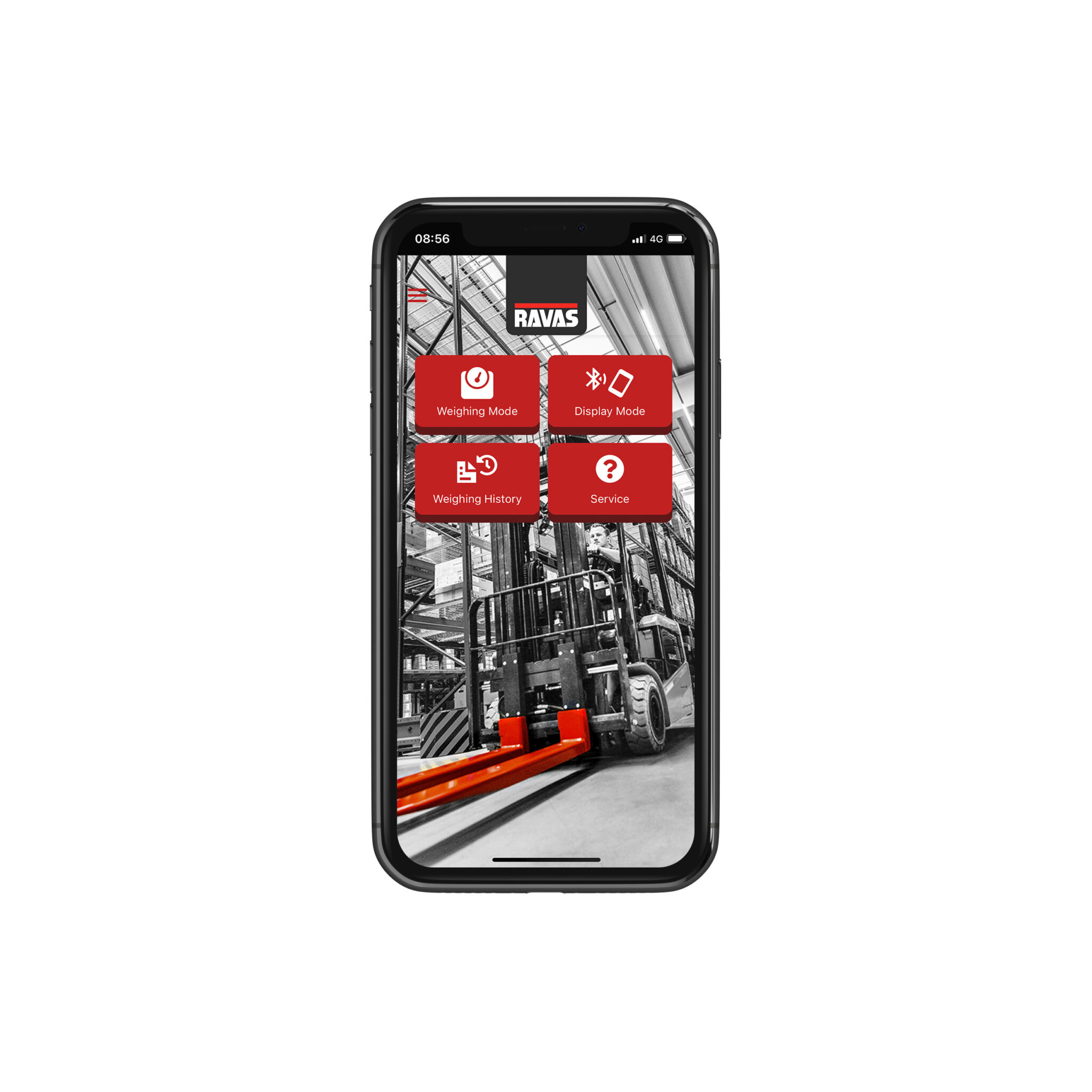
RAVAS, a specialist in mobile weighing solutions, recently launched an update of the RAVAS WeightsApp, an app that makes it possible to work smarter with a mobile weighing system. This new and improved version is now available for download.

Display weight on site

It is a common situation in the warehouse: the indicator of the mobile weighing system is too far away for the employee to read directly. RAVAS has the solution for this: the RAVAS WeightsApp. This app makes it possible to display the weighed weight on the spot and directly on a smartphone or tablet. The app also stores the weighed gross weights, together with the tare weight, product code, date, time and ID of the weighing system or operator.

Additional features for greater convenience

But the app goes beyond displaying weighted weight. The stored data set can be viewed at any time and can also be sent as a CSV file to any e-mail address so that it can be imported into a spreadsheet program on a PC. As an additional function, the app makes it possible to download a log file of the RAVAS indicator and send it as a CSV file for technical analysis in case of malfunctions. When working with an Android or iOS device that has an integrated barcode scanner, it can be used to enter product IDs. More information about the RAVAS WeightsApp can be found on the website.

Sustainable Innovation

Bonfiglioli is encouraged by its future opportunities, boosted by a new Bologna production plant and a new frequency inverter series. Paul Hamblin reports.

“Innovation becomes sustainability,” said Fausto Carboni, CEO of Italian gear motor and drive manufacturer Bonfiglioli at a September press conference. He painted a bullish picture of the
company’s recent performance, with revenues up 6.7% at €973 million last year, incorporating EMEA figures up 5% and North America up 20%.

Looking at the much more volatile recent months, he is encouraged by the contrast between April and August numbers this year. He quoted the example of India, down 99% year-on-year in April, for obvious reasons, but up 10% year-on-year in August. In an intriguing signal for the wider economy, he revealed that China will be Bonfiglioli’s most important market in 2020, with numbers boosted by 64% year-on-year in the territory. While Italy, France and Spain are all understandably down by over a half this year, Germany is a predictable outlier, with a less damaging slowdown than its European neighbours. Mr Carboni suggested that Germany’s growth is also boosted by its strong progress with the Circular Economy.

He went on to outline how Bonfiglioli has adapted to virus restrictions with new shift patterns, improved distancing, common space procedures and regular temperature checks of staff. These
have been incorporated at its new plant for industrial gear motors at Bologna. “#WeNeverStop is our new mantra,” he revealed. This promise is illustrated by the launch of a new premium frequency inverter series.

Bonfiglioli says that the new AxiaVert Series provides the ultimate combination of flexibility, modularity and connectivity, aimed at offering an optimal response to specific industrial application requirements across a wide range of sectors and with different degrees of complexity. AxiaVert is now available in 4 sizes, with a power range between 0.25–15 kW. Higher power versions will be released at a later stage.

The advanced digital and open communication protocols, complying with automation and Industry 4.0 standards, allow a smooth integration into automation networks, thanks to the compatibility
with a great variety of fieldbus protocols and machine controllers. Communication encryption is embedded by design in AxiaVert to ensure secure communication. In addition, thanks to
condition monitoring functions on the key inverter components as well as on the gearmotor critical parameters, AxiaVert is able to provide real time diagnostics, energy optimization and
predictive maintenance information related to the motion system up to the entire machine.

The wide range of advanced integrated functional safety functions, in compliance with EN ISO 13849-1 and IEC 61508 international standards, are available in different versions, to select the most suitable option in terms of costs and performance and match the actual needs. This approach simplifies configuration and reduces the need for external safety components, while ensuring a safe and controlled operation of different movements (e.g. lifting applications), thanks to Safe Brake Control and fast spindle axes with Safe Limited Speed, even sensorless.

Thanks to its modular structure and PLC software programmability, the system can be flexibly adapted and customized to meet many different application requirements, by defining the proper
software parameters and functions, and selecting the most suitable hardware modules, such as communication or encoder modules, variants and accessories. In addition, the AxiaVert Series offers a great variety of frame and power sizes, mounting variants and cooling concepts for greater freedom of design.

Great process versatility is ensured by the high compatibility with a wide range of motors (asynchronous, synchronous, synchronous reluctance) and by its high speed, position and torque control
accuracy, both for open and closed loop applications. Finally, user-friendliness is ensured by AxiaManager engineering software for programming, commissioning, operation and monitoring of AxiaVert. AxiaManager is available as a Windows PC GUI and as a mobile App for an instant access to the drive status and configuration with a simplified user interface.

Supply Chain Customer Cloud Migrations

Tecsys Inc., a supply chain management and omnichannel commerce software company, reports sustained performance and demand for its suite of supply chain solutions serving the healthcare, retail and third-party logistics industries. Heading into the holiday season, a notoriously busy time for supply chain organizations, Tecsys posts a seventh consecutive quarter of record revenue, buttressed by a 142% increase in SaaS revenue. Contributing to this SaaS momentum are major platform extensions and cloud migrations. The company continues to expand headcount quarter over quarter to support new business.

Among the notable bookings this quarter, Tecsys closed new business with two international automakers, one of Canada’s largest healthcare 3PLs, as well as continued booking penetration across multiple customers and industries by equipping them with the agility to adapt to a dynamic market.

“The demand for Tecsys software has proven resilient because our software makes supply chains resilient,” says Peter Brereton, president and CEO of Tecsys. “A multitude of point solutions have seen their ups and downs, but our end-to-end approach has shown vigor throughout, and continues to attract new business. Our solutions are about flexibility, which is especially important these days. New lockdown? Home delivery and curbside pickup. Retail slowdown? Micro-fulfillment and dark stores. PPE shortage? Disaster relief emergency warehouse solutions with low-training onboarding. Our customers have needed to twist and turn to keep up with the changing supply chain landscape, and we’ve been there to offer them support and resiliency.”

Brereton continues, “The exciting thing that’s happening at Tecsys is companies are realizing end-to-end supply chain agility trumps all. From retail to 3PL to healthcare, it’s not about predicting the future, it’s about being nimble enough to react to challenges and disruptions as they emerge without missing a beat. This has been our ethos for a long time, but now we’re firing on all cylinders as we flex that ‘agility’ muscle.”

ProMAT Chicago Exhibition Cancelled

After consultation with the Materials Handling Industry (MHI of America) Board of Governors, MHI has made the difficult decision to cancel its in-person ProMat event in Chicago in April of 2021. The MHI Board determined that due to the evolving COVID-19 pandemic and the current state and local regulations, it was not possible to hold a live event for attendees and exhibitors. This will be the first time in ProMat’s 35-year history that the in-person expo has been cancelled.

“For 75 years, MHI has been here to serve this industry and to bring it together. While the on-going pandemic makes it impossible to hold ProMat in person in 2021, connecting the industry and delivering value to our audiences is still our top priority. MHI is harnessing all of the power of the MHI and ProMat brands to continue to deliver this value digitally in 2021. We will utilize the most advanced technologies to connect all our audiences through the digital experience platform ProMatDX” says John Paxton, COO/CEO Designate of MHI.

ProMatDX will provide not only sponsor and attendee interaction but also the ability to see equipment and system solutions in-action. This exciting, new digital experience will also offer cutting-edge streamed educational opportunities, including keynote and seminar sessions on leading trends and technologies from industry thought leaders. ProMatDX will continue to provide ProMat’s unrivaled manufacturing and supply chain solution sourcing with AI-based matchmaking, live video meetings, product demos and live chat. Educational opportunities to connect will include streamed seminar and keynote sessions as well as daily wrap ups and news, and video interviews from the expo.

“Due to the pandemic, connecting the manufacturing and supply chain industry has never been more critical.,” adds Daniel McKinnon, MHI EVP of Exhibitions. “While nothing will ever replace the in-person ProMat expo, ProMatDX will utilize the latest digital event technologies to provide all our audiences with the unrivaled education, connections and market access the industry needs now more than ever to solve today’s unique supply chain challenges.”

New Automated Distribution Centre to Consolidate Supply Chain

RM Educational Resources Limited (RM Resources) has announced it will consolidate its supply chain. It has selected provider of warehouse automation and software company Swisslog to build a new automated distribution centre.

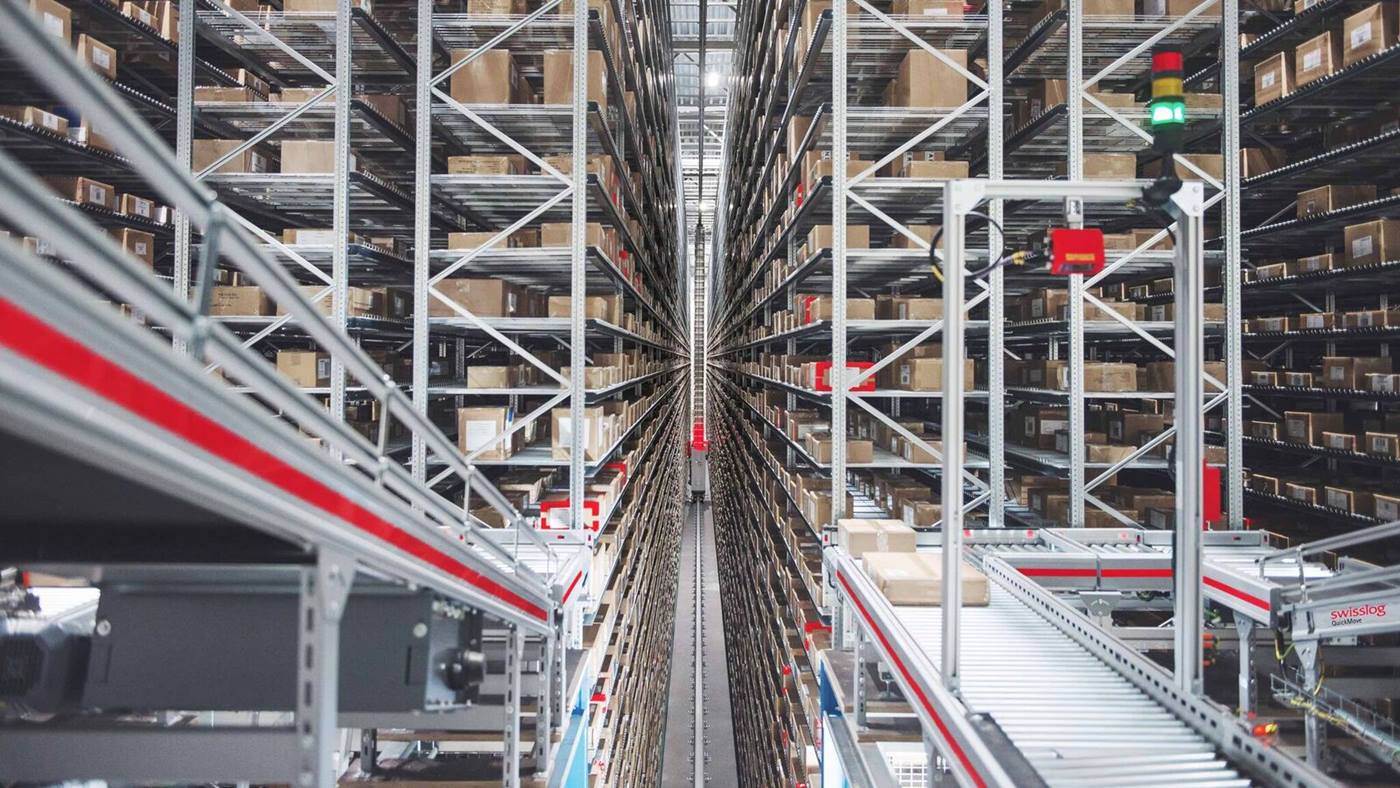
RM Resources is a provider of education resources for early years, primary schools and secondary schools. The business has selected Swisslog’s Tornado miniload cranes to power its new build warehouse in The East Midlands.

Together with Swisslog and the storage density of its system, RM Resources will be able to consolidate its supply chain and warehouse operations in the UK, which is currently spread across four different sites.  As part of the KUKA Group, Swisslog covers the entire automation value chain with robotic and data-driven automated solutions for forward thinking businesses. Swisslog UK’s Head of Sales, Shane Faulkner, says: “This project merges four warehouse operations together, while simultaneously allowing sufficient space for RM Resources to expand in the future.”

Transportation throughout the solution will be facilitated by Swisslog’s QuickMove conveyor. Goods will be conveyed to the Automated Storage & Retrieval System (ASRS), provided by a seven aisle Swisslog Tornado miniload solution. The ASRS will store cartons or totes double deep providing dense but rapidly accessible storage.

Automation that provides single touchpoint fulfilment

 The Tornado solution will feed ergonomic goods-to-person stations, each allowing up to six open orders to be picked at a time – facilitating an increased hit rate, improved order fulfilment time, and reduced throughput requirement in the system. With a single level pick-to layout, each goods-to-person station will benefit from one-touch fulfilment, enabling RM Resources to dramatically shorten lead times.

“Using the one-touch fulfilment concept, only one manual touch is required per order,” says Shane Faulkner. “It is becoming more and more commonplace in the market, particularly for e-commerce due to the speed and efficiency it provides in delivering to the end customer.”

Swisslog SynQ software will provide all the necessary WCS functionality, while also integrating with RM Resources’ WMS & ERP systems. SynQ will deliver greater stock accuracy, as well as increased visibility of order progress. It will also provide RM Resources operators with the ability to pick from available new stock immediately as it enters the warehouse.

Monique Louis, Managing Director at RM Resources says: “We are delighted to be progressing with our plans to consolidate our warehouse portfolio, which will deliver a number of efficiencies across the business as we move to one automated site.  We chose Swisslog because of their proven technology, and the quality of their engagement and look forward to working closely with them in the future.

Swisslog’s work on the site in East Midlands will commence in March 2021 and is due to complete at the start of 2022, to allow RM Resources to work on the curriculum line before the following school year.

Swisslog also recently completed a new distribution centre for a German retail pharmacy chain.

Chiller in Manila

Efficient and sustainable frozen food logistics is complicated in the Philippines by extreme weather conditions and challenging local infrastructure. A case study reveals how latest technology can
address these problems.

The topic of sustainability is becoming increasingly important worldwide, as resources are finite and need to be used sensibly. Measures must be taken and solutions developed to achieve global climate goals. The ’50 Sustainability and Climate Leaders’ initiative aims to leverage innovation and sustainable business models and gives a platform for making the contribution to achieving the United Nations 17 Sustainable Development Goals (UNSDG) global visibility. Fifty world-leading companies from various industries are gathering to showcase how they are developing activities and evolving business models towards a more sustainable future.

One of the 50 Sustainability and Climate Leaders is SSI Schaefer. “As one of the leading global providers of materials handling solutions, we are an ideal partner for companies that pursue
economically viable and future oriented sustainable goals,” says Steffen Bersch, CEO SSI Schaefer Group. This logistics expert brings extensive experience from many industries and a broad portfolio of innovative products and solutions. A technological, sustainable, and efficient materials handling initiative is essential to reduce energy consumption, CO emissions and costs, while promoting short supply chains and healthy working conditions. SSI Schaefer understands the unique needs of its customers and combines, among others, energy recovering hardware, energy efficiency software, predictive maintenance, recycled and recyclable materials, green building and ergonomic solutions, to balance performance requirements, flexibility, and durability.

Sustainable deep-freeze logistics

SSI Schaefer has delivered an outstanding sustainability project in partnership with ORCA Cold Chain Solutions in the Philippines. This archipelago with 7,641 islands in the western Pacific Ocean is already struggling with the consequences of global warming. Worldwide rises in temperature, along with rising sea levels in the region, lead to greater weather extremes, including dangerous tropical storms, which in turn could trigger storm surges. In addition, the Southeast Asian island state lies on the Pacific ‘ring of fire’, the most geologically active zone on Earth. Around 90% of all earthquakes worldwide occur along this line.

Of the over 100 million inhabitants of the Philippines, 1.8 million live in the capital, Manila, with a further 11 million in the urban area of Metro Manila. Supplying this urban population with fresh food is difficult due to the tropical temperatures and the overloaded transport infrastructure with its frequent traffic gridlocks. In addition, ORCA faces the other challenges of the food industry. Up to 37% of food produced worldwide spoils due to poor packaging, storage and handling.

ORCA Cold Chain Solutions (ORCA) was founded in 2017 as a subsidiary of ISOC Holdings. Faced with the Philippines challenges, ORCA set itself the task of establishing services and infrastructure for temperature-controlled food logistics. The company’s sustainable business objective encompasses the difficult task of maintaining the quality and safety of food in this tropical climate zone, thus helping to prevent food spoilage. Within a very short time, the company has become the leading provider of temperature-controlled logistics, warehousing and complementary services for the food and agricultural industry. Customers include large fast food chains in the Philippines, exporters and importers, as well as small food retailers.

At the heart of this successful corporate development is the establishment and expansion of an efficient and sustainable deep-freeze infrastructure. ORCA currently has two storage locations in the Manila metro region: Alabang and Taguig, with a third, Caloocan, currently under construction. ORCA chose SSI Schaefer as a partner because of their extensive experience in technology, engineering and customer service. In Taguig, ORCA and SSI Schaefer built the first fully automated deep-freeze warehouse with temperatures from -18 °C to -25 °C on a floor space of one hectare. The facility opened in February 2020.

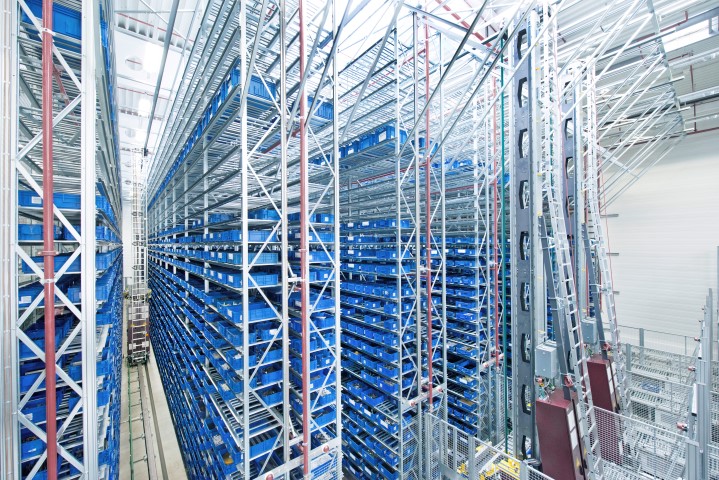
Designed with a focus on energy efficiency and process safety, the facility is strategically located in the heart of Manila and is close to ports and industrial areas to enable quick supply to the country’s various regions. The scope of services provided by SSI Schaefer includes the fully automated high-bay warehouse in silo design with four SSI Exyz storage-retrieval machines and a storage capacity for 20,000 pallets, a conveying system, Advanced Pick Stations (ergonomic goods-to-person picking stations) and the logistics software WAMAS®.

The imposing 45-metre-high deep-freeze automatic warehouse is technically and architecturally designed to meet the special seismic and climatic challenges of the region. To this end, the rack structure is designed to withstand the strong horizontal movements and vertical forces that could be caused by earthquakes or typhoons. The optimised design of the building without additional columns and structures makes very efficient use of the limited space in Manila. “SSI Schaefer made sure that our carbon footprint is smaller than a typical conventional facility would make. A
20,000-pallet facility would normally take three to four hectares of land. But with the technology and innovation that SSI Schaefer provided, we were able to do this type of facility on one hectare
of land,” explains Yerik Cosiquien (pictured), President & CEO of ORCA Cold Chain Solutions.

The ORCA Taguig plant was awarded ‘Pioneer Status’ by the Philippine Board of Investments, a department of the Philippine Department of Trade and Industry, as the first fully automated cold chain facility in the Philippines. Thanks to the automated solution, ORCA can move up to 4,800 pallets per day in two-shift operation. A team of technicians from SSI Schaefer ensures
maximum availability of the system.

Innovative technologies

In the goods receiving area, food is unloaded from the trucks using forklifts, then palletised, shrink wrapped and labelled with QR codes and barcodes for traceability and real-time monitoring. Via a 282-metre conveying system, the pallets are automatically transported to the appropriate assigned zone in the high-bay warehouse, where a constant temperature of -25°C is maintained. In order to guarantee freshness, products are handled with the FEFO principle (First Expired, First Out). With WAMAS logistics software, ORCA has a close eye on stock and ensures that all goods within the warehouse are booked and tracked in real time. This also reduces the risk of theft, which is an issue in the region.

Thanks to the energy-efficient technology and innovative solutions of SSI Schaefer, ORCA could offer its customers end-to-end cold chain solutions with first-class customer service, higher efficiency standards and transparent inventory tracking. Electricity costs have been reduced by almost 35% and human involvement has been kept to a minimum. This ensures the integrity of all goods. “From the very beginning, the vision for ORCA was to be a world-class game changer. That is why we chose to work with SSI Schaefer in order to bring to the Philippines for the first time this type of innovation and automation,” explains Yerik Cosiquien.

Manufacturers Urged to be Prepared for end to Brexit Transition

A top logistics head is urging logisticians at UK manufacturing businesses across the UK to heed advice, so they’re prepared for the new reality when the Brexit transition period comes to an end.

Chris Mills, Director of Account Management, Transportation at C.H. Robinson Europe, the multi-modal transportation platform provider, said: “Not all UK businesses are prepared for the changes the end to the transition period will bring to their customs procedures and may still wonder what it could mean for their own shipping processes. A major reason for some companies’ lack of preparedness could be attributed to Covid-19 with the pandemic demanding so much business attention that it has left little time for planning for next year.

“With just a few weeks until the transition period with the EU, time is running out. This is why we have gathered critical, up-to-date information, comparing the current trading situation to the landscape as we see it post-the end to the transition period , to help those shipping goods to the EU to stay on top of developments.”

Mills points to a number of considerations manufacturing businesses will need to be taking action on if they haven’t already. “UK firms that export to the EU will need an Economic Operators Registration and Identification (EORI) number to move goods between Great Britain and the EU. It can take up to one week to obtain one, so companies need to apply now. The UK will become a ‘third country’ when the transition period ends which will mean extra administration chores for companies that trade between the two parties. Numerous customs declarations will need to be submitted when trading with EU countries, and relevant duties may have to be paid. Failure to comply may lead to shipments being delayed or blocked.”

Mills added: “Logisticians should immediately familiarise themselves with international commercial terms and conditions, such as Incoterms 2020, which is a standardised and globally-recognised set of rules that cover costs, obligations and risks between trading partners.

Impact of VAT, customs and shipping costs

Mills also warned UK transport companies about the implications of VAT, customs and shipping costs. “The EU VAT scheme won’t be valid for a ‘third country’ and VAT will need to be paid in the UK when exporting from the EU. The final arrangements on VAT are dependent on the outcome of the negotiations. Whilst UK businesses will no longer have to collect any VAT on products sold to EU customers, which could positively lower prices, they will also no longer benefit from the EU VAT refund system. For UK businesses importing goods, VAT will be levied on imports of goods from the EU.

“When it comes to custom and shipping costs, it’s likely new customs charges and other fees could be introduced when trading between the UK and EU. If costs are passed onto EU customers, it’s important they know in advance. If they’re charged without prior warning, they can refuse to accept the goods. Businesses will then be obliged to cover customs and returns costs. These are all costs companies need to be upfront about with their customers.”

Other European shipping considerations

The UK government will be providing support to ports, airports and rail terminals to ensure sufficient infrastructure is in place. Despite this, queues and delays are likely and clearance times are likely to increase for outbound vehicles.

Warns Mills: “Under current EU law, citizens have the right to return a product within 14 days. This will no longer be mandatory next year for shipments outside the EU. Firms will need a solid strategy, so that all parties are aware of terms and conditions and of any costs that may be incurred, as offering returns won’t be as easy as they have previously been. Having such a strategy in place is very important, especially for the retail industry, since how a retailer handles the returns process influences customers’ perception of their brand. Brexit is complex and making preparations can seem overwhelming, but businesses need to plan now so they’re prepared, whatever the outcome, in January 2021.”

Covid Vaccines add to Sea and Air Freight Challenges

The news that the UK has become the first country in the world to approve the Pfizer/BioNTech coronavirus vaccine marks the welcome start of the end of the pandemic for us all. However the expected post-Covid economic rebound has thrown the global container shipping industry into turmoil and as a result is having a significant impact on sea and airfreight capacity and prices, as well as putting further strain on the UK logistics supply chain.

International supply chain specialist, Chris Evans from Colliers International, said: “The Covid-19 economic rebound and state-imposed Covid precautions have added to existing global container shipping challenges for importers and exporters, exacerbating existing port congestion issues and resulting in a worldwide shortage of empty shipping containers to support the global supply chain. In addition, the average dwell time from arrival in a destination country is increasing by approximately 50%, mostly due to changes of procedure in receiving warehouses as a response to the Covid restrictions.”

Increased volumes causing rolling congestion issues in ports globally

“The impacts of increased volume at the main container ports has created a rolling congestion problem,” continues Chris. “For example, Felixstowe (FLX) is particularly badly hit and this has spilled over to the other main container ports such as Southampton, London Gateway and inland railheads. If we throw into the mix the ongoing HGV driver shortage and the reduced efficiency at warehouses, all of this is leading to a delay and loss of efficiency for hauliers and those firms slow to adapt to the challenges of collecting boxes from the ports.

“This congestion has caused ships omit UK ports, mainly to call at Rotterdam, Antwerp and now Zeebrugge and then bring the containers across to the UK using smaller feeder vessels. This strategy is not the least bit unusual, however as a result of this, we are seeing much bigger volumes moving into the East Coast Ports, such as Teesport, Hull and Immingham, plus west coast ports such as Bristol and Liverpool.

“The owners of the highly congested FLX, Hutchison Ports, for example, have made Thamesport available for Evergreen to move their ships there for discharge. This is a temporary solution which will not be easy for Evergreen because the infrastructure in the area is poor in general. Furthermore, the Singapore-headquartered, ONE alliance has agreed to discharge one of its loops with UK bound cargoes at Zeebrugge for the whole of December and possibly into January too. Meanwhile, the 2M alliance (Maersk & MSC, the largest container lines in the world) is now discharging UK cargoes at Bremerhaven and feeding the UK boxes from there. All this is likely to cause feeder space to become tight and have a knock on effect with further congestion at the European ports.

“This shortage of containers is further exacerbated by congestion at ports such as Colombo (Sri Lanka), where over 50,000 containers are stuck. Initially, it started due to a Covid outbreak and then mushroomed very quickly due to existing congestion in the Bay of Bengal ports in countries such as Bangladesh and the Indian ports along the coast.

“Set against this background, sea-freight rates have risen rapidly because the shipping lines are very tightly managing their ship capacity, particularly on the East West trade routes, so that the trade is now dominated by three alliances and the use of ultra large containerships with 18,000 to 24,000 TEU capacity. This brings a separate set of challenges for the ports around the world, when they are used to discharging 4,000 to 5,000 containers at a time and then pick up a similar amount, with a significant number of these normally being empties.” This causing problems back in the Far East with container supply.

Vaccine roll out impacting airfreight and supply chain logistics

“Meanwhile, we are also seeing the impact of the vaccine roll out at international airports too as they prepare to begin distributing the vaccine around the world at ultra-low temperatures, and airlines are adapting cargo strategies to accommodate the vaccine, as seen with Singapore Airlines which sacrificed standard cargoes in favour of the vaccines last week. There is also an increased amount of rapid testing kits being airfreighted from Korea to Europe by Korean Air. This activity is bumping Hyundai and Kia parts off the flights, all of this will have an impact further back in the supply chain. The result of this is much higher airfreight prices and reduced capacity once again because the bulk of airfreight normally moves as belly hold cargo in passenger planes.”

What does this mean for Brexit?

“As businesses prepare for Brexit, we should expect more short sea freight to be moved via the East coast ports rather than through the traditional Channel ports such as Dover. There will be more unaccompanied trailers plus the absence of passengers (PAX ) will increase costs as these vessels become RO/RO (roll on/roll off) rather than RO/PAX (roll on/passenger). We are already seeing this happening now in Teesport and Hull. Overall, all ports will need to ensure that their Border Inspection Post (BIP) is capable of handling the foodstuffs that we typically get from the EU countries.”

Transporting Metro Train Cars

GEODIS is transporting, for the French manufacturer Alstom, the 10 metro trains for line 3 of the Hanoi metro, a total of forty railcars. A new train will leave the port of Dunkirk this weekend, aboard the containership Champs Elysées.

Manufactured at the Alstom factory in Petite-Forêt (Valenciennes), the new 4 metro cars that will leave France for Hanoi arrived at Dunkirk by road, with transport arranged, two by two by the GEODIS team, at the end of last week. They will be delivered in Hanoi in less than two months time.

The whole complex move will be spread over a nine-month period and is due to be completed by the mid of the year 2021 2021. A total of 10 shipments are planned. GEODIS Industrial Project teams are managing the end-to-end transport process from France to Vietnam through Malaysia including the loading at Alstom Valenciennes premises, oversized pre-carriage to Dunkirk, port handling, delivery to the destination site and transport engineering. The entire shipment will amount to nearly 10,000 freight tons of passenger railcars and will comprise ten full metro trains.

Johann Taccoen, GEODIS’ Deputy Regional Director, Industrial Projects in France is heavily involved in the management of the move, “This is a meticulous operation that we have been preparing for in close partnership with our customer, the manufacturer Alstom, over several months. Our aim is to ensure that the goods reach their destination safely and securely, all within a very tight timeframe. In particular, our people’s skills in achieving reliable transit times, controlling costs and maintaining safety standards are pivotal.”

The container line CMA CGM that provides the ocean transport, on behalf of GEODIS, needs to trans-ship the cargo in Port Kelang, Malaysia before continuing the journey to Haiphong, the Vietnamese port situated some 190 kilometers from Hanoi. Both the pervading Covid19 restrictions and the need for specially designed lifting equipment at all three ports constitute further challenges for the operations teams.

In Vietnam, Vu Huynh, Industrial Project Manager of GEODIS leads the delivery operation. “The on-carriage of each railcar requires a road convoy of more than 30 meters in length.” he said. “As a consequence the delivery of each metro train set involves two overnight journeys with planning for secure stopping areas and ensuring all safety and traffic impact requirements are fulfilled. Moreover, given space constraints at the Hanoi Metro Depot off-loading site, careful coordination is needed to guarantee a safe, damage-free operation.”

This large-scale project illustrates GEODIS’ ability to overcome logistical challenges together on behalf of its customers.

Subscribe

Get notified about New Episodes of our Podcast, New Magazine Issues and stay updated with our Weekly Newsletter.