SICK advances mobile machine guidance

With the launch of its LiDAR-LOC 2 solution, SICK has made it easy to teach mobile machines virtual paths in order to enhance, expand, or replace physical floor-based guidance systems that use taped lines or 2D-codes.

The SICK LiDAR-LOC 2 is the first step in a major upgrade programme for SICK’s LiDAR Localisation-on-Contour software, which uses data from SICK 2D LiDAR sensors or safety scanners to create a reference map based on the contours of shop floors and warehouses and guide automated transport, stacking and loading systems. The upgrade lays the foundations for users, machine builders and developers to progress from localisation, using LiDAR position and orientation data, to being able to integrate full navigation to control the movement of all kinds of automated guided vehicles, carts, forklifts, or service robots.

Virtual Line Guidance

The SICK LiDAR-LOC 2 is a virtual line guidance system designed to enhance the physical line or code-reading systems of all kinds of automated mobile robots. It creates a virtual path to bridge a gap in a broken tape on the floor, or to add a deviation from the current line-guided path without having to go to the time and expense of laying down new lines or bar codes.

Simply teach the vehicle the route by moving it along the desired path, then refine the uploaded map data using the SICK visualisation software tool via an easy-to-follow graphic user interface. The system automatically patches the existing reference map or can merge the data with the existing map.

Neil Sandhu, SICK’s UK Product Manager for Imaging, Measurement, Ranging and Systems, explained: “While the original LiDAR-LOC provided an option for expert developers and integrators to use the raw data for navigation, in addition to the localisation information, the LiDAR-LOC 2 upgrade is based on a desire to make it much quicker and easier to use data from sensors to tell a mobile vehicle how to get from ‘A to B’.

“As a result, it promises to save the development time and cost, machine space and wiring complexity involved in integrating navigation, because separate software and controls are not needed. In the case of our first LiDAR-LOC 2 release, managers of mobile vehicle fleets using line or code guidance can much more easily alter vehicle paths or optimise their routes. Stoppages because of breaks in a line can be avoided, especially in high-traffic areas.”

Increased Fleet Availability

The SICK LiDAR-LOC 2 reduces fleet downtime from vehicle stoppages due to missing lines or codes. New routes can be commissioned without stopping the vehicle. Additionally, users can use analytical functions in the system to optimise vehicle routes, for example, by detecting where tape is no longer needed and can be removed. The system also offers a progression for users to dispense eventually with floor-based guidance and adopt a completely contour-based navigation system.

Enabled by LiDAR-LOC software running on a SICK Sensor Integration Machine, the SICK LiDAR-LOC 2 can be retrofitted to already-installed scanners. It can be integrated with SICK line sensors or 2D-code readers, as well as with encoders for motion control and odometry.

Major Platform Upgrade

The upgraded SICK LiDAR-LOC 2 solution achieves improved accuracy up to ≤ 10mm. In addition to the SICK Sensor Integration Machines, it can now be installed on third party controllers with common operating systems including Windows, Linux, Ubuntu and Raspberry Pi OS Lite. New APIs for streaming and configuration have been introduced for UDP, REST and COLA2.

FourKites celebrates a record-breaking 2021

FourKites, a leading real-time supply chain visibility platform, has announced a year of record growth as the company executed on its vision to optimise global supply chains with real-time visibility data and machine learning.

In 2021, the company saw triple-digit growth in total shipments and drove 50% growth in new customers across all industries – including Barilla Group, Beyond Meat, Cardinal Health, Haworth, LyondellBasell, McCain Foods, Roehm, Rove Concepts and Yamaha Motors. It also significantly expanded its carrier network and extended real-time visibility to more than 2,800 ports and 2.5 million facilities worldwide.

Key to its growth in 2021 was FourKites’ significant expansion in Europe. The company grew its European carrier network across carriers of all sizes, and added tangible business value with new offerings that enabled European carriers, forwarders and shippers to connect and collaborate on the world’s most trusted supply chain visibility platform. Specifically, in 2021 FourKites saw:

  • 148% growth in European shipment volume, having tracked over 112 billion miles and computed over 5 billion estimated times of arrival globally
  • 2x increase in new European customers
  • 35% growth of its carrier network, and 110% growth of the number of European carriers on FourKites’ Premier Carrier List
  • 50% growth in the number of EMEA ports and 118% growth in the number of facilities tracked per month
  • The appointment of industry veterans Marc Boileau as Senior Vice President, Sales and Carrier Operations, EMEA, and Oleskii Kosenko as Director Carrier Network Operations, EMEA to accelerate regional growth momentum among both shippers and carriers

Alleviating disruptions with innovative solutions

Amid another year of constant disruptions, FourKites doubled-down on its customer-driven innovation model, with more than 65 new features resulting from customer feedback. These industry-first capabilities help FourKites users track shipments end-to-end across all modes and geographies, from sourcing to manufacturing to final destination.

These innovations included the patented Smart Forecasted Arrival (SFA) that provides frequent and highly accurate ETAs even for untrackable freight in transit; Dynamic ETA for Ocean; Dynamic ETA for Air; a major upgrade to Dynamic YardSM; its new Order Intelligence Hub (OIH), which provides a single-pane-of-glass view of the entire lifecycle of every order; and powerful new collaboration features – including Instant Messaging, an updated CarrierLink mobile app for drivers, and enhancements to Partner Hub, its self-service, secure GPS onboarding solution for brokers and carriers.

Powerful new partnerships

In 2021, FourKites forged new strategic partnerships with global supply chain and technology leaders as it continues to execute on its bold vision for the future of digital supply chains, where automated, interconnected and collaborative supply chains are optimised by real-time visibility data and machine learning.

New partnerships in 2021 include a global partnership with Zebra Technologies Corporation, in which Zebra is now reselling FourKites’ Dynamic Yard and real-time visibility platform as part of its suite of asset visibility solutions. Additionally, Zebra’s MotionWorks Yard solution has been integrated with FourKites Dynamic Yard and Zebra locationing hardware and professional services to increase the in-yard and over-the-road capabilities of their customers.

“We have seen tremendous growth in Europe over the past year, and we look forward to another year of record-breaking momentum,” said FourKites founder and CEO Mathew Elenjickal. “Behind each success and innovation are tenacious and passionate employees, customers, and partners who keep redefining what’s possible. I’m grateful to be part of such an awe-inspiring community.”

FourKites’ market leadership was recognised via several prestigious industry reports, including being named a leader in the 2021 Gartner Magic Quadrant for Real-Time Transportation Visibility Platforms.

Customers and carriers in their own words

Paul Avampato, Head of International Logistics, Henkel: “The collaboration that we’ve talked about in logistics for 20 years is now real. And the better that you can collaborate and integrate with your carriers, the more effective you’ll be in delivering to your customer’s expectations, which is in the end, what it’s all about. FourKites is more than just track-and-trace, it’s about the visibility and how we’re going to use it to start to drive efficiencies.”

Roy van der Heijden, business analyst at Int. transportbedrijf van der Heijden b.v.: “Working with AB InBev’s FourKites platform allows us to offer a better service. FourKites makes it so easy for us to feed GPS data into AB InBev’s platform. And now, thanks to being on FourKites’ Premier Carrier List, we’re confident we’ll get even more business from customers who want excellent visibility into their supply chains.”

Edmund Jager, Head of Distribution EMEA at Bayer: “Every day, our carriers automatically share location data with our FourKites platform on hundreds of loads throughout Europe. We are able to track our products minute by minute and, in real time, pass on detailed arrival times to our customers. This means the distributors we supply always know their stock situation and end customers can depend on us to get them the seeds and crop protection they need, when they need them.”

Linde takes pride in 2021 awards

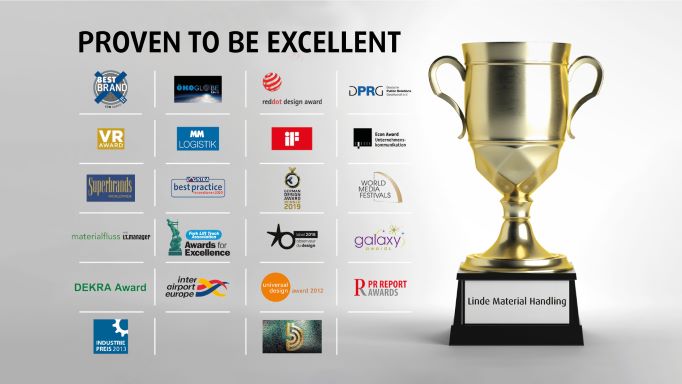
In reflecting on its seven awards received in 2021 and more than 80 accolades picked up over the last three decades, intralogistics specialist Linde Material Handling (MH) recognises this achievement as the result of its ongoing innovative strength and wealth of ideas produced for the benefit of its customers.

All the prizes that have been awarded to the company since the mid-1980s can now be seen in a dedicated “Awards” section on the corporate website, assigned to the categories of Brand, Product/Innovation, Design and Communication.

For almost 120 years, the name Linde (Material Handling) has stood for reliable technology, intelligent solutions and innovative products that offer users measurable added value. “Our entire workforce is committed to the success of our customers who benefit from our team’s great passion and innovative strength,” said Stefan Prokosch, SVP Brand Management Linde Material Handling.

“That’s why the Linde brand and our technical concepts, vehicle design and communication have won countless awards. We are particularly proud of these accolades because they are proof that our customers appreciate our commitment to offering the highest possible level of efficiency, safety, ergonomics and sustainability. With the new Award section on our homepage, we are making this success transparent for all visitors.”

2021 – another award-winning year

One of the most coveted awards in the material handling industry in Germany once again went to Linde MH in 2021. On behalf of the VerkehrsRundschau magazine, an independent market research institute surveyed a representative number of purchasing decision-makers from the transport and logistics sectors about the best-known brands.

Right back in 2002, when Springer Fachmedien München GmbH and the publishing house Heinrich Vogel offered the Image Award for the first time in the category “Forklift trucks, Handling and Warehouse Technology”, Linde MH won the coveted prize. Since then, the competition in this category has been held at different intervals. The constant, however, is the goods handling specialist, who has always emerged as the winner since then.

The VerkehrsRundschau editorial team commented on the latest results as follows: “When it comes to forklift trucks, pallet trucks, order pickers and so on, no manufacturer is as well regarded as Linde Material Handling.”

Linde MH also continued its successes of recent years in the 2021 readers’ poll carried out by publishing house ETM. For the 10th time, the company won the “Best Brands” award offered by the publications trans aktuell, lastauto omnibus, FERNFAHRER and eurotransport.de, which recognises innovative products and services from the transport and logistics industry. But it was not only in terms of brand image that Linde MH was able to impress customers and experts.

In the “materialfluss PRODUCT OF THE YEAR 2021” readers’ poll, the automated Linde R-MATIC reach truck took first place in the Industrial Trucks category. Moreover, the access authorisation system “Linde Safety Guard: Door Control” emerged victorious in the Identification Technology category. The competition, which was launched in 2020, is decided via online voting.

A large number of awards have been received over the past few decades. The various types fill a large glass showcase in the reception area of Linde MH’s headquarters in Aschaffenburg. Among them is the Business Superbrands Award, which is given by Superbrands Germany, the world’s largest brand evaluation organisation, who has listed Linde MH as one of the top companies in its industry since 2020.

Other prizes have been awarded in honour of innovations. One example is the “Best Practice Innovations” award from Logistra magazine, which belongs to the Huss publishing house. In this instance, an award was given in 2014 for the practical viability and innovative concept of the company’s fuel cell technology, and another was awarded in 2020 for Linde’s latest IC counterbalance trucks.

In the same year, the judges of the Fork Lift Truck Association (FTLA) were impressed by the ergonomic steering wheel of the Linde N20 C low-lift order picker and presented it with the coveted “Award for Excellence” in the “Ergonomics” category.

Increasingly, assistance and personal protection systems are becoming the focus of awards. One example is the “interactive warning vest for the protection of persons in in-warehouse traffic”. This solution, which is unique in the industry, received the 2021 Industry Award, presented by WirtschaftsWoche and DEKRA, in the category “Safety at Work”.

And the list of successes still does not end there: “interairport Europe 2019 Excellence Award”, “Öko Globe” and “MM Logistik Award” are further examples.

Added to this is the large number of accumulated design awards: Over the years, Linde MH has won as many as 10 “reddot” and 12 “iF Product Design” awards. Linde MH received its first iF Design Award in 1985 for the legendary 351 series forklift model in the henceforth typical Porsche industrial design.

In 2018, the roadster version of the Linde E20 R to E35 R electric forklift range was honoured with the prestigious French industrial design award Observeur du Design, which is presented annually by the design association Agence pour la promotion de la création industrielle (APCI). The German Design Award followed in 2019, presented in recognition of the exceptional forklift model designed without an A-pillar, which offers even better visibility of the driving area and load.

Last, but not least, Linde MH proved its creativity in terms of communication and marketing and was found to be worthy of a corresponding award. In particular, the StaplerCup, a championship in which forklift drivers can demonstrate their skills and promote occupational safety, has earned the company numerous prizes over the years – including the “Best of Business (BoB)”, “ECON”, “DPRG”, “Galaxy” and “PR Report Award Gold” awards.

Not so hard to handle

No matter how difficult a product is to store and pick, improvement can always be found, says Edward Hutchison, Managing Director of BITO Storage Systems.

Some items are more difficult to pick than others. Often these items are stored the way they always have been. But that is never an excuse not to investigate how storage efficiency and picking productivity can be improved. Many operations that have straightforward pallets and cases also deal in irregular shapes and outsizes that present their own challenges. Some operations deal only in items that are difficult to store and, more particularly, difficult to pick.

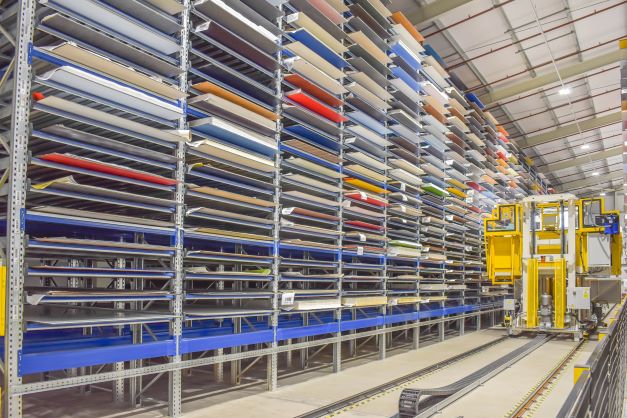
Picking individual or multiple sheet material from racking is a good example. One recent application involved installing a roller-tracked location solution that combines standard BITO components and specially designed parts in a ‘letter-box’ style rack (pictured), where sheets can be picked either individually or in a collection. The racking allows multiple sheets to sit in a location that has sufficient clearance to allow air to be blown in via a hose to raise a delicate, thin single sheet to allow it to be picked individually.

Garment and apparel is a fast growing ecommerce sector requiring a mix of solutions, from hanging garment conveyors to shoe box storage and shelving for folded garments. The latter, while not presenting an obviously awkward storage challenge, can often create a problem where polythene covered individual garments easily slip out of a shelf. BITO created an essentially simple solution to this issue with modules of shelving designed to fit neatly between two uprights on the ground level of a racking structure. The shelves have a divider with a vertical return at the pick face to create a retained location that can hold a pile of individual, polythene wrapped garments securely, preventing them from sliding around during picking, while providing a gap that is wide enough to make an easy pick.

Providing locations for large and outside pallets and goods, which many facilities block stack on floors, is another route to improved storage and picking. Handling can be made easier by adding a bottom rail in the rack to lift the larger pallets off the floor and creating a rack location with a higher first beam level will make it easy to store and pick bulky, outsized items.

Sometimes odd shaped items are stored in stillages that, being heavy themselves, are often block stacked on floors. Placing stillages in a racking system however gives better utilisation of the total space and also allows use of the full height of the warehouse. A system comprising racking designed with a rail on each side of the uprights, running from front to back, will allow lift truck drivers to place a stillage in a fashion similar to a single-deep drive-in rack. This is a far more space efficient solution than using beams to rest stillages on, as is done in a traditional pallet-style rack.

More and more unusually sized items are being moved from the warehouse floor into racking, where they are better protected and can be more easily located, picked and handled. Even 6-tonne gas turbine engines can be racked, as demonstrated by an award-winning project that included an impressive three-level high gas turbine engine rack, providing 72 locations, served by a wire-guided side loader. This was created from a bespoke BITO design, using standard beams and uprights, enables engines weighing up to 6-tonnes, and stored on 1-tonne pallets to be located on the first beam level as well as ground level. The top-level locations can hold up to 4-tonnes. In this instance, the client had never previously racked engines, and it was also the heaviest pallet that BITO has ever stored.

If you think your product is too difficult to store in a better way, think again. With the right expertise, experience, and access to a broad range of storage systems and state of the art techniques, there will always be a way to improve your operation.

Scope 3 Emissions – all you need to know

The world is at a critical point in the fight against climate change. Governments across the globe are urging businesses to do more to reduce greenhouse gas emissions across the supply chain. In response, companies are taking sustainable leadership to new levels, with a particular focus on reducing their Scope 3 emissions to actively assist in supply chain decarbonisation.

You could argue that organisations are already doing what they can to help cut supply chain carbon emissions. The evidence would support your argument. According to an Intergovernmental Panel on Climate Change (IPCC) almost 1,000 companies across the world have set emissions reduction targets aligned with climate science.

However, for companies that have already taken action to reduce carbon emissions from their facilities, operations and purchased energy (Scope 1 and 2 emissions) the majority of their carbon impact is now a result of emissions that are out of their direct control, in the maze that is Scope 3 emissions.

What are Scope 3 emissions?

Scope 3 greenhouse gas (GHG) emissions refer to all of the indirect carbon emissions that occur as part of your supply chain and are not associated with the generation of purchased energy. Scope 1 and 2 carbon emissions will sit within your organisation, while Scope 3 GHG emissions tend to be out of your control.

The GHG protocol describes Scope 3 emissions as ‘all indirect emissions that occur in the value chain of the reporting company, including both upstream and downstream’.

According to the IPCC, many organisations report that 80% of their emissions fall under the Scope 3 category. With governments on a mission to put the planet on a pathway to reaching net-zero emissions by 2050, it could be argued that Scope 3 emissions are the most important ones to tackle.

However, that’s easier said than done, given that Scope 3 emissions tend to be out of an organisation’s control. Nevertheless, businesses are making more of an effort to engage with suppliers to create more low-carbon, easy to recycle products and services that will help to cut supply chain CO2 emissions.

The top causes of GHG emissions

To cut your Scope 3 emissions, you need to know the top causes of GHG emissions. According to data compiled by McKinsey and the CDP a few years ago, most greenhouse gas emissions come from consumer-driven companies and e-commerce shipping, which account for approximately 33Gt of CO2 annually.

The question is, what causes transportation service industry emissions to be so high? A few factors include:

  • Deadheading/empty backhauls – Driving empty trucks is always wasteful and needlessly adds emissions without contributing value or profits to the supply chain.
  • Inefficient route planning – Excessive backtracking during deliveries also adds to emissions and increases the fleet’s carbon footprint.
  • Poor reverse logistics management – For every sale made and item shipped, there is a chance it will end with a return. Therefore, planning for return shipments must be routine practice.
  • Limited visibility into transportation – Without clear insight into market trends, consumer demands, transportation rates, and fuel costs, waste will be more pervasive.
  • Stop-and-go final mile – The frequent stops associated with city driving increase fuel consumption during deliveries and can present a difficult obstacle for transportation providers.

With the transportation industry under pressure to cut its carbon emissions in half by 2050 – in order to hit worldwide sustainability targets outlined by many local, national, and global organisations – tackling some of the leading causes of GHG emissions is a top priority.

How do you reduce your Scope 3 emissions?

It’s important to recognise that most of your opportunities to reduce emissions lie outside of your organisation. New partnerships and optimisation strategies, such as leveraging omnimodal capabilities, should be on your agenda for cutting your carbon emissions.

All this will lead to directly offset the cost of emissions by restoring efficiency across your supply chain, and it all begins with identifying areas of excess Scope 3 emissions:

  • Assess problem areas and identify emission hotspots across your supply chain.
  • Identify resource misuse and highlight energy risks associated with daily operations.
  • Recognise which suppliers and partners provide benefits with emission control.
  • Highlight third-party vendors and partners that contribute to emission concerns.
  • Identify energy use and opportunities to reduce emissions within the normal function.
  • Engage suppliers and assist them in implementing sustainability initiatives.
  • Proactively engage team members and associates to improve emission levels.

Analyse everything, and then identify areas where you can improve beyond your facility. Once you know where you can make changes, you can implement practical ways to reduce your GHG emissions.

Across all three emission scopes, there are plenty of practical ways you can reduce your overall carbon footprint, including:

  • Having step-by-step processes
  • Fast and reliable collaboration with 3PLs
  • Reliance on real-time data and analysis
  • Up-to-date responses to disruptions
  • Active monitoring and tracking of products throughout and after their useful life
  • Data collection and analysis, to understand what happens to products and encourage recycling
  • Scalable and adaptable management
  • Constant evaluations and reviews
  • Practical guidelines and fleet protocols

According to a Harvard Law School report: “A more sustainable supply chain is one that is able to anticipate and adapt to unforeseen events. For companies that have stumbled during the pandemic as a result of supply chain miscues, it will be especially important to identify the right balance between efficiency and resilience, bearing in mind that efficiency risks need to be addressed at all tiers of the supply chain.”

Sustainability starts with visibility

Supply chain visibility will be crucial in helping you to reduce your Scope 3 emissions. While you may have made huge strides in reporting on environmental metrics, you may still lack a solid plan on how to achieve your goal of reducing your carbon footprint. This is where visibility across your supply chain becomes a game-changer in cutting your CO2 emissions.

How? Supply chain visibility helps you to reduce dwell time at facilities, provides upstream traceability, and eliminates empty miles.

Cut dwell times – Knowing the location of your supply chain bottlenecks allow you to implement a highly-targeted, data-driven approach to reducing waste across your logistics operations using supply chain visibility software.

For example, if your logistics operation involves transportation using refrigerated trucks, you can cut CO2 emissions massively. According to the American Transportation Research Institute, refrigerated trailers spend the longest of all truck types in detention (over 36% of deliveries spend four-plus hours in detention).

Most of these have to remain in lengthy detention periods to ensure the continued freshness of goods. The result is wasted fuel and huge CO2 emissions.

However, with supply chain visibility software, you can quickly detect detention and implement strategic appointment scheduling to help reduce dwell times.

Better traceability – Traceability has long been a major challenge when it comes to sustainability. You need to know that your upstream suppliers are engaging in environmental best practices if you stand any chance of cutting your Scope 3 emissions.

A real-time supply chain visibility platform gives you the capability to track information upstream and downstream. This means that you know exactly where your products are coming from and enable you to clearly communicate your sustainability goals.

Eliminate empty miles – Often referred to as ‘deadhead’, empty miles represent one of the biggest drains on supply chain efficiency across the transport sector. According to research, heavy-duty trucks account for 57% of all GHG emissions in the logistics industry.

Meanwhile, most of these trucks are driven empty 40% of the time, resulting in huge waste and, you guessed it, increased supply chain CO2 emissions. However, supply chain visibility software can help to eliminate empty miles.

How? Visibility software can help you to identify round-trip opportunities across lanes within your network. In most cases, truckers are able to collect a return load from a nearby facility. As a result, this increases the utilisation of the truck and prevents goods from having to be transported by another vehicle.

Real-time supply chain visibility helps you to balance efficiency with your sustainability goals, allowing you to:

  • Estimate greenhouse gas emissions from freight activity
  • Monitor how emission levels and patterns are changing over time
  • Determine which lanes have the highest and lowest emissions
  • Identify transportation modes (rail, ocean, truck) that contribute the most and least to emissions, at an aggregate level and on a per-shipment basis

How to start your Scope 3 emissions reduction journey

It’s important to have a supply chain engagement strategy to help you tackle Scope 3 emissions. Numerous options exist that enable you to reduce your carbon footprint across your supply chain.

The Science Based Targets initiative (SBTi) recommends a ‘Sectoral Decarbonisation Approach’, which will allow you to set Scope 3 reduction targets based on sectoral differences, including expected growth and access to emissions reduction activities.

Meanwhile, you could implement ‘absolute contraction’, which enables you to set emissions reduction targets that are aligned with the global, annual emissions reduction rate that is required to meet 1.5˚C or WB-2˚C

Irrespective of your approach to sustainability, or the size of your supply chain, it’s crucial that you recognise that climate leadership and long-term, sustainable profitability will depend on reducing your carbon footprint across your supply chain because emissions reduction is fast becoming a mainstream requirement.

Real-time supply chain visibility with Tive

Never again wonder where your shipments are, or how they’re doing. Tive’s combination of proprietary trackers and cloud-based software gives companies the visibility they need, enabling alerts, reporting and analysis on their inbound and outbound shipments.

 

Sustainability and due diligence laws force action

In addition to the digitisation of industry and commerce, the effects of the Covid-19 pandemic have also emphasised the importance of supply chain management and sourcing. Ralf Duester, board member of the SCM software specialist Setlog, summarises which trends will shape the year 2022.

His analysis is based on conversations and data from Setlog customers who use the SCM tool OSCA, e.g. more than 100 brands in the fashion industry alone.

1. Sustainability and due diligence laws force us to act

The topics of sustainability, decarbonisation and social compliance are becoming of utmost importance for businesses. Following the Glasgow World Climate Conference, consumers, politicians and business partners are calling on companies to act quickly.

New legislation is driving the pace. In road transportation, there is a strong trend towards e-vehicles and hydrogen-powered trucks. Companies are increasingly considering how to implement circular economy strategies so that fewer products need to be destroyed. More and more, transportation and product packaging come under scrutiny.

Managers are taking topics such as carbon emissions, resource consumption and their social responsibility in global sourcing very seriously. In Germany, the Supply Chain Due Diligence Act has been launched, and the European Union is working hard on regulations.

2. Sourcing and purchasing models are being rethought

The pandemic has shown: companies need to consider and implement individual approaches to sourcing to become more resilient. Analyses of automotive manufacturers, for example, may show that re- or nearshoring of certain products or components makes sense. This may be more expensive, but it makes supply chains more stable.

However, in the consumer goods sector it makes more sense to keep production in the Far East due to the enormous cost difference between Europe or the US and Asia. Furthermore, when it comes to a company’s profits – sourcing, procurement and supply chain management are becoming increasingly important.

The reason for this is that opportunities to push through higher price points in lower and middle product segments have become rare. Prices are becoming more transparent for the consumer through buying platforms. Today, profits are achieved through purchasing – or more precisely – through process optimisation.

In the purchasing models of the future, collaborative thinking will prevail – and all partners in a supply chain will align their actions accordingly. In addition, inventory levels of companies are being redefined due to increased network disruptions – such as environmental disasters, strikes or the pandemic. The disruption in global transportation has shown: For certain industries that depend on a few suppliers, it may be necessary to build higher safety stock levels and rethink order processes in general.

3. Supply chains are being replaced by supply networks

The collaboration of companies with purchasing offices, suppliers, factories, testing laboratories, logistics service providers and distributors is becoming increasingly important. As a result, companies will seek to further strengthen their business networks in the upcoming year. Since the beginning of the Covid-19 pandemic, company-internal systems have proven not to work ideally.

As a result, companies will use tools and platforms that enable secure data sharing as well as support tight collaborative workflows around forecasting, orders, deliveries, production, capacity, and inventory in real time. Collaboration, the optimal use of data and streamlined information flows eliminate errors and delays as well as reduce lead times and inefficiencies. At the same time, all stakeholders can reduce costs and improve their competitiveness.

4. Human resources management becomes more important

Studies show: One of the biggest challenges companies in industrialised countries currently face is a shortage of workers. This applies to specialists in transportation and customs as well as to highly qualified experts in supply chain management.

In Europe, many countries see a severe shortage of truck drivers – in Germany alone, there are 80,000 vacancies. Associations have been calling for better working conditions and higher wages for years. Companies will only remain successful if they pay close attention to recruiting. They must also enter cooperative ventures with universities. And they cannot avoid training their long-time employees in supply chain management – because the complexity of their tasks continues to increase.

5. ERP silos are eliminated

It is a fact that small and mid-sized companies rely on one or two ERP systems, some multi-national corporations on 20 or even more. Even before the pandemic, the inefficiencies of these self-constructed silos were obvious. Covid-19 acted as an amplifier.

The coexistence of systems artificially added to inventory buffers, caused information gaps and delays, and resulted in high IT costs for interfaces, maintenance, and upgrades. Companies will tear down these silos because they can no longer afford the cost, effort, or associated hassle. The best solution is to move supply chain workflows to a collaborative network platform that cuts across all silos and enables both data sharing and data transfer across production lines, departments and companies.

So-called best-of-breed solutions enabled through REST API interfaces in an intelligent IT architecture break down silos and enable collaborative, cross-company workflows with transparent data exchange.

6. Supply chains are seen as competitive advantage

Due to material shortages and the Covid-19 pandemic, supply chains in many companies broke down for the first time since the end of World War II. Increasingly, managers are asking themselves: Can they continue to rely on the existing supplier relationships and logistics chains in future? Many are analysing and re-evaluating suppliers, transit times, and even their own order and sourcing management.

Instead of just looking at list prices, a risk surcharge – depending on the country of origin and other criteria – is calculated for each critical component. Those who reorganise their supply networks can use stable and flexible supply chains as a competitive advantage.

7. Supply chain managers embrace modern technologies

Companies are realising more and more that thousands of decisions with dozens of parameters must be made every day. Experienced managers alone do not help. Companies need to trust new technologies, such as artificial intelligence, to make decisions. The best of the best will automate processes more and take advantage of artificial intelligence in prescriptive analytics and autonomous agents to gain efficiencies.

Managers will adopt supply chain software technologies to increase their companies’ resilience and competitiveness. As a result, new automation technologies eliminate dozens of positions and roles within an organisation. Thanks to modern technologies, companies can generate speed from planning to delivery, reduce buffers and manage processes more efficiently.

8. Optimisation of supply and demand match

Companies are turning towards technologies that optimally match demand with available supply for and within specific delivery windows. If circumstances change, products sometimes need to be reallocated to orders – almost in real time – to keep service levels high while minimising costs. Companies that use software and algorithms to manage demand and supply globally will be one step ahead of the competition.

Generally, rapid changes in supply and demand make it impossible to forecast based on the past. The best strategy is for companies to devise agile approaches to permanently optimise the use of resources and production capacities. Modern demand planning software and business intelligence tools are increasingly important here.

9. Omnichannel comes without an alternative

The years 2020 and 2021 have shown that for companies to remain successful, become faster and more resilient, the potential in all sales channels must be exploited: brick and mortar, wholesale, e-commerce, sales partners and platforms. Only businesses who follow this strategy will remain successful if one or even more of the channels weaken.

Companies also need to be able to consolidate demand across all channels and to increase service levels and revenue while reducing costs. To do this, they need powerful SCM software.

10. Direct-to-costumer makes the difference

If you haven’t optimised this channel yet, your competition may outrun you fast. Managers must have a handle on “batch size 1” production and delivery, master the returns business, and have a last-mile solution in place.

They also need e-commerce technology that can handle the multitude of choices and item variations customers want. In B2B but also B2C markets, this includes drop shipments, which are created, handled and optimised with the necessary transparency of SCM solutions. This allows retailers to sell goods to consumers without having them physically in stock.

Yale brings “Technology that moves” to LogiMAT

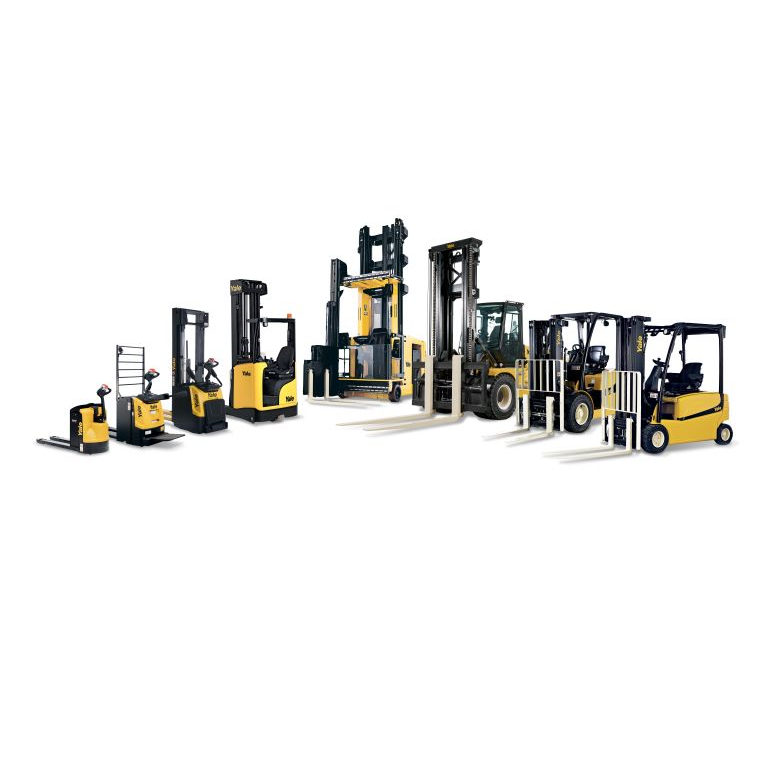
Yale Europe Materials Handling is returning to the largest logistics expo in Europe, LogiMAT, set to take place in Stuttgart from 31 May – 2 June. Yale will be showcasing a wide variety of materials handling products and solutions under the theme ‘Technology that moves’, on Stand D31 in Hall 9.

“LogiMAT 2022 will be our first physical trade show in three years, and there isn’t a more fitting location to present our plans for the future,” said Timo Antony, Area Business Director Central Europe at Yale. “We’re looking forward to meeting with individuals in-person again, connecting with customers and telling them what we’ve been working on since the last time we met.”

In the three years since the previous LogiMAT, Yale has undergone an exciting business transformation, which will be demonstrated for the first time in Stuttgart.

On display will be a range of warehousing trucks as well as logistics innovations, combining technology and design to provide tailored solutions for tomorrow’s challenges.

Yale will reveal its new Series N ICE counterbalance truck for the very first time. Built on Yale’s modular and scalable platform, the Series N can easily be configured to match unique requirements, raising the bar for success in almost all applications and environments.

Visitors will also be able to learn more about the Yale UX Series for low intensity warehouse operations, which launched in 2020. Yale is keen to speak with warehouse managers to demonstrate how its UX products can benefit their operations.

A key element of the LogiMAT display will be lithium-ion technology. Yale will enhance its materials handling product offering with the recently launched SUNLIGHT lithium-ion batteries as a power solution for customers.

“There will be a lot of exciting announcements from Yale in the coming 12 months, and LogiMAT is set to kick-start a bright and prosperous chapter for our company, our dealers, and our customers old and new,” concluded Antony.

Handheld upgrades OS for rugged device

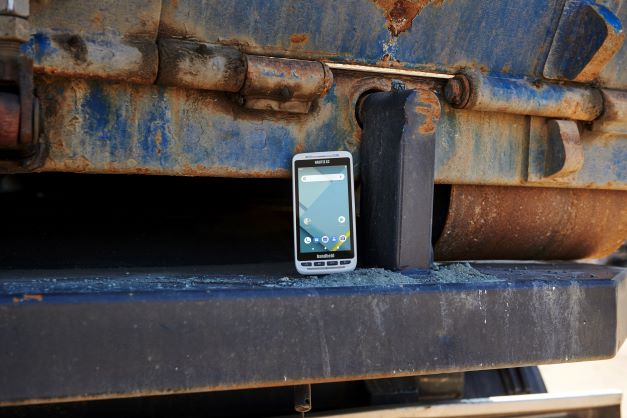
Handheld Group, a leading manufacturer of rugged mobile computers, has launched an operating system upgrade to Android 11 for the NAUTIZ X2 rugged handheld which has become a popular device especially in logistics, warehousing, and supply chain applications.

The Nautiz X2 is a compact, lightweight rugged handheld designed for efficient field data collection and communication outside of the office environment. With a complete accessory ecosystem, enterprise users can outfit their mobile workers for maximum efficiency.

The Nautiz X2 rugged Android handheld offers:

  • A compact, lightweight, and sleek design
  • A powerful 8-core processor with 4 GB RAM and 64 GB storage
  • Google GMS certification for full access to all Google apps including Play Store and Google Maps
  • Handheld’s proprietary MaxGo software to quickly apply custom settings to multiple devices
  • High-quality, high-speed scanners with 1D or 2D capability
  • 4G/LTE Android phone functionality and high-speed data
  • NFC, BT 5.0 LE and Wi-Fi 802.11a/b/g/n/r/ac
  • Integrated 8MP camera with autofocus and flash
  • Sunlight-readable 4.7-inch capacitive display with multi-touch sensitivity
  • True ruggedness, meeting IP65 and MIL-STD-810-G standards

“The OS upgrade on the Nautiz X2 allows our customers to take advantage newer Android features,” said Johan Hed, Handheld director of product development. “Especially as Android security is improved; our customers can keep and increase their deployments with a consistent form factor and accompanying accessories.”

The Nautiz X2 rugged handheld has a robust accessory ecosystem designed to maximise productivity and comfort for frontline workers. The Nautiz X2 long-range scanner pistol grip gives you the ability to scan 1D/2D labels from 15cm up to 15m. Even outdoors, the Nautiz X2’s 4G WWAN capabilities can give you access to your backend system while scanning.

The Nautiz X2 can be ordered now and is expected to begin shipping this month. Customers with earlier Nautiz X2 units can upgrade to Android 11.

GXO installs multi-tiered cobots

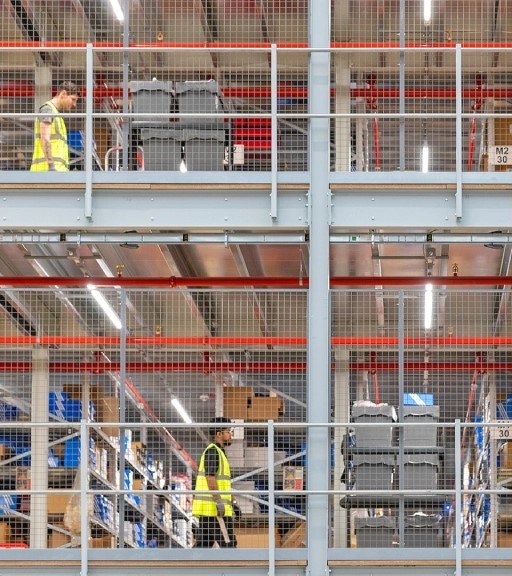
Contract logistics provider GXO Logistics says it has achieved “an industry first” by deploying 6 River Systems (6RS) collaborative robots (cobots) on multiple mezzanine floors in one of its distribution centres in Milton Keynes, England.

“This multi-tiered installation is ground-breaking for us and a first in our industry,” said Gavin Williams, Managing Director, GXO UK and Ireland. “The solution illustrates our significant investment in technology that helps us improve productivity for our customers and safety for our colleagues while optimising vertical warehouse space in Europe.”

GXO collaborated with 6RS to develop and test new features on the cobots, which automatically travel from one location to another carrying picked items, reducing employees’ walk time and helping them pick items from inventory more efficiently. At another GXO site in Stoke-on-Trent, the cobots, which are called “Chucks,” have enhanced picking accuracy by 40% and reduced new employee training time by 80% since being deployed.

“Our work with GXO at the Milton Keynes distribution centre is a prime example of 6 River Systems’ ability to meet the needs of high-volume organisations that are building multi-tiered warehouse installations,” said Jerome Dubois, Co-Founder and Co-CEO of 6 River Systems. “As businesses continue to seek automation solutions to meet increasing consumer demands, we’re innovating to equip them with technology to enhance safety and productivity.”

As part of its accelerating investments in technology and automation, GXO more than tripled its cobot count year-on-year in the quarter ending 30th September, 2021. By using Chucks and other innovative warehouse solutions, GXO achieves significant improvements in pick rates, accuracy and employee satisfaction.

STILL supports local children’s groups

This year once again, the Hamburg-based company STILL is taking on social responsibility in the city and supporting the equal participation of Hamburg’s children and young people in education, culture and social interaction.

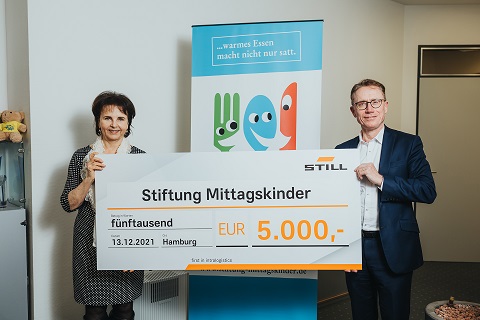
The company has donated €5,000 each to the local projects Mittagskinder Foundation (pictured), Kultur Palast Hamburg Foundation and the Wilhelmsburg Production School, and has also given around 1,500 chocolate Advent calendars to the three institutions as well as the Hamburger Tafel and the Arche in Hamburg-Billstedt.

Equal opportunities, rights, integration, education and a warm meal at least once a day – unfortunately, for many children and young people in Hamburg this is not a matter of course. Therefore, the commitment of social projects that work to give all children and young people a fair chance to have these things is all the more valuable.

“The past year was challenging on many levels. This is particularly true for young people,” explains Frank Müller, brand manager at the Hamburg-based intralogistics company STILL.” That is why it is particularly important to us this year to show them that we care about them and that we stand up for them and their future.”

And so he took the opportunity to visit all three projects in person and present them with the STILL donation cheque for €5,000.

STILL has been supporting the Mittagskinder Foundation and the Kultur Palast Hamburg Foundation for many years. Since last year, there has also been a cooperation with the Wilhelmsburg Production School.

At the Mittagskinder Foundation, around 200 Hamburg children regularly receive a healthy lunch, the shelter of a community, educational support and assistance with their homework. Since the beginning of the pandemic, many families have also been supported with shopping vouchers.

The Kultur Palast Hamburg Foundation has been bringing children and young people of different nations together in music and dance projects for 40 years, promoting cultural understanding and integration.

The Wilhelmsburg Production School is particularly committed to equal access to education. Here, young people are trained and qualified for the transition to the labour market after leaving school. To this end, the project offers product-oriented learning, among other things, in the five vocational fields of metal, wood, catering, retail and hairdressing.

“Thanks to STILL’s support, we have been able to expand the opportunities for digital learning at our facility,” reports Sabine Haugg, managing director BI Beruf und Integration Elbinseln gGmbH. “We are very happy about this, because being able to work confidently with digital media and tools opens up further opportunities for the pupils on the labour market.”

In addition to its ongoing support for the future, STILL is particularly keen to make children’s eyes shine in the days before Christmas. For this, the company donated around 1,500 chocolate Advent calendars to the Mittagskinder Foundation, the Kultur Palast Billstedt Foundation, the Wilhelmsburg Production School, the Arche Hamburg and the Tafel Hamburg. The sweet surprises for the Christmas season were distributed just in time for 1st December.

“We have around 100 children and young people who are looking forward to Christmas full of excitement. It is wonderful that STILL makes the waiting a little sweeter,” Annalisa Hesse, director of the Arche in Billstedt, is pleased to say. “Thank you very much for your support.”

“I can still remember the great joy and excitement of opening a little door every morning in the days before Christmas,” says Müller. “If we can do our small part to make this delight possible for children, we are happy to do so from the bottom of our hearts.”

Subscribe

Get notified about New Episodes of our Podcast, New Magazine Issues and stay updated with our Weekly Newsletter.