Transporeon Launches Freight Marketplace

Transporeon, a leading Transportation Management Platform and a Trimble Company, announced today the launch of Freight Marketplace, a neutral (of equal benefit to both shippers and carriers) deal-making hub for freight procurement.

Both buyers and sellers of transportation services face ongoing challenges in aligning capacity and assessing fair pricing. In addition, insufficient transparency and fragmented systems can lead to low relevance on carrier tender invitations and inefficient alignment with shippers’ service preferences. Negotiating efficiently and fairly is also a challenge due to the lack of standardised data sets, which hinder like-for-like comparisons and make it difficult to consider factors beyond price, such as sustainability and service levels.

Transporeon’s Freight Marketplace addresses these challenges head-on with a new solution designed to transform logistics procurement and redefine how companies buy, sell, negotiate and contract. Its key benefits include:

● A central location for deal-making: Freight Marketplace unites carriers and shippers ‘under one roof’ to do business based on their specific needs, capabilities and requirements. It taps into Transporeon’s extensive network of 1,400+ shippers and 158,000+ carriers for instant scale, creating a definitive catalogue of buyers and sellers.
● Simplified negotiations: Freight Marketplace uses advanced algorithms to simplify negotiations and optimise the procurement process.
● Multi-dimensional negotiations that factor in sustainability: Negotiations between shippers and carriers often focus solely on price, disregarding other factors such as volume, lead time and sustainability. Freight Marketplace solves this challenge, enabling shippers and carriers to factor pricing, volume, CO2 emissions and more into negotiations. Buyers can prioritise low-emission options, while sellers have a platform to showcase their efforts in reducing emissions.
● Enhanced visibility and transparency: Freight Marketplace allows logistics providers to build comprehensive profiles that include their expertise, services, performance metrics and fleet data. To establish transparency, it blends self-declared facts with third-party verified information and real-world insights from the Transporeon platform. Shippers have similar profiles, enabling both parties to search for partners that precisely match their specific requirements, ensuring a smooth matchmaking process.

Platform neutrality

Freight Marketplace drives value for both buyers and sellers through neutrality, ensuring an environment where all players can benefit equally:
● Buyers benefit from pre-structured, standardised data that simplifies finding new partners through high-quality profiles. Freight Marketplace makes it easy to access fair pricing and optimise decisions based on other factors such as volume, lead time, and sustainability.
● Sellers gain access to a broader range of shippers and mini tenders, allowing them to win new business. Since every event is structured the same way, sellers can also evaluate opportunities more efficiently, meaning they no longer need to decipher shipper-specific jargon or endless Excel table names.

Stephan Sieber, CEO at Transporeon, said: “Finding reliable partners, aligning capacity and securing fair agreements is a long-standing industry challenge. That’s why we built Freight Marketplace to take freight procurement to the next level. At its core, our new solution is a one-stop shop for deal-making, empowering buyers and sellers alike to connect, negotiate and close new business. This is supported by advanced algorithms, full transparency and a focus on sustainability.”

CMA CGM and Maersk Pledge Shipping Decarbonization

A.P. Moller – Maersk A/S (Maersk) and CMA CGM have decided to join forces on several areas relating to decarbonization, in full compliance with all laws and regulations. As frontrunners of the energy transition in shipping, both companies are convinced that joint action will help accelerating the green transition in shipping, learning from each other to go further and faster.

CMA CGM and Maersk have set a net-zero target for their shipping business, have identified scalable solutions that can create impact in this decade, and have already individually taken ambitious paths on promoting decarbonization for shipping.

Maersk has been ordering vessels that can be operated on bio/e-methanol. CMA CGM has been ordering LNG-propelled vessels, that can also be operated on bio/e-methane, the new green equivalent of current LNG, and has also placed orders for vessels that can be operated on bio/e-methanol. While these two fuel streams appear now as the most mature among existing solutions, both companies expect the future fuel mix of shipping will include other streams that should be developed in the coming years.

An ambitious collaboration to develop the future of fuels for the shipping industry

Specifically, both shipping lines will work more together to develop the use of alternative greener fuels for container vessel propulsion, namely:

1. Developing high standards for alternative sustainable, green fuels – including the analysis of full lifecycle and related greenhouse gasses – and helping to setting the framework of mass production of green methane and green methanol.
2. Developing and maintaining standards for operation of green methanol vessels with regards to safety and bunkering, as well as accelerating port readiness for bunkering and supply of bio/e-methanol at key ports around the world.
3. Continuing to explore jointly R+D on other components of the net zero solution as new alternative fuels, like ammonia, or innovation technology for our ships.

Two leading shipping companies to push advocacy together for the energy transition of the industry

Moreover, Maersk and CMA-CGM both agree to the fundamental role of regulation in securing the decarbonization of the sector. Both companies warmly welcome the outcome of the recent Marine Environment Protection Committee of the International Maritime Organization during which the IMO’s 2023 Strategy for Reducing GHG Emissions from Ships was adopted, with reinforced targets to tackle harmful emissions.

Maersk and CMA CGM remain committed to jointly advocating for and encouraging IMO Member States to adopt ambitious measures in their pursuit of the highest attainable goals. Regional measures such as the EU Fit for 55 and the Inflation Reduction Act in the US are welcomed by both companies to help stimulate demand for green shipping solutions.

CMA CGM and Maersk affirm their readiness to collaboratively engage with regulatory stakeholders in establishing a robust and sustainable international regulatory GHG framework and invite other international shipping lines who so wish to join them in this cooperation with the regulatory institutions. Such a framework is in both our companies’ perspective a prerequisite to reducing carbon emissions for the shipping industry and securing a level-playing field for a global business environment.

“This partnership is a milestone for the decarbonization of our industry. By combining the know-how and the expertise of two shipping leaders, we will accelerate the development of new solutions and technologies, enabling our industry to reach its CO2 reduction targets. We are looking forward to being joined by other companies.” says Rodolphe Saadé, Chairman and Chief Executive Officer of the CMA CGM Group.

“A.P. Moller – Maersk wants to accelerate the green transition in shipping and logistics and to do so, we need strong involvement from partners across the industry. We are pleased to have an ally in CMA CGM and it’s a testament that when we unite through determined efforts and partnerships, a tangible and optimistic path toward a sustainable future emerges,” says Vincent Clerc, Chief Executive Officer at A.P. Moller – Maersk.

Transporeon Unveils Platform Innovations

Transporeon, a leading Transportation Management Platform and a Trimble Company, has announced new platform innovations that enhance its spot quotation, contract rate benchmarking and freight audit capabilities. With a robust network of 1,400+ shippers and retailers and 150,000+ carriers and logistic service providers, Transporeon’s neutral Transportation Management Platform (TMP), which provides equal benefits to both shippers and carriers and enables companies to simplify collaboration, will now further streamline internal operations and embrace new business opportunities.

Stephan Sieber, CEO of Transporeon, commented: “In today’s fast-paced world of transportation and logistics, adaptability is key for companies to survive and thrive. Digital technologies can significantly reduce cumbersome, manual processes. We have seen that when companies adopt more collaborative approaches, improved efficiency often follows. This is precisely what Transporeon’s platform enables. With our latest platform innovations, logistics teams can gain access to even more detailed market insights and codify tedious manual tasks into fully automated processes – not just within their own company, but between business partners.”

Autonomous Quotation

Price negotiations remain opaque and manual in the growing freight spot market. Freight forwarders, brokers and LSPs spend considerable time manually researching and building quotes.

Transporeon’s Autonomous Quotation solves this challenge by enabling brokers and LSPs to prioritise incoming transport requests easily and automatically serve customers with instant, accurate pricing for truckload spot transports based on predicted market rates.

By fully automating the spot bidding process with Autonomous Quotation, brokers and LSPs can increase the volume of opportunities they quote for, which in turn, can lead to new business opportunities. Automating the process can also unlock cost-savings by minimising the manual work involved in the quotation process.

Autonomous Quotation generates quotes based on companies’ individual quotation strategies. Users can define their own tactics based on criteria including margin requirements, equipment type, distance, stop location and pick-up and delivery windows. The module is based on a customised trained prediction model and is backed by data science and machine learning algorithms that incorporate bidding outcomes over time to increase accuracy.

Jonah McIntire, Director Procurement and Chief Network Officer at Transporeon, said: “Freight brokers and logistics service providers have faced an uphill battle when competing in the spot market, navigating time-consuming manual price negotiations and freight auction portals. With Autonomous Quotation, companies can decouple their spot revenue growth from their staffing costs to win those shipments by issuing quotes instantly, accurately and at scale. No more manual admin but more opportunities. After all, you can only win what you can quote!”

Rate Benchmark

Rate Benchmark extends the capabilities of Transporeon’s existing Market Insights solution, which democratises truckload pricing by providing real-time insights into markets, lanes and their development. Rate Benchmark takes Market Insights one step further by allowing companies to benchmark their contracted rates against the market.

With Rate Benchmark, users can easily spot opportunities and make informed procurement and pricing decisions and improve tenders. It calculates average monthly contract rates on a postal code level and compares them with the user’s rate on the same lane.

McIntire explained: “Shippers, carriers and logistics service providers have very few reliable and neutral data sources that deliver high-quality freight rate information. When Transporeon launched Market Insights, it had a transformative effect on our network. Rate Benchmark builds on this success, permitting customers to compare their contracts against the market with precision. We’re delighted to share this development with our network.”

Freight Audit

Freight Audit represents the next evolution of Transporeon’s audit functionality. It allows customers to audit shipments executed on Transporeon’s platform and combines a variety of specific capabilities, including cost allocation, online dispute management, invoice legal information audit, billing instructions, accruals and accounts payable. Freight Audit doesn’t require additional customer input as it uses existing platform data, such as rates and transport orders.

Freight Audit minimises invoice discrepancies through upfront billing instructions. Fully integrated with the Transporeon platform, it helps to eliminate the need for separate tools for freight buyers and logistics providers. Moreover, the product is not limited to the invoice audit – it provides an accounts payable file, fully automating the accounting process.

Each process within Freight Audit has a complete audit trail for compliance, and invoices are approved according to governmental invoice requirements. In addition, it enhances data accuracy by ensuring all data is confirmed by shippers, carriers and FAP (freight audit and payment). As a result, Freight Audit enables companies to eliminate transport overspend and simplify internal and external compliance.

Stefanie Bergfeld, Director Audit and Payment at Transporeon, added: “With fragmented finance and audit processes, it can be easy to overspend on transport and make compliance missteps. Not only does Freight Audit address these problems, but it also significantly reduces manual processes with a high level of automation, minimising administrative work. Thanks to its seamless integration with the Transporeon platform, Freight Audit can also be used by smaller customers who wouldn’t normally look for a standalone audit solution.”

The three innovations were unveiled at Transporeon NEXT, Transporeon’s flagship bi-annual launch event, which is taking place this week at its annual summit.

Freight Marketplace Launched

Transporeon furthermore announced the launch of Freight Marketplace, a neutral (of equal benefit to both shippers and carriers) deal-making hub for freight procurement.

Both buyers and sellers of transportation services face ongoing challenges in aligning capacity and assessing fair pricing. In addition, insufficient transparency and fragmented systems can lead to low relevance on carrier tender invitations and inefficient alignment with shippers’ service preferences. Negotiating efficiently and fairly is also a challenge due to the lack of standardised data sets, which hinder like-for-like comparisons and make it difficult to consider factors beyond price, such as sustainability and service levels.

Transporeon’s Freight Marketplace addresses these challenges head-on with a new solution designed to transform logistics procurement and redefine how companies buy, sell, negotiate and contract. Its key benefits include:

  • A central location for deal-making: Freight Marketplace unites carriers and shippers ‘under one roof’ to do business based on their specific needs, capabilities and requirements. It taps into Transporeon’s extensive network of 1,400+ shippers and 158,000+ carriers for instant scale, creating a definitive catalogue of buyers and sellers.
  • Simplified negotiations: Freight Marketplace uses advanced algorithms to simplify negotiations and optimise the procurement process.
  • Multi-dimensional negotiations that factor in sustainability: Negotiations between shippers and carriers often focus solely on price, disregarding other factors such as volume, lead time and sustainability. Freight Marketplace solves this challenge, enabling shippers and carriers to factor pricing, volume, CO2 emissions and more into negotiations. Buyers can prioritise low-emission options, while sellers have a platform to showcase their efforts in reducing emissions.
  • Enhanced visibility and transparency: Freight Marketplace allows logistics providers to build comprehensive profiles that include their expertise, services, performance metrics and fleet data. To establish transparency, it blends self-declared facts with third-party verified information and real-world insights from the Transporeon platform. Shippers have similar profiles, enabling both parties to search for partners that precisely match their specific requirements, ensuring a smooth matchmaking process.

Platform neutrality

Freight Marketplace drives value for both buyers and sellers through neutrality, ensuring an environment where all players can benefit equally:

Buyers benefit from pre-structured, standardised data that simplifies finding new partners through high-quality profiles. Freight Marketplace makes it easy to access fair pricing and optimise decisions based on other factors such as volume, lead time, and sustainability.

Sellers gain access to a broader range of shippers and mini tenders, allowing them to win new business. Since every event is structured the same way, sellers can also evaluate opportunities more efficiently, meaning they no longer need to decipher shipper-specific jargon or endless Excel table names.

Sieber said: “Finding reliable partners, aligning capacity and securing fair agreements is a long-standing industry challenge. That’s why we built Freight Marketplace to take freight procurement to the next level. At its core, our new solution is a one-stop shop for deal-making, empowering buyers and sellers alike to connect, negotiate and close new business. This is supported by advanced algorithms, full transparency and a focus on sustainability.”

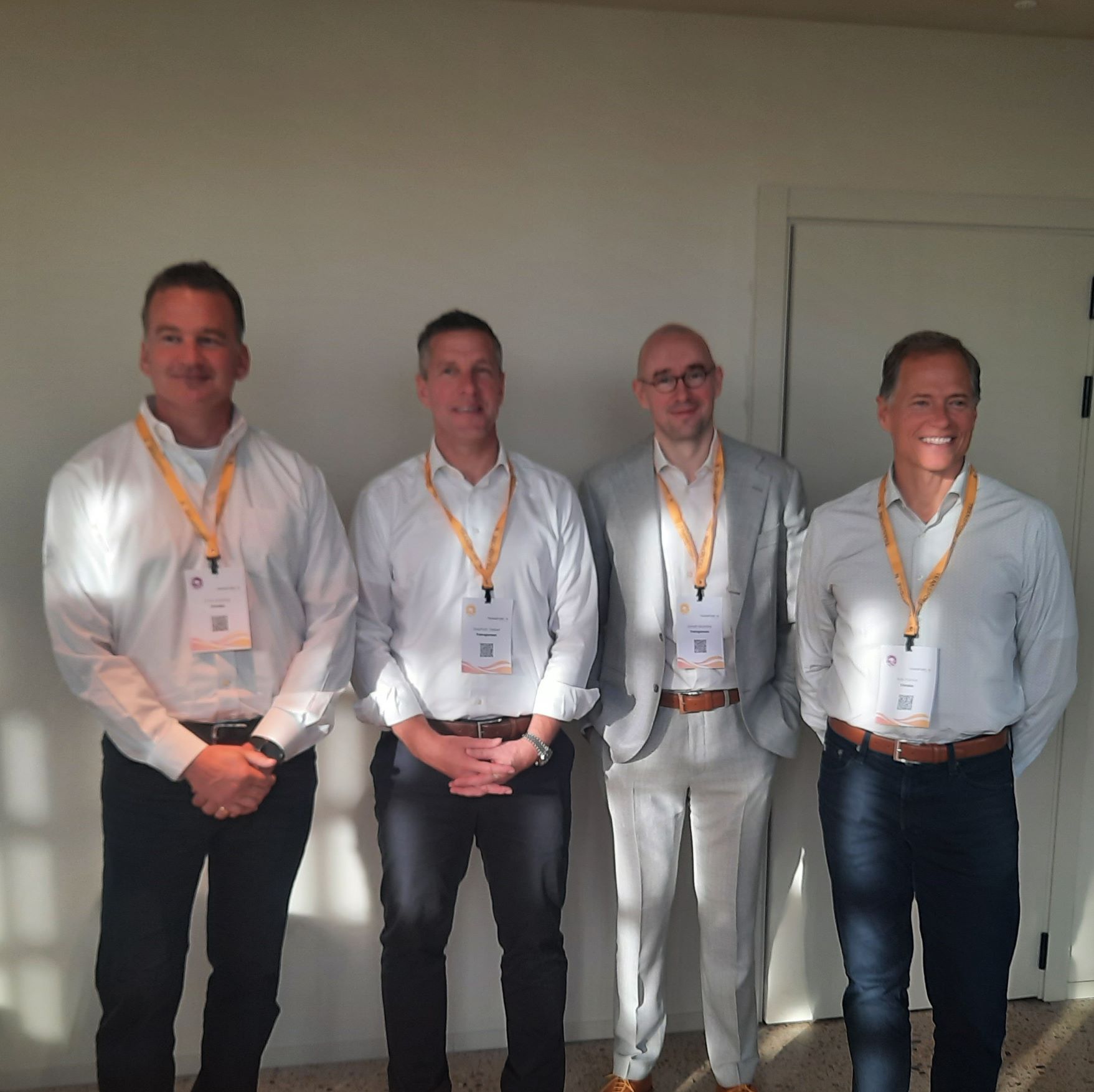
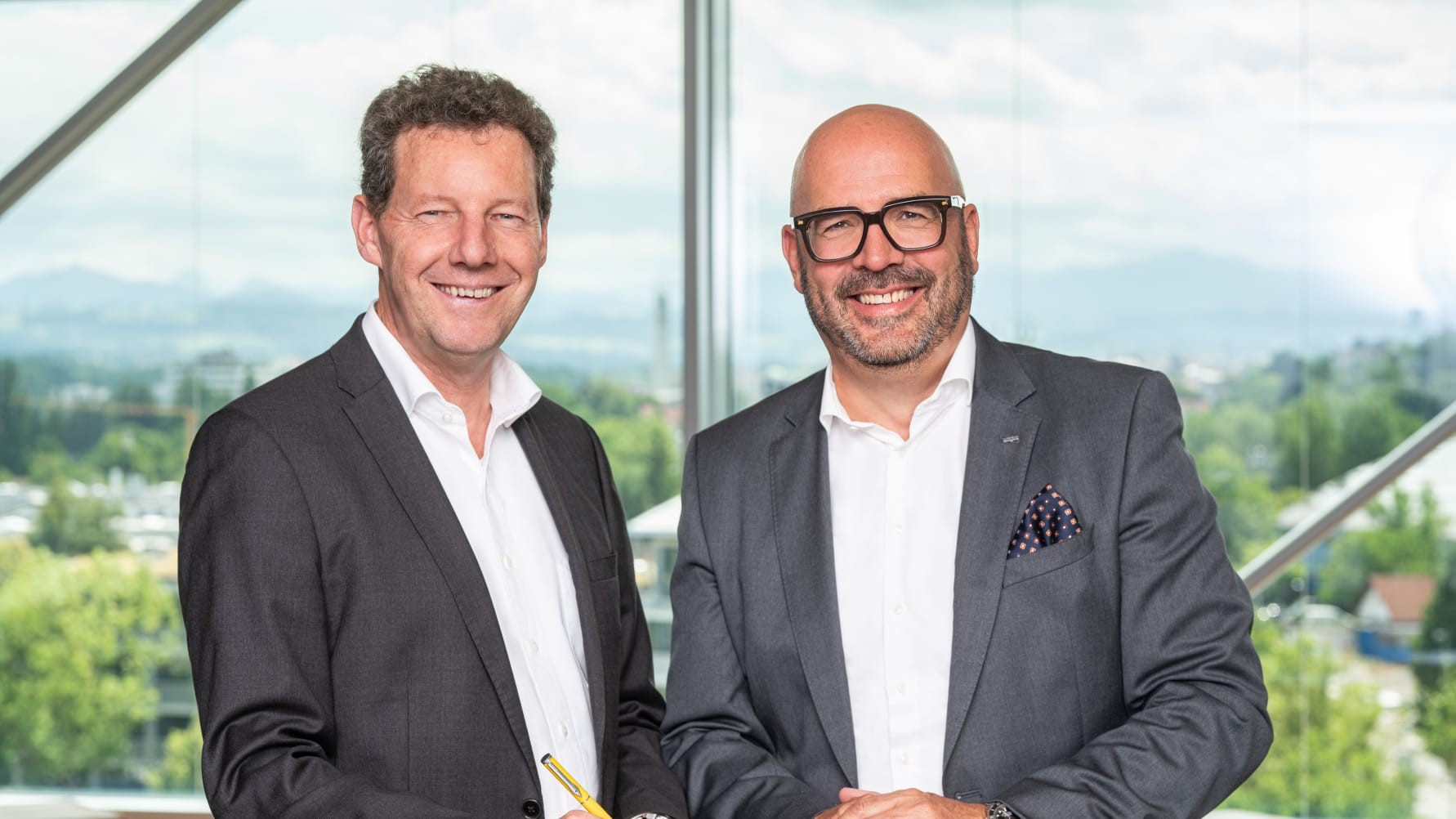
Chris Keating (pictured, left), Group Head of Strategy at Trimble, has been announced as the incoming CEO of Transporeon as Sieber will be stepping down and leaving the business at the end of this year. Additionally, it was revealed that, following Trimble’s takeover of Transporeon, the Transporeon brand will be withdrawn towards the end of 2024, meaning the business will be henceforth known purely as Trimble.

Transport to and from Greece and Cyprus

EURODIS, a network for the joint international transport of parcels and pallets, has gained the Greek express service Geniki Taxydromiki as a new partner. “This brings the number of countries served by our network to 38,” says Jens Reibold, Managing Director of EURODIS GmbH. “The family-run company serves not only Greece but also the Greek-speaking part of Cyprus for our customers.”

The new partner is headed by twin sisters Nadia and Eva Varzakakou, who have been in business for 20 years. They took over the company from their father Panagiotis Varzakakos, who founded it in 1994. “Geniki is active in our core business of combined freight, transporting parcel and pallet in one shipment, and meets all EURODIS processes and quality standards,” Reibold says. “In addition, Geniki takes on hazardous goods in limited quantities, delivers both B2B and B2C shipments, and also has a whole range of interesting specialties.”

E-commerce: Geniki operates online marketplace and logistics from a single source

The company’s central hub and headquarters are located in Athens on 30,000 square meters of space. There are regional hubs in Thessaloniki and five other locations. In total, Geniki operates 330 stations in Greece. This number is expected to increase by 15 by the end of the year. Some of the stations are local delivery and pick-up bases, while others are pure pick-up and drop-off stations (pudos) that Geniki uses for its online marketplace. Via its Internet platform ebloko.gr, Geniki sells a wide variety of products ranging from cosmetics and household goods to electronics. Customers can have the goods delivered to their homes via Geniki or pick them up and return them at the pudos.

The company’s customer list includes well-known names as cosmetics brand Avon, German corporations Bayer, BMW and Bosch, sporting goods retailer Decathlon, DIY chain Praktiker, textile giant Inditex (Zara) and insurance group Ergo. In the last four years, Geniki has increased its sales from 66 to 96 million euros and its gross profit from 8 to 12.4 million.

Almost every second shipment is cash on delivery

Another special feature of the Greek express service Geniki Taxydromiki is the very high proportion of cash on delivery (COD) shipments (48 percent). With an average of 120,000 shipments delivered by Geniki every day, that’s more than 55,000 COD shipments per day.

The average shipment weight at Geniki is 1.4 kilos, which is due to a high number of relatively small shipments. Therefore, the company uses 550 motorcycles in addition to 70 trucks and 750 vans. In June, Geniki Taxydromiki purchased 20 all-electric delivery vehicles. 13 minivans and 2 electric scooters are being used at selected stations throughout Greece. Five vehicles went to a station in Athens, which is to be developed into the first completely ‘green delivery depot’.


Cogri Provide Floor Testing for Japanese Logistics

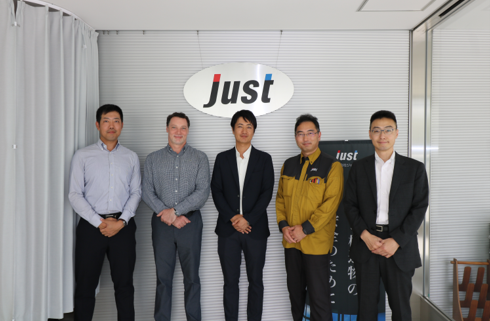
CoGri Japan Co.,Ltd is pleased to announce the formation of a Strategic Alliance with JUST Co.,Ltd to collaborate on the promotion and provision of 3rd Party Floor Flatness Surveying and Testing Services using the CoGri Group’s state-of-the-art digital floor testing equipment.

Japan is one of the top 5 E-Commerce markets in the world, with 20% year-on-year growth in value as well as being a global leader in industrial automation and robotics. Warehouse flooring quality and performance are, therefore, becoming increasingly critical to the success of its logistics operations.

With the business cooperation between CoGri Japan – part of the CoGri Group consortium of industrial floor solution specialists, and JUST – a market leading 3rd Party Building Survey and Inspection company, the strategic partners aim to ensure their clients receive warehouse flooring which meets global standards, allowing maximum efficiency and safety in warehouse operations.

Jason Blackmore (Regional Manager of CoGri North Asia and Representative Director of CoGri Japan) said, “The global CoGri Group family are excited to be working closely alongside JUST, the leading Building Survey and Inspection company in Japan. With more than 50 years of experience and offices throughout the country, JUST is recognised as an honest and professional specialist who uses the latest technology with continuous innovation. Therefore, a great fit to support us with the promotion of Face Consultants Services in Japan.”

Masaki Mori (Business Development Manager of CoGri Japan) added, “Although construction standards in Japan are generally good, the concept of 3rd party floor flatness testing in Japan is not common. Robotics and Automation G2P systems have specific flooring requirements which are often not considered at the right time. We look forward to working with JUST to ensure our global and domestic Clients in Japan receive floors which are fit for purpose and future-proofed.”

CoGri Japan is part of the CoGri Group consortium of Floor Solution Specialists. CoGri has been operating in Japan since 2016 and can provide the full range of CoGri Group services including:

• Design of Ground Floor Slabs
• Floor Consultancy Services and On-Site QA Supervision
• Floor Flatness Surveying and Testing
• Design, Testing, Construction, and Floor Upgrading for G2P Robotics & Automation
• Specialist Floor Repairs & Upgrading
• Technical Support for Warehouse Floor Construction
• High Performance – High Tolerance Floor Construction

More Throughput for Coop DC During Upgrade

Expanding a highly dynamic multi-temperature logistics centre for roughly 1,200 stores during ongoing operations with an increase in pick performance from 480,000 to almost 625,000 cases daily, is a tremendous challenge as such. But when, in addition, store and online orders continue to soar due to various lockdowns and the teams are only allowed to work with severe limitations because of Covid 19 restrictions, then a lot more than just technical and organizational knowledge is needed on both sides for the project to succeed. WITRON and the food retailer COOP from Norway have demonstrated this impressively.

When the two managing directors Geir Inge Stokke (COOP) and Helmut Prieschenk (WITRON) signed the contract for the expansion of the COOP multi-temperature distribution centre near Oslo at the end of May 2019, neither of them had any idea of the huge challenges they would have to face. From March 2020, the world stood still due to Covid, and the consumers’ demands significantly soared driven by various lockdowns. This was an inauspicious start for what was probably the most challenging brownfield project in WITRON’s company history to date, in which existing technology was modernized and new modules integrated – both in the existing building and in a new extension facility.

The task addressed to Gaute Glomlien from COOP and Holger Weiß from WITRON was described as follows: to expand the dry, fresh, and frozen goods logistics facility from 52,000 square meters to 84,000 square meters under Covid 19 safety measures, to increase throughput by 30 percent, to integrate new COM machines, to install additional pallet and tray AS/RS aisles and various conveyor components, to increase the size of the fully automated shipping buffer, to update the corresponding WMS system to the latest technology, and to implement all of this into the existing material flow during ongoing operations without any loss of performance.

“We were able to save millions of euros yearly in the past with the WITRON systems. Therefore, it was clear that we would also realize the expansion with WITRON and their leading logistics technology”, explained COOP project manager Glomlien. The expansion was also necessary because the retailer acquired a competitor and therefore grew stronger and faster than assumed when the logistics centre was established.

“COOP is a showcase project for us. Many international customers visit the facility and with the expansion we were able to impressively prove that we can handle such a task during ongoing operations on budget and on time despite increasing volumes – both in terms of throughput and items – in the warehouse and despite the pandemic”, Holger Weiß proudly reports. In spring 2023, 42 COM machines (eleven new COMs were installed) will be operating across all temperature zones and COOP’s logistics systems can pick more than 625,000 cases daily. In total, the facility comprises more than 600,000 pallet, tote, and tray storage locations as well as 130 stacker cranes, and many kms of conveyor technology.

Challenges successfully mastered

From the facility (with five different temperature zones), COOP supplies 1,200 stores located across Norway, from the metropolis region around Oslo and the far North of Norway from an assortment of 13,000 different items. “At the beginning of the project, it was evident that we needed to increase our pick capacity substantially”, Glomlien jokes today. “The volume of the logistics center has almost doubled”, Weiß responds laughing. Glomlien and he have had tough discussions in some situations. Today, they sit in front of the Teams microphones and are happy to see each other again virtually. “It was a good time”, summarizes Weiß after the conversation, and his Norwegian counterpart agrees.

When he recalls various days, weeks, and months in the project, he pauses for a moment, recalls, and then continues all the more proudly. “The borders were closed. There had been complex entry restrictions. The authorities ordered strict quarantine measures. For a long time, the project team was only allowed to drive from the hotel (which was not allowed to be left for other reasons) to the logistics center and back. The cafeterias on site were also closed. Even in the hotel, the service was reduced to a minimum. This is something you have to overcome as a team. These are real deprivations – for the customer team, but also for our colleagues. As a project manager, you ask yourself every evening how you can keep your team motivated”, emphasizes Weiß. The WITRON team moved around with special permits from the government. COOP’s logistics was systematically important. “During the pandemic, the number of orders increased even further”, Glomlien recalls.

The frozen food logistics sector was a particular technical challenge for the Upper Palatinate Holger Weiß. “We “heated” the existing automated area from minus 25 °C to minus 5 °C, and COOP temporarily moved the goods to a conventional storage area for picking. Within eight weeks, we then made all the adjustments in the area of electrical assembly, platforms, pallet and tray conveyor technology until the existing freezer was ramped up again. The two new COM machines, as well as two more pallet storage aisles, four tray storage aisles, additional stacker cranes, a de-palletizer, and the corresponding conveyor system were then installed in the new freezer building.

“The installation sequence was carefully planned in a joint process, and we prioritized installation of the new pallet cranes first, which would facilitate efficient CPS picking in the extended frozen area. We then cooled the new production zone to the required temperature, moved our automated production to CPS picking from the new pallet cranes and manual pallet racks, and heated our existing production area to accommodate WITRON’s installation“, Glomlien adds. “The phase required careful coordination and cross-functional collaboration between WITRON’s IT and mechanical resources, and COOP’s teams controlling production, transport and order management, from commissioning through ramp-up and during the productive phase.

After WITRON had completed the new installations in our pre-existing production zone, the process was reversed for completion of the new production area. Picking was then moved back to the fully automated OPM machinery.”

At COOP, those responsible also refer to the picking area as the production area, explains Holger Weiß.

Today, a total of four COM machines are working in the frozen goods area of the facility. When the system was cooled down again to minus 25 °C, Weiß crossed his fingers. “If the cables break, the belts tear, motors quit, or sensors fail, it’s going to be exciting because the available time window was tight” and at the same time it was important to keep in mind the quality of the stored goods to avoid major product damages. “You have to use the best components available on the market for a project like this. We did not change existing drives, but we installed new ones. It has to run right from the start, because otherwise the project won’t be completed on time, or the customer will even have direct costs if goods cannot be shipped.” The WITRON OnSite team used the time of the rebuild to perform maintenance on the system. “When the goods are stored again, you must always constantly communicate with the control room and react quickly on site”, explains Weiß. Communication between the customer team, the project team, and the OnSite team must work smoothly. “The result undoubtedly documents that it worked smoothly”, emphasizes the WITRON project manager. “The meticulously detail work paid off. After we had ramped up the frozen goods area, we were able to quickly return to performance. There were no negative surprises.”

Efficient modification concept also for the dry goods range

Following detailed discussions with WITRON, COOP decided to install five additional COM machines (a total of 17 with space for 4 more COMs), another four pallet storage aisles, ten more tray storage aisles, the corresponding stacker cranes and conveyor system mechanics, three depalletizers, as well as one stretch-wrapper in the OPM area of the dry goods range. “A crucial phase had come for the dry goods range in the fall of 2021 and winter of 2022”, says Glomlien. “This is the area with the highest throughput in the distribution center, with added complexity with two physically separate OPM sub-systems working as one integrated unit. In order to continue supplying all orders on time with the same quality after start of use of the new area, the ramp-up process was planned carefully, and our stock distribution was monitored closely to ensure the right products were in position for picking at the right time”, says Gaute Glomlien, describing the well-planned expansion. ”Detailed emulations performed upfront by WITRON’s IT team, in collaboration with COOP’s production leaders, were also crucial to identify the correct production strategy prior to start of use of the two fully integrated sub-systems “The decisive factor here is the exact balancing of orders and inventories between the individual sub-systems”, adds Holger Weiß. “This implementation strategy has also worked excellently.”

Optimizing picking strategies

The fresh food area received four additional COM machines (in total 21 with space for five more COMs), another eight tray storage aisles, two more pallet storage aisles, the corresponding stacker cranes and conveyor system mechanics, two de-palletizers, and one stretch-wrapper. “We then added another material flow section for vegetables and fruits in the fresh produce area to simplify the handling of other goods in this sector. In the past, the product groups were picked together”, explains Glomlien.

The fully automated shipping buffer, which covers various temperature zones, has been expanded once again.

Holger Weiß is already working on his next project in Sweden. Day-to-day business continues for COOP at CLog. “The upgrade has given us a state-of-the-art solution that has been enhanced during ongoing operations to a throughput volume that could not even have been anticipated in the original design phase. Now, we are further optimizing the processes”, explains Glomlien. With the expansion, also COOP’s software systems were updated to WITRON’s state of the art.

But even after the project has been completed, the processes in the logistics centre keep changing, if only because the entire supply chain is subject to fluctuations and customer requirements change. That is why a high level of flexibility is required in all processes. “COOP is pursuing a continuous improvement process and has gained a lot of experience with the facility over the past few years. This is also very impressive for us. They analyse their data, their calculations, select the right picking strategies for the regions and stores, and define how to structure their orders”, says Weiß enthusiastically. They also support the WITRON colleagues on site and in Parkstein when logics change.

Respect extends to all parties involved in the project

Also for WITRON CEO Helmut Prieschenk, the facility in Norway is a showcase project in many aspects. “It shows the transformability of automated processes. It shows how efficiently additional technology can be integrated into an existing system or into an existing building during ongoing operations. However, it is not only technology and buildings that are decisive in such projects, but also the people who successfully carry such a project across the finish line. People who have shown how even challenging situations can be mastered efficiently when project teams cooperate in a constructive and trustful manner throughout all project phases.

With this expansion, all those involved in the project have delivered a masterpiece. Both technologically, but even more so in terms of the commitment shown. While the technical requirements were already a challenging task for the COOP and WITRON teams, their implementation was further complicated over many months by the Corona pandemic. In order to meet the necessary tight time schedule despite health policy impairments, the colleagues showed a maximum of “heart and soul”, grew with the challenges, and did a great job. Projects are made by people for people. And the people involved have delivered a performance that deserves the utmost respect and represents the spirit of both companies.”

Silo with Automated Pallet Shuttle Storage

Dematra is a pioneering logistics services company renowned for its commitment to excellence in the industry. Its state-of-the-art, highly advanced 46-meter-tall stow Silo is the result of a highly successful project with the stow Group and demonstrates the future of warehousing and distribution. For this project, unlike most other automated warehouses, Dematra decided to work with shuttles instead of cranes.

The ground-breaking project showcases the pinnacle of automated technology in warehousing: the awe-inspiring 46-meter-tall stow Silo boasts the capacity to house nearly 80,000 pallets effortlessly and is equipped to handle 12,000 pallet movements within a 24-hour timeframe – an international first. Such a level of automation and productivity sets this warehouse apart from conventional counterparts and is set to revolutionise the logistics landscape.

Partnering with the world-renowned stow and the company’s stow Robotics business unit, Dematra has taken warehousing to unprecedented heights with the implementation of the stow Atlas® 2D pallet shuttle system. This cutting-edge automation technology is the backbone of the Silo, ensuring optimal efficiency, speed, and precision in the handling of goods. Dematra specialises in the fast and accurate distribution of various goods within Benelux in addition to operating several modern warehouses, where it manages the entire logistics chain of its customers. This new fully automatic high-bay warehouse on the De Prijkels industrial estate in Nazareth, a town in the Belgian province of East Flanders, cost 50 million Euros.

At the heart of this impressive warehouse are the stow Atlas® 2D shuttles, ingeniously designed to move and organise pallets with unrivaled proficiency. The Atlas® 2D pallet shuttle system consists of a number of Atlas shuttles, the specially designed stow Shuttle-rack system and the local controlling system (STC). The stow Atlas® 2D is a self-powered pallet carrier, which can transport pallets on both the rails of the storage lanes and the rails of the main lanes that run across the storage lanes. The so-called crossings or intersections between the storage lanes and the main lanes are designed for a smooth transition of the stow Atlas® 2D shuttle, either unloaded or loaded.

The automatically controlled shuttles can move pallets horizontally in a fully automatic way and without interfering with each other. The unparalleled flexibility offered by the stow Atlas® 2D shuttles is one of the unique selling points (USPs) of this astounding facility. The dynamic capabilities of the shuttle system means the client can swiftly adapt to the ever-changing logistics requirements of its valued customers, ensuring their goods are efficiently stored and easily accessible.

Meeting the design challenge

Construction of the Silo commenced in early November 2021 and on 1 April this year it officially entered operation. Dematra relied on the knowledge and experience of qualitative and reliable partners that together built this high profile project. The challenge for stow was to be able to deliver a fully scalable, flexible and reactive in-and-out storage system with high throughput, using about 40 Atlas 2D pallet shuttles in a 46 meter Silo.

In designing a compact, extremely stable and flexible in-out storage system with Atlas® 2D shuttles, stow has accomplished two key things: on the one hand the company has built a very large Silo for 80,000 pallet positions that, at 46 metre high, is a significant achievement in itself. In addition, the Silo was built on a very erratic site, resulting in the building an irregular shape rather than a standard rectangle or square building, which means cranes could not be used.

So the second achievement for stow was to install Dematra’s choice of the Atlas® 2D pallet shuttle system for storing and retrieving pallets in deep lanes. Shuttles are much more flexible than cranes, which need a lot of space and are unwieldy.

The Atlas 2D shuttles at heart of the system carry pallets to and from any of the 80,000 storage locations through a total of six main entry points per floor. In this way, the shuttle can change between storage lanes without intervention of an operator or any other means of transportation. There are about 40 shuttles operational here continuously, transporting pallets in large numbers between the front zone of the building and the actual storage area.

These shuttles, which are controlled automatically and can be used 24 hours a day, do no less than 12,000 pallet movements in an 24-hour period – far beyond the capabilities of a conventional warehouse. If there is a lot of work, additional shuttles can be rented if necessary to speed up the throughput even more.

stow is the first, and currently only, company in the world that can manufacture and install this 2D shuttle system. Adding a further unique aspect to the project is the fact that project is the first time stow 2D shuttles are operating in a Silo of this size.

Dematra wanted a very large system that would deliver high density storage of a large number of pallets. Stow’s design was able to accommodate 80,000 pallets on a surface area that is not only relatively very small but one that is also very erratic. Thanks to its height, the building barely takes up 10,000 square meters. Without the height, 5 to 6 hectares would be required, so the ecological footprint is a lot smaller.

Dematra also wanted a very flexible and scaleable system. The throughput of the system is very high due to the number of shuttles that are operational. Throughput can be increased if necessary, simply by adding more shuttles to the system, making it a very flexible system. Finally, Dematra wanted a very reactive system: pallets are only taken out of the system when trucks arrive at the loading dock.

In summary, the key benefits of the stow Silo solution are:
• Proving Dematra with ability to house nearly 80,000 pallets effortlessly
• Providing leading performance, handling 12,000 pallet movements within a 24-hour timeframe, which could not be achieved conventionally
• Providing the required density of storage within a limited compromised footprint
• Providing a system that is flexible and scaleable, allowing adaptation to ever-changing logistics requirements
• Providing a reactive system that moves pallets only when required for greater efficiency
• Provides fast, accurate and efficient handling of goods

Dematra’s 46-meter-tall stow Silo is a true marvel of automation and is set to redefine the concept of warehousing, embracing automation, efficiency, and adaptability like never before. With the stow Atlas® 2D pallet shuttle implementation, this fully automated wonder will undoubtedly set new industry standards, placing Dematra at the forefront of innovation in warehousing and distribution.

Logistics Real Estate Cycles to be less Volatile

Prologis, a global leader in logistics real estate, today released new research findings, “What’s next: Four forces shaping the logistics real estate cycle”.

Businesses moving goods across the globe are still digesting and trying to cope with the rapid changes in economies, supply chains and logistics real estate affected from the past three years. In
this report, Prologis Research updates our views on demand, supply and the long-term outlook for logistics real estate.

Prologis Research finds four forces shaping the logistics real estate cycle at a global scale:

• Future logistics real estate cycles will be less volatile because of the multiplier effect on demand (20%+ more logistics space needed for every unit of GDP vs. pre-pandemic) and structural discipline in supply.
• Service levels are fuelling demand again. Customer network expansion needs are rooted in offering the speed and choice demanded by the end consumer to compete for revenue.
• The future of supply chain is resilience to persistent disruption through higher inventory carry, diversification of sourcing and near-shoring. We are now past the pandemic bullwhip, but long-range planning is subject to economic headwinds.
• New building deliveries will contract by 35% or more in the U.S. and Europe in 2024, creating a window for positive demand to take market vacancies further below historic norms in late 2024 and 2025.

The research underscores Prologis Europe’s ability to support business growth and supply chain expansion by being where their customers need them to be — and leveraging access, healthy balance sheet and scale to support them at every step of their warehouse journey, be it built-to-suit developments, energy efficiency solutions or operational optimisations.

Read the full report here.

Warehouse Portfolio in Southeast Europe

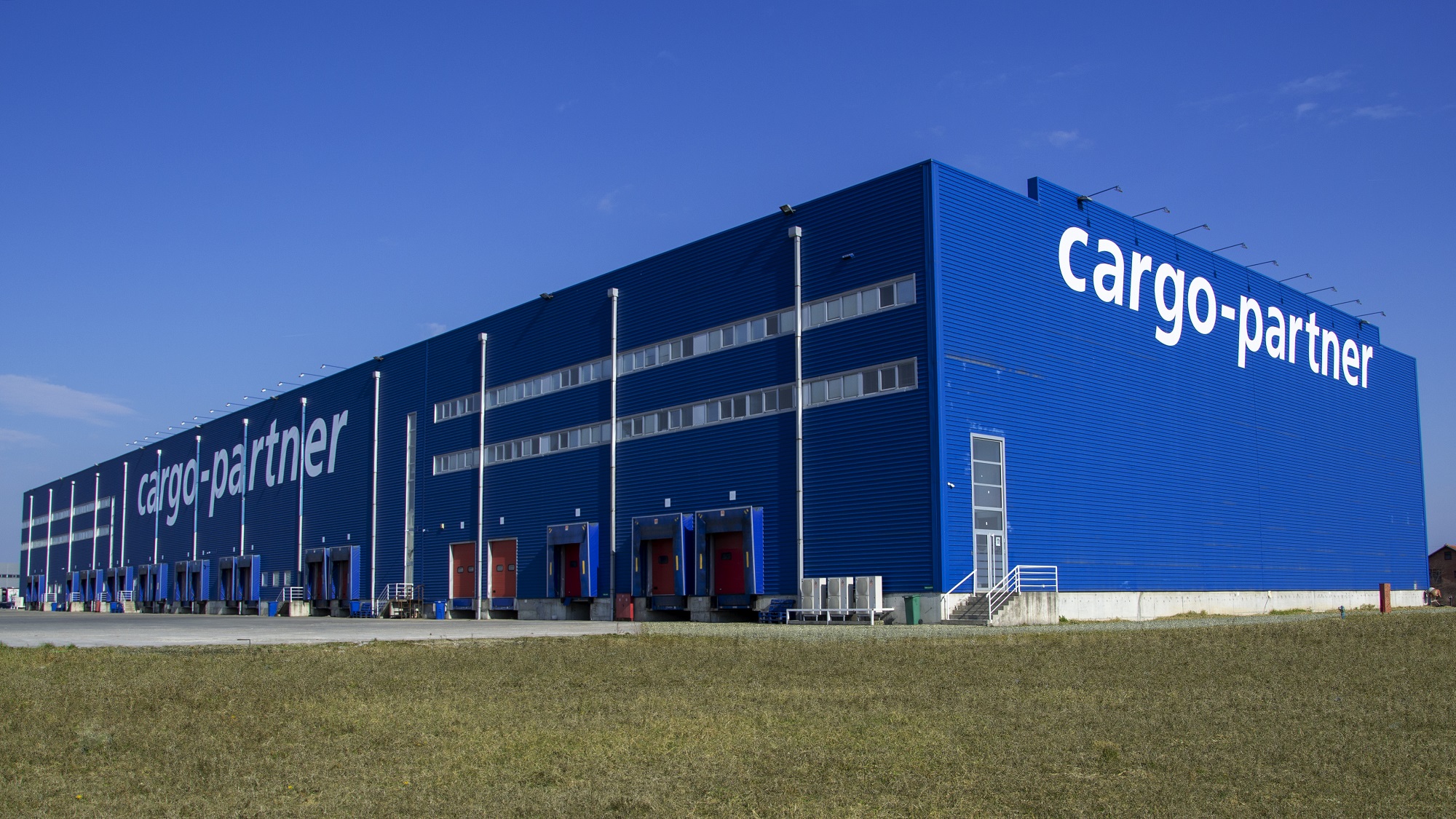
As one of the leading transport and logistics providers in Southeast Europe, cargo-partner has traditionally placed a strategic focus on this region. In recent months, the company has upgraded its warehouse facilities in Croatia, Slovenia and Türkiye.

Expansion in Zagreb: from 12,900 to 17,500 m²

In late August 2023, cargo-partner expanded its warehouse in Zagreb by 4,600 m² due to rapidly growing customer demand in Croatia. The warehouse was opened in June 2022 and is located ten minutes from the international airport in Zagreb. The latest expansion brings the logistics center’s capacity from the previous 12,900 m² to a total of 17,500 m². The modern facility now includes 20,000 pallet slots as well as a 900 m² mezzanine where the local team provides e-fulfillment and value added services. In addition to short- and long-term storage, the Zagreb warehouse offers daily pallet and parcel distribution to EU- and non-EU countries, a customs bonded area and customs brokerage services. Following the expansion, the warehouse now contains 28 truck docks and three drive-in gates for oversized shipments.

“As we celebrate 40 remarkable years of cargo-partner, it is important to recognize the invaluable role Southeast Europe has played in shaping our company’s enduring success. This expansion is a testament to the extraordinary journey we’ve embarked on together with our customers and our expert teams throughout the region,” said Stefan Krauter, CEO & Founder of cargo-partner.

Zoran Starcevic, Managing Director of cargo-partner in Croatia, stated: “The added storage capacity in Zagreb will allow us to stock a wider range of products – from foodstuffs to pharmaceuticals and a variety of other goods – and respond promptly to market fluctuations and customer needs. Thus, the expansion not only strengthens our market position, but also reinforces our promise to deliver top-notch products and services to our customers.”

Otto Zsivkovits, Regional Director SEE, added: “Our expansion in Zagreb is part of our strategic plan to strengthen our footprint in Southeast Europe, as this region holds immense importance for cargo-partner. In this context, Zagreb serves as a gateway connecting Eastern and Western Europe. As we continue to expand our network, we benefit from growing synergies between our logistics centers in Croatia, Slovenia, Türkiye, Bulgaria, Serbia, and Bosnia and Herzegovina.”

Rooftop delivers clean energy in Ljubljana

Earlier in August, cargo-partner installed a photovoltaic system with 1,192 panels on the roof of its iLogistics Center Ljubljana. The system will produce an estimated 575 MWh of energy per year, covering 34 percent of cargo-partner’s energy consumption in Slovenia. In addition, the solar power plant will save 146 tons of CO₂ annually, which is equivalent to planting 6,698 trees. The iLogistics Center Ljubljana was opened in 2019 and expanded in 2022, bringing its total capacity from 25,000 m² up to 39,100 m².

New iLogistics Center in Istanbul

In July 2023, cargo-partner opened a new iLogistics Center with 20,000 m² of warehouse space in Istanbul. With 25,000 pallet slots and 17 loading docks, the facility provides ideal conditions for customs bonded warehousing, handling of oversized goods and high-tech products, fast trans-shipment and distribution as well as comprehensive e-fulfilment services, including a parcel pickup and return point. In addition to the warehouse facility, the building also contains modern office spaces, providing the new base of operations for cargo-partner’s head office in Türkiye.

Strong warehouse network in Southeast Europe

Aside from these recent expansions, cargo-partner has long had a solid warehouse network in Southeast Europe. In Bulgaria, the logistics provider’s iLogistics Center Sofia offers 22,000 pallet slots on 16,700 m². In Serbia, cargo-partner maintains a strategically located warehouse near the Belgrade airport with 8,000 m² of storage space. In Bosnia and Herzegovina, cargo-partner operates a 1,000 m² warehouse, to which the company has recently added a separate 300 m² area for temporary customs bonded storage.

German Chemical Logistics Partnership

The German Chemical Industry Association (Verband der Chemischen Industrie e.V., or VCI) and DACHSER Chem Logistics have extended their purchasing partnership in logistics ahead of time by five years. Johann-Peter Nickel, Executive Director at VCI, and Michael Kriegel, Department Head DACHSER Chem Logistics, signed the agreement at Dachser’s Head Office in Kempten.

VCI and Dachser established their purchasing partnership for European groupage logistics back in 2009. As the chemical industry became more and more international, in 2015 the partnership was expanded to include air and sea freight transports. With some 1,900 member companies employing a total of almost 550,000 people in the chemical and pharmaceutical industry and related economic sectors, VCI one of the Germany’s three largest industry associations.

“Dachser is a competent partner for our member companies, one that can handle their European logistics safely with uniform quality standards using its own network while also supplying the intercontinental markets from a single source,” Nickel says in describing the long-standing partnership. Gisa Omlor, who is in charge of the purchasing partnership at VCI, adds: “With some sensitive products and numerous special legal regulations, the chemical industry is very demanding, especially when it comes to logistics. Having a long-standing partner that has the requisite expertise and commitment as well as the ability to communicate with German SMEs as an equal provides crucial added value and a competitive edge.”

Strong partners

The energy crisis and the current state of the global economy present the chemical industry with enormous challenges, particularly in Germany. “That’s why our members need a reliable logistics partner capable of ensuring a secure, resilient supply chain—now more than ever,” Nickel says. Both the logistics provider and the association believe their partnership has a bright future. “We greatly appreciate that VCI acknowledges our commitment to logistics for the chemical industry,” Kriegel says with regard to the early five-year extension of the contract. “DACHSER Chem Logistics is a specialized industry solution that offers all the benefits of Dachser’s global logistics network combined with a central pool of expertise specific to chemical logistics. We speak the chemical industry’s language. By investing in the expansion of our network, in digital innovations, and in climate protection, we’re also ideally placed to tackle the challenges of the future.”

Expertise across the board

In 2022, Dachser transported around four million shipments containing chemical products; 1.18 million of those shipments contained dangerous goods. Dachser dovetails the network’s standardized core groupage services—transport, contract logistics, and IT support systems—with service modules tailored to the chemical industry. The logistics provider underpins its dangerous goods expertise with its central dangerous goods management teams for overland transport and air and sea freight, plus some 250 regional dangerous goods safety advisers in its operational branches. Dachser has 23 branches in seven countries ready to handle the storage of hazardous materials. A total of 29 European branches have been evaluated for Safety and Quality Assessment for Sustainability (SQAS) certification by the European Chemical Industry Council (CEFIC). This means that Dachser is ideally placed to continue offering its customers in the chemical industry top-quality logistics services in the future.

Subscribe

Get notified about New Episodes of our Podcast, New Magazine Issues and stay updated with our Weekly Newsletter.