Biggest Mass Timber Logistics Centre

Global fashion company Bestseller and architecture studio Henning Larsen have unveiled the concept design for a new ground-breaking logistics centre to be built in the Netherlands. The centre will be the biggest of its kind in Europe made with mass timber, and the companies aim for the building to reach ambitious standards for design and sustainability.

Located in Lelystad, 60 km east of Amsterdam, the 155,000 m2 logistics centre will be built over the coming years. Logistics Centre West (LCW) as the building is known, is being built by the fashion company BESTSELLER, and it was designed by the architecture firm Henning Larsen. When completed in 2026, it is expected to be the largest logistics centre built using mass timber in Europe.

“We are happy to be able to unveil the design of our new logistics centre, for which we have very big ambitions. Not only because it strengthens our opportunities for future growth, but also because it was designed to excel in sustainable construction through, not least, the choice of mass timber in the construction. We wanted the building to demonstrate our desire for aesthetic design, and we are very proud of what we have succeeded in jointly with Henning Larsen,” said Allan Kyhe Kjærgaard, Logistics Director at BESTSELLER.

In addition to the striking mass timber construction, the building will also be equipped with 23,000 square meters of solar panels.

Aesthetics and excellence

An important part of the design process was creating a workplace that is both visually appealing and healthy for the almost 600 colleagues who are expected to be work at the centre. The team from Henning Larsen has, among other things, prioritised daylight and green areas as well as harmonising indoor and outdoor elements to promote employee well-being.

“The design of Logistics Centre West represents a fundamental change to the way we imagine how a logistics centre should look. It’s a result of a united client and consultancy team committed to creating a design that is visually stunning, carbon efficient and has a positive biodiverse impact,” says Eva Ravnborg, Country Market Director, Partner, Henning Larsen.

Promoting biodiversity

More than half of the total site is dedicated to its landscape. The majority of the area will thus be dedicated to wetlands and forest to protect biodiversity and help absorb CO2.

In order to preserve and protect the area’s animal and plant life, the construction will be surrounded by a constructed wetland, which will contribute to promoting microhabitats for native species. The centre will also have an optimised rainwater system that, among other things, protects against flooding and recycles rainwater from the roof.

“We are very aware that constructing new buildings affects the environment, the climate and the local community. Therefore, a very thorough process has taken place before we can now present the plans for our new logistics centre. There have been many ambitions which had to be united in one building, but we believe that we have succeeded – not least thanks to a good and close collaboration with Henning Larsen. We look forward to putting the logistics centre into use in 2026, says Allan Kyhe Kjærgaard.


 

Forced Labour Implications in Global Supply Chain

The battle against forced labour in global supply chains has gained momentum in recent times, not least thanks to coverage of the dramatic situation of the Uyghur population in the province of Xinjiang in China and the legislative proposals which have emerged in reaction, writes Thomas Lobert (pictured), Solutions Consultant Global Trade Intelligence at Descartes.

In the United States, the Uyghur Forced Labor Prevention Act (UFLPA) has, for example, prohibited the import of goods manufactured in whole or in part by forced labour and originating from the autonomous region of Uyghur since June 21, 2022. At the European level, a much-debated bill will be voted on by MEPs with implementation expected at the start of 2024. In Germany the law on corporate responsibility in the supply chain came into force on January 1, 2023. Similar laws are in force or in preparation in other countries in Europe.

Meanwhile, in the UK, what are the implications of forced labour in the management of international supply chains? And what can businesses do to create more ethical and responsible supply chains in this regard?

1. Forced labour: reinforcement of UK regulation
Forced labour is considered a serious crime in the UK. In 2009, a standalone offence of holding a person in slavery, servitude or forced labour was included in section 71 of the Coroners and Justice Act, while a House of Lords private members bill was proposed in July 2021, that would have seen significant amendments to the Modern Slavery Act 2015 (MSA), significantly increasing accountability for abuses occurring in the supply chain of UK multinational corporations. Unfortunately, little seems to have happened since those amendments were tabled, and meanwhile, the UK’s risk rating for critical violations has increased, according to the Supply Chain ESG Risk Ratings Report 2023.

Despite this lack of regulatory enforcement, UK businesses cannot afford to maintain a ‘laissez-faire’ attitude to forced labour within their supply chains. According to research from Deloitte, amongst the changes consumers are making in their purchasing decisions, sustainable and ethical practices are becoming more important, with consumers actively choosing brands with ethical practices / values ; ceasing to purchase certain brands or products because of ethical concerns ; and even contacting brands to raise an issue regarding sustainability or ethics.

2. Identifying forced labour: a complete ecosystem
Forced labour refers to situations where workers are forced or threatened in any way to work against their will, often in inhumane and abusive conditions. This can happen at any time in the supply chain: from sourcing raw materials to manufacturing products, including distribution. It is a serious violation of human rights and a form of modern slavery that affects millions of people around the world.

This concern is not limited to the practices of a company alone, but extends to its suppliers and external service providers. The entire chain must be able to be audited. We must be vigilant about working conditions and the location of the company and its suppliers. For a Chinese supplier, for example, is the production plant close to a Uyghur forced labour camp?

As global supply chains are infinitely complex and constantly in motion, establishing long-term, reliable risk monitoring and visibility is challenging. Additionally, government agencies do not publish lists of companies suspected of using forced labour, further complicating background checks on potential suppliers.

3. Take action NOW
Despite its perceived complexity, there are actions and practices businesses can put in place to bolster the fight against the use of forced labour within their supply chains:-
· Identify risks: be alert to the circumstances that may encourage the use of forced labour
· Diversify sources of information to understand working conditions within your supply chain (talk with your suppliers’ employees, examine your internal policies in detail, collaborate with NGOs, etc.)
· Always be aware of the laws in force on slavery and forced labour
· Review and implement internal compliance plans (ICP): the control measures required to monitor the compliance of exports and international trade are increasingly taken into account.

Thorough monitoring is essential in the fight against forced labour. Analysis firms like Kharon have developed their own research methods and their network of international experts to identify companies at risk, particularly with regard to forced labour. This information can then be implemented into a due diligence solution to continuously analyse all third parties in the supply chains.

Conclusion

Today, based on a list of 50 entities sanctioned by a government, it is possible to identify more than 8,600 companies associated with these 50 entities. Every company in the world should be able to guarantee that their supply chain is free of forced labour. This includes identifying at-risk suppliers, promoting fairer supply chains and implementing solutions to ensure all suppliers meet these working standards. Not taking action is no longer no option.

The Power of Retail Logistics

Leading UK dedicated transport and logistics specialist LNH Transport’s share their thoughts on how B&M has successfully managed to fight through the retail landscape considering Wilko’s recent collapse.

After the recent news of the collapse of Wilko leaving 12,000 employees jobless and 400 stores out of business, the conversation surrounding the future of the retail industry has become a pervasive topic on everyone’s lips.

With the rise of ecommerce over recent years, and more people choosing to shop online than ever before, it comes as no surprise that many long-standing retail stores are collapsing. But how has a high street powerhouse like B&M not only withstood the test of time amongst all the competitors, but shot ahead to become one of the biggest high street shops of all time?

With 707 stores in the UK, B&M is the UK’s largest discount variety store operator.

Lucie Hyde (pictured), Managing Director of LNH Transport has commented on the rise of B&M and gives her thoughts on why the store might be withstanding the test of time:
“B&M’s current position in the retail landscape is very prominent. Operationally they are in a very good place, as they focus on price, value and high-quality retail standards. This is crucial in our current landscape, with the cost-of-living crisis at the forefront. To keep up with their competitors, B&M also clearly views their supply chain strategy as an important part of their growth.

“Logistics is a vital part of a successful business, and it looks like B&M will continue to invest in its supply chain, with them now operating in four key locations. From looking at recent responses from the biggest retailers carried out in a survey by Retail Week, B&M may also be focusing on solutions like increasing on-demand delivery, automation, responsiveness and flexibility to continue transforming their supply chain. Heading into retail’s busiest period and with product demand at its highest, managing supply chains, especially the logistics, transportation and storage of your products, will be key to a high-street retailers’ success during this challenging time.”

LogiMAT Intelligent Warehouse Open

Officially opened in Bangkok this morning, LogiMAT | Intelligent Warehouse 2023 is a trade show for the South East Asian market. It is taking  place from 25-27th October at the IMPACT Muang Thong Thani Hall 5-6, Bangkok, Thailand.

Meet the intralogistics solutions, warehouse, and process management from more than 90 leading-companies around the world. Special more than others with international key-players: China Pavilion and German Pavilion, high-quality seminars Orange Forum – Blue Forum from leading speakers, Product Demonstration, and the new zone “Food Logistics” to focus on innovative food logistics, cold chain solutions, temperature-controlled warehousing, and transportation services in Southeast Asia. To re-brand and launching the end-to-end logistics innovations trade show “LogiMAT Southeast Asia – LogiFOOD Southeast Asia” which will debut in October 2024.

Mr. Peter Kazander, Managing Director, Logistics Exhibitions GmbH, emphasized that “LogiMAT | Intelligent Warehouse 2023 goes beyond showcasing the current progress in the logistics industry. It serves as a symbol of the immense potential that future innovations hold, spanning intelligent warehouse systems, intralogistics technology, food logistics solutions, and a wealth of products, services, and knowledge presented by exhibitors and partners from various countries including Thailand, Singapore, Malaysia, Vietnam, China, Japan, Germany, the United Kingdom, and beyond. Their participation is making this year’s trade show truly international, further elevating the stature of LogiMAT.

The event’s objective is to position Southeast Asia as a pivotal hub for intralogistics in the future. With over 6,000 professional visitors and exhibitors from more than 90 companies, it’s set to foster crucial business negotiations and facilitate the creation of strong networks, particularly through interactions with industry leaders from the China Pavilion and the German Pavilion. These leaders, buoyed by support from the German government, have contributed to remarkable innovations. Notably, as organizers, we are presenting cutting-edge technology in the Food Logistics zone, providing solutions for cold storage warehouse management to revolutionize the food logistics industry in ASEAN.”

Advanced Packing and Sorting System

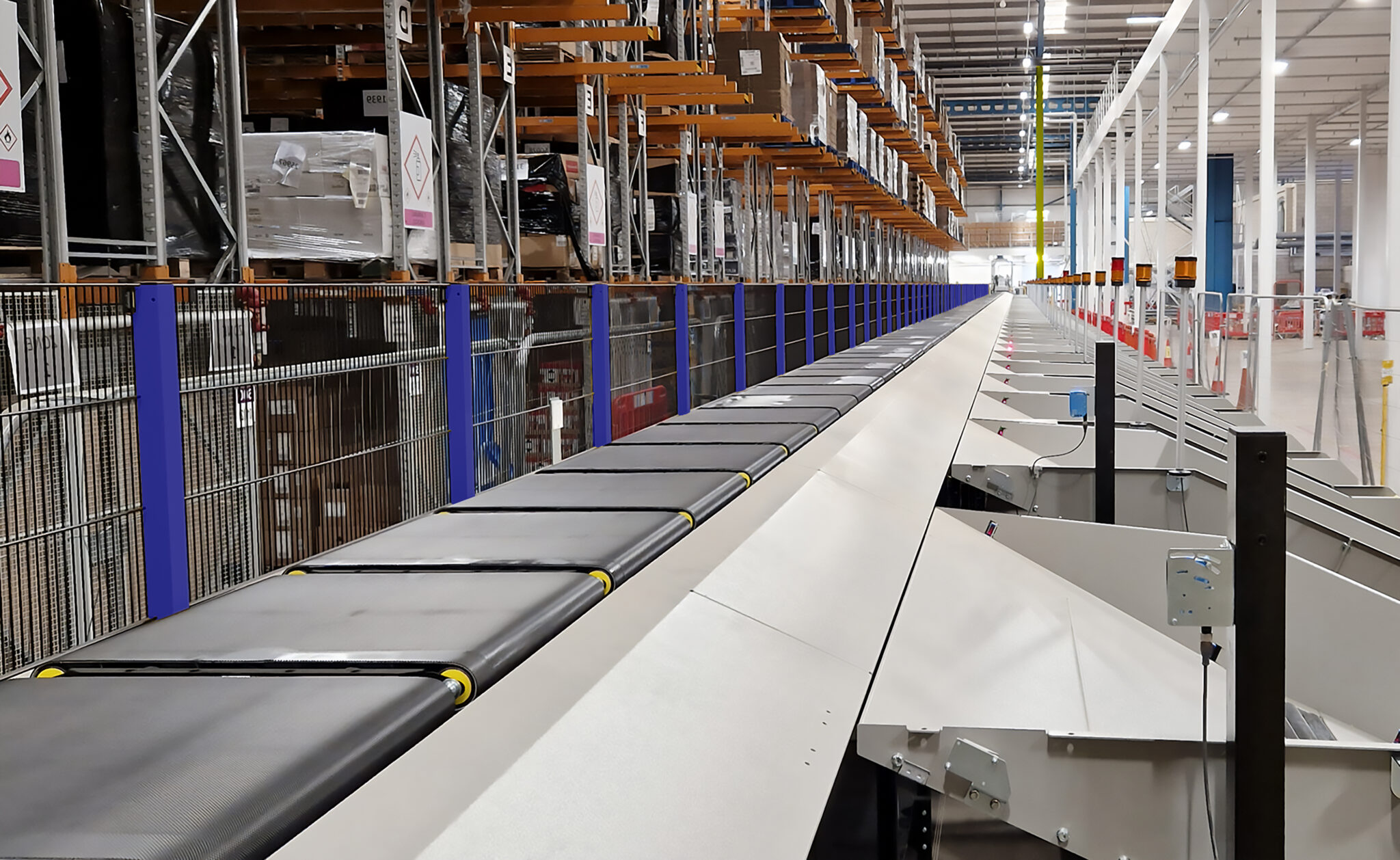
Conveyor Systems Ltd (CSL) helped a leading E-Commerce customer to upgrade its packing and sortation system to meet increasing levels of consumer demand. CSL designed and installed a start-of-the-art, multi-stage, high speed crossbelt system which assisted the company in sorting and packing over 180,000 orders a day.

The customer is a top E-Commerce retailer in the North West of England that processes online orders at a staggering rate of 7500 items per hour. The project involved handling a very diverse range of products such as cartons, cardboard envelopes, polybags and jiffy bags. All of these items were to be processed by 120 operators on a 24-hour shift basis so all upgrades had to be completed without fault and with minimal downtime.

Previously, the client faced challenges due to the extensive use of manual labour for packing and sorting items for shipment. This approach often resulted in delays to dispatching items or, even worse, occasional damage to products. After consulting with multiple solutions providers, the customer selected CSL as its preferred supplier.

CSL understood that a state-of-the-art packing and sorting system needed to effectively utilise floorspace whilst ensuring the speedy, secure delivery of products along this packing line. Additionally, the customer needed to be able to track and monitor the position of goods along the sortation line to make sure that all packages were delivered to the correct final destination.

To meet this challenge CSL worked with its customer to design a sortation system that featured eight product packing lanes, each outfitted with 15 packing benches. Packed products from each of these lanes were then transferred onto the main transit line using multi-speed metering belts and mitre belt merges.

The main transit line weaved its way through the building, taking a 90-degree turn before ascending to a height in excess of 2500mm. This arrangement allowed for operator movement beneath the system, maximising the efficiency of the flow of people and products.

Upon reaching the higher level, each product underwent scanning through a SICK scanner array. The relevant information was relayed to and from a cloud-based server, providing CSL with a precise destination lane for each item. The packages were subsequently indexed via a multi-stage belt system onto a high-speed vertical cross belt sorter. This sorter housed 44 destination chutes, including a run-out chute for barcode misreads and orders requiring special attention.

Using the sorter’s control system, the customer could assign a specific sort location to a dedicated chute. Each chute was fitted with an indicator beacon, which notified the operator about the chute’s status. If a chute reached 75% or even 100% capacity, the system could automatically redirect packages to a previously selected destination.

Other upgrades included adding two desktop PCs with Scada operator interfaces which allowed for remote, real-time system operation and the installation of two bespoke access platforms to maintain operator access to the main fire exits.

Mike Graham, Managing Director of CSL, explained: “We are overjoyed with the results we were able to achieve for our valued E-Commerce customer. The installation, testing, and commissioning of the entire system showed CSL’s commitment to operational efficiency and customer satisfaction as we were able to complete the project within a 19-week period and worked with our customer to ensure a seamless changeover to the new packaging and sorting system.”

Danish 3PL Relies Visual Consignment Tracking

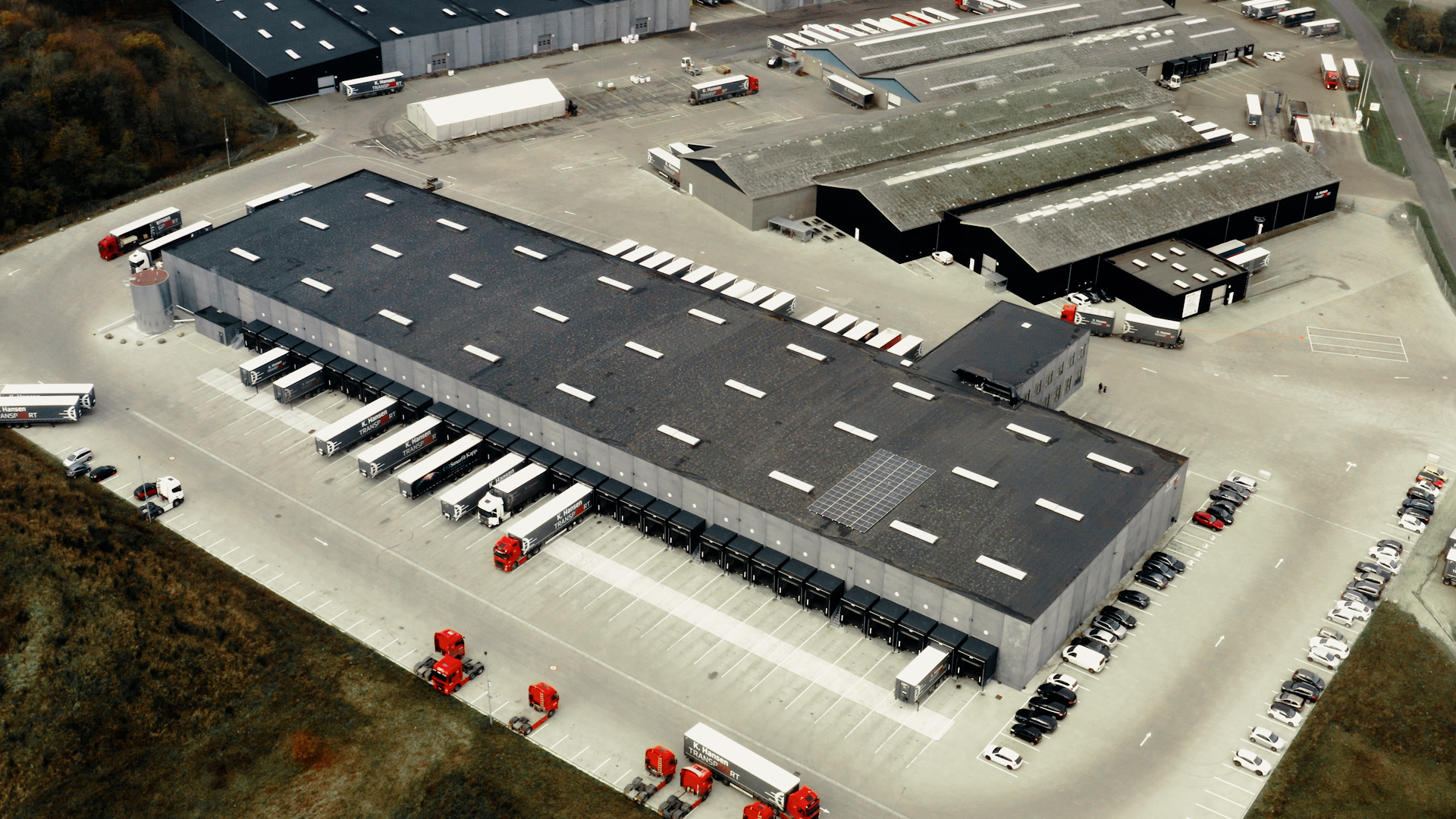
In a time of increasing demands on delivery speed and quality, it is crucial for logistics companies to keep track of all incoming and outgoing shipments. However, as the manual search for specific goods in trans-shipment halls is time-consuming and error-prone, seamless shipment tracking plays an increasingly important role in the everyday life of transport companies. For K. Hansen Transport AS, ensuring a high-quality logistics service is also of great importance, so the company chose the CargoVIS video management solution from DIVIS for shipment tracking powered by the Quuppa tracking system.

Spoilt for choice: numerous locating methods available

In the meantime, there are a number of technologies that provide location data for seamless tracking, but not all of them are precise enough or optimally suited for indoor use. While GPS is sufficient for rough tracking outdoors, much more precise tracking methods are required indoors. Technologies such as Wi-Fi, ultra-wideband (UWB), RFID, and Bluetooth are suitable here. Today, the Quuppa RTLS solution (Bluetooth direction finding) is one of the most proven indoor tracking systems and offers many advantages for logistics (see side box). But especially when used in logistics, this technology unfolds its full potential only in combination with a software-based video management system (VMS). Such systems make it possible to ensure seamless tracking of goods in a matter of seconds through camera-based parcel tracking combined with precise location data.

Above all, the value-creating combination of these technologies was one of the criteria for the Danish company K. Hansen Transport AS to select a video management system with tracking technology. In addition, the solution was supposed to also cover the outside area of the premises and, above all, to be intuitive to use so that it is integrated into the daily logistics routine of the staff. Through a recommendation from a DIVIS customer, the transport company became aware of the intelligent video management software CargoVIS from DIVIS and the Quuppa solution. Since the first impression of the software functions also convinced K. Hansen Transport, the choice was not difficult.

Seamless goods tracking indispensable

In large warehouse areas with a high throughput of consignments, visual parcel tracking is indispensable for quality assurance. Thus, in 2021, the video management software CargoVIS from DIVIS was introduced in six logistics halls of the Danish company. Another almost 8,000 square metres were equipped with CargoVIS and the tagless Bluetooth tracking with Location+ offered by DIVIS. “We have already achieved very good results in finding goods and lost shipments since the system was installed,” explains Jakob Wiborg Hansen, Director of K. Hansen Transport AS.

A special benefit of this tracking solution is that hardware tags are no longer needed: This solution means that tags (or “transponders”) – small transmitters that normally have to be mounted on the scanners – are now no longer necessary. The task of the tags is taken over by an app developed by DIVIS. When a pallet is scanned with the Quuppa system directly from the barcode scanners (via app), the Transport Management System (TMS) or Warehouse Management System (WMS) records the data from the scan. In turn, locators installed on the hall ceiling receive the Bluetooth signals from the scanners to show the position at the time of the scanning and the app then transmits the scanner’s position. The location data is also linked in the CargoVIS database with the recorded video material of the consignment. This creates a complete movement path of information for each good, which makes it possible to track the goods precisely based on the consignment or pallet number. Another benefit is the fact that the fast search entry via scan points speeds up loading and unloading. With Location+, the positions of even concealed objects can be clearly determined.

One platform, many possibilities

In addition to the Location+ plus feature, the DIVIS platform offers further plus modules for the respective needs of logistics customers which can be individually combined with the video software products CargoVIS or – in parcel logistics – ParcelVIS. K. Hansen Transport AS uses License-Plate+, another plus function of DIVIS. This database-supported system enables the automatic recognition of vehicle license plates via video camera and simplifies access and yard management. The stored data can be used for entry and exit control and for controlling vehicle movements in the yard to ensure that only authorised vehicles enter the company premises.

Thanks to the DIVIS and Quuppa solution K. Hansen Transport has significantly increased efficiency in their operation. Because of the tagless environment, locating failures and localisation errors can be largely avoided and costs for the purchase, repair, and maintenance of the small transmitters can be eliminated. All of this in turn not only allows for enormous increases in efficiency and cost savings, but also reduces unnecessary work steps for the staff. The strengths of the solution are also evident in logistical environments where a large number of scanners need to be located. All you have to do is install the DIVIS app on new devices and the scanners are integrated into the tracking system. Due to the extensive process optimisations, the solution pays for itself quickly.

The solution benefits several areas of the company at once from Location+ with tagless Bluetooth tracking – from the loading processes to claims management. The customers will also benefit from a higher quality of service. “The cooperation with DIVIS, especially with sales and service, has been very effective,” says Director Jakob Wiborg Hansen, praising the exchange with DIVIS. “We are very satisfied with the system,” he sums up.

e-commerce Box-making Solution

Emmeci, a Coesia company in the design and manufacturing of machines and systems for the production of premium packaging, launches E-BM, a complete fit-to-size box making solution for the e-commerce sector.

The ideal packaging is fit-to-size, compact and robust

With e-commerce, the packaging must follow the object’s dimension, to ensure its integrity first and foremost. E-BM produces extremely robust packs: the base of the pack comprises a single piece with no bottom closure, and the corners are reinforced with a double layer of material. The result is an improved resistance to protect items during delivery and a better customer experience. The E-BM is engineered to integrate seamlessly with warehouse control and management systems, enabling the dimension of the packaging to be adapted automatically to end product, on-demand.

The ability to produce right-size packaging means up to 40% smaller packaging sizes (compared to the standard shipping boxes commonly used on the market) and less raw material, saving on paper. Fit-to-size boxes are also more manageable in the downstream phase of the supply chain, facilitating handling and space as well as transport optimization during shipping or delivery, resulting in reduced emissions and inventory footprint.

Up for the challenge

Logistics hubs primarily need systems capable of handling, sorting and packing an increasing number of products of different shapes and sizes. That is why using a partner combining long-term experience in developing rigid box packaging solutions like Emmeci with the strength of a leading industrial automation group like Coesia is crucial. Emmeci and Coesia have created E-BM; a packaging machine specifically designed for the e-commerce sector. E-BM packs into boxes a wide range of goods from sectors such as electronics or fashion, including tablets, PCs, clothing and many other everyday items.

Flexibility and customization

E-BM flexibility allows not just to automatically adapt the box to the dimensions of the product to be shipped, but also to customize the packaging in many different ways, including tape closure. It also offers numerous options for printing codes and labels to assist in package control and traceability processes.

The benefits of having a single partner

Choosing Coesia as a single partner in the e-commerce industry offers infinite advantages, first and foremost that of having an end-to-end solution provider. Coesia seamlessly guides its clients through every leg of their e-commerce automation journey, spanning from box making and filling, through inline printing, up to palletizing. Coesia’s e-commerce solutions revolve around three key domains, finely tuned technologies to elevate operations and ensure customer satisfaction.

Firstly, Coesia pack automation solutions redefine wrapping, box making, box filling and inline printing for the e-commerce industry. Tailored to perfection, these solutions cater to the need for right-sized, customized package, ensuring a superior customer experience.

Secondly, the E-Fulfilment solutions usher in a new era of process automation, meticulously crafted to address the ever-evolving challenges faced by e-commerce players. From conveying solutions to ground-breaking sorting equipment, the portfolio is designed to optimize every facet of their operations.

Lastly, Coesia advanced robotics capabilities ensure secure handling of a diverse array of products, boxes, and cases, for a seamless journey from picking systems to palletizing and depalletizing equipment.

In the dynamic world of e-commerce, Coesia shines as a pioneer in cutting-edge technology and customer-focused solutions. Innovation and user-friendliness are at the core of highly advanced technological solutions, all geared towards delivering agility, flexibility, and efficiency.

A sector experiencing double-digit growth

The e-commerce packaging sector is worth around 60 billion dollars globally and is more dynamic than ever. According to forecasts, it will grow by 13.8% over the next five years to over USD 115 billion in 2028. E-commerce is now the preferred sales channel for a wide range of goods, including consumer goods, food, hi-tech and fashion. The sector’s expansion involves more than logistics and transport; the related packaging world is also experiencing growth and change.

NEOM and DSV Establish Logistics Joint-venture

NEOM and DSV have announced a $10 billion exclusive logistics joint venture to support the development of the ambitious projects taking shape in NEOM, Saudi Arabia. The partnership will focus on providing logistics services for NEOM in the coming years.

Under the agreement, the joint venture will provide end-to-end supply chain management, development and investments in transport and logistics assets and infrastructure as well as transport and delivery of goods and materials within NEOM.

NEOM will hold 51% of the joint venture with DSV holding the remaining 49%.

NEOM envisions unparalleled demand for construction logistics through to 31 December 2031, with sustained growth in non-construction logistics thereafter. In addition to its impact on the logistics landscape, the venture is expected to boost the Saudi economy, through infrastructure development and creating more than 20,000 job opportunities.

Nadhmi Al-Nasr, CEO of NEOM, said, “the projected demand in both construction and non-construction logistics will make NEOM one of the largest customers in the world, and this partnership allows NEOM to create value from its demand. Working alongside one of the world’s leading logistics companies, the joint venture with DSV will build on expertise and know-how to drive innovation and sustainability throughout the logistics value chain. The economic benefit to this partnership will not only provide tens of thousands of jobs, but it will also enable growth to capture local and regional market share. It’s a living example of Saudi Vision 2030 in action, fostering job creation and building a future-leaning economy.”

Jens Bjørn Andersen, Group CEO, DSV, commented, “NEOM is one of the largest and most complex projects in the world. It provides a unique opportunity for DSV to support a development that is at the forefront of innovation, technology and digital transformation. DSV already has a strong presence in Saudi Arabia, and this is a significant growth opportunity for us in the region and we look forward to working with NEOM Company and bringing our logistics capabilities to the table.”

NEOM and DSV are committed to driving innovation and will allocate a portion of the JV’s revenues to foster the development of ground-breaking technologies and commercialise new sustainable next-generation logistics solutions. The vision extends further by establishing a dedicated innovation centre at NEOM’s clean and advanced manufacturing hub, Oxagon.

The new joint venture is a significant milestone demonstrating NEOM’s commitment to revolutionising Saudi Arabia’s logistics sector and paves the way for pioneering sustainable logistics solutions, marking a new chapter in its journey towards realising Vision 2030. Completion of the partnership is awaiting customary regulatory approvals, which are expected to be obtained in the second quarter of 2024.

Visualisation adds Value to Warehouse Scenario Planning

Intralogistics operations could better manage unexpected changes in the warehouse by using visualisation and simulation tools for scenario planning, suggests Yale Lift Truck Technologies.

“The warehousing industry is constantly changing,” says Ron Farr, Director, Warehouse Sales – EMEA for Yale Lift Truck Technologies. “Businesses in industries such as retail, e-commerce, 3PL, food, and beverage, not only need to specify a fleet that works for them right now, but also consider how that equipment might adapt with them in the future.”

Efficient flowthrough and efficient use of site storage are vital in intralogistics. So, to support warehouse applications, data driven simulation and up to date visualisation solutions are available now from Yale and its global network of independent local dealers.

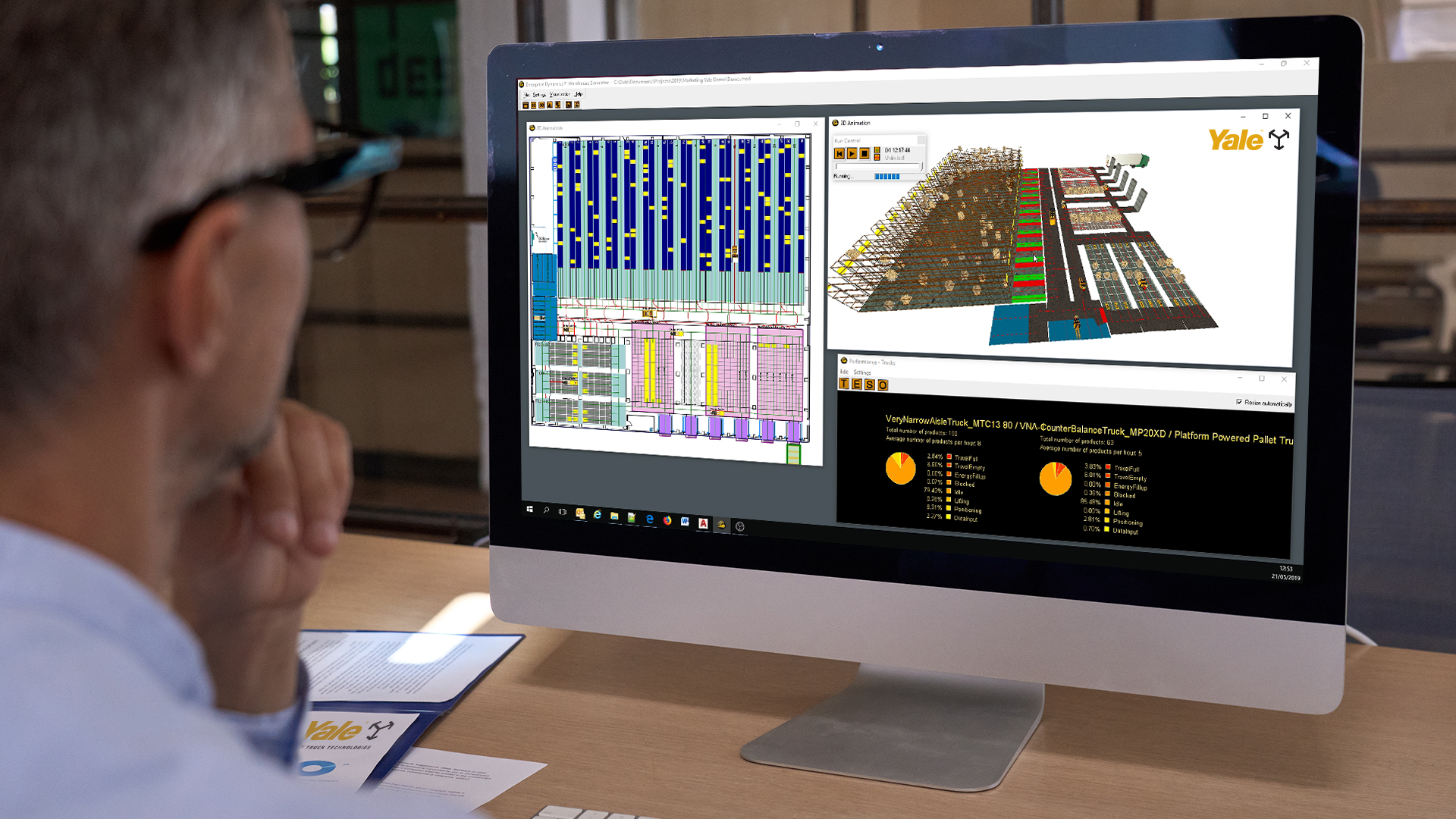
The Yale Warehouse Simulator is bespoke software that allows us to design different warehouse layout options based on real world situations. It uses complex mathematical calculations to provide statistics on fleet performance and efficiency, based on various scenarios.

“Growth within a business is a positive change, but one consequence is that it can lead to inefficient and poorly thought-out materials handling operations,” Ron explains. “If the economy then changes for the worse, how can a business know what to change to become more productive in the warehouse? Or how it may impact other parts of the business. It helps to look at the layout in detail to understand how high they need to go, where to put racking, what configuration of trucks is right, and whether they need a VNA or a Reach Truck, for example.”

The Yale Warehouse Simulator allows experimentation with different layouts, equipment configurations and timings, in 2D and 3D, with data analysis. This can support scenario planning to help businesses to be as prepared as possible for unknown warehouse changes.

A simulation model is created based on the real world, including detail such as which different trucks could be used to perform certain tasks, maintenance rates, how various parts of the warehouse perform, numbers of pallets, possible areas of congestion in staging lanes, or numbers of lorries used in order to optimise flow and productivity. This enables Yale and its dealers to advise the optimum mix of Yale equipment to meet the warehouse’s needs.

“The issue with spreadsheet techniques and some simulation software is that it’s inflexible, and often doesn’t make calculations based around interaction between equipment, such as traffic.” Ron Farr adds. “What’s great about the Yale Warehouse Simulator is that it allows us to explore different options and help businesses move into the future with confidence.”

“Nothing is static in the intralogistics industry, and that impacts how you arrange and organise your warehouse,” explains Ron. “These solutions from Yale help operations to better plan for now, and for the future, by exploring different scenarios. It’s just one of the ways that Yale and our dealers can be there to closely support businesses as warehouses evolve.”

Emission-free Truck Fleet

A lower chassis and battery-powered too – they are the main features of a new generation of emission-free truck tractor units that the freight forwarding and logistics company, Duvenbeck, has welcomed into its fleet.

The new vehicle is a so-called ‘low deck’ tractor unit. Low deck means that it can only haul trailers with an interior loading height of three metres due to its low chassis height. These trailers, which are described as mega trailers, are particularly efficient and suitable for services in the automobile industry, because they enable the space to be fully used in the best possible way. The low-deck tractor unit is based on the MID CAB model in Volvo’s FM range of vehicles. It has been electrified by the Volvo subsidiary, Designwerk Technologies, which has its headquarters in Switzerland.

Duvenbeck is using the vehicle for highly productive shuttle services for selected customers in the automobile industry – for example, between Herne in Germany and Ghent in Belgium. The battery-powered version is the first low-deck tractor unit that Duvenbeck is using for long-distance services in Germany.

“We’re taking another step towards electrifying our fleet by using the battery-powered electric tractor unit. In our role as a logistics partner for the automobile industry, we’ll support our customers’ transformation process towards e-mobility by providing even more electrical and eco-friendly transport services for goods in future,” says Bernd Reining, the Fleet Manager at Duvenbeck, explaining the latest development.

“The new low-deck electric truck has already demonstrated its suitability for long-distance services during the last few weeks. If the battery is charged to a level of 340 kilowatt hours, the vehicle is able to travel up to 275 kilometres – even when fully loaded. When used in conjunction with the suitable charging infrastructure, this electric truck is making a market-ready and long-term contribution to reducing environmentally-damaging emissions in our customers’ transport networks,” says Robert Frehen, the Chief of Staff at Duvenbeck, adding his comments.

Subscribe

Get notified about New Episodes of our Podcast, New Magazine Issues and stay updated with our Weekly Newsletter.