Automation is Ultimate Defence Against Chaos

Warehouse automation is your best defence against supply chain chaos, writes Mats Hovland Vikse (pictured), Chief Executive Officer of AutoStore.

Since 2020, supply chains around the world have been pushed to their limits. From pandemic lockdowns and overloaded ports to conflicts overseas and heightened geopolitical risks, businesses have faced the perfect storm of disruption. On top of that, economic challenges like inflation, fluctuating interest rates, and changing trade policies are driving supply chain executives to rethink their approach – not just to streamline their operations, but to build lasting resilience.

In this volatile environment, automated warehousing solutions have become a game-changer. What was once primarily about speeding up processes now serves as a critical foundation for navigating uncertainty, safeguarding service quality, and enabling businesses to pivot quickly in today’s unpredictable world.

How Supply Chains Are Evolving

Global disruptions continue to reshape how businesses manage their operations, forcing a fundamental shift in supply chain strategies. In light of recent U.S. tariff changes – including a new trade agreement imposing 15% tariffs on European exports to the U.S. – many companies are shifting away from “just-in-time” inventory models in favour of “just-in-case” approaches.

In fact, nearly a third (28%) of industrial manufacturing supply chains have or are planning to move production closer to end markets. Stockpiling inventory domestically ahead of potential tariff increases has become a widely adopted tactic – creating a pressing need for increased storage capacity and greater warehouse density, challenges that traditional warehousing struggles to address efficiently.

At the same time, labour shortages in the warehousing sector are intensifying. High turnover rates and lengthy onboarding processes add operational strain, making it difficult for businesses to maintain consistent service levels. To overcome these hurdles, companies are turning to automation solutions that minimize reliance on manual labour while delivering scalable, reliable performance.

Driving Resilience Amid Uncertainty

Automation has become more than just a productivity booster – it’s a vital strategy for cutting costs and building resilience. Gartner highlights that companies turning to automation are positioning themselves to navigate uncertainty and maintain a competitive edge.

Automated storage and retrieval systems (ASRS) are at the forefront of this shift. These solutions dramatically increase storage capacity within existing warehouse spaces and offer the flexibility to scale throughput up or down based on fluctuating demand. This adaptability is crucial for implementing a just-in-case inventory strategy, allowing businesses to keep more products closer to customers and respond quickly to sudden demand surges or supply chain disruptions. In short, automation transforms warehousing from a static cost centre into a flexible, resilient engine for growth.

The pandemic served as a clear dividing line. Organizations that had already embraced automation – leveraging ASRS, goods-to-person (G2P) technologies, and agile warehouse management systems – were able to ramp up order fulfilment and manage labour shortages with far greater ease than those relying on manual operations. This experience has solidified automation’s role as a foundational driver of warehouse efficiency and business continuity.

Automate Now To Thrive Tomorrow

Uncertainty isn’t a temporary challenge, it’s the new business climate. Between ongoing global disruptions, rising logistics costs, and ever-increasing customer demands, supply chains are being stretched to their limits. For leaders navigating this landscape, standing still is the biggest risk of all.

To stay competitive, companies must now assess their level of automation to optimize costs, boost productivity, and build resilience. Postponing this decision doesn’t just delay progress – it risks entrenching inefficiencies that become harder and more costly to unwind over time.

Traditionally, warehouse automation came with steep upfront capital requirements, placing it out of reach for many. That paradigm is shifting. Flexible, as-a-service models are breaking down those barriers and accelerating adoption across the industry. These models allow businesses to pay for what they use, adjusting storage and throughput as needed. With no large capital outlay and all-inclusive pricing that typically covers maintenance and integration, businesses gain immediate access to automation without the financial strain.

Crucially, this model allows for dynamic scaling. Companies can adjust capacity in real time to meet demand, avoiding the risks of overbuilding or inventory shortfalls. The result? Reduced financial exposure, faster ROI, and greater control over their operations.

In a climate where disruption is constant, warehouse automation is no longer a nice-to-have – it’s a strategic imperative. It offers not only protection against uncertainty but also a platform for long-term growth and adaptability.

[PODCAST] The Rise of Parcel Lockers: Tech and Behaviour Shifts

In this episode, host Peter MacLeod speaks with Founder and CEO of Bloq.it, Miha Jagodic, about their contribution to revolutionizing the parcel locker space in Europe. The conversation explores the exponential growth of out-of-home (OOH) delivery, the benefits of parcel lockers for retailers and consumers, and the importance of network density for user satisfaction.

Miha discusses Bloq.it’s battery-powered “Next” locker system, which removes the need for costly and time-consuming grid connections, making installations faster and more flexible. The conversation highlights cost efficiency and sustainability as key drivers for locker adoption—lockers reduce failed deliveries and emissions by consolidating drop-offs. Brands like Vinted have leveraged this model to cut transport costs and appeal to environmentally conscious customers.

Bloq.it positions itself as a neutral, agnostic technology partner, working with multiple major courier brands (including DHL, DPD, and GLS) while emphasizing confidentiality and interoperability. Miha also dives into the tech behind the scenes: cloud connectivity, data analytics, and open APIs powering seamless courier integration.

Cultural and geographical differences across Europe influence adoption, with locker density being the most critical success factor—500m from a consumer’s home is the sweet spot. While focused on Europe, Bloq.it has its eye on the U.S. market, recognizing the need for a tailored business model.

With 300 employees and ambitions to scale from 20,000 to 50,000 lockers, Bloq.it’s contribution to fast-growing locker networks is helping to reshape how parcels are delivered.

Optimising Yard Loading

Speedpac, a leading specialist in third-party logistics and contract packing solutions, has enhanced its loading operations with the installation of a Hörmann Transdek 12-pallet Vehicle-to-Ground (V2G) yard lift at its Wellingborough facility.

The investment was made in response to a new high-volume contract requiring the efficient loading and unloading of double-deck trailers and other fleet vehicles directly from the warehouse floor – without the need for traditional dock levellers. The Hörmann Transdek V2G was fully installed and operational within just three days, with minimal disruption to ongoing warehouse operations.

With a 5.3-tonne capacity, the lift was delivered on-site as a pre-assembled, fully enclosed pod, with external cladding fitted as standard. Capable of accommodating up to 12 pallets, the 2500mm x 6900mm platform length allows for a full articulated vehicle to be loaded in just a few cycles. The lift is powered by a single hydraulic ram which offers reliable, durable, and low maintenance operation.

Demonstrating its exceptional versatility, the V2G lift was installed within an existing temporary structure at Speedpac’s site, highlighting how the system can be deployed virtually anywhere, even in non-permanent or space-restricted environments. Its modular design also makes it ideal for businesses looking to scale up or adapt their logistics operations quickly in response to changing demand.

“The V2G lift has provided an immediate and cost-effective loading solution, enabling us to operate efficiently ahead of the completion of our new dock installation project – all without the need for expensive and disruptive civil works,” said David Brocklehurst, Managing Director at Speedpac. “It’s a robust, highly efficient, and user-friendly system that has already become a vital asset to our operations, supporting a major new contract six days a week.”

“The Hörmann Transdek team delivered the project on time, within budget, and with a high level of professionalism,” he added. “The V2G lift has significantly enhanced our operational flexibility and capacity, allowing us to handle complex loading demands across a wide range of vehicle types with ease.”

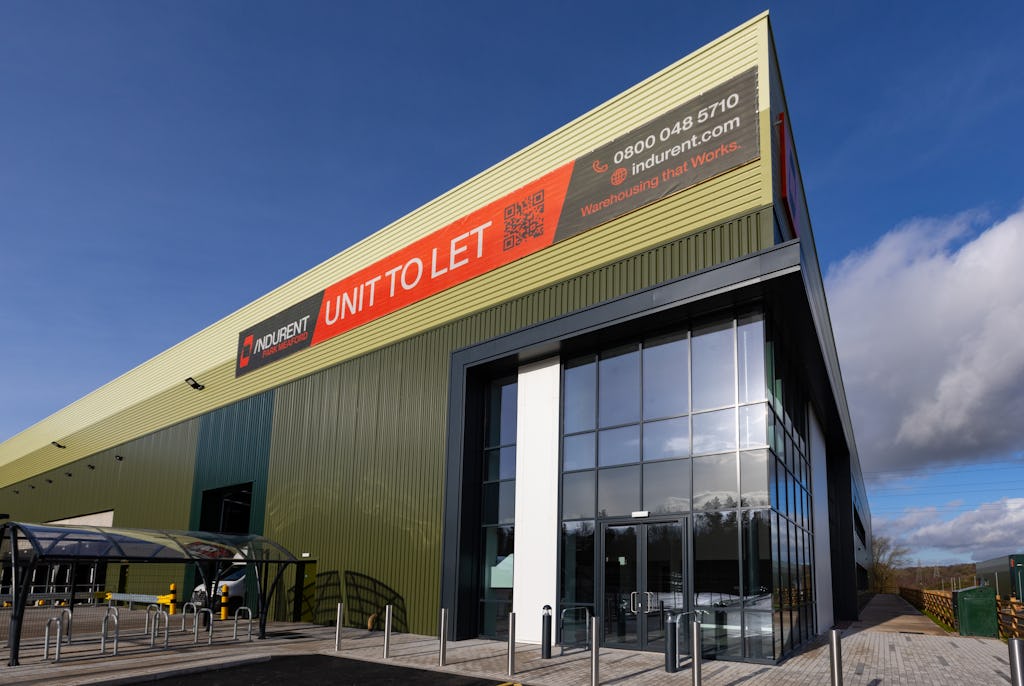
Indurent Hits Milestone: 18 % Portfolio Growth in First Year

In just twelve months from its July 2024 launch, Indurent—a prominent developer, owner, and operator of UK industrial and logistics real estate—has delivered impressive results: more than £1 billion invested and 18 % growth in its portfolio. Indurent

A Strong Start from Day One

Formed through the integration of St Modwen Logistics and Industrials REIT, Indurent began with a robust foundation—solid development capabilities, a deep landbank, and a streamlined operating platform. Since inception, the company has scaled both workforce and operations with remarkable speed. Indurent

Scaling Up: Space, People, and Clients

  • Portfolio footprint: Expanded from approximately 27 million sq ft to 32 million sq ft, covering both multi-let industrial and big-box logistics formats across the UK Indurent.
  • Team growth: Workforce increased by nearly 30 %, now standing at 230 employees Indurent.
  • Client base: Now serving 2,500+ customers, from local trades to global giants like Amazon, and creative disruptors such as N2 Creative (set builders for Gangs of London) Indurent.

Leasing Momentum and Noteworthy Deals

Indurent has leased over 2.4 million sq ft of space across nearly 450 transactions during this period. Standout agreements include:

  • Herman Miller committing to a 110,000 sq ft build-to-suit unit at Indurent Park Chippenham.
  • AerFin, an aviation specialist, moving its headquarters into a 116,000 sq ft office and industrial facility at Indurent Park Newport—doubling its capacity. Indurent

Leadership Insight: Building a Sustainable Future

Julian Carey, CEO of Indurent, reflects on a milestone year:

“The strong momentum we’ve built in our first year as Indurent reflects the strength of our portfolio. We’ve been able to scale at pace, delivering highly sustainable space in prime locations and deploying market-leading tools like Hive to meet the needs of modern businesses.”

“There is growing recognition that logistics and industrial infrastructure form the backbone of the modern economy. Planning reform, supply constraints, and occupier demand are all creating tailwinds for growth. We’ve laid a strong foundation in year one, and we’re excited to build on it.”

Williams Shipping Expands in Scotland with Acquisition and New Site

Southampton-based logistics and maritime services specialist Williams Shipping has strengthened its presence in Scotland with the acquisition of GIF Transport and Logistics and the purchase of land in Dyce, Aberdeen, earmarked for further expansion. The move builds on an already strong working relationship between the two companies, with GIF set to continue trading under its existing brand and management to ensure uninterrupted service for customers.

Williams Shipping Logistics Managing Director Jonathan Williams said the partnership was founded on shared values and a mutual commitment to delivering first-class service. GIF director Brian Pirie echoed the sentiment, noting that the collaboration would allow both companies to build on their strong reputations and offer greater value to customers across the UK logistics market.

The Dyce site will become GIF’s new headquarters and will also house Williams Marine Lubricants and the company’s specialist container division, Willbox. The location is set to play a key role in the group’s operations in the north, with phased development already under way and full operations expected to commence later this year.

For the UK logistics sector, this acquisition and expansion represent a significant strengthening of Williams Shipping’s network. By integrating transport, marine lubricants and container solutions under one hub, the company is set to enhance efficiency, improve customer service, and increase its agility in serving both regional and national markets.

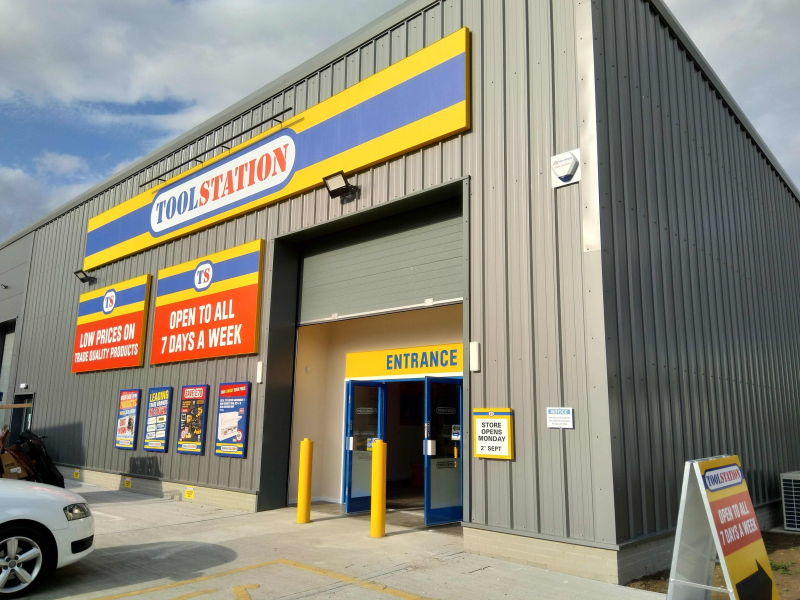
Toolstation Selects Software to Revamp Inventory Management

Toolstation, one of the UK’s largest suppliers of tools, accessories and building supplies, is revamping its inventory management. With over 25,000 products available online and in over 590 stores nationwide, Toolstation has partnered with Slimstock, a knowledge partner and provider of the supply chain planning platform Slim4, to boost product depth across its multi-channel retail operation.

Laying the foundations for operational excellence

As a strategic brand within the Travis Perkins Group, Toolstation continues to invest in its supply chain, building upon its service standards. The latest partnership with Slimstock will lay the foundation for a more efficient and connected supply chain planning operation.

Jonathan Rendall, Head of Supply Chain at Toolstation, states: “With great service, top trade brands, and nationwide convenience, our customers can count on us to get the job done. But to ensure fast, reliable service in-store and online as our operation scales, we need an integrated and scalable supply chain framework.”

The right tools for the job

Toolstation will adopt Slimstock’s advanced supply chain planning platform, Slim4, to address challenges around forecasting, inventory management and replenishment. As part of the transformation project, Slimstock will also support Toolstation in empowering the planning team through upskilling and enabling improved cross-functional collaboration.

By streamlining processes, improving visibility and automating planning workflows, Slimstock will underpin Toolstation’s goals to:

• Improve product availability and deliver a seamless customer experience across every channel
• Improve operational efficiency to accelerate business growth
• Navigate increasing operational complexity, unlocking greater value for customers

“This initiative marks a real commitment to ensuring we satisfy every customer, every time. Slimstock will play a pivotal role in unifying our operation, driving efficiency as we better position the business to meet its promise to thousands of customers across the UK,” adds Rendall.

Following an extensive review of the market, Toolstation selected Slimstock to support its ambitious supply chain transformation. Slimstock’s industry experience and robust implementation process were decisive factors.

Rendall concludes: “We needed a partner who could offer not only a proven technology solution but also work with us to create more effective processes. The strong chemistry between the Toolstation and Slimstock teams throughout the selection process assured us that Slimstock is the right partner to deliver value to our customers.”

Similar news

https://www.logisticsbusiness.com/it-in-logistics/toolstation-tackles-omnichannel-challenges-k%d3%a7rber/


Pedestrian Awareness Camera added to Forklifts

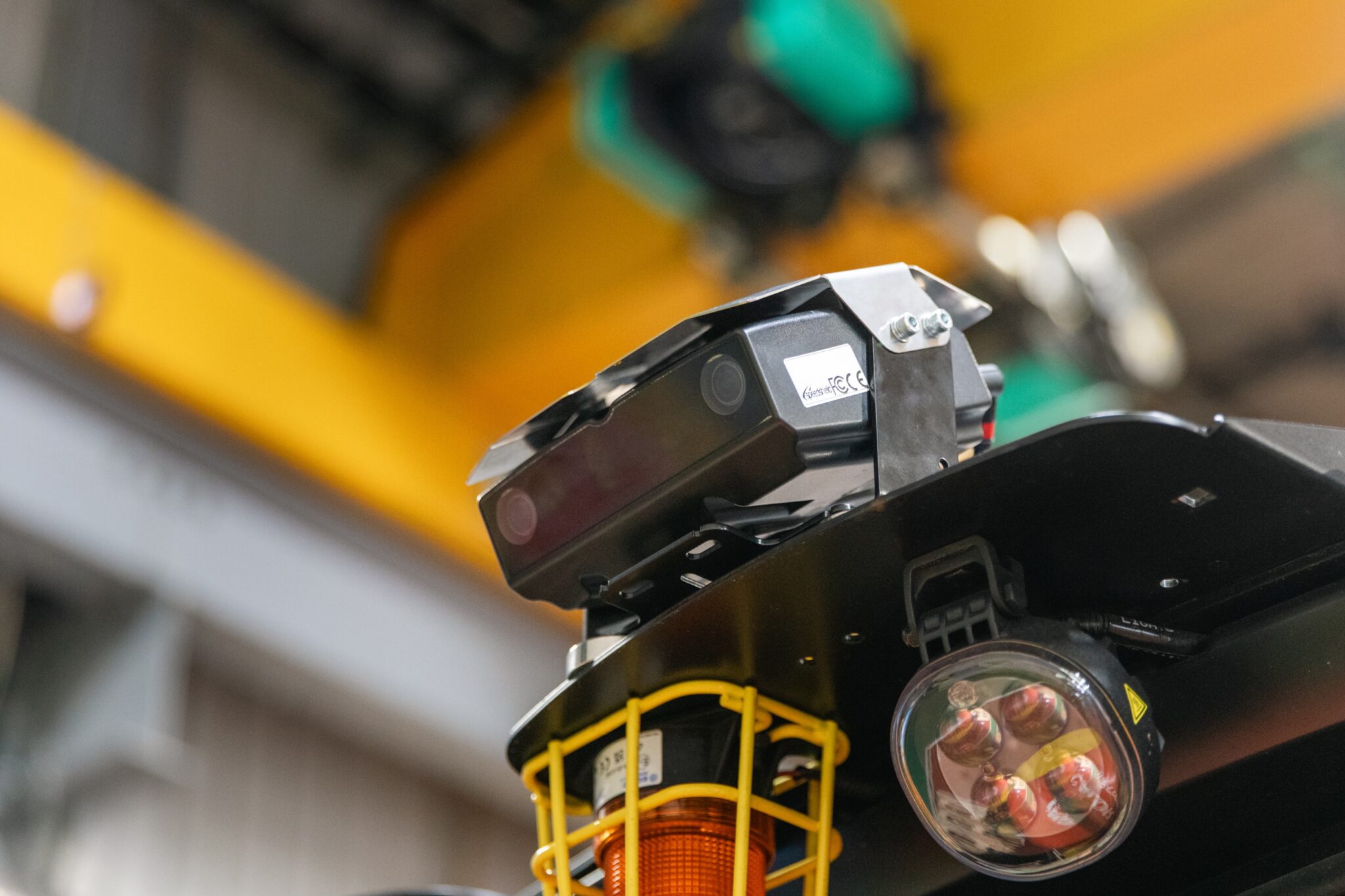
Yale Lift Truck Technologies has announced a new pedestrian awareness camera solution, the latest addition to the Yale Reliant™ portfolio of active alert and assist technologies, which are designed to boost operator awareness and help support overall warehouse safety. The pedestrian awareness camera system can accurately identify pedestrians at ranges up to 6 metres through a 120-degree field of view and provides automatic alerts to the lift truck operator when a pedestrian is detected.

“Operator awareness is a foundational element of lift truck and pedestrian safety, and the Yale Reliant technology portfolio is designed to provide a helping hand for warehouses facing an increasingly transient labour pool and inexperienced lift truck operators,” says Daniel Heap, Manager, Product & Commercial – Technology & Connected Fleet, for Yale Lift Truck Technologies. “We’re continuing to target the challenges of real-world warehouse environments with research and development, and the pedestrian awareness camera solution offers the capability and configurability real-world warehouse environments need.”

Operations can get the camera system with audible and visual alerts only, or take advantage of a third type of notification with the addition of optional traction alerts. Upon pedestrian detection, an audible tone and a light indicates which zone the pedestrian is in, shown on the truck-mounted operator LED Display. Traction alerts go a step further by providing the operator with a perceptible alert through truck deceleration. While the operator remains in ultimate control of the equipment, this deceleration effect is intended to get their attention and encourage action to avoid the detected pedestrian by slowing down, steering away or both.

The pedestrian awareness detection system was developed using extensive amounts of real-world photographic data. It adapts to low light conditions and various environments. The system is optimised for travel speeds of 8 km per hour or less (though higher speeds are available). This gives operators ample time to identify alerts, and to react to avoid contact. The camera is mounted to the rear, forks-trailing side of the lift truck. The audible and traction alerts stop as the truck travels away from the detected pedestrian, and they are no longer in view of the camera.

The pedestrian awareness camera marks the latest addition to the award-winning Yale Reliant lineup of operator assist technologies, which take input from the work environment and equipment to alert operators of potential hazards and adjust lift truck performance. Yale Reliant initially launched globally in 2021, and has since accumulated over 24 million hours of run time on more than 8,300 units deployed in the field.

Similar news

https://www.logisticsbusiness.com/transport-distribution/cold-chain-logistics/yale-on-point-with-pedestrian-awareness-lights-2/


Banana Logistics – 9000km to your Basket

Bananas – the most popular fruit in European supermarkets – often travel over 9,000 kilometers and spend nearly a month in transit before reaching our shelves. To arrive fresh, ripe, and affordable, they rely on tightly controlled logistics from farm to store.

From ripening chambers in Rotterdam to refrigerated containers crossing the Atlantic, Girteka Logistics experts explain what it takes to bring exotic fruits like bananas and avocados to tables across Europe.
How Long Does It Take for Bananas to Reach the Stores in Europe?

The time it takes for fruit to reach Europe depends largely on its country of origin. Oranges grown in Spain may arrive in neighbouring markets within a week or even less. But for bananas and avocados sourced from Central or South America, the journey can stretch up to 30 days. Shipments from Asia take even longer — up to a month and a half.

According to Vytautas Oleškevičius, Central European Regional Manager at Girteka, each fruit’s journey involves numerous steps and players along the way. “Avocados are a great example,” he says. “Europe consumes over 1.1 million tonnes of avocados each year. They’re typically grown on small farms, where the growers sell them to exporters. The exporters wash and prepare them for sale, then importers handle logistics to bring the fruit to Europe. Only after all customs procedures are completed do European resellers step in, buying the needed quantities and asking us to transport them.”

Exotic fruits aren’t the only items crossing continents. If you take a closer look at product labels, you’ll find that even vegetables such as carrots, cucumbers, or potatoes can be imported from outside the EU. What may be more surprising is the scale of fruit logistics – in 2024 alone, Girteka transported over 7,000 tons of watermelons across Europe — the equivalent of more than 300 fully loaded trucks.

Keeping Fruit Fresh Across Continents

The journey of bananas from South America to store shelves in Europe requires highly coordinated work involving farmers, suppliers, and logistics companies. Girteka has already delivered over 14,000 truckloads of fruit to 30 European countries this year — more than 300,000 tons. The challenge is not just distance, but maintaining exact transport conditions. Even minor temperature changes can affect fruit quality.


“Our job is to assess and manage all potential risks,” says V. Oleškevičius. “For example, there’s always the risk of pallets or boxes being damaged at some transfer point. Customs inspections must also be considered, and some delays are out of our control. Containers sometimes have to wait three or four days due to heavy traffic. We call these the ‘known unknowns.’ Identifying them helps us address the challenges more effectively.”

It starts in Rotterdam

Most exotic fruit arrives at Rotterdam — Europe’s largest port, handling 400 million tons of cargo annually. Here, companies like Girteka take over. Fruits are sent to logistics centres and loaded onto refrigerated trucks driven across the continent. Even before this, the fruits are already being prepared for the final consumer. On ships, they are kept in containers with temperatures close to zero degrees Celsius.

“Bananas are usually cut while still completely green — totally inedible at that stage,” – says Mantas Briedis, a sales manager at Girteka Logistics. “They must remain unripe throughout the Atlantic journey, or they’d spoil before reaching Lithuania. In Rotterdam, importers place them in ripening chambers. The ripening process continues in the truck, and by the time the truck reaches the stores, the bananas are almost fully ripe.”

What’s Easy vs. What’s Difficult to Transport?

According to experts, the complexity of the process depends on the type of fruit. Fruits vary significantly in sensitivity. Bananas and avocados are relatively easy to transport, which explains their global popularity. Berries, on the other hand, are much more delicate and require highly responsible logistics operations.

“One of the products we transport from Peru is blueberries,” M. Briedis explains. “They’re very delicate, so maintaining the right temperature is an added challenge we take seriously. Because berries spoil faster, they are often flown to Europe rather than shipped. Citrus fruits are also tricky — they’re highly sensitive to condensation. If moisture builds up, the fruit starts to rot.”

In such cases, speed and precision become critical. Drivers play an essential role, ensuring temperature-sensitive cargo is delivered as quickly and safely as possible to prevent spoilage and waste.

The Silent Success of Fruit Logistics

Despite the complexity and numerous risk factors, modern logistics chains operate with remarkable efficiency. Today, it’s almost unimaginable that a store in in any European country would run out of bananas. “The fact that consumers don’t even think about how exotic fruits reach them is the best proof of how smoothly the whole process works,” says Girteka’s logistics expert Mantas Briedis.

Behind every banana, avocado, or box of blueberries is a sophisticated network of farmers, exporters, customs brokers, logistics planners, and drivers working in sync. Their coordination ensures that even fruits grown thousands of kilometers away arrive ripe, fresh, and ready to eat — right when we expect them to.

Similar news

Banana Ripening Facility Completed at London Gateway


Online Deliveries Could Grind to a Halt

The automotive industry is undergoing rapid transformation, driven by cutting-edge technological advancements and a shifting automotive landscape. However, it’s not just the technology that’s evolving – the roles that support this vital sector are also at a crossroads. While many positions remain essential today, some are at risk of disappearing entirely.

New data from Nationwide Vehicle Contracts has uncovered the driving jobs facing complete shortages in the next 25 years. By conducting an in-depth study using search volume analysis, it has been revealed that in the next 12 years, the UK could face a shortfall of delivery drivers as the industry battles to prioritise investment and training.

Delivery driver jobs are at risk of a shortage in the next 12 years

According to the UK Office for National Statistics (ONS), there are currently 246,000 delivery drivers employed across the UK. However, an estimated 30,000 additional drivers are needed to meet growing demand in the sector.

Projections based on average monthly Google search trends suggest that delivery driver roles could experience a full shortage by 2037, as people explore different job options. With over 13,500 delivery driver vacancies in April 2025, this has surged by 792.6% compared to last year. Among the top companies hiring are Yodel, Tesco and Royal Mail, indicating that the most popular jobs relate to food delivery, online e-commerce deliveries, and supermarket shopping.

To address the growing shortfall and potential decline, the industry must prioritise investment in training and development programmes to make the profession more appealing.

Methodology

Nationwide Vehicle Contracts used Keywordtool.io to identify the auto industry jobs which require a driving license had the highest average monthly search volume in the past 12 months, and what the average trend was over the last 12 months of search. They then used Google Trends and Glimpse to identify what job trends looked like over the past 5 years with search volume, and extrapolated the date that searches for these jobs would become extinct, to reveal the industries most at risk of shortages.

Similar news

https://www.logisticsbusiness.com/transport-distribution/last-mile-delivery-trends-for-2023/

Ultra-cold Fruit Storage Efficiency Boost

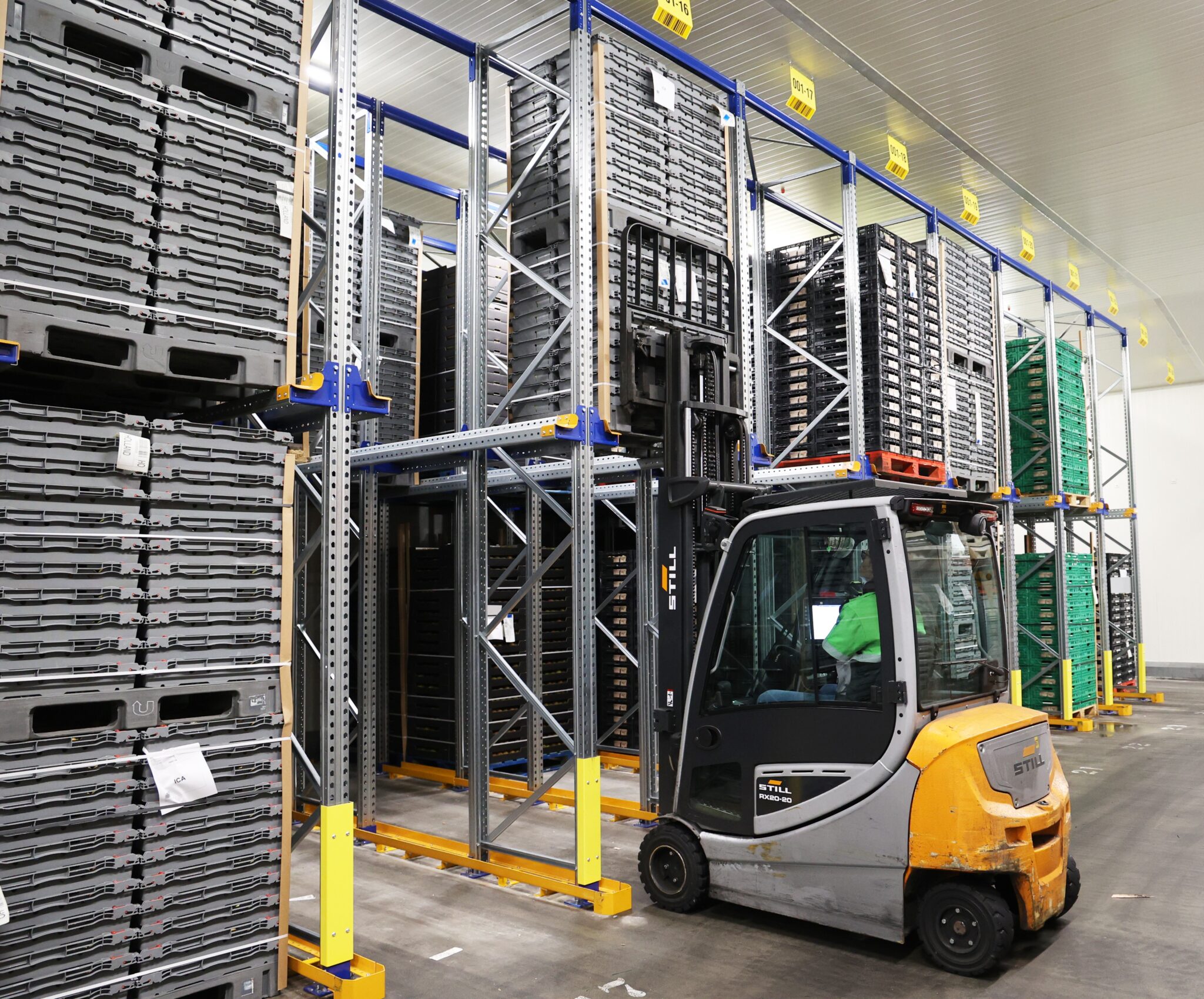
AR Racking, a global supplier of industrial storage systems, has strengthened its position with the recent renovation and expansion of the drive-in racking system for FruitMasters, one of the largest fresh fruit operators in the Netherlands. Thanks to the expertise and support of Begra, AR Racking’s official distributor in the region, the capacity and efficiency of more than 300 ULO cold storage rooms have been improved, preserving fruit from over 400 local producers.

In an environment with constant temperatures between 0 and 5 degrees Celsius, ultra-cold preservation of fruits such as Kanzi apples and Migo pears requires a precise and reliable storage system. AR Racking has applied all its engineering and technology expertise to ensure each installation meets the highest standards of durability and ease of maintenance, while also guaranteeing full compatibility with FruitMasters’ existing systems.

The partnership between Begra and FruitMasters is well established. During annual inspections, damage was detected in old racks with hard-to-find spare parts, prompting the decision to renew with AR Racking solutions, recognized for their quality and immediate availability of components. This feature allows for rapid replacement of any damaged parts, extending the lifespan of the installations and reducing costs.

“It is essential that the new racks are installed according to our specifications and compatible with the rest of the system. Thanks to the flexibility and robustness of the AR Racking solutions installed by Begra, we can operate with complete peace of mind and ensure the continuity of our operations,” says Dirk Jan Brommersma, Shipping Manager at FruitMasters.

Close collaboration with Begra was key to the project’s success, enabling the new racks to be installed according to FruitMasters’ technical requirements and ensuring a quick response to any support or parts replacement needs. For FruitMasters, this investment means being ready for the future, with robust and flexible systems that preserve product quality and freshness while optimizing energy efficiency and reducing operating costs.

Similar news

https://www.logisticsbusiness.com/materials-handling-warehousing/forklift-technology/case-study-fresh-fruit-and-veg-supplier-delivers-the-goods/


Subscribe

Get notified about New Episodes of our Podcast, New Magazine Issues and stay updated with our Weekly Newsletter.