Libiao Robotics Demonstrates AirRob PRO

Libiao Robotics, a pioneer in the warehouse automation sector, demonstrated its cutting-edge technology at the LogiMAT trade fair in Stuttgart. Alongside its acclaimed AirRob system, it showed its new AirRob PRO goods-to-person automated warehouse system to visitors.

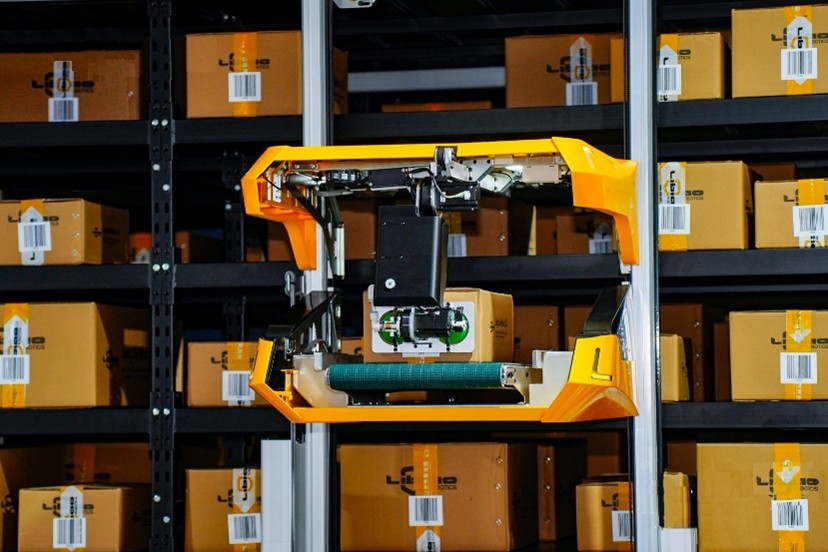
AirRob is a high-density, high-efficiency warehouse automation system that uses coordinated vertical-climbing pick robots and floorbots to deliver goods rapidly to workstations, without requiring major infrastructure changes. Designed for intensive logistics operations, AirRob significantly increases storage capacity and throughput while reducing labour and energy costs, setting a high benchmark for scalable goods-to-person automation.

Widely deployed across multiple sites in Asia, AirRob by Libiao Robotics is now being specified in Europe at warehouses where labour availability is challenging and where high per-square-metre warehouse costs favour a compact, flexible and highly-efficient solution.

Visitors to Libiao Robotics’ booth will also get a chance to see at close quarters the new AirRob PRO automated system in action. AirRob PRO has been developed to offer fast, efficient and accurate handling of both original ‘raw’ cartons as well as totes, avoiding the time- and resource-consuming decanting of incoming/outgoing goods. Uniquely, the picking arm mounted on the AirRob climbing platform at the heart of the system pivots so that cartons and totes can be picked or dropped on both sides of the warehouse aisle, thus reducing the required number of workstations and in some cases eliminating them altogether.

Libiao’s local sales and technical support personnel were joined by representatives from the company’s senior management team in Stuttgart to greet visitors and demonstrate how its innovative solutions can help warehouse owners and operators make significant efficiency gains to operations where accuracy, reliability and flexibility are among the leading requirements.

Libiao’s Global Head of Sales Ronan Shen said: “Now that AirRob is becoming firmly established in Europe, and customers are seeing the significant benefits it brings, it is a perfect time for us to be at LogiMAT to talk with visitors about the many ways we can help them become more competitive. I’m particularly excited about demonstrating AirRob PRO, which has been developed in close consultation with customers with high-throughput operations who need to efficiently and accurately pick a mix of cartons and totes.”

Established in 2016, and celebrating its 10th anniversary later this year, Libiao Robotics has grown to become a leading player in the global warehouse robotics sector, boasting household name customers across Asia, Europe, Australia and South America, and familiar U.S. brands such as Skechers, Procter & Gamble (P&G) and K-mart.

Air Cargo Terminal Uses Closed-loop Plastic Sheets

Hong Kong Air Cargo Terminals Limited (Hactl) – a large independent cargo handler – is claiming a world first in its quest to introduce and adopt 100% closed-loop recycled plastic sheets for cargo operations.

Since 2022, Hactl began to adopt recycled plastic sheets composed of 30–50% recycled material, and since then has been driving toward a fully 100% recycled solution. In collaboration with the Nano and Advanced Materials Institute (NAMI), the two organisations have now successfully developed 100% closed-loop recycled plastic sheets using post-consumer plastic sheet wastes generated by Hactl — a potential scalable and applicable solution for the wider industry which are being rolled out immediately.

The successful implementation of this project will significantly reduce the use of virgin plastic and hopefully encourage other companies in the industry to follow Hactl’s lead. The aim is to foster a culture where eco-friendly practices are the norm rather than the exception.

Says Amy Lam, Chief Sustainability Officer of Hactl: “Our existing plastic sheets already contained 30-50% recycled material, but we wanted to accelerate our full transition to the circular economy and bring tangible benefits to industry and society at large, and the new 100% closed-loop recycled plastic sheets enable us to achieve that goal.”

As a major air cargo handler in Hong Kong, Lam says Hactl is in an ideal position to influence the type of material used in wrapping aircraft pallets, and so drive the achievement of far better recycling rates: “We believe there is huge scope to improve the air cargo industry’s performance in this area. By incorporating a higher proportion of recycled content into our plastic sheets, we can achieve closed-loop recycling, significantly reduce the carbon footprint of our industry and keep thousands of tonnes of non biodegradable plastic out of our landfills.”

Driver Coaching Tech Helps Fleets with Fuel

With fuel prices soaring once again, and supply pressures intensifying, Lightfoot has acted to streamline the self-installation process of its driver coaching devices, helping more businesses rapidly reduce fuel consumption and improve efficiency.

Following years of fuel price volatility, Lightfoot has engineered its driver coaching technology to now be ‘plug and play’, so it can be deployed by any fleet, at speed, without specialist installation support. This matters because speed of deployment is everything when fuel costs are rising week on week. The financial case for acting now is significant. Based on average commercial driver mileage of 13,500 miles per year and diesel reaching 180p per litre, the annual fuel cost per vehicle stands at £4,418. Fuel cards are also increasing by around 10p to 16p per litre.

Lightfoot’s calculated average fuel saving of up to 15% reduces that figure by approximately £662 per vehicle, per year. For a fleet of 200 vehicles, that represents a potential saving of more than £132,000 annually – a calculation based on today’s prices. If diesel approaches or exceeds £2 per litre, as analysts are projecting, the saving grows proportionally.

Fleets that have historically faced delays waiting for engineer scheduling can now prioritise their highest-consuming vehicles first, installing devices in whatever sequence best suits their operational needs. Lightfoot continues to manage system setup and connectivity, while the hardware side sits entirely in the hands of the fleet.

The coaching technology is designed to deliver immediate savings on fuel costs by monitoring how a vehicle is being driven in real time and guiding the driver to operate at the engine’s most efficient point.
Collecting data directly from the engine such as throttle input, engine load and speed, Lightfoot analyses driving behaviour continuously and provides instant feedback to the driver through audio and visual cues and alerts inside the cab.

The updated installation process eliminates the need to wire the device into the ignition cable – a step that previously required soldering. Instead, the Lightfoot unit can now be plugged directly into the vehicle’s OBD port, making installation significantly faster and more accessible.

Alongside the hardware, the Lightfoot ‘InsightHub’ platform gives fleet managers immediate visibility of performance data including fuel savings, driver efficiency scores and consumption patterns, from the moment devices are activated.

This allows businesses to identify at-risk drivers and vehicles quickly, and to track the tangible impact of the technology on their fuel bill in real time. ESG data can also be calculated within Insight Hub, which is also an ongoing pressure.

“Consumer panic buying at fuel stations is adding further strain to supply, making it even more critical for working fleets to maximise every litre of fuel,” said Lightfoot Chief Revenue Officer David Savage. “Fleet managers have lived through Covid supply shocks, the Ukraine crisis and now escalating conflict in the Middle East. Every one of those events has moved the dial on fuel prices. The question for fleets is no longer whether the next disruption is coming – it is whether they are prepared for it when it does. With faster installation, fleets can act tactically, identifying their most at risk vehicles and drivers based on fuel consumption and volume, with the process taking just a few simple steps.”

Once installed, the device provides real-time feedback to help drivers maintain their engine’s most efficient operating range, or ‘sweet spot’, improving fuel economy instantly.

“When forecourts are running dry and prices are climbing, working fleets cannot afford to waste a drop of fuel. Lightfoot was designed for exactly this kind of environment – a world where fuel price stability is the exception rather than the rule. Our technology gives drivers the real-time guidance they need to get the most from every litre, and our installation process means fleets can be up and running in days, not weeks.”

Climate-neutral Rail Freight Transport

For the third consecutive year, cargo-partner continues its successful partnership with HHLA Pure. This sustained collaboration has significantly increased the volume of climate-neutral transports and resulted in total emissions savings equivalent to the carbon absorbed by over 24,500 trees, reaffirming the company’s commitment to environment-conscious logistics.

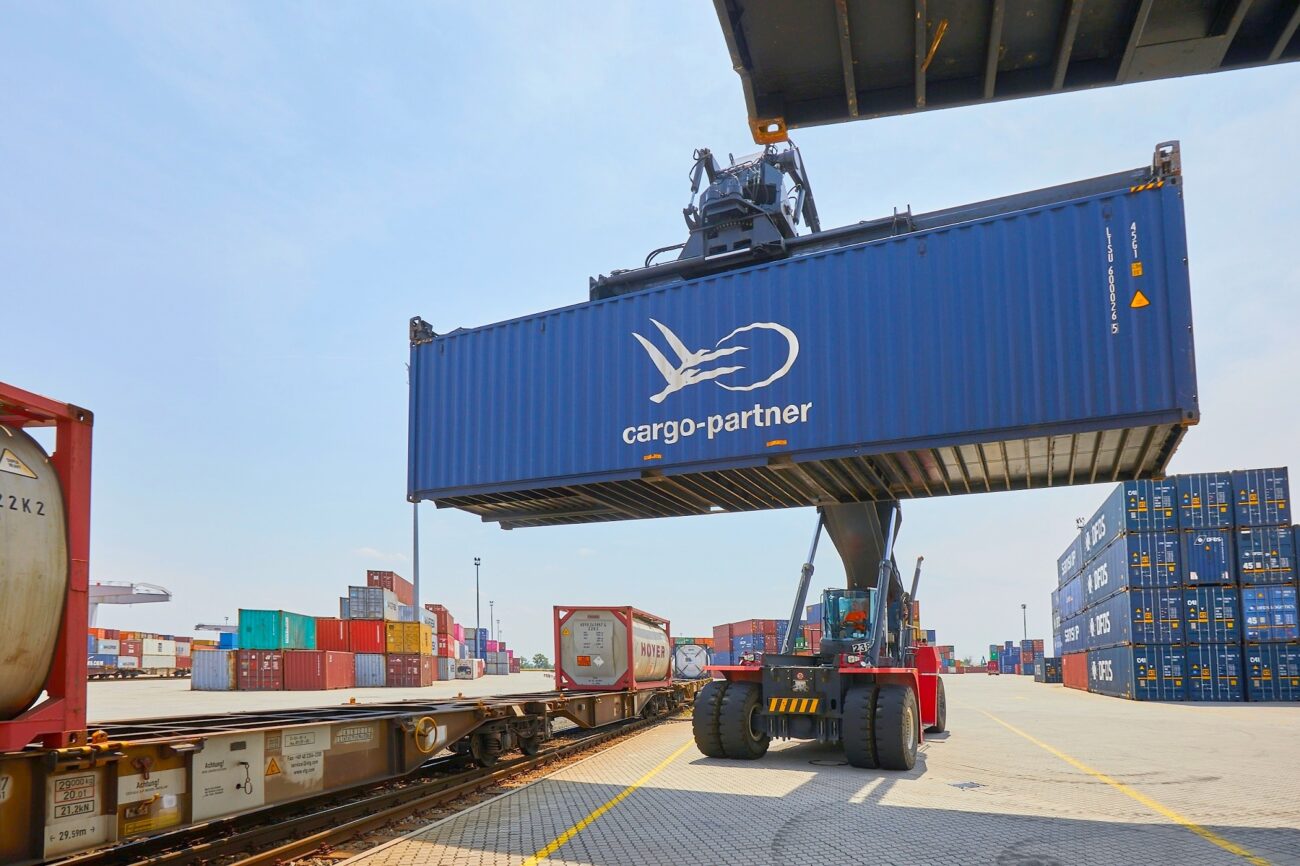
cargo-partner, a group company of Nippon Express Holdings, is advancing its sustainability agenda by renewing its cooperation with the HHLA Pure initiative. The program, developed by Hamburger Hafen und Logistik AG (HHLA) and METRANS, facilitates CO₂-free container transport by leveraging energy-efficient rail systems and electrified terminal operations, with any residual carbon emissions offset through Gold Standard-certified climate protection projects.

“To complement our ongoing environmental initiatives, we leverage our partnership with HHLA Pure to offer clients proactive, eco-conscious transport solutions that help mitigate the carbon footprint of their shipments,” stated Luca Ferrara, CEO of cargo-partner. “We are actively reducing transport emissions and compensating for unavoidable residual emissions through certified third-party projects.”

Sustained Growth in Key CEE Markets

In 2025, cargo-partner transported a total of 13,349 TEUs in a climate-neutral manner across the three participating countries, demonstrating the success of this long-term initiative.

  • Hungary: The Hungarian branch led the way by transporting 6,140 TEUs sustainably. This volume resulted in estimated emissions savings of 407.5 tons of CO₂, an amount equivalent to the carbon absorbed by over 18,300 mature trees in a single year.
  • Slovakia: The team in Slovakia managed 3,678 TEUs through the HHLA Pure program. This effort resulted in estimated emissions savings of approximately 71.6 tons of CO₂, an amount equivalent to the carbon that would be absorbed by over 3,200 mature trees in one year.
  • Czech Republic: In the Czech Republic, cargo-partner recorded a climate-neutral volume of 3,531 TEUs. This corresponds to estimated savings of 66.7 tons of CO₂, which is comparable to the emissions absorbed by 3,000 mature trees annually.

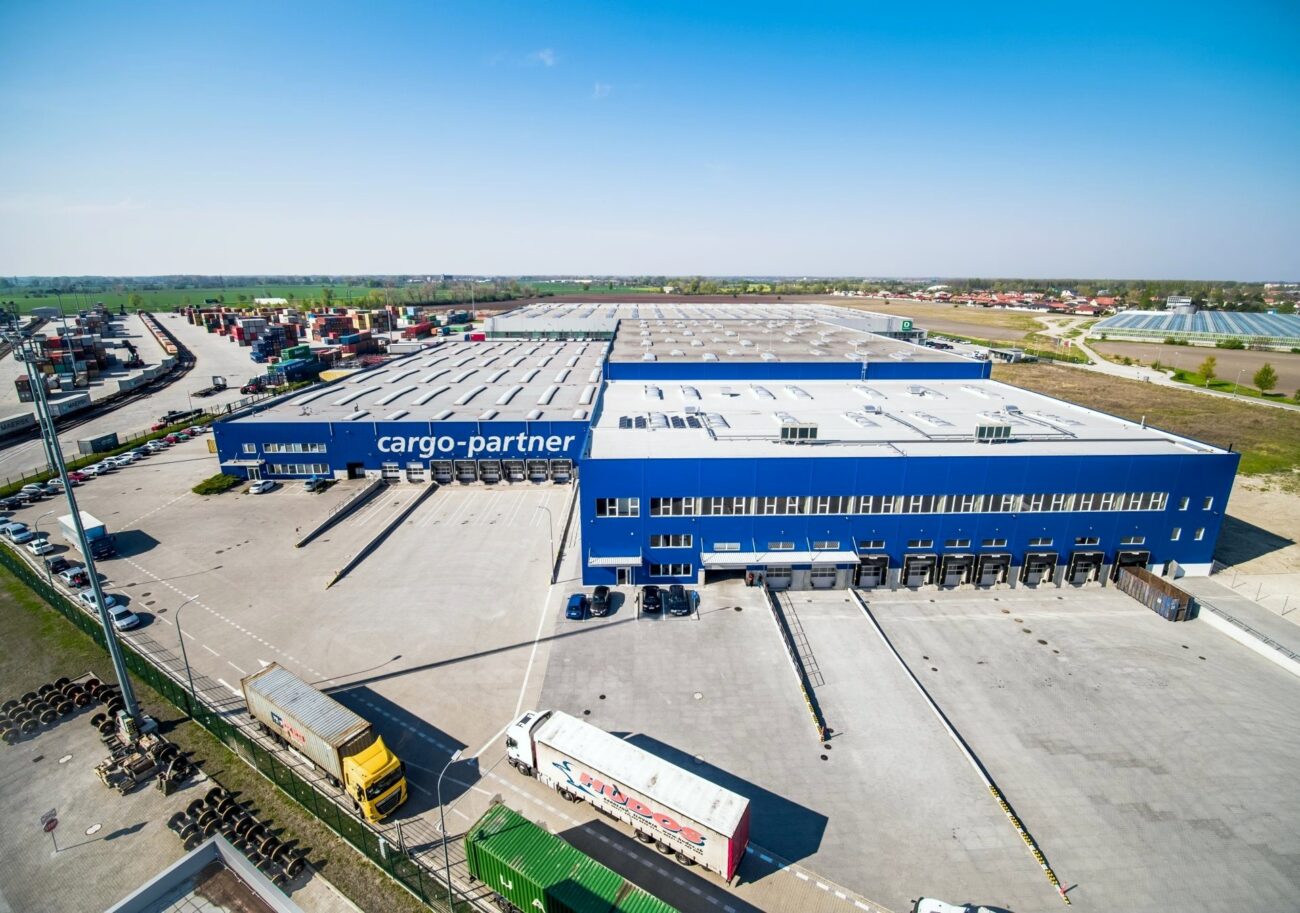
These results highlight the company’s successful implementation of low-emission transport corridors for the onward rail journey from major European hubs. Through strategic assets like the cargo-partner warehouse in Dunajská Streda, which is directly connected to the METRANS container terminal, the company creates tangible advantages for its customers while promoting environmentally sound solutions.

Comprehensive Approach to Environmental Responsibility

Beyond the HHLA Pure initiative, cargo-partner remains dedicated to a wide array of sustainability projects. The company is actively providing insetting solutions such as Sustainable Aviation Fuel (SAF), upgrading facility standards and optimizing resource consumption across the whole network, ensuring cargo-partner warehouses meet the latest environmental requirements for sustainable logistics. The renewed collaboration with HHLA Pure reinforces cargo-partner’s proactive stance on sustainability and its dedication to offering eco-conscious transport solutions.

Companies Want More EVs, but face Rising Costs

The electrification of corporate fleets across Europe is gaining momentum. More than half of companies intend to add additional fully electric vehicles over the next two years. At the same time, fleet managers are dealing with significant challenges – especially rising costs, increasing sustainability requirements and a public charging network that many still consider insufficient. These are the findings of the latest DKV Mobility E‑Mobility Study, based on a survey of 1,732 fleet and mobility managers across Europe.

“Our report clearly shows that electrification in European companies is accelerating. At the same time, it becomes evident that transforming corporate fleets remains a complex strategic task for many businesses,” says Sven Mehringer, Managing Director at DKV Mobility and responsible for Energy & Vehicle Services.

While the study was conducted across Europe, the findings are strongly reflected in the UK market, where fleet electrification is gaining momentum. The UK is one of Europe’s largest electric vehicle markets, with battery electric vehicles accounting for around 16% of new car registrations in 2024. “In the UK, we see strong momentum towards electrification, driven by regulation and corporate sustainability targets,” says Neil White, Country Manager UK at DKV Mobility. “At the same time, fleet managers are facing rising costs, increasing electricity prices and ongoing concerns about public charging infrastructure. As a result, companies are focusing more on controlling total cost of ownership and investing in their own charging infrastructure to ensure reliable operations.”

The study highlights that the transformation of corporate mobility is shaped by several structural factors. Three themes stand out as the biggest challenges for fleet management: rising cost pressure, increasing sustainability requirements, and the electrification of fleets. Larger companies and the transport sector in particular feel these pressures most strongly.

At the same time, many companies are planning significant changes to their fleet structures in the coming years. Around 56 percent of surveyed companies intend to purchase more fully electric vehicles, while only a small proportion expect a decline. Plug‑in hybrids also remain an important part of many companies’ fleet strategies. Traditional combustion engines, by contrast, are expected to play a diminishing role over time.

Companies identify three main barriers to further electrification: high purchase costs, rising electricity prices, and the perceived limited range of electric vehicles. Many respondents also point to a still insufficiently developed public charging infrastructure. “Many companies have clearly committed to electrifying their fleets. The decisive factor now will be whether key framework conditions, such as costs, energy prices and infrastructure can keep pace with this momentum,” says Mehringer.

At the same time, many companies are investing in their own charging solutions. Today, around nine out of ten companies with electric vehicles already operate charging infrastructure on their premises. A clear majority also plans to further expand this infrastructure over the next two years.

Subscribe

Get notified about New Episodes of our Podcast, New Magazine Issues and stay updated with our Weekly Newsletter.