Industry View: The Need for Adaptable Warehousing

The team from Rubb Buildings on the rise and rise of flexible warehouse space:

The continuing growth of online shopping drives demand for new adaptable warehousing

Over the past decade online shopping has escalated at a phenomenal rate in the UK resulting in a demand for warehouse space which has nearly doubled.

Between 2007 and March 2018, around 235 million sq ft of warehouse space was leased or purchased across the United Kingdom which is equivalent to more than 3,000 Wembley Stadiums. According to CBRE about 60% of this warehousing space is used by retailers, feeding the demand of online shopping.

According to John Munnelly, Head of Operations at John Lewis: “Logistics is becoming the new retail”. 65% of activity in logistics is retail driven. A greater shift towards online business means a greater demand and competition for cost effective 3PL storage space so companies can adapt to eCommerce demands and the demands of their customers.

Amazon took a quarter of available UK logistics space in 2016 and the key takeaway from this is that businesses are going to need a lot more warehouse space for storing more product in the UK. They are also looking for the ability to be able to make structural alterations to accommodate future demands.

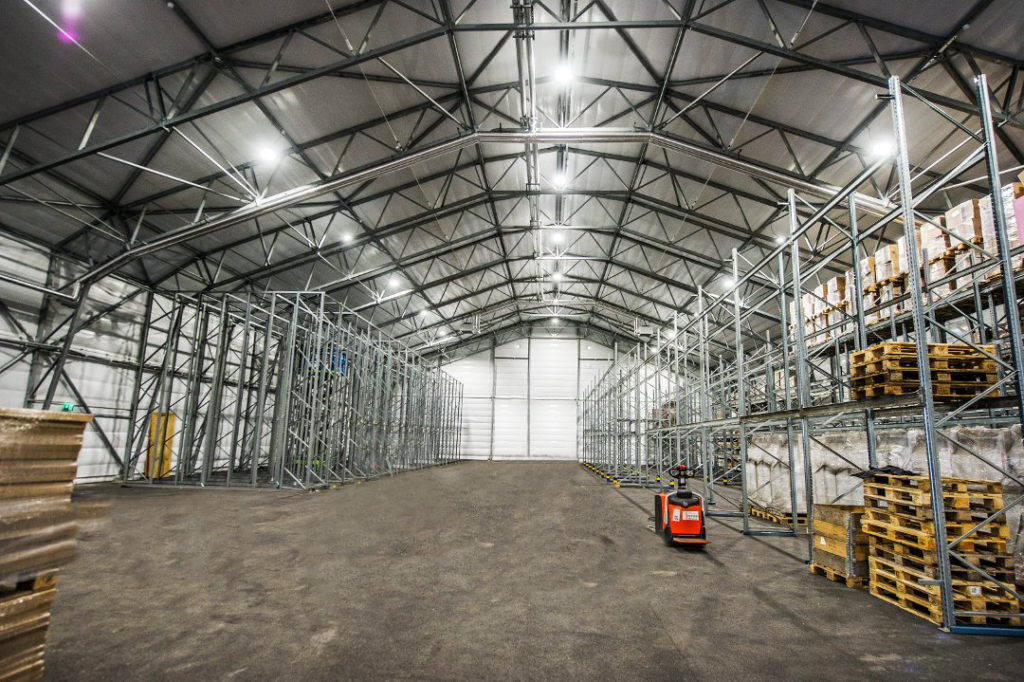
Flexibility, agility, capability and dependability are the key factors when looking forward at warehousing. How can warehousing cope with the demand and growth of online shopping? One answer is modular designed semi-permanent structures. Rubb Buildings a is UK manufacturer of these type of structures, and the company has seen an increase in the demand for adaptable warehousing.

Rubb Buildings Ltd Managing Director Ian Hindmoor commented: “Feedback from our customers suggests that they are planning for the future, to be able to maintain the flow of their production and fulfil the demand from their customers. Rubb storage facilities provide an alternative and sustainable solution to traditional storage warehouses. To keep up with this ever-changing environment a semi-permanent fabric structure helps save on costs and is able to adapt to the changing requirements of the end user.”

Flexible warehouse space provides businesses with many unique advantages. The benefits of semi-permanent structures include fast design, manufacture and construction, with the flexibility to be adapted, modified, extended or relocated if needed. This allows clients to adapt quickly to change.
Find out more here.

Intralogistics Pioneer Celebrates 200th Anniversary

Dematic is set for an extraordinary year: 2019 marks the 200th anniversary of the founding of this international enterprise. Friedrich Wilhelm Harkort launched the predecessor of the intralogistics automation specialist with the Mechanische Werkstätten Harkort & Co. in Wetter an der Ruhr in 1819. Since then, corporate development has been closely tied to the progressive achievements of the Industrial Revolution. Today Dematic is one of the leading suppliers of automation technology.

“Dematic looks back over a long tradition. Our innovative strength has decisively shaped the history of intralogistics. We continue to make that claim today,” says Rainer Buchmann, CEO of Dematic Central Europe. After the first mechanical loom in 1784 ushered in the first phase of the Industrial Revolution, the Mechanische Werkstätten Harkort & Co. early on also relied on water and steam-powered production plants. Already in 1819, the company developed the first steam-powered crane and produced indoor cranes in series starting in 1840.

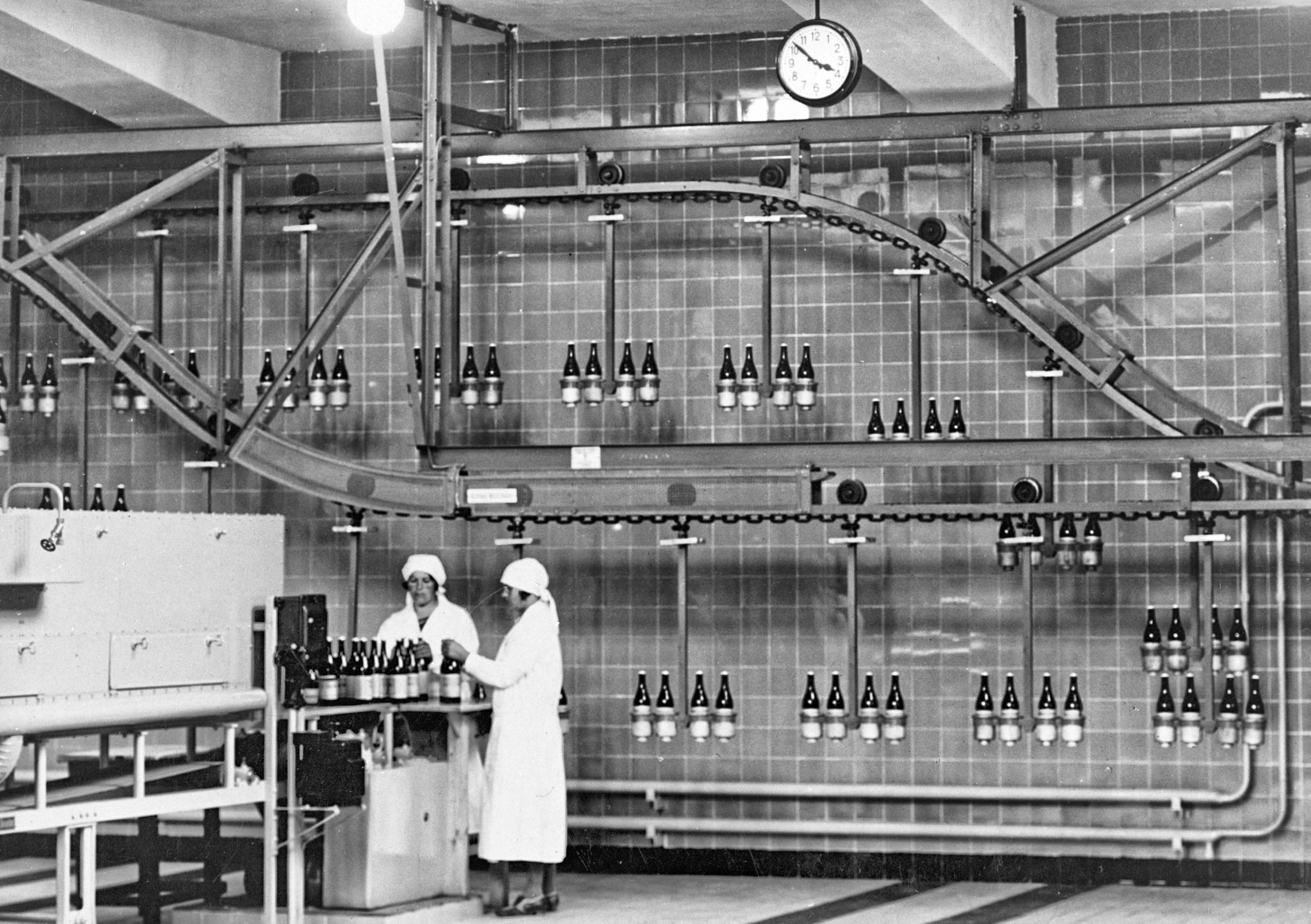
With the introduction of electricity as a source of power in 1870, the second phase of the Industrial Revolution began. The internal combustion engine replaced the steam engine, and the chemical and electrical engineering industries developed into new leading sectors. Influenced by the resulting possibilities, another forerunner company was founded in 1900 with the Stöhr Elevatorenfabrik, which specialised in continuous conveyors, elevators and bucket conveyors. In 1922 – about half a century before the start of the third Industrial Revolution – the company built its first mobile conveyor belt. A few years later, Stöhr developed the first suspended conveyor technology. This was an advance that enabled far more effective use of space in the factories. At the end of the 1950s, Stöhr created a paradigm shift in intralogistics with the world’s first storage and retrieval system. Three years later, the company built the first fully automated warehouse for Bertelsmann, processing up to 15,000 orders a day. While the company was renamed Stöhr Förderanlagen Salzer GmbH in 1968, it also changed its focus from a pure product provider to a fully-fledged solutions provider, with the goal of supplying customers with complete systems.

The third Industrial Revolution began in 1970 when the first programmable logic controller (PLC) named Modicon 084 was launched. For the first time, machines and systems were digitally controlled and operated with this device. To date, PLCs have been widely used in automation technology. Three years later, Mannesmann AG, which in the meantime had taken over Stöhr, revolutionised the construction of distribution centres with the world’s first automated high-bay warehouse. In 1990, the company finally rose to become the global market leader in conveyor technology. Five years later, Mannesmann Demag was the world’s first complete supplier of intralogistics.

At the turn of the millennium, the fourth phase of the Industrial Revolution began with a primary focus on cyber-physical systems. These ensure decentralised dynamic control and the networking of all components via the Internet, mobile computers and cloud computing. After 2005, when Dematic GmbH & Co. KG was established as an independent enterprise, the intralogistics automation company revamped the market for automated small parts storage at that time and invented the Dematic Multishuttle. In 2011, the company once again demonstrated its innovative strength and presented the RapidStore storage and retrieval unit, the RapidPick order picking station, the Multishuttle Flex and the DC Director warehouse management software. The second generation of the Dematic Multishuttle, introduced in 2012, was lighter, faster and even more powerful.

Today Dematic is one of the leading providers of integrated automation technology, software and services for optimising the supply chain. “The greatest success of our company, however, is the fact that we have always succeeded in influencing the market in an innovative way and in retaining both qualified and committed employees. Without them we could not celebrate our 200th anniversary this year,” says Rainer Buchmann. “Over the years, our corporate values of integrity, collaboration, courage and excellence have shaped us.”

Leuze Electronic Highlights Expertise in Safe Conveying and Storage

As a safety expert with many years of experience in conveyor and storage systems, Leuze electronic demonstrated its smart and efficient sensor solutions at LogiMAT a fortnight ago.

Over 55 years of experience in this particular industrial field have made the sensor people experts in intelligent, cost-efficient sensor solutions for use in conveyor and storage systems. Together with its customers, the optical sensor manufacturer from Owen/Teck develops specialized, cost-efficient solutions that are tailored to the individual needs of the customer. The focus of the company’s trade fair appearance this year was on effective and safe sensor solutions for continuous conveyors, high-bay storage devices and automated guided vehicles (AGVs). A wide variety of sensors for guarding AGVs were showcased on a live object:

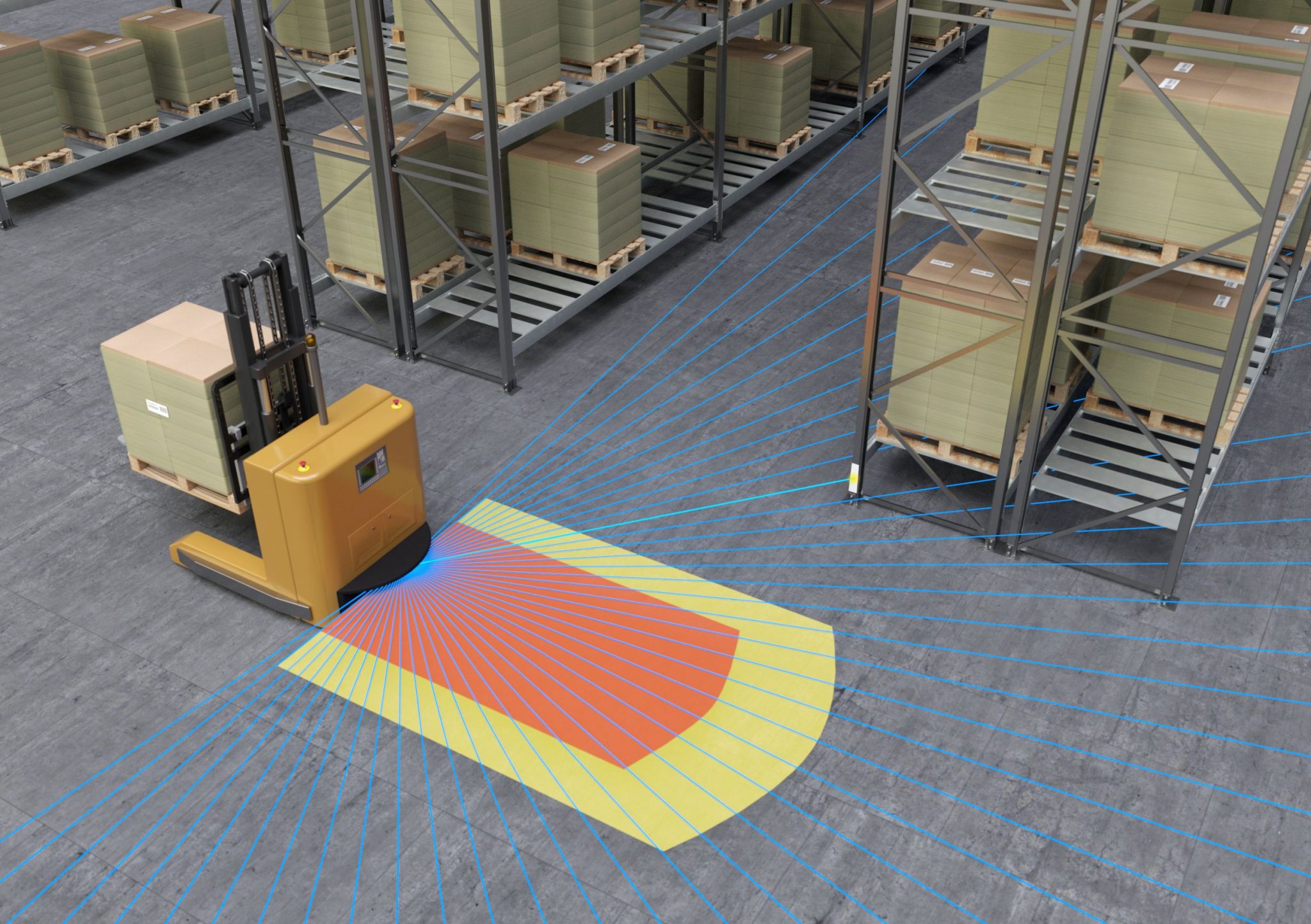
Leuze electronic presented its RSL 400 navigation system – a safe scanner which combines safety technology with qualitatively superior measurement value output in a single device, thereby ensuring reliable AGV guarding and navigation at the same time. Even when using multiple vehicles, these can be controlled collision-free and routes easily adapted. This makes the production system very flexible.

In addition, the OGS 600 enables flexible optical guidance. In production and storage areas, the new sensor enables cost-efficient vehicle automation for the transport of materials and goods. With its edge detection and control signal transmission to the control, the trace can be guided optically, which means that driving can be automated in the simplest of ways. Its compact design and its low minimum distance to the ground of 10 mm means it can be integrated even into flat vehicles. Models with different detection widths and response times cover a wide range of possible applications – also on tight curves and at high speeds, thereby enabling speedy and reliable object detection even under difficult conditions. This guarantees a seamless production process – man and machine are protected.

Kalmar Restructure Announced by Cargotec

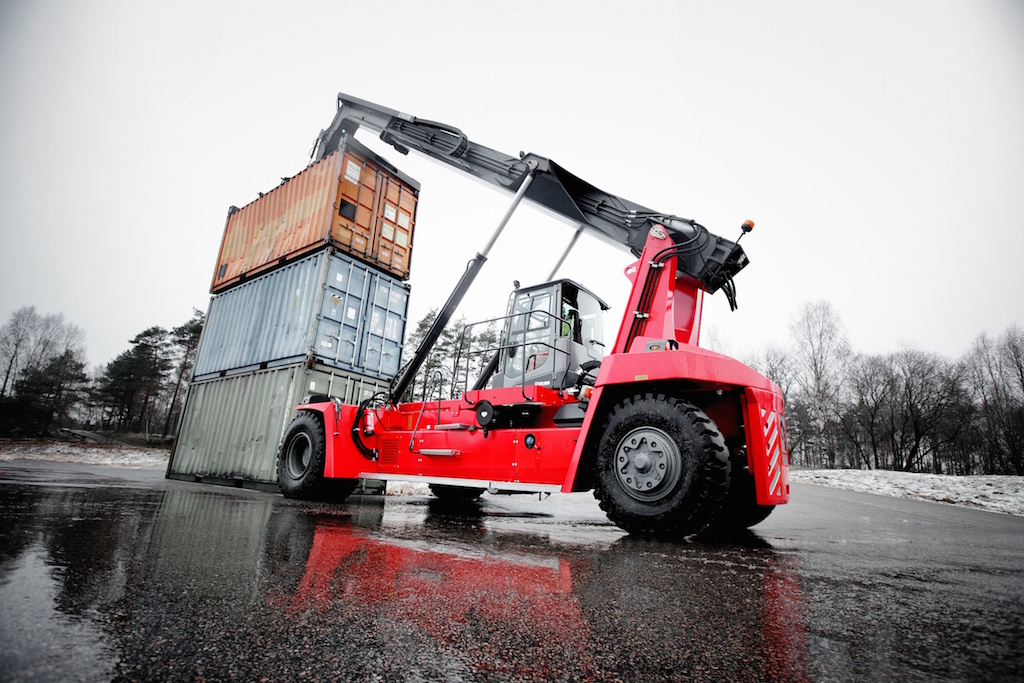
To enhance Kalmar’s growth opportunities, Cargotec has decided to reorganise it into three strategic business units (SBU); Kalmar Mobile Solutions, Kalmar Automation Solutions and Navis as of April 1, 2019. Cargotec’s financial reporting structure based on three business areas Kalmar, Hiab and MacGregor, will remain unchanged.

As part of the process, executive roles have also been restructured. Stefan Lampa has been appointed President of Kalmar Mobile Solutions and a member of the Cargotec  Board. Antti Kaunonen, currently President of Kalmar, has been appointed President of Kalmar Automation Solutions. He will continue as a member of the Executive Board. Benoit de la Tour will continue in his current role as President of Navis. Stefan Lampa, Antti Kaunonen and Benoit de la Tour will report to Cargotec’s CEO Mika Vehviläinen. There are no changes in Hiab and MacGregor.

Stefan Lampa joins Cargotec from KUKA Robotics where he has worked as CEO of KUKA Roboter. Lampa brings experience from the world of software systems and robotics and has a proven track record of driving business transformation towards a solution provider across different markets.

As of 1 April 2019, Cargotec’s Executive Board consists of
• Mika Vehviläinen, CEO
• Mikko Puolakka, Executive Vice President, CFO
• Mikko Pelkonen, Senior Vice President, Human Resources
• Mikael Laine, Senior Vice President, Strategy
• Soili Mäkinen, CIO
• Stefan Lampa, President, Kalmar Mobile Solutions
• Antti Kaunonen, President, Kalmar Automation Solutions
• Scott Phillips, President, Hiab
• Michel van Roozendaal, President, MacGregor.

Mika Vehviläinen, CEO, Cargotec, said: “The new Kalmar organisation will help us focus on the growth opportunities in port automation business as well as drive profitable growth and customer centricity through solution sales and world class supply chain in Kalmar Mobile Solutions.”

Wincanton Wins Contract to Support Co-op Expansion

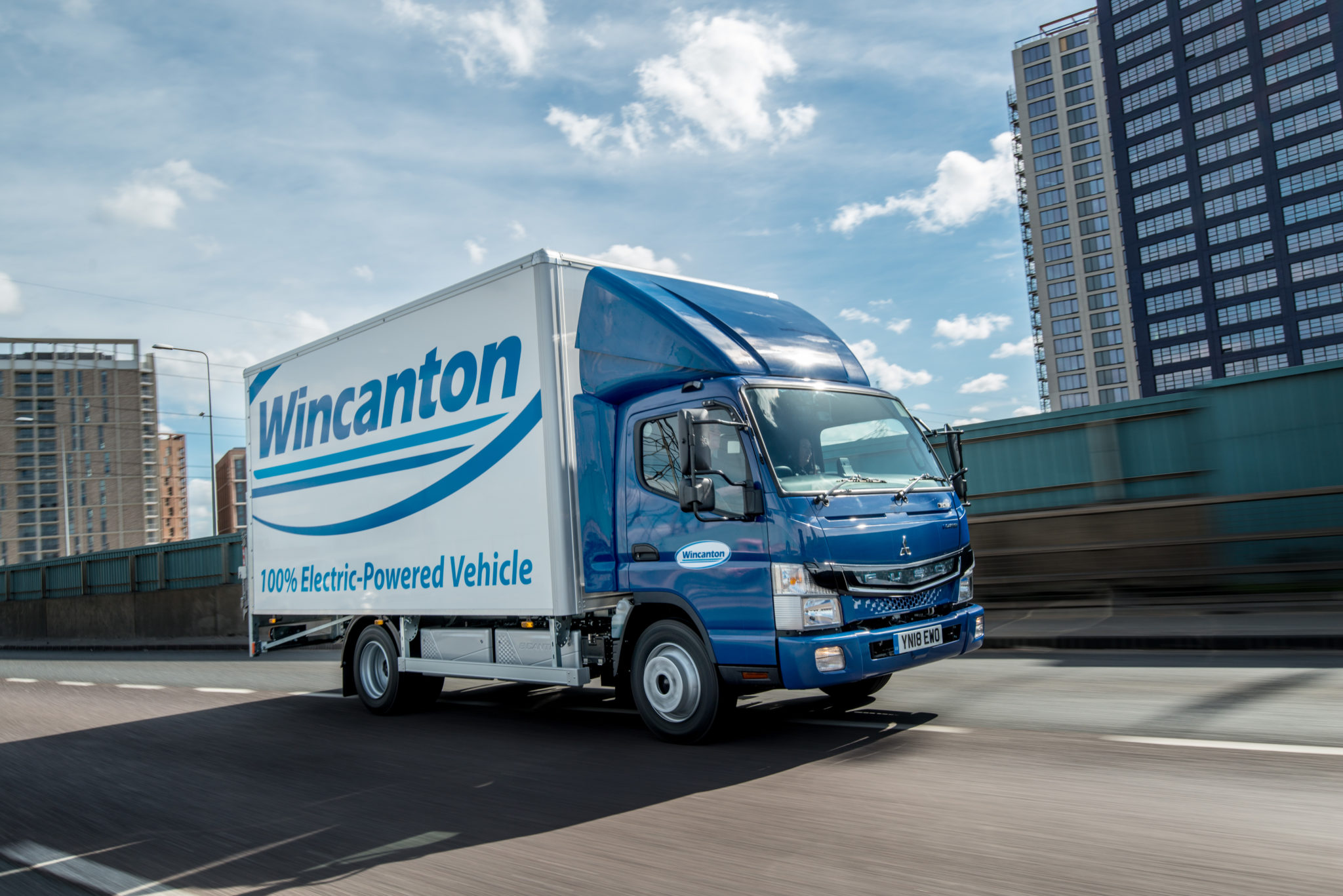
Wincanton has been appointed by UK retailer The Co-op to launch and run their newest regional distribution centre in Wellingborough, Northamptonshire.

The initial three-year contract will see Wincanton manage all warehouse and store delivery operations from the facility to new and existing stores in the surrounding area, supporting The Co-operative Group’s continued growth and development as one of the UK’s leading food retailers.

The new Regional Distribution Centre, will store stock ready for distribution to stores, and is expected to create new roles for around 500 people, including 170 drivers.

The new agreement is in addition to Wincanton’s contract to service The Co-op’s logistics depots; Lea Green, Merseyside and Cardinal, Cambridgeshire. On those contracts, Wincanton employs 670 staff and a fleet of over 500 vehicles, making 110,000 journeys each year to up to 800 stores nationwide.

Platinum Deloitte Award for Ireland’s Combilift

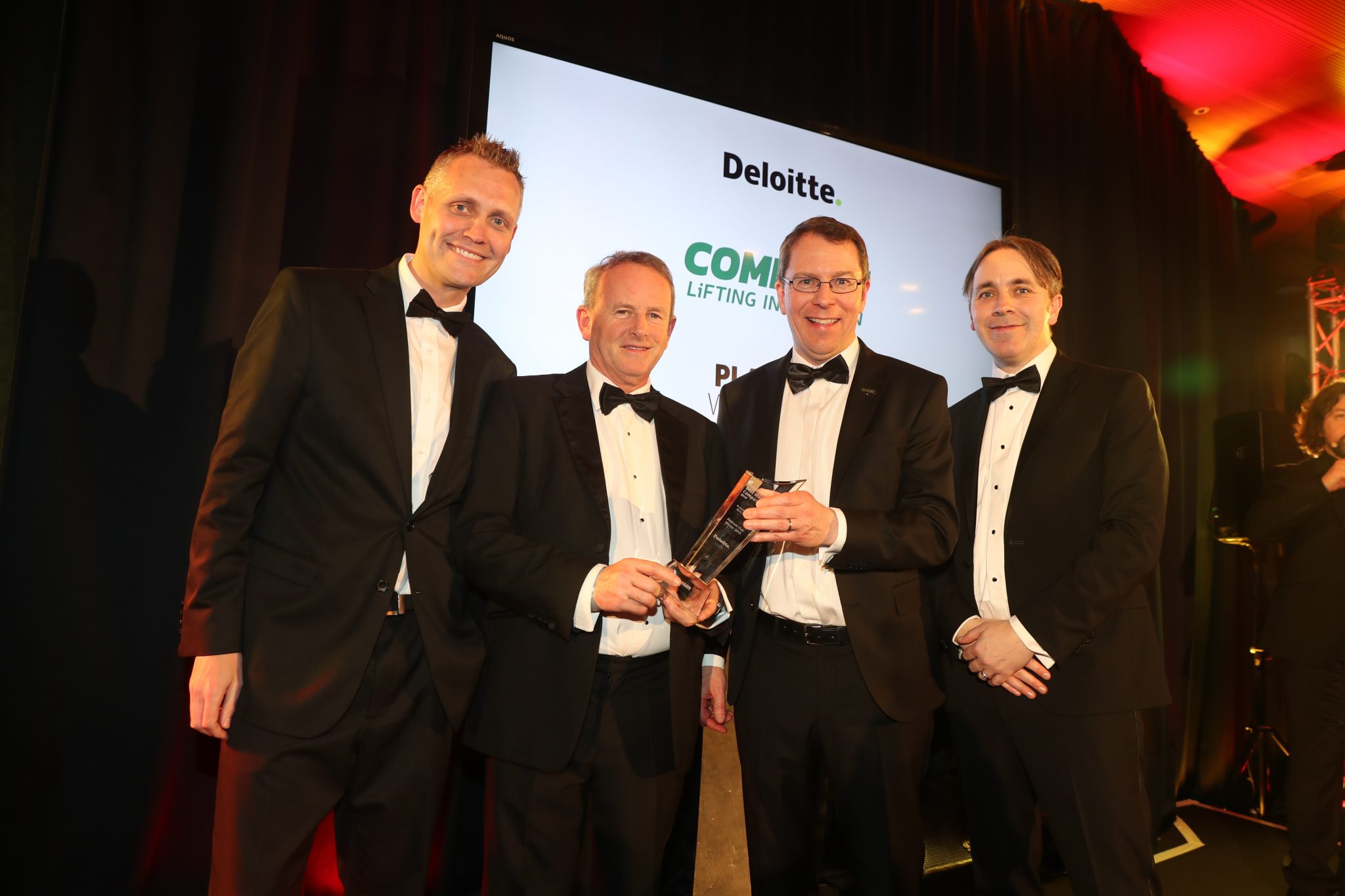
Combilift has received the Deloitte Platinum Best Managed Company award for the 7th consecutive year. The Irish forklift OEM won following a detailed qualification and judging process that evaluates the entire management team and business strategy, looking beyond financial performance at criteria such as operational excellence, strategic planning, governance and talent strategy.

Accepting the award co-founder and Managing Director of Combilift Martin McVicar acknowledged the customer focus that drives Combilift and reiterated the company’s plans for further global growth. “This award recognises the commitment that we in Combilift have made to growing our business in global markets. We currently export 98% of our production to 85 markets across world and are constantly innovating and developing new products in response to new challenges faced by our customers. Each year we invest 7% of our turnover in Research and Development. This Deloitte award recognises that innovation and commitment. Innovation is at the core of everything we do especially in the development of new solutions for our customers.”

The Best Managed Companies Programme originated in Canada in 1993, where it is the country’s leading business awards programme. In addition to Ireland and Canada, the programme is also run in The Netherlands, Belgium, Turkey, Mexico, Chile, with upcoming launches taking place in Germany, China, the Nordics and Scotland.
In a further recognition of the success of Combilift its Managing Director Martin McVicar has been invited by Deloitte to attend the inaugural Best Managed Companies awards in China later this month.

Pictured accepting the award are Robert Moffett, Technical Director, Combilift and Martin McVicar, Managing Director, Combilift with Simon Boucher, CEO, IMI and Danny Murray, Partner, Deloitte

French Warehouses Snapped up by Gramercy Europe

Gramercy Europe, a major pan-European real estate investment fund manager specialising in logistics and industrial assets, has acquired two warehouses in Lyon and Rouen, France, for €37 million. It takes Gramercy’s investment in France in the past 12 months to a total of nine assets and a total investment value in France of circa €220 million.

Alistair Calvert, CEO of Gramercy Europe, commented:
“Occupier demand for modern logistics space continues to outstrip supply, underpinning significant rental growth and whilst e-commerce penetration in France is currently lower than other major Western European economies, we expect it to catch up in the medium term, which is why we have such a high exposure for our latest fund in this market.”

Both acquisitions sit firmly in Gramercy’s investment strategy sweet spot; Lyon is a fast-growing logistics hub forecast to see above average rental growth; whilst Rouen reflects Gramercy’s focus on assets that are critical to the tenant’s operations and close to significant population centres.

In Lyon, France’s third largest city, Gramercy has acquired a modern, purpose built, 22,567 sqm logistics facility, developed in 2012, for €22 million. As part of the sale and leaseback, Gramercy has secured a leading 3PL provider on a new eleven year, double net lease.

Lyon is a major French logistics location, located along the North-South “Dorsal” Axis and benefitting from a high population density and robust consumer demand. The property is in a prime logistics park located between Lyon City Centre and Lyon-Saint Exupery International Airport.

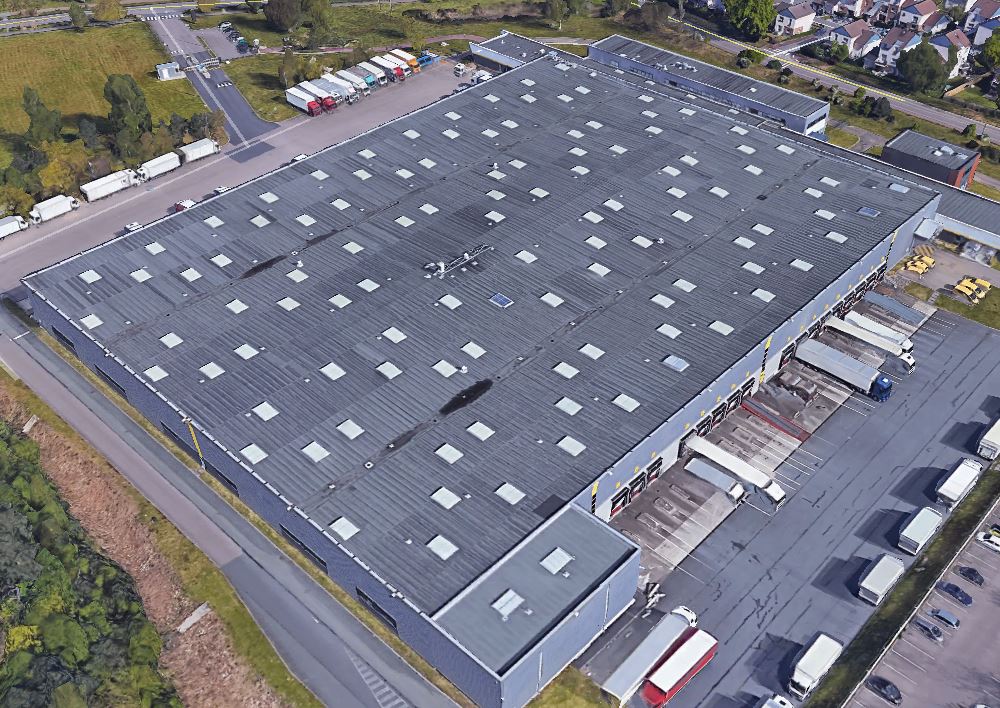
Gramercy has also acquired a 16,568 sqm warehouse (above) in Rouen, Normandy, from Groupe Financier JC Parinaud, for €15 million, let to one of France’s largest postal service companies, the government-owned La Poste. Constructed as a postal sorting facility, it functions as La Poste’s regional headquarters and main sorting and distribution centre for post and small parcels. This small parcel business line is expanding rapidly and is directly correlated to growing e-commerce penetration in France.

Subscribe

Get notified about New Episodes of our Podcast, New Magazine Issues and stay updated with our Weekly Newsletter.