
Transparency in Declaration of Dangerous Goods

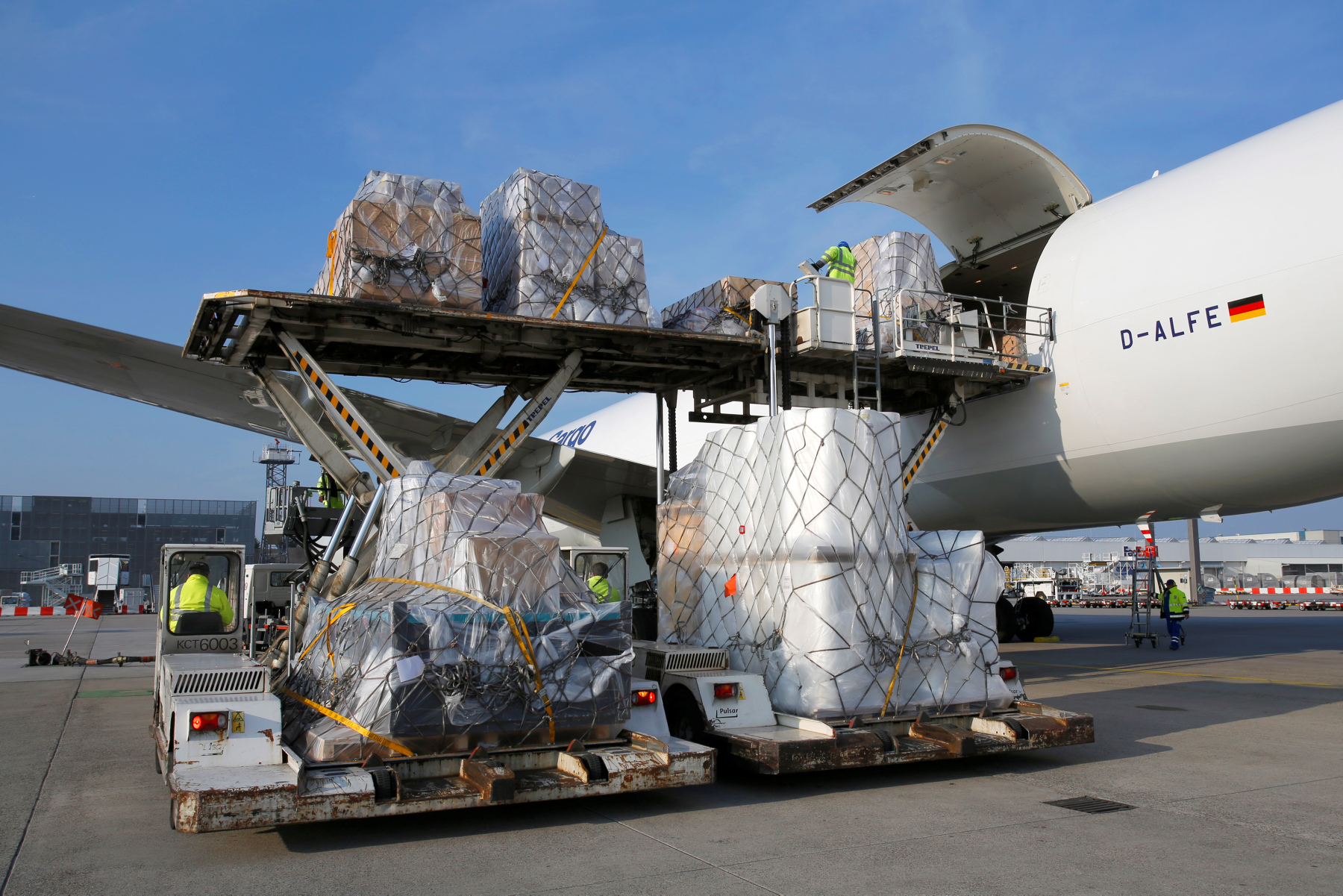
The current status and new pilot participants of the INFr8 platform were the subject of an event that took place yesterday as part of transport logistic/air cargo Europe Munich. Frankfurt Airport is the first air cargo location worldwide to offer shippers and forwarders digitized dangerous goods processes along the entire supply chain. INFr8 is a jointly developed product of DAKOSY and Fraport.

The electronic declaration of dangerous goods is currently being tested at Frankfurt Airport. The Dangerous Goods Declaration (DGD) required for transport is created digitally via the INFr8 shipping portal and can be shared with all relevant parties. “The paper-based documentation in use until now involved very long lead times and had a high error rate for hazardous goods transports. About 10 percent of all shipments were stopped at the airport due to errors. That’s why we participated in the development of INFr8 – to accelerate processes, make them more reliable and create transparency for everyone involved,” says Bernhard Leßmann, Senior Manager CargoCity Development, Fraport AG.

Due to the positive assessments of all pilot participants, the use of the platform continues to grow. The pilot group already includes a number of well-known shippers, logistics service providers, Customs declarations agents, handling agents and the airline Lufthansa Cargo. The newest testers are AaDC GmbH and KLEX Klaus Exportverpackungen GmbH. The legally-required DGD is digitized and standardized with the use of INFr8. “Each participant can now use an interface to declare dangerous goods on the platform and at the end a quality-assured eDGD is created, which can then be transmitted to the airline or handling agent. INFr8 is not limited to Frankfurt Airport, but rather has an international focus,” explains Dirk Gladiator, authorized officer of DAKOSY. The company is currently in discussions with other airports regarding the use of the shipping portal.
Romanian Logistics Hubs

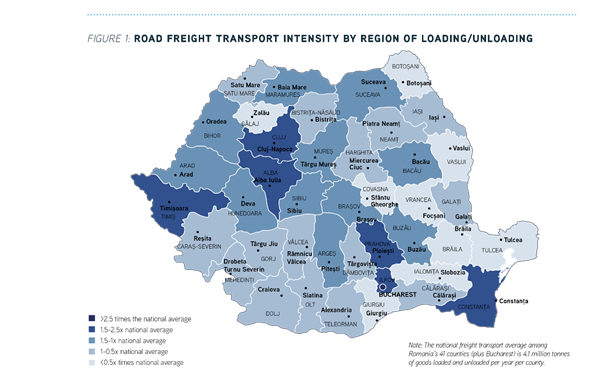
The Romanian industrial and logistics market has grown remarkably, as far as the intensity of both developments and national freight transport is concerned. According to the real estate consultancy company Colliers International, the most active logistics hubs besides Bucharest are Constanta – the eastern most urban center, Alba – located almost centrally and Timis – the most western county in Romania, as these four markets together account for almost a quarter of the national goods transported in Romania via roads.

To measure the intensity of transport operations, we looked at how Romanian counties fare compared to national average of 4.1 million tonnes of goods loaded/unloaded per county per year. The figures were calculated using an average for the 2015-2017 period – the most recent detailed figures available – with the rankings likely to have remained largely unchanged during 2018 (the total volume of goods increased by just 4% in 2018 versus 2017). The ranking is dominated by Bucharest (without Ilfov), which makes around 2.5 times more than the national average. The calculations consider only the quantity of goods loaded and unloaded from one county to another as these were available on a regional basis; it is worth noting that in 2018, out of the quantity of total road freight transports of 230 million tonnes, the quantity of goods transported nationally stood at over 180 million tonnes, so over 3 times larger than that of imports/exports.

The strongest logistics hubs nationwide, besides Bucharest, are Constanta, Alba and Timis, followed by Prahova, Ilfov and Cluj. Bucharest and these six most active counties from a logistics standpoint – which are at least 1.5 times above the county average of transported goods – make up one third of the national freight transport (measured by the quantity of goods loaded/unloaded here), whereas the 7 least active – less than half the county average – add up to just about 6% of total. The latter include Vaslui, Giurgiu, Braila, Ialomita, Vrancea, Covasna and Salaj.

“Over the longer run, we expect the current logistics hubs to consolidate as they have grown so much by having a strategic location, a fleshed out local economy and gained somewhat of a tradition in this sense, Still, we want to underscore the fact that the region of Moldova lacks a strong logistics hub, but we expect this to change in several years, especially if current plans to build a highway linking Iasi to Targu Mures are materialized”, Laurentiu Duica, Director Industrial Agency at Colliers International Romania, said.

Subscribe

Get notified about New Episodes of our Podcast, New Magazine Issues and stay updated with our Weekly Newsletter.