Hyundai Europe Names New Managing Director

HCEE (Hyundai Construction Equipment Europe) has named Sungwoo (SW) Lee as the new Managing Director with immediate effect. With over 20 years of service at the Hyundai group, SW Lee brings a longstanding international sales career to Europe. SW Lee replaces mister J.H. Chun who will return to Korea where he will lead the international marketing team of HCE (Hyundai Construction Equipment).

Mr. Lee brings with him good knowledge of the European set-up. He worked as a Construction Equipment Sales Manager in the European subsidiary from 2005 till 2009, so has a good understanding of the dealer network, the European market requirements, and culture.

He will focus on a proactive sales strategy. By further growing the European dealer network, setting-up a key account management structure, and an advanced market-oriented product strategy, he plans to lead HCEE into gaining an increasingly profitable market share in the coming years.


“Handheld Failures Frustrate Workforce and Cost Business” Says Research

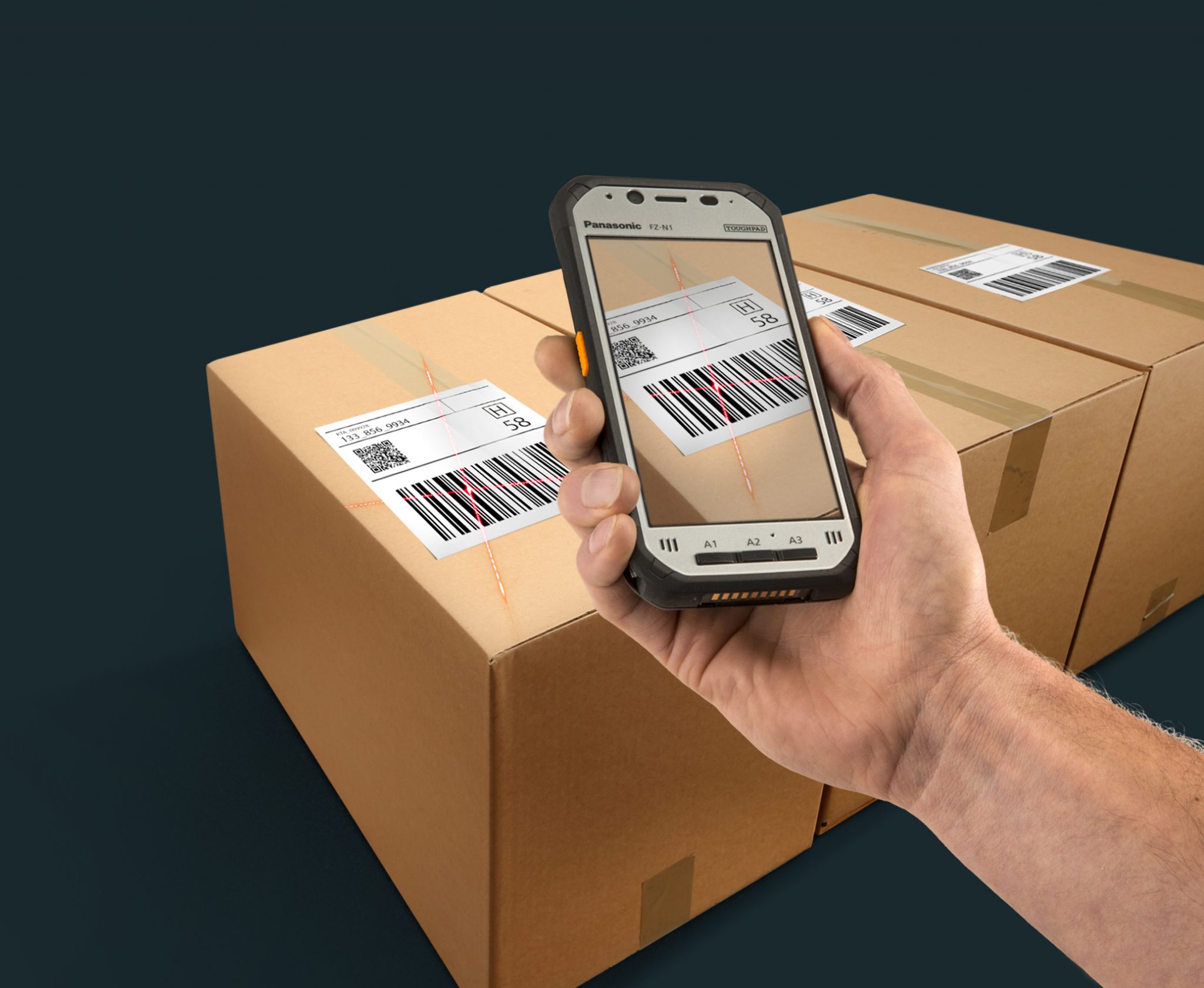
Handheld devices with barcode readers on average fail more than 2.5 times a year and take 2.6 days to repair or replace (1), says latest research carried out on behalf of Toughbook makers, Panasonic.

Handheld mobile computing failures are frustrating delivery drivers, warehouse workers, retailers and emergency services personnel across the UK and costing business, they say.

On average over 63% of workers felt their handheld device was more prone to failure than other technology devices they used. But in this fast-paced business world, device users were certainly not treating their handhelds with kid gloves. Workers reported device damage was caused by a wide variety of issues from drops and spills, to being left in freezing or melting hot conditions to being run over by vehicles!

Problem caused by:               

Device dropped                                     45%

Left it in a hot place                               20%

Just stopped working                            40%

Dropped in water                                   12%

Run over by a vehicle                            8%

Spilt liquid on device                             16%

Left in a cold place                                7%


The most frequent damage from these accidents varied from battery, button and touchscreen issues to bar code reader failure.


Top reasons for failures were:

Battery problems                                   39%

Touchscreen issues                              32%

Device stopped working properly            24%

Broken screen                                      22%

Buttons stopped working                       15%

Bar code reader failure                          24%


Even when their devices were operating effectively, mobile workers still found them frustrating. The most annoying things about their handheld device were:


Slow or inaccurate bar code                   16%

Unable to use wearing gloves                18%

Too heavy                                            15%

Poor battery life                                    18%

Poor screen sensitivity for signatures     10%


The top design improvements they would like to see made to their handheld devices were:


Anti-scratch coating                              30%

Hand or shoulder strap                          28%

Heat reflective coating                           18%

Easier to clean                                      21%

Hot swap batteries                                22%

Camera                                                17%


And if these improvements were made and they had their perfect handheld device, workers promised huge increases in productivity as a result. Workers estimated that they would be 39% more productive on average.


Jan Kaempfer, General Manager of Marketing for Mobile Solutions Business Division – Europe, said: “There can be no doubt that mobile workers are feeling the frustrations of working with their current handheld mobile computing devices. As well as demotivating the workforce, these issues are having a huge cost and customer service impact on the businesses they work for.”

“The pressures are high in the business sectors where these bar code scanning handheld devices are used because every second counts. The work environment is also often difficult and exposed, which has an impact on the number of device accidents and failure rates. As a result, it is more critical than ever that technology buyers understand the device design factors that will have the biggest impact on their workforce and their business  – ergonomic design, rugged protection and technology differentiators like hot swappable batteries and daylight visible screens.”


A full copy of the Handheld Troubles research executive summary can be found here.

[1] Based on a sample of 250 UK device users

Rolls-Royce Places First Order with Synthetic Container Specialist

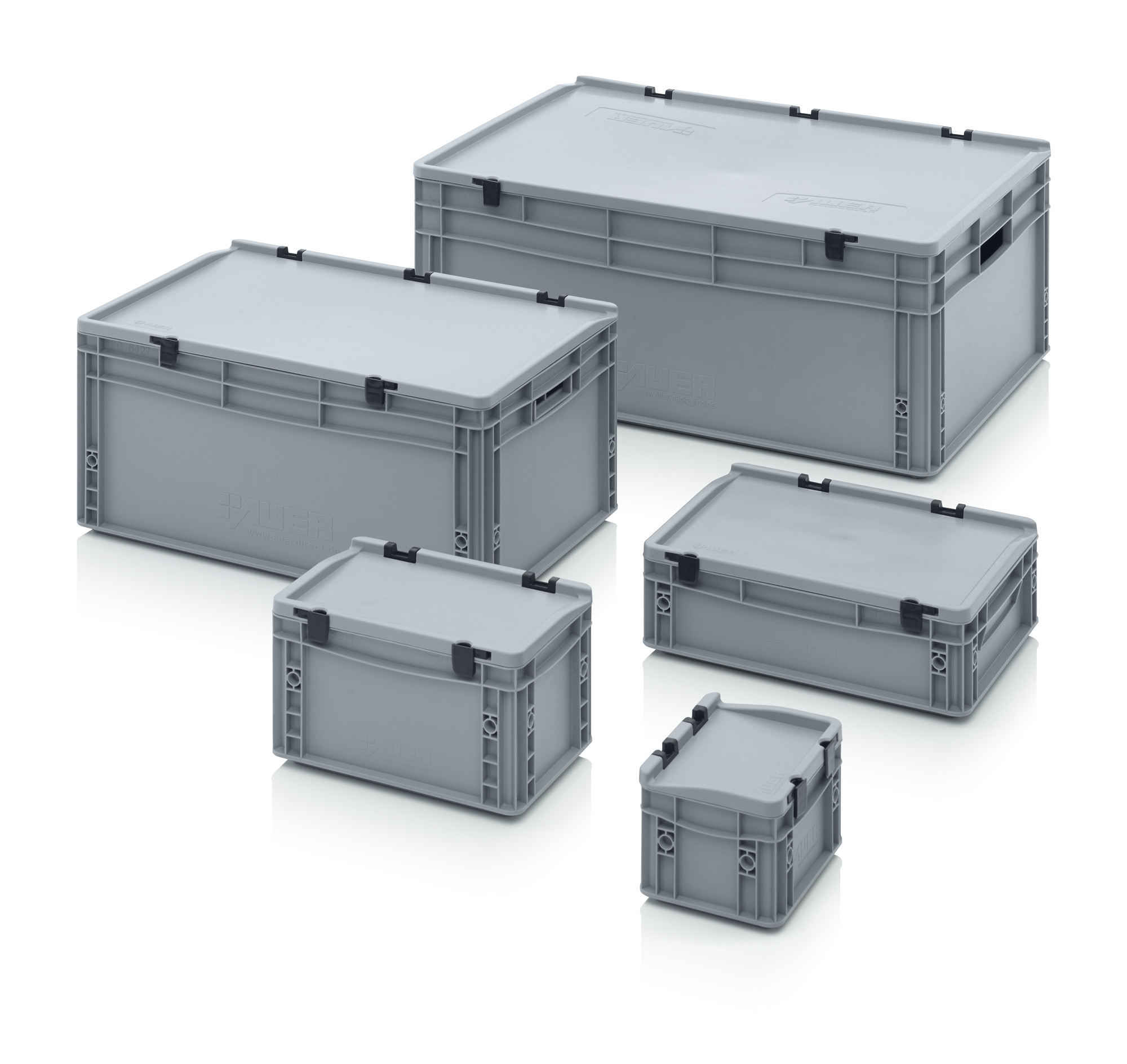
German synthetic container specialist Auer Packaging has won its first contract with globally renowned British automotive and aviation manufacturer, Rolls-Royce.

“Literally the Rolls-Royce among engine manufacturers now relies on ‘Made in Amerang’ plastic containers for transportation and logistics,” enthused Auer Packaging MD Philipp Auer, on receiving the company’s first order in December.

With their specific quality and functionality features, Auer products support the high degree of automation in the production of engines. Rolls-Royce primarily ordered Euro containers with hinged lids and closed big boxes from the Upper Bavarian specialist for plastic transport and storage containers.


Denmark’s First Electric Trucks Fitted with Hiab Tail Lifts

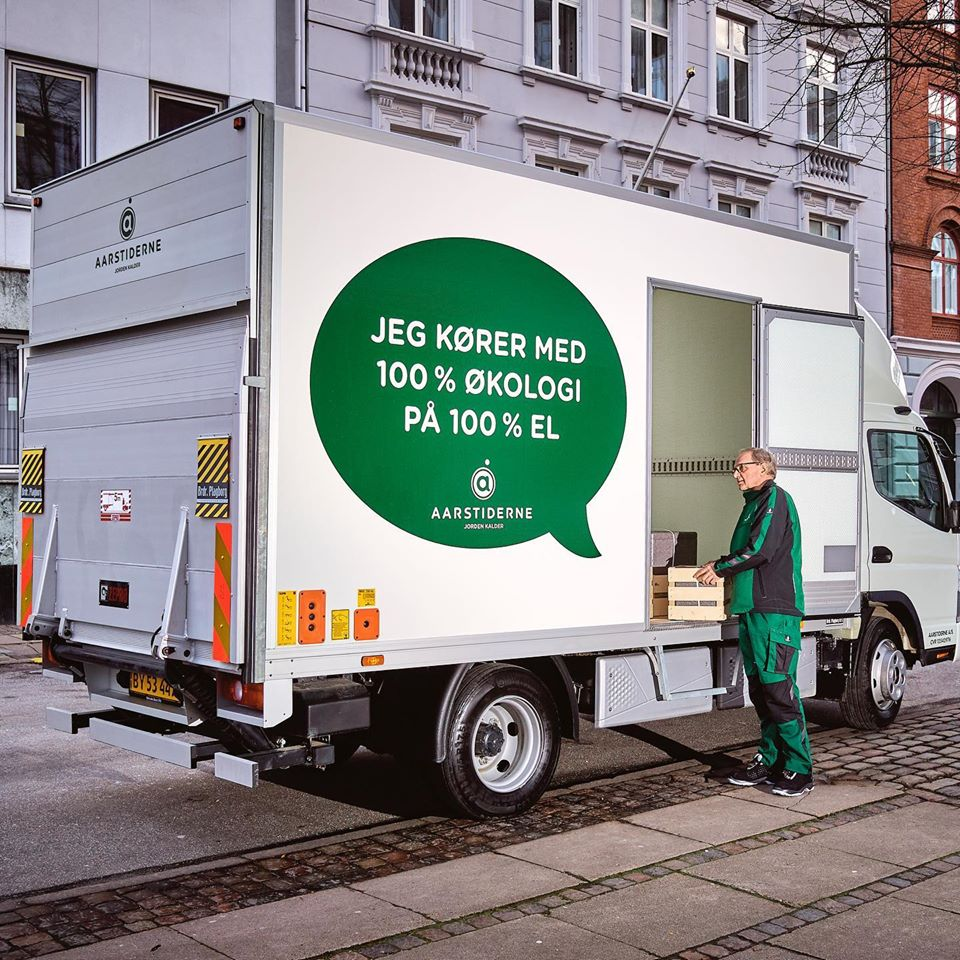
Denmark’s first electric trucks have arrived, equipped with ZEPRO tail lifts supplied by Hiab.

Both trucks, from Mitsubishi and Mercedes Benz, have ZEPRO ZLU-75-110 SA installed and were delivered at an event at the government building Christiansborg in Copenhagen. The keys were handed by Denmark’s Minister of Transport Benny Engelbrecht to the two customers who will test the new trucks, Citylogistik and Aarstiderne.

The ZEPRO is a cantilever lift models for light duty trucks with GVW up to 7,5 ton and a lifting capacity of 450 and 750 kg.

The lower lift capacity 450kg model is available for relatively light duty use on vehicles where the total permitted loading capacity is lower than 750kg. The maximum lifting height is 1100 mm.

Features include:

– Available with different arm widths and lengths to fit a variety of chassis
– Durable, laser welded aluminium platforms in a wide variety of dimensions
– Large range of mounting brackets for fast and easy installation
– Tow hooks are available for most vehicle models
– The hydraulic unit can be supplied attached and pre-connected or as a separate unit for positioning during installation.


Image courtesy of Brdr. Plagborg A/S

Strapping Provider Celebrates Success of Service Capability

Two years ago, Mosca introduced a service concept that the strapping specialist say is unique in the industry. Under the name ONE Service, it offer customers globally standardised maintenance, repairs, installations and support for machine relocations.

Mosca says it has now drawn some initial conclusions about ONE Service’s effectiveness. In Germany, where over 2,000 machines are covered by maintenance contracts, there were hardly any ad-hoc troubleshooting calls. ONE Service also ensures easier planning and more reliability at the end of the packaging line, it claims.

“In an era of digitalisation and Industry 4.0, the demands on our customers’ production processes – and on our machines – are rapidly changing. This makes it all the more important for us to make sure our services are in line with customer needs and continue setting industry standards,” explains Mosca CEO Timo Mosca.

Maintenance contracts for customers around the world
ONE Service fundamentally changed Mosca’s approach to providing services. One of the key elements of the concept is the availability of customer-specific maintenance contracts around the world. This sets Mosca apart from other strapping industry manufacturers, it says. “The standard used to be that customers call for service when there’s a machine failure. These kinds of situations need to be resolved immediately – which can be very stressful for the technicians as well as for customers, who can’t afford downtime on their lines,” says Michael Raule, Head of Technical Service at Mosca.

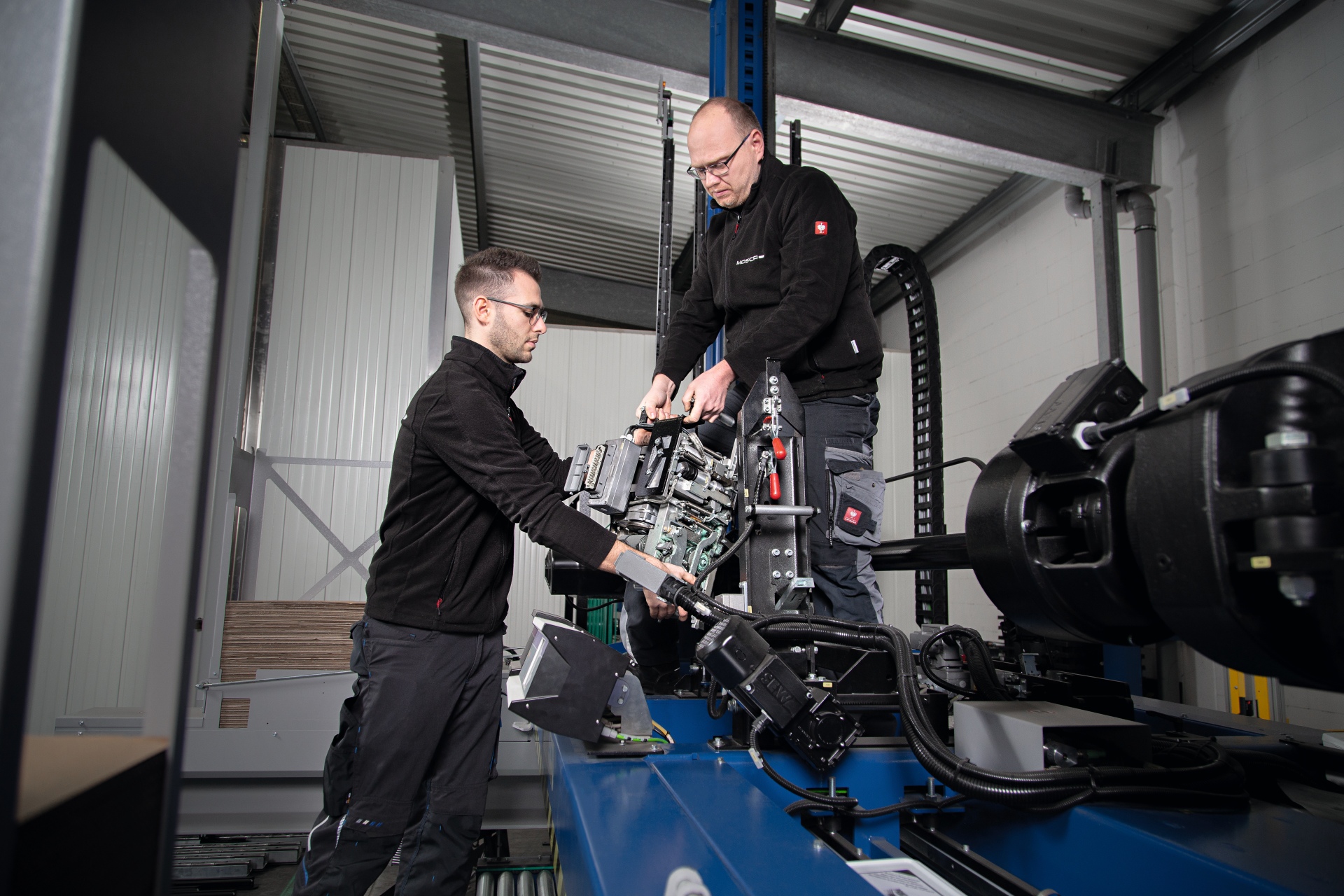
Today, when Mosca service technicians visit customers, there is rarely any pressure or stress. More than 2,000 machines are covered by Mosca maintenance contracts and are checked once or twice a year in line with ONE Service benchmarks. “We are now working worldwide with standardised maintenance plans and checklists. This way, we know exactly when and where each machine needs to be checked and which parts are required – and are able to routinely detect signs of wear and prevent potential damage,” explains Mosca Service Technician Andreas Bulling.

Easier planning and more transparency for Mosca customers
For Mosca customers, ONE Service means easier planning, more reliability and more transparency. “Customers that have a maintenance contract with Mosca know about maintenance procedures from the start. We remind them when maintenance is due and send them maintenance kits before the scheduled appointment,” Michael Raule explains. This makes service calls quick and easy. Mosca technicians appreciate the regular contact with customers. “ONE Service changes the way we work together and promotes more direct communication,” says Andreas Bulling. “We can give our customers more in-depth support, help them set up their machines, and listen to their feedback – which benefits both sides!”

Breakdowns are rare
Thanks to regularly scheduled service appointments, strapping machines operating in Mosca customer packaging lines are reliable and stable. And if something goes wrong, Mosca technical services are available around the clock. “In addition to our maintenance technicians, we have field-service technicians on duty. These specialists are never far away from the customer and can be on-site within 3.5 hours in an emergency,” says Michael Raule. The technicians go on the road with a standardized set of parts and are optimally equipped to solve problems on the spot – and ensure Mosca machines deliver maximum performance at all times.

“In many cases, our experts don’t even need to go out on the road,” Raule adds. Mosca has also expanded its remote support as part of the ONE Service concept. Service technicians can start troubleshooting via remote control. “We can generally handle acute malfunctions via remote maintenance. This saves time and resources for us and for the customer.”

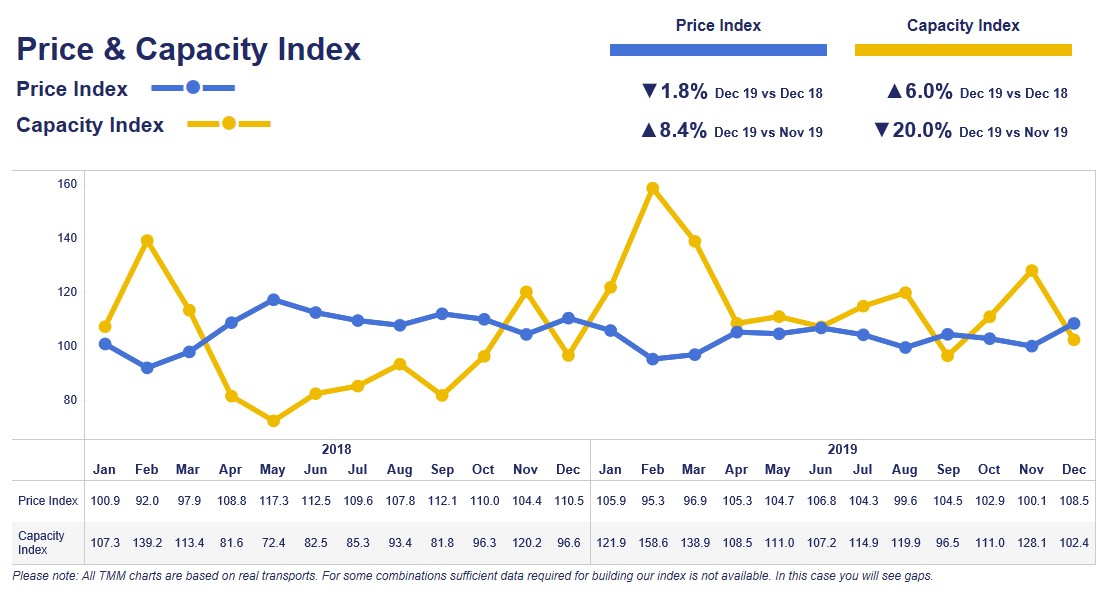
Transport Market Monitor Confirms Sharp December Capacity Decline

By the end of 2019, the short-term available transport capacity fell by one fifth, according to online evaluation service Transport Market Monitor (TMM). The significant decline in capacity caused transport prices to rise by more than eight percent in December compared to the previous month.

The online service is provided by Tim Consult based on real transport data from the spot market of the Transporeon platforms.

Overview of the relevant developments in December 2019 were:

• In December the capacity index fell from 128.1 to 102.4 index points (-20 %) compared to the previous month. Nevertheless, the short-term available capacity for road transports was six percent higher than in December 2018.

• The transport price index rose to 108.5 index points in December, which corresponds to an increase of 8.4 percent compared to the previous month (index 100.1). However, transport prices were 1.8 percent lower than in December 2018.

• The diesel price index increased slightly compared to November (+0.7%).


Subscribe

Get notified about New Episodes of our Podcast, New Magazine Issues and stay updated with our Weekly Newsletter.