Swiss Conveyor Specialist Avancon Builds System for Samsung in South Korea

Swiss conveyor specialist Avancon has teamed up with South Korean system integrator Asetec to build a logistics centre for Samsung.

Asetec is a specialist in electronic control systems, Pick-to-Light and communication with higher-level BUS / IT systems. The centre built with Avancon focuses on Samsung’s small units – like the new Galaxy Note 10 – as well as larger boxes and other products. The requirements for this sorting and distribution system included very short delivery time, tight space restrictions, operator safety and  fast handing times with gentle handling of high value products.

The Avancon team and the Asian managing director, Hyunmin Park at Seoul/South-Korea, were under intense pressure as this complex sorting system had to be produced within four weeks.

“With our partner, integrator Asetec Co. Kr in Seoul, and Samsung’s logistics managers, I had many discussions, conferences, meetings, phone calls, and emails. The question was how this system could be accommodated in the existing space and how 30,000 cartons per day could there be quickly distributed to 28 destinations. We discussed different layouts,” reports Hyunmin Park, “Then we all visited at Hanmi Pharmaceutics the Avancon order picking system, which has been in operation for more than a year. The decision-makers and employees of Samsung were able to see and feel this beautiful system life. They were convinced of the sleek, streamlined design and the efficiency. So we got the job.”

It was not easy to get the engineers and technical director at Avancon Headquarters in Switzerland to produce everything within this short time. Hyunmin Park and Asetec then had to make sure that the system was quickly installed and tested.  There was not much room between the 28 electronically controlled chutes, but the true plug-in concept and the simplicity of the control system based on the famous ASi fieldbus enabled Avancon and Asetec to meet Samsung’s requirements.

The Avancon concept was not only much more economical, but also quieter and of superior design compared to other possible solutions such as the crossbelt sorters, shoe and tilt tray sorting system. If it is fast enough, it is an inexpensive alternative, says the company.

Awards Nod for Yale Precision Control Tiller Head

Yale Europe Materials Handling is celebrating being selected as a finalist in the Ergonomics and Innovation categories of the Fork Lift Truck Association (FLTA) Awards for Excellence 2020.

Designed with specific customer challenges in mind, the Yale precision control tiller head is built around the operator’s needs. The ergonomic handle allows full command of the truck’s functionality, with the operator’s hands in a natural vertical position. With the tiller arm fully upright, the truck can be operated in the most restricted space for maximum manoeuvrability, and yet still provide great operator visibility.

“We believe that it’s important to design our products around the people who will be using them in order to maximise operator productivity. Delivery drivers face challenges every day getting product from trailer to store and one of the main challenges is space – this was at the forefront of the design process for the Yale precision control tiller head,” said Iain Friar, Yale Brand Marketing Manager.

With the tiller arm upright, the operator has full command of the truck’s functionality, allowing for maximum manoeuvrability and optimum visibility. Auxiliary traction activation, traction interlock, composite housing for controls, fork lift and lower buttons, and a throttle switch for speed control give the tiller head an innovative handle.

The ‘Archie’s awards ceremony takes place at The Hilton Metropole at the NEC Birmingham on 21st March 2020, where the winners are presented with a trophy statuette of Archimedes.

Yale has achieved previous success at the well-respected ceremony, having won awards in the environment, safety, and ergonomics categories.

Forklift Attachment Specialist to Exhibit at UK Concrete Show

B&B Attachments, the UK’s leading specialists in the design and manufacture of bespoke forklift truck attachment solutions, will exhibit its K320, PowerMount and FBH05 Beam Grab attachments from its BlockMaster range on stand 40 at the UK Concrete Show (March 25-26, 2020, NEC Birmingham).

Celebrating its tenth anniversary this year, The UK Concrete Show has grown to become Europe’s largest specialist concrete event and is attended by key buyers and industry professionals from all over the world. This year visitors will see both live in-hall and outside demos, as well as experiencing everything that is new in the world of concrete from the top names in the industry.

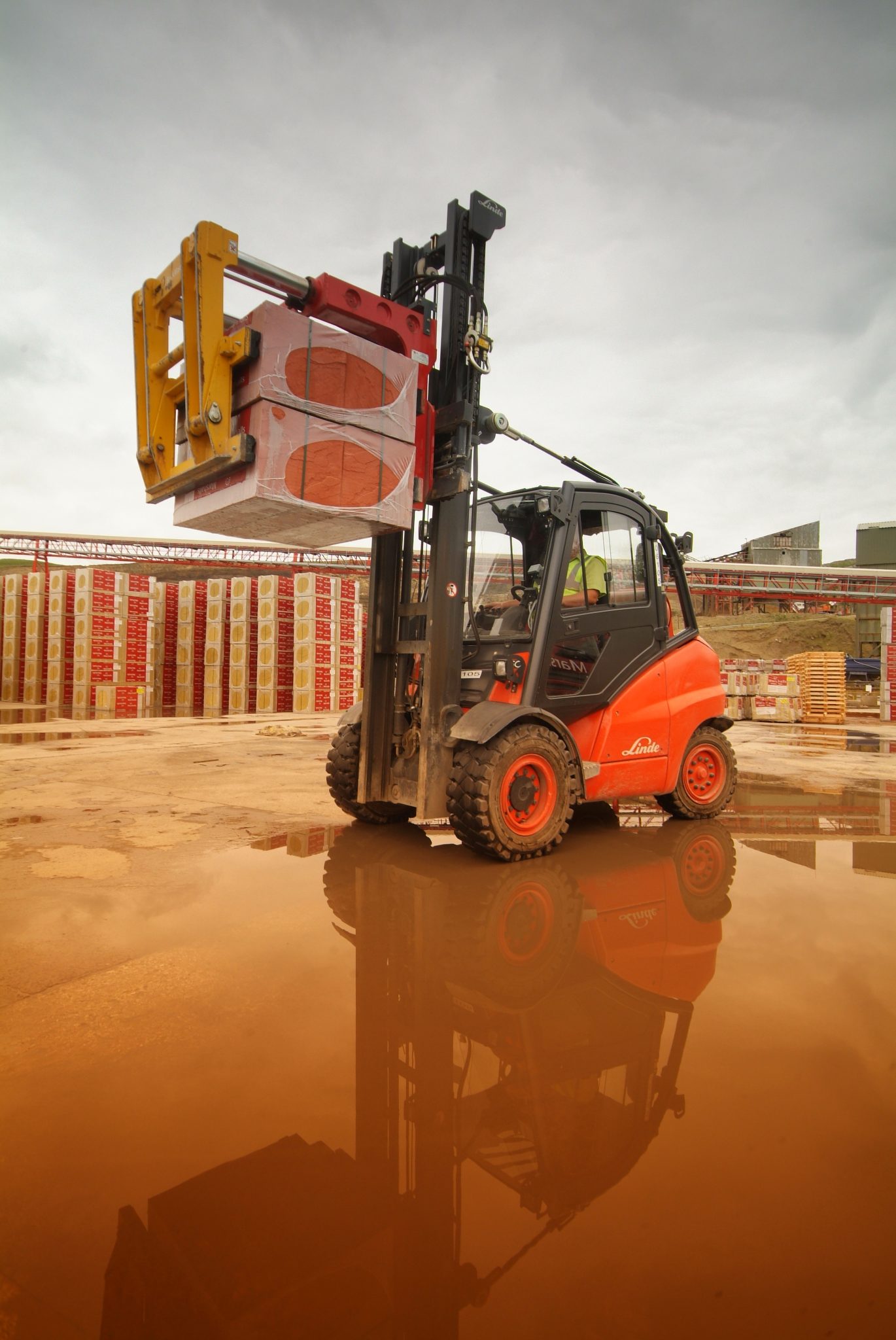
This year B&B Attachments will exhibit its popular K320 forklift attachment which is part of the sought after BlockMaster range, made uniquely for specialist applications within the construction industry.

The K320 attachment is rated at 3200kg and is ideally suited to yard work and loading. The attachment offers excellent durability, performance and maximum productivity when handling up to two block packs or multiple kerb loads at a time.
The PowerMount quick release system shown together with the K320 attachment, enables a quick change from one hydraulic attachment to another in just 90 seconds, without the need for an engineer or any tools. It allows one forklift truck to use several attachments, providing the best possible utilisation of a forklift fleet.

B&B Attachments will also exhibit its FBG05 Beam Grab. This attachment has been manufactured by B&B to assist in the unloading process of floor beams. Designed to fit crane delivery vehicles, the beam grab can lift anything from two to six beams of varying sizes in one single lift.

The B&B team of specialist staff will be on the stand, offering years of industry knowledge and advice to help you solve any material handling task. Visit B&B’s stand 40 to find out how efficient material handling can transform your operation. Book an appointment today with one of B&B’s specialists by e-mailing in**@**************ts.com

Imperial Scraps Palletways Deutschland and VTL Merger

The planned merger of the networks of Palletways Deutschland and the Vernetzte-Transport-Logistik (VTL) general cargo cooperative has been scrapped.  “We were forced to recognise that we were unable to reconcile the interests of both sides in some major detailed issues,” says Abraham Garcia Martinez, Managing Director of Palletways Deutschland.

“Unfortunately, we’ve not succeeded in reaching agreement about the underlying conditions for a new, common network structure,” said Hakan Bicil, CEO of the International Division of Imperial Logistics, which owns Palletways. “The German general cargo market is a core element in the European growth strategy at Imperial. We’ll invest in the German market in future too and expand our market position in the express freight division by continuing to develop products and services and making sensible acquisitions.”

The proposed move was mooted last June, with Palletways set to take a 20 percent minority holding, with a view to taking a majority holding further down the track.

“Palletways Deutschland remains part of the European growth strategy at Imperial Logistics,” added Bicil.

Witron Embarks on Biggest-Ever Single Integration Project

Systems integrator Witron is carrying out the largest single project in its company history to date.

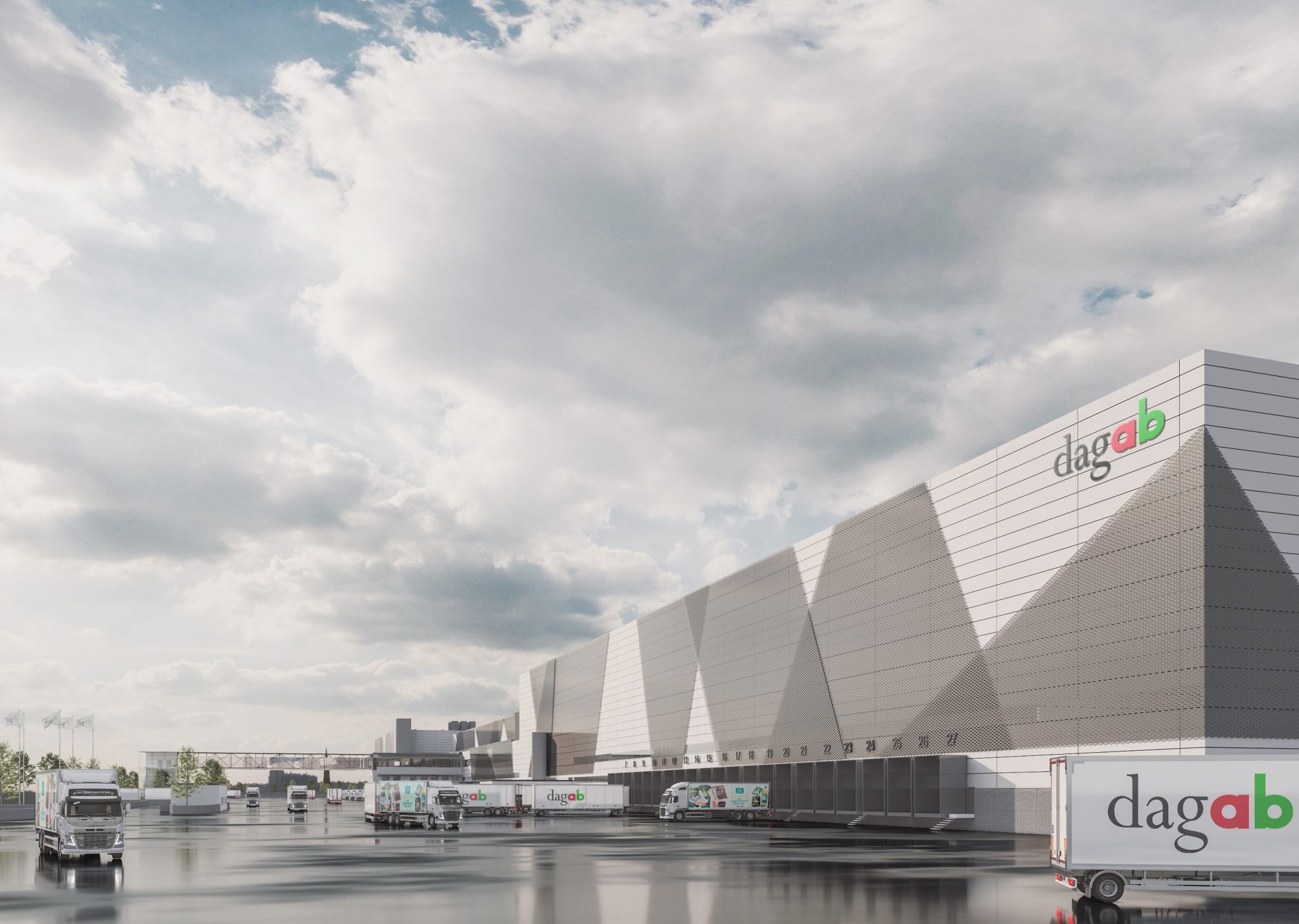
By the end of 2023, the Parkstein-based firm will have implemented a highly automated logistics centre of more than 100,000 square metres / 328,000 square feet for food retailer Axfood near Stockholm. The warehouse will handle picking and deliveries to Axfood’s stores as well as to online customers and will coordinate large parts of the logistics operations for the Stockholm area as well as areas to the north, which today account for approximately 60% of Axfood’s volumes. The temperature zones range from +25 degrees Celsius to minus 26 degrees Celsius. The system is designed for a daily pick capacity of approx. 1.6 million pick units. The order value amounts to €240 million.

“The Omni-Channel solution designed by the family-owned company Witron allows us to have a flexible, efficient, and sustainable supply chain – both for the store-friendly supply of our stores and the fast-growing online food business. With this investment, we are taking a big step towards the future together with Witron and are strengthening the competitiveness of the entire Axfood family”, says Klas Balkow, President and CEO of Axfood.

1.6 million pick units per day

On a peak day, the Case Picking Systems OPM (Order Picking Machinery) and CPS (Car Picking System) as well as the Piece Picking Systems AIO (All-In-One Order Fulfilment), DPS (Dynamic Picking System), and OPS (Order Picking System) pick almost 1.6 million units.

Depending on the respective distribution channel, the goods are delivered using a wide variety of different load carriers: store-friendly packed pallets and roll containers, deep-freeze containers, totes, delivery boxes, environmentally friendly paper bags. Innovative algorithms for every store or online order ensure an efficient consolidation from different product and temperature zones as well as a space-saving stacking onto or into the optimal shipping container.

Buffer ensures highly-efficient outbound and dispatch

The fully automated shipping buffer plays a decisive role in the closely linked and highly integrated Axfood DC. On the one hand, it significantly reduces the amount of required space and the number of staff in the dispatch area. On the other hand, the shipping buffer intelligently connects and decouples order picking with the shipping area in terms of “excellence operation”. Thus, all shipping units are made available for loading in the dispatch area by means of stacker cranes and heavy-duty lanes – “just in time” sorted by routes and stores, in the optimal trailer loading sequence, and taking into account storage space utilization. Thanks to the dynamic storage of the picked customer orders in the shipping buffer, picking can continue even in highly dynamic phases, where no loading takes place, without the dispatch zone being overfilled and vice versa: loading is possible even if there is no order picking.
The provision of E-Commerce orders for shipping was also elegantly solved. Here, the totes are sorted and stacked fully automatically by a route sequence buffer immediately after picking so that the employee in the dispatch area can load them into the respective trailer according to the tour and sequence.

Lifecycle partner

As a lifecycle partner and general contractor, Witron develops all IT, control, and mechanical components. The impressive facility with a length of 570 m / 765 yards, a width of 180 m / 196 yards, and a height of 34 m / 37 yards will provide more than 700,000 storage locations and integrate 200+ stacker cranes, connected by a 30 km / 18 mile long conveyor network system. A Witron OnSite team responsible for the system operation, maintenance, and service ensures a permanently high availability of all components and processes around the clock – 365 days a year.

The logistics centre will be controlled by a multi-functional Warehouse Management System including open interfaces from the WMS to the customer’s supplier systems, route scheduling systems, and sales systems. “Smart data, a “digital twin”, as well as an “intelligent control station” support the logistics staff in making decisions and optimally operating the system.

End-to-end supply chain intelligence

Today, it is no longer sufficient for only the logistics centre to be economical, efficient, and flexible. The project must be successful in an “end-to-end” way. Due to the complexity of the tasks – supply of all distribution channels from one logistics centre, extremely dynamic business processes, very high throughput both in the store and digital business – an integrated supply chain intelligence is required that optimally integrates the DC into Axfood’s entire logistics network – internally and externally – as well as vertically and horizontally. From the supplier, over the logistics centre and the transportation to the stores or home delivery”, explains Jack Kuypers, Witron’s Vice President for the North West Europe sales region. “This requires an exact understanding of the customer’s processes – both the store and online business. Based on this foundation, Axfood’s project goals – high cost-efficiency, high delivery reliability, best delivery quality, and assortment expansion – can actually be implemented as “end-to-end”.

Hybrid model cost-efficiency 

“But the end-to-end integration is only one of the goals – it is as least as important to operate the two business channels, store and online, cost-efficiently. And that’s exactly what this hybrid model will do”, emphasizes Kuypers. “The result is a multi-functional logistics node that can be used with the same technology, the same workforce, and the same fleet of vehicles to handle both store and online business”.

The result for the customer is a increase of cost-efficiency and sustainability. “Efficient logistics through high transparency, order consolidation, efficient transport routes through network and route effects. The same goes for flexibility in case of sales fluctuations in the various distribution channels, real-time reaction to changes of the internal and external frame conditions, resources in terms of staff and machines”, adds Jack Kuypers to the numerous benefits.

“It feels right to be working with Witron on this project”, says Nicholas Pettersson, President of Dagab, Axfood’s procurement and logistics company. “Because Witron is an established and strong partner who not only has the necessary know-how to successfully implement such a project in this dimension. Witron also lives a corporate culture that fits very well with our culture – and I believe that this is a decisive success factor in the implementation of such a demanding logistics initiative. Technology and culture must fit together”.

Label Printer Specialist Interket Hires Strategic Development Head

Danish-based label printer the Interket Group has hired Ursula Fredriksson as Head of Strategic Development, a newly created role. With five European sites located in Denmark, Holland, Germany, Sweden and the UK the label printer is set to embark on a new strategy that will it says will combine the strengths of the self-adhesive label operations to firstly consolidate, and then expand their print capability and labelling portfolio.

Interket offers everything from coating its own materials to printing and die-cutting both on-reel and sheeted office products. Group CEO Carl E Parkander said: ”Ursula joins us at a pivotal time for the business. As we experience a technological and environmental revolution in our industry it is important we understand how the label printing and packaging world will look in 5, 10, 20 years’ time.”

It is understood Fredriksson will initially focus on developing markets such as traceability and security where Interket have been very successful during recent years. She has managed projects for award-winning public transport technology company Icomera and numerous change management initiatives for the Pharma Packaging Specialists Eson Pac both located in Scandinavia.

Interket serves a wide range of sectors across Western Europe including; manufacturing, security, logistics, chemicals, dairy, food, beverage and horticulture.

Lithium-Ion Flexi Trucks Boost Cold Store’s Efficiency

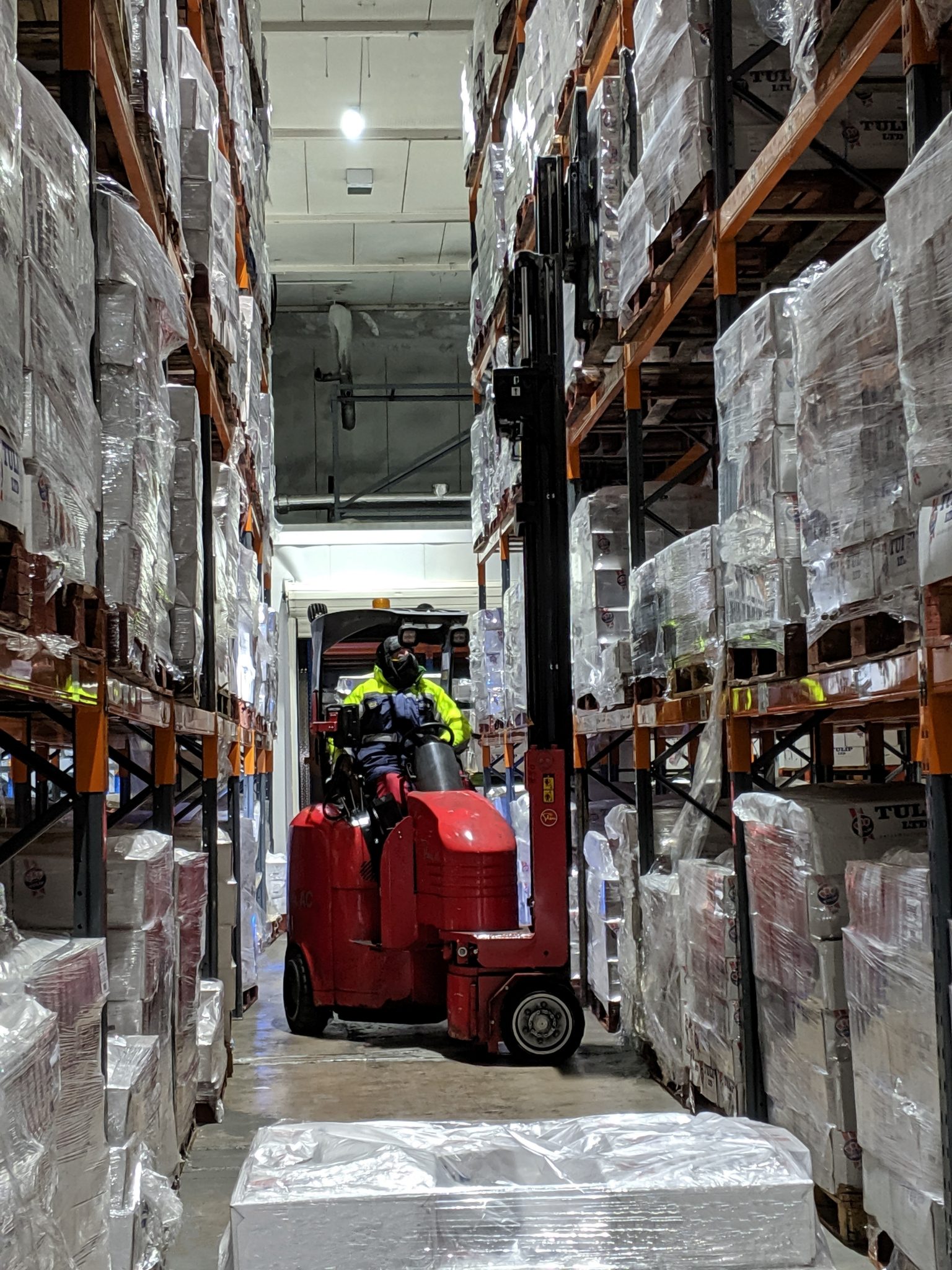
Third party multi-temperature warehousing and logistics network, Norish, has introduced lithium-ion battery-powered Flexi articulated VNA truck technology at its cold store facility at Brierley Hill in the West Midlands, UK. The company, which has used Flexi VNA trucks throughout its business for some 15 years, opted to replace the lead-acid battery-driven Flexis that had been in operation at the facility with new models from the Flexi LiTHiON range.

The fully integrated Flexi LiTHiON’s lithium-ion power system requires zero maintenance and no battery changing to deliver extended multi-shift availability – making the Flexi LiTHiON the ideal solution for modern temperature-controlled stores. One of the key benefits that the switch to lithium-ion technology has brought to Norish is the fact that the Flexi LiTHiON machines do not require battery changes – the lithium-ion power source is recharged while the operator is taking one of his or her regular breaks from the cold store. This not only maximizes truck uptime but significantly reduces the requirement for Norish to allocate valuable floor space within the building to a dedicated spare battery charging and changing bay. When it comes to battery management the Flexi LiTHiON monitors the battery function constantly and reports the battery status in real time, while water topping-up is not required, which means that the type of health and safety issues that can arise if liquids are spilt during the traditional lead-acid battery charging process, are eliminated.

State of the art collaborative robotic – or ‘cobotic’ ¬- digital technology controls all of the Flexi LiTHiON’s drive, hydraulic and power-steering functions and ensures that the trucks are able to perform at full power across multi-shifts at Norish’s Brierley Hill store with no drop off in performance levels. In fact, the Flexi LiTHiON’s combination of fully integrated ‘cobotic’ digital motor technology and lithium-ion power is so effective when it comes to eliminating wasted power, that truck availability is typically increased by 25 per cent every day.

Delivery vehicles containing a wide mix of meats, sea food and raw ingredients from the UK and around the world arrive at Norish’s Brierley Hill site throughout the day and are unloaded within sealed loading docks by powered pallet trucks before being collated within a marshaling area.
Full pallet loads are then collected by the Flexi LiTHiON trucks and delivered directly to the allocated cold store chamber where they are put away within a high-density very narrow aisle pallet rack system.

The pallet racking is controlled using a warehouse management system (WMS) that provides both pre-allocated locations for every product received at the store but also directs newly arrived chilled materials to one of the three ‘blast freeze’ zones in the store.
“Within any type of cold storage facility, it is essential to get maximum product density: the more pallets we can get into the warehouse the lower our operating and energy costs are,” says Stewart Lloyd, national engineering director at Norish. “The combination of high density VNA pallet racks and Flexi LiTHiON trucks allows us to maximise storage density and get great individual pallet accessibility,” he adds.

Implico and Brainum to Outline Future of Downstream

At the 13th Annual European Oil Storage Conference in Amsterdam, downstream IT expert Implico and tank terminal cloud technology specialist Brainum will give an outlook on an interconnected downstream future. Thomas Fahland (above), Head of Solution Management at Implico, and Martin Keulemans, Managing Director of Brainum, will enter the stage on Wednesday, January 22 at 12.15 pm. Their joint speaker track is titled ‘Supply Chain United – your digital, automated and connected platform’.

Implico and Brainum merged in December 2019, combining their industry expertise and innovation programs. Together, the companies aspire to expand and strengthen their position as thought leaders in the digitalization of the oil and gas sector. They work towards a connected downstream supply chain, enabling all-new services, technologies and partnerships. The key to achieve this is an architecture of shared cloud solutions and easy-to-use web services. This enables efficient business processes and high-value cooperation along the supply chain. On stage, Fahland and Keulemans will introduce the new concept of the “Supply Chain United” and lay out the potential it bears and the impact it will have. One vital element of it, which the two speakers will introduce, is a fully cloud-based terminal management and automation system for liquid bulk terminals – a first in the industry.

Thomas Fahland (above), Head of Solutions Management at Implico, explains: “The downstream industry develops rapidly fast. To use its momentum for their advantage, oil companies must be agile, open-minded and brave. They must embrace the idea of close collaboration along the entire supply chain, lifting synergies and forming partnerships for mutual gain. The cross-company ‘Supply Chain United’ will provide the optimal environment for this.”

The 13th Annual European Oil Storage Conference takes place at the Hilton Amsterdam on January 22-23, 2020. Implico and Brainum are official sponsors of the event.

Hyundai Europe Names New Managing Director

HCEE (Hyundai Construction Equipment Europe) has named Sungwoo (SW) Lee as the new Managing Director with immediate effect. With over 20 years of service at the Hyundai group, SW Lee brings a longstanding international sales career to Europe. SW Lee replaces mister J.H. Chun who will return to Korea where he will lead the international marketing team of HCE (Hyundai Construction Equipment).

Mr. Lee brings with him good knowledge of the European set-up. He worked as a Construction Equipment Sales Manager in the European subsidiary from 2005 till 2009, so has a good understanding of the dealer network, the European market requirements, and culture.

He will focus on a proactive sales strategy. By further growing the European dealer network, setting-up a key account management structure, and an advanced market-oriented product strategy, he plans to lead HCEE into gaining an increasingly profitable market share in the coming years.


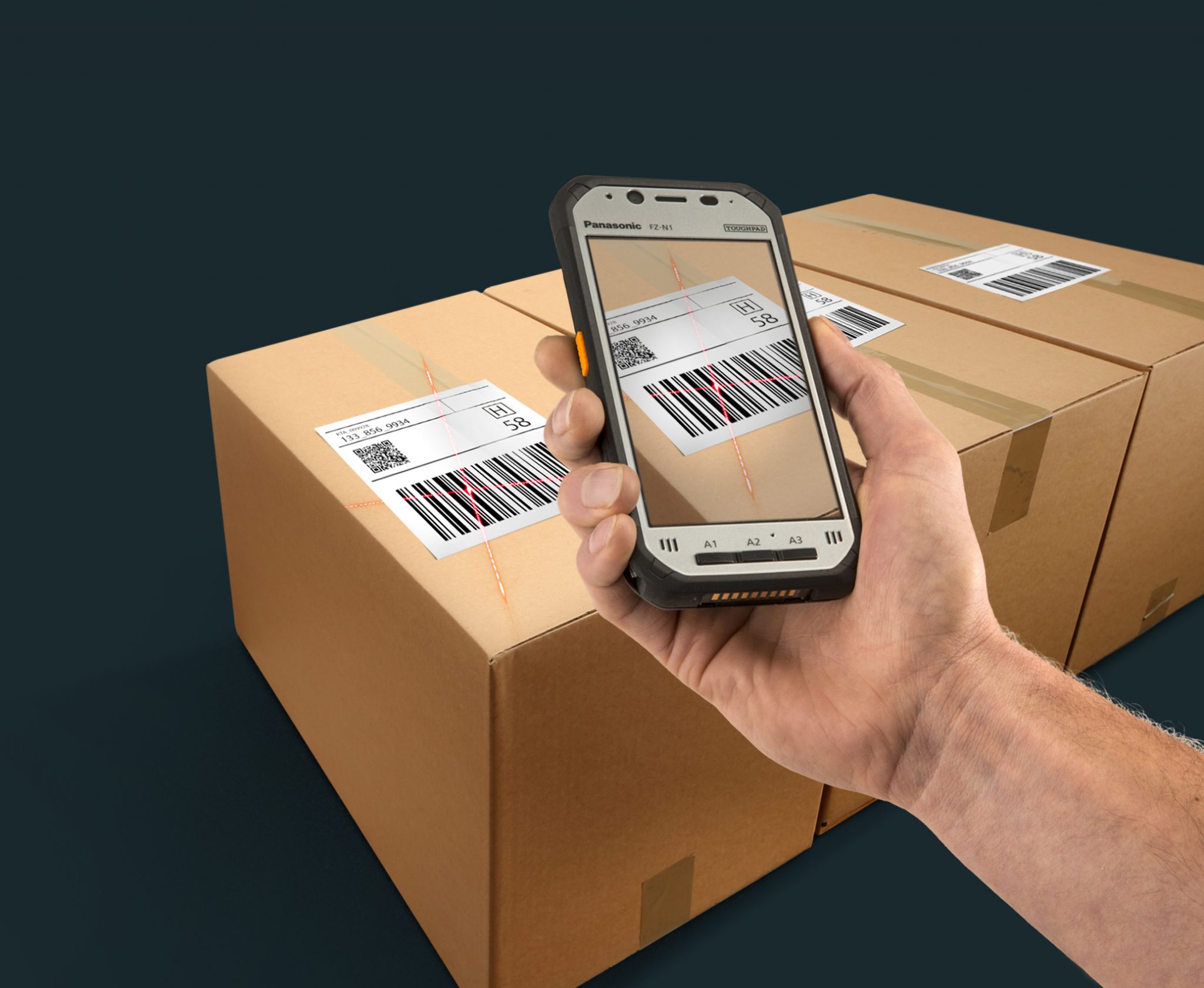
“Handheld Failures Frustrate Workforce and Cost Business” Says Research

Handheld devices with barcode readers on average fail more than 2.5 times a year and take 2.6 days to repair or replace (1), says latest research carried out on behalf of Toughbook makers, Panasonic.

Handheld mobile computing failures are frustrating delivery drivers, warehouse workers, retailers and emergency services personnel across the UK and costing business, they say.

On average over 63% of workers felt their handheld device was more prone to failure than other technology devices they used. But in this fast-paced business world, device users were certainly not treating their handhelds with kid gloves. Workers reported device damage was caused by a wide variety of issues from drops and spills, to being left in freezing or melting hot conditions to being run over by vehicles!

Problem caused by:               

Device dropped                                     45%

Left it in a hot place                               20%

Just stopped working                            40%

Dropped in water                                   12%

Run over by a vehicle                            8%

Spilt liquid on device                             16%

Left in a cold place                                7%


The most frequent damage from these accidents varied from battery, button and touchscreen issues to bar code reader failure.


Top reasons for failures were:

Battery problems                                   39%

Touchscreen issues                              32%

Device stopped working properly            24%

Broken screen                                      22%

Buttons stopped working                       15%

Bar code reader failure                          24%


Even when their devices were operating effectively, mobile workers still found them frustrating. The most annoying things about their handheld device were:


Slow or inaccurate bar code                   16%

Unable to use wearing gloves                18%

Too heavy                                            15%

Poor battery life                                    18%

Poor screen sensitivity for signatures     10%


The top design improvements they would like to see made to their handheld devices were:


Anti-scratch coating                              30%

Hand or shoulder strap                          28%

Heat reflective coating                           18%

Easier to clean                                      21%

Hot swap batteries                                22%

Camera                                                17%


And if these improvements were made and they had their perfect handheld device, workers promised huge increases in productivity as a result. Workers estimated that they would be 39% more productive on average.


Jan Kaempfer, General Manager of Marketing for Mobile Solutions Business Division – Europe, said: “There can be no doubt that mobile workers are feeling the frustrations of working with their current handheld mobile computing devices. As well as demotivating the workforce, these issues are having a huge cost and customer service impact on the businesses they work for.”

“The pressures are high in the business sectors where these bar code scanning handheld devices are used because every second counts. The work environment is also often difficult and exposed, which has an impact on the number of device accidents and failure rates. As a result, it is more critical than ever that technology buyers understand the device design factors that will have the biggest impact on their workforce and their business  – ergonomic design, rugged protection and technology differentiators like hot swappable batteries and daylight visible screens.”


A full copy of the Handheld Troubles research executive summary can be found here.

[1] Based on a sample of 250 UK device users

Subscribe

Get notified about New Episodes of our Podcast, New Magazine Issues and stay updated with our Weekly Newsletter.