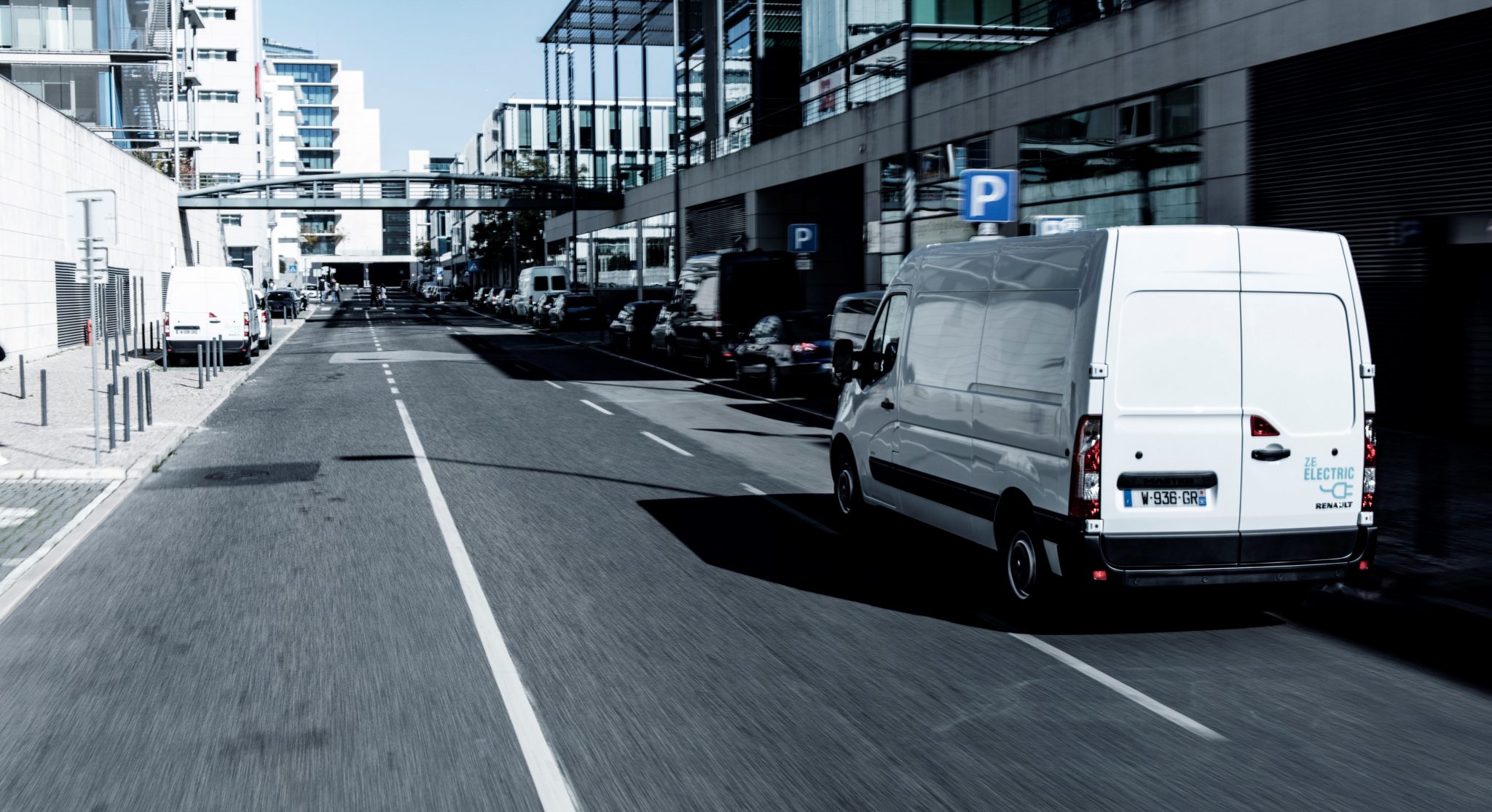
IAA Commercial Vehicles 2020 Cancelled

IAA 2020 has joined the huge roster of shows cancelled due to the current global crisis. In a statement, organisers VDA said:

“The IAA Commercial Vehicles is the world’s leading platform for transport, logistics and mobility. As a global meeting place for experts and decision-makers from the entire transport and logistics sector, its strength is its international range of both exhibitors and visitors. Direct personal contacts are at the heart of the show.

The health risks of the Covid-19 pandemic and the measures taken to contain it have fundamentally changed the backdrop for the IAA Commercial Vehicles. The Covid-19 pandemic has indeed shown the general public very clearly just how essential commercial vehicles are for maintaining public food supplies, but it is having an unprecedented impact on business in the sector and also the IAA.

Many countries have travel restrictions that will remain in force for several months to come. Large events have been prohibited over the coming months in nearly all European countries. Given the situation with the corona pandemic, face-to-face meetings can no longer be held at a trade fair and particularly at the IAA.

Against this background, the VDA has decided to cancel the IAA Commercial Vehicles 2020 that was to be held in Hannover from September 24 to 30. It was a difficult decision to make. Yet in view of the overall situation in Europe and around the world, we do not see any possibility of holding the IAA this year in its familiar form as a platform for exhibitors and visitors.

The VDA has already informed the many exhibitors who had registered for the IAA 2020 of the decision, along with all the service providers, Deutsche Messe AG, and all political and business partners. The exhibitors and service providers have been informed of the cancellation at this early stage in order to keep the economic consequences for the companies to a minimum. The next IAA Commercial Vehicles will take place in September 2022.”

Konecranes to Deliver AGV Fleet to Long Beach Container Terminal, USA

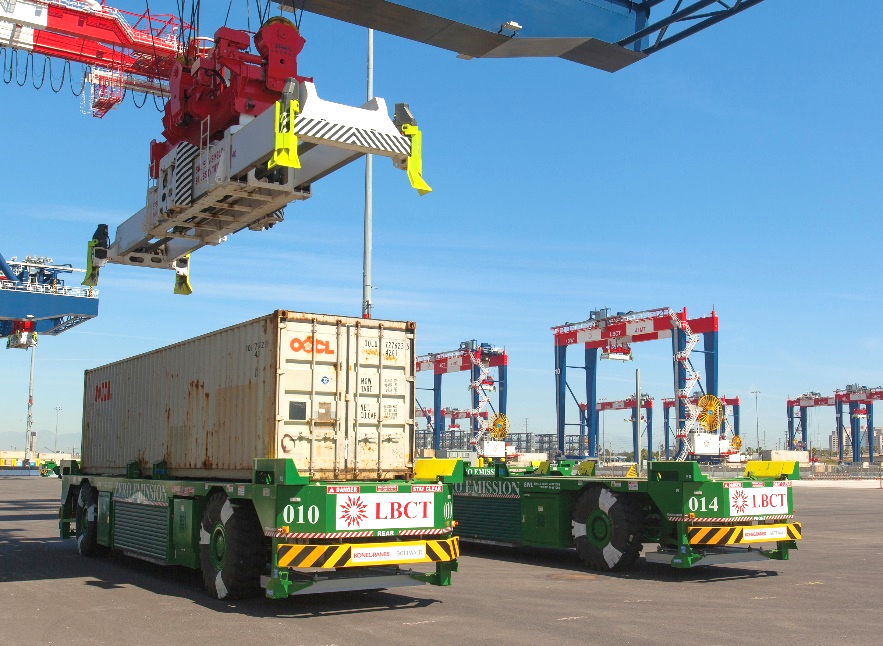
Konecranes has signed a contract with Long Beach Container Terminal for 30 additional Konecranes Gottwald Automated Guided Vehicles (AGVs) which will be delivered in Q4 2021 and commissioned by Q2 2022. The order, which was booked in March 2020, reflects the growing momentum behind Konecranes’ path to port automation approach.

Long Beach Container Terminal (LBCT) currently operates a fleet of 72 lead-acid, battery-driven Konecranes Gottwald Automated Guided Vehicles (AGVs). The 30 new AGVs will greatly expand LBCT’s current, complete system which includes a Battery Exchange System (BES), transponder navigation and a fence control safety system. It was delivered turn-key, completely integrated in advance.

In a separate order, Konecranes will provide pre-engineering for a second BES that will be installed for redundancy reasons as part of the final phase of the terminal’s construction. It will have an improved design resulting from operational knowledge drawn from the initial BES.

Ari Rämö, Region Americas Sales Manager, Konecranes Port Solutions, said: “This order from LBCT is a strong vote of confidence in our Automated Guided Vehicle technology and its long-term viability in terms of constantly improving eco-efficiency and productivity.”

Anthony Otto, President of LBCT LLC, states: “LBCT is very pleased with the performance of our first fleet of AGVs. We will now be increasing this fleet as part of the completion of the final phase of the new terminal’s construction currently underway and scheduled to be finished in Q1 of 2022. Konecranes has been a fantastic partner and this additional purchase is a reflection of our confidence in their dedication to our partnership going forward.”

LBCT uses the TEAMS Equipment Control System (ECS) from TBA Group to manage travel orders, optimize routes, and avoid deadlock situations in the operation of the AGV fleet. This system will be updated to reflect the expanded AGV fleet and its expanded operational range.

This contract with LBCT is part of Konecranes’ path to port automation, where container terminals improve productivity and safety in manageable steps. The path to port automation applies to all container handling equipment brands. Full automation can be the final goal but it doesn’t have to be. Flexibility is the key.

Industry View: “In Fulfilment, the Mothership Should Play the Central Role”

Witron North America CEO discusses central warehouse v. micro fulfillment:

Karl Högen knows the question too well: “What does Witron do in the area of micro fulfillment?” More and more customers from the US, Canada, but also in Europe ask him this question at industry events or they pick up the phone and call him. The competition pushes the topic. “I understand the customers. Everyone is looking for a solution for their e-commerce business, but I do not believe in efficient automation in the store or in a small warehouse for e-commerce goods. Rather, the mothership, the central warehouse, must become more intelligent and play the central role. For the foreseeable future, robots will not be able to pick tomatoes in the store in an economically viable way.”

An automated small warehouse behind the sales shelves is not economically viable to operate and maintenance and servicing alone makes it unprofitable for most companies. In addition, “The employees would have to empty the delivered pallets, open boxes, pack, store, pick and package them again. The effort is enormous and how do the stores map the peak to average?”

Processes that can be carried out cost-efficiently and flexibly in a central omni-channel logistics centre. “Leading-edge systems are optimally adapted to the complexity of the tasks and offer maximum agility: Supply of all distribution channels from one logistics center, changing business processes, very high throughput in both the store and digital business. In addition, they have end-to-end supply chain intelligence that optimally integrates the DC into the customer’s entire logistics network. Symbioses are used – master data, inventories, transport routes, etc. – internally and externally – vertically as well as horizontally. From the supplier, to the logistics centre, via transport to the store or to the end customer. And at the same time, this is a sustainable future solution where surplus goods and waste are significantly reduced by bundling them in a central logistics center”, explains Karl Högen in detail.

AIO as a solution

Didn’t Witron engineers work on an automation of the supermarket shelves ten years ago, a prototype was located in the nearby supermarket of the Witron plant!? “That was a different plan, we still have it in the drawer, but here, we are talking about the e-commerce business. We are pushing a different approach.” AIO – All-in-One is the answer from Parkstein and the first customers such as Migros in Switzerland, Axfood from Sweden or Coles in Australia trust in the solution. “We are also talking to other American and European companies.”

The approach: The All-in-One can handle store business, the delivery of orders to the stores as well as e-commerce right to the customer’s front door. The extraordinary fact about AIO is that proven basic technologies are merged to one integrated system – and thus the synchronization of different systems and multiple handling of inventories is completely eliminated. Furthermore, AIO is able to react flexibly to market changes inherent to the system. AIO can handle both store and online business. The online business accesses the same stock, but has separate packing stations. Processes that are handled in two separate sections in a conventional warehouse logistics environment and need to be consolidated extensively are covered by the system in only one integrated warehouse logistics system. The result: significant efficiency, performance and quality increase of the picking and packing processes as well as considerable investment savings. Witron heralds the end of extensive consolidation processes.

The end of consolidation

Pilot customer, Thomas Kissling, from Migros Verteilbetrieb Neuendorf AG in Switzerland, sums it up as follows: “We want scalability in the e-commerce business.” The system should grow with the customer. “Being able to breath with the daily business, react flexibly to changing market volumes. Agility and scalability are the central keywords here”. In addition, Kissling sees further benefits in automation: “Ergonomics – because physically heavy work is eliminated. Sustainability – by reducing transport costs due to optimally packed load carriers and by reducing inventories. And of course high cost-efficiency – by reducing package costs per pick”. The Swiss experts no longer need micro fulfillment.

But Högen wants to go one step further with his customers – he wants to turn his mothership, the central warehouse – into a platform. “We need to communicate more with our customer’s customer – with the store. We know the store layout, special offers, but the storage area in the store is still largely a black box for us. “We need to share data and information from the central warehouse with stores, with the carriers.” The logistics center plays a central role in the supply chain. It becomes the platform, the brain of the entire process chain.

The warehouse makes recommendations

“We continue to focus on the stores. The customer sets the pace, there will be no push warehouse. But in the future, the logistics center will make recommendations to the customer, will suggest alternatives to increase efficiency in the warehouse and delivery processes – both to the stores and to the front door”, Karl Högen is sure. “It is not about push, it is about transparency and optimal capacity utilization of the supplier, on the trailer, in the logistics center, and in the store – or in online retailing right through to the consumer”, explains Högen.

Listen to the podcast to find out what else Karl Högen is planning and how he sees the development of the North American market.

https://ideenraum.witron.de/blog/mothership-instead-of-mini-warehouse

Hiab Launches Free HiConnect Service

Hiab, part of Cargotec, announces a free version of the connected service HiConnect™, while the full, subscription version is now rebranded as HiConnect Premium.

HiConnect is a web portal that lets Hiab customers with connected equipment receive insights to improve safety and utilisation as well as keeping track of service needs based on actual usage. The information is available in real time and the portal can be accessed on PCs, smartphones and tablets.

The free version of HiConnect provides access to core features, such as a live map of the fleet, upcoming maintenance dates based on actual usage, equipment operation times and used capacity.

A subscription to HiConnect Premium provides access to more extensive data details such as fleet trends and operational insights, which gives the customer better control and visibility of their operations.

“No matter the size or sector, we want to empower our customers to be more productive, reduce unnecessary downtime and improve safety. The free version of HiConnect is a great way to provide data driven insights and benefits to all our customers,” says Jan-Erik Lindfors, Vice President, New Business Solutions, Hiab.

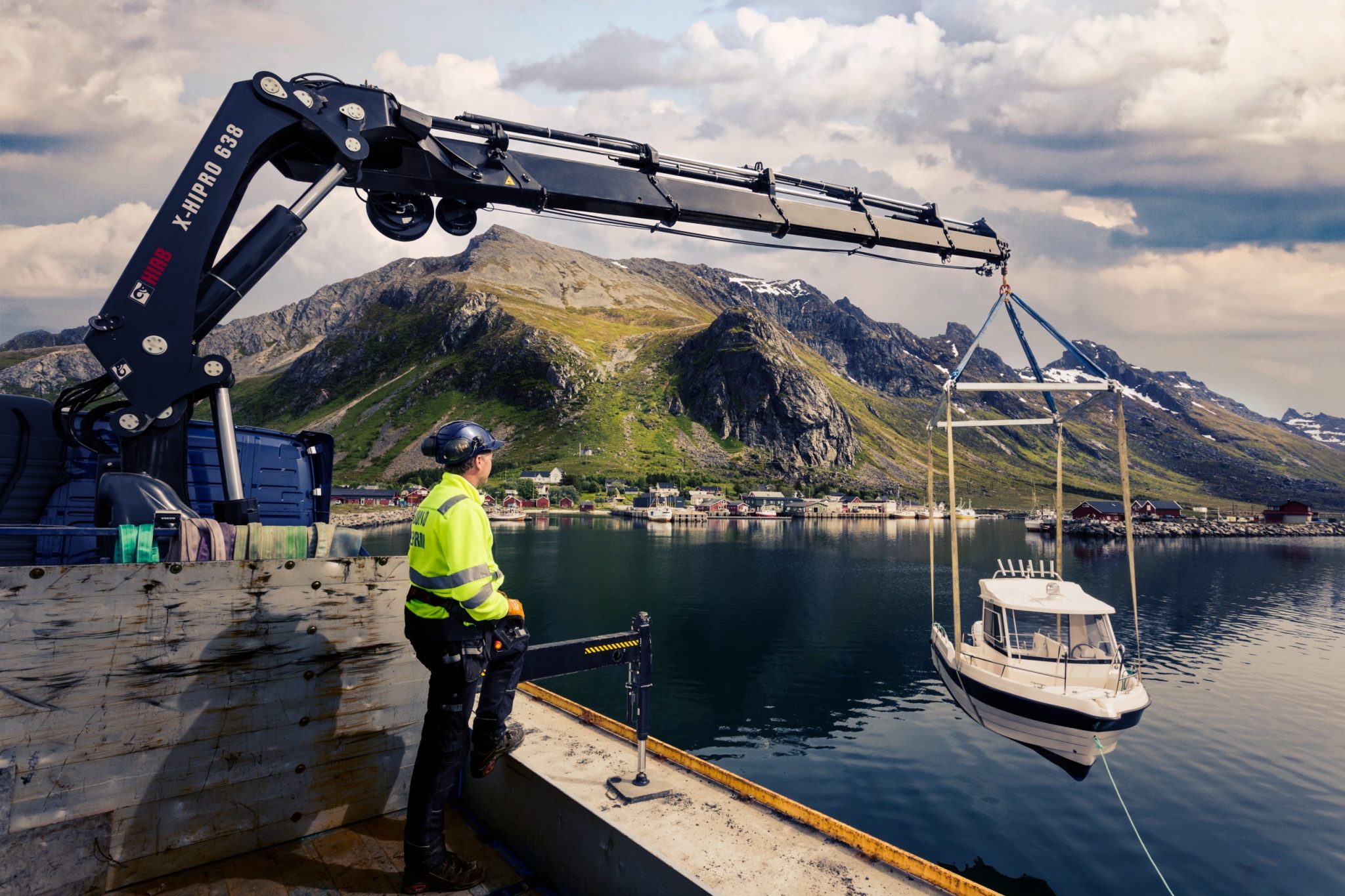
HiConnect is available for all connected HIAB loader cranes, MULTILIFT hooklifts, MOFFETT truck mounted forklifts and WALTCO tail lifts. From the second half of 2019 Hiab started to deliver connectivity as a standard feature on the majority of new equipment. Certain equipment models can also be retrofitted for connectivity.

Owners interested in starting with HiConnect can request access on Hiab’s web pages by registering their equipment or contacting their local sales representative to find out more.

Case Study: Advanced Planning & Scheduling at Leuze Electronic

By Michael Schüler, Leuze electronic, and Dr. Bernd Reineke, Abels & Kemmner

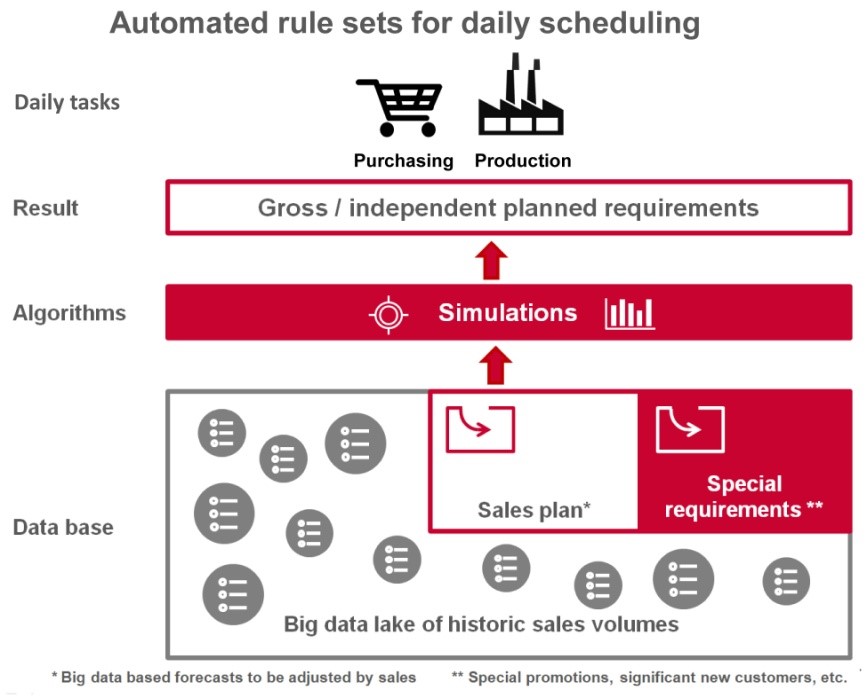
Leuze electronic no longer optimizes its purchasing and production decisions with ERP as in the past, but on the basis of the Advanced Planning & Scheduling (APS) tool DISKOVER from SCT. This provides much more accurate sales forecasts. Leuze electronic is not only impressed by the sophisticated rule sets and scheduling algorithms; working with the tool is also straightforward and extremely convenient. Management consultancy Abels & Kemmner supported the implementation.

Leuze electronic is a specialist manufacturer and provider of measuring and switching sensors, image processing and data transmission solutions, as well as components and systems. More than 1200 Sensor People at 24 locations worldwide are employed in development, production, sales and service, supported by more than 40 sales partners worldwide.

Creating a link between inventory planning and delivery reliability
Looking to optimize its high delivery readiness still further without tying up too much capital in inventories, Leuze was searching for a way to make its inventory planning more transparent in relation to the required delivery reliability. Such transparency is necessary to be able to make more informed decisions about how to adjust the degree of delivery readiness, also from a capital point of view. This is essential for sound business planning, opening up the ability to view and control inventories also from an overall enterprise perspective in line with relevant KPIs. The previously used ERP system was not fully fit for that purpose. It provided comparatively basic forecasting procedures that made it possible to establish current levels of delivery readiness and to set defaults, for example at least 95%. However, it was not possible to transparently show which materials had to be kept in stock, and in which quantities, to guarantee this readiness.

Parallel implementation of ERP and APS systems
The goal was to link the two KPIs ‘inventory’ and ‘level of delivery readiness’ more closely than in the past, and to manage them transparently. With Leuze already having decided to switch over to SAP at its company headquarters, they could certainly have used the SAP planning tool. However, as this would have proved more expensive and because of the team’s firm conviction that APS tools are overall better suited to these needs, the decision fell on the DISKOVER tool from SCT. This turned out to be the perfect solution for linking the two KPIs and simulating different scenarios based on various forecasts and safety stock levels. As a rule, this leads to smaller inventories while the delivery readiness remains the same or even goes up.

Inter-company functionality across multiple sites
The inter-company planning functions of the new APS tool were particularly attractive for Leuze electronic who use them for light barriers, barcode readers and other devices purchased from Leuze assembly, a German subsidiary based in Unterstadion. With DISKOVER, the transparent data exchange between different ERP systems wanting to seamlessly synchronize their scheduling procedures can be organized as if it were one factory. This requires support of all types of ERP systems. Leuze’s APS system has the required flexibility and integration capability as the Unterstadion site still uses InforLN.


Safety Specialist Elokon Enhances Proximity Detection System

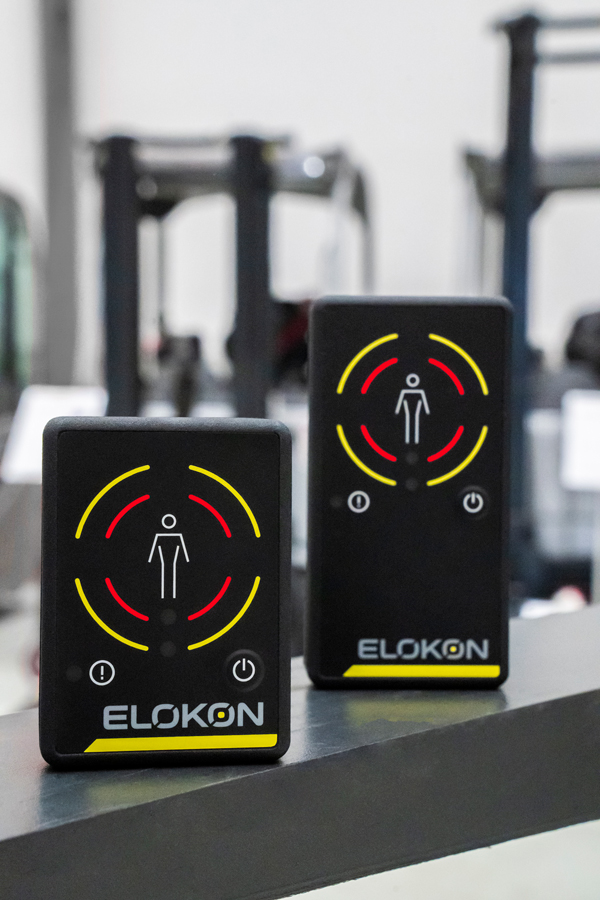
The supplier of safety and assistance systems for intralogistics, Elokon, has launched a number of innovations and enhanced features for its proximity detection and warning system ELOshield. These include the company’s first commercially available wearable in the form of a smart vest, new pedestrian modules and ELOshieldSPEED; an automatic system for reducing the speed of industrial vehicles across extensive areas in the warehouse. Due to the cancellation of many industry events for the foreseeable future, Elokon has set up a dedicated section on its website which contains detailed information, videos and interviews with company personnel about these new developments: highlights.elokon.com

The technology integrated into the new smart safety vest not only enhances safety for employees when working in the vicinity of forklifts, AGVs and cobots, but also offers maximum comfort and unhampered mobility. This intelligent and connected piece of workwear incorporates all the functions of ELOshield’s pedestrian modules. It sends out visual, acoustic and haptic warning signals to the wearer as soon as they encroach the danger zone, preventing any risk of collisions. The ISO-certified hi-vis vest is made of lightweight soft shell material and comes in a range of sizes.

The company now offers two versions of its ELOshield pedestrian modules for more customer flexibility. They communicate by radio with the ELOshield modules fitted to industrial vehicles, ensuring optimum employee protection by emitting acoustic, haptic and flashing warnings when they enter a danger zone. Both modules are particularly compact, weighing just either 110g or 140g and the choice comes down to the length of battery time required: the smaller one-shift module will work for around 12 hours and the slightly larger two-shift version has a capacity of around 20 hours. The new modules are freely configurable, can be combined with each other and can be set up for different groups of people, such as warehouse staff or visitors.

Keeping extensive areas in the warehouse safe and secure can be problematic but this issue has now been solved following the introduction of ELOshield’s new functionality ELOshieldSPEED. This enables individual danger zones – such as entire halls or long aisles with specific entrances and exits, to be defined and requires no intervention from the driver. Vehicles entering these zones are automatically slowed down to the designated speed, and their original speed is automatically resumed once they exit the zone.

UK Firm Bids to Transform Home Delivery with New Vehicle

A British engineering firm that works with some of the biggest brands in the aerospace and automotive sectors has brought its experience to commercial vehicle bodybuilding in a bid to transform the home delivery sector.

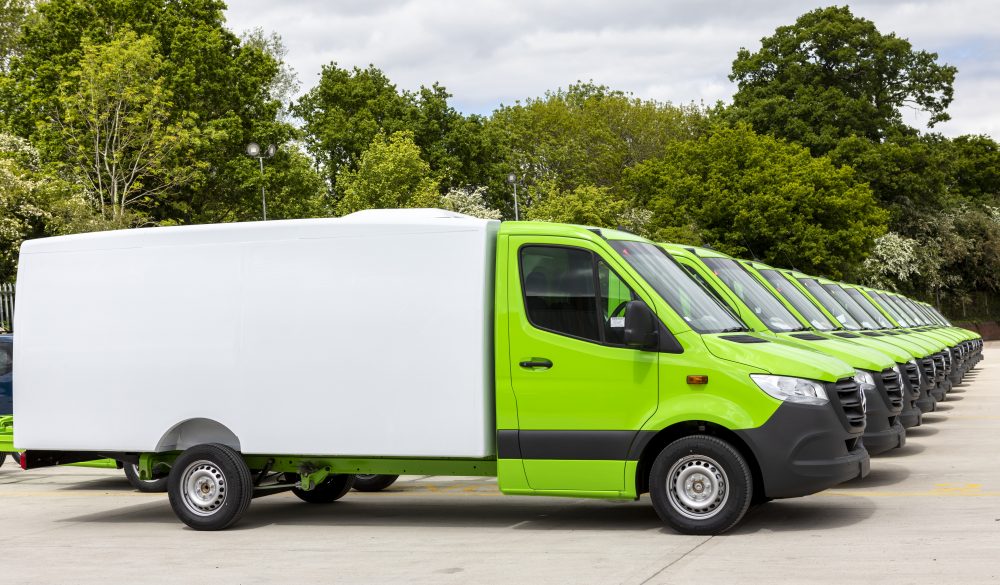
Coventry-based Penso is launching a new range of ultra-lightweight bodies for 3.5-tonne commercial vehicles which have been carefully designed to tackle all issues facing last mile logistics fleets, namely: reducing carbon footprint, driver shortage, tighter legislation, imminent technology advances in alternative fuels and, today more than ever before, increasing customer demand.

The firm’s new ‘Blue Ocean Home Delivery Pods’ offer temperature-controlled and dry freight fleets running 3.5-tonners the ability to carry the same weight of goods in two journeys, that a traditional vehicle delivers in three.

This significant increase, combined with a truly aerodynamic design, improved functionality for drivers, the use of both carbon fibre and recycled plastic, compatibility with diesel, electric and hybrid chassis plus an unparalleled 10-year structural warranty, provides Penso an opportunity to deliver huge efficiency savings for supermarkets, parcel delivery firms and logistics fleets.

The launch is the result of more than 10 years of research by Penso and a £16.3 million investment – half from Penso and half from government matched-funding via the Advanced Propulsion Centre (APC) and Innovate UK. This has helped to fund the installation of a flexible automated robot assembly line housed in a brand new 50,000 ft2 facility which can produce a finished body every 42 minutes.

Production is commencing with two initial models – an e-Grocery Pod as an upgrade for supermarket deliveries and an e-Delivery Pod, based on a Luton van. Ultimately, 30 different pods will be offered including medium- and high-roof van body variants with a choice of single and double compartments, twin rear doors and side-door loading configurations, plus tail-lift options. These will be built across different wheelbases and vehicle platforms to suit a variety of applications and fleets.

Conveyor Specialist cellumation Granted EU Funding

Bremen-based conveyor technology specialist cellumation has been granted €2 million in EU funding for further development.

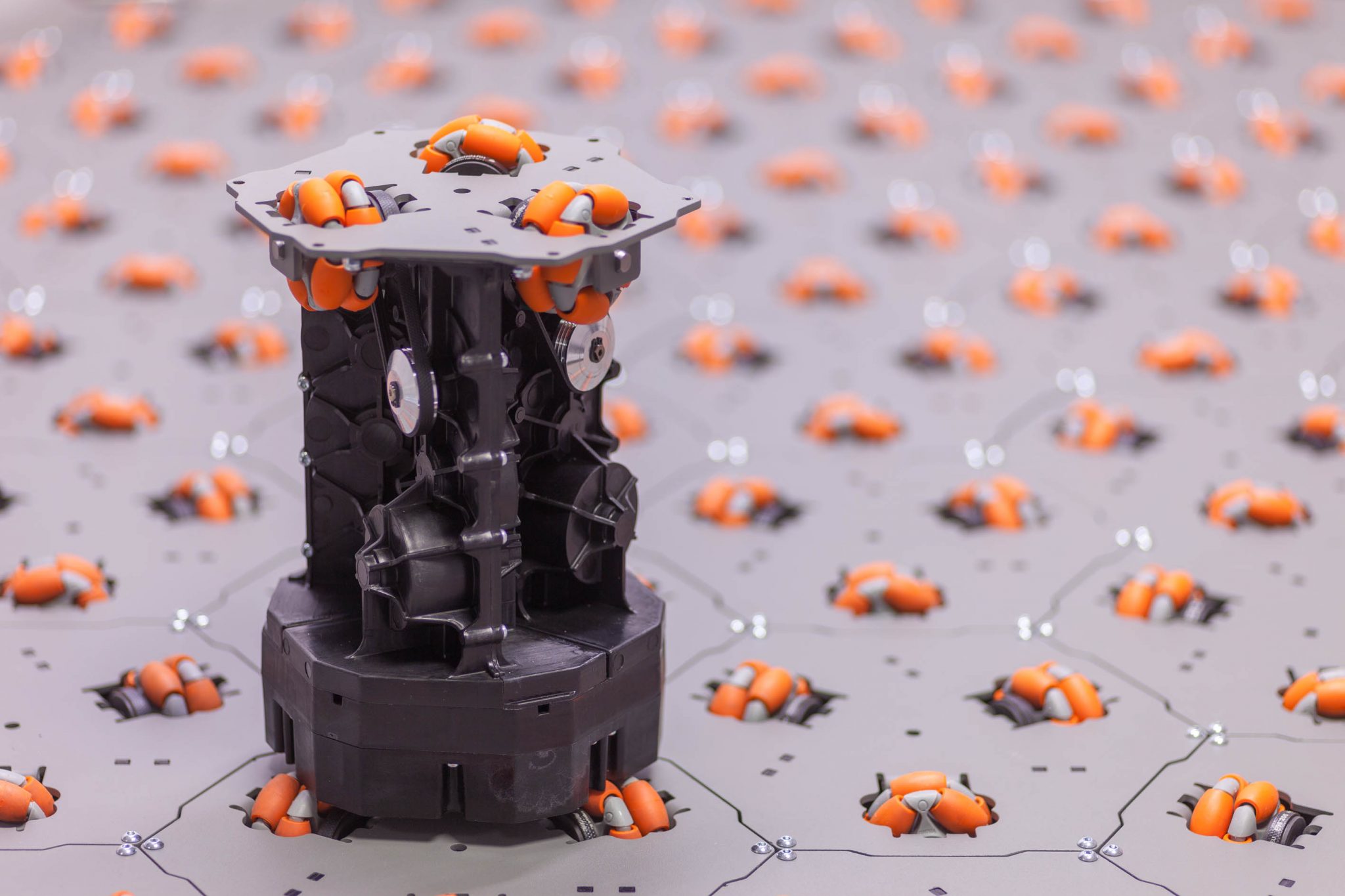
This year, 44 young companies and their innovations were selected by the EIC from close to 2,000 applicants from 40 countries. The funding acknowledges the ‘celluveyor’ as a groundbreaking European innovation for flexible material flow in intelligent logistics centres and factories. “We see the selection as an enormous confirmation and recognition of our work and a confirmation of the great potential of our technology,” says cellumation’s CEO Dr.-Ing. Hendrik Thamer. “The funds will especially be used for the further development of our technology. This will enable us to significantly expand the flexibility and the ap-plication possibilities of the celluveyor.”

The system is based on small hexagonal conveyor modules, each with three particularly arranged wheels. They allow objects to be conveyed in any direction. The conveyor modules with their hexagonal structures can be simply clicked together and combined to any desired conveyor system geometry. Through the single wheel control, the wheels are controlled individually, this enables objects to be moved freely and almost all conveying tasks can be realized with one system. In addition to a flexible design and demand-oriented expansion of the conveyor system, the celluveyor offers increased throughput and up to 95 percent space savings compared to conventional conveyor solutions.

Subscribe

Get notified about New Episodes of our Podcast, New Magazine Issues and stay updated with our Weekly Newsletter.