Industry View: Focus on the First Mile, Not the Last

Rather than the last mile, Craig Summers, UK Managing Director of Manhattan Associates discovers it’s actually the first mile of the process that ensures supply chain success and aids customer satisfaction.

On your marks, get set, go
From click-to-dispatch, the first mile represents the journey from the point at which a consumer places an order, to the time that it is picked, packed and dispatched, including every aspect of the supply-chain process that makes this possible.

It is here in the first mile, not the last mile, where brands evolve to meet the shifting behaviours of their customers, can maximise inventory to increase the bottom line and (crucially) ensure the wellbeing of many of their employees during the pandemic.

Practice makes perfect
These things do not simply happen overnight and adapting and evolving has historically often taken retailers months and even years to effect change – not a luxury that has been afforded to anyone this year.

The old adage that ‘crisis drives innovation’ has certainly played out over the course of the pandemic, with many established names adopting a start-up mentality and becoming much more agile in the decisions taken and the practical rollouts deployed.

The past six months has seen a number of challenges for retailers, not least for many managing the rapid transition from omnichannel retail to a pure play model, two fundamental areas stand out, both of which are rooted in the first mile of the supply-chain journey.

1. Warehouses
Understanding people and product movement have traditionally been the key indicator of warehouse performance and employee efficiency, but in the socially distanced world of warehousing, you need to rely more on technology to help maintain the efficiency of the click-to-dispatch process.

Whether it’s limiting numbers of workers in specific zones; using swipe keys rather than touchscreen keypads or increasing shift rotations to maintain picking efficiency and productivity, the technology that operates a warehouse during the first mile of a product’s journey is key.

2. Inventory
If you have got it, you should be able to sell it, no matter where in your supply chain an item is. However, in practical terms, this simple concept is complicated to achieve.

Open-architecture IT, including cloud and microservices, as well as developments in AI and machine learning mean retailers can ingest more data to predict demands on retail supply chains.

In turn, firms can be more effective in allocating inventory and rolling out new delivery models (like click-and-collect or curbside pick-up), essentially rendering the need to invest further in complicated ERP deployments (that are often expensive, time-consuming and inflexible) redundant.

Consumer conditioning towards ecommerce and the ongoing demand for delivery services has led to a growth in micro-fulfilment centres, an increased reliance on accurate inventory and an appetite for faster change at the board level.

The road to recovery
While with any luck coronavirus will not be with us forever, its impact will certainly have a significant and lasting effect on consumer behaviour and the first mile of the supply chain.

With consumers more inclined to be forgiving of businesses during this period, now is the time to be bold and pilot new innovative approaches and agile processes.

In the future retail landscape, it will be brands that are nimble and embrace the flexibility afforded to them by advances in cloud and AI solutions that will thrive in a post-pandemic retail landscape.

However, it is worth remembering that ‘innovative’ delivery methods and en vogue technology are no substitute for getting the basics right. It is after all, still the first mile that will make or break the success of a brand promise to its customers, not the last.

Rugged Technology “To Play Pivotal Role”, Claims Survey

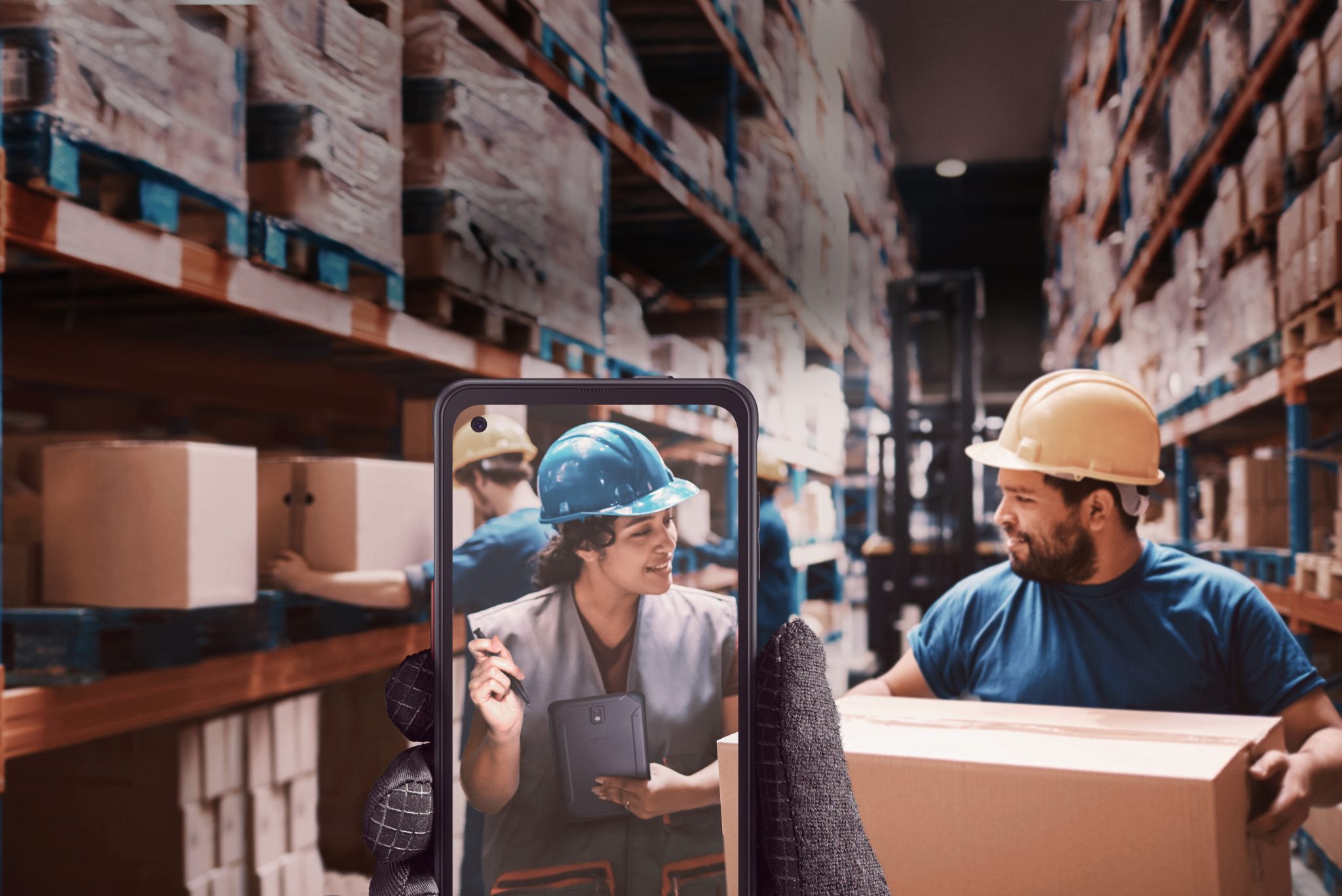
Samsung Electronics UK Ltd. has today revealed the results of a multi-industry research study into the use of rugged technology, looking at key benefits such as productivity and cost saving, resulting in nine out of ten (90%) transport and logistics professionals who have experienced these first-hand, keen to invest in more.

The results showcased that rugged tech will form a pivotal role in the future of the industry, with 69% believing that tougher devices will be essential over the next two years. Feedback from those currently using rugged tech was resoundingly positive, with nearly seven out of ten (68%) claiming that the devices are a gamechanger and they couldn’t imagine working without them.

The research looked at employees and decision-makers in the sector, among others, to reveal current attitudes towards rugged technology. Rugged refers to hardware – including smartphones, tablets, laptops and wearables – designed to operate in extremely harsh environments and conditions.

Samsung uncovered an array of key insights into the benefits and attitudes towards the wider adoption of rugged tech, with those already using or deploying it in their workplace saying the following:

• Financial efficiency: More than eight out of ten (81%) have said investing in rugged tech has reduced their long-term company costs, with over half claiming the total replacement cost and the time saved not waiting for repairs are the major economic benefits.
• Lower the risk: Almost half (41%) currently use their personal device for work, raising serious concerns around data security and associated business risks. By equipping employees with rugged devices, a third of users claimed that the standard of security improved.
• Productivity boost: Nearly a third (32%) said that the industry-specific functionality such as barcode-scanning and POS service is a key benefit, alongside the improved level of productivity, as stated by 30% of respondents. With UK productivity currently 30% lower than the US, according to PwC, results suggest rugged tech could be a valuable tool to give businesses a boost.
• Tough tech: Almost two thirds (64%) said that its durability was the primary benefit, with 87% stating that their performance improved when not having to worry about the device breaking.


Big Automation Contract Win for Dematic in Denmark

Global intralogistics innovator Dematic has announced a flagship new contract with Reitan Distribution A/S in Horsens, Denmark. Reitan Distribution A/S supplies groceries to more than 900 stores throughout Denmark, including more than 340 of the chain’s own REMA 1000 stores and convenience stores including 7-Eleven.

One of Denmark’s largest and fastest growing discount grocery chains, REMA 1000 has achieved remarkable growth in recent years, currently accounting for 15.5% of the Danish grocery market. Today, Reitan Distribution A/S serves 340 REMA 1000 stores in total in Denmark. Dematic was tasked with designing a high-performance automated solution to facilitate and enable increased delivery frequency and service levels to stores, while supporting Reitan’s growth strategy over the next few years.

Reitan’s current logistics centre at Marsalle is approximately 57,000 square metres. In recent years, the business has grown to such a degree that it has become necessary to expand in the form of new and more modern storage facilities. The extended warehouse will add a further 30,000 square metres and will include high bay pallet storage. Measuring 26 metres at its highest point, it will be the largest commercial facility built in Horsens for many years.

Built adjacent to the existing warehouse with a bridge between them, the new facility — purpose-designed to house Dematic’s automation solution — will run for 21 hours a day, six days a week and serve over 400 dry goods orders a day. Approximately 130,000 cases will be picked, packed and distributed every day from the new system, with robotic systems handling a significant proportion of daily operations. The automation solution will increase the delivery frequency of the 600 most popular products to the REMA 1000 grocery store franchisees and reduce overall costs by improving operational efficiency.

Reitan cares deeply about the wellbeing of its employees. It is of vital importance for them to provide a warehouse environment with optimal ergonomics to retain and recruit staff. An example of this is the ergonomic palletising stations, designed collaboratively with a team of employees from Reitan and an independent consultant specialising in optimal work conditions.

Ole Thomsen, Logistics Director at REMA 1000, said: “This project is all about providing better service for merchants, an improved customer experience and creating optimal working conditions for employees to achieve higher efficiency.”

“From the beginning of the process Dematic showed a strong understanding of our business imperatives. This is a company which combines innovation with quality and reliability, backed by a long-standing global track record. As a result, we were convinced they were the right partner for REMA 1000.”

Commenting on the partnership Thorsten Beck Hansen, Director of Sales, Nordics, at Dematic, said: “REMA 1000 has gone from strength to strength in recent years. Like everyone in the grocery space, REMA 1000 needs to invest now to stay ahead. It is our aspiration that the state-of-the-art automated warehouse we are creating will provide the scalability and flexibility the business needs to achieve even greater growth over the next decade.”

Once complete, the new facility will include automated pallet storage, automated case depalletising, buffering, a picking system, as well as semi-and fully automated palletising technology.

Dematic will deliver all of this under a new multisite warehouse management system (WMS), which not only executes complex fulfilment with all the new automated equipment but also orchestrates movement of inventory between the old and new facilities, as well as the delivery of all order pallets to a new dispatch area.

This is expected to more than double the productivity of Reitan’s warehouse, while simultaneously making significant improvements to working conditions for warehouse operatives.

Andy Blandford, Dematic’s Senior Vice President and Managing Director of Northern Europe concluded: “This collaboration marks the beginning of a long-lasting professional relationship. We look forward to working closely with the REMA 1000 team to help them realise their full potential in the constantly evolving grocery industry.”

The new warehouse facility is expected to commence operations by early 2023.

Global Partnership for AMR Deployment Signed

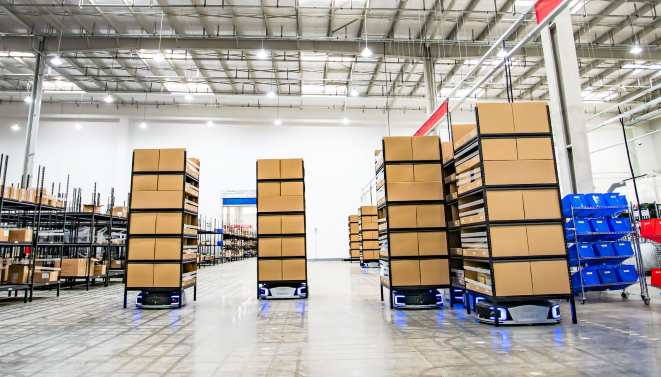
Robotics specialist Geek+ has signed a strategic partnership deal with supply chain all-rounder Körber to provide worldwide businesses with  Autonomous Mobile Robots (AMRs) that can enable efficient, flexible, and smart logistics solutions.

Hong Yu, CMO at Geek+ commented, “We are excited to be entering into our first global partnership and equally excited that it is with Körber. This partnership allows us to provide businesses worldwide with AMR solutions that can help realize flexible and efficient logistics operations. Having already experienced successful collaboration between Geek+ and Kӧrber within the Asia Pacific region, we are confident that this global partnership will lead to accelerated market expansion. Together, we are bringing the future of smart warehousing to companies worldwide.”

In the past 5 years, Geek+ ability to deliver real value to its customers has led to international expansion and rapid growth. This includes the successful deployment of 10,000 AMRs globally in support of over 300 world-renowned customer brands. Geek+ robotic systems continuously demonstrate high effectiveness that helps its customers improve operational performance and drive improved business continuity.

“Körber’s relationship with Geek+ is spurred by innovation,” said Nishan Wijemanne, global leader for AMR Solutions at Körber. “Our ongoing global investments in the advancement of robotics brings a new level of performance to the warehouse floor. By collaborating with Geek+, Kӧrber provides the flexibility, adaptability and precision businesses need to conquer supply chain complexity today and beyond.”

“With the right technologies and partner, businesses can turn today’s supply chain complexities into a strategic differentiator with robotics,” said John Santagate, vice president of robotics at Kӧrber Supply Chain – Software. “Be it the rise in consumer expectations, increasing product counts, supply network complexity, or growing distribution channels, Kӧrber’s relationship with Geek+ empowers businesses to effectively integrate mobile robotics into their operation in the effort to revolutionize workflows across the globe.”

New Logistics Service Dedicated to Wines and Spirits

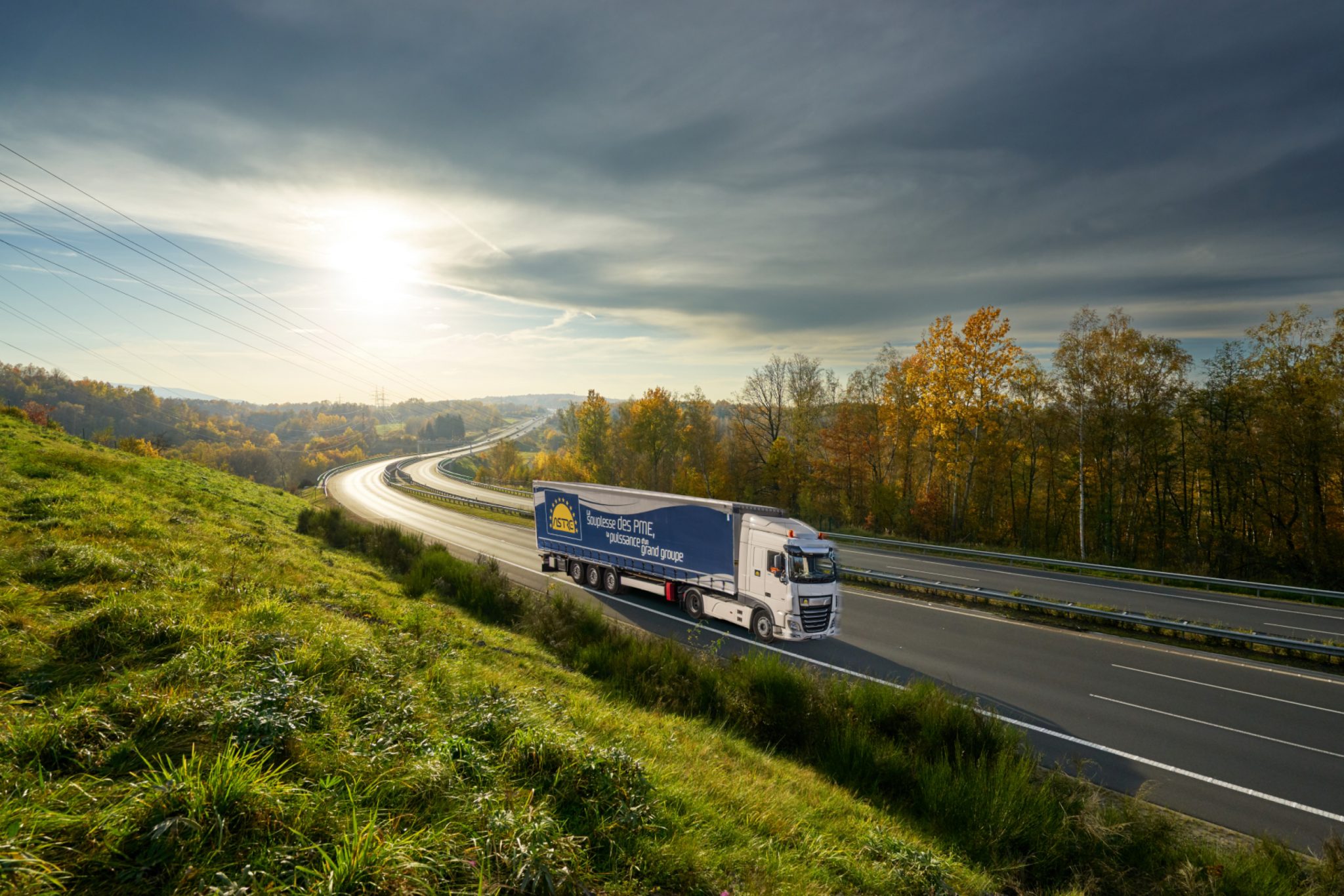
With 144.7 million hectolitres in 2019, Europe produces 2/3 of the world’s wines. The total turnover represents 137 billion euros; Europe’s share is around 70 billion euros, so half is exported. Exports from France, Italy, Spain, Germany and Austria represent more than half of world wine exports. Accelerated by electronic commerce, the share represented by top-quality bottled wines with indication of origin is steadily increasing compared to bulk wines without a geographical indication. At the same time, the demand from producers for transparent, fast supply chains with a single controlling operator, including customs clearance and payment of excise duties is increasing. With ‘Wine & Spirit’, the European logistics network ASTRE has responded with a new service made up of more than 30 partners specialized in this segment, led by six international experts, based in the main production and import countries. Those are Gamba & Rota in France, Avanzini in Italy, Allied Express in Spain, A+M Transitarios in Portugal, KLG in the Netherlands, and Sachsenland in Germany.

The ASTRE Wine & Spirit solution includes optimal management of aspects specific to the sector and emphasizes E-Commerce, while relying on existing quality transport solutions like the pallet distribution channel and the Astre LTL and FTL network solutions. This includes local collection and grouping of pallets directly in the heart of each wine-growing region, a European network of certified logisticians, rapid and simple distribution both inside and outside the ASTRE network, including the services of customs and tax representation. The presence of members of the network in the main European ports also makes it possible to cover important foreign markets such as the United States and China. In addition, all specific logistics services beyond storage are available such as special packaging, the application of fiscal stamps or transport in special palletized containers. In addition, the shipment path is transparent for all users thanks to in-house tracking, with prices known in advance and short transport times.

Bettina Wietzel-Skakowski, responsible for the international network at ASTRE, explains the aim of the system: “Europe is the centre of production but also of consumption in the wine and spirits trade. With ASTRE Wine & Spirit, we are implementing a logistics system that meets the needs of the industry and considers the growing importance of electronic commerce. Faced with increasing quantities of high quality wines and spirits, we have created a transparent and fast logistics solution for both winegrowers and traders or importers, from independent wine merchant retailers, to mass distribution including all the players in the HoReCa sector (Hotels, Restaurants and Catering). Our goal is to position ASTRE as an indispensable and trusted partner of the European wine and spirits industry. ”

The solution is being tested since early July 2020. According to Julien Garioud, International Business Development ASTRE, 5,000 pallets are planned in the first months of the first year, which will be transported not only as part of the Wine & Spirit program, but can also be freely combined with the ASTRE Palet System and ASTRE LTL International distribution channels for part and complete loads. ASTRE thus strengthens its position as a versatile and reliable partner in Europe for its customers’ transport and logistics services.

Japanese Carrier Partners to Launch new Network

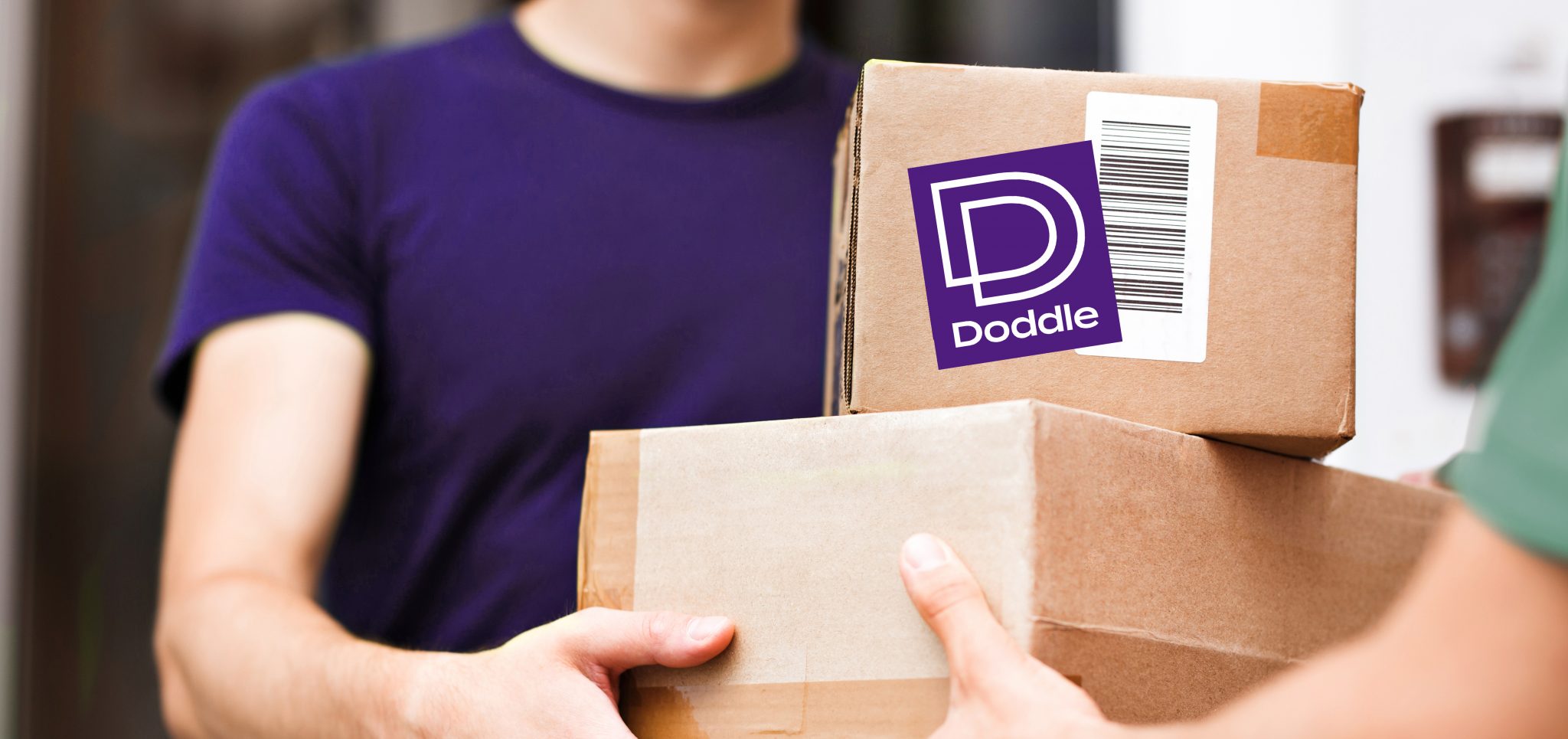
Japan’s leading carrier, Yamato Holdings Co., has partnered with UK-based international ecommerce solutions provider, Doddle, to create a proprietary nationwide PUDO network, underpinned by Doddle’s software platform. The deal cements Doddle’s reputation as a partner of choice for the world’s leading postal services and carriers, coming on the back of the company’s long term partnership with Australia Post to power their Collect & Return network, and the growth of Doddle’s business in the USA as an authorised solutions partner to USPS.

The partnership represents one of the first times Yamato – which has a 42% share of the parcel market in Japan – has worked with an international software business to support its transformation plan ‘Yamato NEXT 100’ – a commitment by the carrier to co-develop sustainably focused future delivery solutions that are both efficient and customer centric. Japan is the world’s fourth biggest ecommerce market and one of the fastest growing ecommerce markets globally, with 75% of the population regular ecommerce users. Yamato currently ships 1.8 billion parcels annually, but with ecommerce demand in the country continuing to grow and with home delivery at 99% share, the need to provide more delivery options to consumers that are flexible, convenient and sustainable has become a strategic priority.

The partnership will enable Yamato to lead the way in sustainable fulfilment while delivering on its ‘all for the customer’ promise. Thanks to Doddle’s flexible, partner agnostic platform, customers will be able to choose to collect their parcels from some of the 240,000 Yamato partner shop network nationwide, with new partner locations expected to include some of the biggest retailers in Japan. Yutaka Nagao, President, Yamato Holdings Co., Ltd. said: “Yamato Group has been seeking proactive partnerships with startups in Japan and abroad possessing innovative technologies and business models for transforming logistics and supply chains. The collaboration with Doddle, a U.K. startup, is one of the most important such moves, and we are elated to announce this initiative with the company. We believe that utilization of Doddle’s cutting-edge digital technology in the last-mile business of e-commerce will enable us to offer a completely new collection experience to Japanese customers in the future. We will aim to establish an e-commerce ecosystem that provides the best value to all who engage in e-commerce by accelerating digital transformation (DX) through further cooperation between the two companies going forward.”

Doddle’s end-to-end tech solution will enable customers to track the progress of their orders at every point of the journey from basket to collection and will enable Yamato Holding’s 33 million Kuroneko privilege club members to carry out in-flight diverts from home to a collection point or from one collection point to another, to offer the ultimate in customer convenience.

Online Retailer Relies on highly-flexible WMS

In March 2020, the first parcel left the modernized logistics site in Sonnefeld, Germany, after the scheduled completion of extensive migration and expansion measures. The BAUR Group had invested about 20 million euros to expand the logistics processing of the Otto Group in Upper Franconia. Since then, parcels have been sent from Sonnefeld to OTTO and BAUR Group customers, including the UNITO brand, in Germany, Austria and Switzerland. By the end of the year, over 500 employees will have shipped about 25 million items – mainly textiles, shoes and jewelry. This amounts to about 10 million shipped parcels and bags.

With Sonnefeld, the services division of the BAUR Group expanded its logistics activities for the Otto Group in order to be able to handle increasing processing requirements within the Group. The traditional location in Altenkunstadt reached its capacity limits after the products of the rapidly expanding fashion retailer ABOUT YOU were successfully delivered throughout Europe from there. The go-live of Sonnefeld has another advantage: Altenkunstadt now has room for further growth in the services sector.

In Sonnefeld, Baur relies on a powerful and flexible warehouse management system from the logistics software specialist inconso, part of the Business Area Körber Supply Chain. The solution is based on inconsoWMS, which has already stood the test of time in Altenkunstadt and is optimized for Baur processes. In some cases, processes had to be tailored and changed. In detail: With 260,000 locations in the picking area and 305,000 locations in reserve storage, the system architecture is largely based on the highly optimized processes in Altenkunstadt. Order data is continuously transmitted to the WMS; orders are planned in waves using a highly flexible order control system. One part of the system architecture is a sorter that supports automated order processing. The new location in the shipping area was designed for efficient and user-friendly processes via Put-to-Light.

Weatherproof Rack for Safe Outdoor Storage

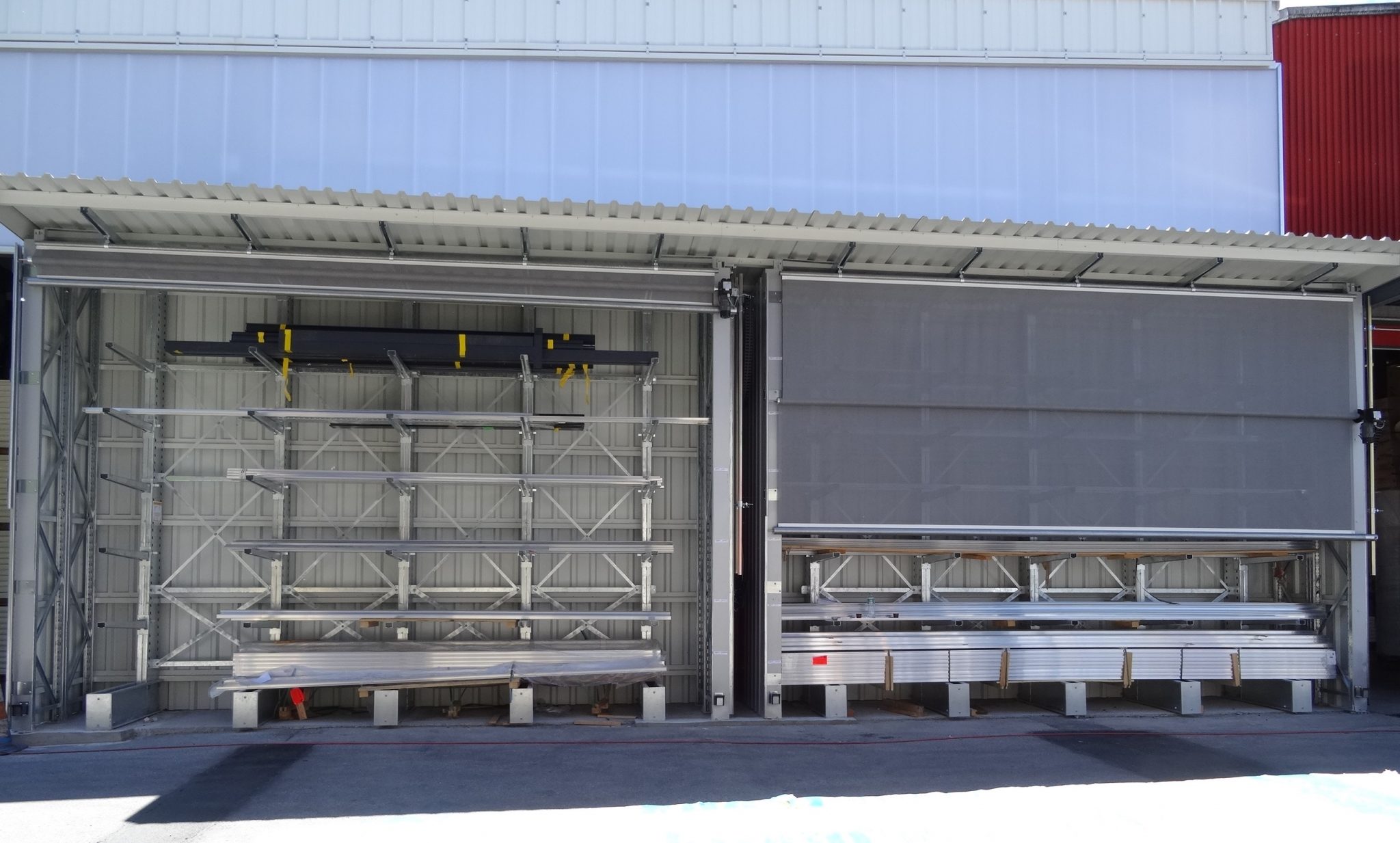
German manufacturer Elvedi offers special weatherproof racks for the storage of long goods with lengths of up to twelve metres. It is the only racking system with an automatically rolling weather protection tarpaulin. The cantilever racks are designed for exceptionally heavy loads. Users of the system are able to store very large wooden and metal goods outside, protected against the weather. This enables them to use the available space with maximum flexibility.

Elvedi’s weather-proofed cantilever heavy-duty racks make it possible to store even the heaviest and most bulky items safely outdoors. Thanks to a special substructure behind the protective tarpaulin, the weather protection withstands the wind forces even at maximum racking lengths of twelve metres. An electric motor provides a fast and safe opening and closing of the splash-proof and air-permeable protective tarpaulin; bulky and heavy roller doors or sliding doors, as used in standard solutions, are not necessary. Furthermore, the weather-protected cantilever racks are also available with a self-supporting roof and as a cold hall. Like all Elvedi system solutions, the weatherproof racking is modular and is designed to meet individual customer requirements.

Recently, there was no efficient way to store long goods safely outdoors. In order to minimise any damage caused by the weather, resistant goods in particular have been stored outside. The options of companies in the wood and metal industry for the allocation of storage space were therefore limited. In response to customer inquiries, Elvedi project manager Günter Garber gave the impulse to consider different approaches to the outdoor storage of long goods. Michael Beil, operations and technical manager at Elvedi, was significantly involved in the technical implementation of the weatherproof rack. “Currently there is no system on the market that can be compared to ours. Using our solution, logisticians gain significantly more flexibility when planning their storage areas. Customers from four countries are already benefiting from our solution: Germany, Switzerland, Austria and France,” says Beil.

SaaS Tech Company Raises $4 million

The Software as a Service (SaaS) enabled marketplace for container freight makes transporters more accessible and shipping processes more automated and fully transparent. Importing and exporting companies are looking to work more digitally. Swedish tech company Adnavem is on a mission to disrupt the transport and logistics industry and has recently closed $4m in new funding. Two new investors are joining the existing shareholders: Runa Capital and Spintop Ventures.

“We feel tremendous confidence in our new, and existing investors. Together they bring a mix of what we need to achieve our vision, to become the world’s most desired and transparent marketplace for global container shipping. The new investors bring entrepreneurship, global business networks, experience in digital business models and a willingness to challenge old standards with new technology,” says Andreas Wramsmyr, founder and CEO of Adnavem.

“We strongly believe in Adnavem and see high potential in automating such massive and old-school industry such as logistics. Adnavem’s team is first to manage and build enough sophisticated automation to completely eliminate the intermediaries and enable full and seamless self-service for the customer. We’re confident that Adnavem will become a universal platform for international freight and can set new industry standards,” commented Dmitry Chikhachev, General Partner at Runa Capital.

“Adnavem has a unique proposition to disrupt container freight logistics and provide high value not only to their customers but also to the other value-adding participants in the container logistics supply chain. The business model is highly-scalable, making it possible to grow the company in a number of dimensions going forward making it a highly interesting investment,” added Sami Niemi, Partner at Spintop Ventures.

Adnavem has its base in Gothenburg and is currently operating in three countries: China, Singapore and Sweden. The plan is to continue to scale the offering and to expand to new markets.
“New technology and digitized data give us possibilities that were not available a few years back. Today we can take control of the full transportation chain in a whole new way. We can work directly with the logistics suppliers removing intermediates which is what transport buyers in the new digital world demand,” says Mattias Sundström, Co-founder and CTO of Adnavem. “We challenge parts of the freight forwarders work; we do believe that there is room for different types of operators in the massive logistics market. Companies with stable transportation chains demanding efficiency and digital working methods – they come to us.”

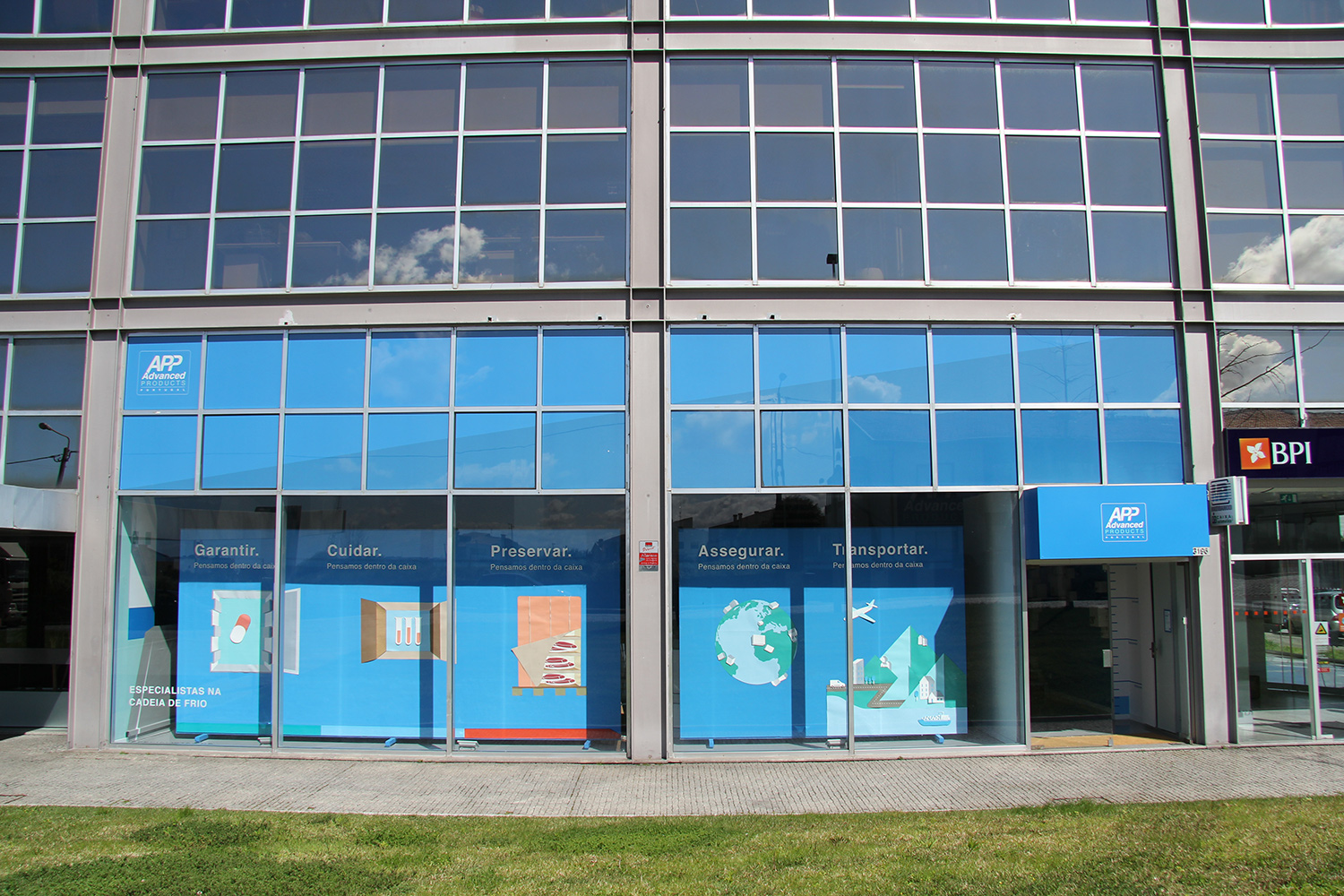
Advanced Products Portugal to Run Cold Chain Webinar

Advanced Products Portugal is presenting a webinar targeted for logistics specialists from Europe, focused on
Smart Thermal Chain Management Solutions. The objective is to discuss and demonstrate the existing
possibilities that answer real-life cold chain logistics problems.

You can sign up here for the Europe Edition, which will take place on  Friday August 28th, 9 a.m. – 10:15 p.m. (GMT+00:00)

In the last few years, the world has been experiencing a large growth in logistics operations worldwide. Cold
chain logistics is one of the areas with the largest anticipated growth with an expected compound annual
growth rate of 17,9% until 2026 (PR Newswire, 2020).

This growth will bring several challenges related to the thermal chain management, mainly in terms of cost,
quality, and control. It is therefore crucial to address these obstacles and understand which solutions can
and should be applied. In both sessions of the Innovation Lab Talks – Smart Thermal Chain Management
Solution Series, intelligent answers to these problems will be presented.

The webinar will be presented in English.

Subscribe

Get notified about New Episodes of our Podcast, New Magazine Issues and stay updated with our Weekly Newsletter.