Six winners celebrate IFOY 2021 Awards

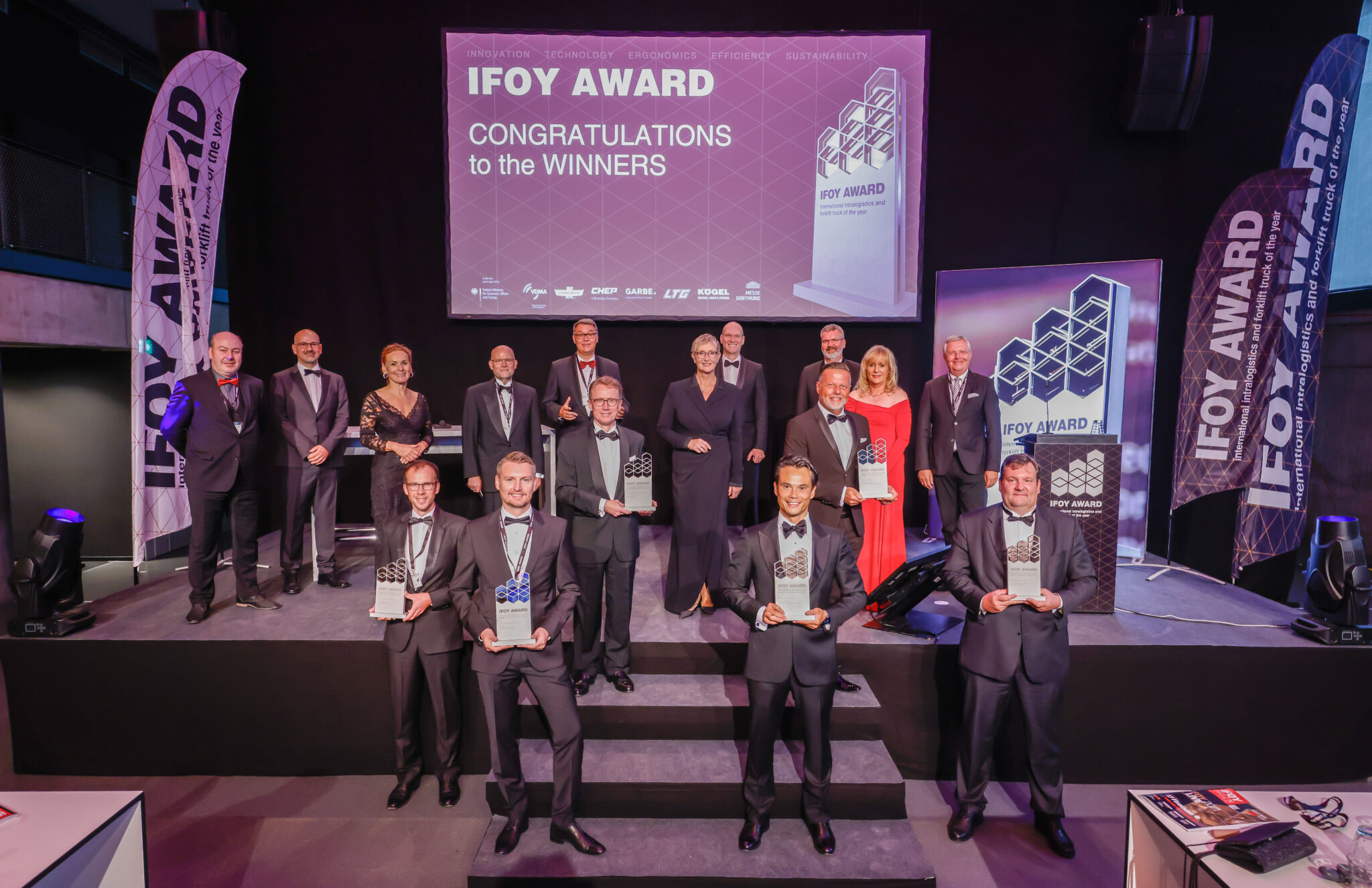
Representatives of arculus, Cargotec, idealworks, Interroll Group, STILL and VOLUME Lagersysteme received their IFOY Awards – dubbed the “Oscar of intralogistics” – at an awards ceremony at the German Football Museum in Dortmund.

The honours were given out by laudators Thomas Westphal (Lord Mayor of Dortmund), Gordon Riske (Chairman of the Board of the VDMA Materials Handling and Intralogistics Sector Association and CEO of KION Group), Prof. Dr. Dr. h. c. Michael ten Hompel (Executive Director of the Fraunhofer Institute for Material Flow and Logistics IML in Dortmund), Sabine Loos (Managing Director of the Westfalenhallen Group), Jan-Dietrich Hempel (Managing Director of GARBE Industrial Real Estate) and Birgit Heitzer (Director Corporate Logistics at REWE Group).

IFOY 2021 AWARD WINNERS

  • Moffett E4-25.3NX, Cargotec
  • iw.hub, idealworks
  • Smart Pallet Mover (SPM), Interroll Group
  • arculus Fleet, arculus
  • Danfoss Project, STILL
  • Volume WAVE, VOLUME Storage Systems


The IFOY Award is the most important intralogistics award in the world. In 2021, 14 international companies entered 17 products and solutions in the ninth round of the award. “The winners of the IFOY Award 2021 have once again demonstrated that businesses can be innovative and forward-thinking even in persistent pandemic times and bring top products to the market that have a significant effect on the future of intralogistics,” emphasises jury chairwoman Anita Würmser.

Forklift specialist Cargotec won its first IFOY Award in the “Special Vehicle” category with the second generation of its Moffett E4-25.3NX, the world’s first fully electric truck-mounted forklift. According to the jury, the emission-free and low-noise truck is unique in its class. It has a three-wheel drive as well as numerous safety features and convinced the jury in the IFOY test, for example, with its economic efficiency and high performance.

The winner in the “Automated Guided Vehicle (AGV)” category is the BMW subsidiary idealworks with the iw.hub. Originally developed for in-house use, the autonomous mobile robot (AMR) is now freely available on the market and can be implemented very easily in just two days without any structural adjustments. The AMR, which set an example at the IFOY Test Days with its flexibility and other features, also scored points with its competitive price.

In the “Special of the Year” category, the IFOY Award got to the Smart Pallet Mover (SPM) from the Swiss Interroll Group. The new, mobile robot solution for the automation of pallet transport in the areas of production machines and order picking convinced testers and the jury not only with its high degree of innovation, but also with an outstanding cost-benefit advantage.

An IFOY Award was also won by arculus. In the category “Intralogistics Software”, the manufacturer-independent fleet management system arculus Fleet convinced the jury. The system enables the operation of AGVs from different manufacturers in one area via a VDA5050 interface and opens up new possibilities for the mixed operation of automated warehouse vehicles, which were unthinkable in practice until not long ago.

In the “Integrated Warehouse Solutions” category, this year’s award went to STILL. The Hamburg-based intralogistics company made it to the top with its Danfoss project. For Danfoss Power Electronics’ new production warehouse, STILL had implemented a perfectly coordinated solution consisting of three automated series industrial trucks, the smart iGo insights tool and the ELOshield safety system for its Danish customer. According to the jury, the project is an impressive example how automated warehouses will be controlled, monitored and analysed in the future.

No fewer than five young companies qualified for the final round in the “Start-up of the Year” category this year with very different innovative solutions. In the end, Volume WAVE from VOLUME Lagersysteme came out on top. The world’s first fully automated pallet shuttle warehouse with individual access to each storage location convinced the jury with its fundamentally new design principle as well as its professional implementation. Scientists described the extremely space-saving solution in the IFOY Innovation Check as “impressive”.

The International Intralogistics and Forklift Truck of the Year (IFOY) Award recognises the best intralogistics products and solutions of the year. It has established itself as an indicator of cost-effectiveness and innovation and is regarded as the leading innovation award in intralogistics due to its technical expertise. The basis for the decision is the three-stage audit – consisting of the IFOY test protocol with around 80 criteria, the scientific IFOY Innovation Check and the jury test. The most important detail is that the nominees are not compared with each other, but with their competitors’ products on the market.

At the IFOY Test Days in March at the Messe Dortmund exhibition centre, all nominees went through the IFOY test series. For the second year in a row, around 100 potential buyers were also on-site at the Test Camp Intralogistics. The winners of the IFOY Award are chosen annually by an international jury of trade journalists.

The IFOY Award is sponsored by the Association for Materials Handling and Intralogistics within the VDMA. IFOY partners are Messe Dortmund and the world’s leading forklift attachment manufacturer Cascade. The IFOY Awards’s pallet partner is CHEP, the global market leader in the pooling of pallets and containers. The logistics real estate partner is GARBE, the trailer partner is Kögel and the logistics partner is LTG.

The application phase for the IFOY Award 2022 starts on 1st August, 2021.
Antonov delivers 3 firetrucks on single aircraft

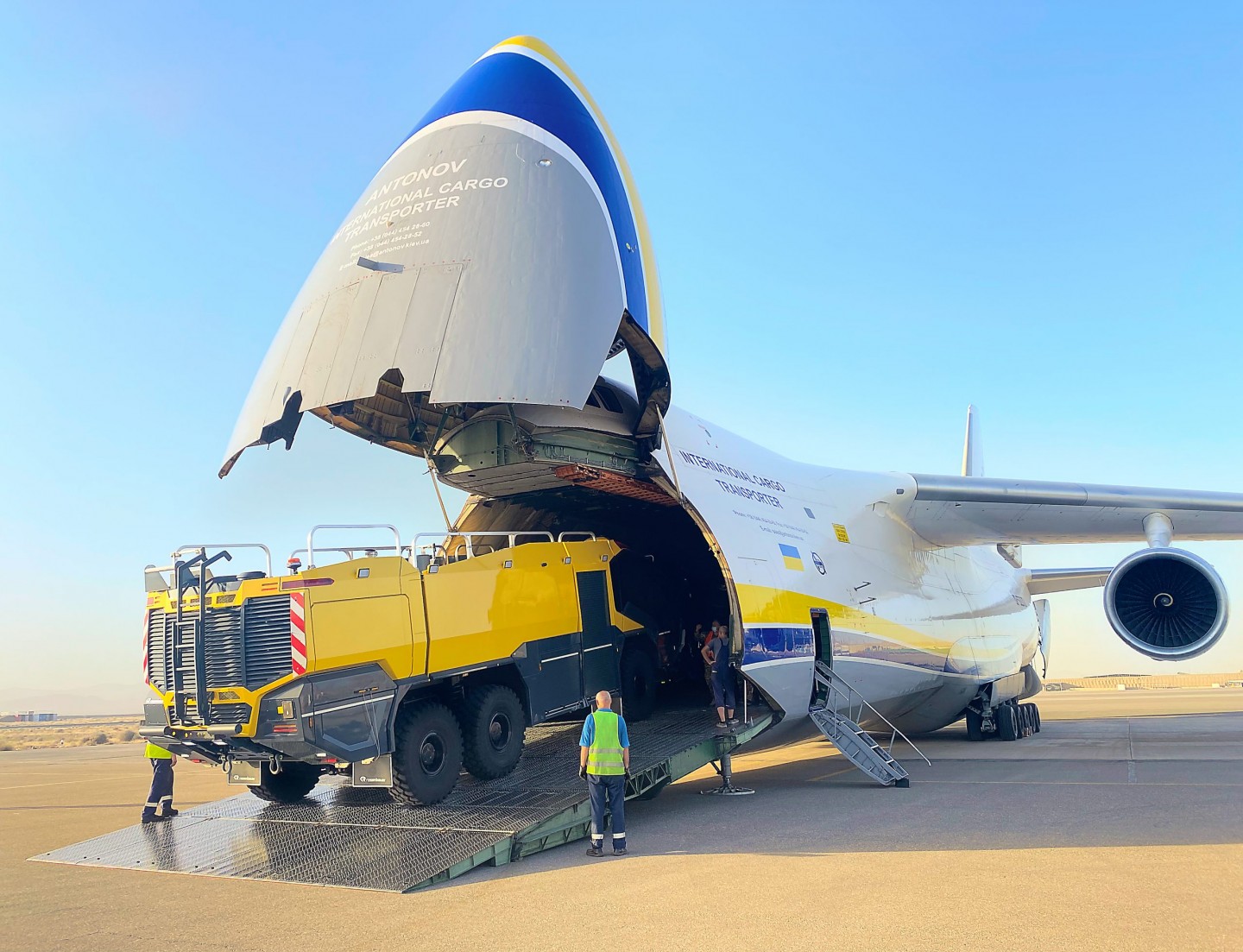
Antonov Airlines has safely transported three Rosenbauer Panther 6×6 fire trucks on a single AN-124-100M-150 flight from the Middle East to Central Asia at short notice.

The team managed to find a solution within a week to get the trucks to Central Asia after a change in circumstances meant short-notice airfreight was the only way to deliver the cargo safely and on time.

“When Rosenbauer came back to us and described the developments that affected the movement of its fire trucks, Antonov Airlines was able to connect this cargo with flight schedules already operating in the region to provide a cost-effective and time-sensitive solution that met Rosenbauer’s demands,” said Ivan Bozhko, Commercial Executive at Antonov Airlines.

Antonov Airlines flew an AN-124-100M-150 aircraft from its home airport in Kyiv, Ukraine to the Middle East to load the fire trucks and transport them to Central Asia.

After arriving at the destination, the fire trucks were unloaded, and cargo for a separate project was loaded, optimising the routing and cargo capacity of the aircraft.

The fire trucks weigh 21 tonnes each for a total payload of 63 tonnes and the length is 12m each, totalling 36m for a full AN-124.

“Once again we had the pleasure of working hand-in-hand with Antonov Airlines to airlift our fire trucks to an otherwise difficult to reach final destination,” said Philip Karl, Key Account Manager, Rosenbauer International AG.

Recently, Antonov Airlines transported five Black Hawk helicopters from Poland to the Philippines on one of its seven AN-124-100 that have a payload of up to 120 tonnes.

BioLNG production project at French port

EveRé, operator of the multi-process household waste treatment plant commissioned by Métropole Aix-Marseille-Provence, the CMA CGM Group, a world leader in shipping and logistics, Elengy, a subsidiary of Engie, operating liquefied natural gas (LNG) terminals at Fos-sur-Mer and TotalEnergies, a global multi-energy company that produces and supplies energy, have joined forces to study the feasibility of creating France’s first production unit for liquefied biomethane (BioLNG), a low-carbon alternative fuel dedicated to energy transition in the shipping industry.

Produced by converting the biodegradable part of household waste from the Marseille Provence region, BioLNG would allow for the decarbonization of shipping services departing from the Grand Port Maritime in Marseille and would be used primarily for the CMA CGM Group’s LNG-powered vessels.

The project forms a circular economic system. Using the area’s household waste will help reduce local air pollutants (nitrogen oxides, sulphur oxides and fine particles), improving air quality and quality of life for people living in the region and supporting the energy transition in the shipping industry.

A concrete commitment to energy transition in shipping

BioLNG, combined with the dual-fuel gas engine technology developed by CMA CGM, reduces greenhouse gas emissions (including carbon dioxide) by at least 67% relative to well-to-wake VLSFO (the complete value chain). On the basis of a tank-to-wake measurement (at vessel level), greenhouse gas emissions are reduced by 88%.

Liquefied natural gas allows for a 99% reduction in sulphur oxide emissions, a 91% reduction in fine particles emissions and a 92% reduction in nitrogen oxide emissions. By the end of 2024, 44 of the CMA CGM Group’s vessels will be powered by LNG.

A project integrated into the local ecosystem

The project fits perfectly into the local ecosystem, benefiting from the particularly well-suited and already existing infrastructure at the Grand Port Maritime, including EveRé’s waste methanization unit, Elengy’s LNG terminals, which will be used for the storage and delivery of the BioLNG, TotalEnergies’ bunker vessel, which will be located at the port as of January 2022, and CMA CGM’s fleet of LNG-powered vessels. The feasibility study has been launched within the framework of this large-scale project, which corresponds with the national drive to promote BioLNG as defined in France’s Mobility Orientation Law.

CMA CGM, Engie and TotalEnergies: three corporations committed to supporting sustainable mobility

The CMA CGM Group, Engie and TotalEnergies have already been working together for several months as part of the Coalition for the Energy of the Future, which aims to step up the pace of development of future energy sources and technologies and to support new sustainable mobility models, thereby reducing the environmental impact of transportation and logistics.

In order to make true technological revolutions possible and achieve tangible results by 2030, the Coalition has set three main targets:

  • to considerably increase clean energy supply sources;
  • to reduce energy consumption per equivalent kilometer transported;
  • to reduce the proportion of emissions attributable to transportation and logistics.

Bakery supply chain faces “perfect storm”

According to Paul Empson, General Manager, Bakers Basco – a joint venture representing over 55% of the UK bakery market – the UK driver shortage is putting the bakery supply chain at risk of collapse. Here, he offers his views on what this means to the baking industry as well as his thoughts on what government action needs to be taken in order to turn this around and help get the industry back on track.

“The national driver shortage has been wreaking havoc for some time now but only now is it really coming to a head. Add in the fact that hospitality businesses are due to fully reopen soon, there is a real fear that the problems will only get worse unless something is done about it. It’s causing major concern across the whole food and drink supply chain – not least in the baking industry, which Bakers Basco operates in.

“Depleted fleets, an ageing workforce, Brexit and changing legislation have all contributed to the crisis. For those of us who work within the industry, it shouldn’t come as a huge surprise. With the changes to IR35 introduced in April this year and a vast quantity of drivers that are or were limited companies, this was always going to cause severe problems.

“In some respects, I agree with the Government. For far too long, limited company drivers have got away with paying limited tax and earned wages far greater than regular employees. Coming from the logistics industry myself, on many occasions I and my teams would try to secure permanent drivers, only to be told ‘No, you don’t pay enough’ or ‘I earn more money being self-employed’.

“These conversations would go round in circles and, as a manager, you are stuck with the situation and have no choice but to continue paying a higher premium to the limited drivers. We’ve all been there when you have to deliver food to the supply chain and failure is not an option, therefore paying the premium is your only option!

“With changes to IR35, a severe backlog of tests for new drivers with the DVSA/DVLA, Brexit and the well-documented ageing driver workforce combined, we now have a perfect storm which urgently needs Government intervention before the supply chain really collapses.

“At the end of the day, fewer drivers means greater cost to the consumers – so we’ll all end up paying for it somehow. I understand that officials from the Department for Environment, Food and Rural Affairs (Defra) have been holding emergency meetings with retailers, logistics groups and wholesalers to come up with some potential solutions.

“Surely there’s a simple solution here. What about additional tests provided to speed up the backlog? How about a real push on advertising the benefits and qualification of being a HGV driver? Although the world of driving is a tough role in itself; long hours, hard work and at times can be stressful on the great British roads. But does the average person on the street know that the UK average salary is £35k per year and that a HGV driver can earn anywhere between £30k – £40k depending on the company and type of goods delivered?

“In my experience, the food industry generally pays very well for delivery drivers and you would certainly be earning at least the average way, and more! We only ever see bad press around driving and how difficult it can be but, like I say, how about a real push on the positives so that we can get more young people entering the world of driving?

“That would be a sure-fire way of turning this driver shortage crisis around and getting back to what we do best: delivering food between wholesalers, suppliers and their customers.”

Fives to deliver service centre for DHL

Fives, one of the world’s most preferred partners for transforming supply chain facilities, announced that it has been awarded the contract to deliver DHL Express a new handling system in Neu Ulm, Germany.

DHL is facing a tremendous items volume growth that is affecting its entire network of hubs and service centres in Europe: this new facility will be crucial in strengthening the delivery service in the Bavarian region.

The new service centre will be equipped with Fives‘ proprietary technologies: conveyors, EASYCapture (Fives’ integrated data capture station) and Fives’ new swiveler wheel diverter model.

The result is a turnkey, single-directional system with recirculation which handles up to 3,000 items per hour. The solution and technologies have been designed to potentially reach 4,500 items per hour to face the end-of-the-year seasonal peaks.

The new high-capacity electric swiveler operates with a PLC software logic that drives the equipment to high-speed performance. The robust hardware design is also a key factor in reaching such performance.

In addition, two unique features, such as small rollers and a small PLC for each unit, make this wheel diverter a cost-effective piece of equipment.

The result is a competitive solution, which combines the highest performances on the market for this type of technology with a moderate investment.

Fives, as solutions partner for DHL over many years, will once again support DHL in enhancing its last-mile delivery services.

New Tonero surpasses Stage V regulations 

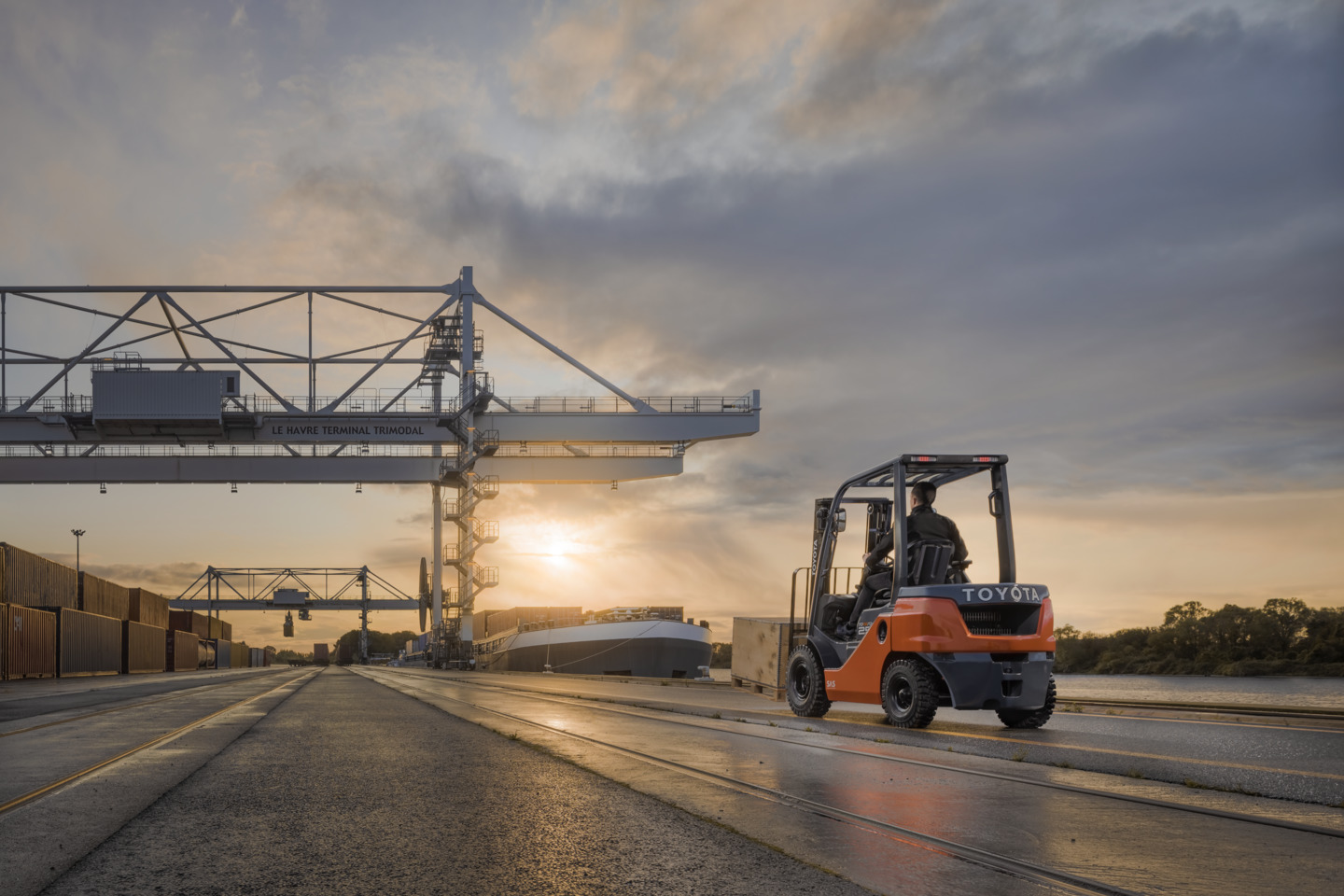
Toyota Material Handling Europe has optimised its engine counterbalanced truck range designed for productivity, efficiency and the environment. The Tonero Stage V includes Toyota’s leanest industrial engines, designed and produced in-house, optimising performance and driveability. The new models deliver lower fuel consumption, less maintenance but most importantly cleaner operations.

The new Toyota Tonero Stage V range is energy-efficient and much cleaner than required by the latest European Union exhaust emission regulation, while also providing a number of benefits for engine counterbalanced truck users. The trucks are equipped with a Toyota in-house industrial engine that is robust, reliable and easy to service, reducing fuel consumption and maintenance costs.

“Our latest engine counterbalanced truck, the Tonero Stage V, combines Toyota innovation and quality, which dramatically reduces emissions, resulting in a cleaner environment and air,” says Paul Van De Sype, Product Manager IC counterbalanced trucks at Toyota Material Handling Europe.

The new counterweight design has been reviewed and improved throughout the range. This offers ease of access for service, saving time and resulting in increased productivity, further adding to a reduced overall cost of ownership. The appearance has been changed as well for the range of 1.5 to 3.5t for increased consistency within the IC CB family.

Surpassing Stage V regulations

Stage V, the European emission regulation, aims at reducing emissions from combustion engines, only allowing for engines with a lower exhaust. Toyota Material Handling strives to guide their customers in these changing times and commits to provide cleaner and leaner solutions with a high-quality level of performance. The Tonero range meets customers’ specific operational needs while minimising emission levels, environmental impacts, and total cost of ownership.

Therefore, the most recent engine counterbalanced models from Toyota have been optimised, including the leanest industrial engines for diesel and LPG, in line with the latest EU emissions regulations. Toyota’s massive unique selling point lies in the fact that all engines are designed and produced in-house.

The Tonero range can be used in every customer application. The Toyota CB IC offer goes from 1.5t all the way to 8t – to support customers from light to intense operations, inside or outside. Up to 3.5 tonnes capacity, customers have the choice between a Tonero with hydrodynamic drive or hydrostatic drive .

Toyota lean industrial engines

The core of the Tonero’s lean power lies in the models’ engines: Toyota applied the principle of Kaizen (continuous improvement) to offer lean engines for both gas and diesel vehicles. The new Tonero models include clean, safe and reliable in-house Toyota engines, surpassing the  European Stage V regulations. Customers have a wide choice of models to choose from, whether it’s diesel or gas.

Our torque convertor range, offering the hydrodynamic drive, is available up to 8 tonnes, both in diesel and LPG version.  Diesel is available on entry models 1.5 to 1.8t  equipped with the reliable 1DZIII engine. As from 2t up to 8t, customers are offered 3 and 4-cylinder ultra-clean and highly fuel-efficient common rail engines. Both include a diesel particulate filter (DPF) for cleaner operations and deliver high power and torque at low engine speeds, ensuring long lifetime and reliability in all applications.

The hydrostatic transmission range offering hydrostatic drive is available in diesel version, equipped with the high-power 3-cylinder 1ZS diesel engine (2.0-3.5t) and available in LPG version (1.5-3.5t). New Toyota-developed software for the full range and additional technologies delivers optimised driveability and productivity in combination with stronger braking ability.

Toyota always strives to offer products with added value as well as helping customers by saving on costs. With this in mind, service intervals on the latest Toyota engines have been increased significantly, reducing costs for service.

Driver safety & comfort

Operators can benefit from a new ergonomic dashboard featuring a new display, easy and intuitive thanks to the controls now all integrated in one place. Indicators for hydraulic oil, wheel position, mast tilt, diesel particulate filter (DPF), driving direction, time and fuel consumption overview are part of the new features included on the display, all contributing to increased productivity and saving costs. A safe workplace is guaranteed thanks to the pre-operational check and speed setting.

The new Toyota front and rear combi LED lights improve drivers’ visibility, for even safer handling. The long lifetime and energy efficiency of LED lights deliver significant fuel and service cost savings, increasing availability and productivity.

For ultimate driver comfort and driving dynamics, the Toyota Tonero with hydrostatic drive is the answer. The models from 2t onwards feature a full floating driver compartment which create an optimal ergonomic working environment.

Culina acquisition of Stobart creates £2.2bn business

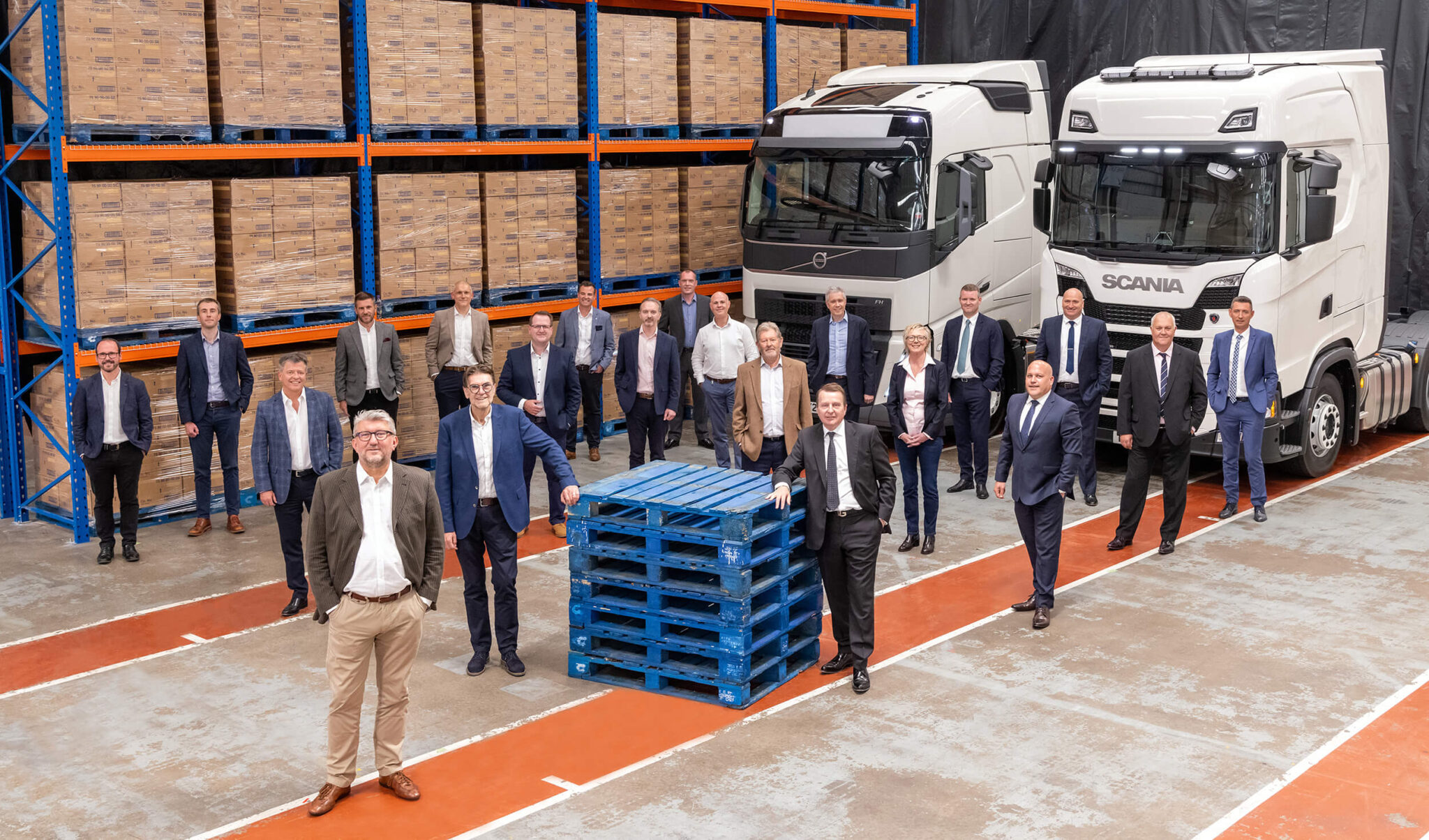
Culina Group, a market-leading provider of shared-user FMCG logistics services, has acquired GreenWhiteStar Acquisitions, the parent company of Eddie Stobart.

In addition to Eddie Stobart, GreenWhiteStar Acquisitions comprises Eddie Stobart Europe, iForce, The Pallet Network, and The Logistics People.

With an overall turnover of more than £2.2bn, a combined workforce of around 22,000 staff, approaching 20 million sq ft of warehousing and a joint fleet of more than 5,500 vehicles, Culina Group says it has significantly strengthened its market-leading position in the FMCG Logistics Sector with this acquisition.

GreenWhiteStar Acquisitions will benefit from private ownership with protection of its brands for years to come. The move will also provide job retention, investment, and will bring an entrepreneurial spirit.

“GreenWhiteStar Acquisitions and Culina Group are complementary businesses, two very strong organisations with great reputations in the industry and with similar cultures,” said Thomas van Mourik, Culina Group CEO. “This is an excellent fit which is going to be fantastic for both our staff and for our clients, whilst making Culina Group the largest FMCG logistics provider in the UK.

“It goes without saying that we are acquiring some excellent contracts, facilities and people. This move significantly expands our ambient network and will enable us to benefit from synergies and efficiencies that will improve our service offer to customers even further.”

The acquisition extends the existing Culina Group network to over 100 strategically located distribution centres in the UK following the addition of the 40+ facilities operated by GreenWhiteStar Acquisitions. Culina Group says it is now the largest privately owned logistics provider in the UK and a business that is undisputed in terms of service.

Culina Group recognises that it is investing in a highly successful business with its own great family spirit,” said William Stobart, GreenWhiteStar Executive Chairman. “Culina Group’s aim now is to support our growth trajectory with the added workforce infrastructure and resources of the overall Group. The GreenWhiteStar Acquisitions Board are extremely pleased to take the group businesses back to private ownership. The combining of our two businesses will create major opportunities for significantly growing our market share.”

William Stobart will take a seat on the Culina Group Board for the long term as Deputy Group CEO. Culina says the primary aim is to ensure that all current and prospective customers continue to benefit from market-leading levels of service.


Mobile packaging system supports salt supplier’s ambitions

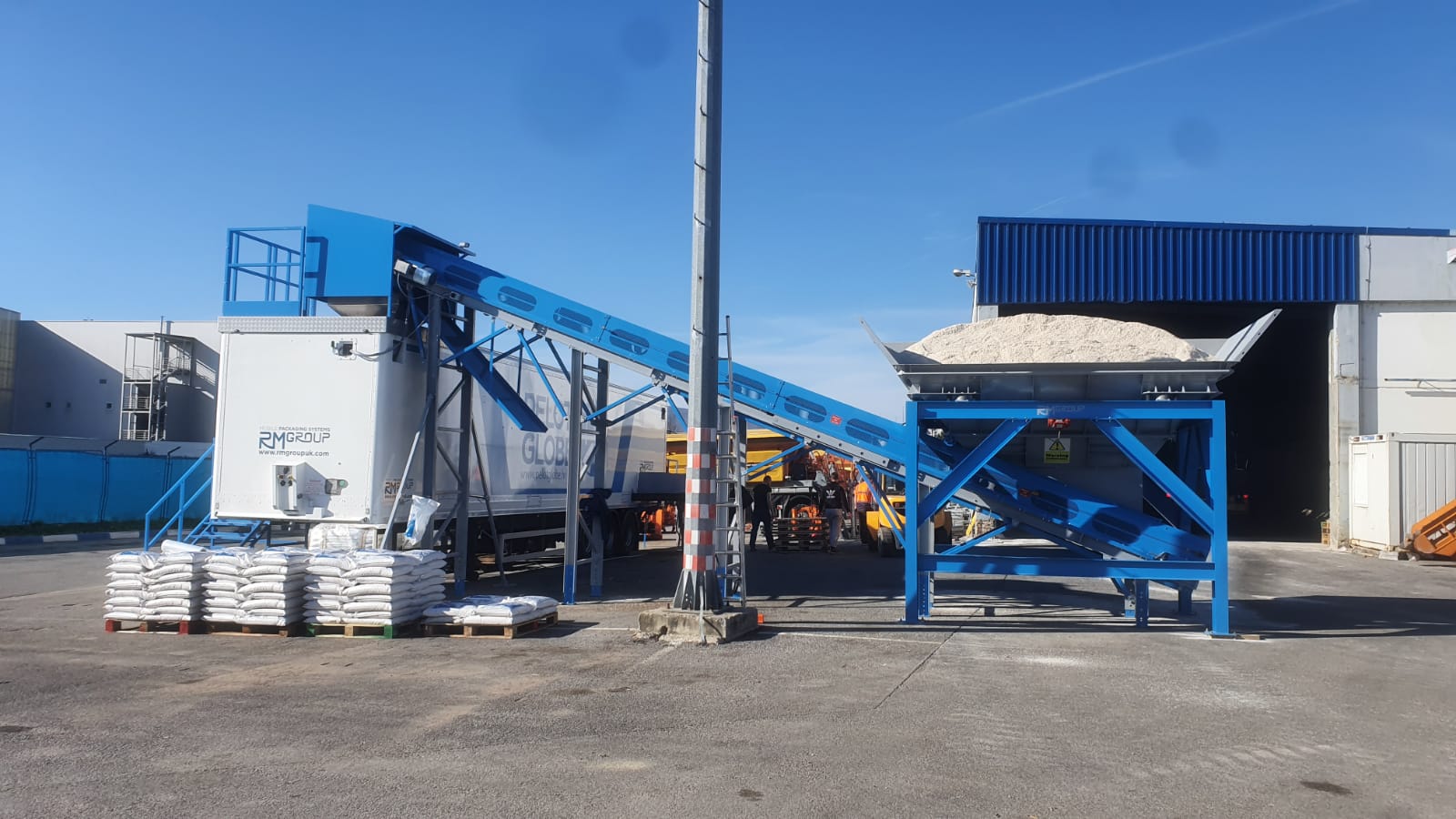
Leading robotics and automation company RMGroup has recently installed one of its innovative mobile packaging systems at PELOT Slovenia, part of the PELOT Group – a main supplier of sea and rock salt in the Republic of Croatia, Slovenia and neighbouring countries.

Used primarily for de-icing roads, the Group’s main objective was to be able to deliver salt to its customers in the shortest-possible timeframe, which during the winter season can amount to 2,500 – 3,000 tonnes of salt per day. With a growth in demand for PELOT Slovenia’s salt products, the firm needed increased mobility in its operation to enable it to service customers more quickly and efficiently, while also providing a bagging service for other businesses.

Following discussions with RMGroup, a mobile packaging system – the LTM 600 – was recommended as a solution. Consisting of a trailer chassis, the system combines manual placement of pre-made bags with an integrated ABB robot palletising system. Given its versatility, the model has also allowed PELOT Slovenia to switch between bag sizes with ease, so now it is able to pack various granules in bags from 10 to 25 kg.

As standard, RMGroup installed an inlet hopper feed system, load cell bag clamp, continuous heat sealer and bag preparation conveyor. The robot palletising system includes pallet magazine and pallet accumulation. Filled pallets are ejected from the line through a controlled speed door, onto gravity conveying. Also included is a compressor to deliver the correct air supply to the line, and a heating system to maintain an ambient temperature and warm environment for bagging.

For service and support, PELOT Slovenia has access to RMGroup’s highly-trained mechanical, electrical and control systems engineers. This provides a rapid response to any service or support requirements remotely via RMGroup’s eWON system – an internet based, remote access tool. The eWON system allows RMGroup to diagnose, respond and repair to any breakdowns or problems that may affect the customer and minimise expensive downtime.

“I had great confidence in working with RMGroup on my project,” said Dejan Mašovič, managing director, PELOT Slovenia. “They have a good reputation online and having read reviews and testimonials, we had the trust to invest in this project. From the start to finish, the communication and updates from RMGroup were excellent. I visited RMGroup’s site with my colleagues to see the machinery prior to the installation and was very happy. RMGroup has been highly professional throughout.”

Ed Pugh, RMGroup’s sales director, added: “As original innovators of the mobile bagging system incorporating robotic palletising, we are delighted to supply our flagship LTF800 to PELOT Slovenia. The whole project ran smoothly throughout and we are confident that the mobile solution will prove to be a wise investment for the business going forward.”

Miralis and partners win smart-charging bid

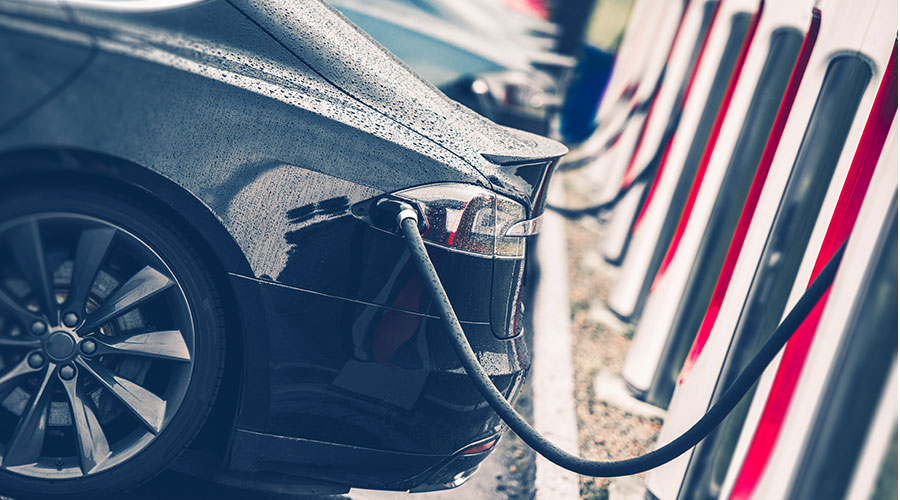
Miralis Data, a transport-focused software and data science company, has secured funding to extend its electric vehicle fleet smart charging research.

This Innovate UK-funded grant will enable Miralis, and project partners Envisij and Mina, to move their smart EV charging from feasibility to testing on real fleets with and tackle emerging challenges.

The government through its Office for Zero Emission Vehicles (OZEV) is leading the drive to address challenges associated with the transition to zero emission vehicles including the adoption by company fleets. This project, named FCSC or Fleet Connected Smart Charging, will produce a solution that enables fleets and their host sites to transition to electric vehicles quicker and more efficiently.

Will Maden, Research Director at Miralis, explains more about the need for the project: “One of the biggest crunch points for larger fleets transitioning to electric vehicles will be managing the supply of electricity. Most fleet managers will face challenges including how much charge different vehicles require, whilst trying to balance the most cost effective way to charge, and ensuring that site capacity is not compromised.”

The project will balance the expected charge needed for a varied fleet with the site’s electricity capacity. Energy management company Envisij will be partnering with Miralis to report real-time and projected site power capacity and site demand to Fuuse/Miralis. Miralis will devise a smart charging solution to optimise the remaining capacity, charging vehicles within cost and capacity parameters.

Committed to making paying for EV charging simple, EV payments startup Mina, will be focusing on home charging for fleets within the project, allowing the smart charging solution to be applied where fleets charge vehicles at employees’ homes.  Mina’s Fleet Charging solution already allows employees to charge at home, fleet managers receive one single invoice each month that captures both home and public charging together for their entire fleet. Within the FCSC project, they will begin testing the benefits of smart charging fleet vehicles at employees homes for the first time.

“The results of our partnership with Envisij and Mina on this project could be a real accelerator for the electrification of fleets,” added Maden. “We’re excited to break down the barriers to transition and make EV charging more accessible, cost-effective and easier to deliver.”

The project is set to kick off in August 2021 with a solution expected in spring 2022.

similar news

Miralis secures funding for on-the-move HGV charging


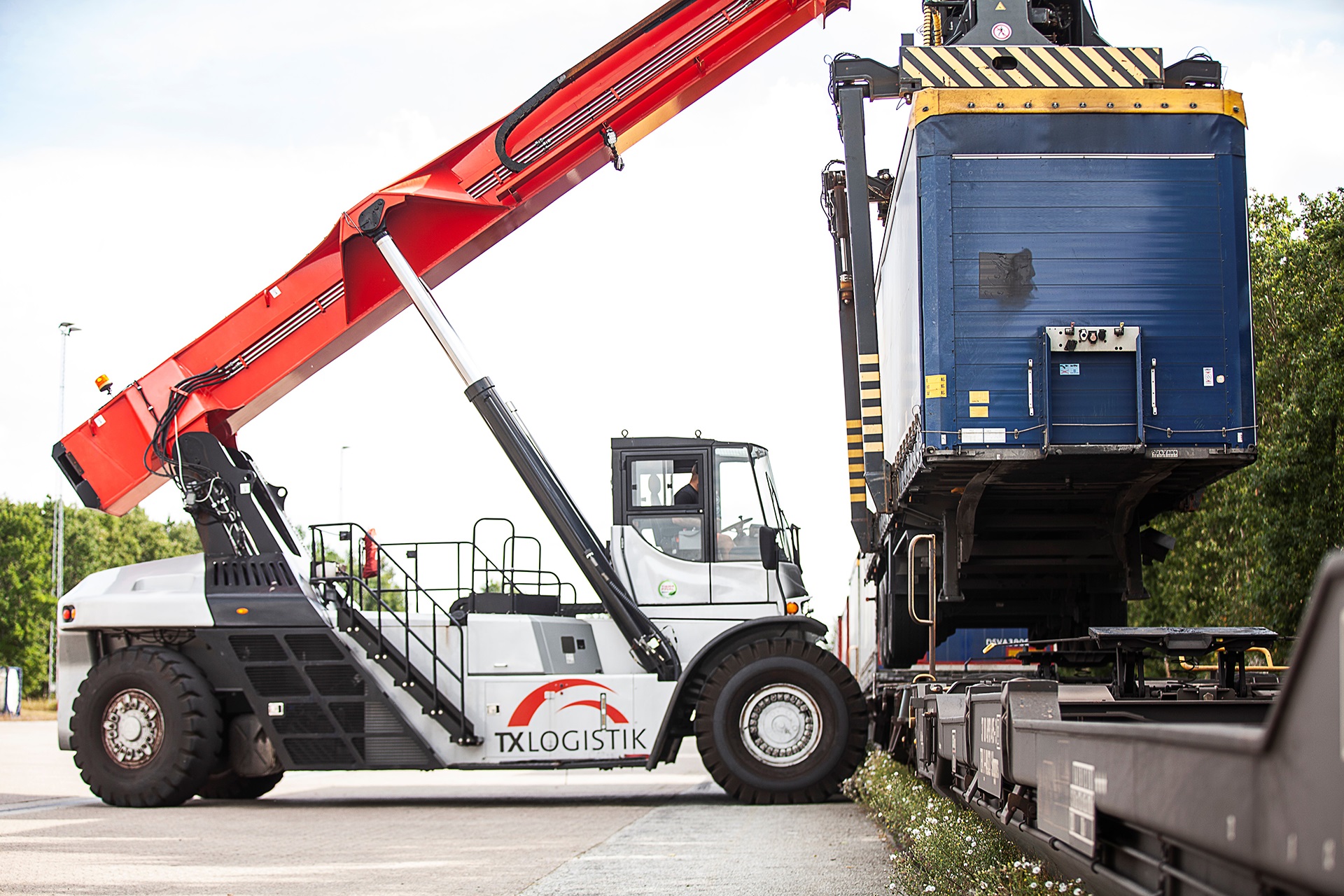
TX Logistik expands Kaldenkirchen-Malmö connection

TX Logistik AG is increasing the frequency of its intermodal connection between the Lower Rhine and Sweden by two round trips. Starting on 5th July 2021, the rail freight logistics company, which is part of the Mercitalia Group (Gruppo FS Italiane), will run five times a week from Kaldenkirchen in the Viersen district (North Rhine-Westphalia) to Malmö and back. The transports will be mainly trailers loaded with goods of all kinds.

The Railterminal in Kaldenkirchen is just a few hundred meters from the German-Dutch border and is centrally located in the triangle between Venlo, Düsseldorf and the Rhine-Ruhr metropolitan area. According to TX Logistik, there is a continuing demand for rail freight transport in this economically important region, as well as in the Scandinavian region. The fact that the Kaldenkirchen-Malmö connection could be expanded just nine months after its launch shows that this corridor is important for the exchange of goods between Western and Northern Europe.

On the entire relation, all services are produced by TX under its own management with its own locomotive drivers and its own equipment. The route runs from Kaldenkirchen via Padborg and Copenhagen to the CMP terminal in Malmö. At the German-Danish border in Padborg, the locomotive drivers are changed, and the Swedish subsidiary TX Logistik AB takes over the traction there.

On the route over the Storebælt and Öresund bridges, specially equipped multi-system locomotives are used, which TX is one of the few companies to have in its fleet. Middle of June, TX Logistik received permission from the Danish supervisory authority to use the Storebælt Bridge for such transports again after it was generally closed to all transports of trailers in pocket wagons from January. The company was certified as fulfilling all official requirements for the safe transport of semi-trailers by rail.

The connection is operated as an open train system. Up to 38 semi-trailers can fit on one train – a shift that will lead to significant savings in CO2 emissions. In addition to the two new services, TX Logistik will continue to serve the terminal in Eskilstuna, around 100 kilometers west of Stockholm, three times a week from Malmö. The rail logistics company thus supplements the domestic network with the national line between Trelleborg, Malmö and Eskilstuna, which currently operates seven round trips per week.

Subscribe

Get notified about New Episodes of our Podcast, New Magazine Issues and stay updated with our Weekly Newsletter.